Birdy October!

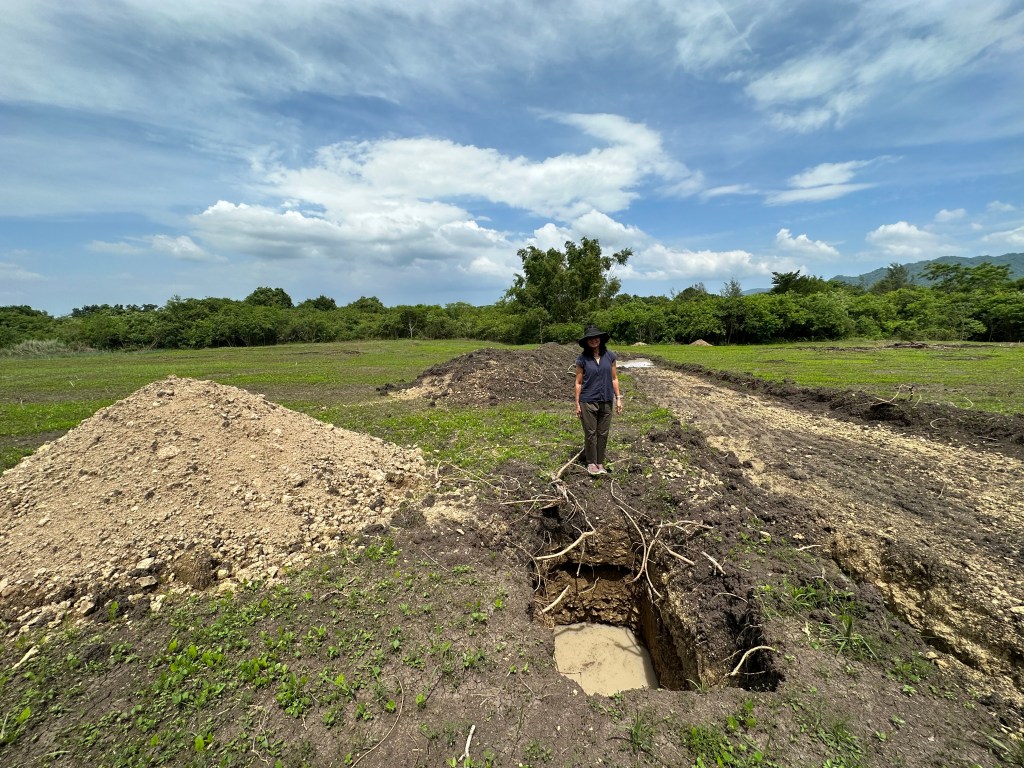
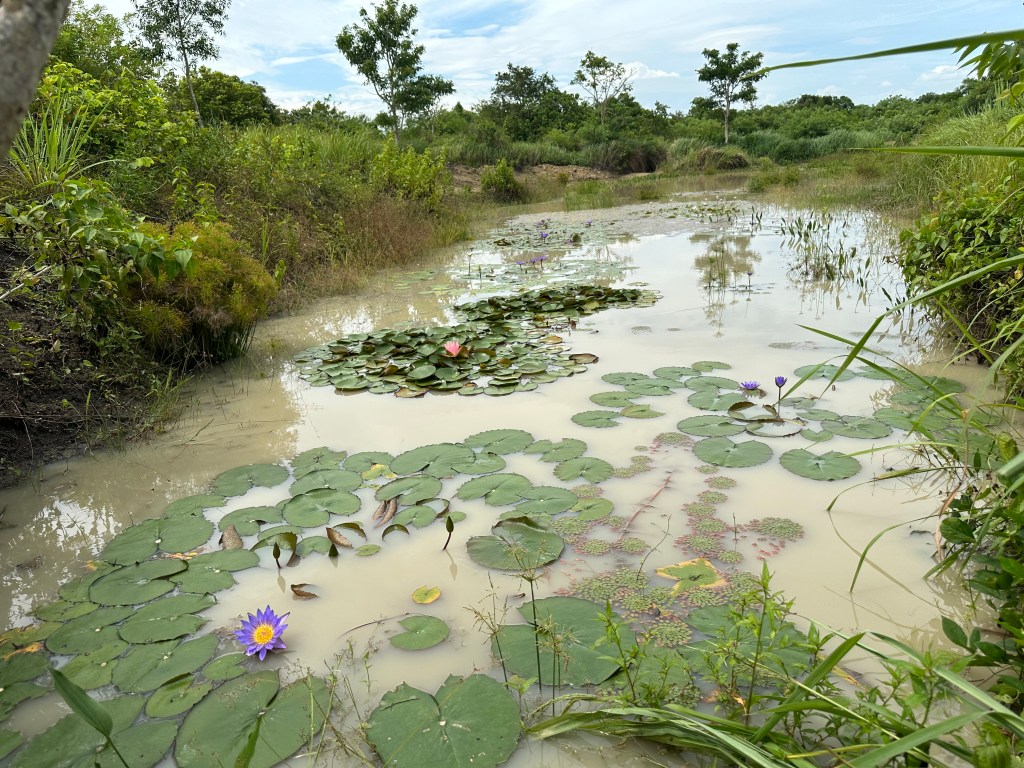
We had an awesome October full of birds and flowers! We finished building the big pond in September and then we had an incredibly fabulous October full of birds and flowers and fruits! Was that the effect of the big pond or just a coincidence?

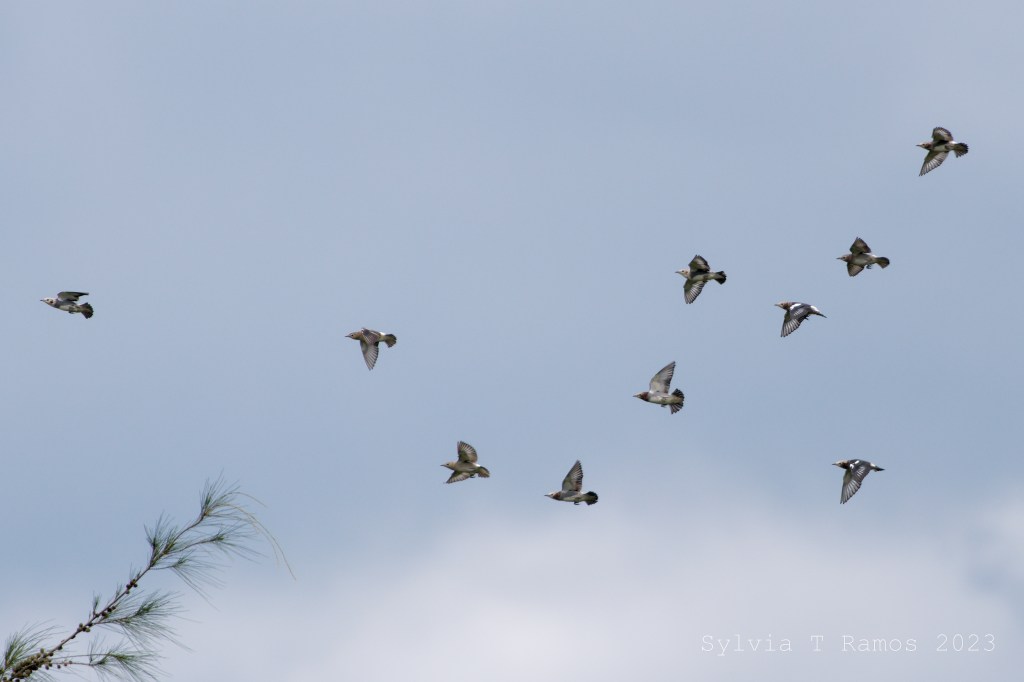
We had 2 new bird species at our refuge! Two new species in one month is very good for us. We have now seen 106 bird species at the refuge. The new birds are Chestnut-cheeked Starling Agropsar philippensis and Little Ringed Plover Charadius dubius. Both species are winter visitors to the Philippines.

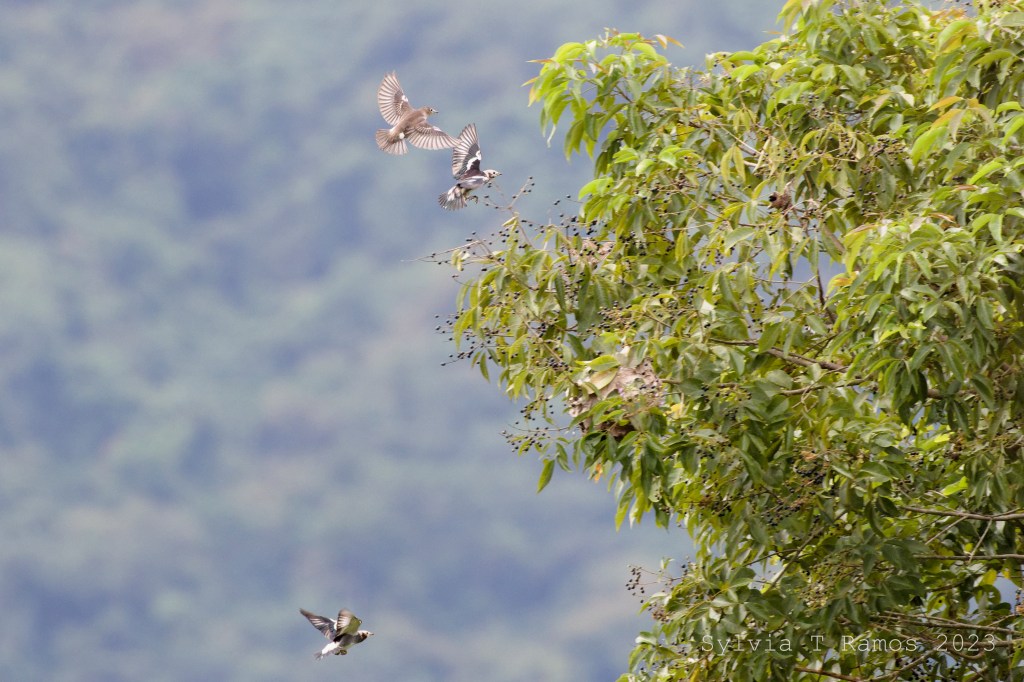
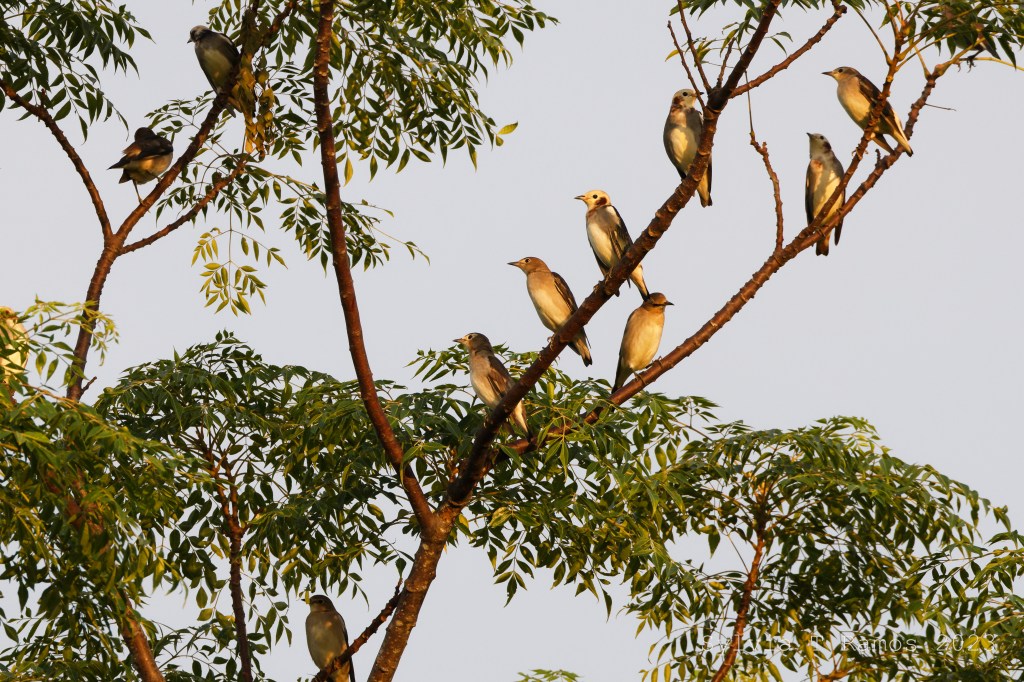
Chestnut-cheeked Starlings are exciting birds to watch. They gather in big flocks and fly together from one tree to another. They have the ability to disappear into the tree they land in! One moment you see a big flock of birds, and the next moment they’ve disappeared! Tonji estimates that there were 300 Chestnut-cheeked starlings in our place. It was difficult to get an accurate count because they were in small flocks and would show up in different spots.

Seeing all those starlings in our place was a dream that was at least ten years in the making. We used to make the 9-hour drive from Manila to Laoag to see look for migrant birds like Chestnut-cheeked Starlings. In 2013, our friend from Laoag Richard Ruiz gave us a mulberry tree to plant in our refuge so that we could attract our own flocks of starlings! The mulberry tree did not do well, but the flocks of starlings came anyway! We saw them on the fruiting Banato and Agoho trees.

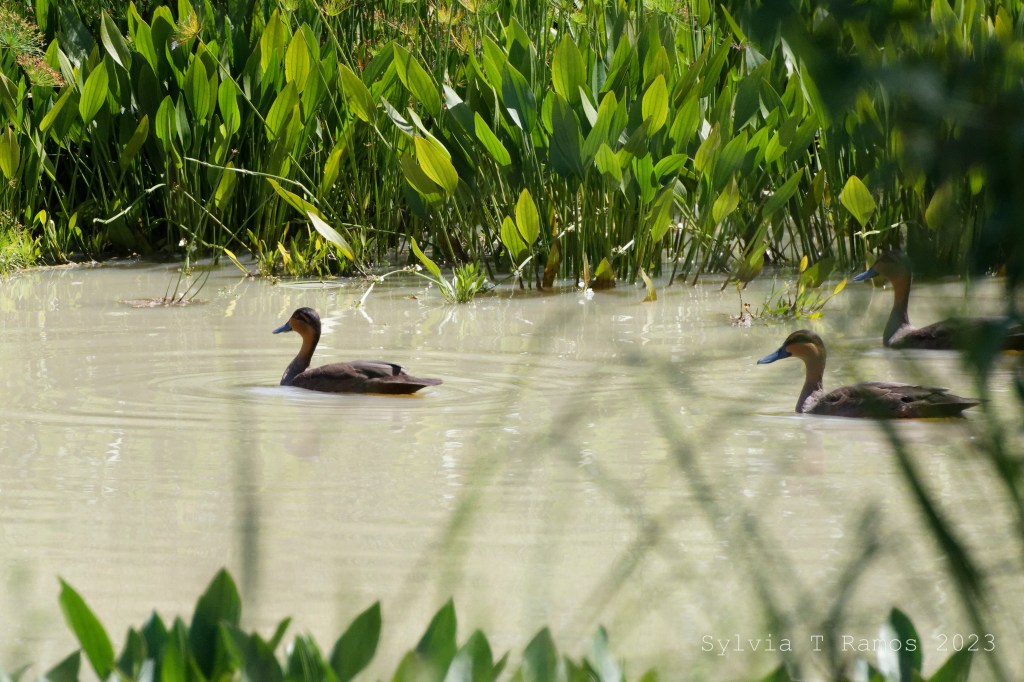
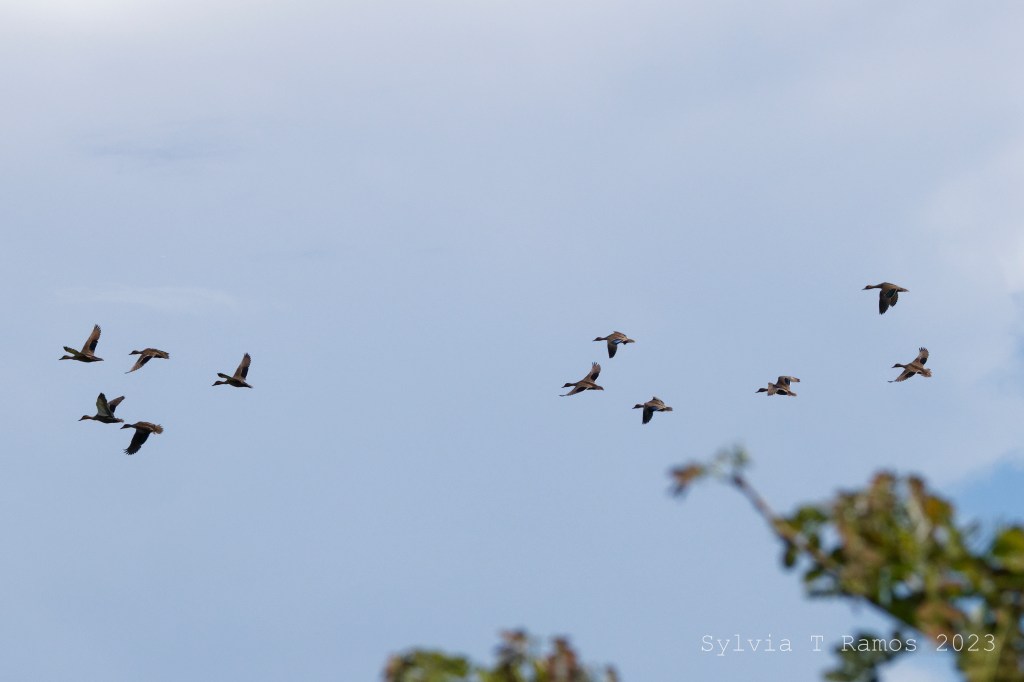
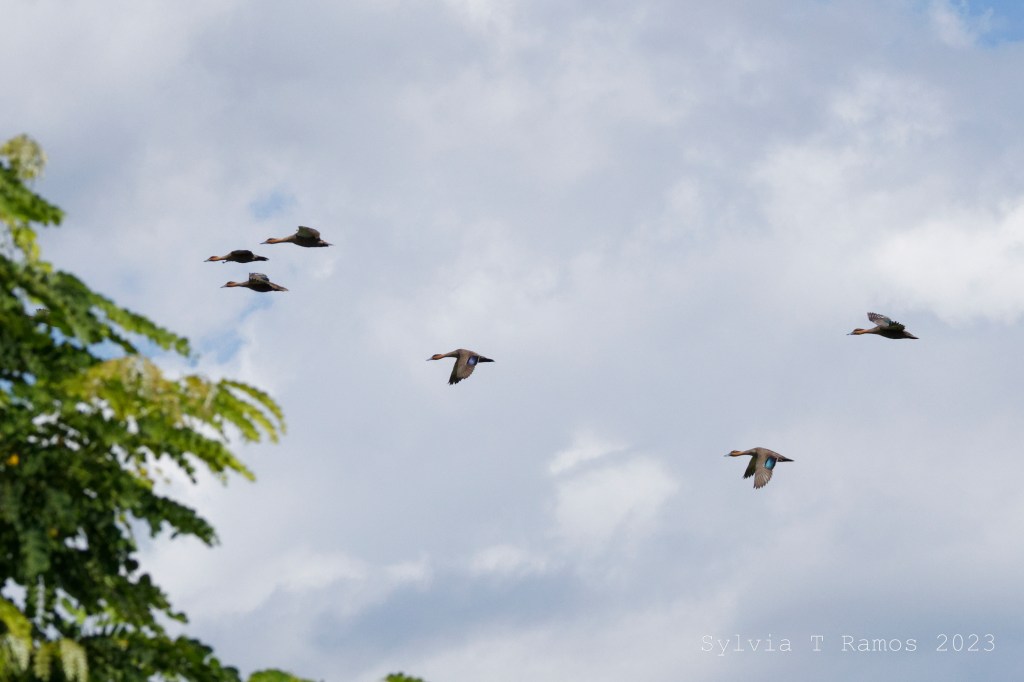
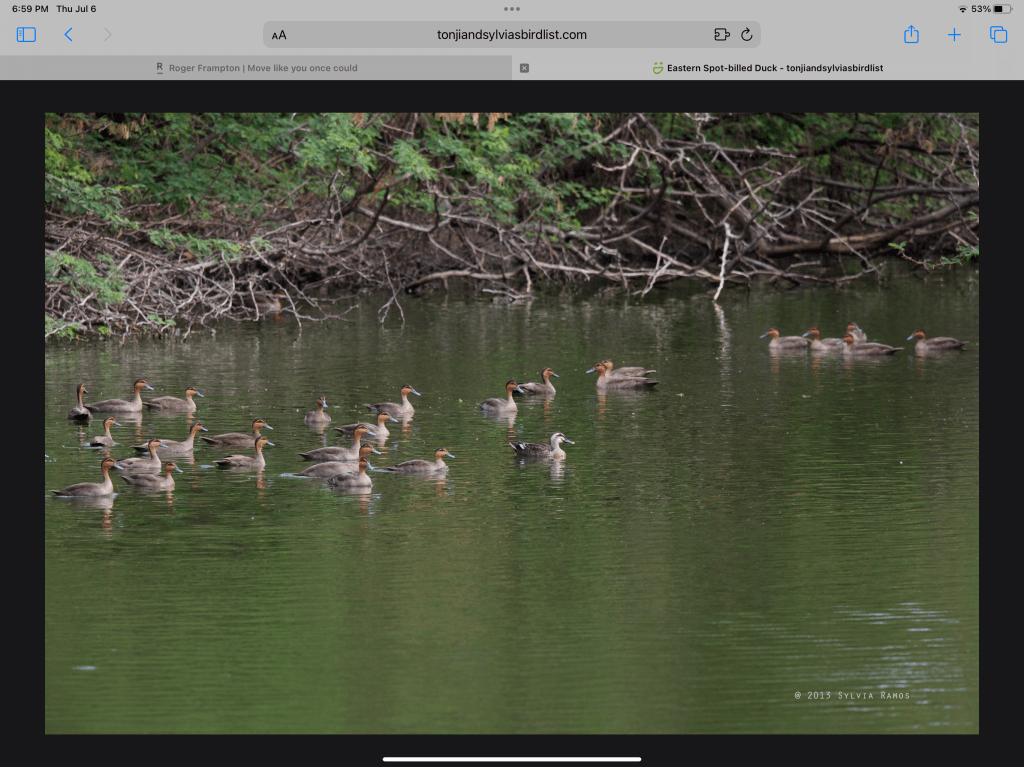
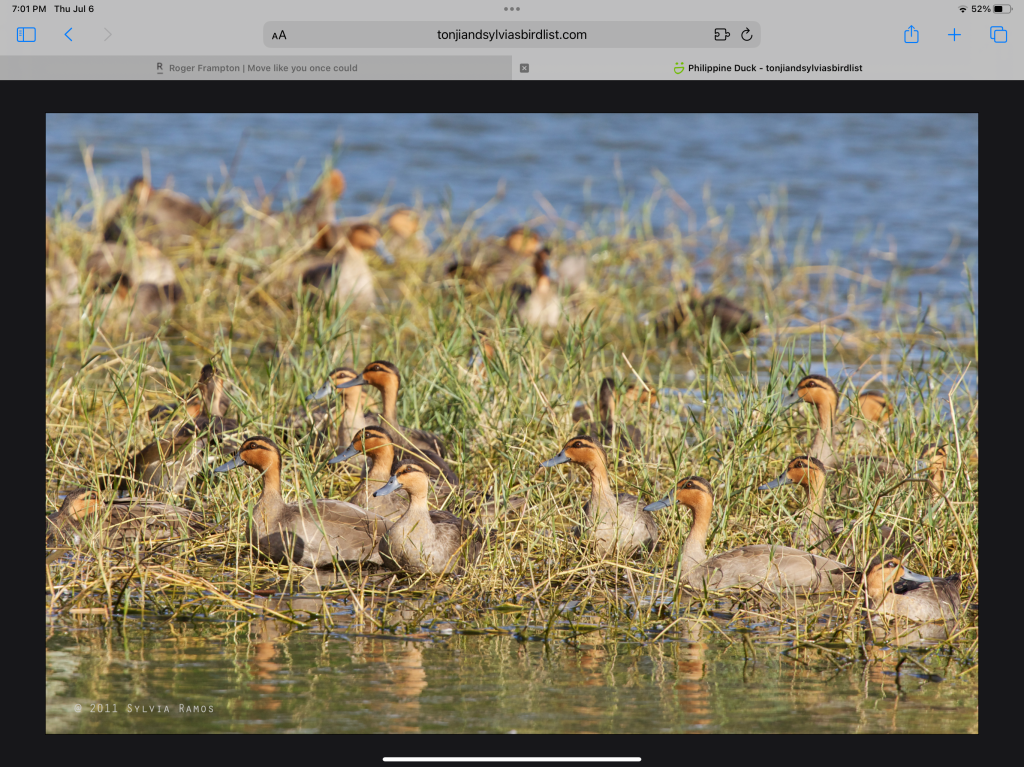
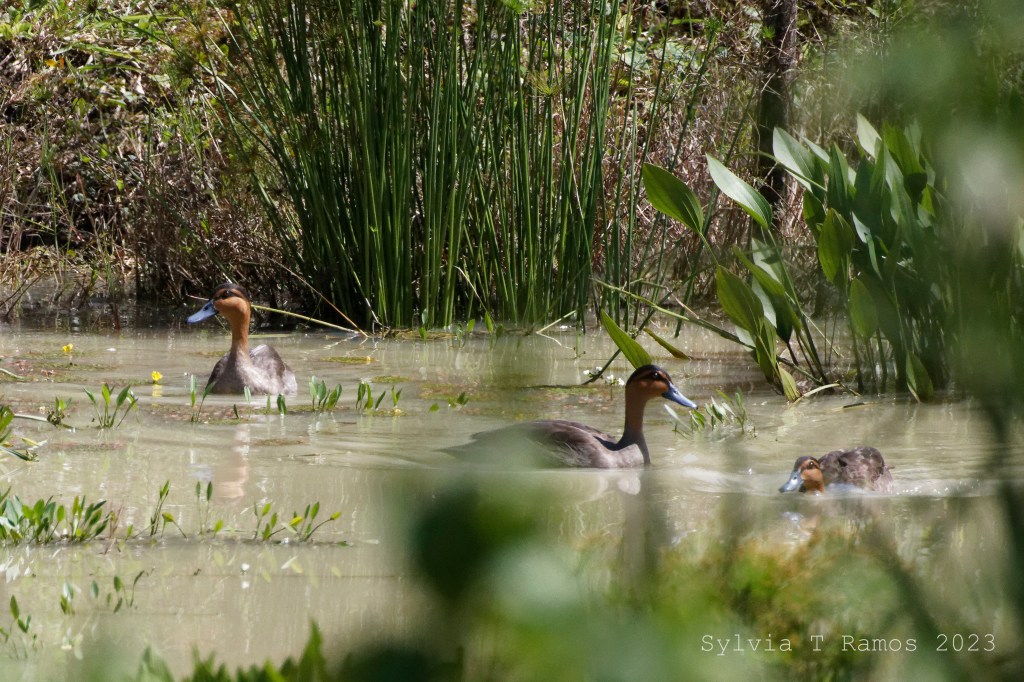
Another big dream come true moment was at the water lily pond. Tonji went out on the tractor to cut the grass. Then after a short while, he came back to the cottage and signalled me to to get the cameras. There were 12 Philippine Ducks swimming in the water lily pond! It was noon and they were resting in the shade of the water plants! This is the most Philippine Ducks we have seen swimming at one time!

The other new bird we had was a solo Little Ringed Plover that seemed to be inspecting the new pond! Little Ringed Plovers are usually found in flocks in wetlands and along rivers. Perhaps next time this Little Ringed Plover will bring in the rest of its flock.

Little Ringed Plover

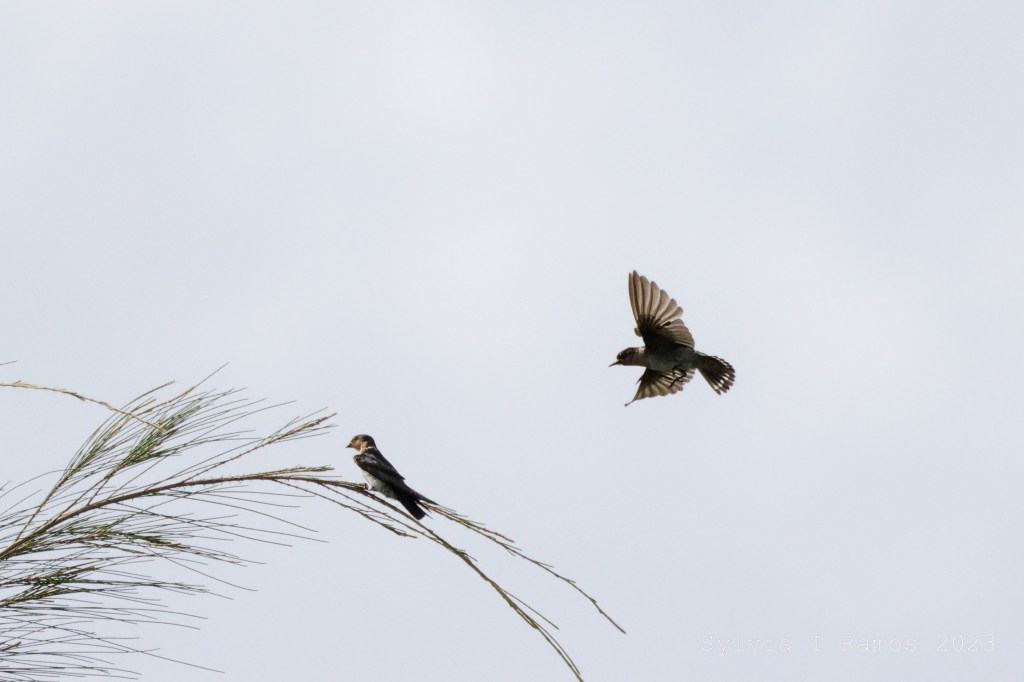
There were other birds inspecting the new pond.

The plants also chose this month to show off. The Balai Lamok near the house had the most flowers it has ever had. A few years ago, Balai Lamok trees were touted as the Philippines version of the Japanese cherry blossom. The photos of the mature trees full of flowers truly made one want to go out and buy seedlings! It became one of the most sought after trees among Philippine tree enthusiasts. When our Balai Lamok trees did flower though, they would only produce a handful of flowers. It was undewhelming and made me think they tree was over-rated. Until our tree produced this abundance of flowers!

Balai Lamok

The guava trees had bigger fruits than before. I thought that we had some kind of dwarf or native variety of guava that had tiny fruits. It seems that as the tree gets bigger, its fruit also gets bigger! 

I saw an Alibangbang tree full of buds! This was a first for me. I usually see them full of seed pods and miss the flowers completely.

And here are more birds we saw in October!

July 2023 – Turning Inspiration into Reality

We have enjoyed all the ponds we built at our refuge. We have learned so much from each one. We saw that we have the right type of soil for holding water, that the birds enjoy even the small ponds, and that water plants help make the pond come more alive.

Each succeeding pond we built has been bigger than the previous one! We learned that a bigger and deeper pond has a better chance of holding water all year round, attracts more birds, and is a nicer place to watch birds.

We decided to make our biggest pond yet! There were two big ponds that served as inspiration for this big pond idea:

1). The man-made pond in Saud Resort in Ilocos Norte
It is a very big pond right by the entrance of a beach resort. It is where we had our best views of Philippine Ducks, plus photos of rare migrant birds! We visited this pond many times over the years for bird photography. During one visit, I got sick and had a fever and was still able to easily walk to the pond, pull up a chair and take photos of birds. It was that easy to get to the pond! I loved how the birds appeared very comfortable and relaxed in this pond. This is also where we saw Philippine Ducks perched on a tree!

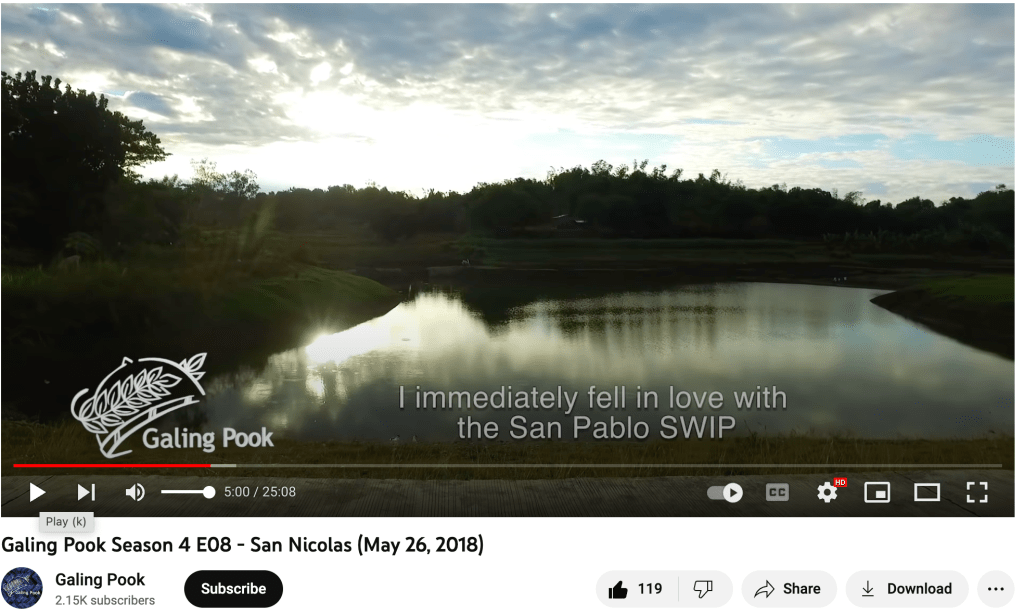
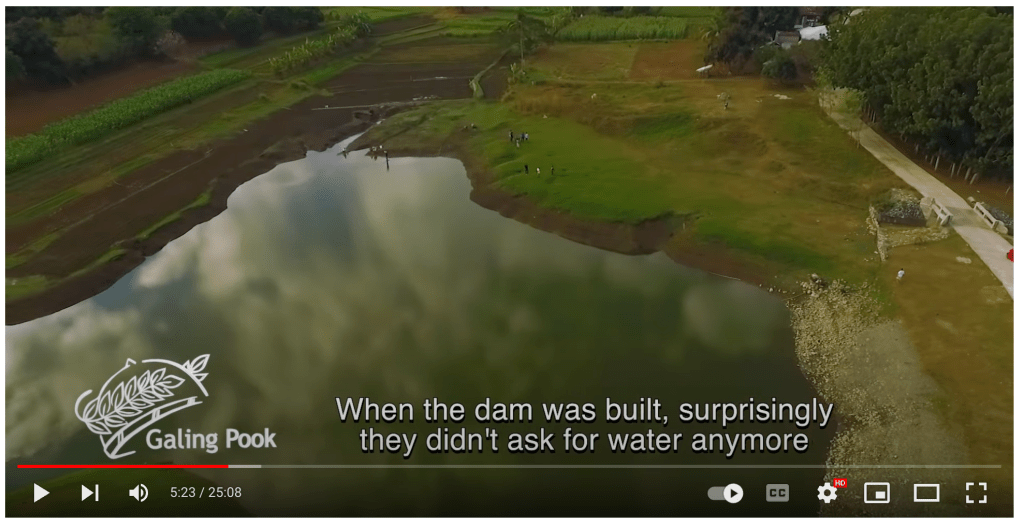
2) The Small Water Impounding Project (SWIP) in San Nicolas, Ilocos Norte
Unlike the pond in Saud, we never visited this site. We just saw it on YouTube. What we liked about it is that how they said that the area and their lives changed for the better because of the SWIP. Their deep wells that were dried up had water again, they earned more because they could plant more, they enjoyed visiting the SWIP because it was pleasant and beautiful, and they saw more birds! Their SWIP though has big fish which are not good if you want to have a lot of frogs, dragonflies, and other creatures.

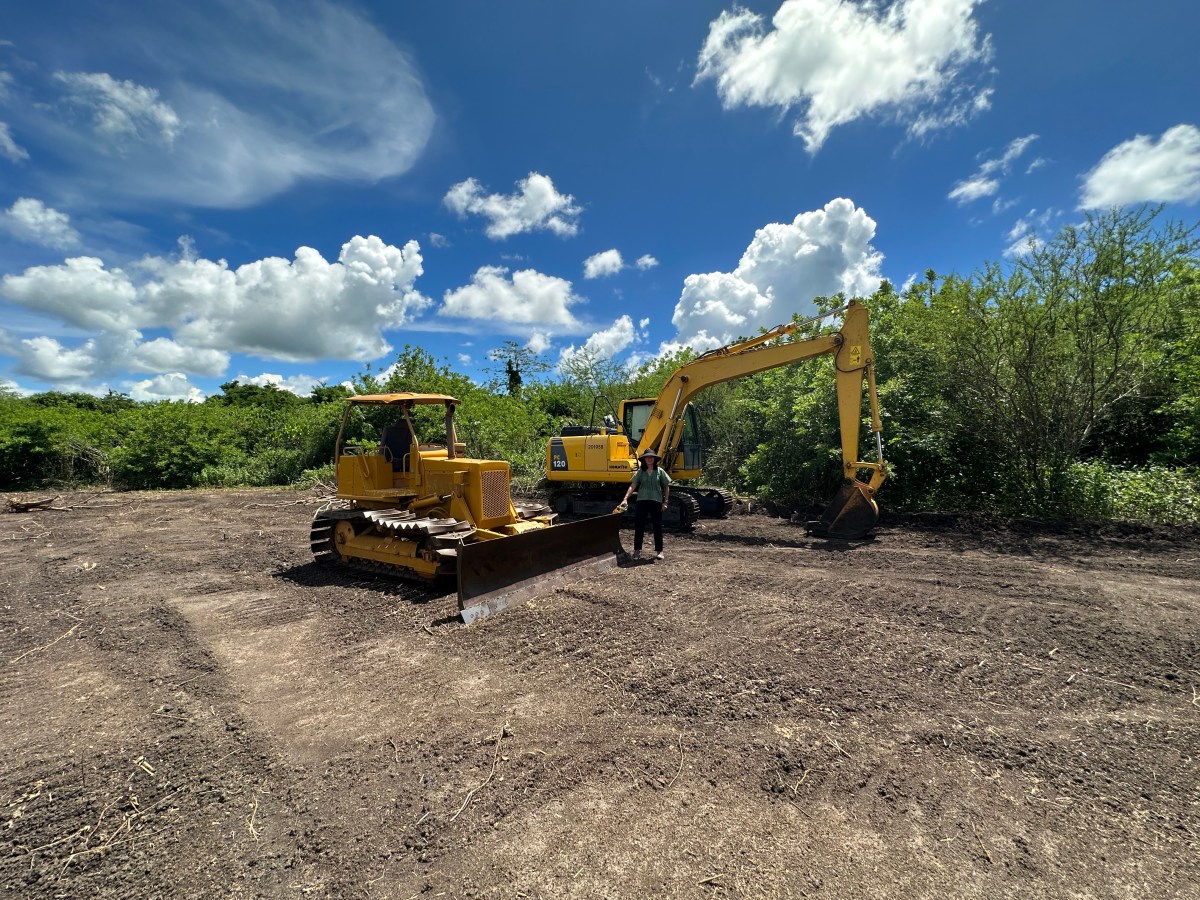
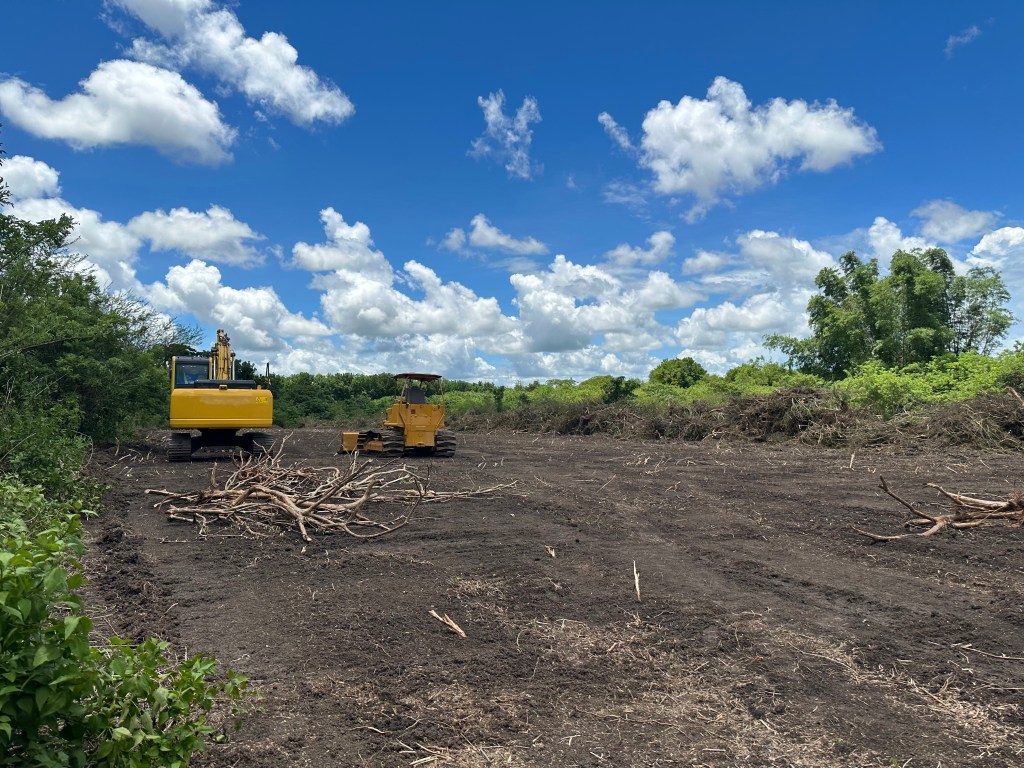
We realized that to turn inspiration into reality, we would have to bring in big equipment plus people to run the equipment. It would be a much bigger expense than building it ourselves but we would save a lot on time. Once we were decided that we wanted to go through with this project, things started moving quickly! We were able to find a contractor with a lot of experience building the type of pond commonly used for fish and rice farming with earth walls called pilapil. He was also familiar with SWIPs. Our pond would have the same type of construction, but we would make it look natural.

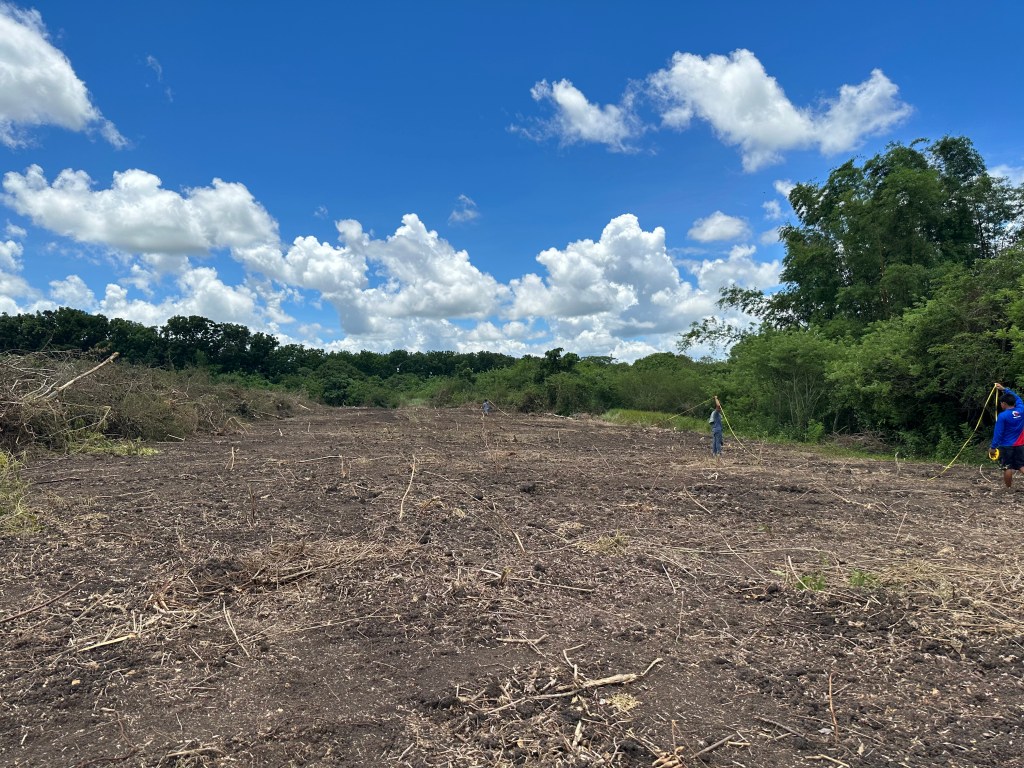
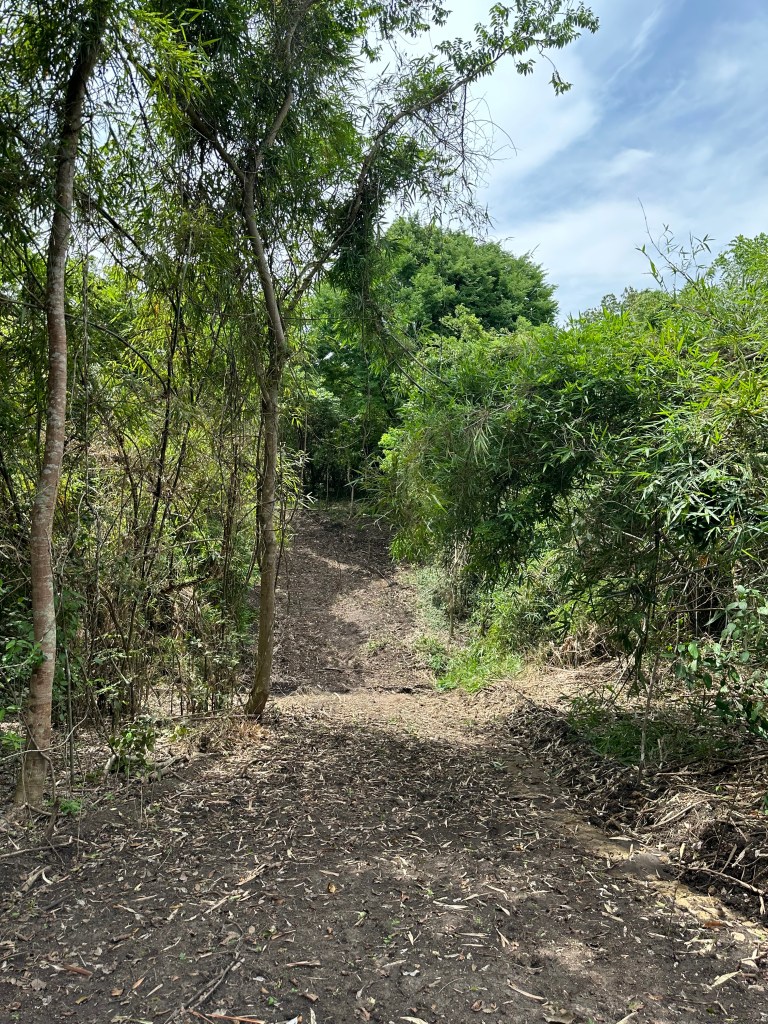
The first step was to clear the site of the shrubs, aroma, and madre de cacao so we could decide on the final boundaries of the pond. The final size of the pond depends on the budget and the site. Of course I wanted it as big as possible! The cleared area is less than one hectare. It is about 50sqm x 175 sqm. We will extend it further out and also make a road to the cottage.

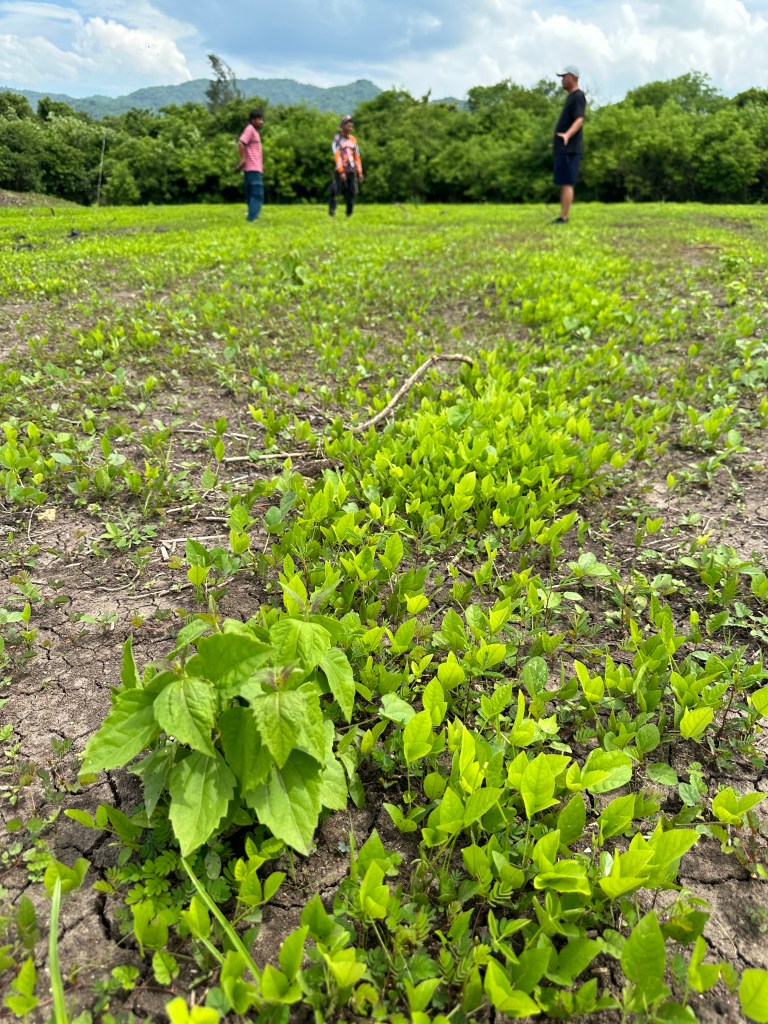
Our promising start got stalled by rain. Work had to stop for most of the month. The newly cleared area got covered in new growth!

There was no progress on the pond project. We had to wait until the rain stopped and the ground dried up enough for the heavy equipment to be operated.

All the rain was good for the other parts of the refuge. There were fruits and flowers in some native trees.

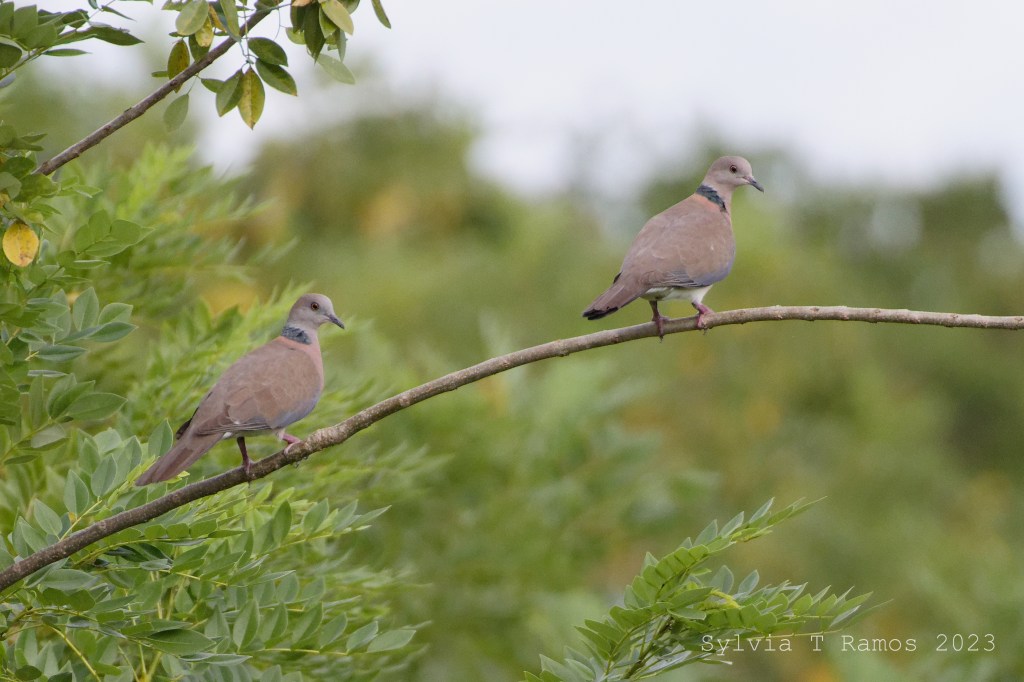
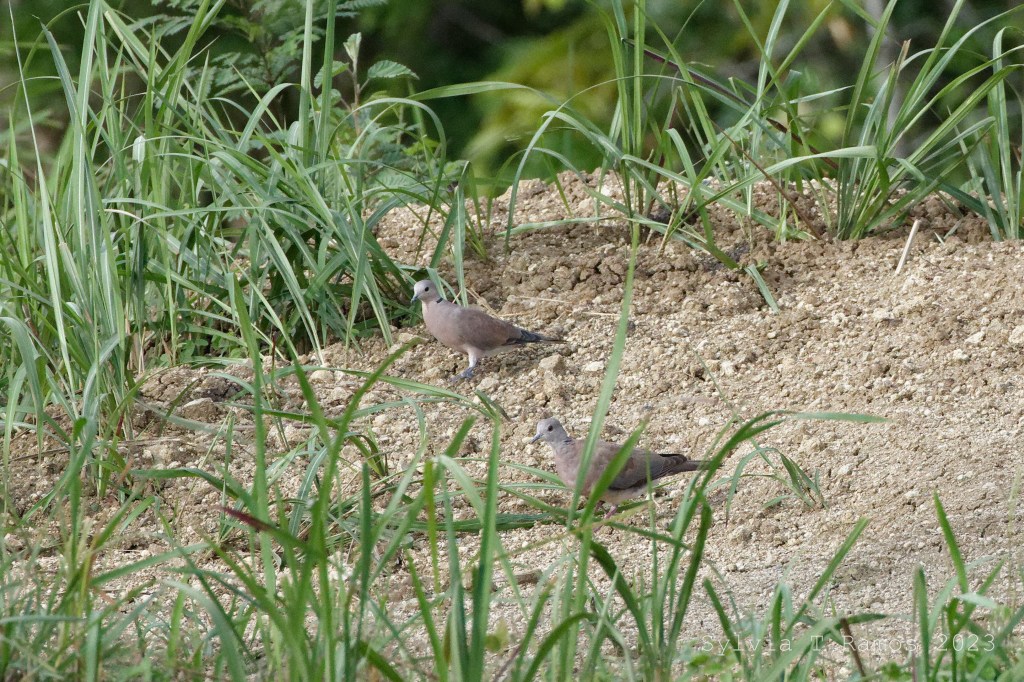
The water lily ponds had more water. The water reached the “extension area” where Tonji widened the pond. The water lily pond is a good place to see Island Collared Doves and Spotted Doves. The Island Collared Doves are more shy.

The U-shaped pond that Tonji was working on in February has water now. There was still work to be done on that pond, but that will be on hold for now.

It’s also nice to just sit in the veranda and enjoy the cool breezes and the birds. I am still amazed at how many birds we get to see from the comfort of the veranda!

The rains turned even the roads into mini ponds. We saw a Barred Rail bathing in a puddle on the road.

iPhone photo!

When the weather clears up, we will continue building the big pond. It is exciting to see the transformation of an area that was weedy, uninteresting, and difficult to access into a rich habitat for all sorts of wildlife!

New bird photo records and nice trees too!

UPDATE: The bird in the photo that I identified as immature Philippine Hawk Cuckoo is a Rusty Breasted Cuckoo! That’s a new bird for our farm!

It’s time to go birding again! We used to have so much fun traveling all over the Philippines looking for birds. Our favorite birding site is of course, this place of ours! After being away for three months because of the lockdown, it was reassuring to see that the old regular birds are still there. It seems like there are even more birds now.

We used to hear Philippine Hawk Cuckoos calling in the distance. It was on our list as “h.o.” or “heard only”. This time we saw two of them in the cluster of trees right in front of the cottage and I was able to photograph a juvenile perched on a tree. It’s still h.o. for us.

It has a really distinctive and loud call that can be heard in this video.

Philippine Hawk Cuckoo calling from the trees in front of the cottage.

We had a new bird for the farm! This is an immature Rusty Breasted Cuckoo. It was perched quietly on a tree. Bird #102 for the farm list!

Philippine Hawk Cuckoo immature
I thought this was a juvenile Philippine Hawk Cuckoo, it’s a Rusty Breasted Cuckoo

There was also a Stripe Headed Rhabdornis checking out the nesting box in that same cluster of trees. It was my first time to photograph this bird at our refuge.

Stripe Headed Rhabdornis checking out the nesting box

Another view of the Rhabdornis.

Stripe Headed Rhabdornis and Yellow Vented Bulbuls in a tree
Rhabdornis with Yellow Vented Bulbuls

I had a great encounter with a Philippine Collared Dove in our mango area. It was perched on a low branch and didn’t fly away even if I was standing near it with the three dogs! It either didn’t notice us or didn’t mind that we were there!

Philippine Collared Dove

This Black Naped Monarch is on a fruiting Bangkal Nauclea orientalis that we planted some years ago.

Black Naped Monarch in a fruiting Bangkal tree

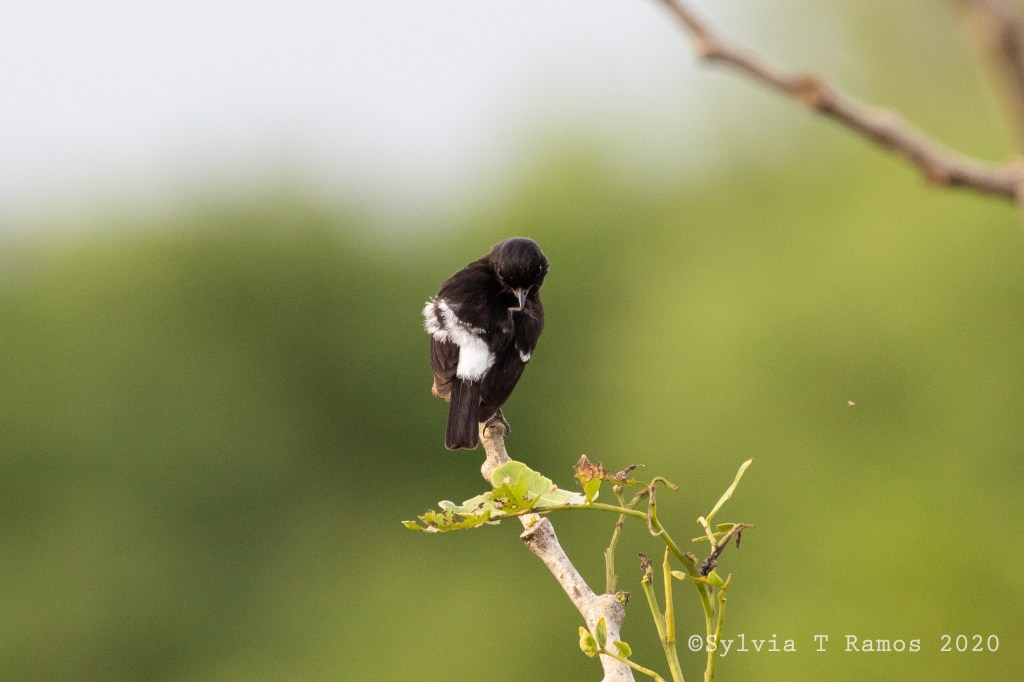
This Pied Bushchat was giving me the evil eye!

Pied Bushchat male
Pied Bushchat male and female
Mr and Mrs Pied Bushchat

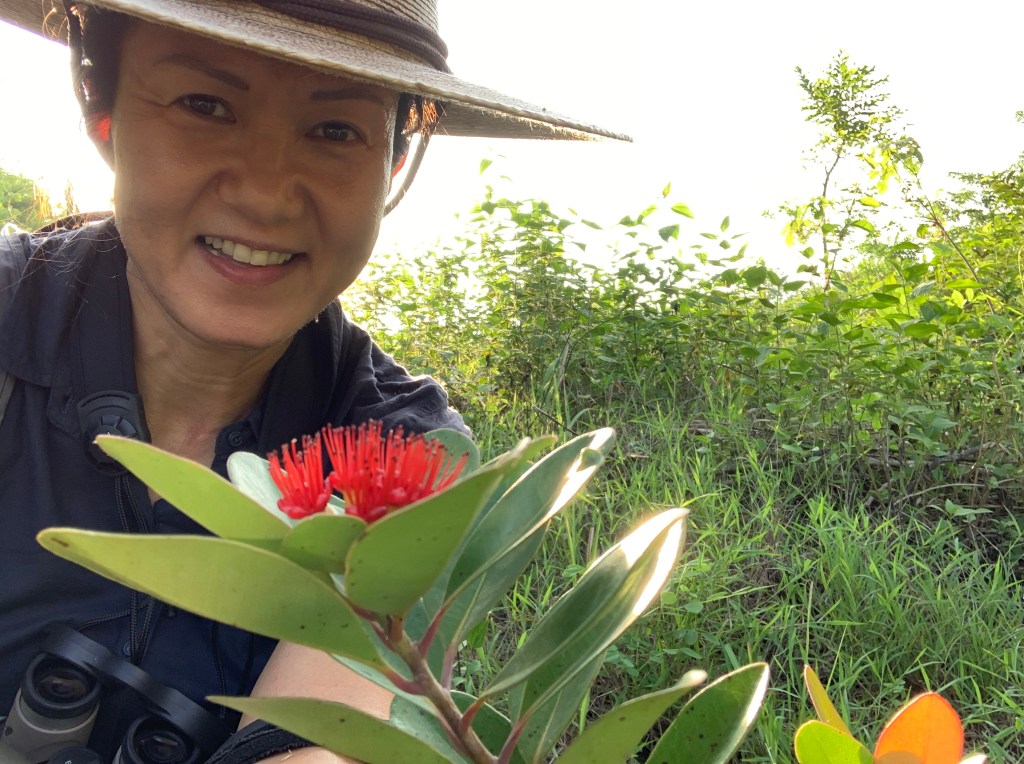
And then we had plant surprises! This Mangkono Xanthostemon vedugonianus is flowering! We planted it in 2019 and it is still tiny, but flowering!

Mangkono tree flowering
selfie time!
Mangkono tree with red flowers

Another plant surprise was this row of Binayuyu Antidesma ghaesembilla that was planted by the birds! The BIRDS! We planted a lot of Talisay along this strip. This was also where Tonji made a swale to slow down the flow of water so it would have time to be absorbed by the soil. I also cleared a lot of hagonoy from this area that were choking the trees we planted. Somehow, I failed to notice that there was a row of Binayuyu that we did not plant growing in between the Talisay!

Talisay and Binayuyu trees

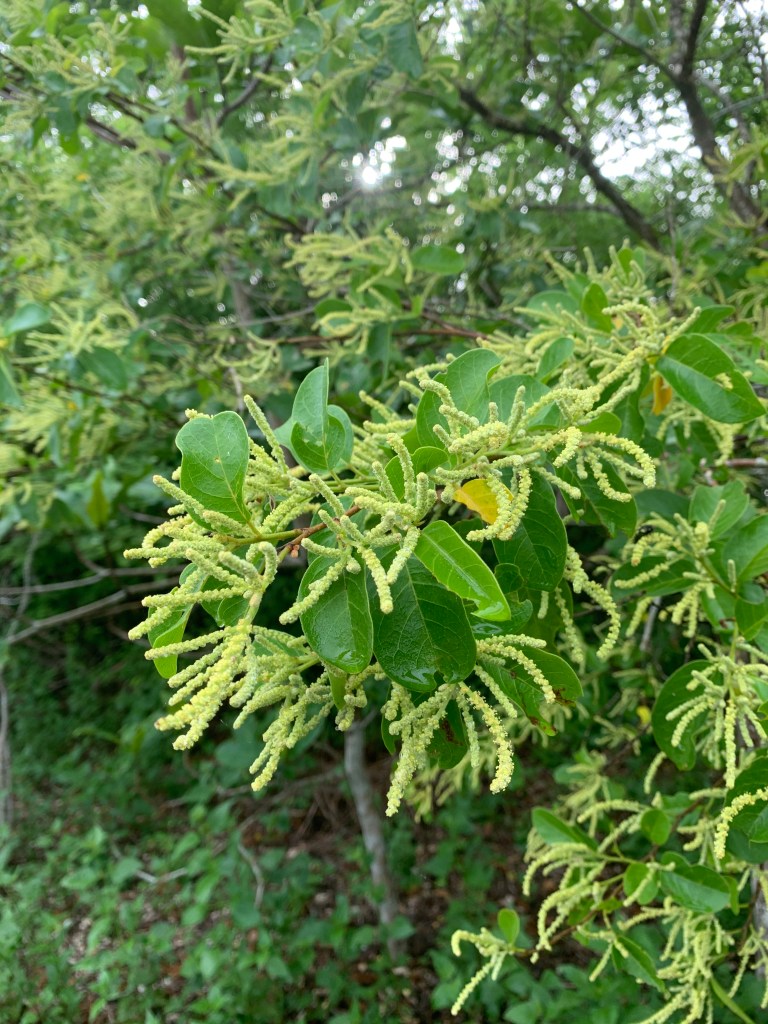
The young trees are in flower. They are very noticeable now! I was told that Binayuyu has male and female flowers. These might be male flowers. We noticed young trees like this all over the refuge. The Binayuyu fruits are a favorite of the birds. Birds, thanks for planting more trees!

Binayuyu, male flowers
Binayuyu inflorescence

Birds Having a Picnic

What a relief! One of the fields that I messed up before has been restored! In 2015 I removed the big clumps of hagonoy that were growing in the picnic lot. The next year the lot was completely covered in small hagonoy plants. They came back with a vengeance!

I was very sad to see the picnic lot in such bad shape. It looked worse than before I did my weed removal efforts. Good thing we have another hagonoy removal weapon in our arsenal! The tractor! I noticed that when Tonji makes a path through a field of hagonoy, the path itself stays remarkably free of hagonoy! Grass and other things sprout on the path, but not hagonoy!

In 2018 Tonji cleared the picnic lot using the tractor. Immediately after, it looked so much better. There was grass and a nice variety of legumes and other plants that sprouted. And best of all, the Philippine Collared Doves seem to like it! They used to hang out on the other side of the field, near the bamboo fence. This time I saw them foraging on the restored area of the picnic lot!

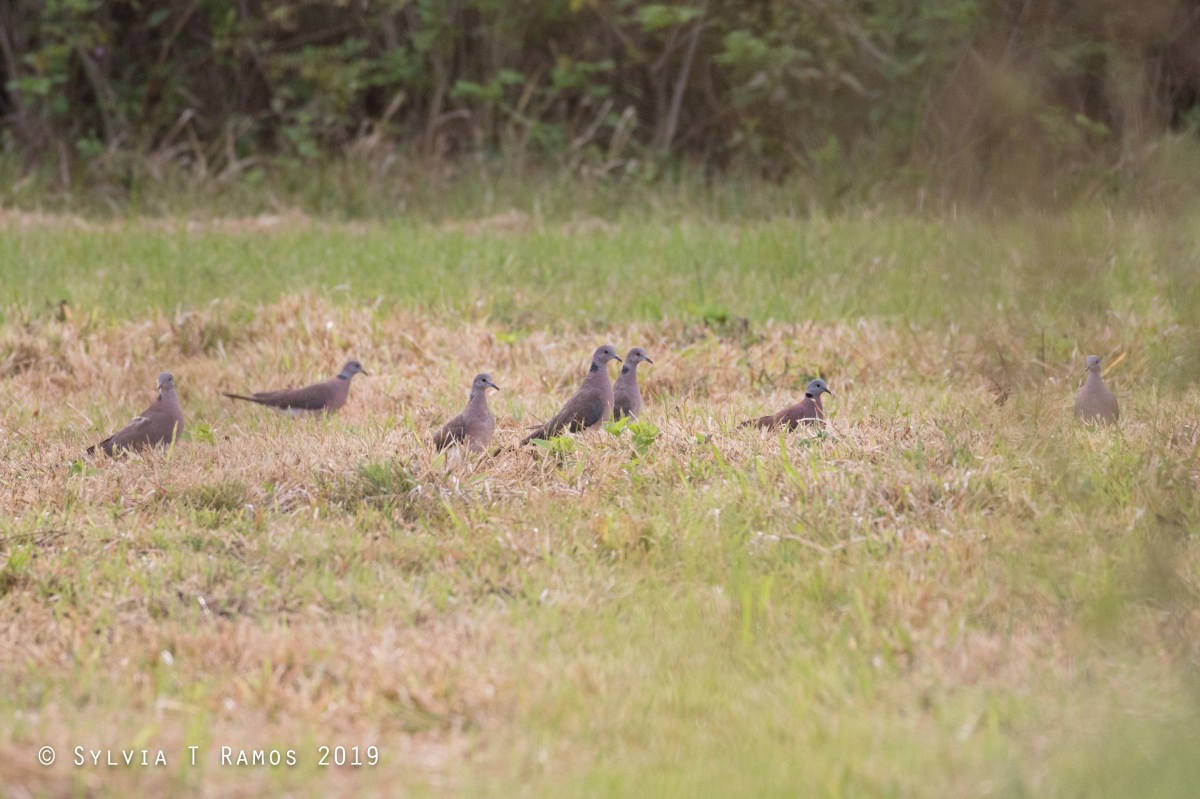
6 Philippine Collared Doves and 1 Red Turtle Dove
Here they are looking more relaxed

They really seem to like the area. Momo, Barkley, and I watched them from across the picnic lot. Then we went on our morning walk. On our way back, they were still there! When I decided to double back and take more pictures, they simply flew up into a nearby tree. It looked like they had plans to do more foraging.

One Philippine Collared Dove perched on a Madre de Cacao. The rest are concealed in the native alibangbang tree on the right.

Now I know what to do and what not to do when trying to removing hagonoy. It’s so nice to be able to create habitat that the birds can use.

And here is a Purple Heron that was also in the area!