We have enjoyed all the ponds we built at our refuge. We have learned so much from each one. We saw that we have the right type of soil for holding water, that the birds enjoy even the small ponds, and that water plants help make the pond come more alive.
Each succeeding pond we built has been bigger than the previous one! We learned that a bigger and deeper pond has a better chance of holding water all year round, attracts more birds, and is a nicer place to watch birds.
We decided to make our biggest pond yet! There were two big ponds that served as inspiration for this big pond idea:
1). The man-made pond in Saud Resort in Ilocos Norte
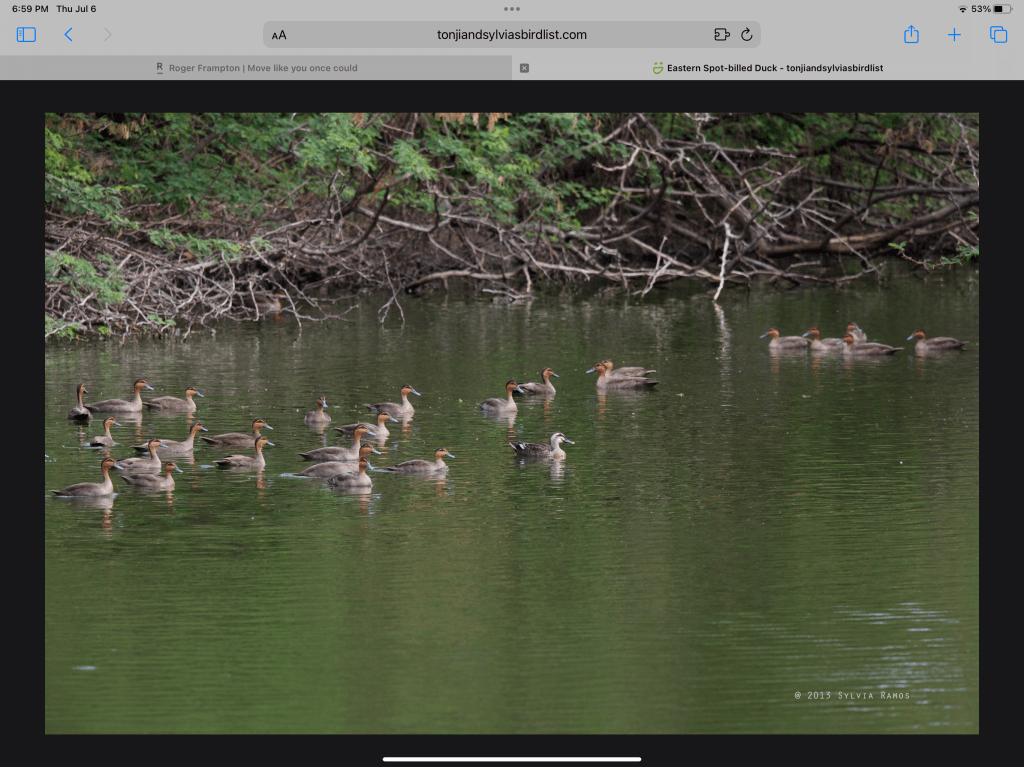
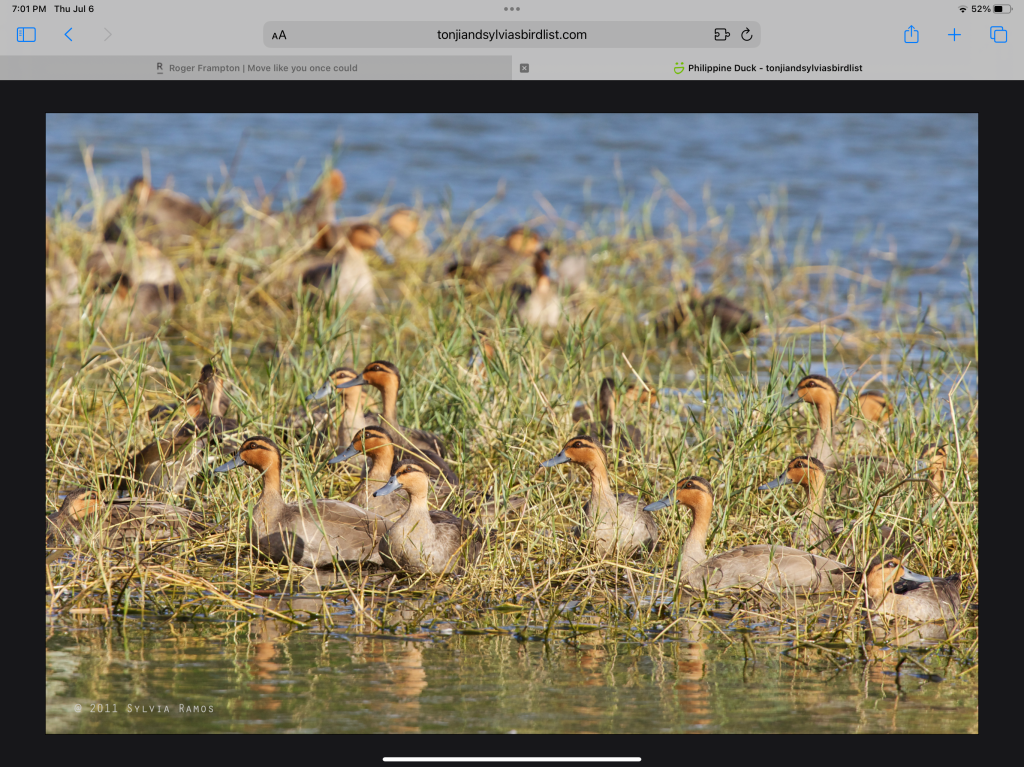
It is a very big pond right by the entrance of a beach resort. It is where we had our best views of Philippine Ducks, plus photos of rare migrant birds! We visited this pond many times over the years for bird photography. During one visit, I got sick and had a fever and was still able to easily walk to the pond, pull up a chair and take photos of birds. It was that easy to get to the pond! I loved how the birds appeared very comfortable and relaxed in this pond. This is also where we saw Philippine Ducks perched on a tree!

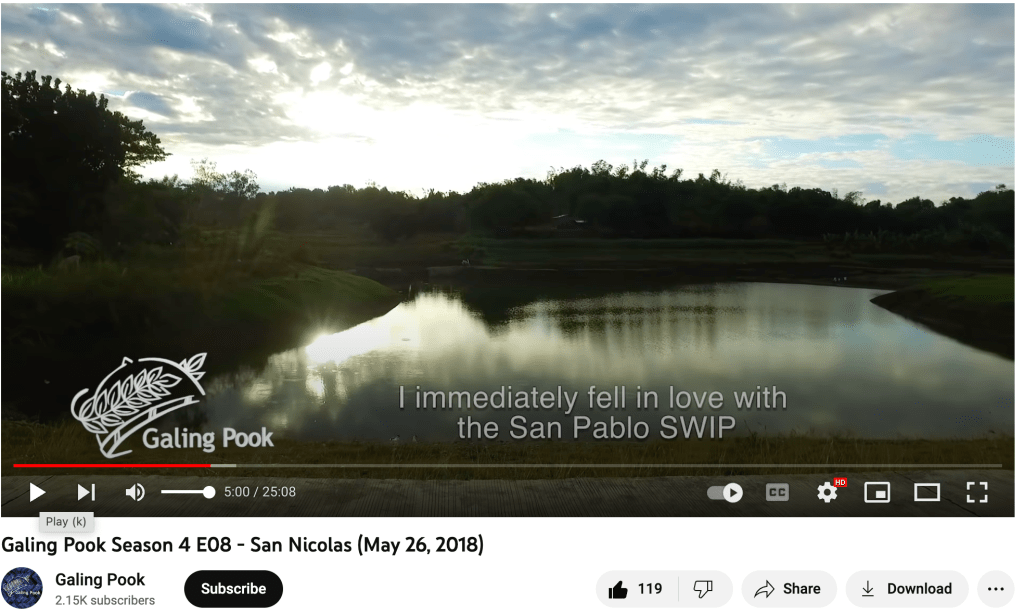
2) The Small Water Impounding Project (SWIP) in San Nicolas, Ilocos Norte
Unlike the pond in Saud, we never visited this site. We just saw it on YouTube. What we liked about it is that how they said that the area and their lives changed for the better because of the SWIP. Their deep wells that were dried up had water again, they earned more because they could plant more, they enjoyed visiting the SWIP because it was pleasant and beautiful, and they saw more birds! Their SWIP though has big fish which are not good if you want to have a lot of frogs, dragonflies, and other creatures.
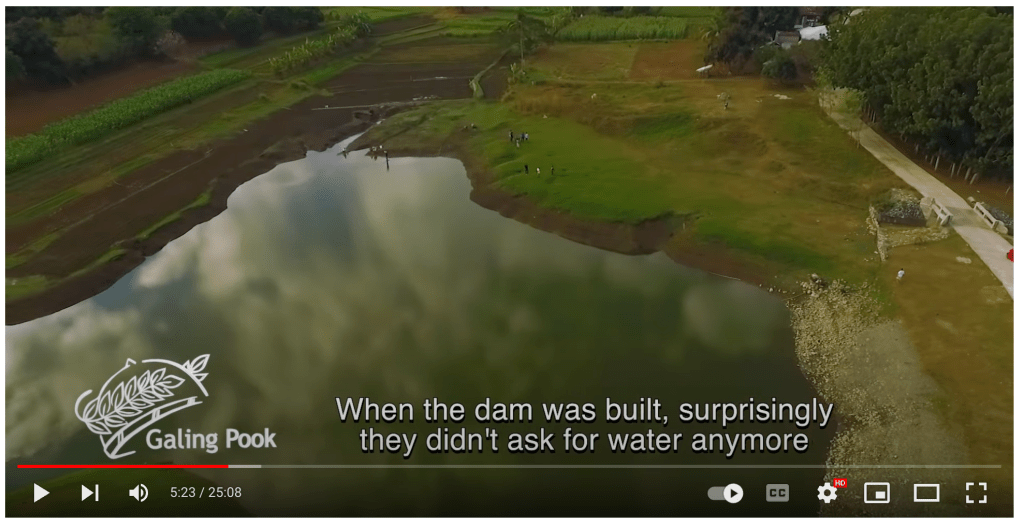
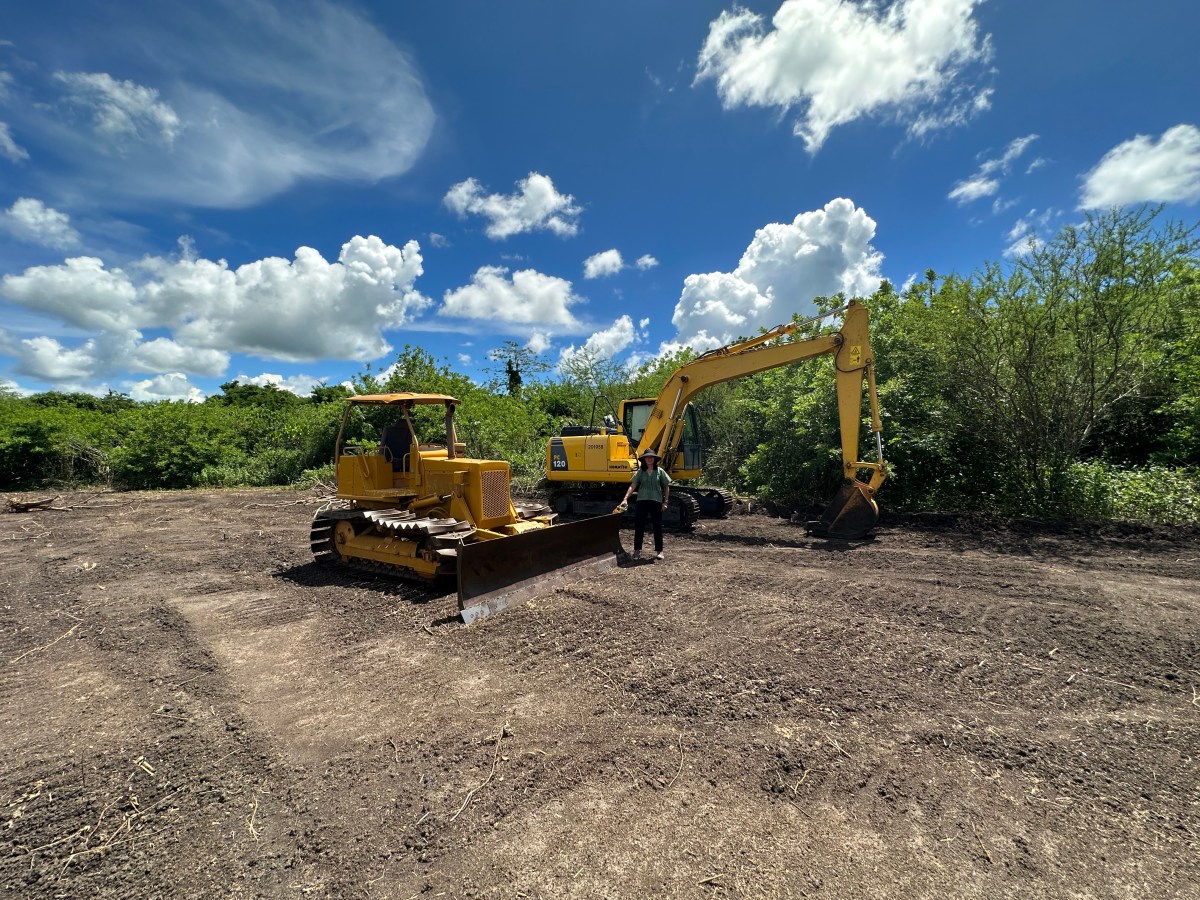
We realized that to turn inspiration into reality, we would have to bring in big equipment plus people to run the equipment. It would be a much bigger expense than building it ourselves but we would save a lot on time. Once we were decided that we wanted to go through with this project, things started moving quickly! We were able to find a contractor with a lot of experience building the type of pond commonly used for fish and rice farming with earth walls called pilapil. He was also familiar with SWIPs. Our pond would have the same type of construction, but we would make it look natural.
The first step was to clear the site of the shrubs, aroma, and madre de cacao so we could decide on the final boundaries of the pond. The final size of the pond depends on the budget and the site. Of course I wanted it as big as possible! The cleared area is less than one hectare. It is about 50sqm x 175 sqm. We will extend it further out and also make a road to the cottage.

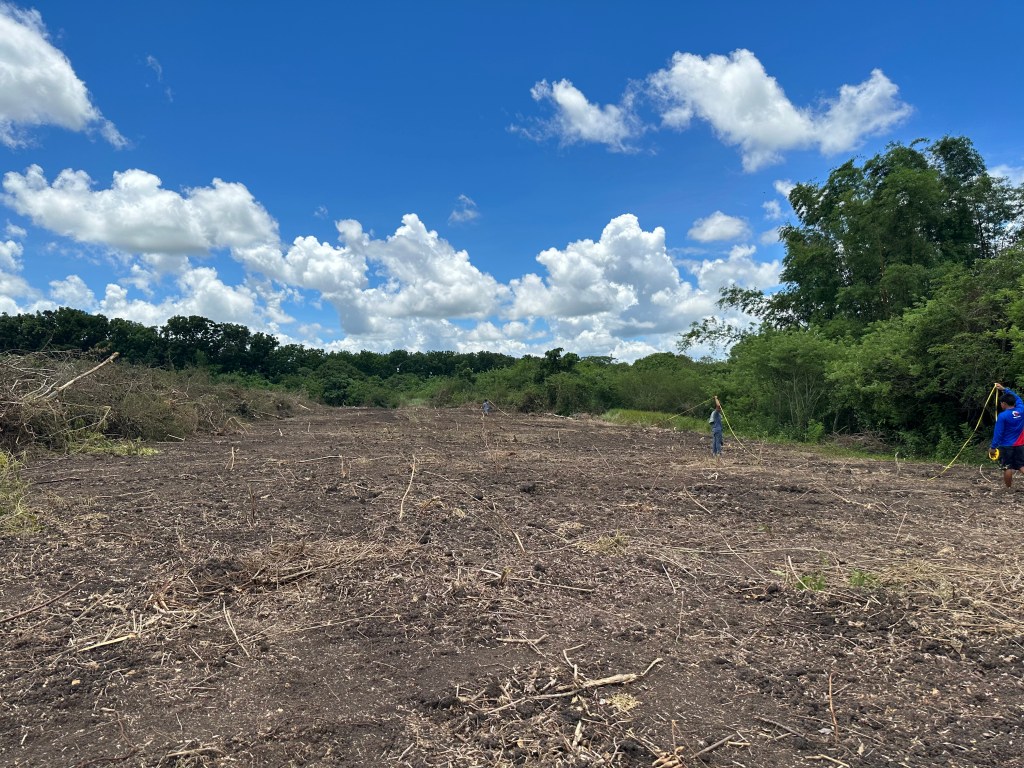
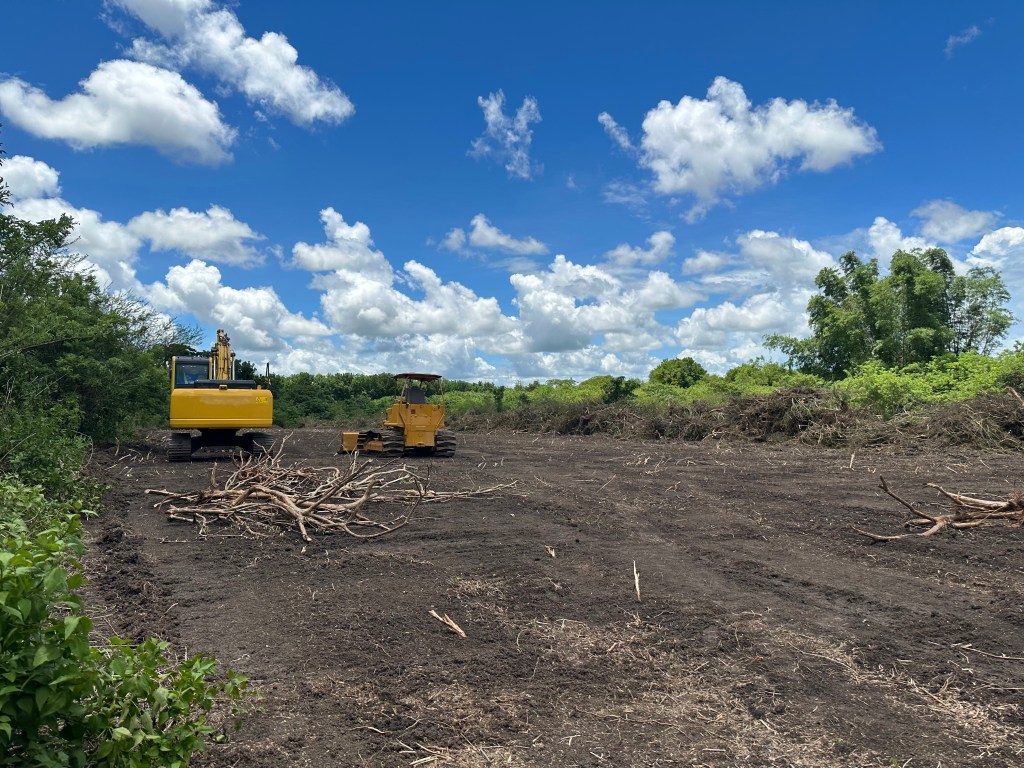
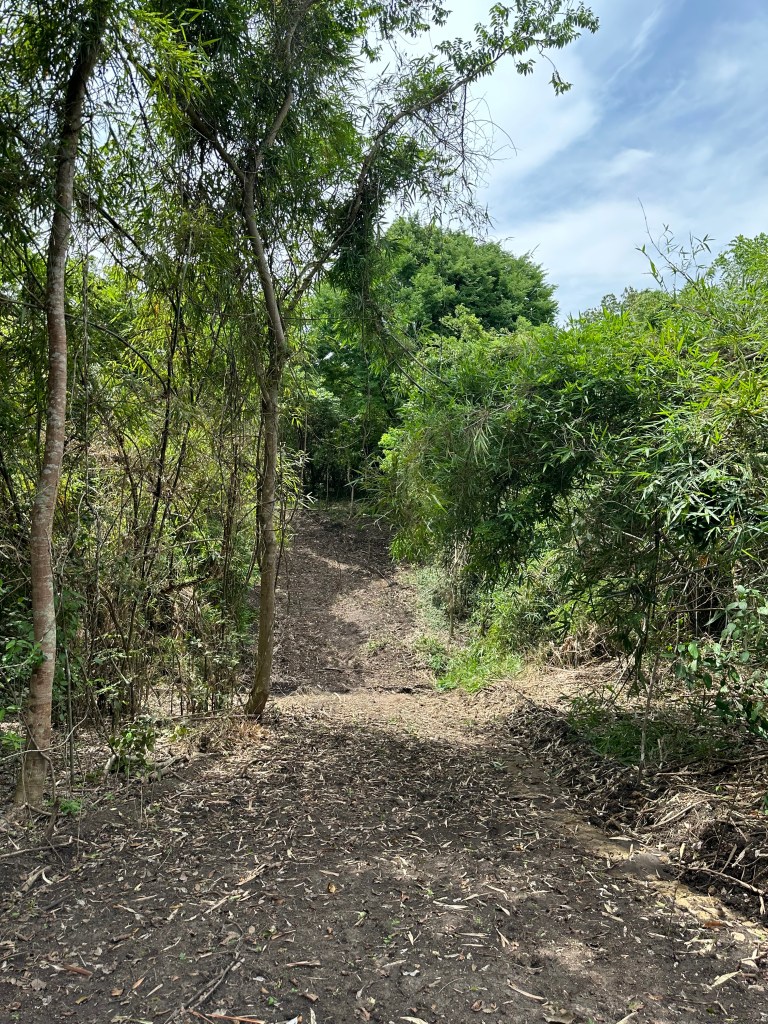
Our promising start got stalled by rain. Work had to stop for most of the month. The newly cleared area got covered in new growth!
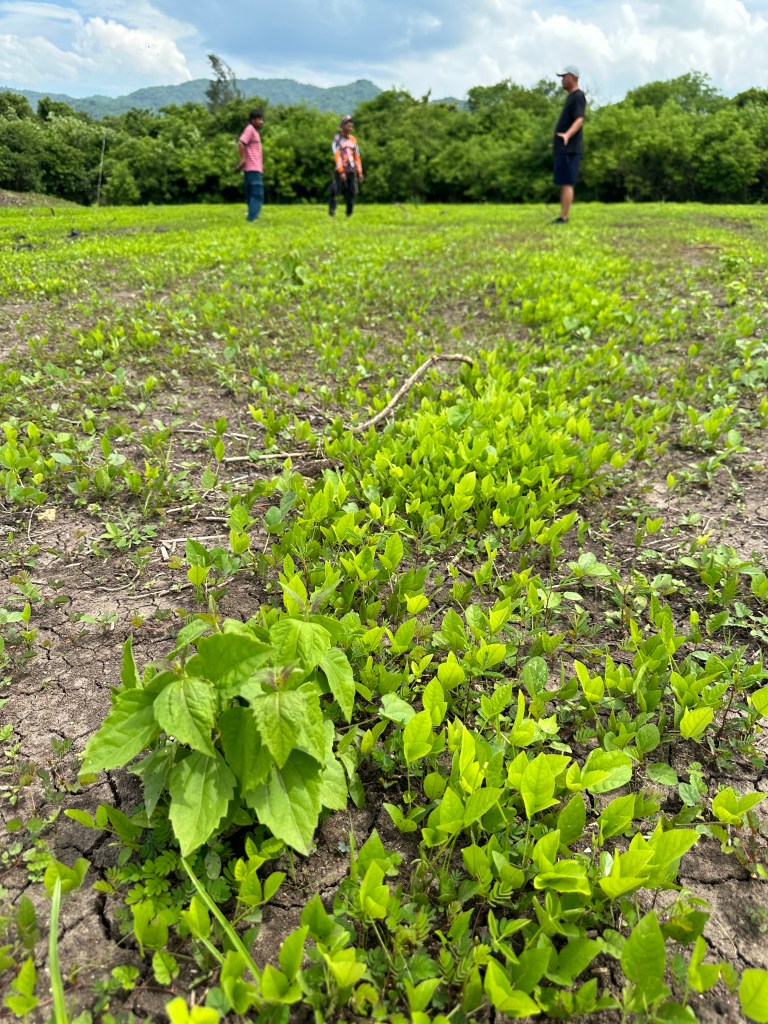
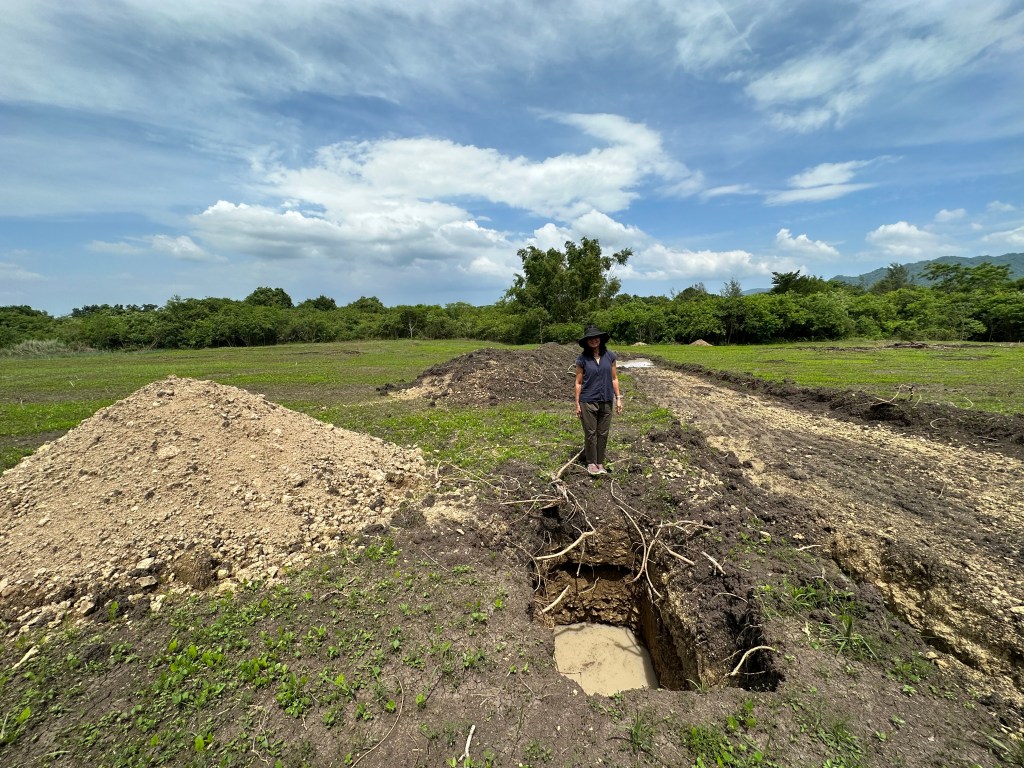

There was no progress on the pond project. We had to wait until the rain stopped and the ground dried up enough for the heavy equipment to be operated.
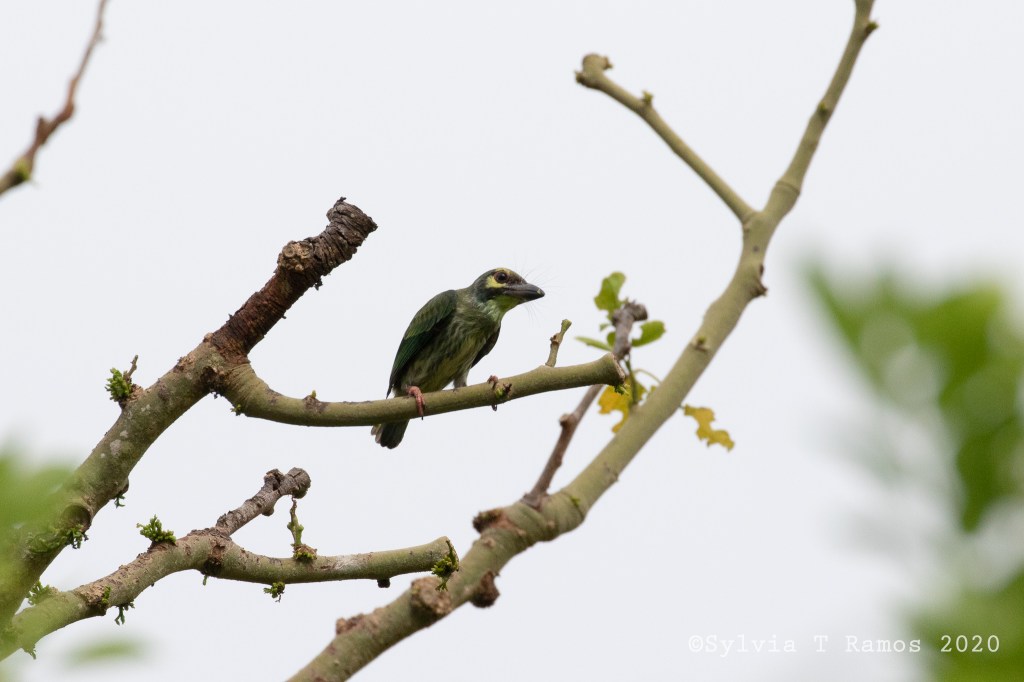
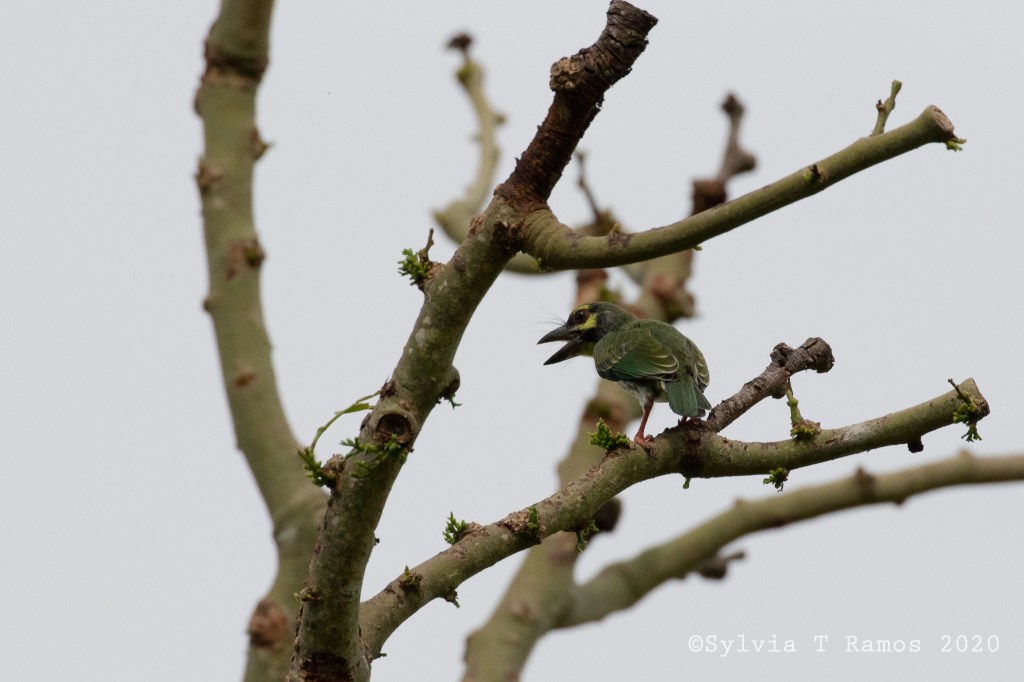
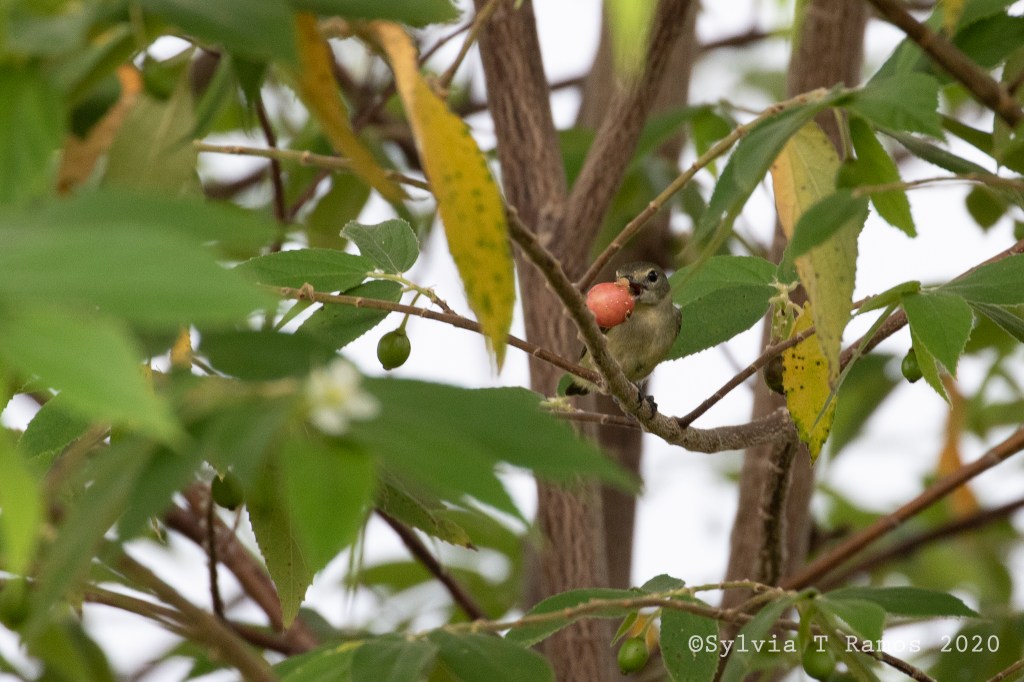
All the rain was good for the other parts of the refuge. There were fruits and flowers in some native trees.


The water lily ponds had more water. The water reached the “extension area” where Tonji widened the pond. The water lily pond is a good place to see Island Collared Doves and Spotted Doves. The Island Collared Doves are more shy.
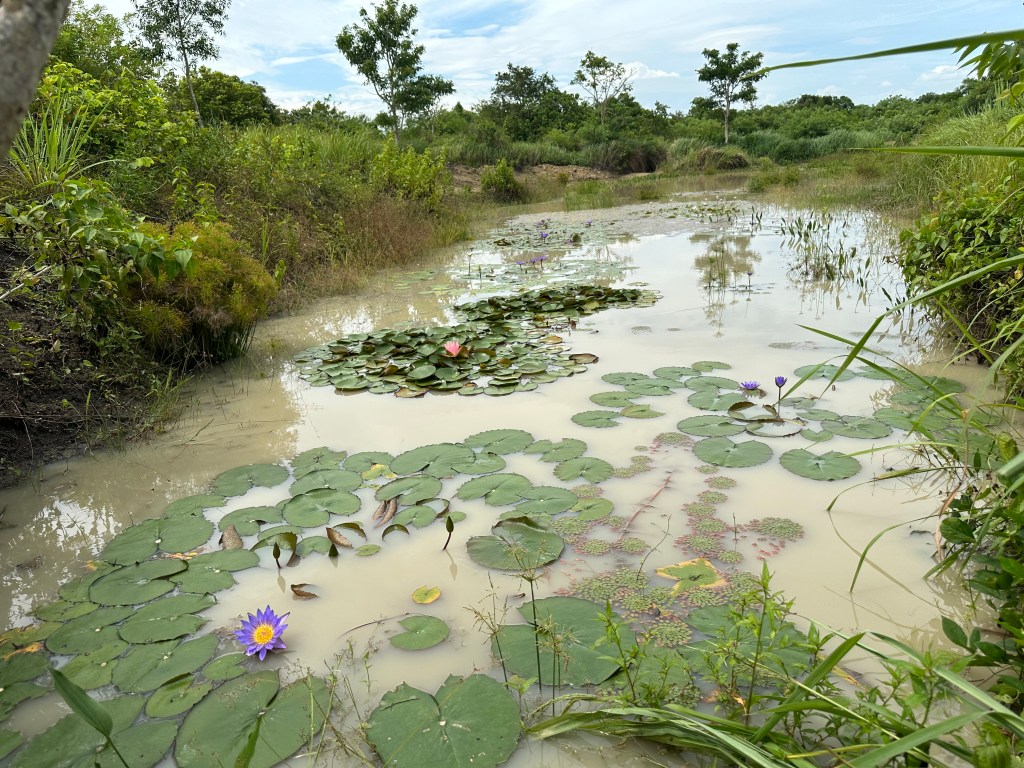

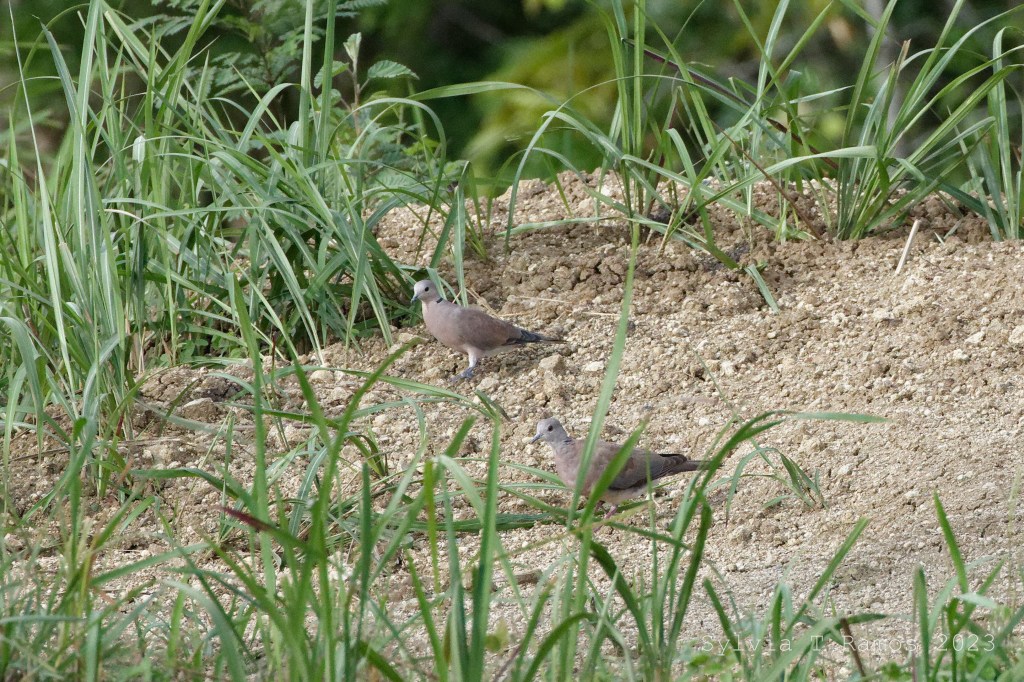


The U-shaped pond that Tonji was working on in February has water now. There was still work to be done on that pond, but that will be on hold for now.

It’s also nice to just sit in the veranda and enjoy the cool breezes and the birds. I am still amazed at how many birds we get to see from the comfort of the veranda!
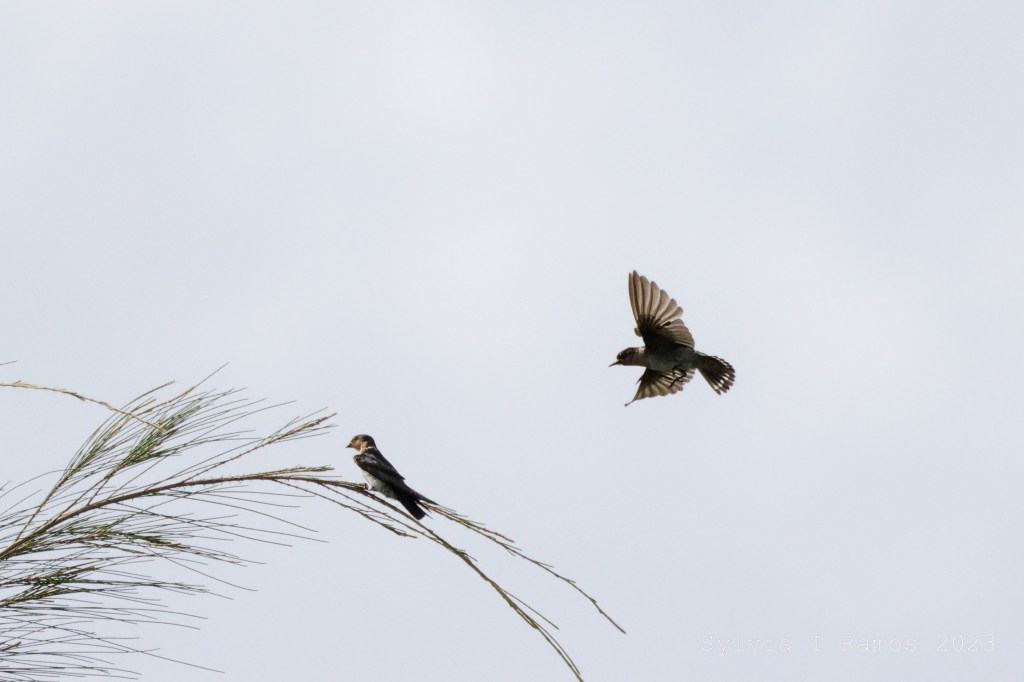
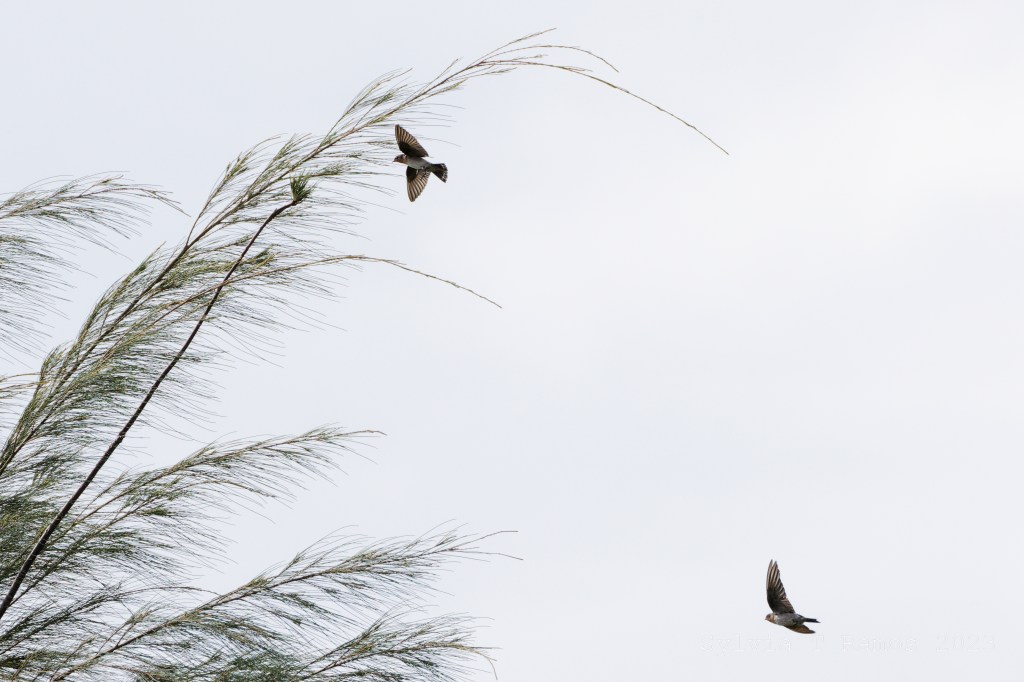


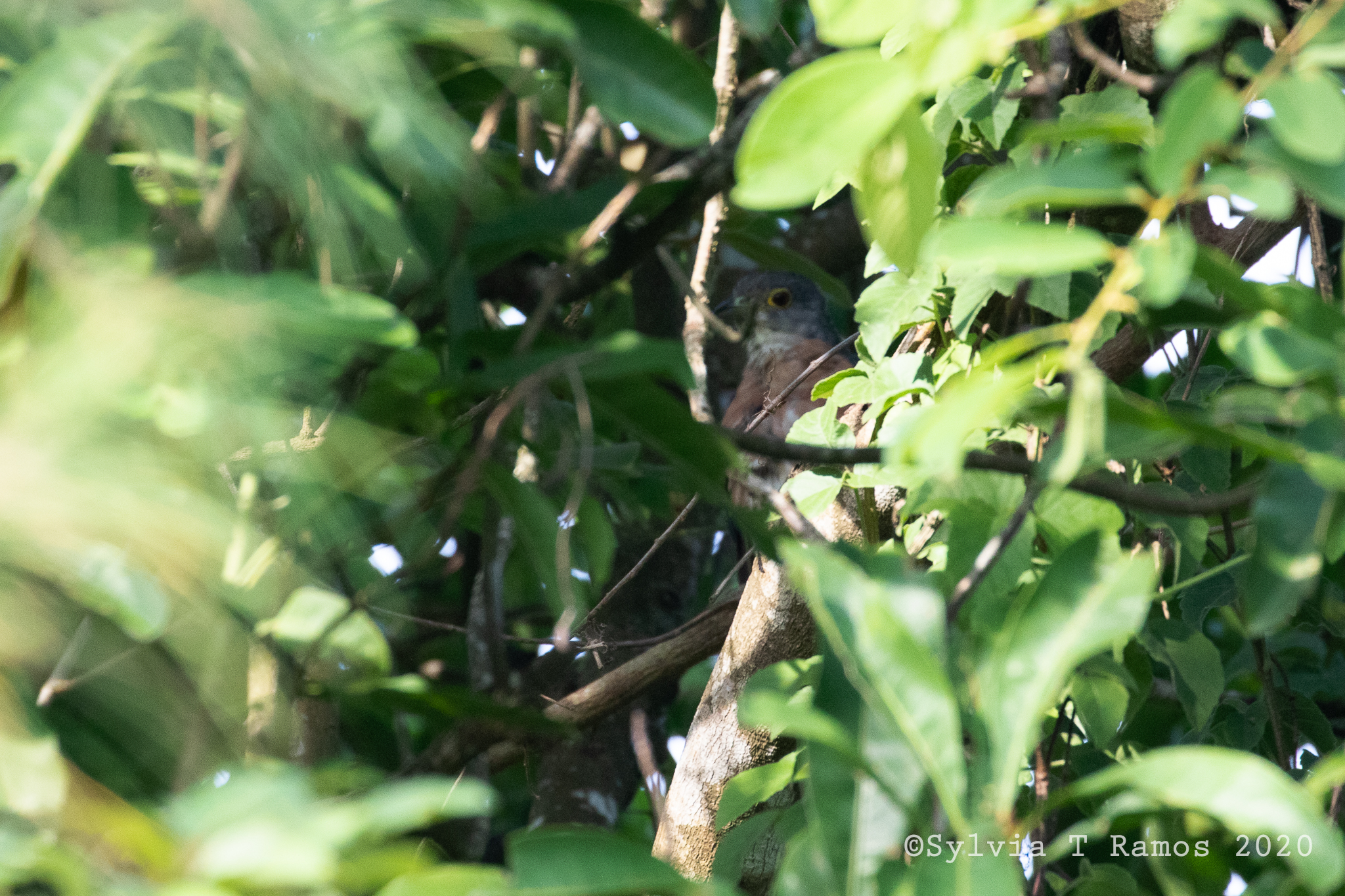
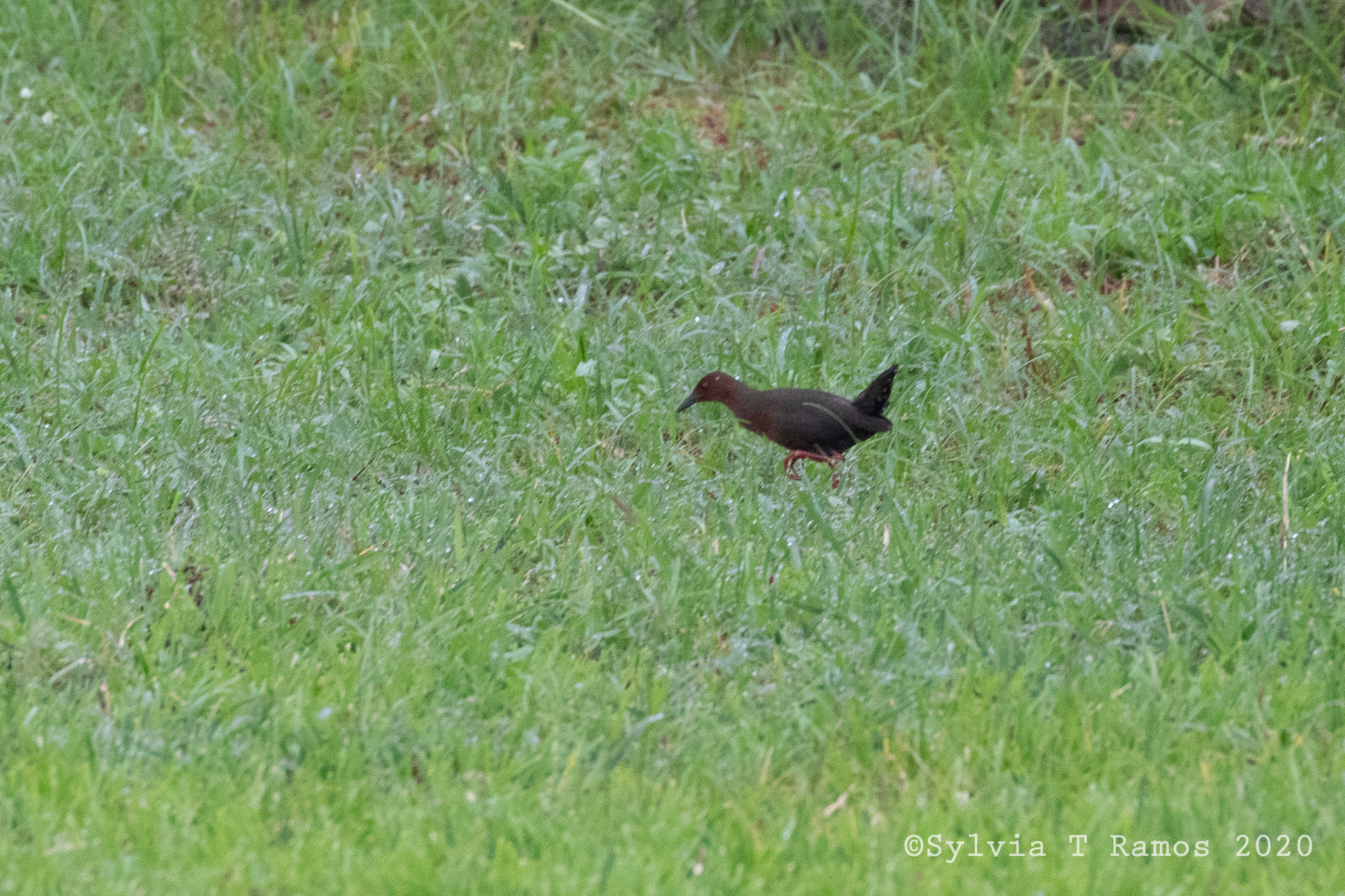
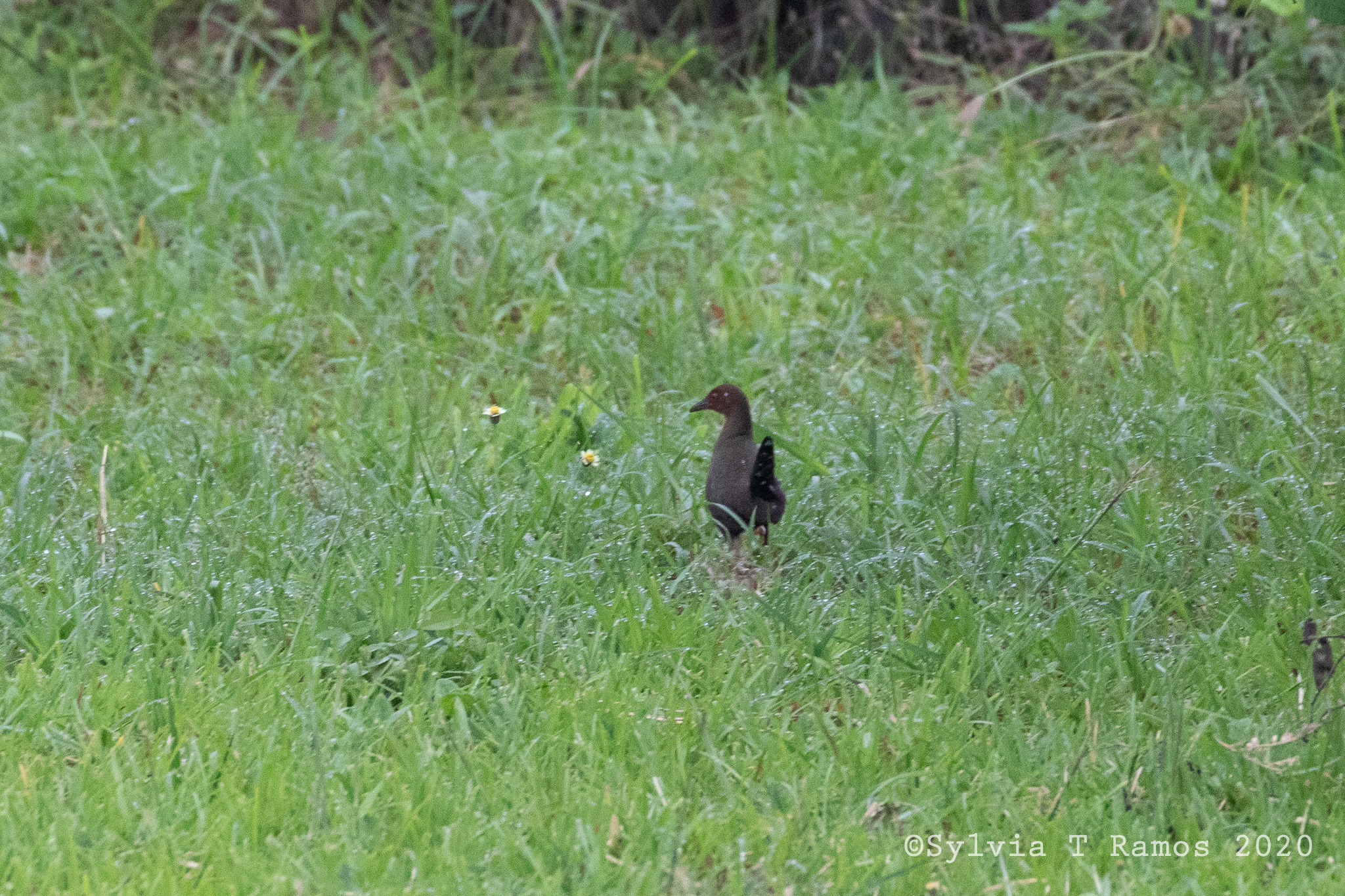
The rains turned even the roads into mini ponds. We saw a Barred Rail bathing in a puddle on the road.

When the weather clears up, we will continue building the big pond. It is exciting to see the transformation of an area that was weedy, uninteresting, and difficult to access into a rich habitat for all sorts of wildlife!






 Tonji and Sylvia's Wildlife Refuge