August 2025 – A Magical Month!

Our visit started of not so great — I was upset because Ollie rolled in horse poop two times and Tonji was upset because of farm tasks that hadn’t been accomplished.

Then

Then things got better

Going outside for a walk with a camera, binoculars, and (now clean) dogs is a sure way to make things better. The grass rustling underfoot and the birds singing in the trees is instantly uplifting!
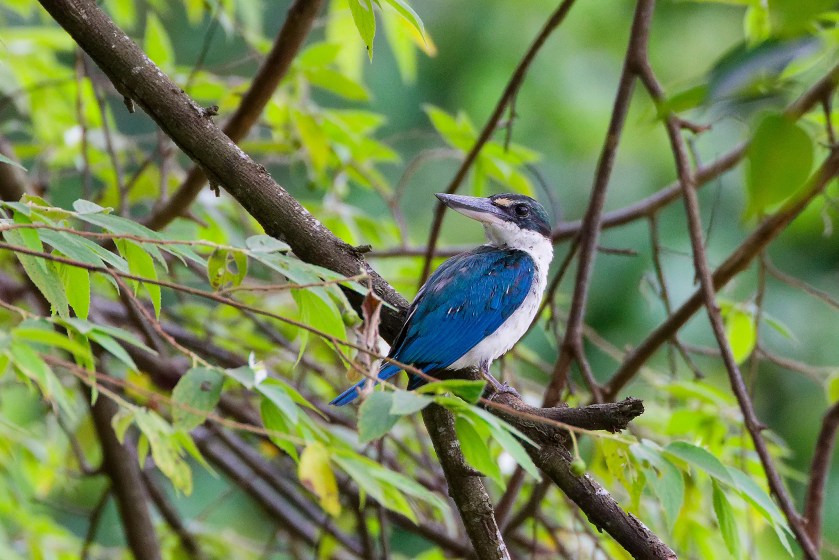
Collared Kingfisher
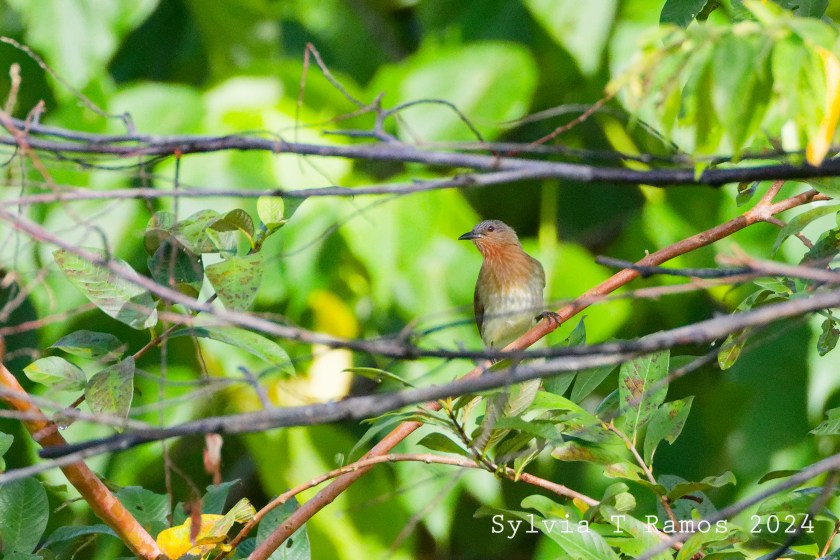
Stripe headed Rhabdornis
Lesser Coucal posing with guava fruit
White-breasted Waterhen

I also saw the Orioles, Pygmy Woodpeckers, Coppersmith Barbet, and more!

Then things got even better

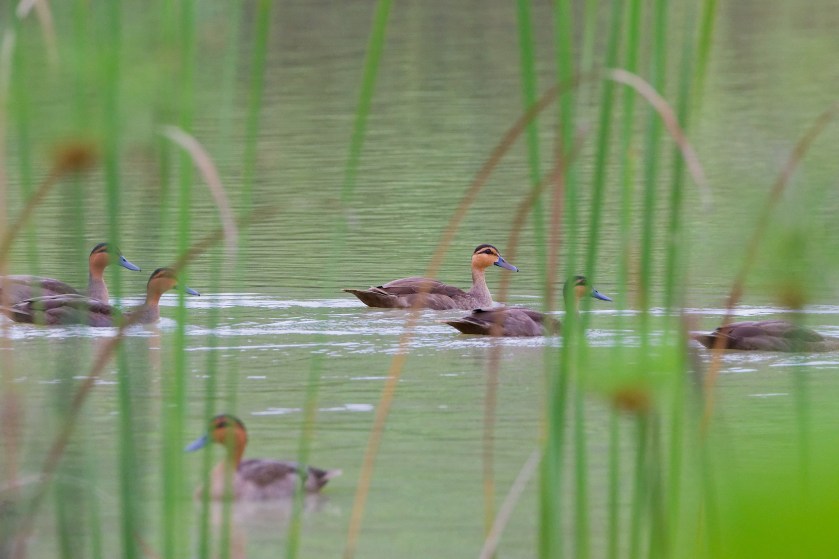
I always expect something good from the Big Pond. This time, it exceeded my expectations! To get to the pond from the cottage, you cross a bridge then walk up a short but steep incline, then end up on top of the bank of the Big Pond. This is my usual viewing area. I am at one end of the pond and the ducks are at the other end.

This time I had to stop before I reached the top of the bank because there were so many ducks in the pond! There were ducks swimming right below the area where I would usually stand! This was the closest I had even been to the ducks in the refuge.

I didn’t want to scare the ducks away, so I stayed just halfway up the incline and waited for the ducks to swim into view, and took pictures from there. I was so happy with the pictures!

The following morning Tonji took drone footage of the Big Pond and counted the ducks. The number we had in July was 47 ducks. Our guess before going through the drone footage was at least 80 ducks. And the count from the drone footage was .. 136 ducks!

And it was all magic!

We were feeling elated and and high from seeing all the ducks and even a bayawak in the Big Pond. It had all worked so well that day — the pond, the ducks, the drone! And then, there was one more surprise for us. When night fell, the fireflies came out and put on a magical show at our Firefly tree!
April 2025 – The Other Pond Creatures

I write a lot about the Philippine Ducks in the Big Pond. What other birds that are not Philippine Ducks visit the Big Pond?

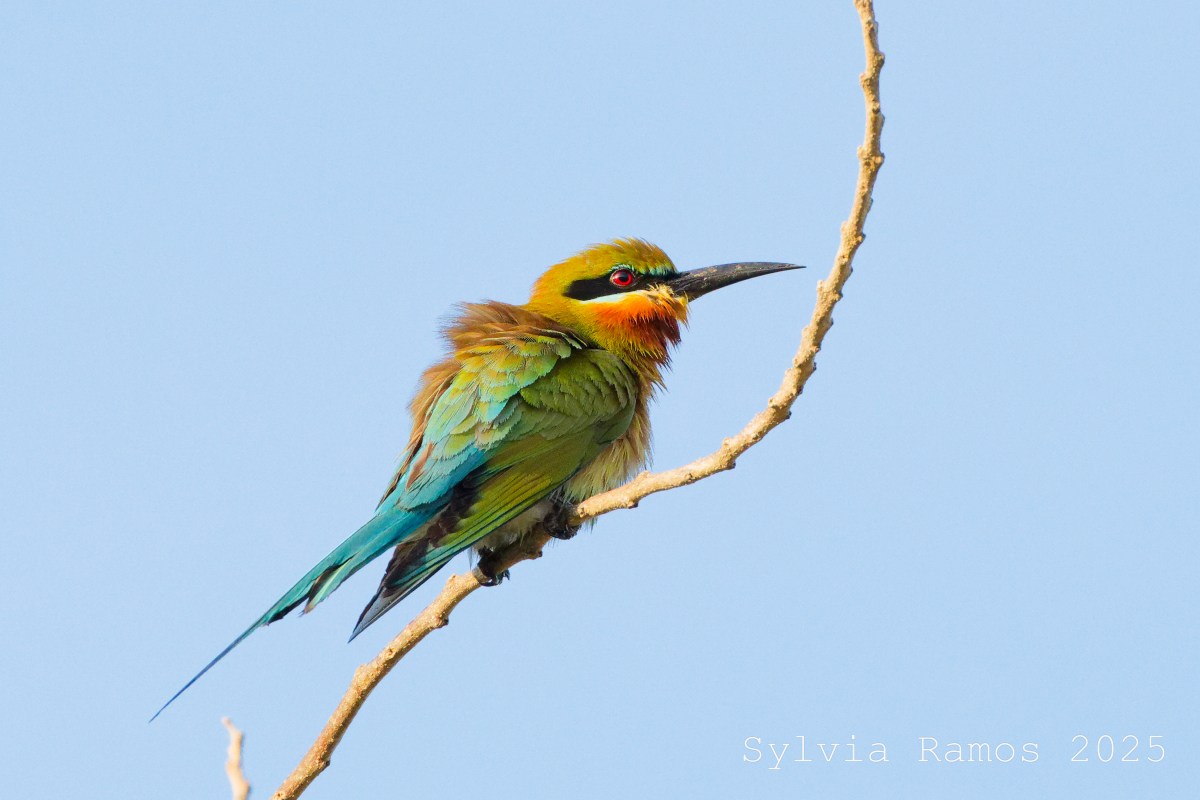
The Blue-Tailed Bee-Eater in the photo at the top. It was perched very close.

Coppersmith Barbet, very colorful and loud!

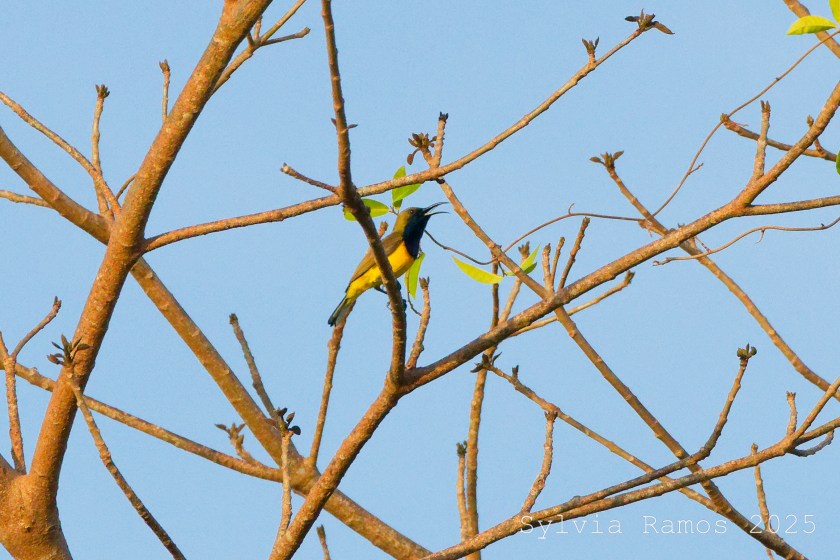
Olive-backed Sunbird. It has a beautiful song.

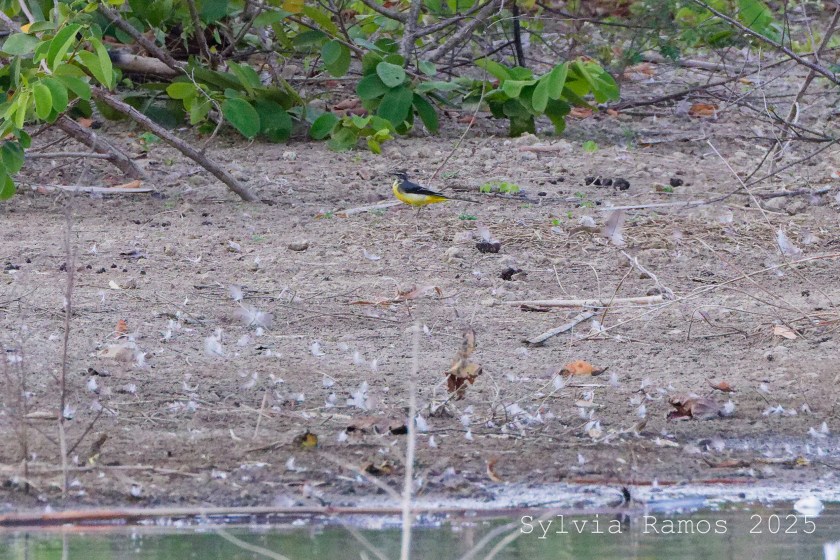
Grey Wagtail.

Barred Rail. We are seeing them more frequently.

Northern Shoveler.

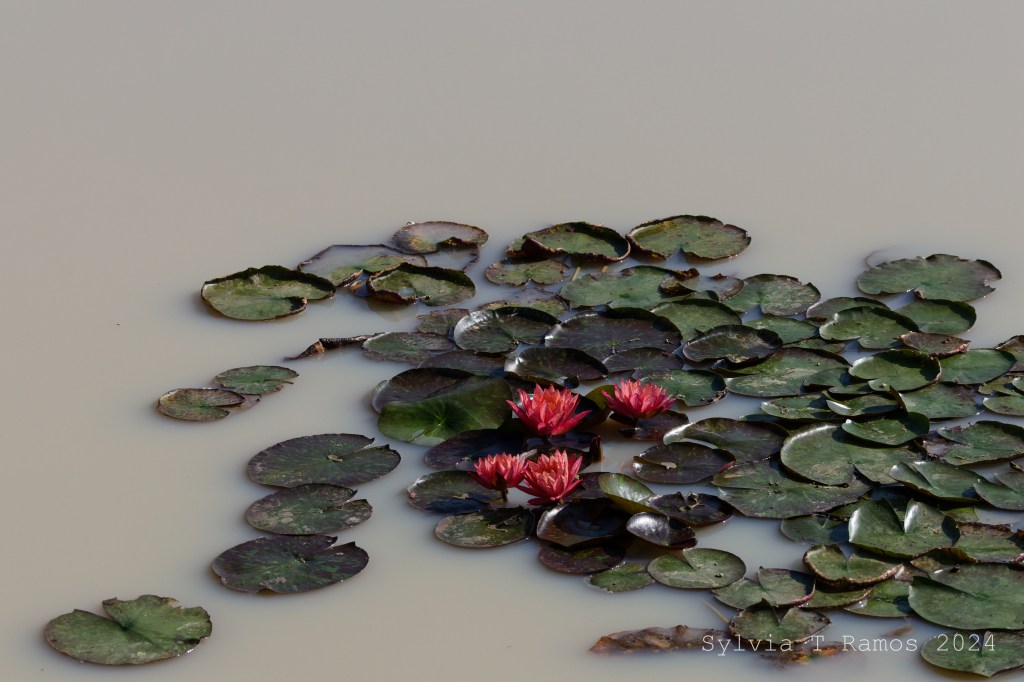
We also had our first lotus flowers in the Big Pond. Our friends Ixi and Mikeli gave us 2 water lily plants and I thought they died. It turns out they had been growing and spreading. I didn’t recognize them as lotus plants because they were mixed in with some water lilies. I also don’t know why so many of the leaves are dried up and brown.

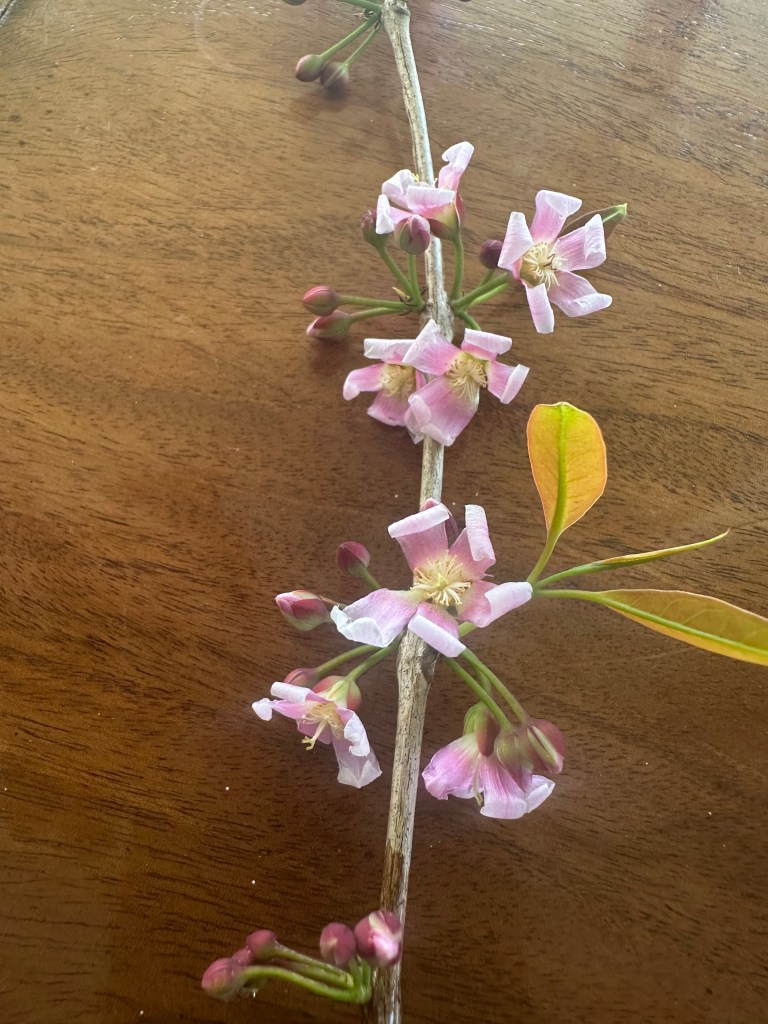
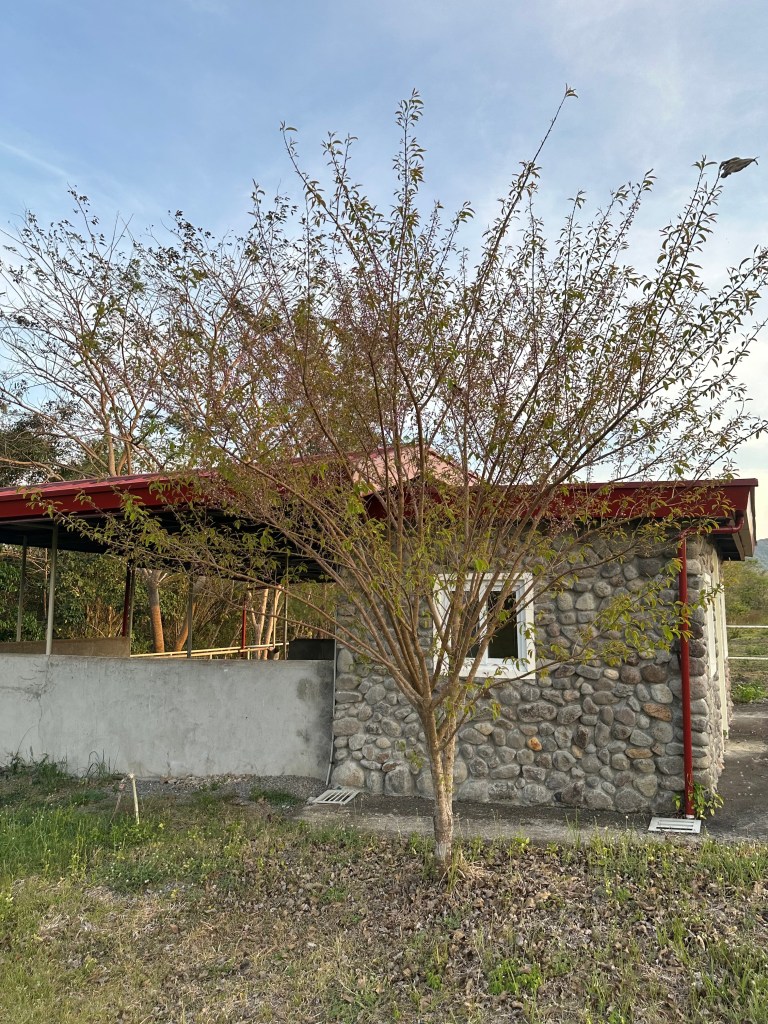
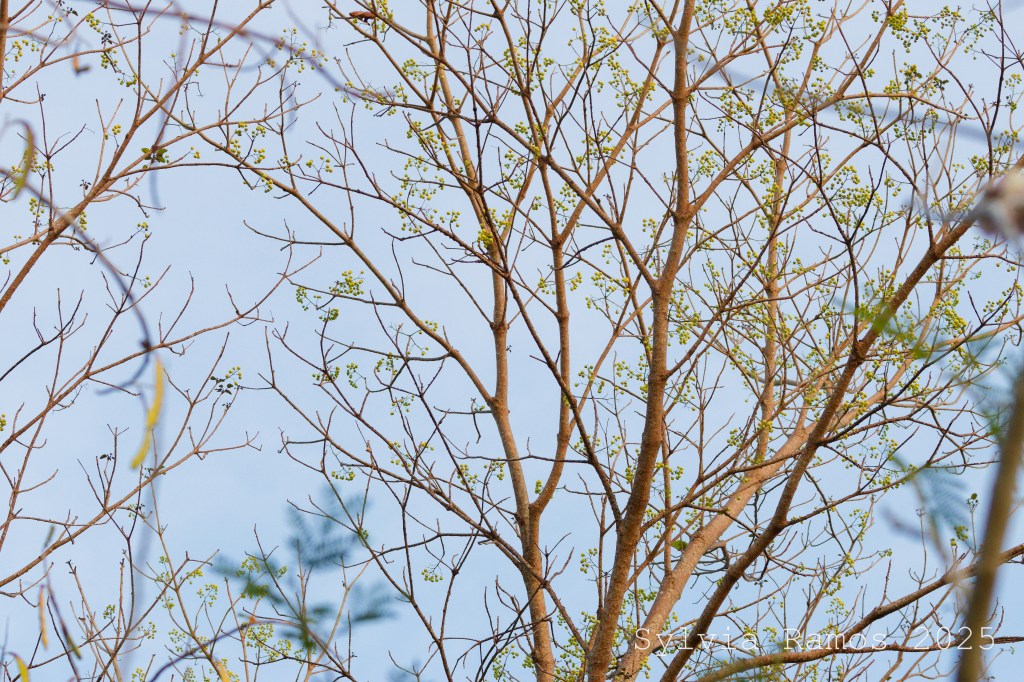
The Salingogon tree near the horses house flowered for the first time! We have two of these Salingogon trees. The flowers are very small and dainty.

The Balai Lamok near the cottage made a miraculous comeback! Last October 2024, there was a huge miscommunication with our caretakers and they removed our beautiful Balai Lamok! Not even a stump was left. We felt crushed and sad and immediately planted something else in its place in an effort to erase the bad memory. It seems the Balai Lamok was not compeletely uprooted. There are now multiple sprouts coming out of the ground!

Live! You can do it!!

Tonji said that he saw 2 Scale Feathered Malkohas while he was on the tractor cutting the grass. We went out twice to look for them, but did not see them.

This is what we did see.

Taluto aka Winged Boot. It seems like all of a sudden, we have several of these trees growing.

More Barred Rails!

These amazing colors all around!

November 2024 – End of the Year

We had a rainy but nice last visit to the refuge for 2024. The veranda of the cottage is a great place to see all kinds of things.

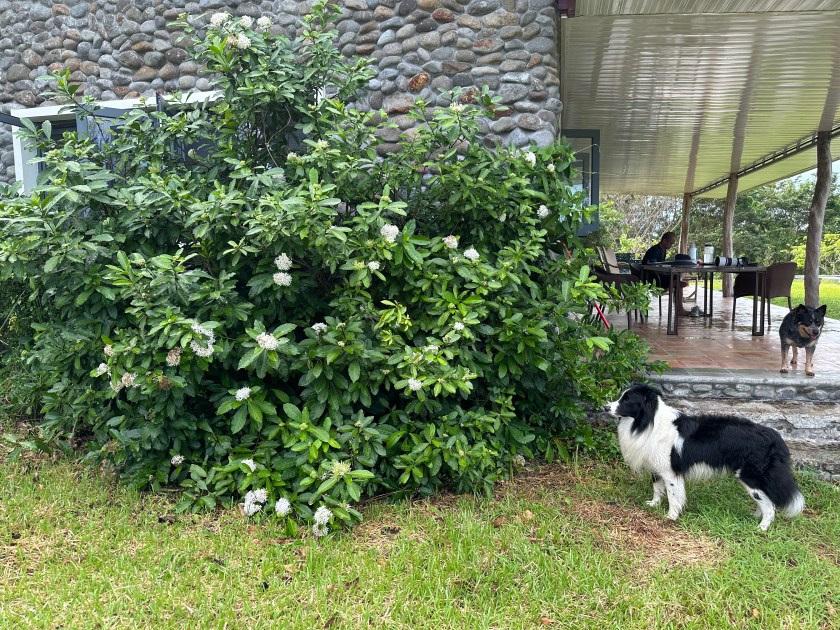
Native santan bush that’s starting to look like a small tree.

native santan

Small snake skin

snake skin

And of course, birds!

White-eared Brown Dove in the aratiles tree. We have a lot of these non-native aratiles trees because the birds love their fruits.

White-eared Brown Dove

Philippine Bulbul

Philippine Bulbul

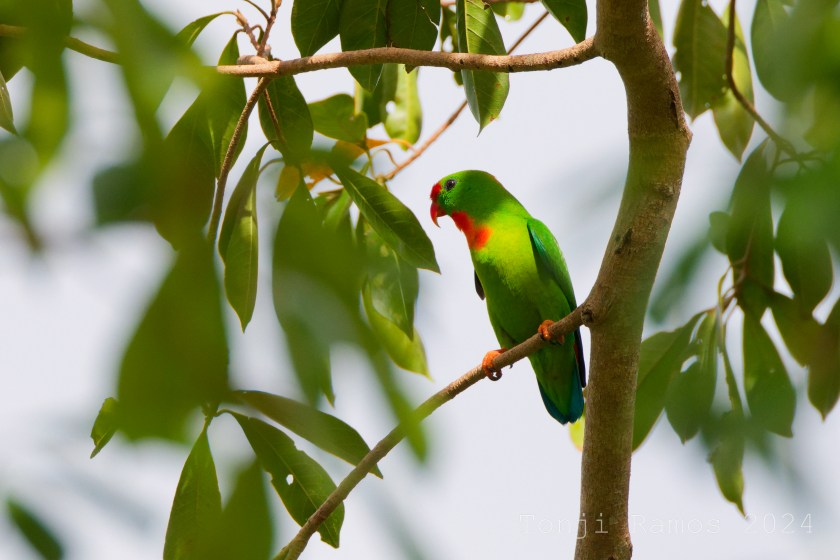
And one of our favorite birds, the Philippine Hanging Parrot or Colasisi. When we hear the call of this bird we already know that we it will be perfectly blended into the leaves and will take a bit of searching before we see it.

Colasisi

Unless it’s perched on the Agoho!

Colasisi on an Agoho tree

Tonji wanted to try something new at the Big Pond. Instead of using a ghillie cape like the last time, he set up a 2-seater hide by the pond.

Ollie with the bird hide

He left it by the pond overnight so that the birds could get used to it. Then he snuck inside early the next morning while it was still dark and waited to see what would show up. He thinks that the ducks were wary of it and kept their distance. But he got to see other birds in action!

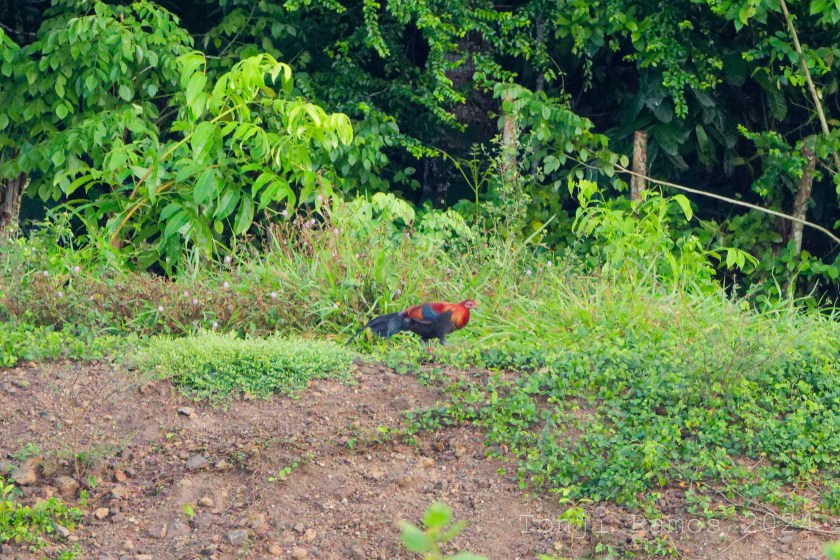
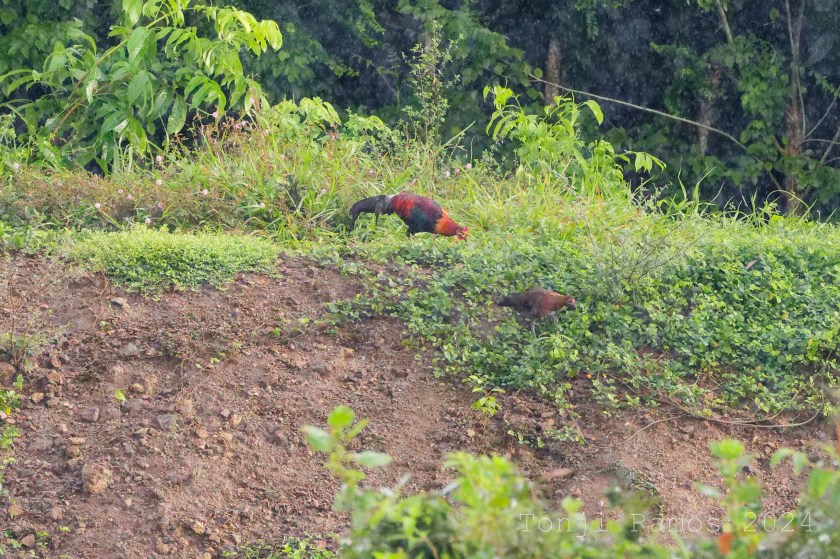
He was surprised to see a lot of Red Junglefowl Gallus gallus! The domestic native chickens are descended from Red Junglefowl. Tonji was surprised to see them fly across the pond. Unlike domestic chickens, the wild Junglefowl can fly well.

So exciting to be able to observe them!

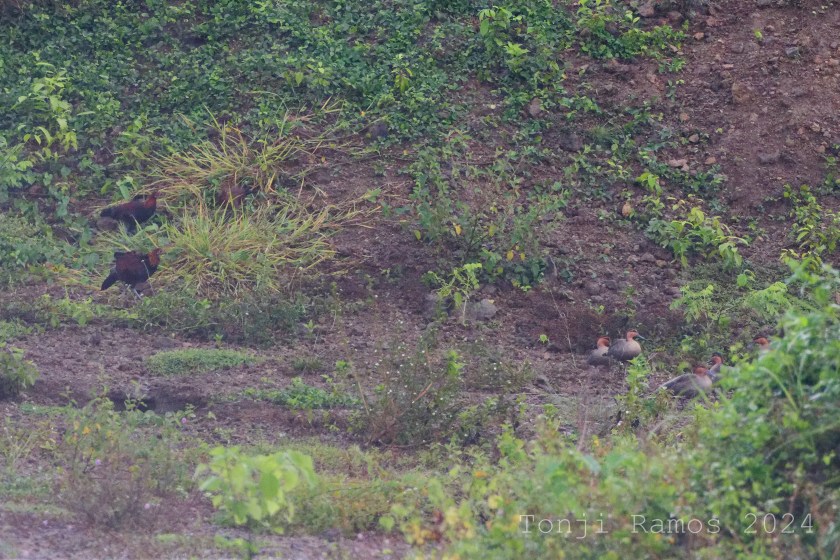
There were several males and females. Tonji chose a good location for the bird hide. Different kinds of birds were converging at the same bank.

Barred Rail or Tikling.

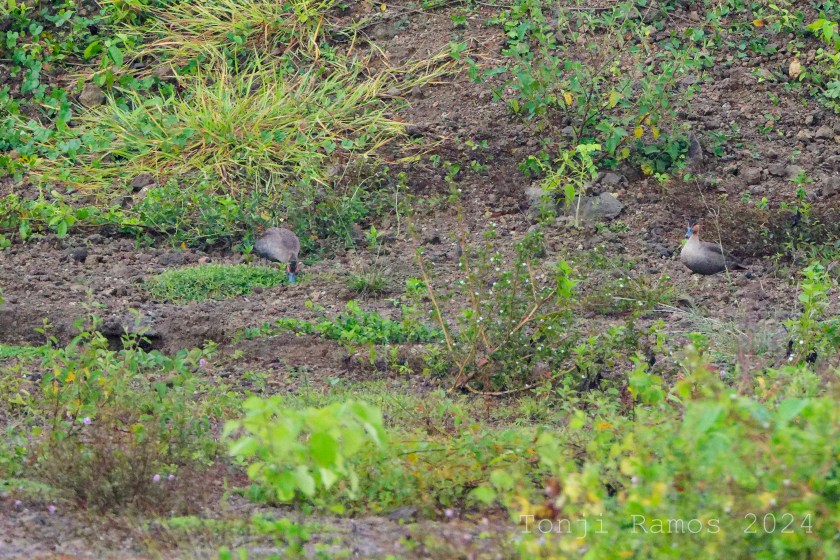
The Philippine Ducks were also in the area. It was so strange to see Philippine Ducks and Red Junglefowl together! There were probably a lot of bugs in the mud.

The ducks looked like they were digging.

White-Breasted Waterhen

White-breasted Waterhen

He also saw two Wandering Whistling Ducks.

Wandering Whistling Duck

They were swimming in the Big Pond with the Philippine Ducks.

And that was how we ended 2024 at the refuge! We are looking forward to more visits and more birds in 2025.

August 2024

You know how there are “before and after” pictures? August was a great month for AFTER pictures!

In May we had a fire, and then by August the traces of the fire had been erased. The grass grew green and tall again. The burned trunks were still there, but the landscape was nice and lush once more.

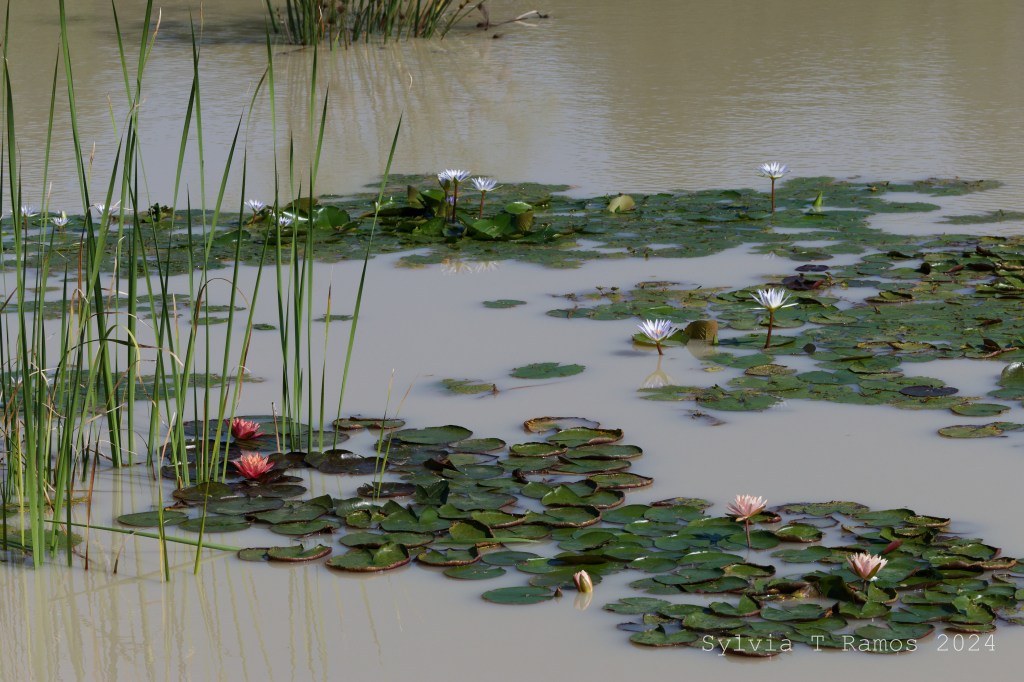
Last year we planted water lilies, typha, papyrus, and lotus in the Big Pond. One of the water lilies was a hardy variety called Nymphaea wanvisa from my pond in Alabang. It is a very pretty water lily that wasn’t doing that great in Alabang. It only gave me a few flowers . I cut it up and placed it into smaller pots and planned to plant them in the Big Pond when it was ready. I was hoping it would do better in the Big Pond.

I could hardly believe my eyes when I saw how big it grew in the Big Pond! It had spread and had so many flowers!

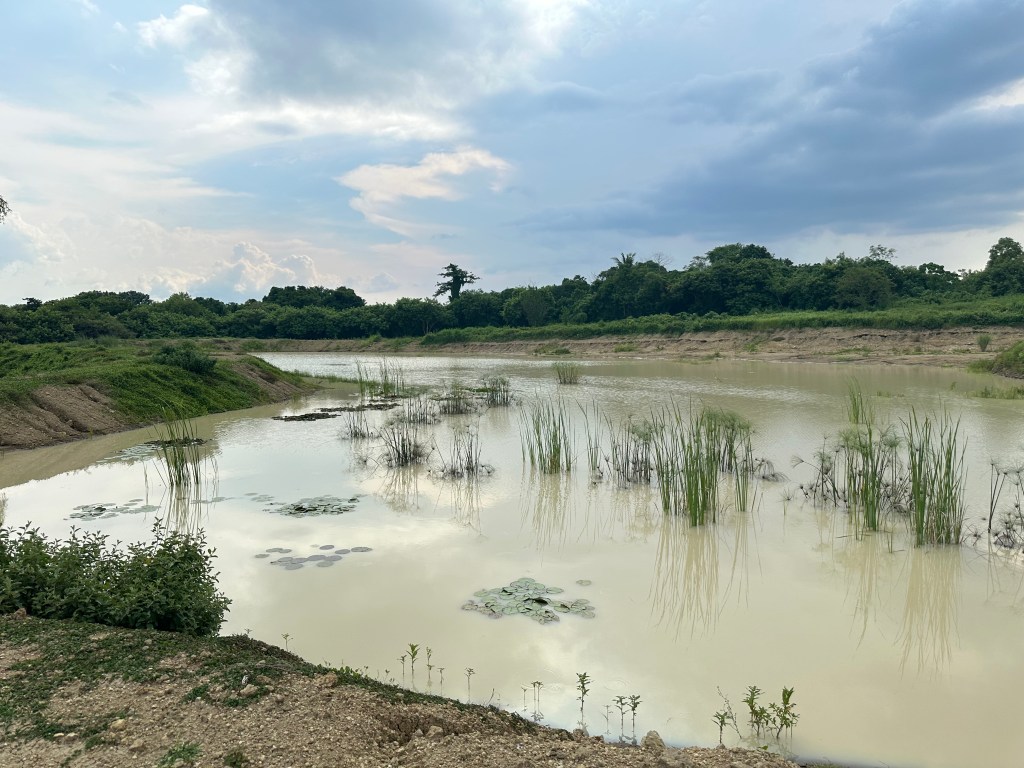
The Big Pond is thriving! I saw a White Breasted Waterhen scurrying in the grass beside the Big Pond. The plants are looking more established. Only one section of the Big Pond doesn’t have water.

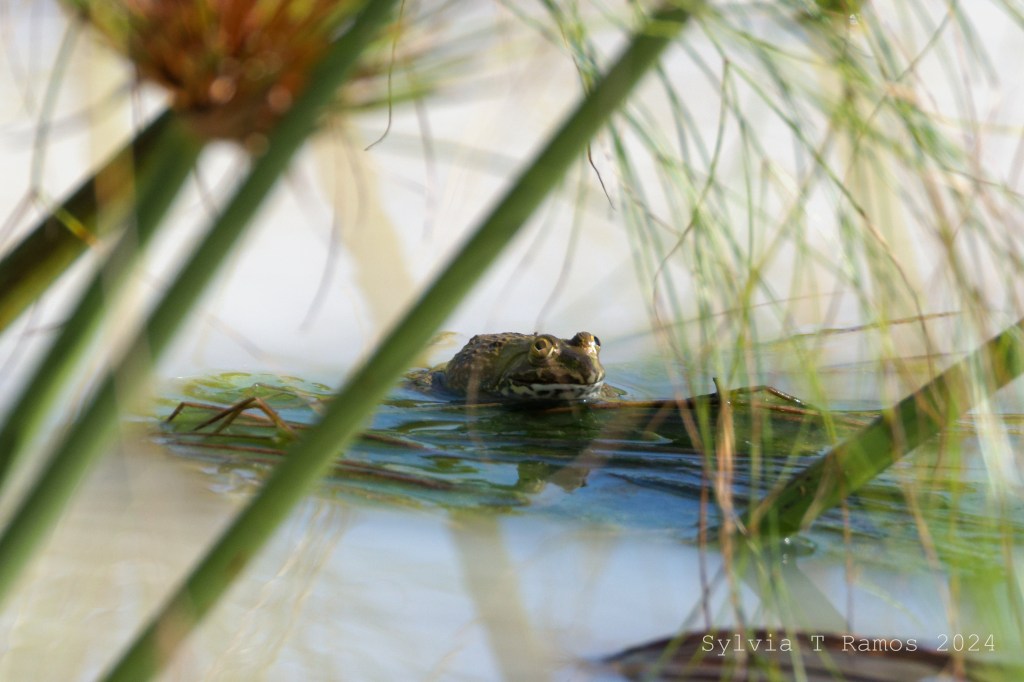
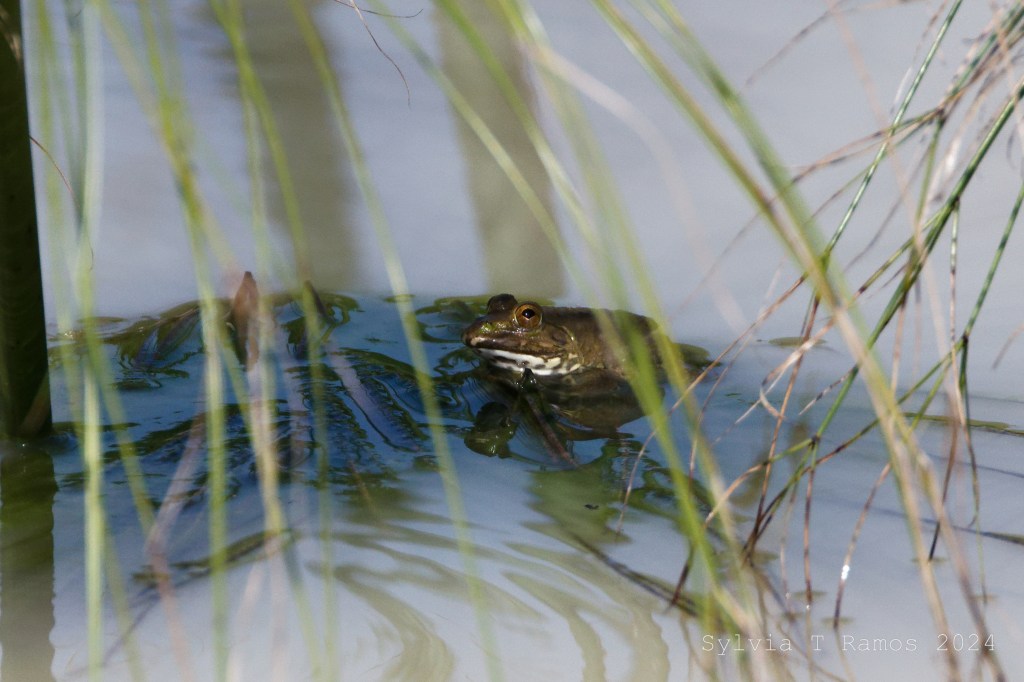
I was excited to photograph a frog at the Big Pond. I was hoping it was native species. Sadly though, it was a Chinese Edible Frog (Hoplobatrachus rugulosus) an invasive species of bullfrog. It is also known as Palakang Bukid. I wrongly assumed that foam nests were made by the native frogs. It turns out that many other frogs also make foam nests. Maybe the birds will eat the frogs since they are edible.

And here is a beautiful serene morning video of Ollie at the Water Lily Pond.

that’s Lulu yelping at the end of the video


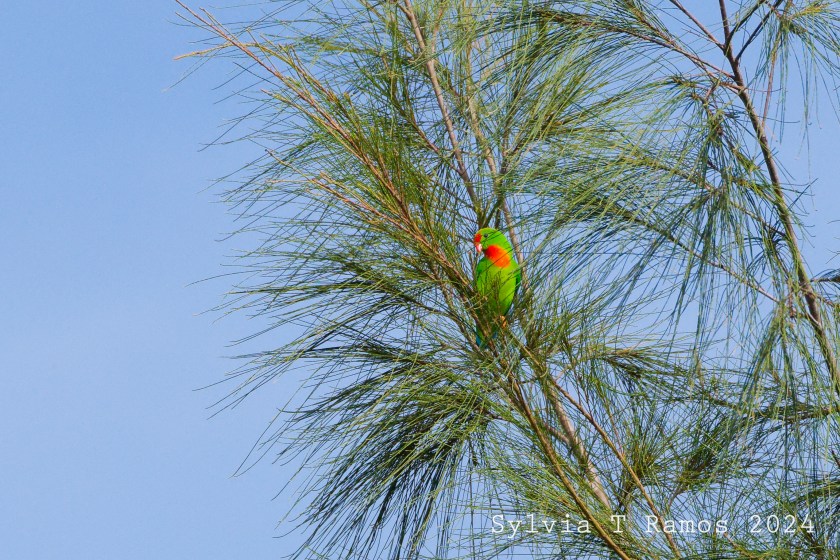
We also finally got a photo of a Colasisi at the refuge. It is another one of those “finally got a photo but it’s a bad one”! It was perched on an Agoho.


In August we also had a notable abundance of mosquitoes! This is the first time I experienced getting swarmed by mosquitoes during my morning walk. They swarmed over the dogs and bit my arms! I hope the bats, dragonflies, and birds keep them in check.

I also noticed that there were some fully grown trees that looked like the dried up and died. Not sure what caused this.

Is it dead?

Another interesting observation was the snake that climbed a tree. Tonji saw a snake with a stripe along its body that swiftly climbed up a tree! He was surprised that it didn’t just slither away into the tall grass. We have been assuming that snakes are in the grass. Now we know they could be in the trees too!
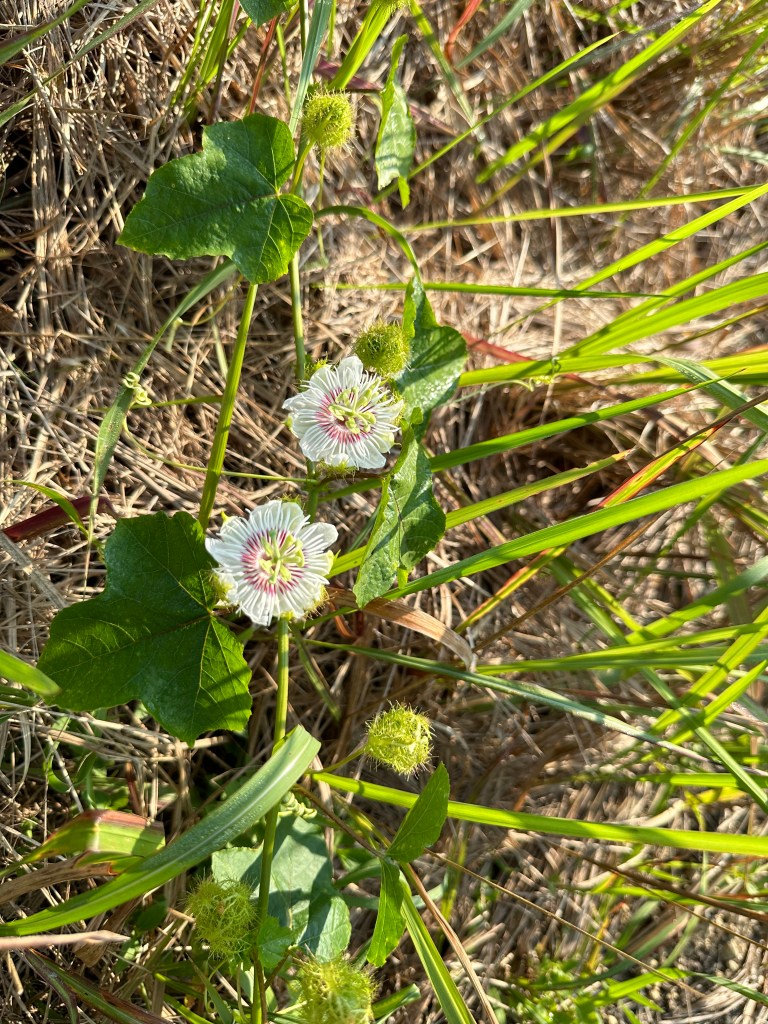
wild passionfruit Pasyonaryang Mabaho