April 2025 – The Other Pond Creatures

I write a lot about the Philippine Ducks in the Big Pond. What other birds that are not Philippine Ducks visit the Big Pond?

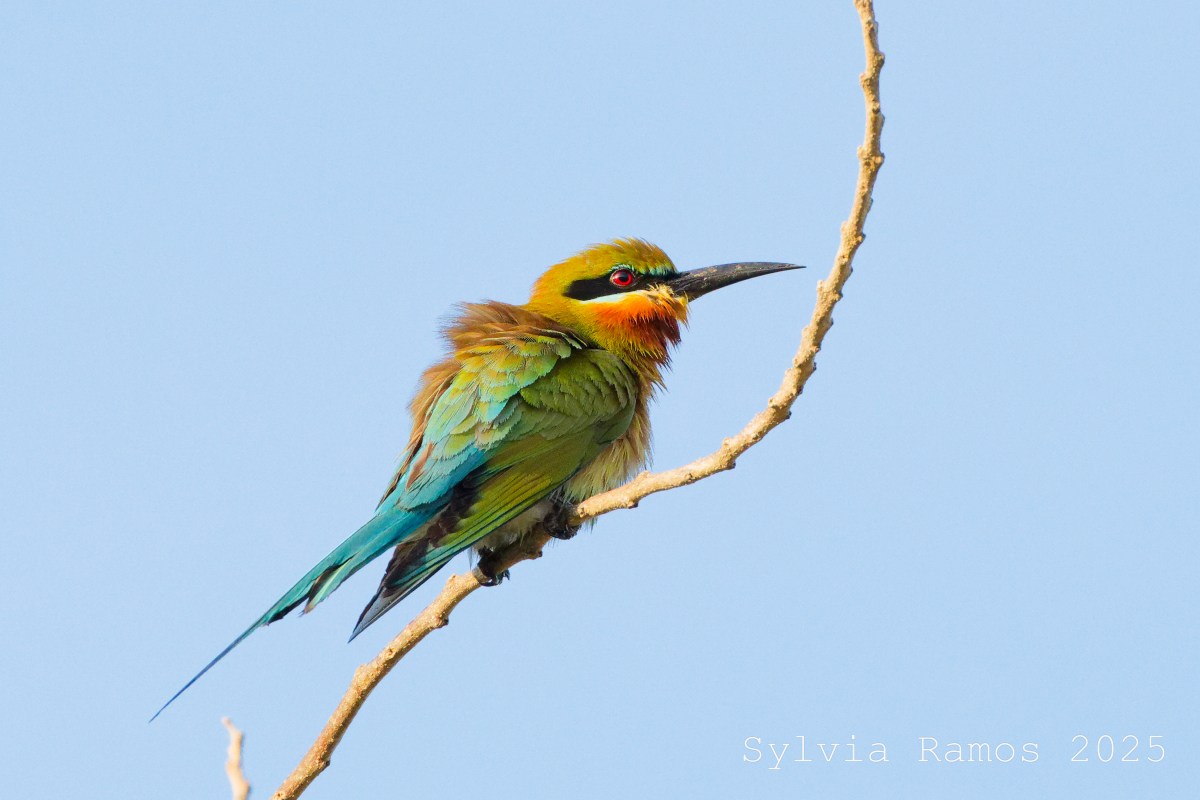
The Blue-Tailed Bee-Eater in the photo at the top. It was perched very close.

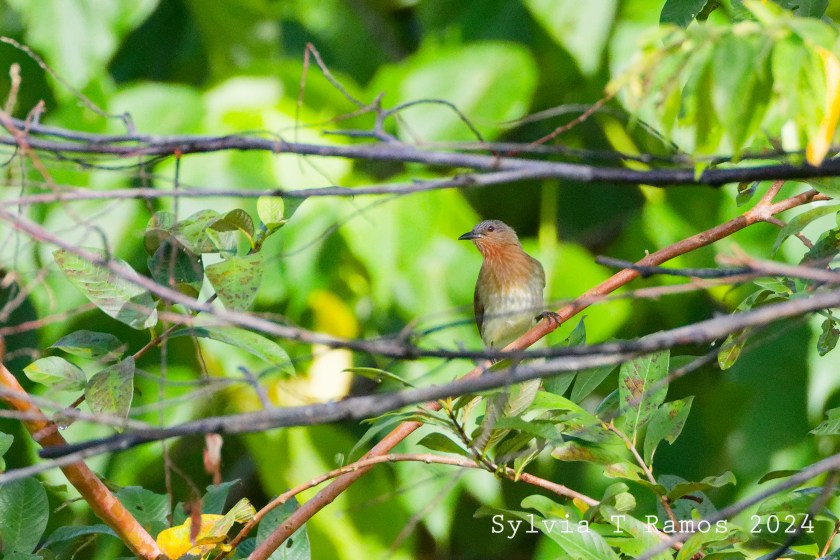
Coppersmith Barbet, very colorful and loud!

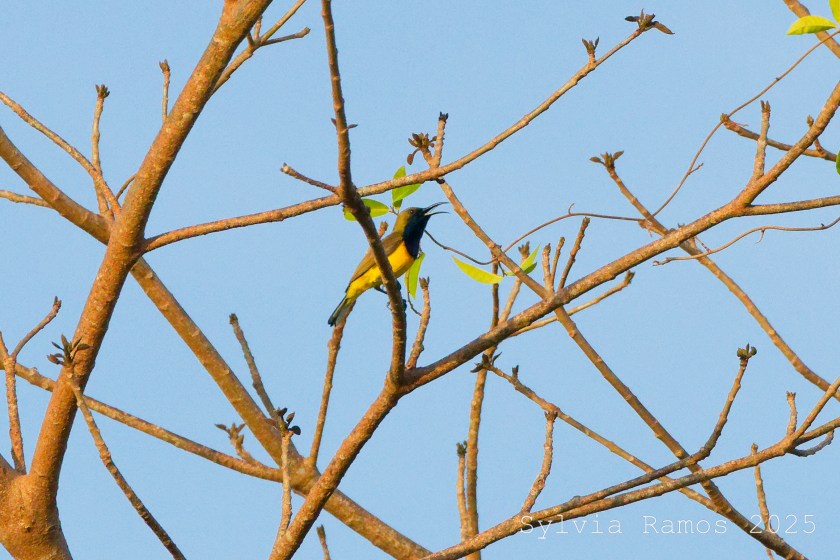
Olive-backed Sunbird. It has a beautiful song.
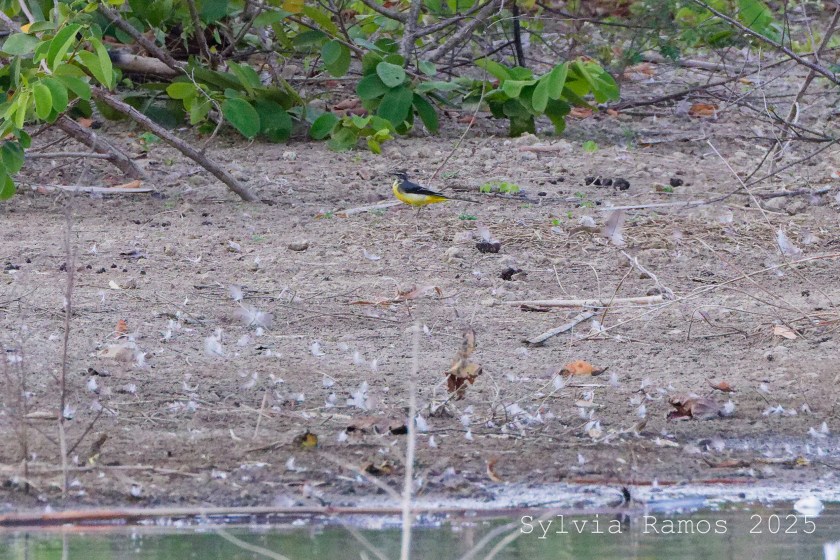
Grey Wagtail.
Barred Rail. We are seeing them more frequently.

Northern Shoveler.

We also had our first lotus flowers in the Big Pond. Our friends Ixi and Mikeli gave us 2 water lily plants and I thought they died. It turns out they had been growing and spreading. I didn’t recognize them as lotus plants because they were mixed in with some water lilies. I also don’t know why so many of the leaves are dried up and brown.

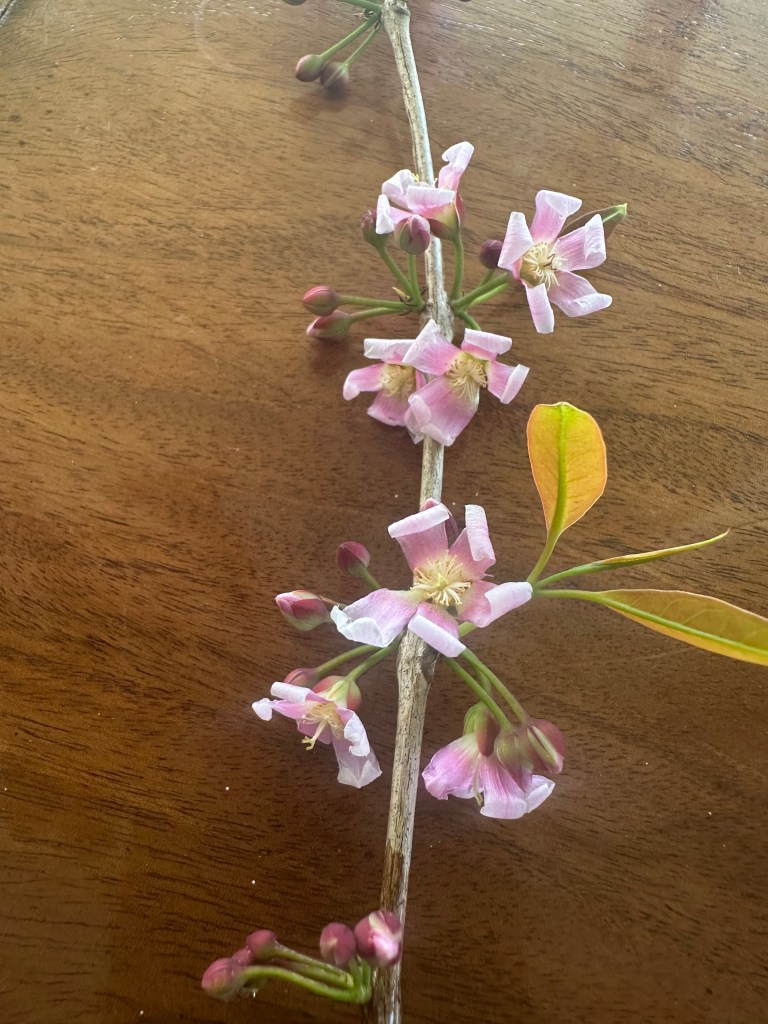
The Salingogon tree near the horses house flowered for the first time! We have two of these Salingogon trees. The flowers are very small and dainty.
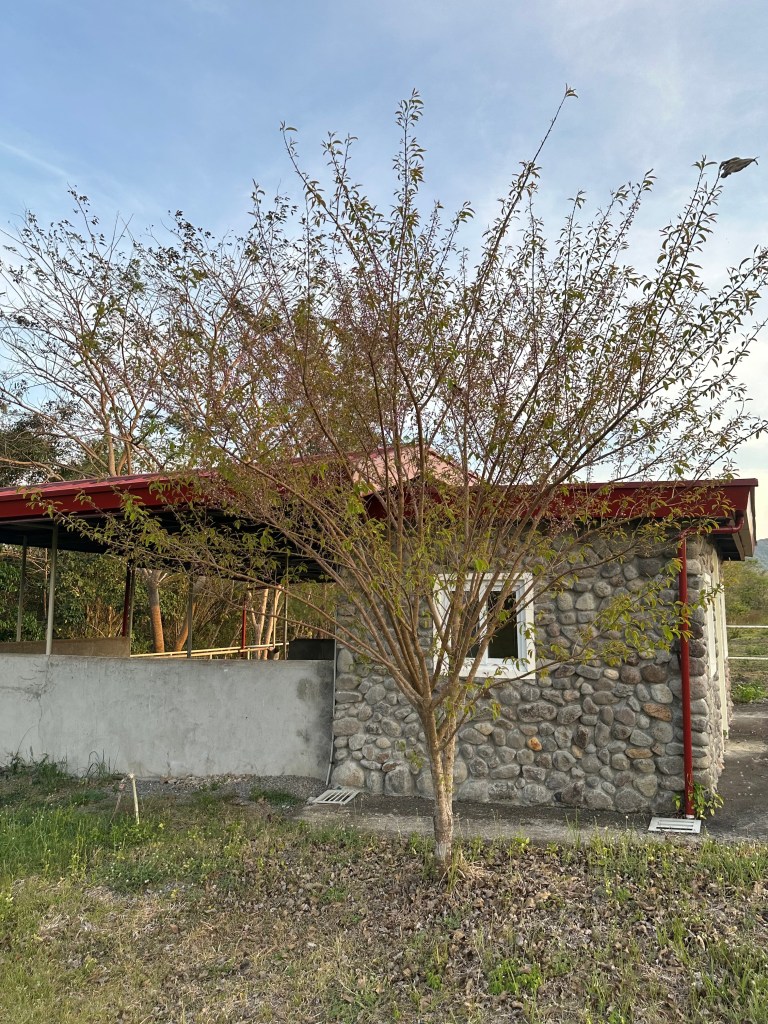
The Balai Lamok near the cottage made a miraculous comeback! Last October 2024, there was a huge miscommunication with our caretakers and they removed our beautiful Balai Lamok! Not even a stump was left. We felt crushed and sad and immediately planted something else in its place in an effort to erase the bad memory. It seems the Balai Lamok was not compeletely uprooted. There are now multiple sprouts coming out of the ground!

Live! You can do it!!

Tonji said that he saw 2 Scale Feathered Malkohas while he was on the tractor cutting the grass. We went out twice to look for them, but did not see them.

This is what we did see.

Taluto aka Winged Boot. It seems like all of a sudden, we have several of these trees growing.
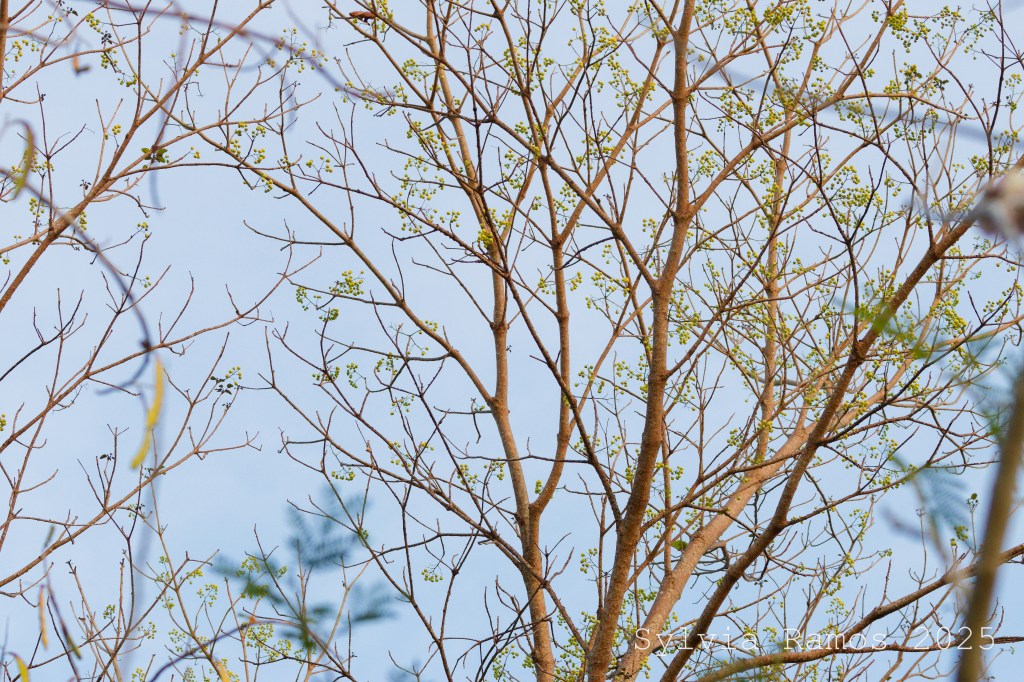
More Barred Rails!

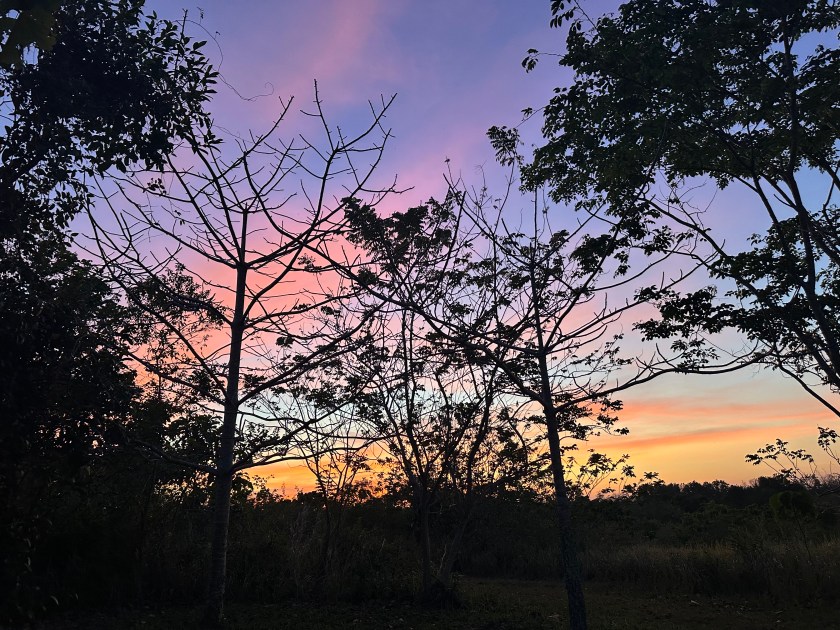
These amazing colors all around!

November 2024 – End of the Year

We had a rainy but nice last visit to the refuge for 2024. The veranda of the cottage is a great place to see all kinds of things.

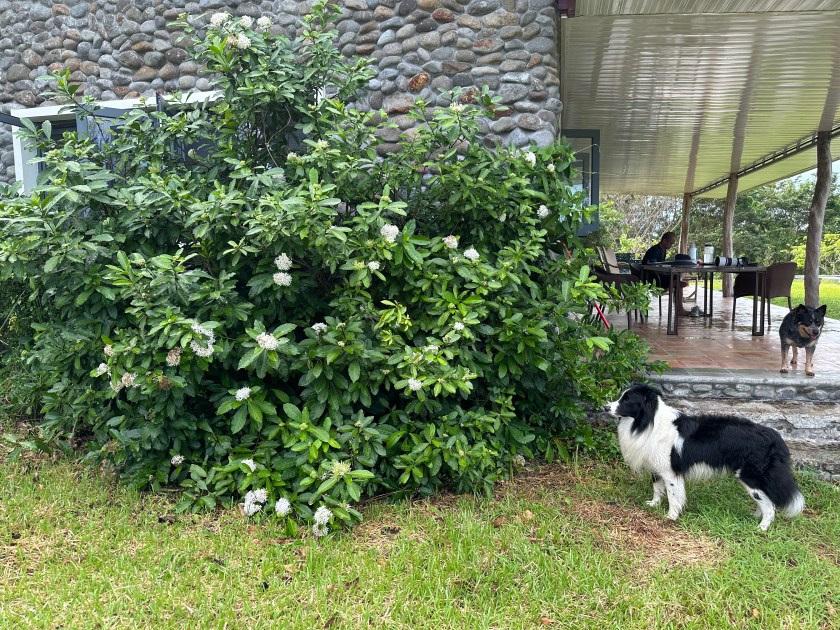
Native santan bush that’s starting to look like a small tree.

native santan

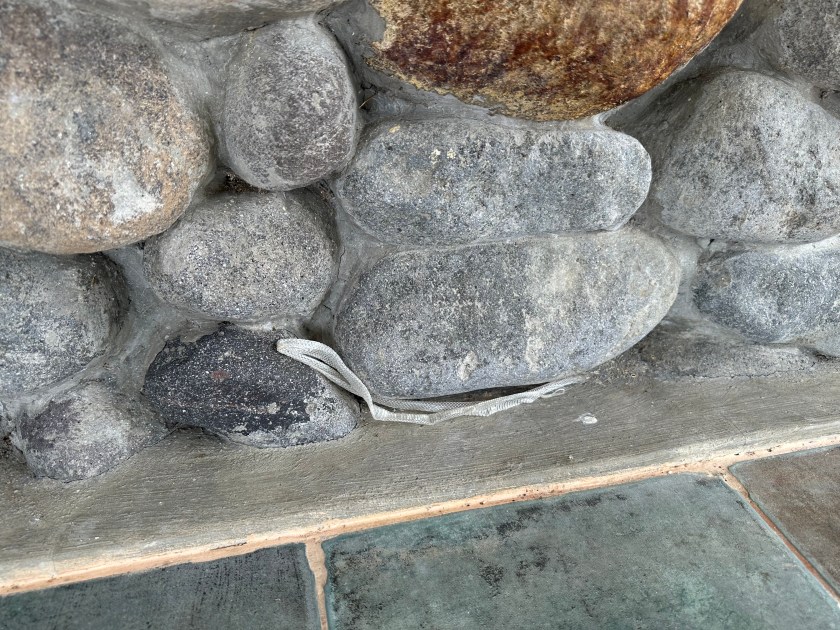
Small snake skin

snake skin

And of course, birds!

White-eared Brown Dove in the aratiles tree. We have a lot of these non-native aratiles trees because the birds love their fruits.

White-eared Brown Dove

Philippine Bulbul

Philippine Bulbul

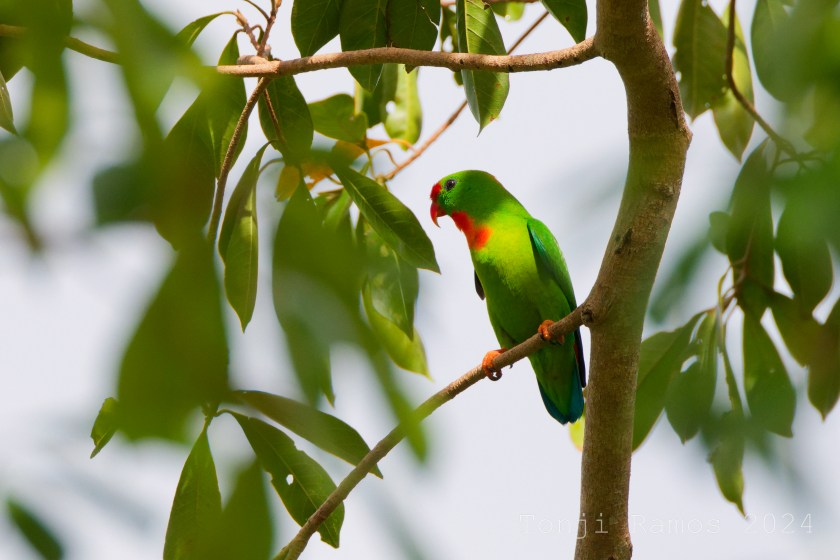
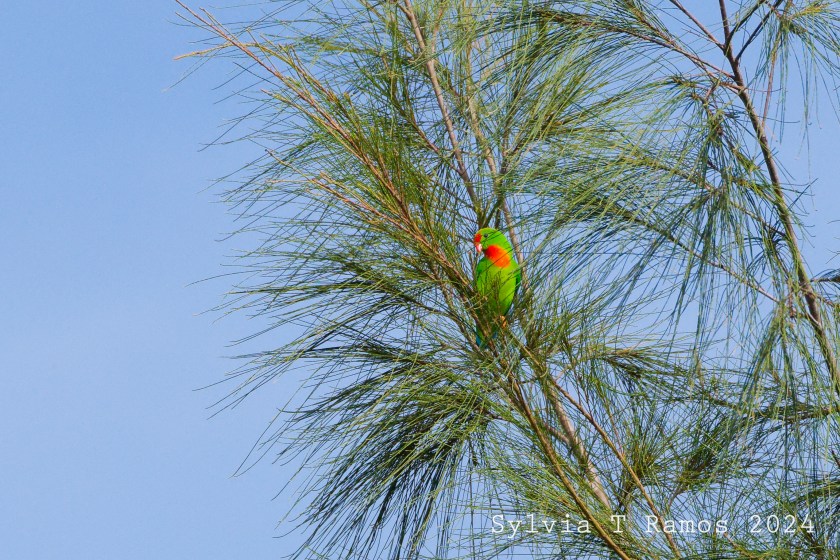
And one of our favorite birds, the Philippine Hanging Parrot or Colasisi. When we hear the call of this bird we already know that we it will be perfectly blended into the leaves and will take a bit of searching before we see it.

Colasisi

Unless it’s perched on the Agoho!

Colasisi on an Agoho tree

Tonji wanted to try something new at the Big Pond. Instead of using a ghillie cape like the last time, he set up a 2-seater hide by the pond.

Ollie with the bird hide

He left it by the pond overnight so that the birds could get used to it. Then he snuck inside early the next morning while it was still dark and waited to see what would show up. He thinks that the ducks were wary of it and kept their distance. But he got to see other birds in action!

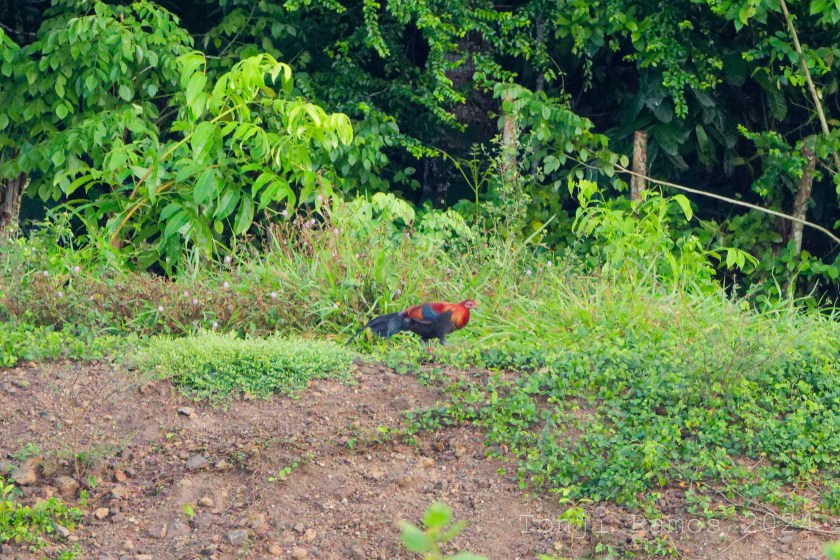
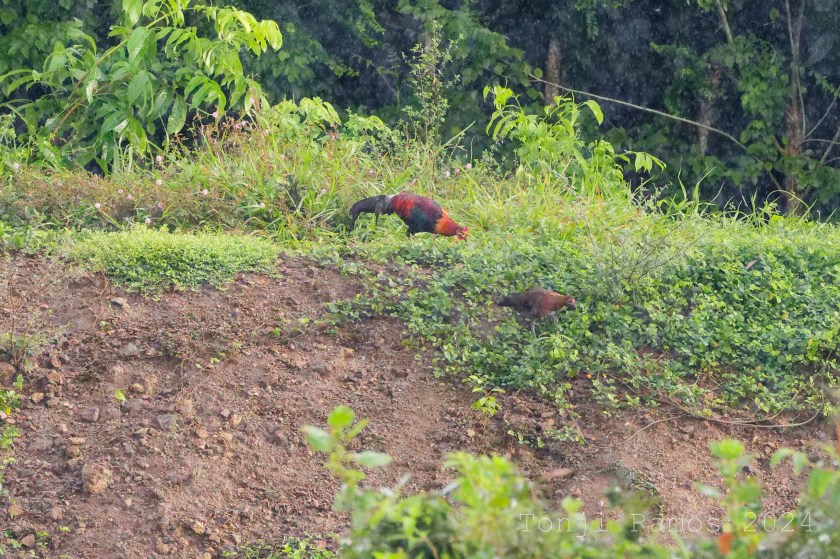
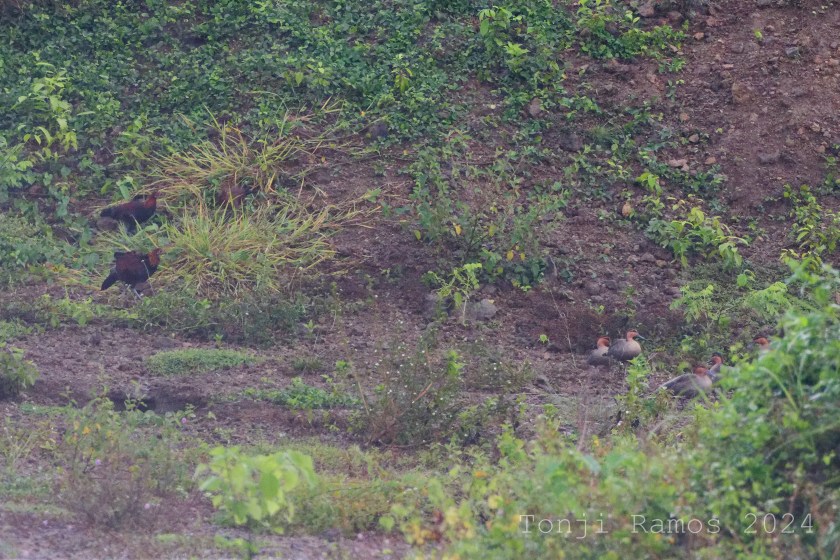
He was surprised to see a lot of Red Junglefowl Gallus gallus! The domestic native chickens are descended from Red Junglefowl. Tonji was surprised to see them fly across the pond. Unlike domestic chickens, the wild Junglefowl can fly well.

So exciting to be able to observe them!

There were several males and females. Tonji chose a good location for the bird hide. Different kinds of birds were converging at the same bank.

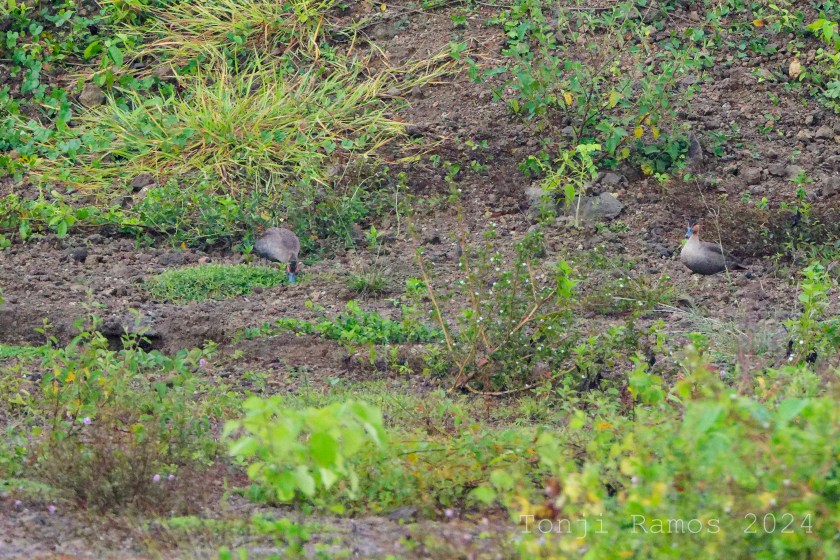
Barred Rail or Tikling.

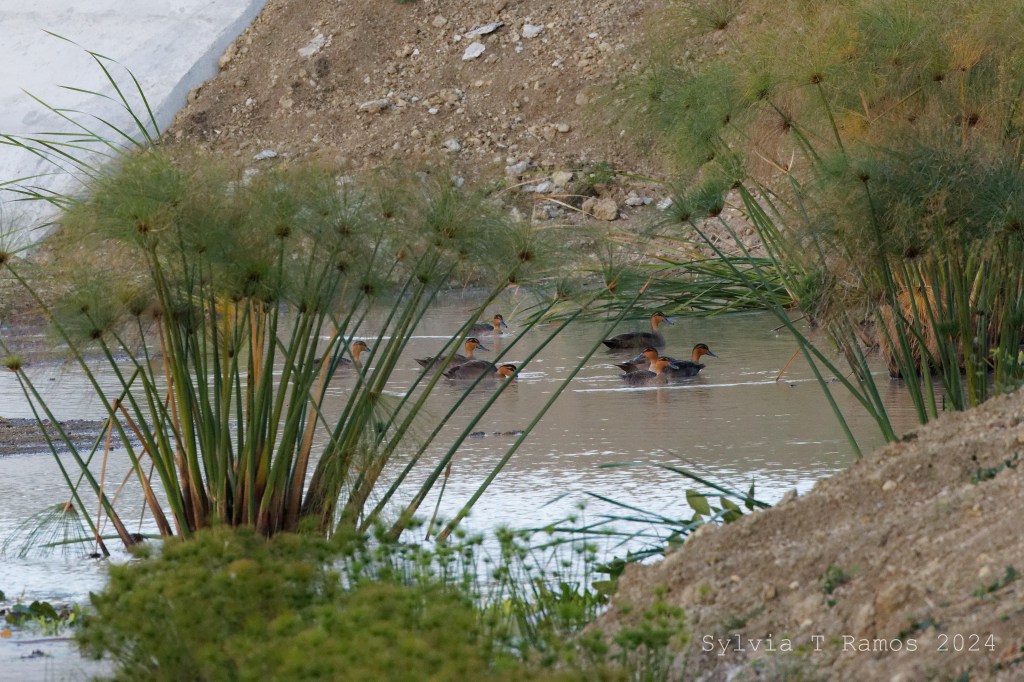
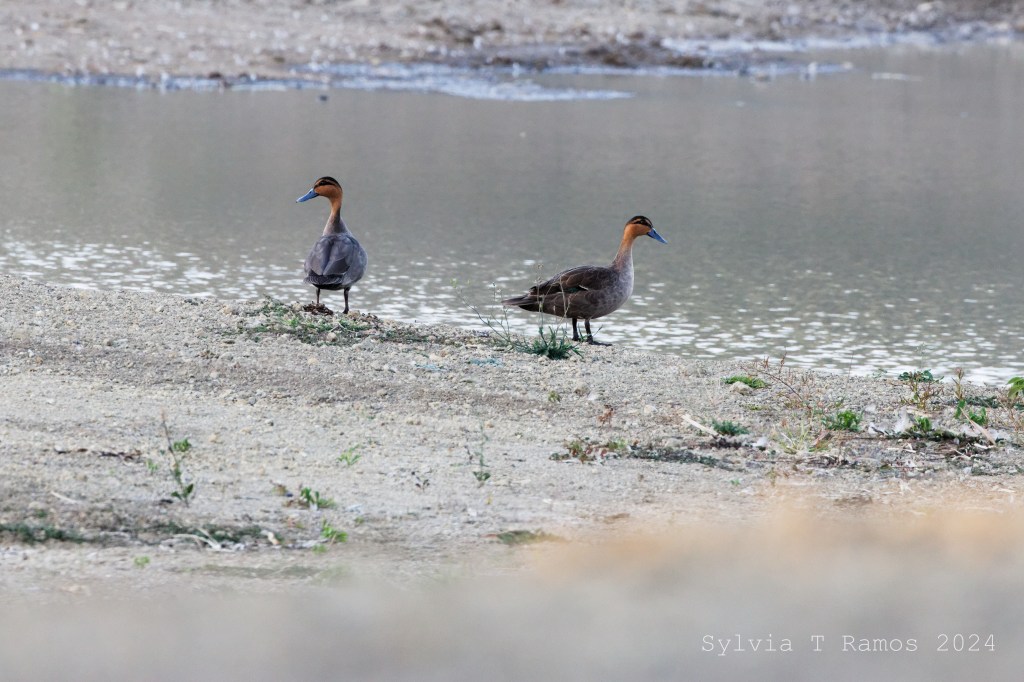
The Philippine Ducks were also in the area. It was so strange to see Philippine Ducks and Red Junglefowl together! There were probably a lot of bugs in the mud.

The ducks looked like they were digging.

White-Breasted Waterhen

White-breasted Waterhen

He also saw two Wandering Whistling Ducks.

Wandering Whistling Duck

They were swimming in the Big Pond with the Philippine Ducks.

And that was how we ended 2024 at the refuge! We are looking forward to more visits and more birds in 2025.

Nearing 50 Ducks!

2024 is shaping up to be an exciting year for our refuge!

JANUARY

Ducks in the Big Pond

First time to see Philippine Ducks in the Big Pond! Tonji saw 15 Philippine Ducks swimming in the Big Pond. We knew it was just a matter of time until the ducks discovered the Big Pond. In the meantime, we were trying to make the Big Pond as attractive to the ducks as we could by planting water plants and minimizing the human activity in the area. It was so satisfying to finally see the Philippine Ducks at the pond!

Philippine Ducks swimming in the Big Pond
January 2024 at the Big Pond

We were even able to show the ducks to friends and family that visited the refuge.

FEBRUARY

In February we had more visitors to the refuge. We started plans on upgrading our glamping set-up to make it easier to have visitors. We met up with the building crew to discuss the new guest house and they were all agog about seeing so many ducks! How many ducks? They couldn’t really say. Maybe 20, maybe 40. The building crew were in the refuge early in the morning when they saw many ducks fly out of the Big Pond, circle overhead, then land back in the Big Pond. We were very happy and excited to hear that there were many ducks, even if we didn’t know how many. And even better news was that they appeared intent on staying in the Big Pond.
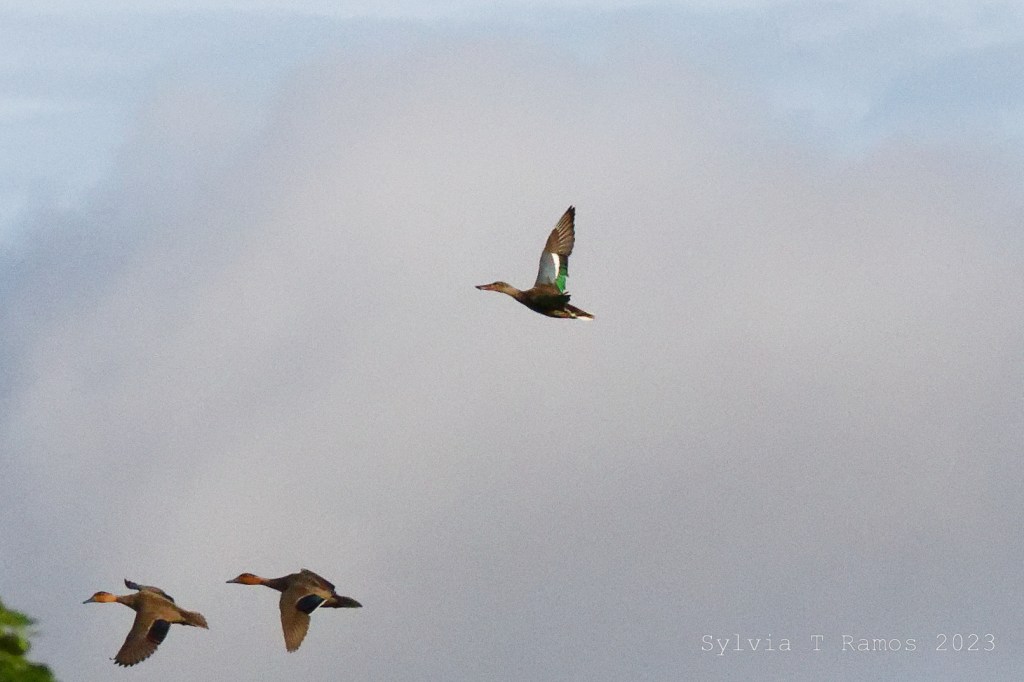
Duck action at the Big Pond!

MARCH

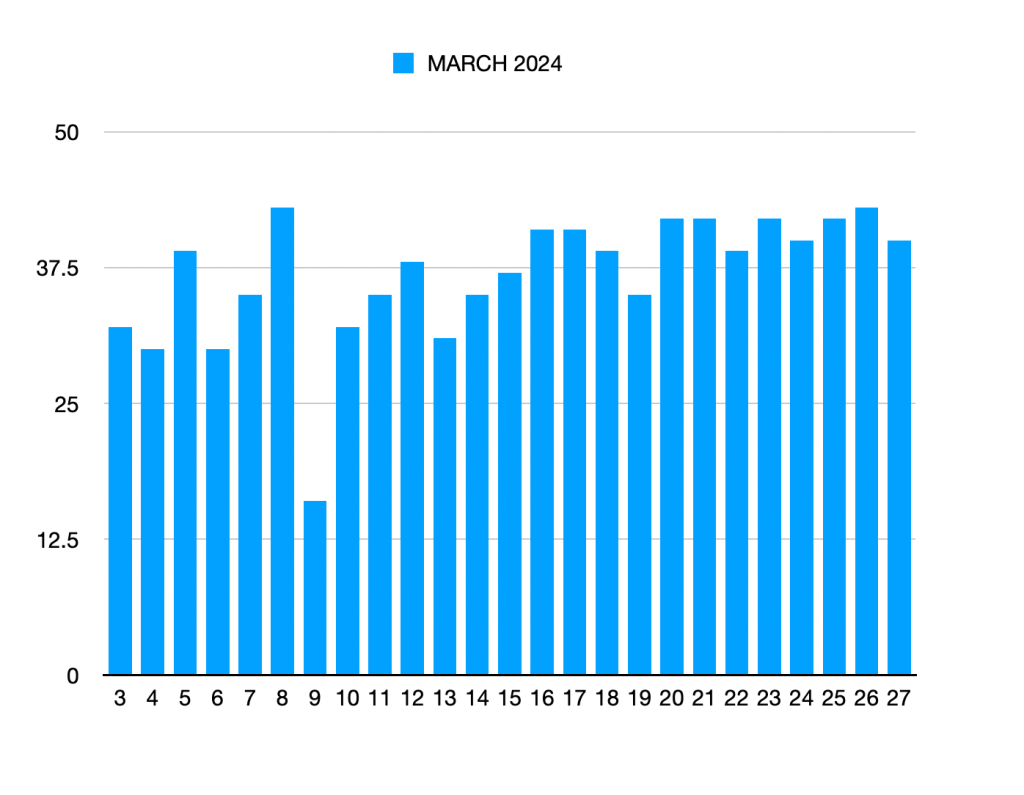
In March we started keeping track of the number of Philippine Ducks in the refuge. There is a big group that stays in the Big Pond and 2 ducks that appear to stay in the Water Lily Pond.

Philippine Ducks in the Big Pond March 3 – 27

We started keeping track on March 3 and had 32 ducks. That’s 12 more than our highest previous count of 20 Philippine ducks in the Water Lily pond in November 2023. Our new highest count is 43 ducks in the Big Pond on March 8 and March 26. If we assume that the pair of ducks in the Water Lily Pond do not go to the Big Pond, then that makes it a possible 45 Philippine Ducks in the refuge! Almost 50 ducks!!

The ducks like to gather in this corner of the Big Pond
Philippine Ducks at the Big Pond

I am looking forward to planting more Typha or bullrushes at the Big Pond. They are supposed to spread and even become weedy, but so far the ones we have planted are looking sparse. We have also planted giant papyrus, dwarf papyrus, water lilies, lotus, and sagittaria. I think the plants make the pond much more attractive to the birds.

New plants

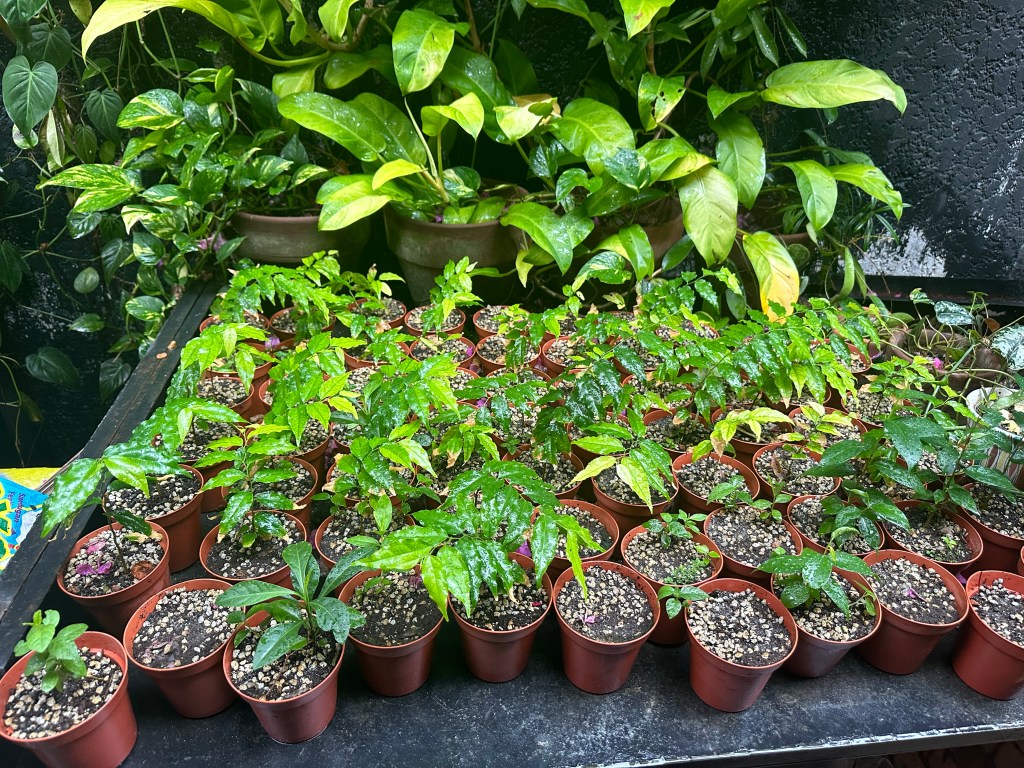
Not duck related — these are seedlings that I am growing at home in Alabang. The seriales Flacourtia jangomas or Governor’s Plum were planted from seeds that I bought on Facebook. The Dao seedlings are from seeds we picked up while walking the dogs in Alabang.

New bird!

Tonji photographed a Green Sandpiper! That makes it 108 species for the refuge. Photos and details to follow.

New Bird November!

Our new bird for the refuge is a Northern Shoveler Anas clypeata! It is another migrant bird. It is fantastic to see that our place is attracting migrant birds. In the past, during migration season we used to visit the popular and well-know birding sites around the country where migrant birds come in to rest and refuel. It was always fun to see if any unusual, rare, or new birds turned up with the usual migrant birds. It would be amazing if in the future all we needed to do to see a rare bird was to travel to our own refuge!

Northern Shoveler with two Philippine Ducks

The Northern Shoveler is bird #107 for our refuge and our third duck species! We have seen Philippine Ducks, Wandering Whistling Ducks, and now a Northern Shoveler. It was mixed in with the Philippine Ducks at the water lily pond. In October, we were elated to see 12 Philippine Ducks at the water lily pond. This month I counted 2o Philippine Ducks in one photo, plus the Northern Shoveler makes least 21 ducks in that water lily pond! We have almost doubled the number of ducks in the water lily pond!

20 Philippine Ducks flying out of the water lily pond

It would have been fantastic to see all 21 ducks swimming in the water lily pond. This time however, I was foiled by Ollie who managed to escape from the cottage, find me hiding by the pond, and flush all the ducks. Foiled by the dog! The good thing is that now when the ducks fly out of the pond, they look like they are headed towards one of the other ponds.. In the past, when the ducks got flushed, they would fly overhead in a big circle, calling out the whole time. Now, they fly off in a straight path. We assume they are flying to one of the other ponds.

We now have 8 ponds in all, including the big pond. It is very possible that there are more ducks and other birds in the other ponds that we still haven’t seen and Ollie hasn’t flushed out!

Philippine Ducks

The big pond has more water than ever, thanks to all the rain we had in November. Our water plants are doing well! We planted water snowflake and typha, which are native. The other water lilies, papyrus, lotus, and saggitaria are not native, but the ducks seem to like them.

We also planted Typha aka the hotdog plant in another area of the big pond

The Big Pond

It was so wet and rainy in November that the path from the big pond back to the cottage became so slippery that we had to take the long route home. All the rain is welcome! Momo enjoyed walking home in the mud and we enjoyed imagining the big pond bringing in lots of new birds!

splish splash!