
Which Pied Harrier is which? We have been seeing two Pied Harriers at a time.

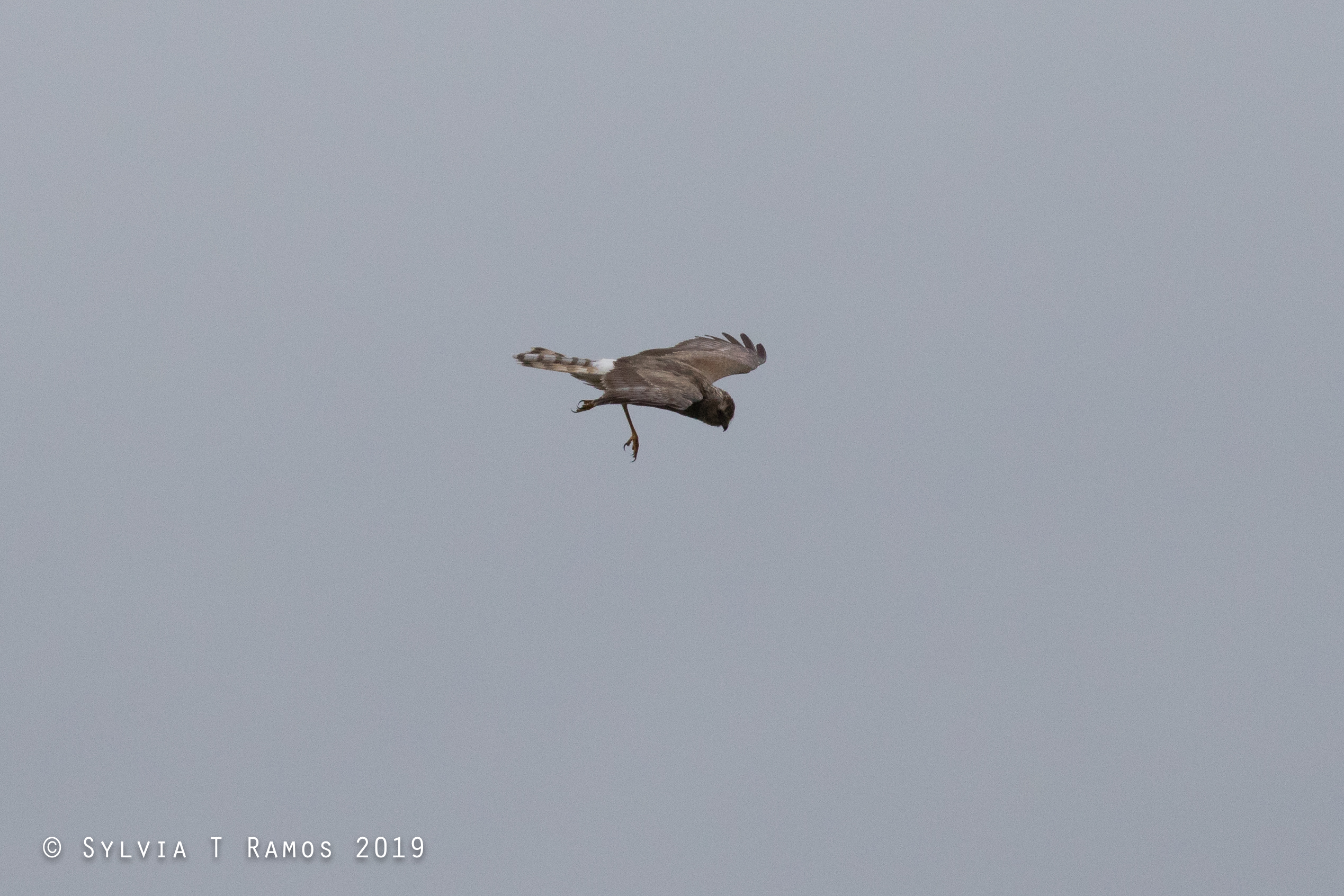
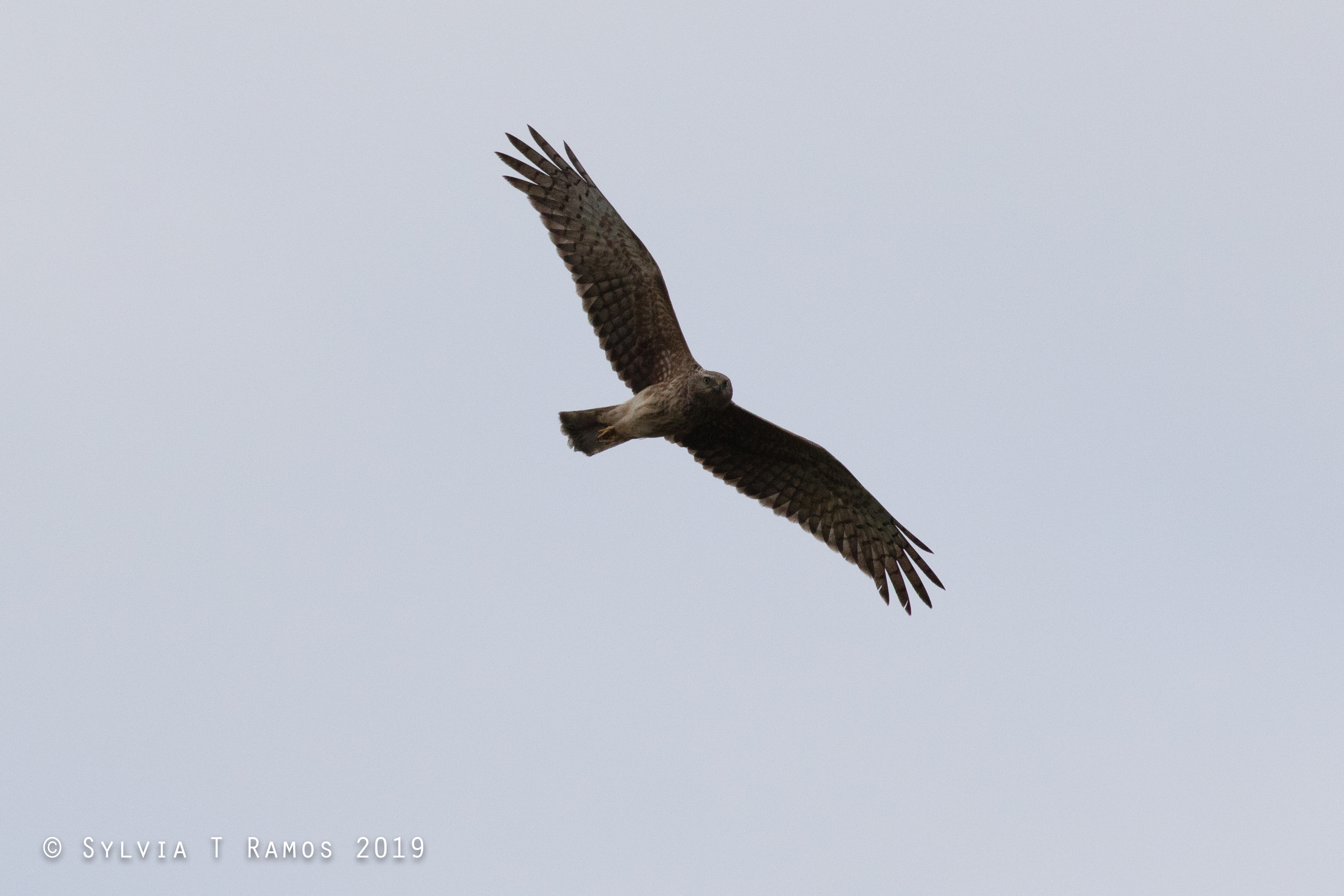

Which Pied Harrier is which? We have been seeing two Pied Harriers at a time.
What a relief! One of the fields that I messed up before has been restored! In 2015 I removed the big clumps of hagonoy that were growing in the picnic lot. The next year the lot was completely covered in small hagonoy plants. They came back with a vengeance!
I was very sad to see the picnic lot in such bad shape. It looked worse than before I did my weed removal efforts. Good thing we have another hagonoy removal weapon in our arsenal! The tractor! I noticed that when Tonji makes a path through a field of hagonoy, the path itself stays remarkably free of hagonoy! Grass and other things sprout on the path, but not hagonoy!
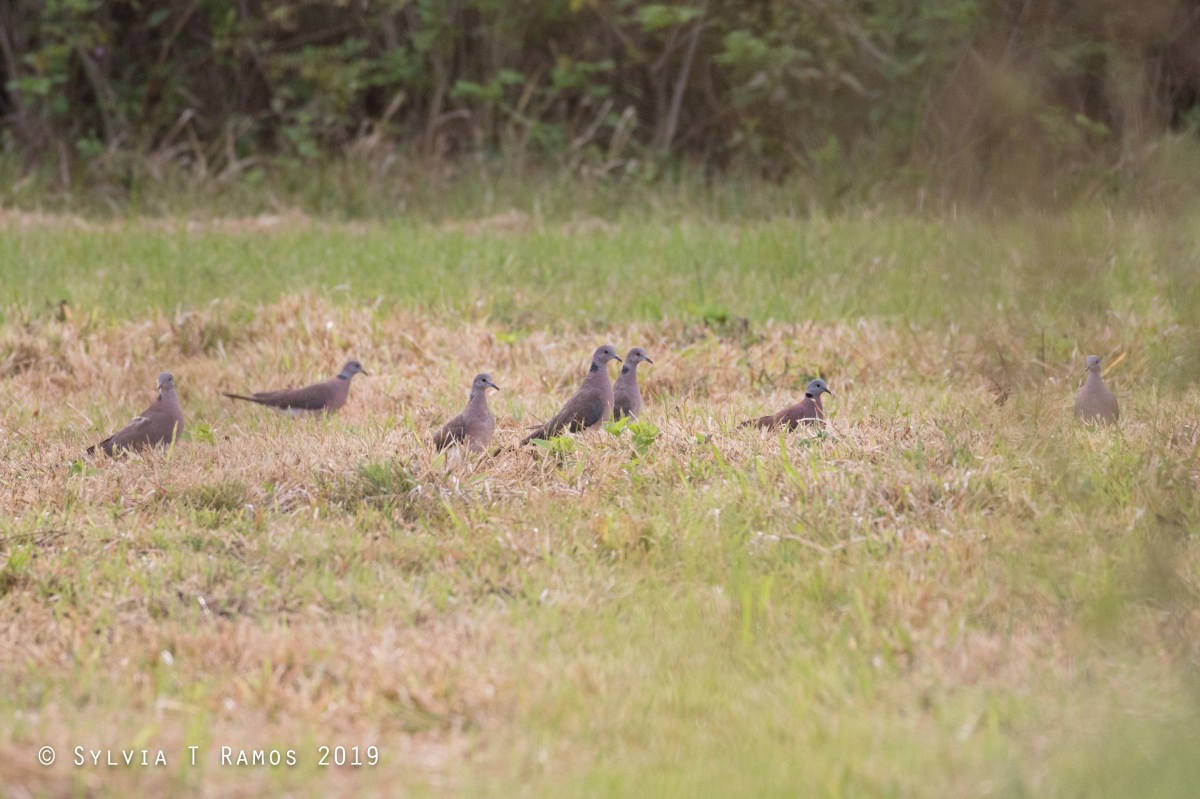
In 2018 Tonji cleared the picnic lot using the tractor. Immediately after, it looked so much better. There was grass and a nice variety of legumes and other plants that sprouted. And best of all, the Philippine Collared Doves seem to like it! They used to hang out on the other side of the field, near the bamboo fence. This time I saw them foraging on the restored area of the picnic lot!


They really seem to like the area. Momo, Barkley, and I watched them from across the picnic lot. Then we went on our morning walk. On our way back, they were still there! When I decided to double back and take more pictures, they simply flew up into a nearby tree. It looked like they had plans to do more foraging.

Now I know what to do and what not to do when trying to removing hagonoy. It’s so nice to be able to create habitat that the birds can use.

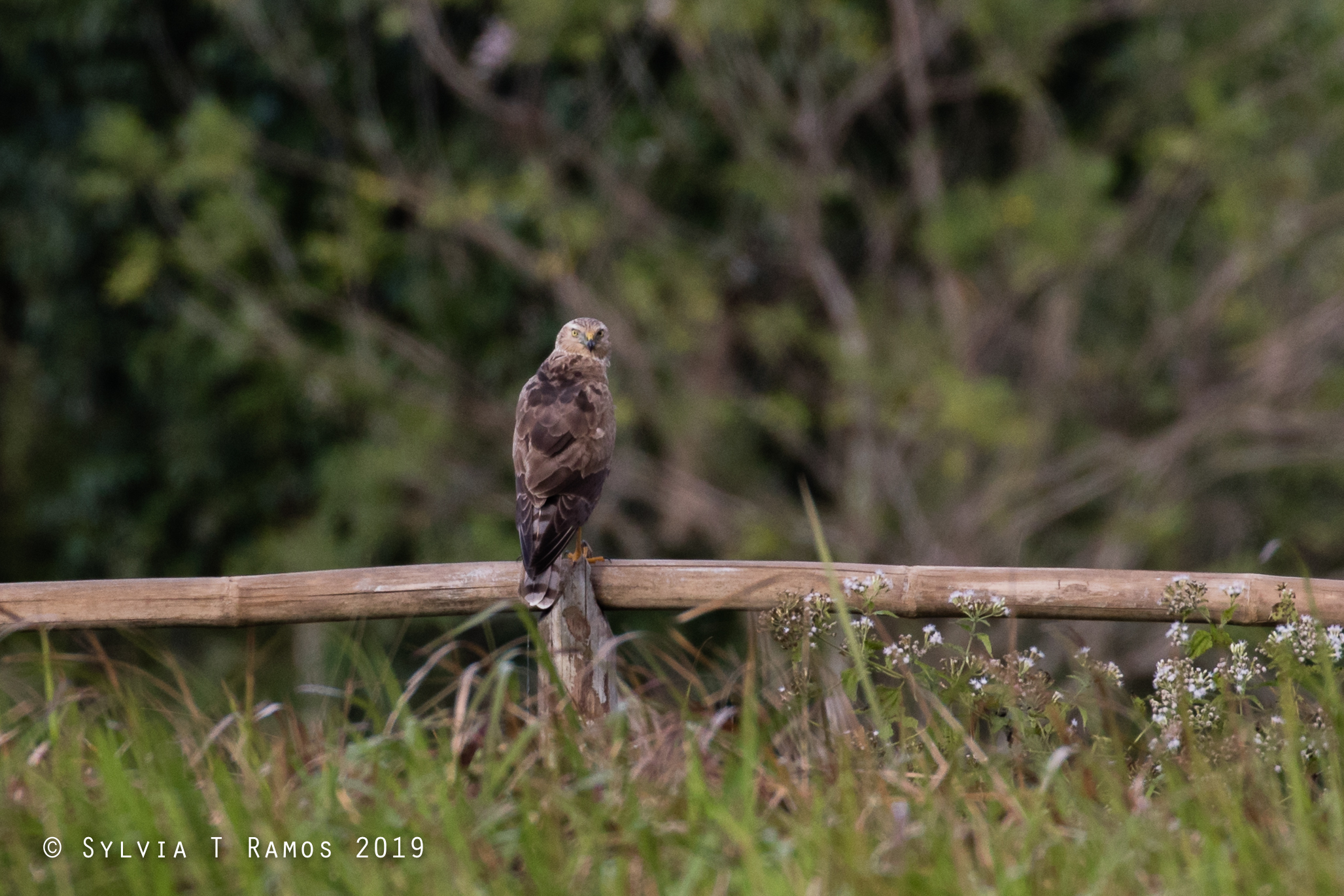
It’s so good to be back at the refuge after a long absence and see that things have gotten bigger, greener, lusher! And we had had a big surprise. There were two Pied Harriers! It’s a different pair of Pied Harriers from the ones we had last year. These ones last year were a male and female. These ones are both brown, so maybe a female and an immature? Two females. One of them perched on the bamboo fence, just like old times! Makes us think it’s the same female from last year.
We also saw 4 Philippine Ducks. Tonji saw them swimming in the big pond when he was cutting the paths in that area. The dogs and I saw them on the path beside the smallest pond. The path was newly cut and they were on the short grass.

This was short visit inspect things and make plans. We planted 20 more Narra seedlings and 20 Duhat seedlings that we grew from seeds. This year we are boosting our seedlings with vermicast made at home from horse poop compost. We’re hoping this makes our trees even bigger, greener, and lusher this year!
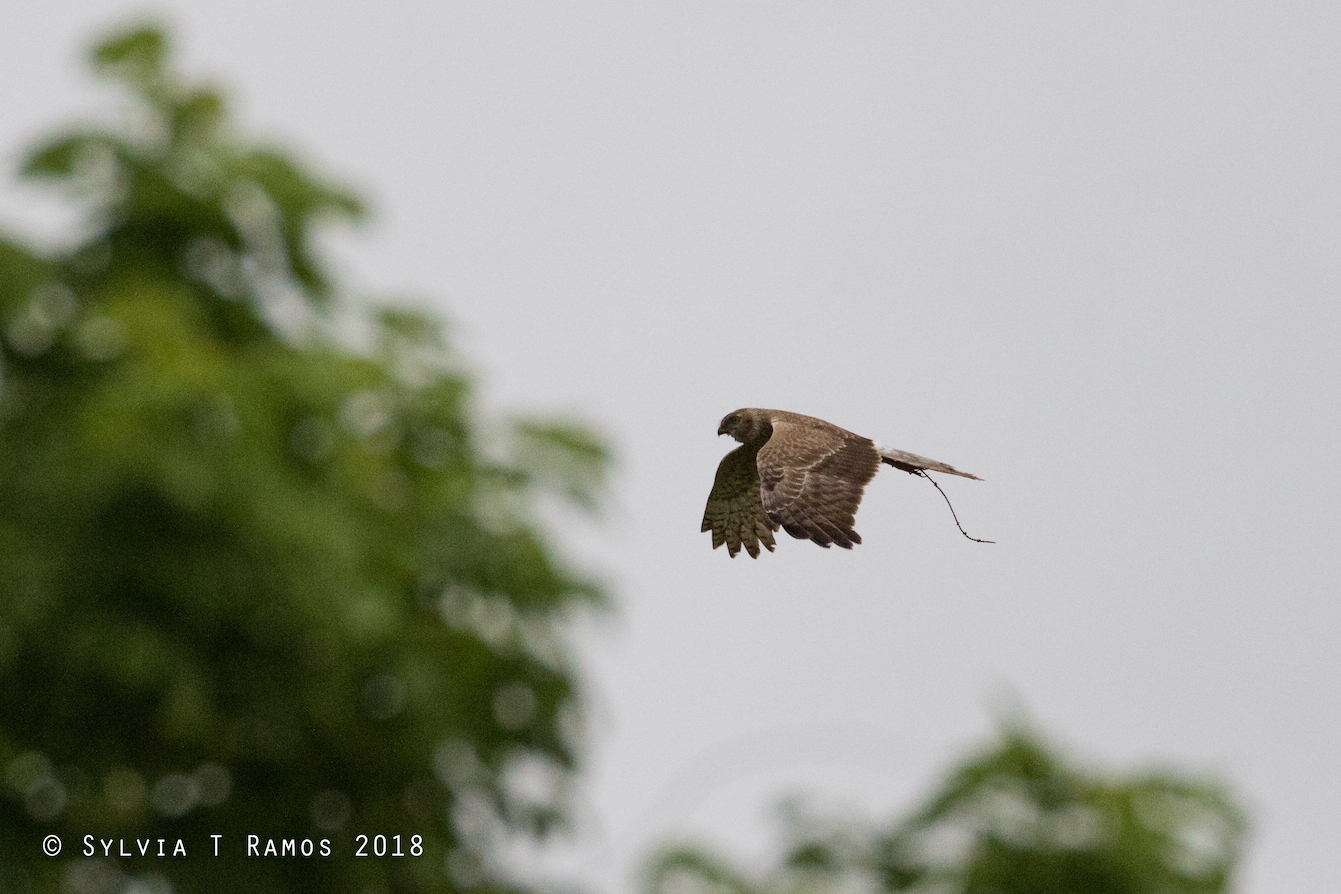
We had the opportunity to watch a Pied Harrier grow up and acquire his adult plumage in our refuge. We spotted two Pied Harriers in our place, often perched on the bamboo fence. One of them had a string on its leg. We called it Tali, for the famous beach in Batangas and because Tali means string. Because of the string, we could easily identify it each time it showed up. Tali stayed in the refuge for almost a year.
Please disregard the date on the first three photos!
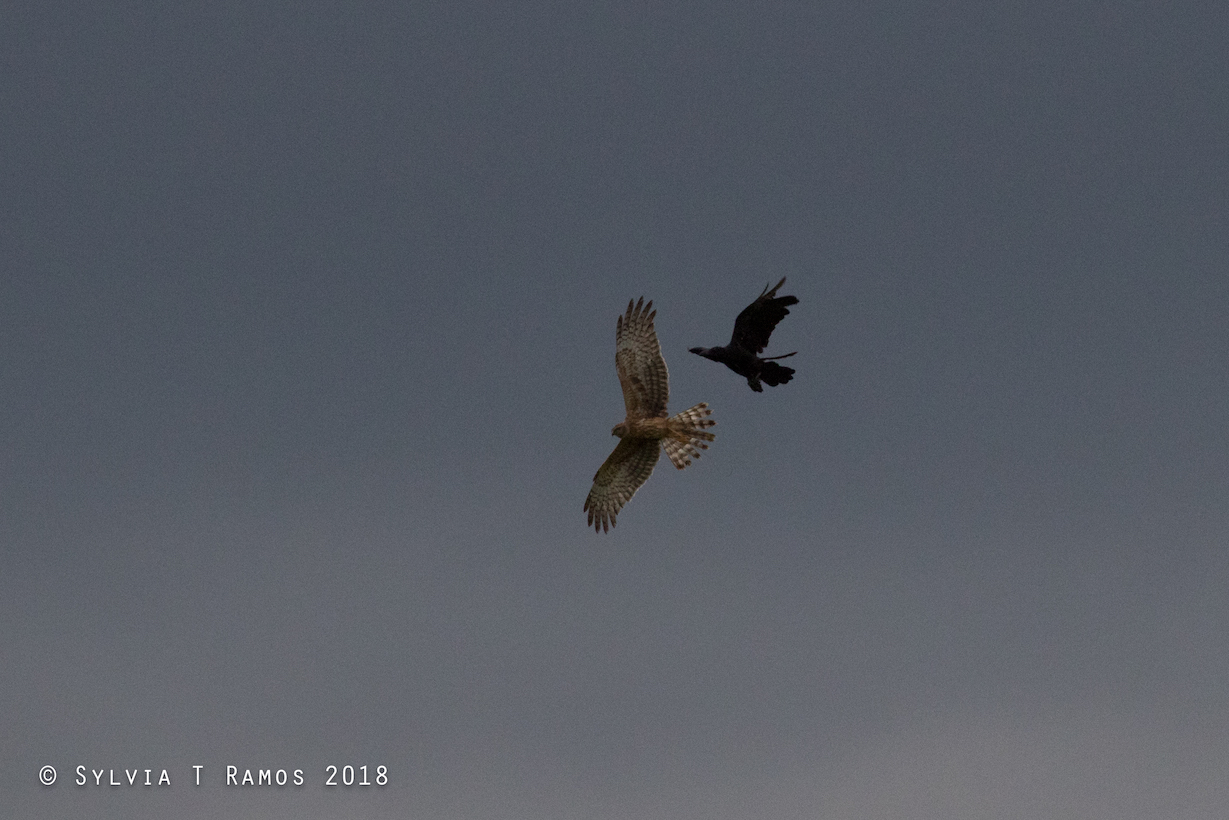
This is Tali when we first saw him in August 2017. He’s having a scuffle with a crow.
This is in September 2017. He is brown all over.

The string is clearly visible.
No photos from November and December 2017.
Then surprise! When we saw him again in January 2018, he had a lot of black markings on his face and back!

He’s definitely a male Pied Harrier! This is in February 2018.
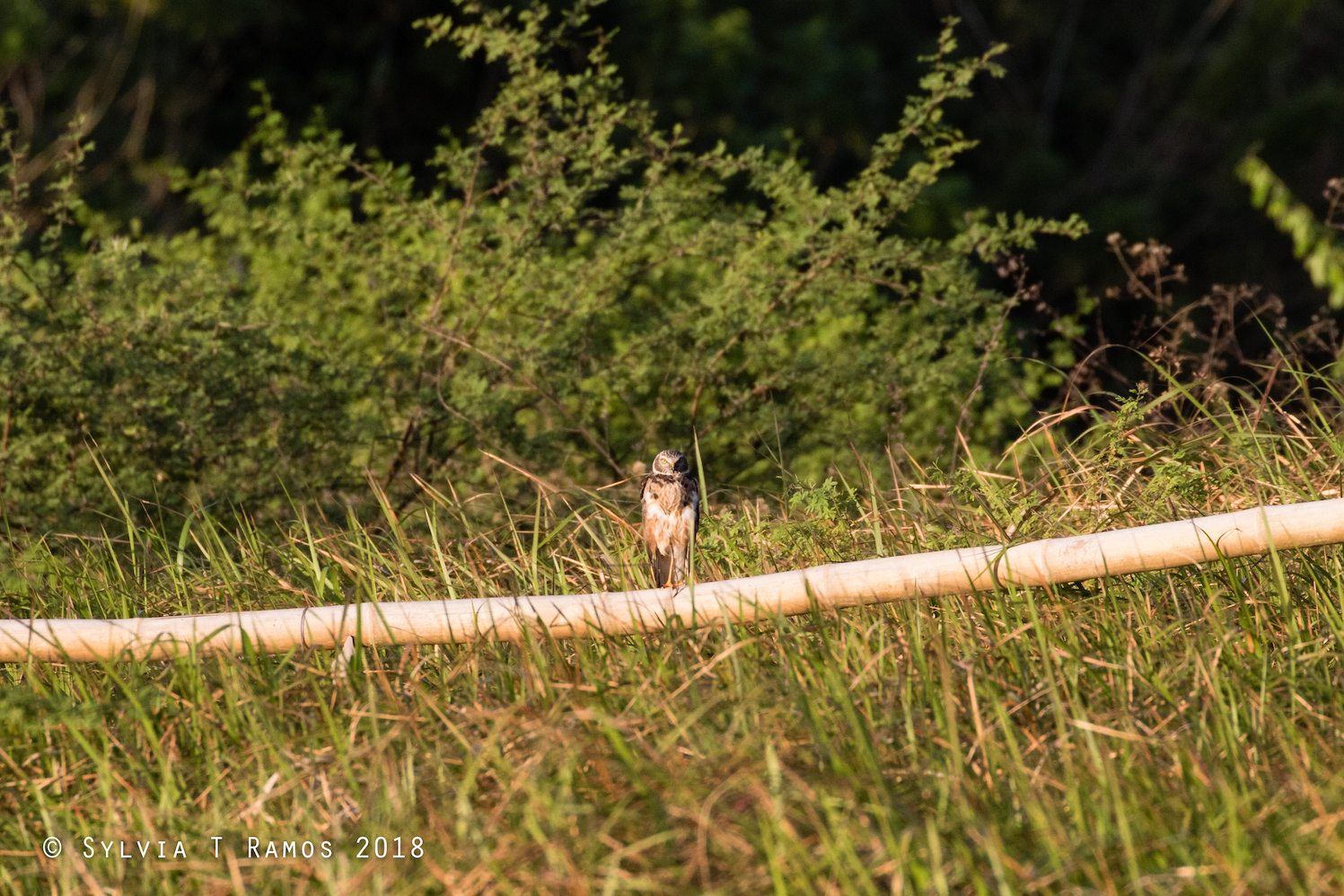

This is Tali in March 2018. The photo has an orange cast from the sunset.

This is July 2018, the last month we saw him. His head looks completely black.

Still in July 2018, with the black extending further down his chest.
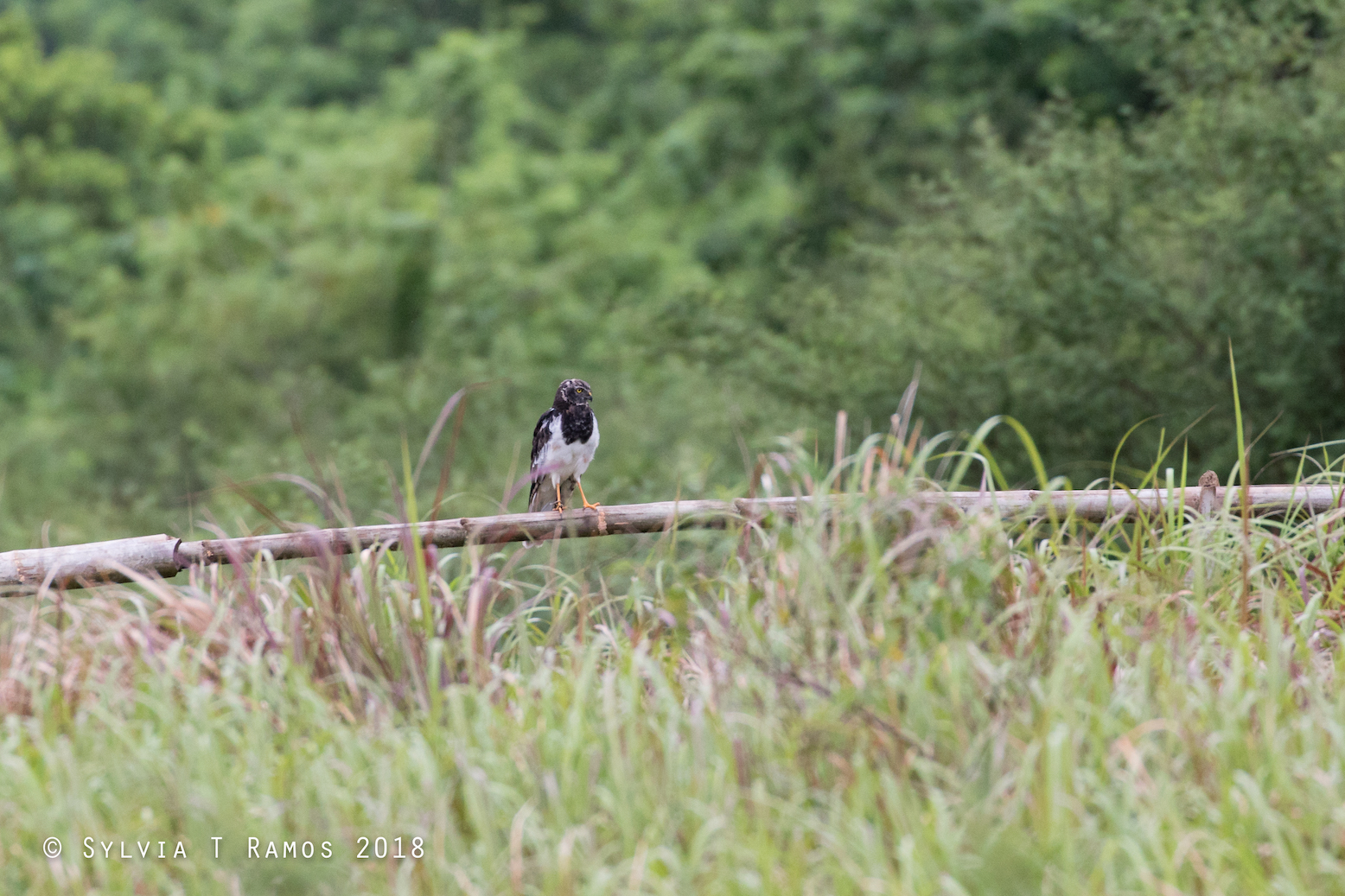
He looks like a different bird! But because of the string, we know it’s still him. It’s Tali!
 Tonji and Sylvia's Wildlife Refuge