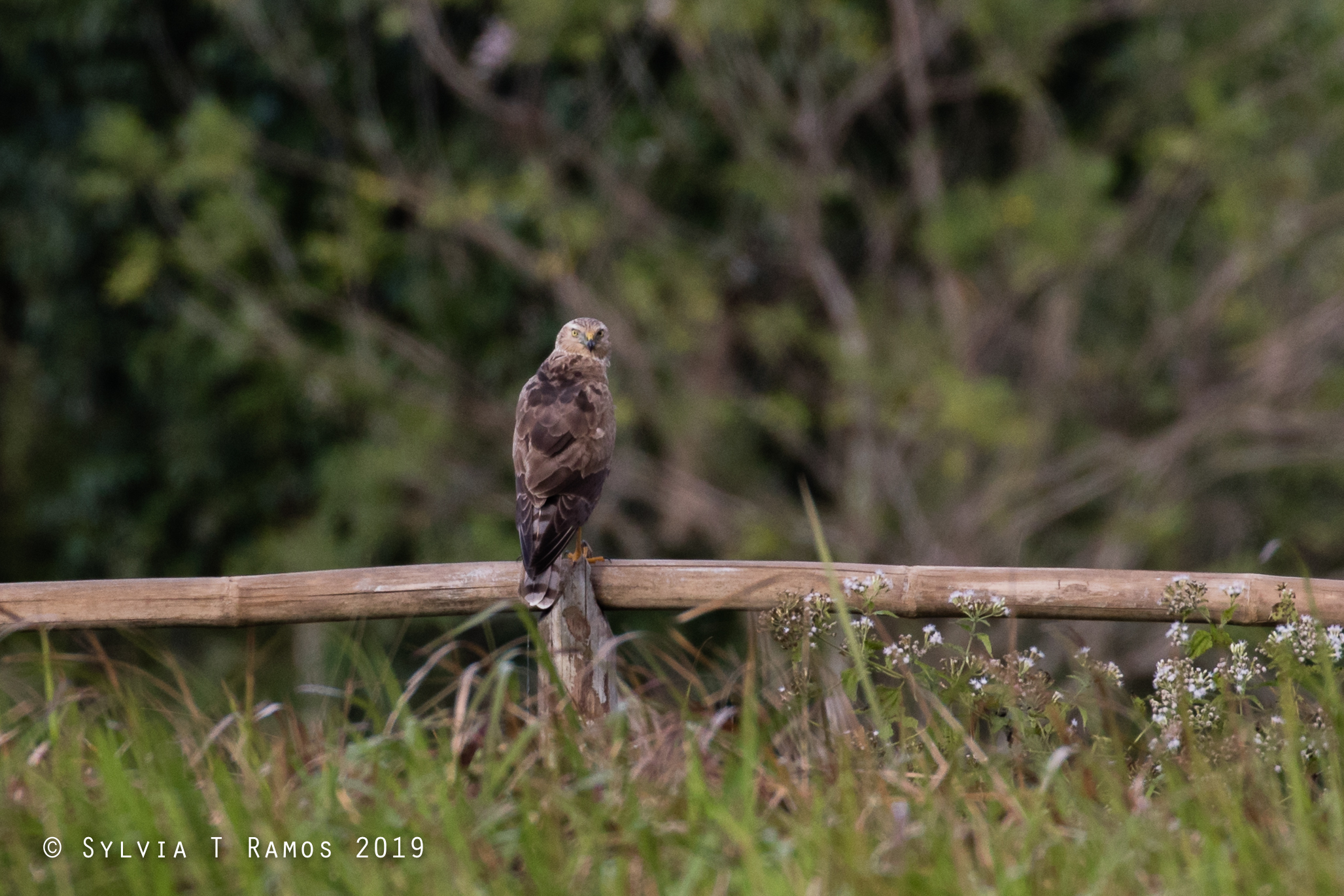
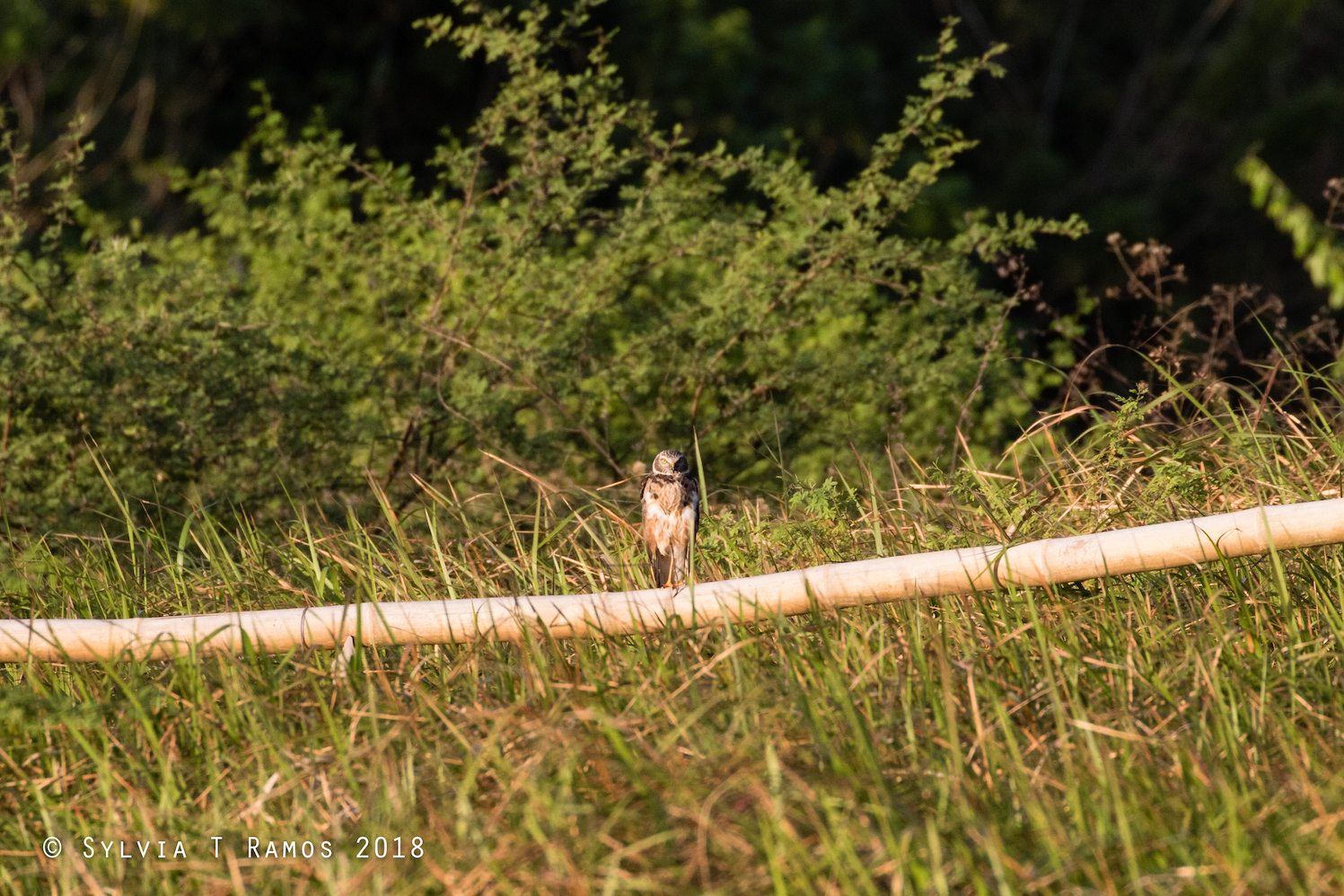
It’s so good to be back at the refuge after a long absence and see that things have gotten bigger, greener, lusher! And we had had a big surprise. There were two Pied Harriers! It’s a different pair of Pied Harriers from the ones we had last year. These ones last year were a male and female. These ones are both brown, so maybe a female and an immature? Two females. One of them perched on the bamboo fence, just like old times! Makes us think it’s the same female from last year.
Is that you Laiya?
We also saw 4 Philippine Ducks. Tonji saw them swimming in the big pond when he was cutting the paths in that area. The dogs and I saw them on the path beside the smallest pond. The path was newly cut and they were on the short grass.
This was short visit inspect things and make plans. We planted 20 more Narra seedlings and 20 Duhat seedlings that we grew from seeds. This year we are boosting our seedlings with vermicast made at home from horse poop compost. We’re hoping this makes our trees even bigger, greener, and lusher this year!
We received 265 Dao seeds from our neighbor Dr. Ed Gomez! We bumped into him in UP Diliman where he holds office once a week. He was excited to show us what appeared to be a sack full of soil and offered us a few scoops. Mixed in with the soil were Dao fruits. I’m guessing the very ripe fruit fell to the ground and were scooped up into the sack, soil and all. The fruits had big white worms in them. I later figured out that those were Black Soldier Fly larvae.
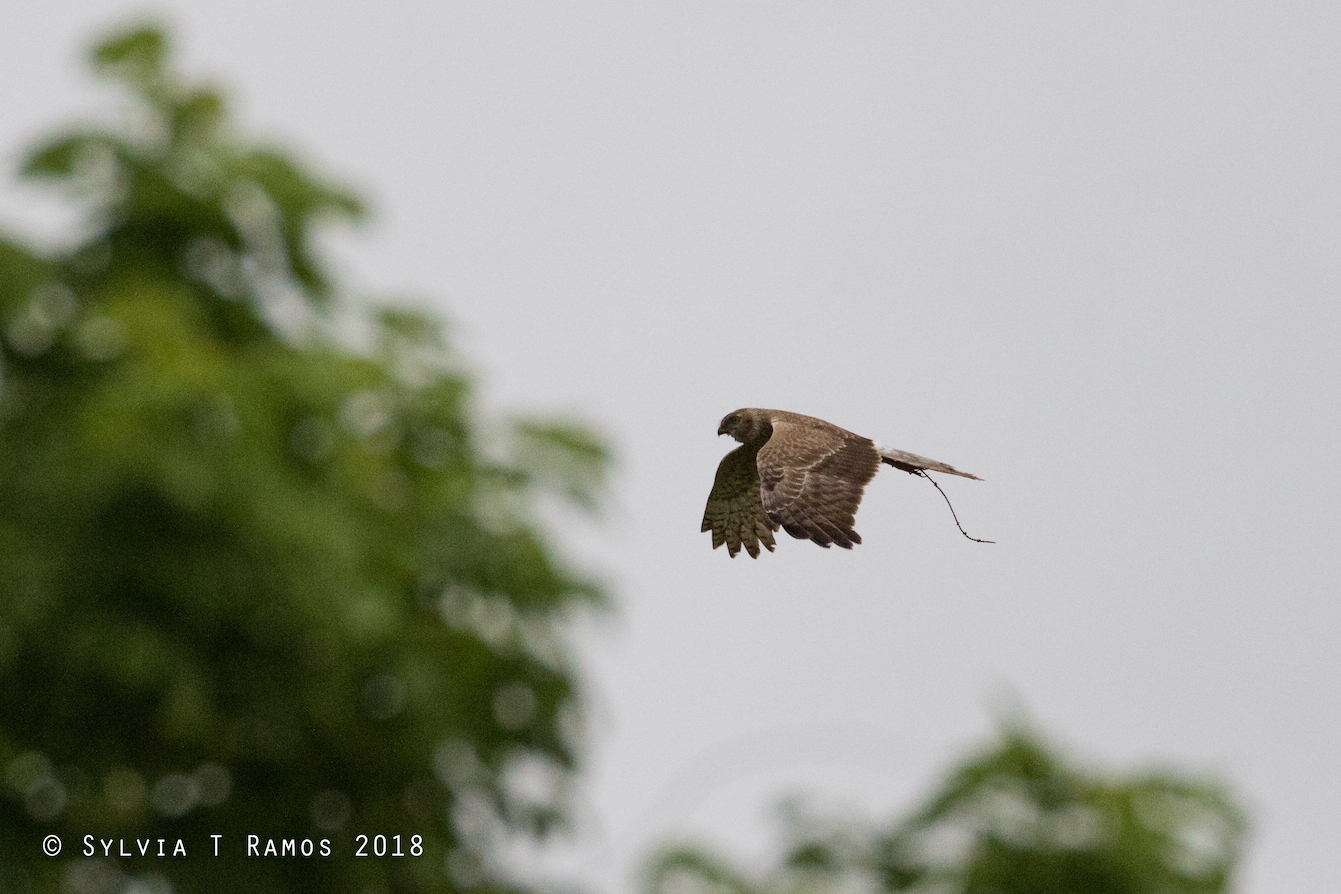
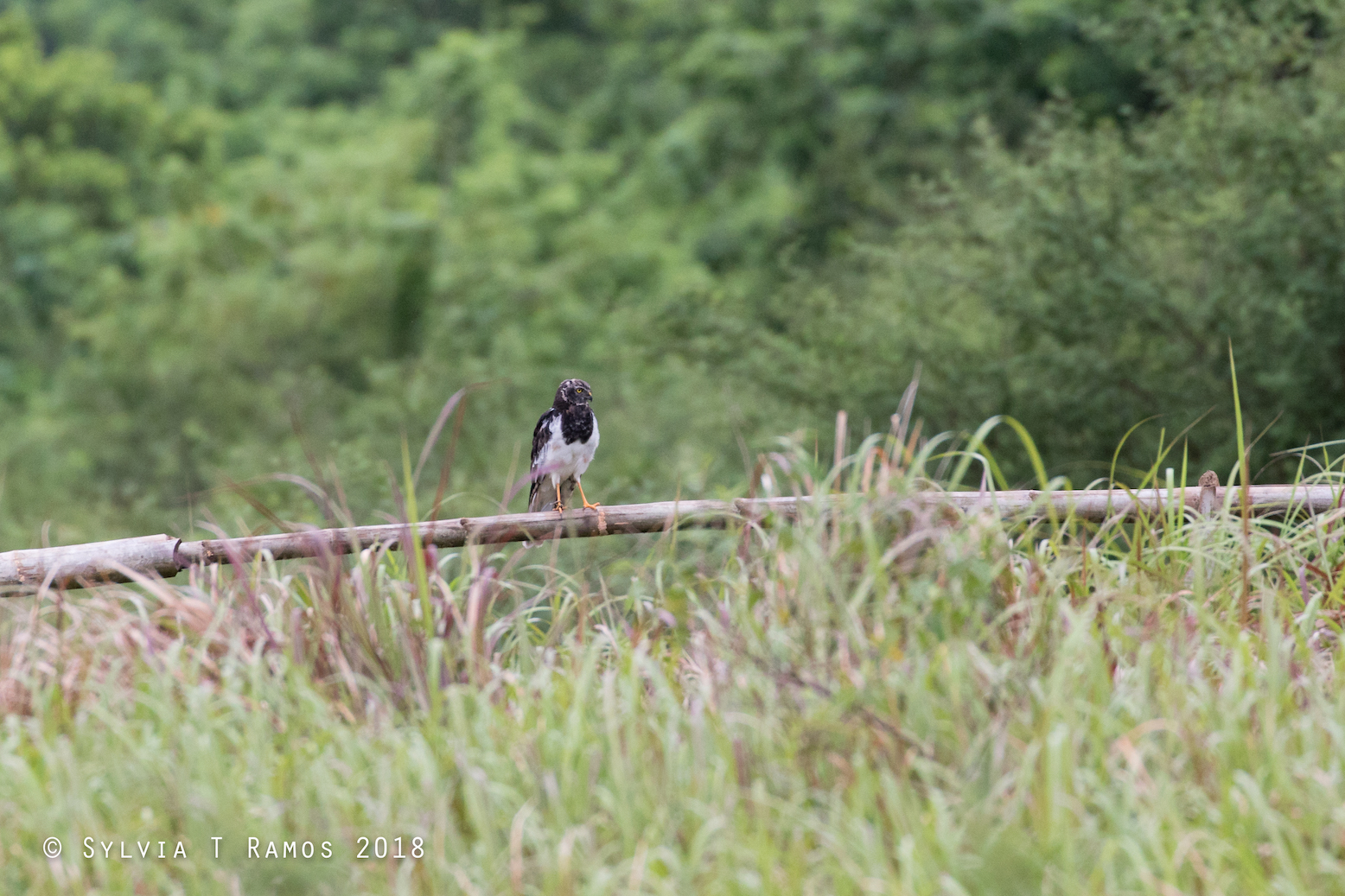
We had the opportunity to watch a Pied Harrier grow up and acquire his adult plumage in our refuge. We spotted two Pied Harriers in our place, often perched on the bamboo fence. One of them had a string on its leg. We called it Tali, for the famous beach in Batangas and because Tali means string. Because of the string, we could easily identify it each time it showed up. Tali stayed in the refuge for almost a year.
Please disregard the date on the first three photos!
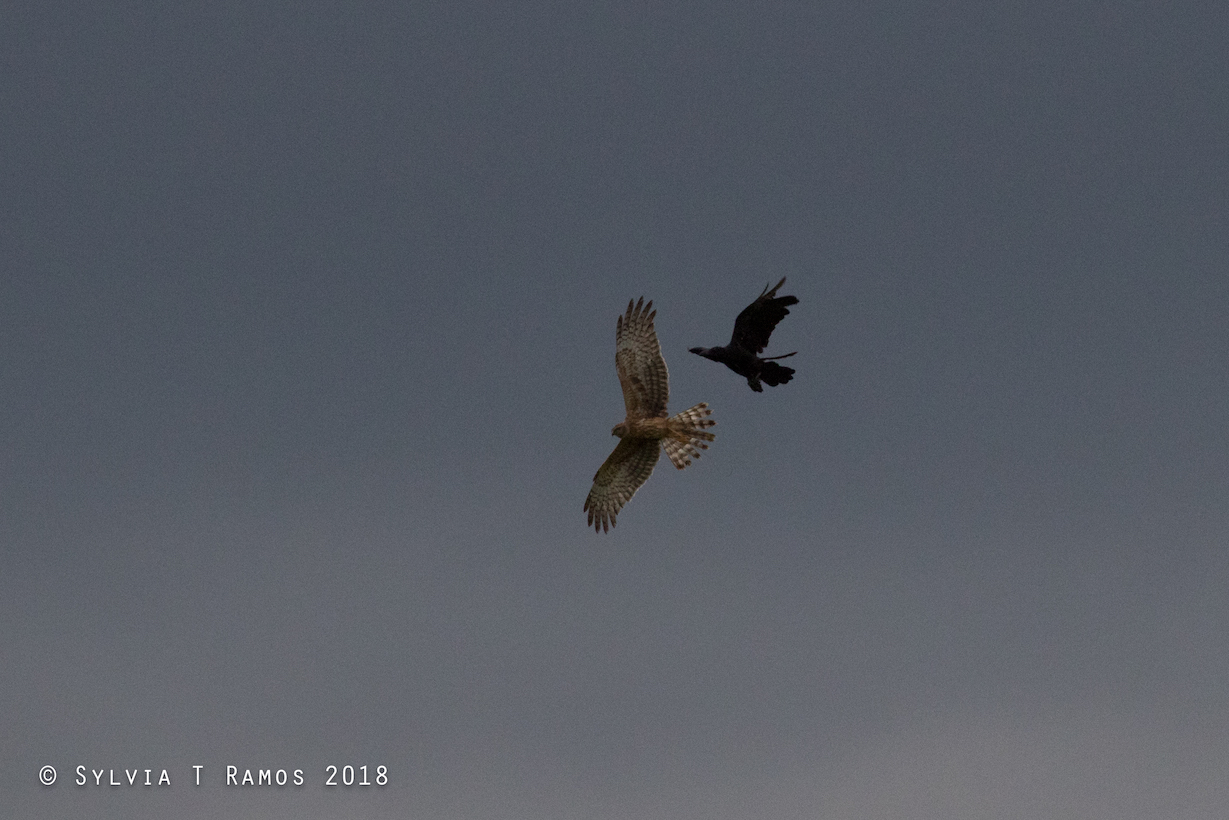
This is Tali when we first saw him in August 2017. He’s having a scuffle with a crow.
August 2017
This is in September 2017. He is brown all over.
September 2017
The string is clearly visible.
October 2017
No photos from November and December 2017.
Then surprise! When we saw him again in January 2018, he had a lot of black markings on his face and back!
January 2018
He’s definitely a male Pied Harrier! This is in February 2018.
February 2018
February 2018
This is Tali in March 2018. The photo has an orange cast from the sunset.
March 2018
This is July 2018, the last month we saw him. His head looks completely black.
July 2018
Still in July 2018, with the black extending further down his chest.
July 2018
He looks like a different bird! But because of the string, we know it’s still him. It’s Tali!
August was a great month to be at the refuge. We hired people to remove the aroma growing near the cottage. We planted Amugis trees and Leea shrubs. Tonji used the grass cutter to clear the hagonoy that took over the picnic lot after my failed Hagonoy Eradication Project No. 1. We saw lots of butterflies. We started construction on a new and improved horse bathing area and we are converting the old bathing area into storage areas. I’m going to have a super cute garden shed! And most exciting of all, we had two new birds for our Bird List!
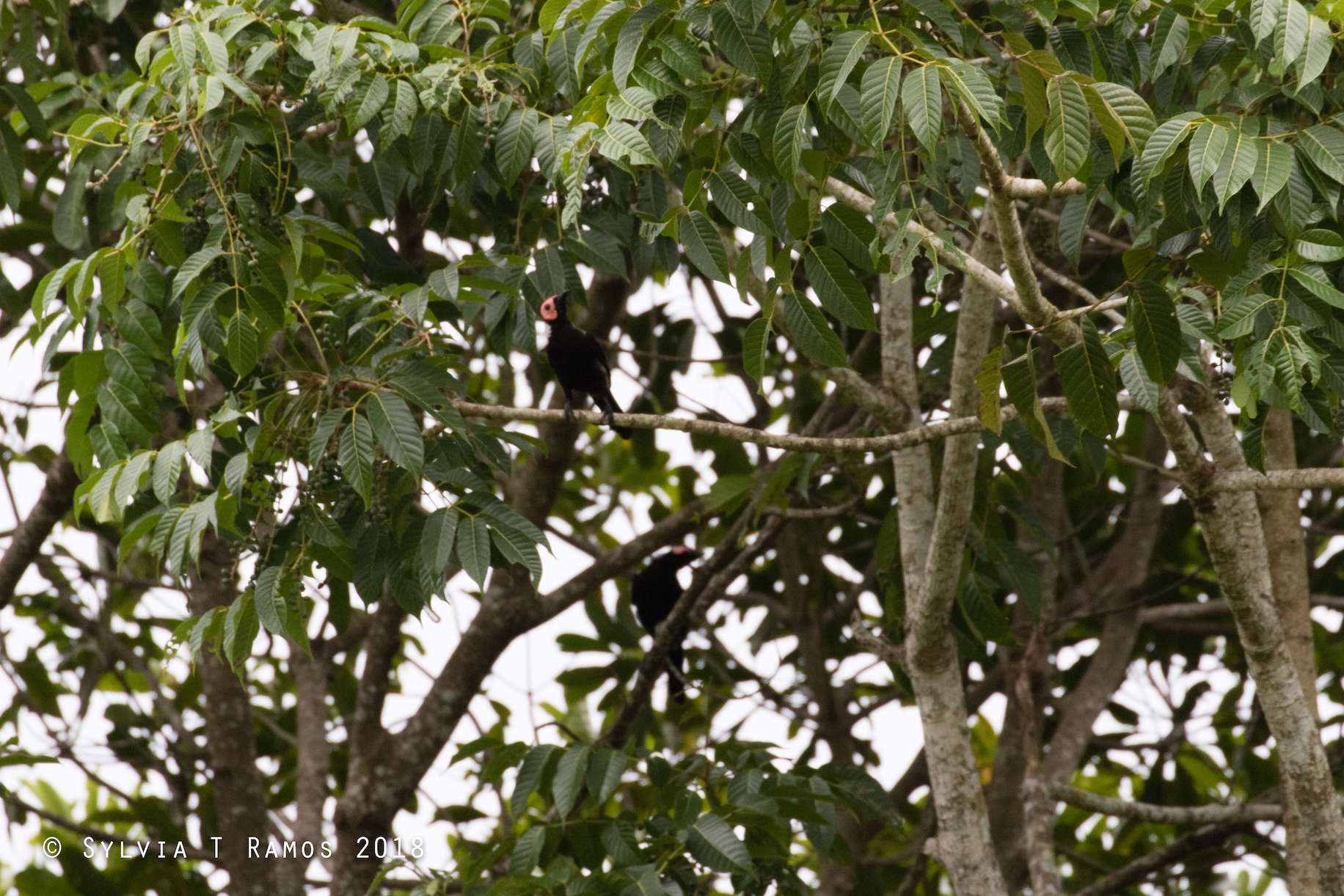
Bird # 99
Coleto Sarcops calvus
Coleto
Tonji was on the phone when he saw two Coletos fly into the clump of trees in front of the cottage. They stayed for a minute, flew to the Aratiles next to the round pen, then disappeared.
Coletos are forest birds. Their habitat is described as forest, forest edge, and clearings. The pink around their eyes is bare skin! It is a Philippine endemic. We see them most frequently up north in Subic, Zambales.
Bird # 100
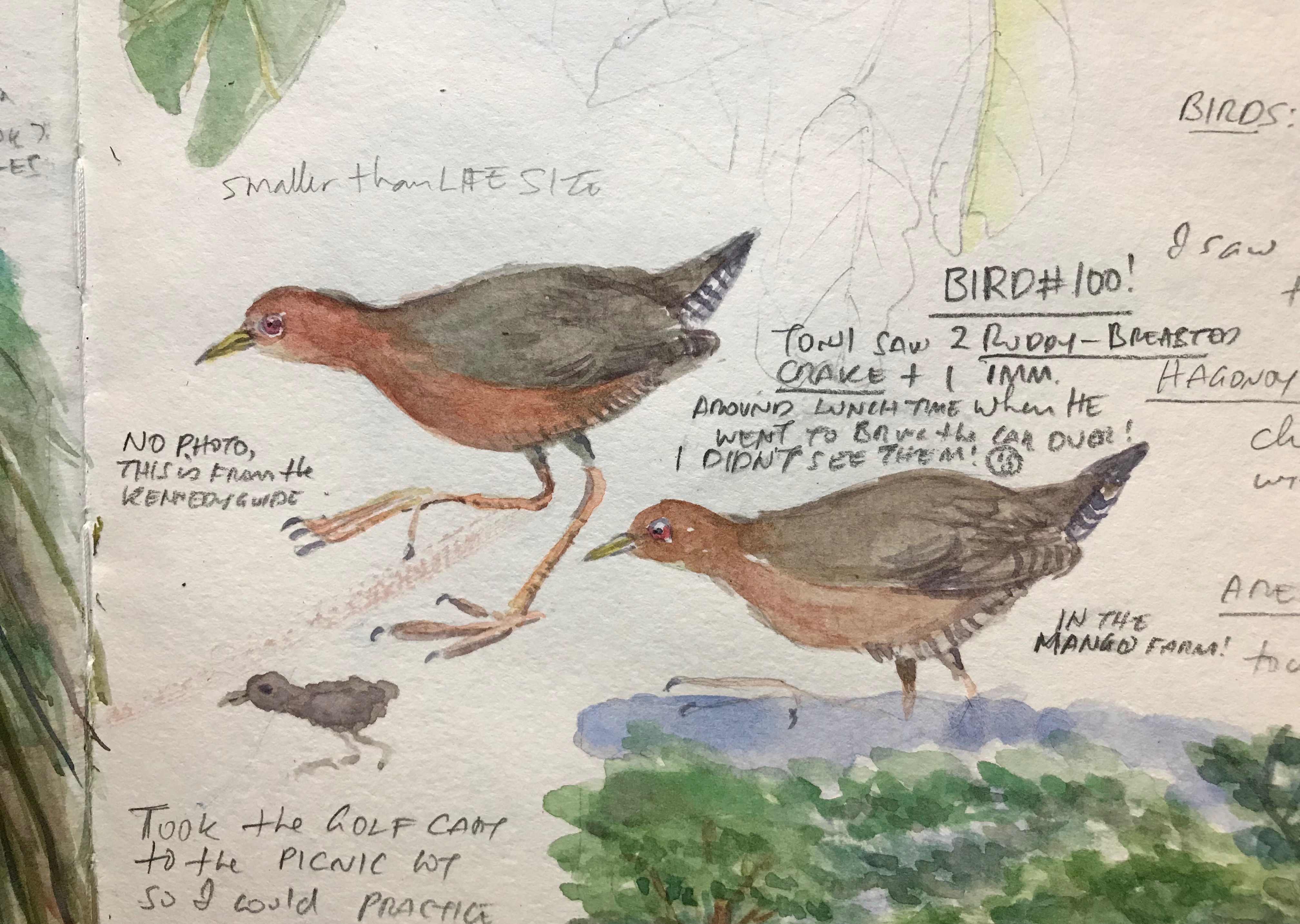
Ruddy-breasted Crake Porzana fusca
a sketch of the illustration in the Kennedy guide
No picture! Just a sketch and a story! Tonji was driving the car through the mango farm when he saw two adults and a chick crossing in front of him. They would go into the sides of the path and then emerge closer to him! We looked for them on our way home, but they didn’t show up. The next week we returned for a day trip so we could spend time looking for these birds. I think I saw the head of one pop out from the corner of the path as we were about to drive to a new spot. So, maybe I saw our 100th bird.
This bird is described in the Kennedy guide as uncommon. Ok, it really isn’t that common. In 2011, we drove to more than a hundred kilometers just to see this bird. The Kennedy guide also says it is crepuscular and solitary. Perhaps it behaves differently during breeding season.
We welcomed the arrival of the fast-flying migrants that eat up all the flies that multiplied during the rainy season.
Asian Palm Swift
Barn Swallow
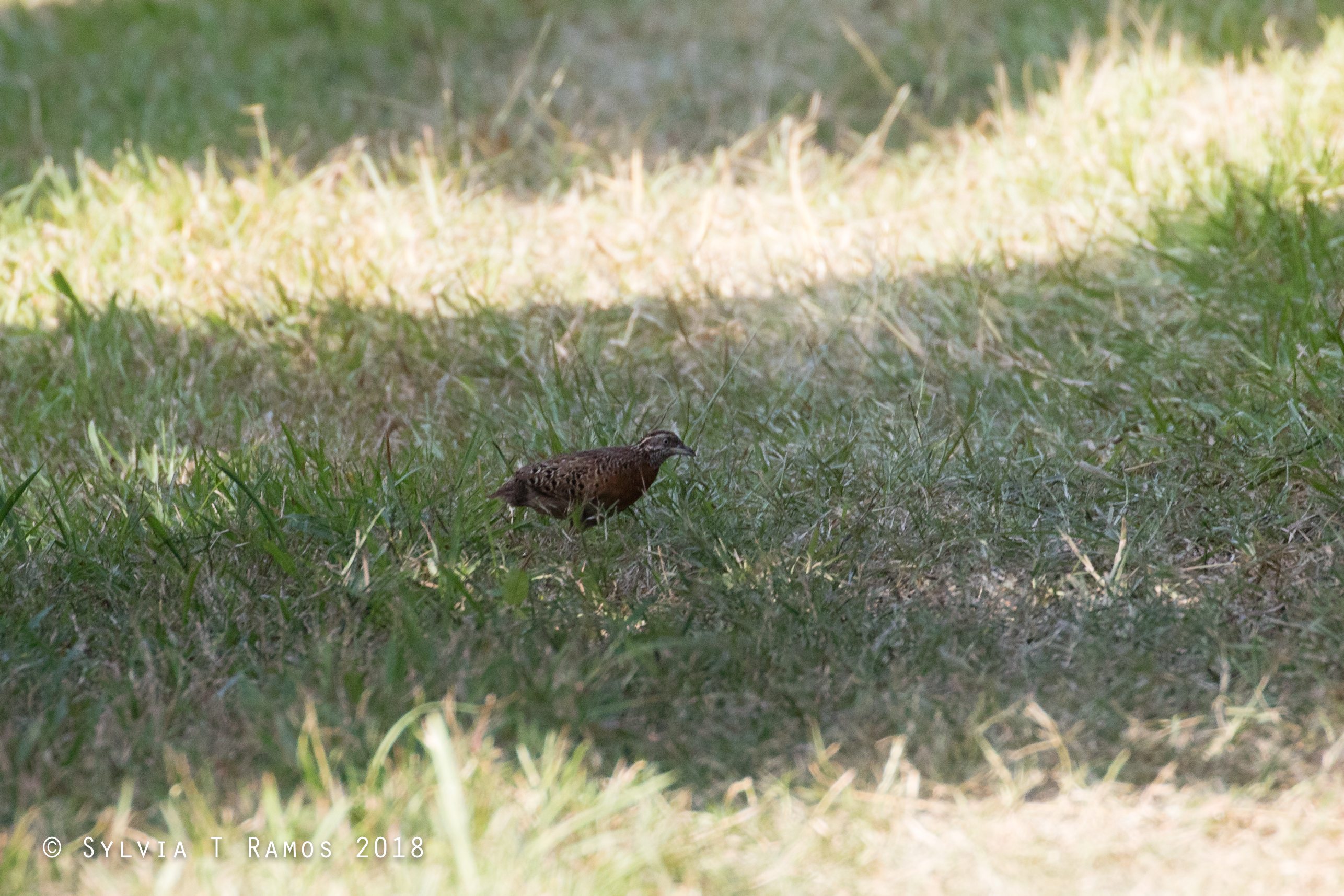
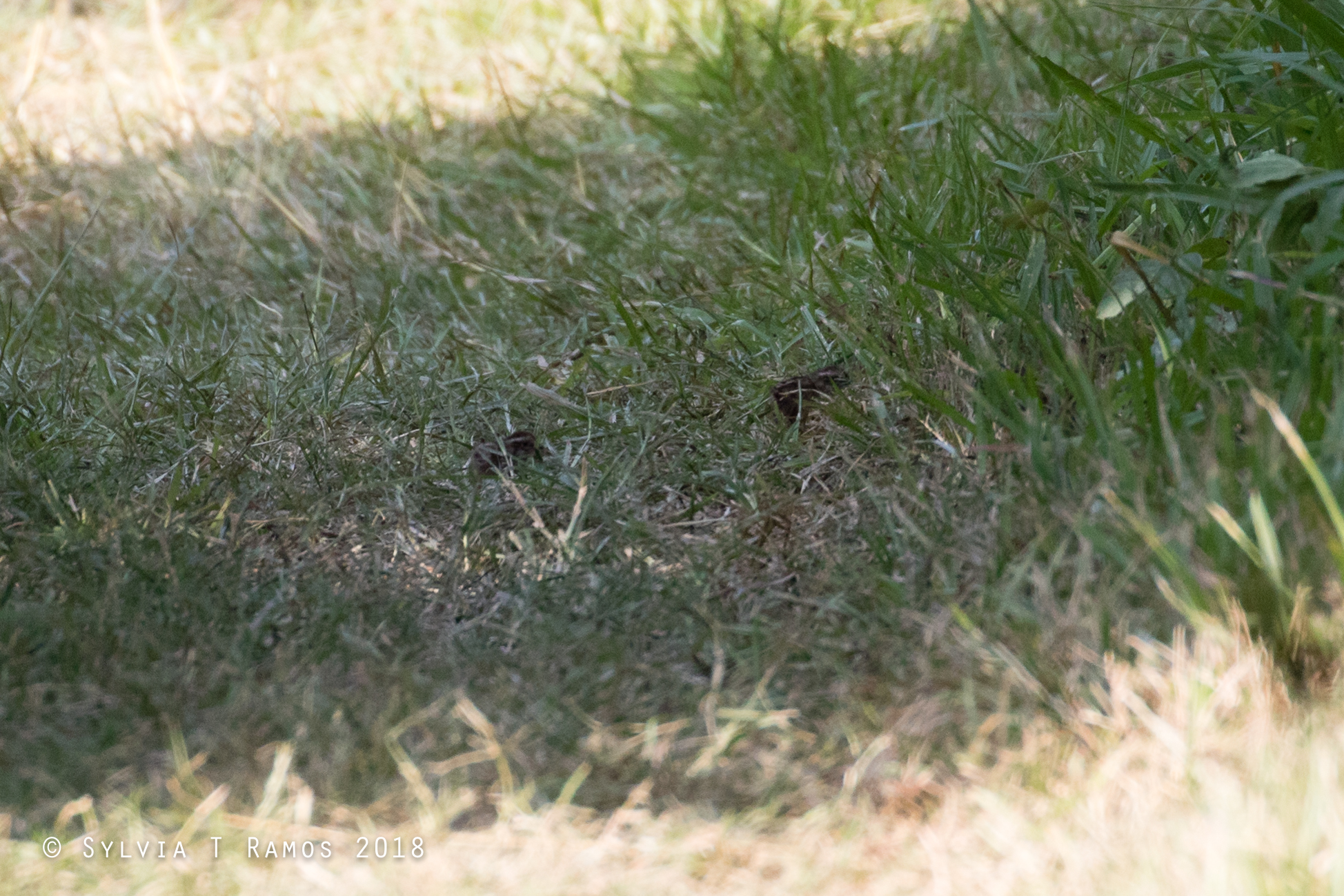
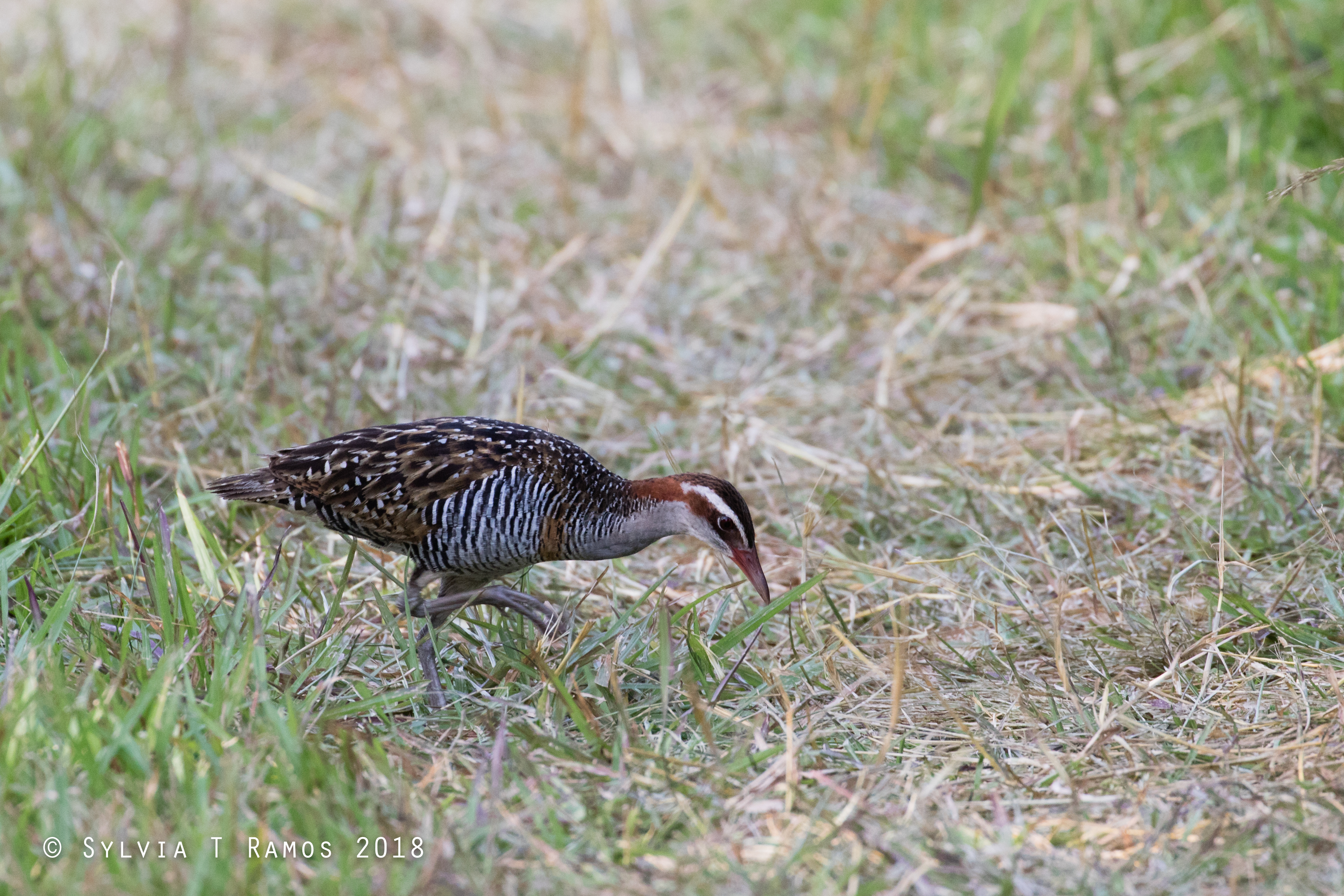
We had breeding birds. We saw this family while we were waiting for the Ruddy-breasted Crake.







 Tonji and Sylvia's Wildlife Refuge