You know how kids nowadays are encouraged to be curious, ask questions, be creative, and think out of the box? Attending a Permaculture Design Course is like that, but for grown-ups who are interested in farming, nature, and the environment.
Learning conventional farming is like going to a traditional school. You learn formulas and schedules. I haven’t learned conventional farming, but that’s what I imagine it’s like!
Attending a two week Permaculture Design Course is like going to a progressive, non-traditional school where you learn how to learn. Instead of formulas and schedules, you have ethics, principles, and prime directives. You learn how to recognize patterns, read the landscape, assess needs and resources, find your own solutions, and see problems as opportunities. We were also introduced to skills like grafting, knife sharpening, bamboo building, cooking, and more.
Permaculture design is the practice of designing sustainable human habitats by following nature’s patterns
We came home very inspired and after attending the two week Permaculture Design Course hosted by Kul Kul Farm in Bali in April 2017. We also felt more focused, determined, and excited by all the possibilities!
Here’s permaculture in action!
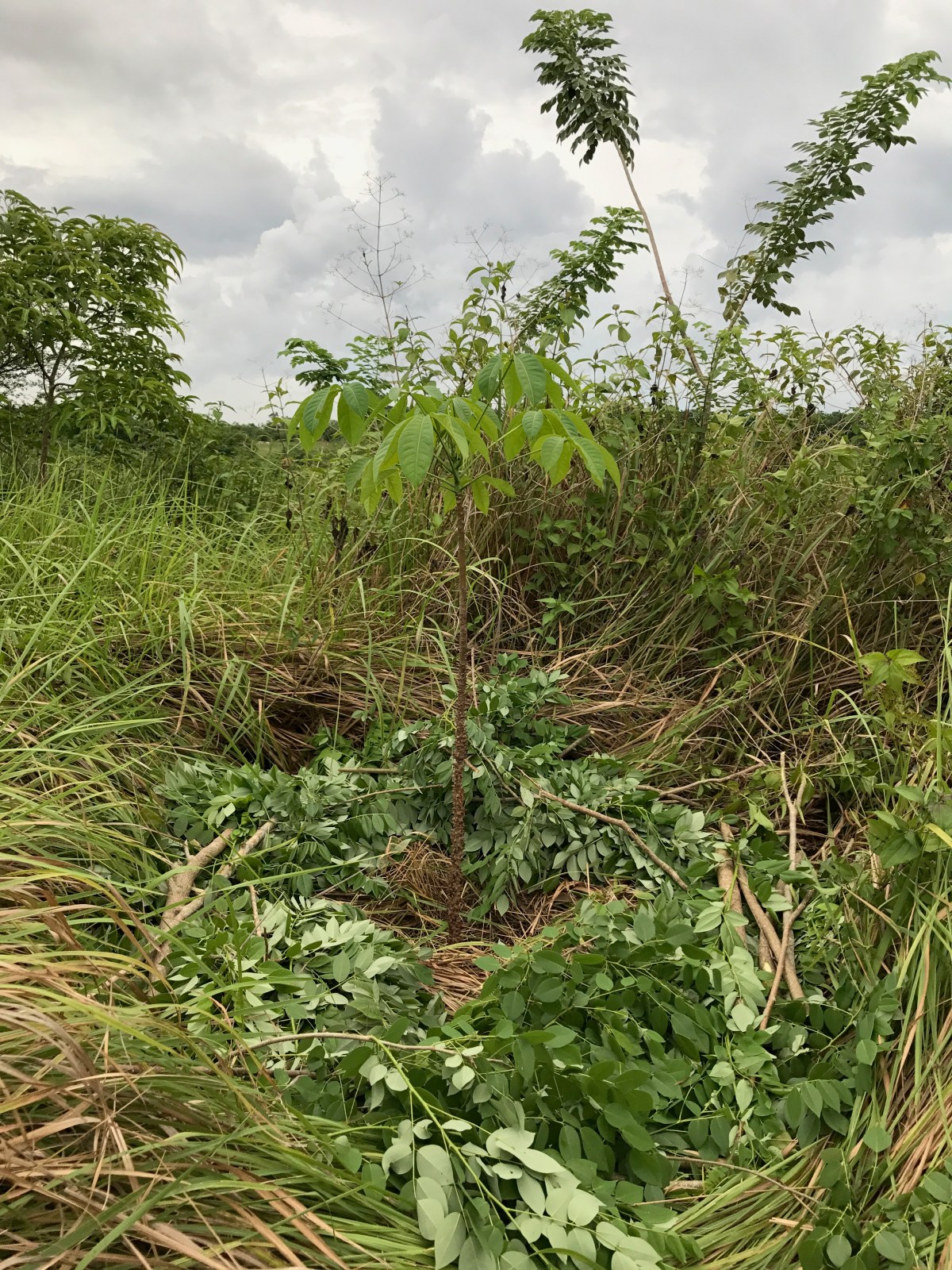
The Bombax ceiba was getting choked by the grass and vines. We are using the leaves of the very abundant Gliricidia sepium as protective mulch for the Bombax ceiba. 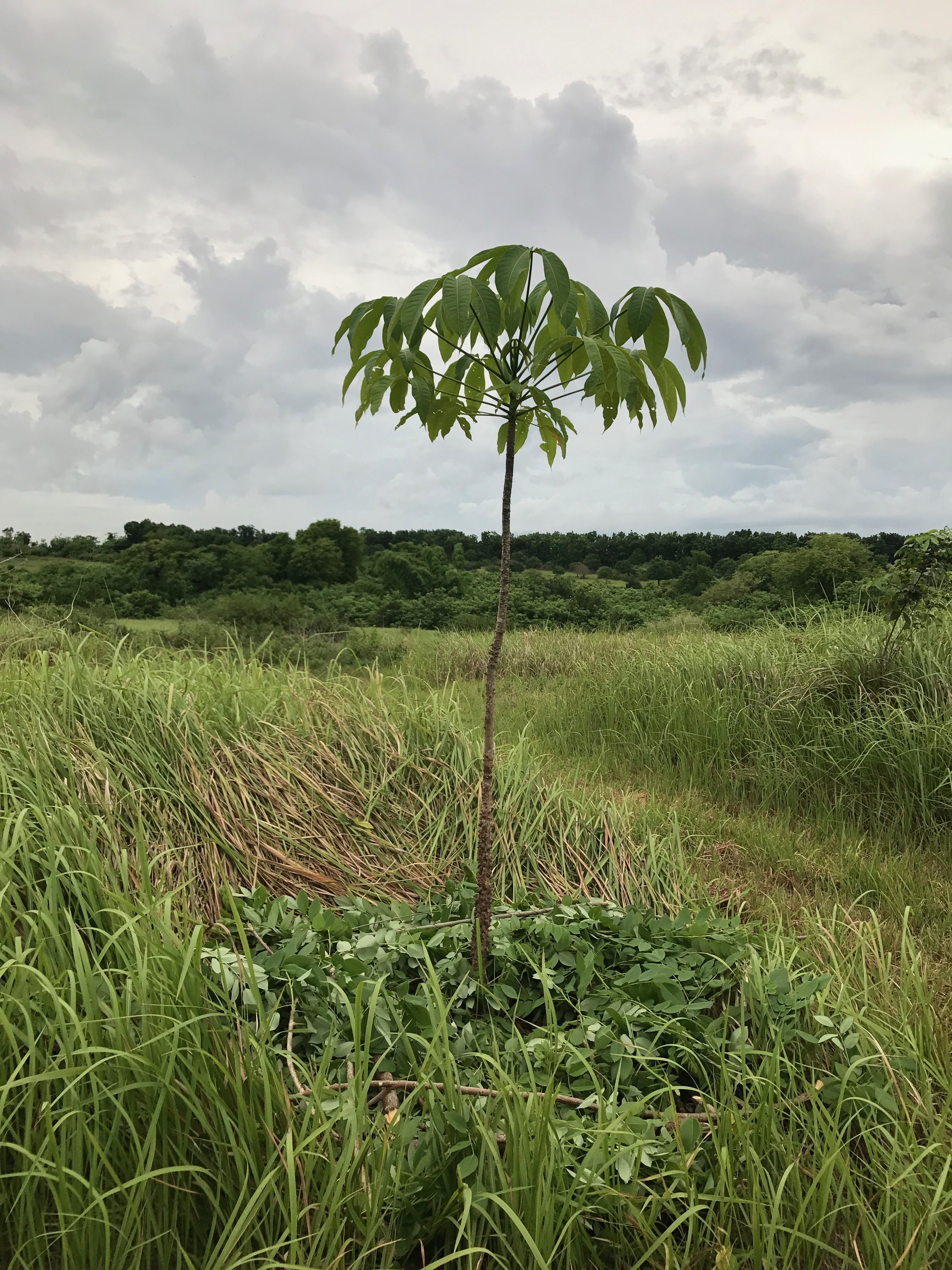
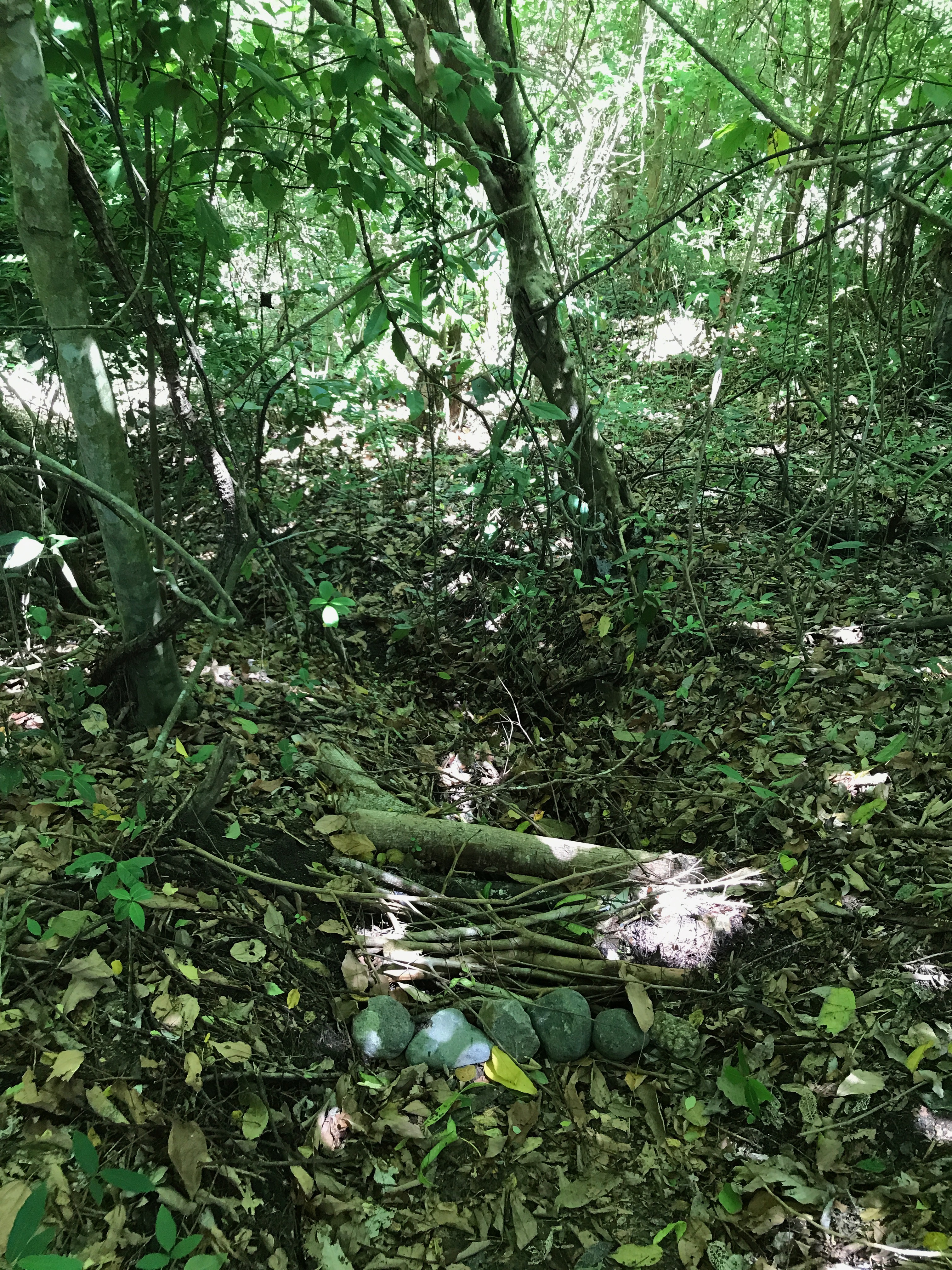
Using the wood from the invasive Leucaena leucocephala to slow down water run-off in this small gully.
Making compost out of two waste products– horse manure and dry grass.
There are so many more interesting projects to try! Just going slowly or poco a poco, as our Permaculture teacher Chris Shanks always likes to say!