There is a bamboo fence at the edge the field in front of the house that is very popular with the birds. Tonji thought it would be a good idea to set up the wildlife camera by the fence. He left it in place for more than a week. By the time he got it back, the camera had taken thousands of photos, mostly of grass swaying in the wind!
Note to self on wildlife cameras: Do not position your wildlife camera towards a field of swaying grass. If you do, you will have 17,000 photos of swaying grass.
Tonji very gallantly offered himself up to do the tedious work of sifting through the thousands of photos for the ones that have birds in them. Then I got the bird photos from him so I could post the interesting ones here!
Another note to self on wildlife cameras: If you are positive and optimistic, you will find some interesting shots among the 17,000 photos of swaying grass! Think positive!
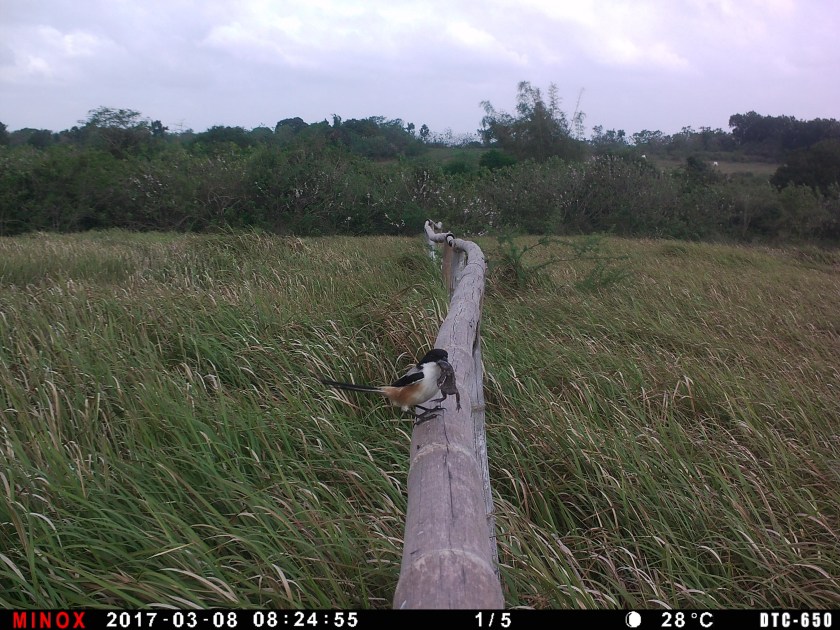
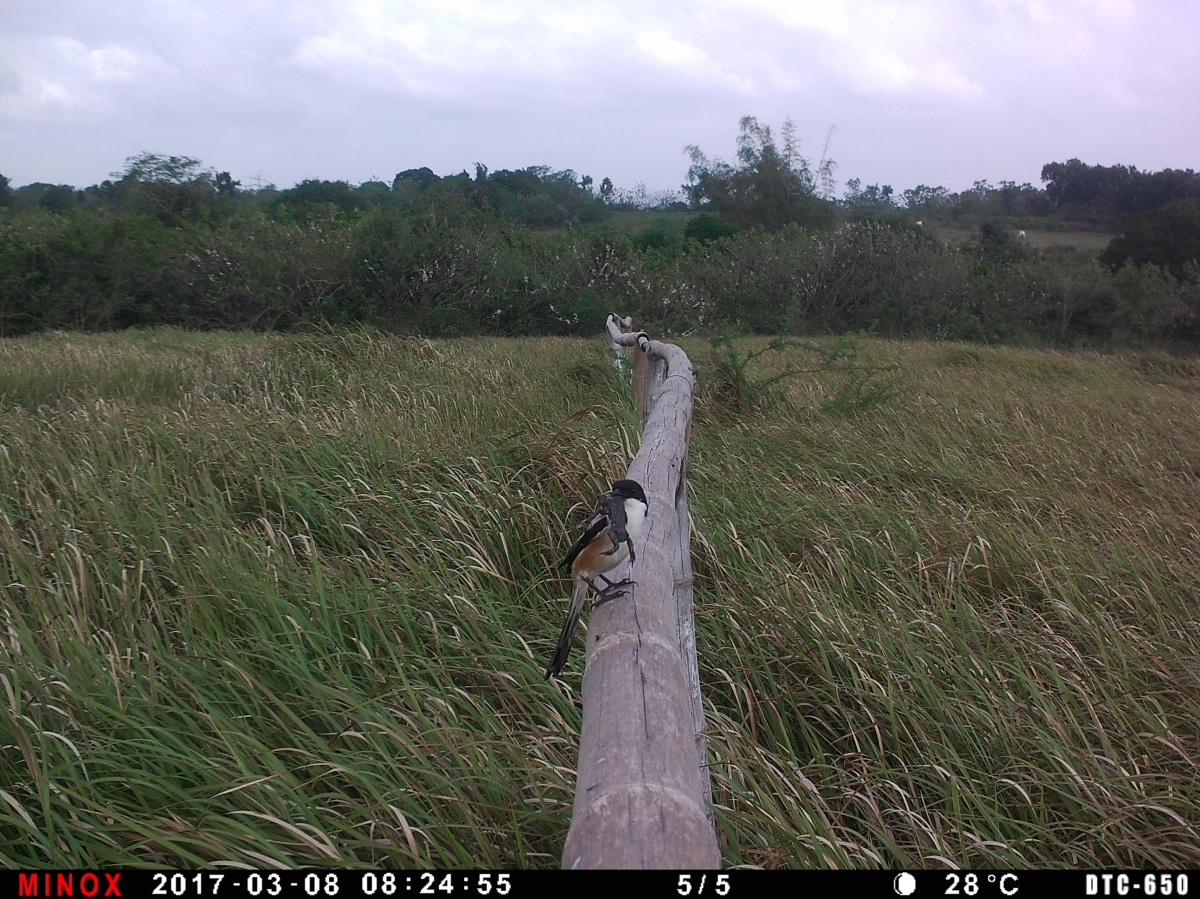
Long Tailed Shrike with a frog! That’s a big catch!
Grass Owl. Why is it so overexposed though?
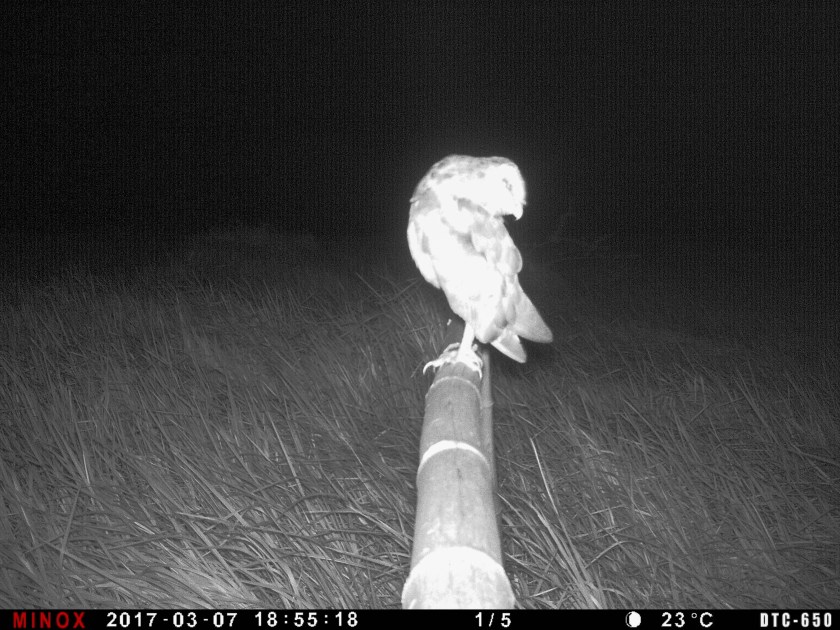
Not so sure what this is, but it looks interesting! Could it be a Philippine Scops Owl?
And the regulars. Striated Grassbird.
Paddyfield Pipit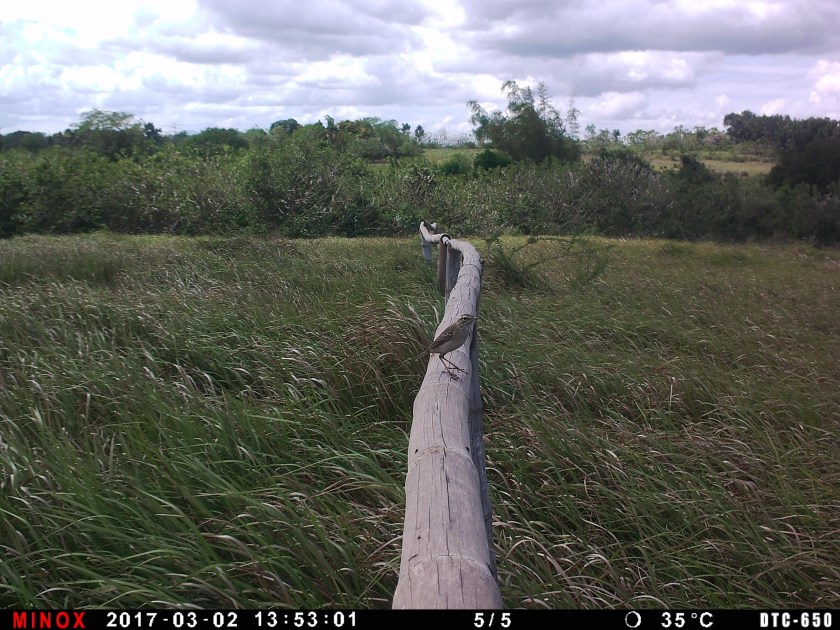
Spotted Dove in flight.

Male and female Pied Bushchat.

The Spotted Dove didn’t want to make eye contact with the wildlife camera.

Unlike the Long Tailed Shrike!

What is the allure of that strip of bamboo? I assume that the birds like the elevated vantage point. We probably also just see the birds more easily when they are on the fence because they in plain sight and not covered by leaves. Could there be more to it than that? Why are all those different birds perched on the same spot? This experiment with the wildlife camera has made that bamboo fence look more interesting than ever!
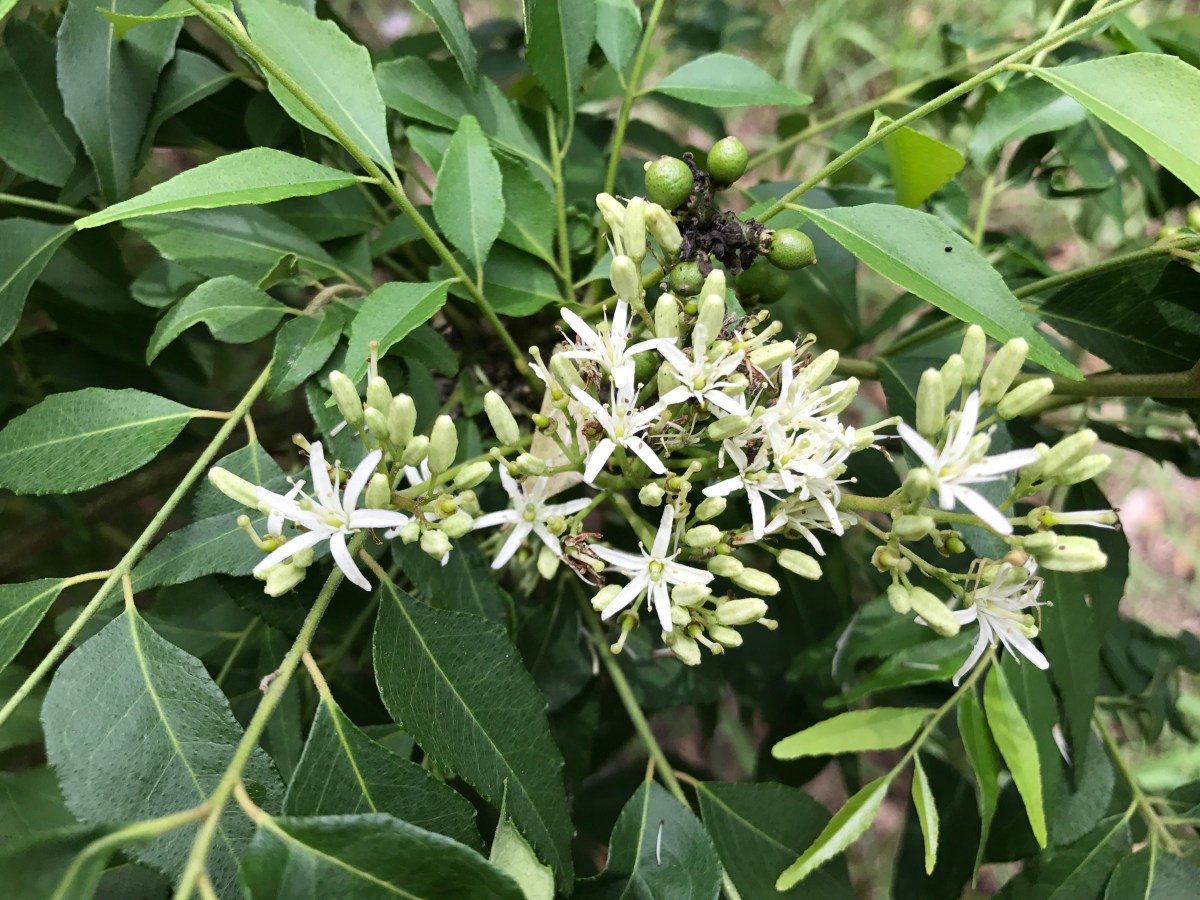




 Tonji and Sylvia's Wildlife Refuge