Birdy October!

We had an awesome October full of birds and flowers! We finished building the big pond in September and then we had an incredibly fabulous October full of birds and flowers and fruits! Was that the effect of the big pond or just a coincidence?

We had 2 new bird species at our refuge! Two new species in one month is very good for us. We have now seen 106 bird species at the refuge. The new birds are Chestnut-cheeked Starling Agropsar philippensis and Little Ringed Plover Charadius dubius. Both species are winter visitors to the Philippines.

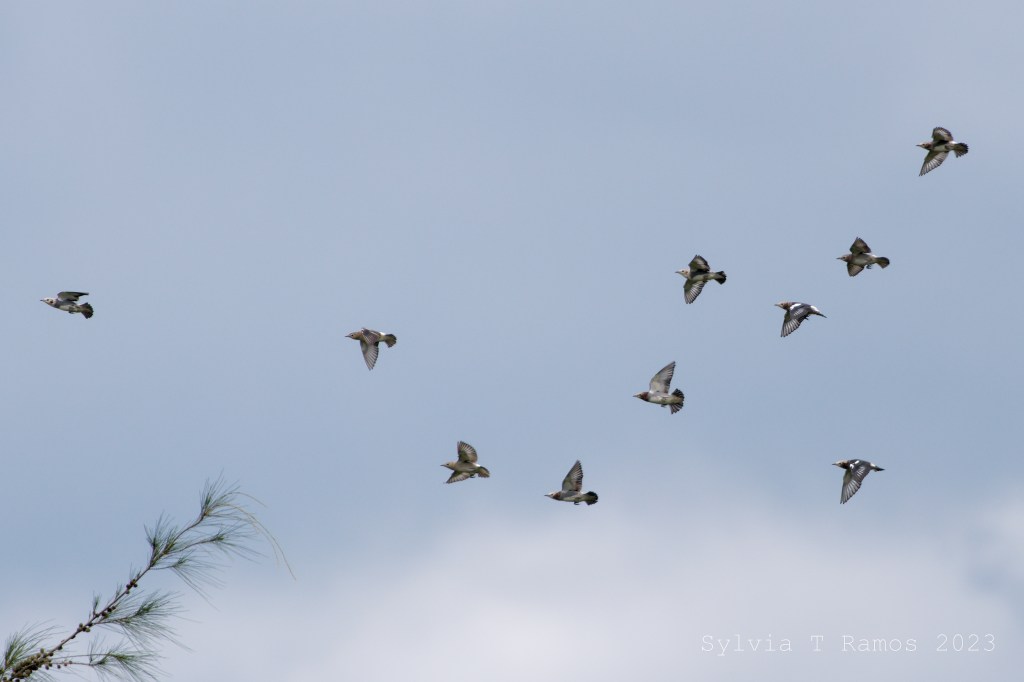
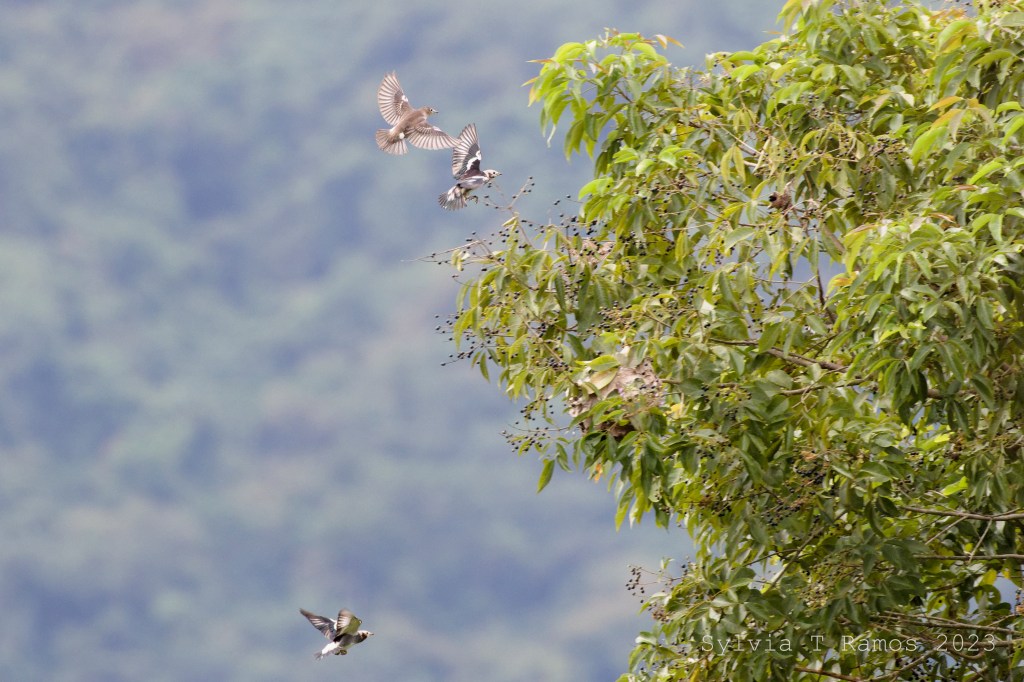
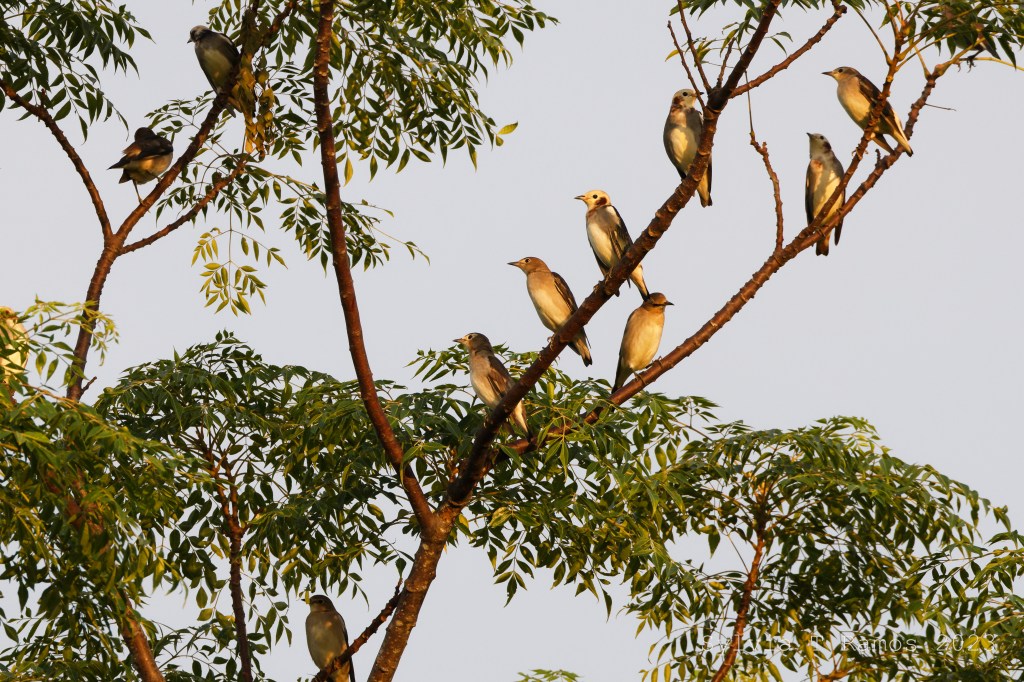
Chestnut-cheeked Starlings are exciting birds to watch. They gather in big flocks and fly together from one tree to another. They have the ability to disappear into the tree they land in! One moment you see a big flock of birds, and the next moment they’ve disappeared! Tonji estimates that there were 300 Chestnut-cheeked starlings in our place. It was difficult to get an accurate count because they were in small flocks and would show up in different spots.

Seeing all those starlings in our place was a dream that was at least ten years in the making. We used to make the 9-hour drive from Manila to Laoag to see look for migrant birds like Chestnut-cheeked Starlings. In 2013, our friend from Laoag Richard Ruiz gave us a mulberry tree to plant in our refuge so that we could attract our own flocks of starlings! The mulberry tree did not do well, but the flocks of starlings came anyway! We saw them on the fruiting Banato and Agoho trees.

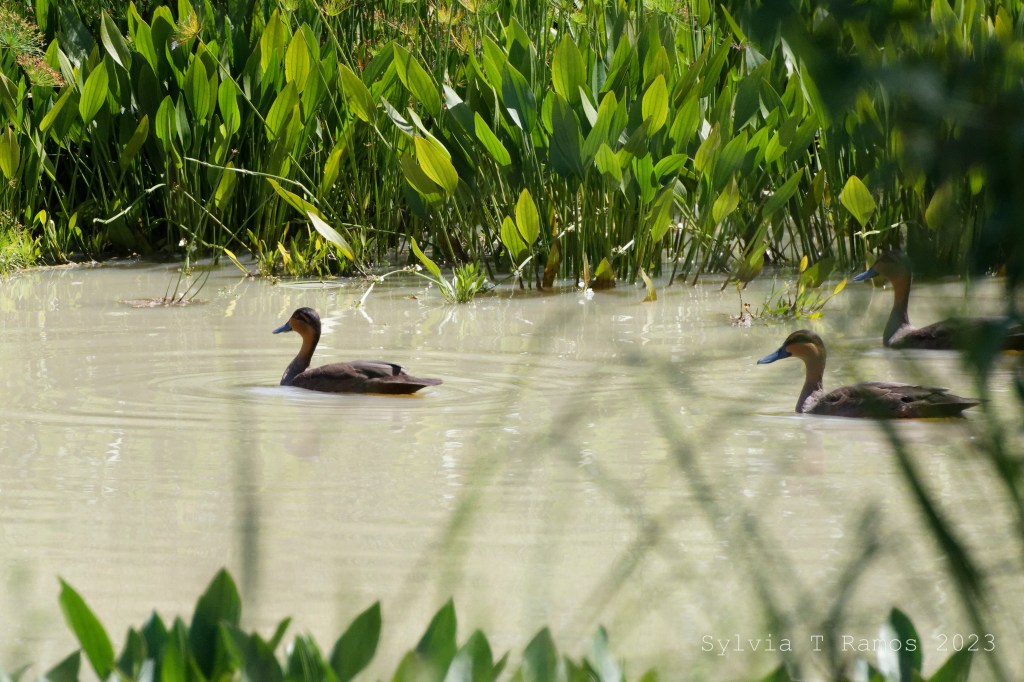
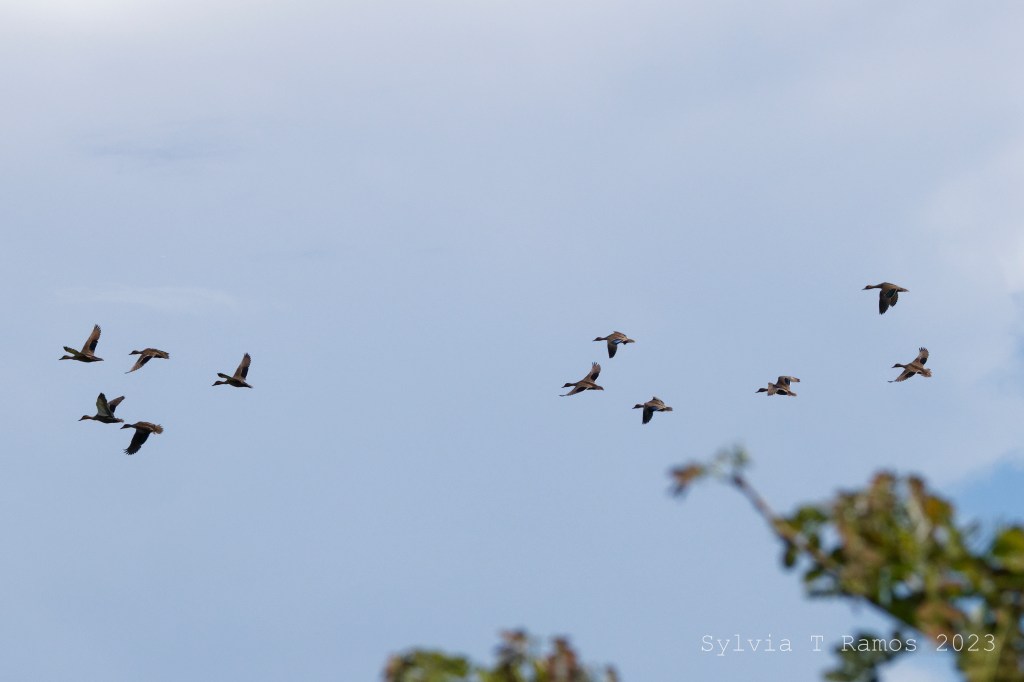
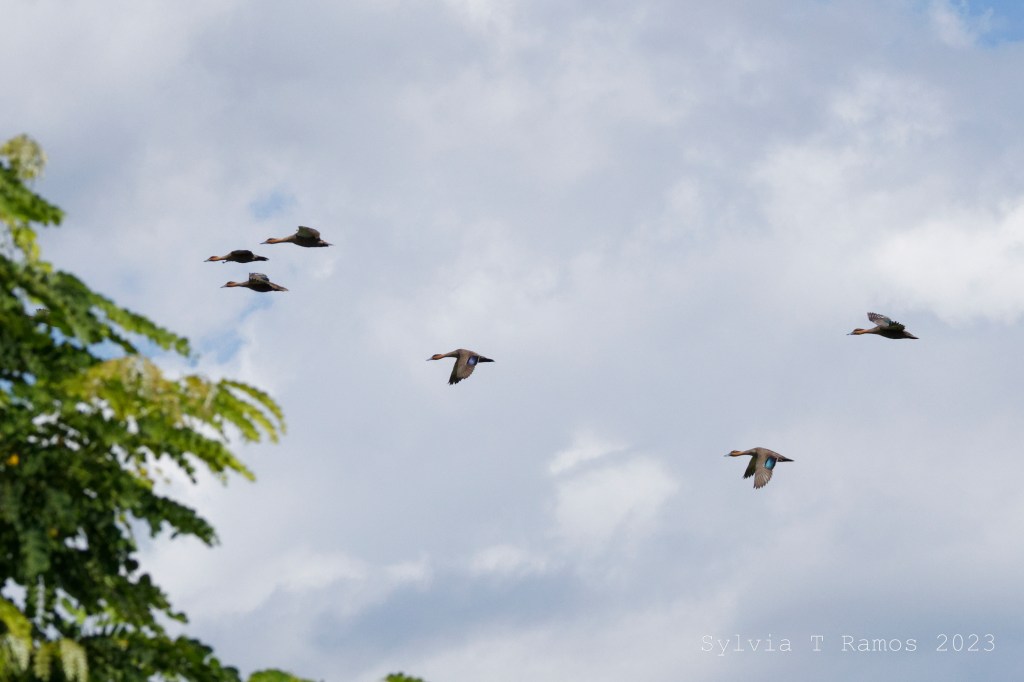
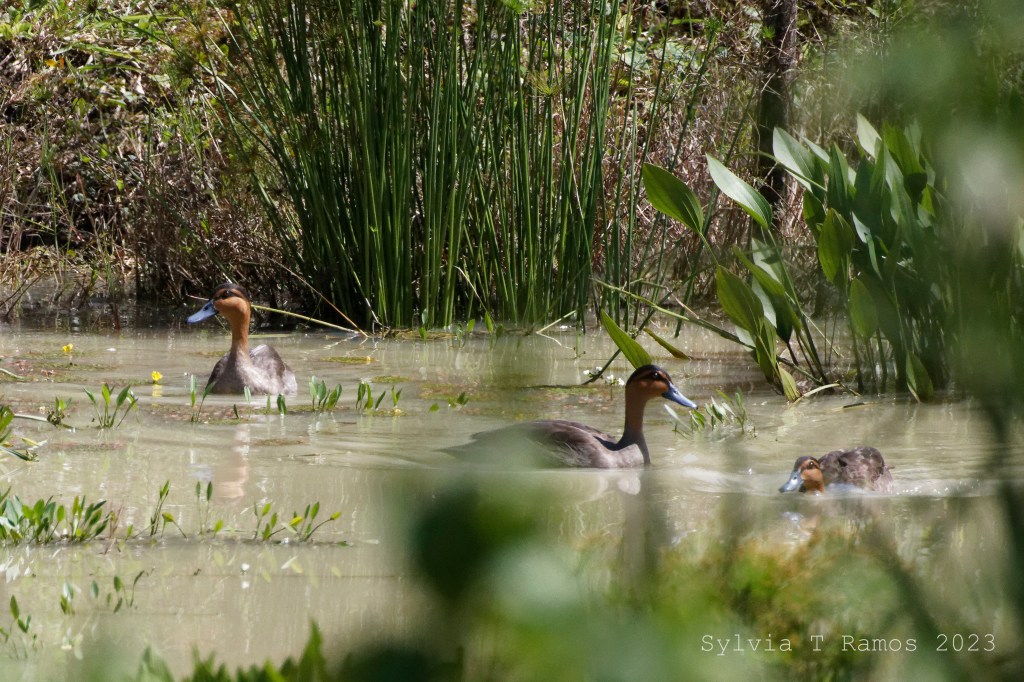
Another big dream come true moment was at the water lily pond. Tonji went out on the tractor to cut the grass. Then after a short while, he came back to the cottage and signalled me to to get the cameras. There were 12 Philippine Ducks swimming in the water lily pond! It was noon and they were resting in the shade of the water plants! This is the most Philippine Ducks we have seen swimming at one time!

The other new bird we had was a solo Little Ringed Plover that seemed to be inspecting the new pond! Little Ringed Plovers are usually found in flocks in wetlands and along rivers. Perhaps next time this Little Ringed Plover will bring in the rest of its flock.

Little Ringed Plover

There were other birds inspecting the new pond.

The plants also chose this month to show off. The Balai Lamok near the house had the most flowers it has ever had. A few years ago, Balai Lamok trees were touted as the Philippines version of the Japanese cherry blossom. The photos of the mature trees full of flowers truly made one want to go out and buy seedlings! It became one of the most sought after trees among Philippine tree enthusiasts. When our Balai Lamok trees did flower though, they would only produce a handful of flowers. It was undewhelming and made me think they tree was over-rated. Until our tree produced this abundance of flowers!

Balai Lamok

The guava trees had bigger fruits than before. I thought that we had some kind of dwarf or native variety of guava that had tiny fruits. It seems that as the tree gets bigger, its fruit also gets bigger! 

I saw an Alibangbang tree full of buds! This was a first for me. I usually see them full of seed pods and miss the flowers completely.

And here are more birds we saw in October!

Birds Doing New Things

Sometimes we see birds as predictable creatures of habit. They have favorite perches that they return to day after day. Their behavior becomes familiar and part of the flow of the day.

This has become a familiar early morning sight. 5 White Breasted Woodswallows perched on top of this Agoho tree.

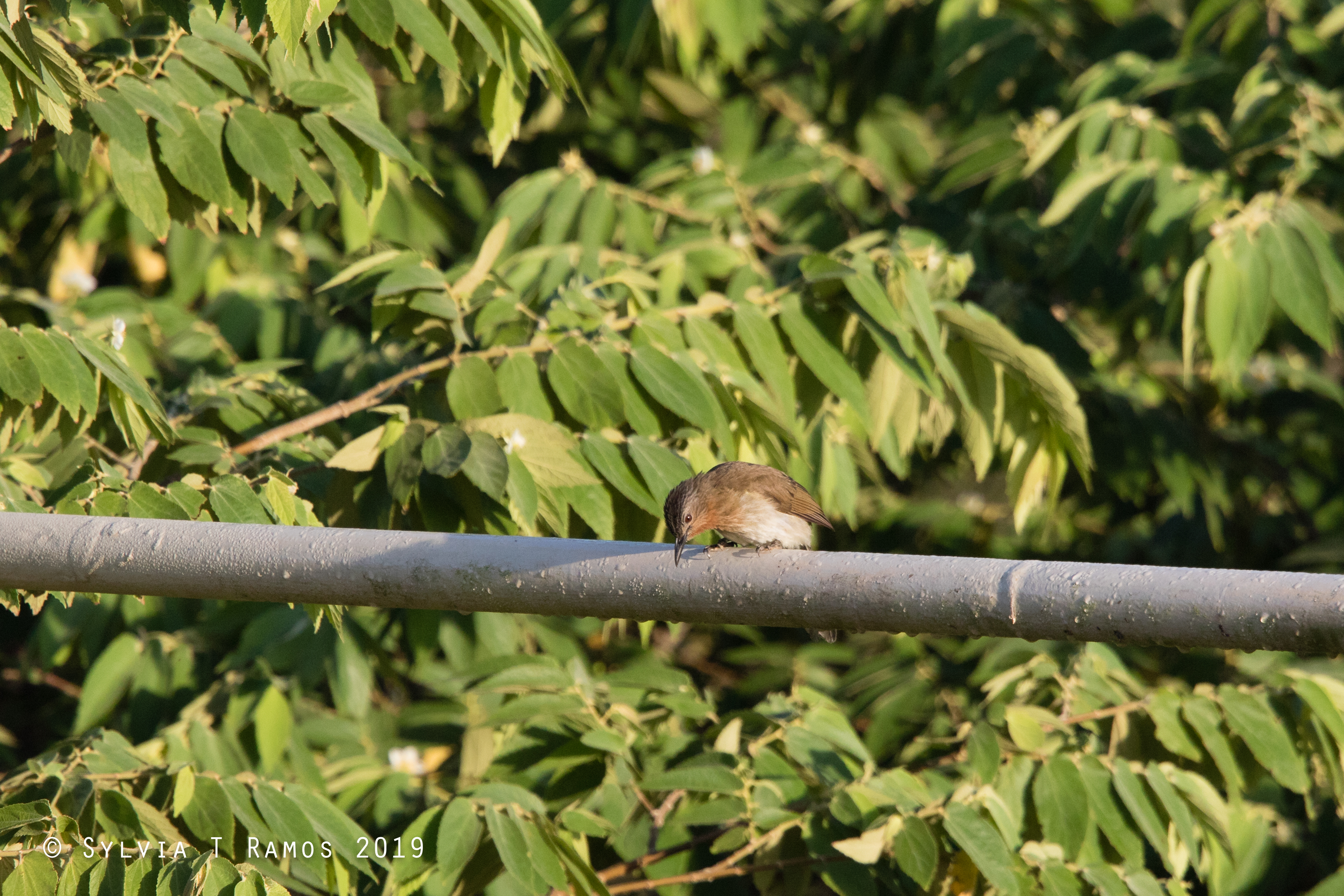
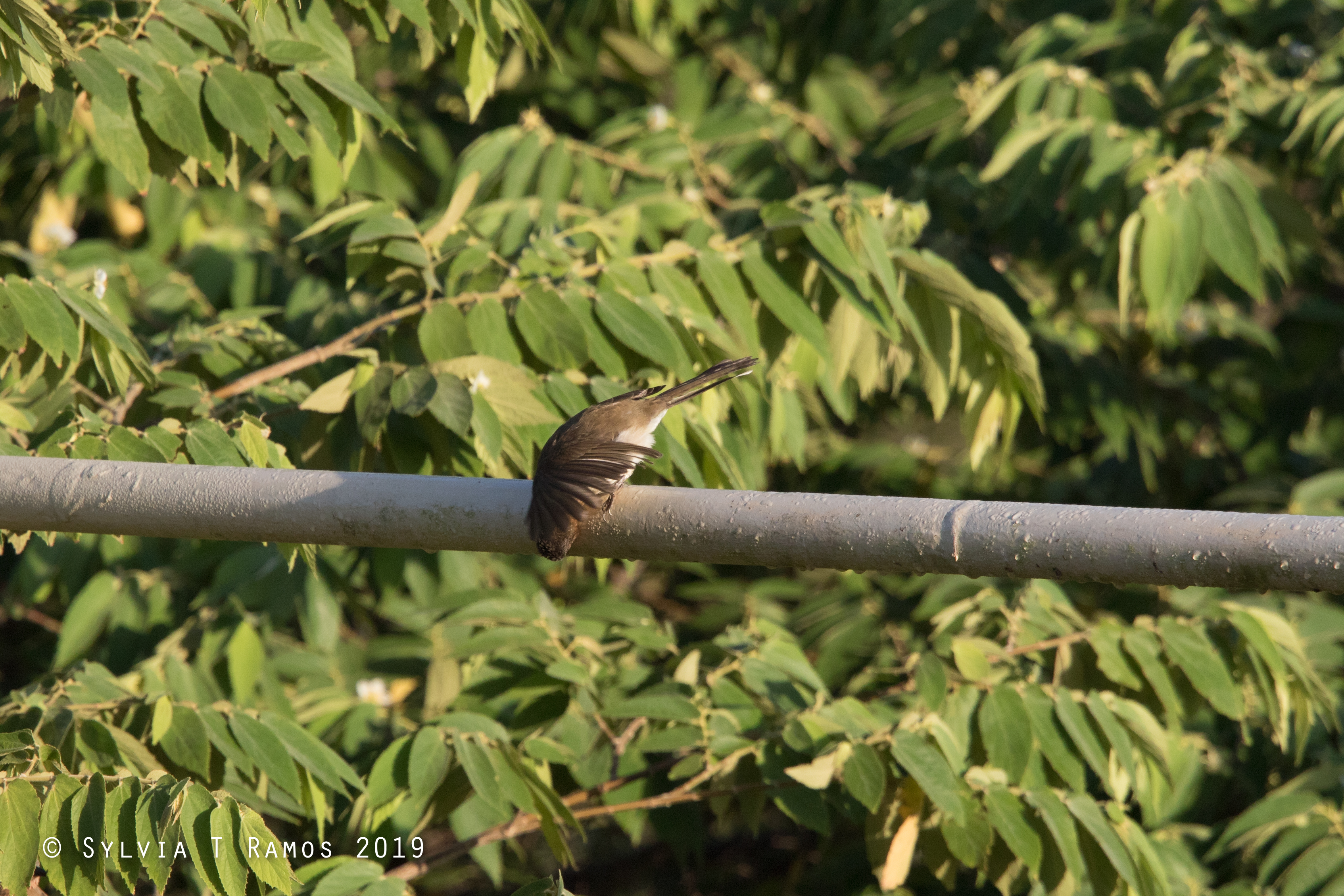
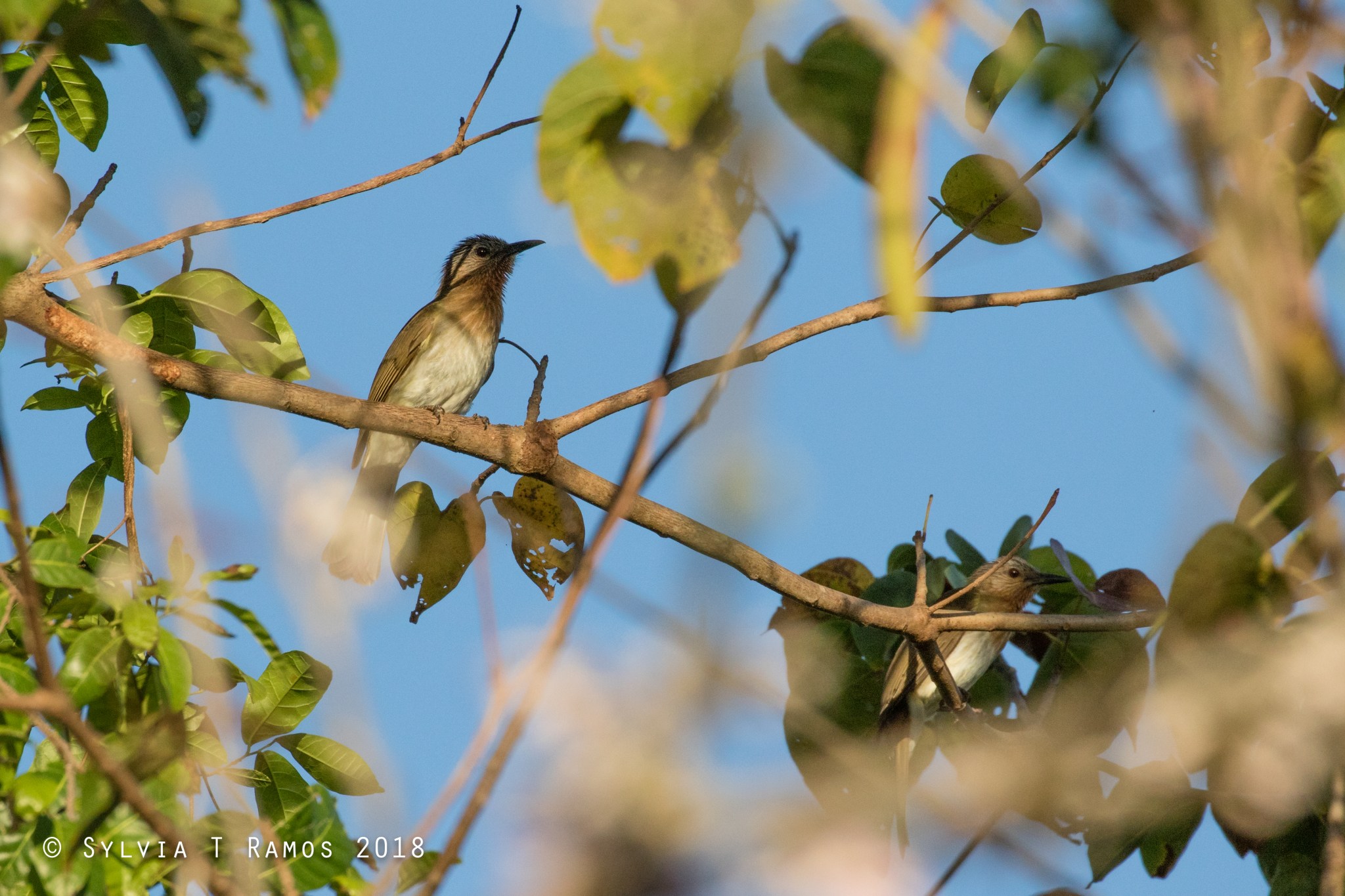
Other times we get to witness entirely new behavior. I thought it was unusual to see a Philippine Bulbul perched on the round pen. They usually hide inside the trees. What was it doing?

This looks to me like a young Philippine Bulbul. Based on the sounds, I think there was a nest inside the aratiles and this bird is one of the young from the nest.

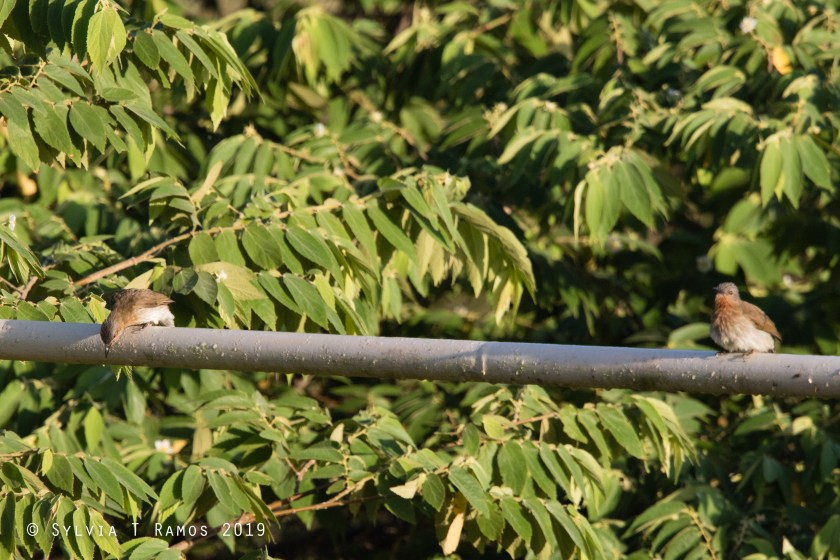
The Philippine Bulbul was carefully, drop by drop, picking up dew from the fence posts.


I’ve never seen other birds do that on the fence posts before.

Soon there was a second Philippine Bulbul that was also drinking water in the same manner.

Maybe they’re really thirsty? Or experimenting?

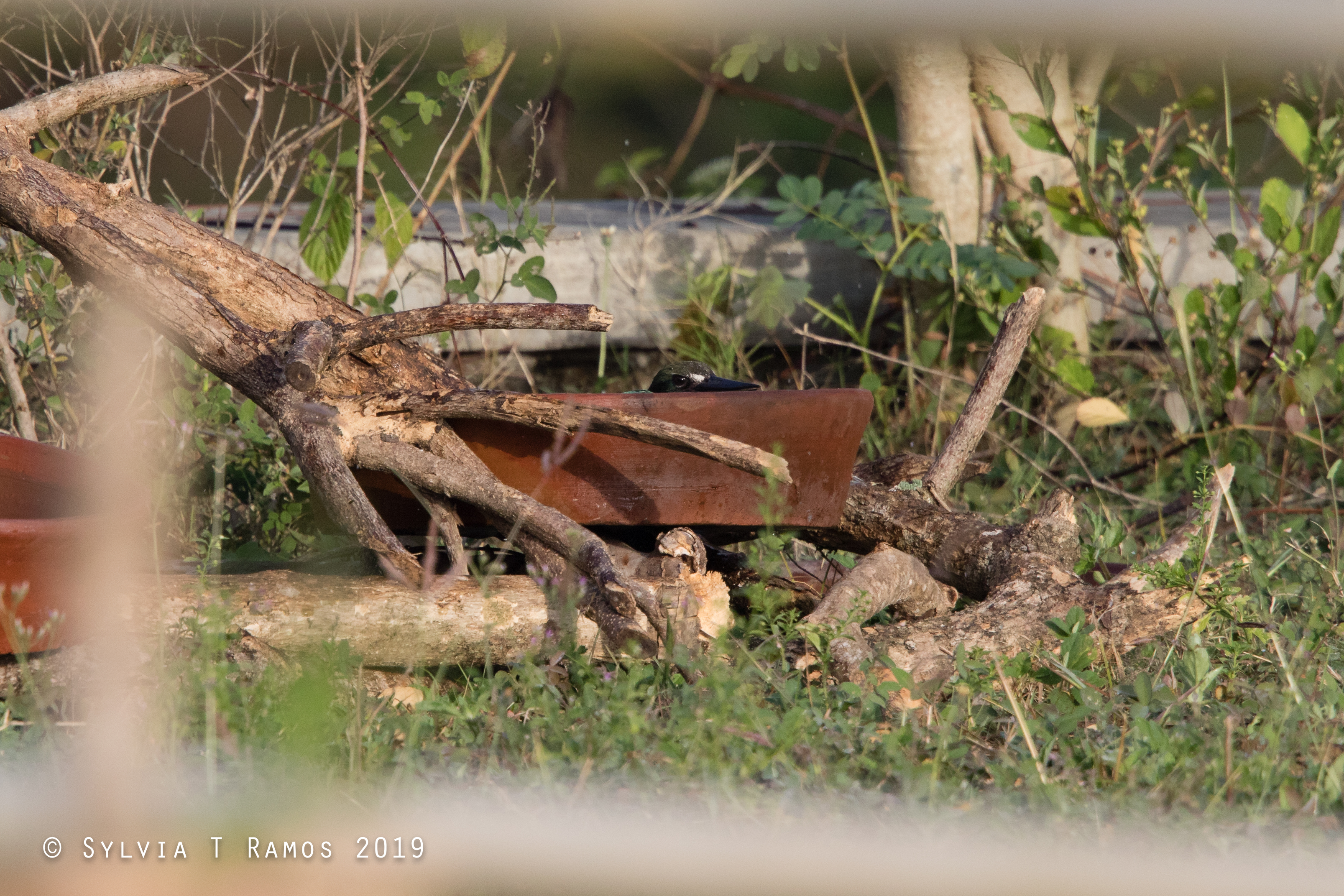
The funny thing is I had just decided to put out bowls of fresh drinking water for the birds! The evenings and mornings are still cool enough to produce dew on the ground. The rest of the day has been very hot and dry. I thought it would be a good idea to provide an extra source of water for some of the birds.

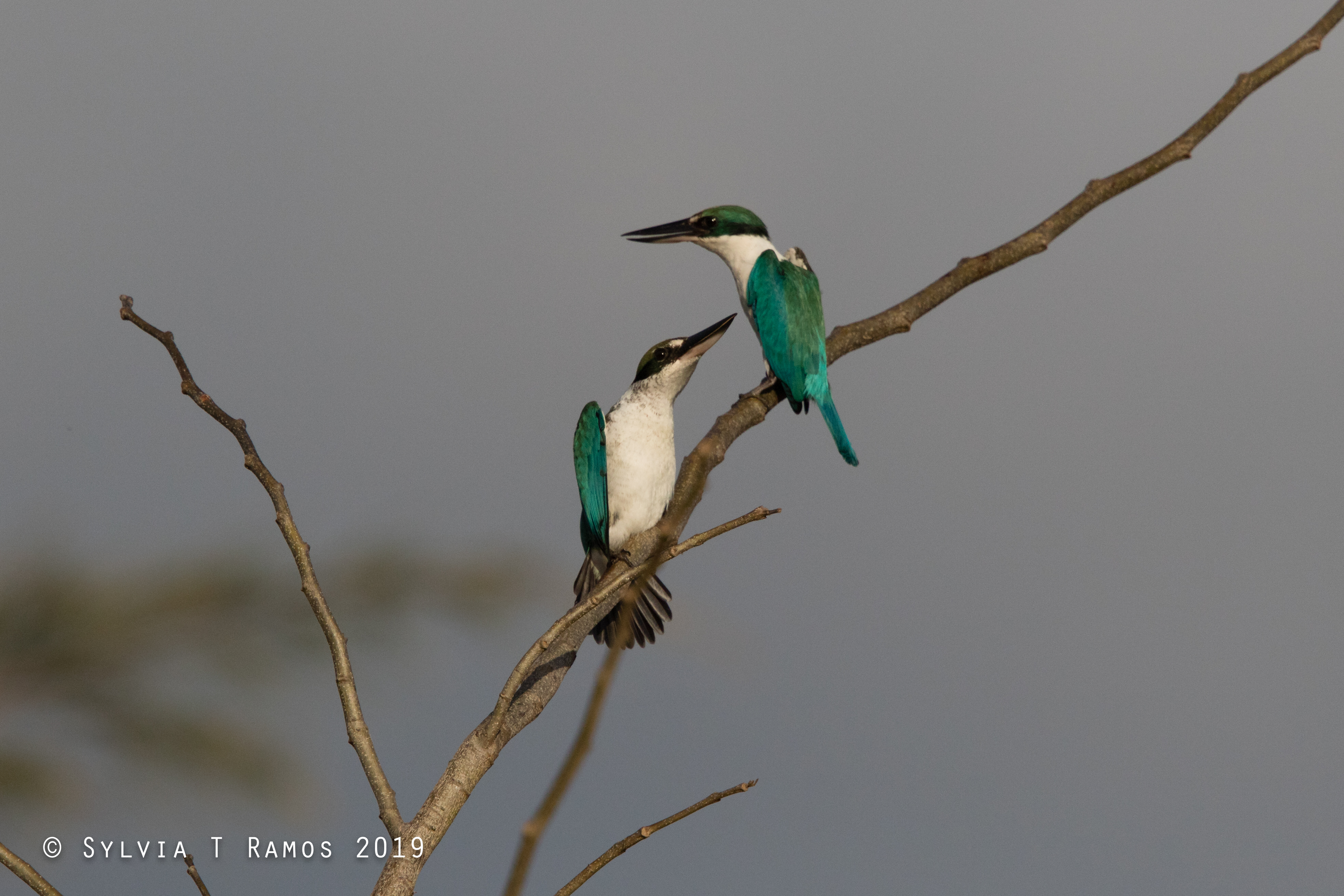
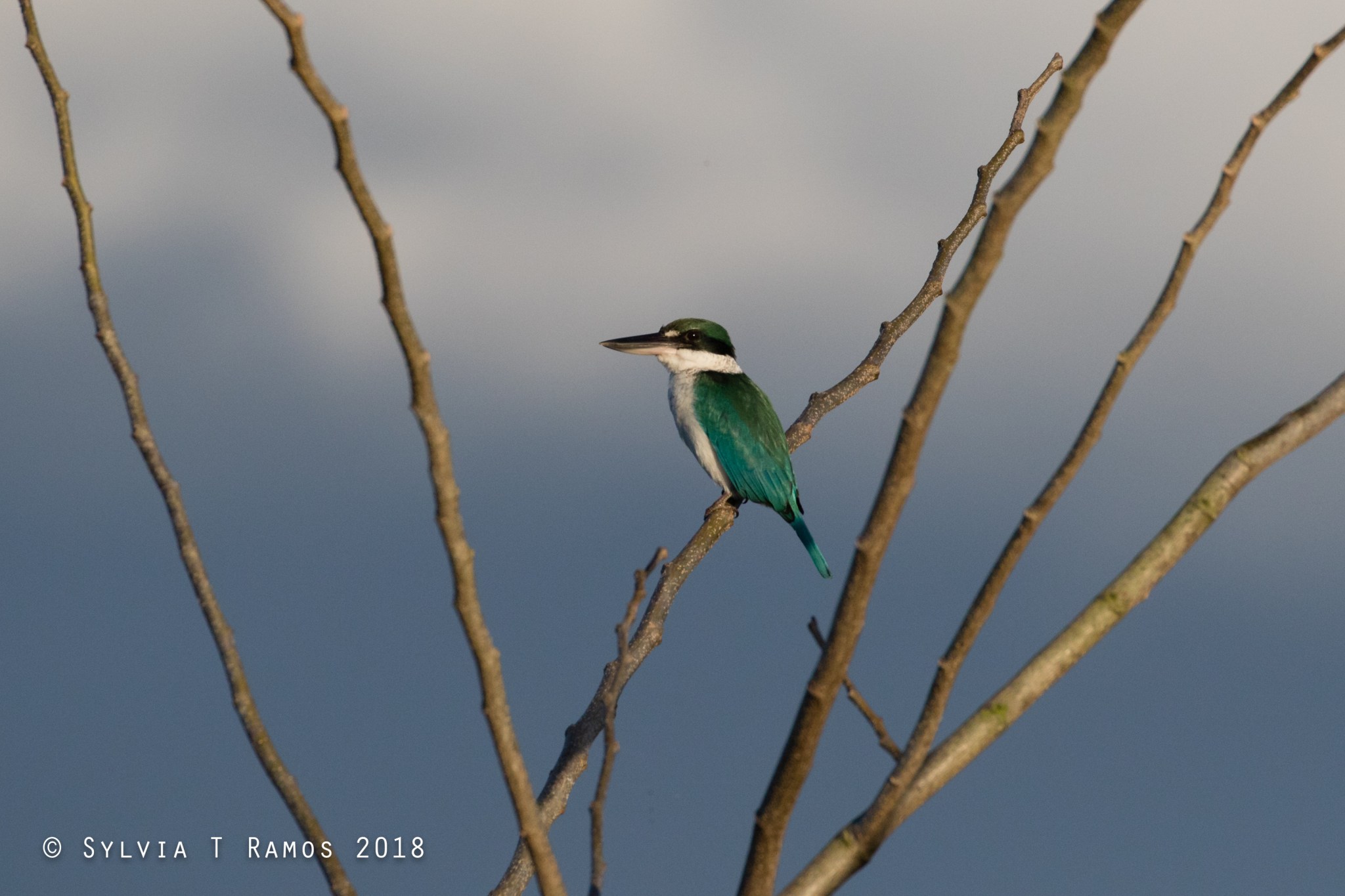
The Collared Kingfisher was one of the first birds to use the water bowls.

It took a dunk, dried shook itself dry, then perched on a tree branch.

A second Collared Kingfisher joined it on the branch. I think they first one told the second one to try the bird bath! And it did!

If only I could read bird minds! I think it’s thinking “I learned something new today. Nice bath!”.

Birds of February

February has been a great month for hanging out at the sanctuary. The oppressive heat of summer is still a future concern. The ground is still nice, moist, and yielding. It only took Tonji nine days to dig up Pond Number 5. I was able to clear a big swathe of hagonoy in a new area using just my hori-hori hand knife. Momo and Barkley enjoyed  long morning walks through refreshing dew-covered grass, with stops every so often to admire the birds!

The Agohos are among the fastest growing of the trees we’ve planted. Their height makes them a popular perch of the orioles and crows.

_E7A5827
Collared Kingfisher

_E7A5706
Large-billed Crow

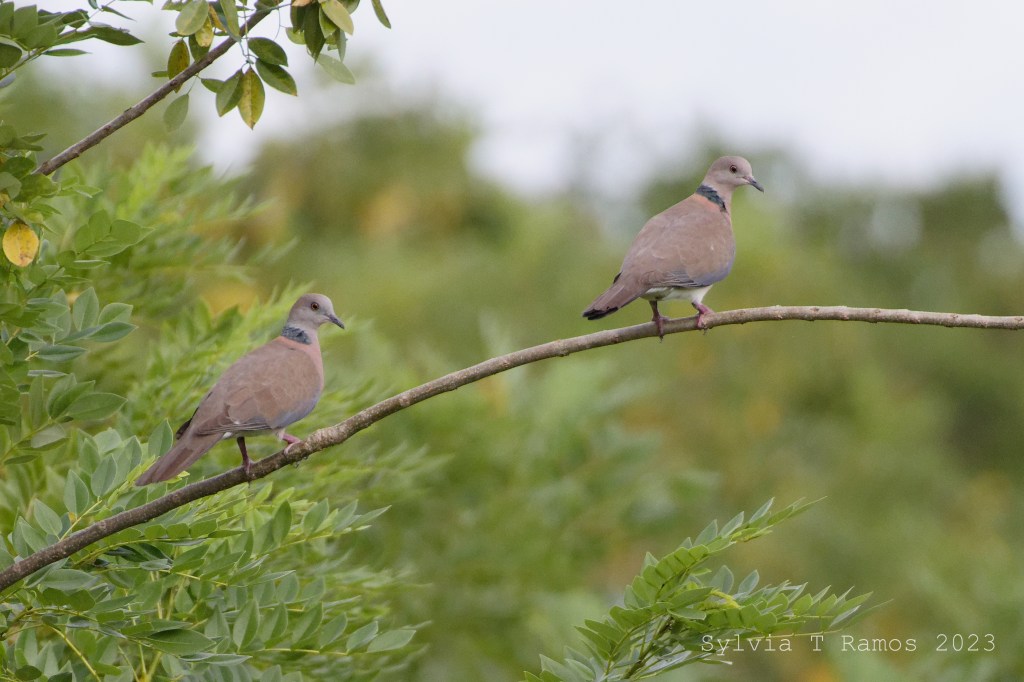
We saw 5 species of doves in February. We had Philippine Cuckoo Dove, Zebra Dove, Pink-necked Green Pigeon, Spotted Dove, and Philippine Collared Dove. The Philippine Collared Dove was perched on the wires along our entrance road. We saw it on the same wire on two different weekends.

_E7A6613
Pink-necked Green Pigeon

_E7A6390
Spotted Dove

_E7A5681
Philippine Collared Dove


Tali and  Laiya are still around. Will they stay through summer? Or are they migrants?


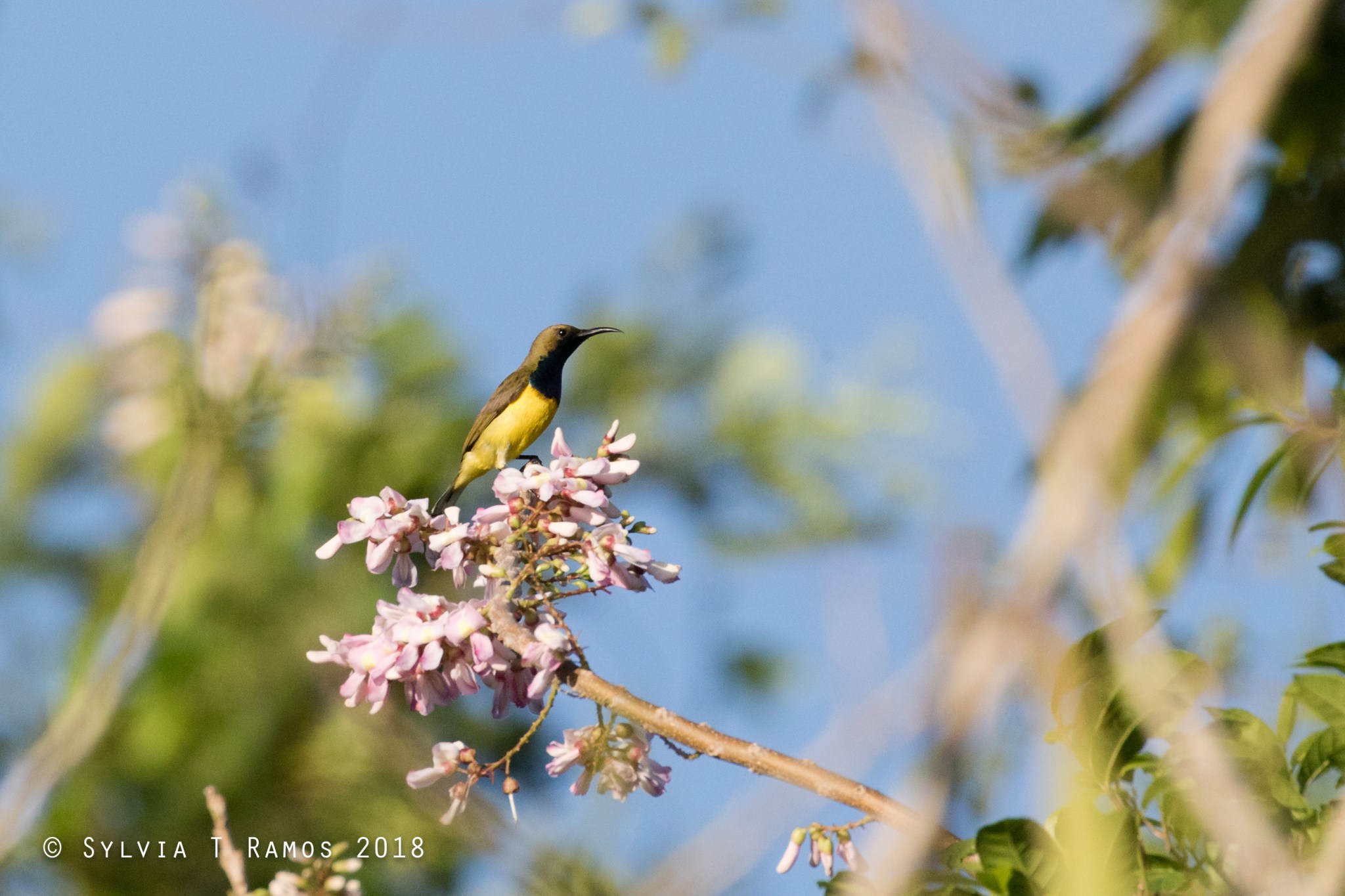
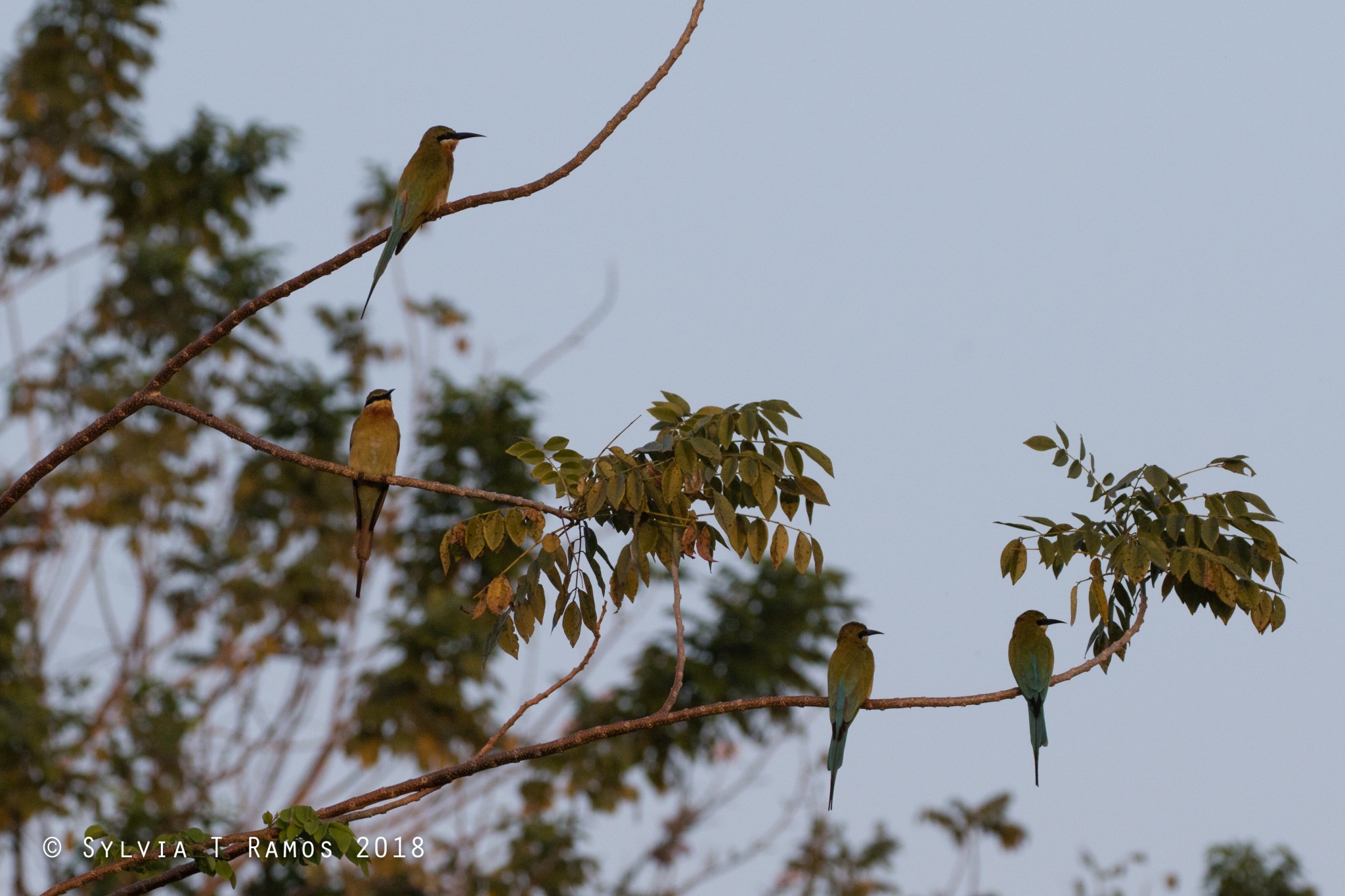
There are small flocks of Olive-Backed Sunbirds high in the Madre de Cacao flowers, Chestnut Munias in the grassy areas, and jewel toned Bee-eaters on low branches.

_E7A6713
Olive-backed Sunbird

_E7A6426
Chestnut Munia

_E7A6345
Blue-tailed Bee Eater

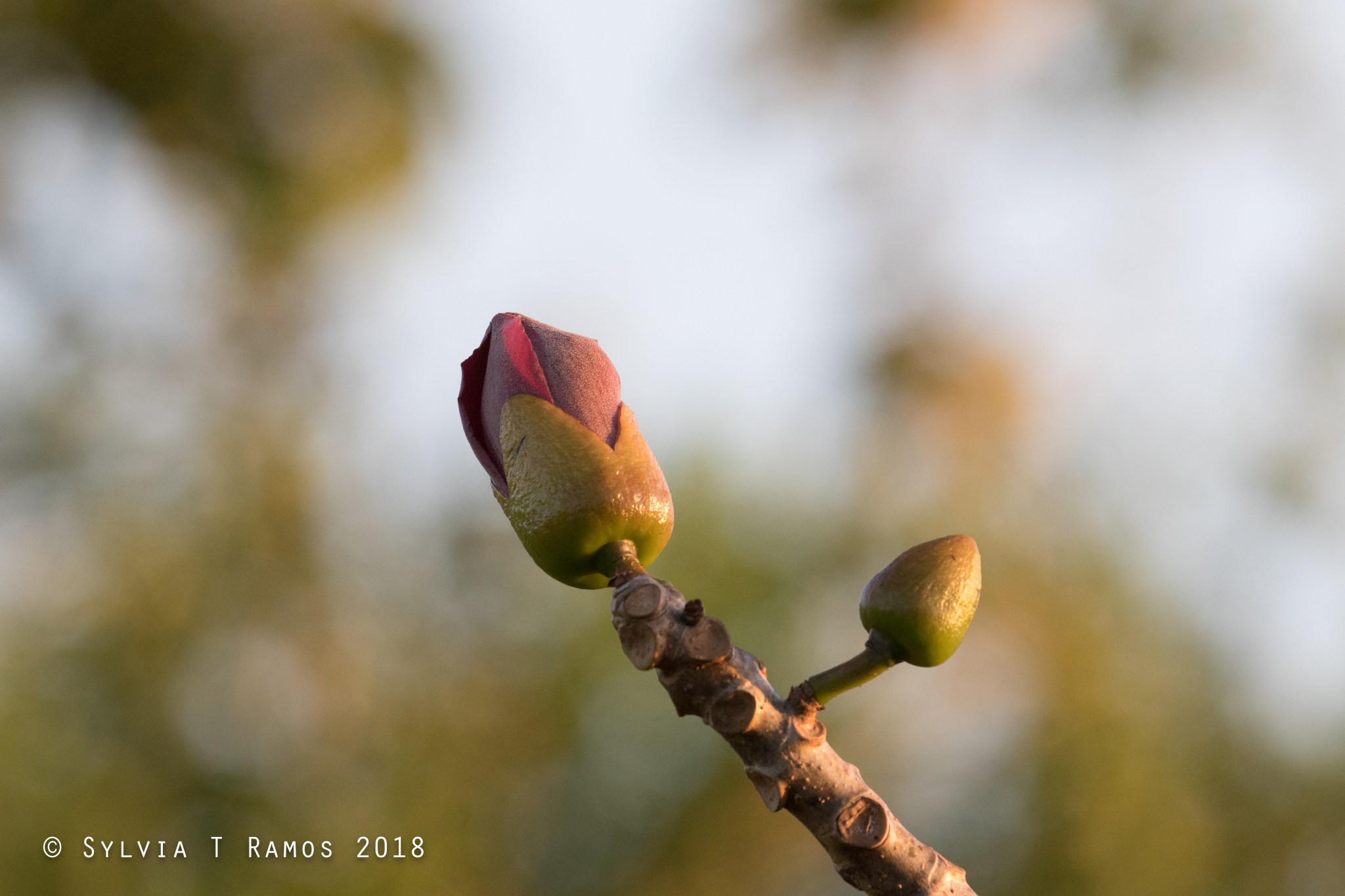
The Malabulak trees produced buds! Last year we saw only one bud that didn’t even become a flower. Tonji thinks next year will be a great year for the Malabulak.

_E7A6542
Malabulak

The hot days of summer are fast approaching. All to soon it will be time to say goodbye to the cool weather and hello summer and summer projects!

_E7A6696
Philippine Bulbul