Birdy October!

We had an awesome October full of birds and flowers! We finished building the big pond in September and then we had an incredibly fabulous October full of birds and flowers and fruits! Was that the effect of the big pond or just a coincidence?

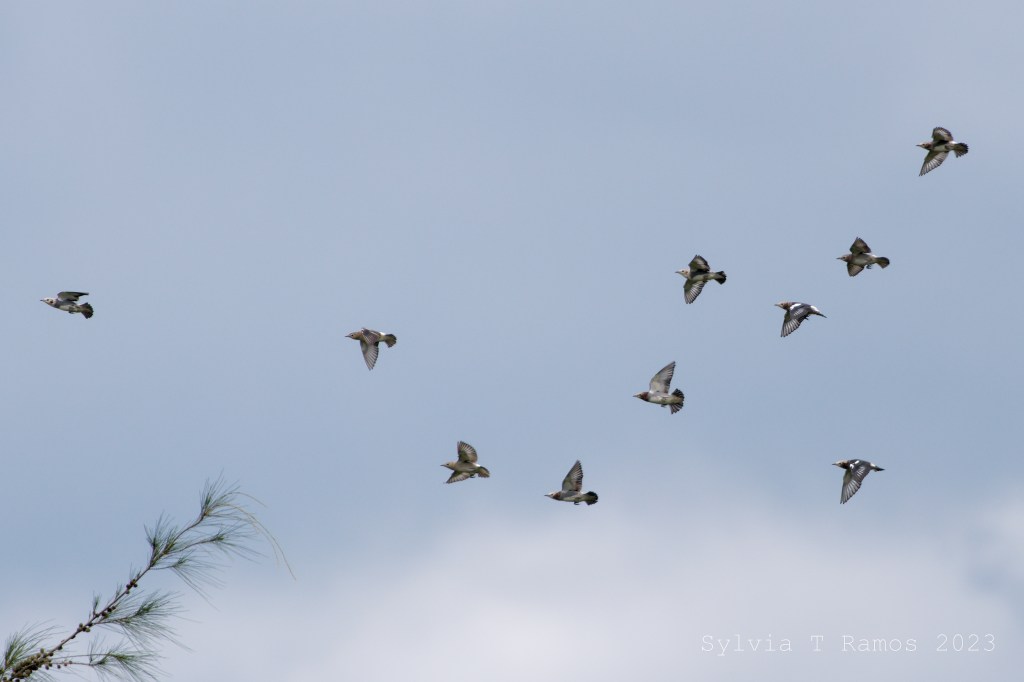
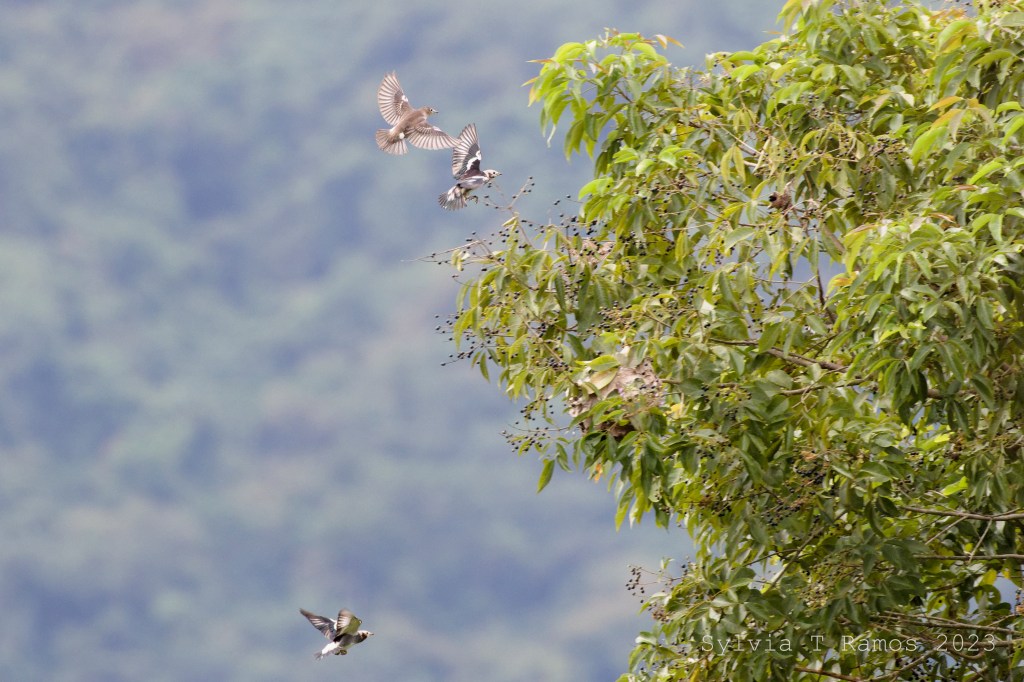
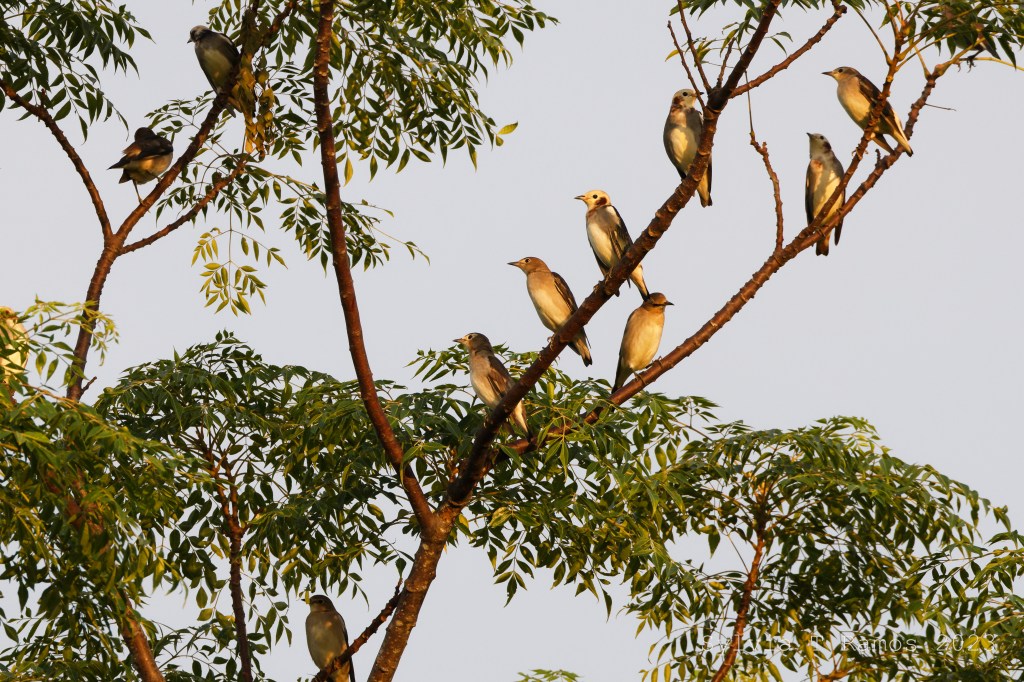
We had 2 new bird species at our refuge! Two new species in one month is very good for us. We have now seen 106 bird species at the refuge. The new birds are Chestnut-cheeked Starling Agropsar philippensis and Little Ringed Plover Charadius dubius. Both species are winter visitors to the Philippines.

Chestnut-cheeked Starlings are exciting birds to watch. They gather in big flocks and fly together from one tree to another. They have the ability to disappear into the tree they land in! One moment you see a big flock of birds, and the next moment they’ve disappeared! Tonji estimates that there were 300 Chestnut-cheeked starlings in our place. It was difficult to get an accurate count because they were in small flocks and would show up in different spots.

Seeing all those starlings in our place was a dream that was at least ten years in the making. We used to make the 9-hour drive from Manila to Laoag to see look for migrant birds like Chestnut-cheeked Starlings. In 2013, our friend from Laoag Richard Ruiz gave us a mulberry tree to plant in our refuge so that we could attract our own flocks of starlings! The mulberry tree did not do well, but the flocks of starlings came anyway! We saw them on the fruiting Banato and Agoho trees.

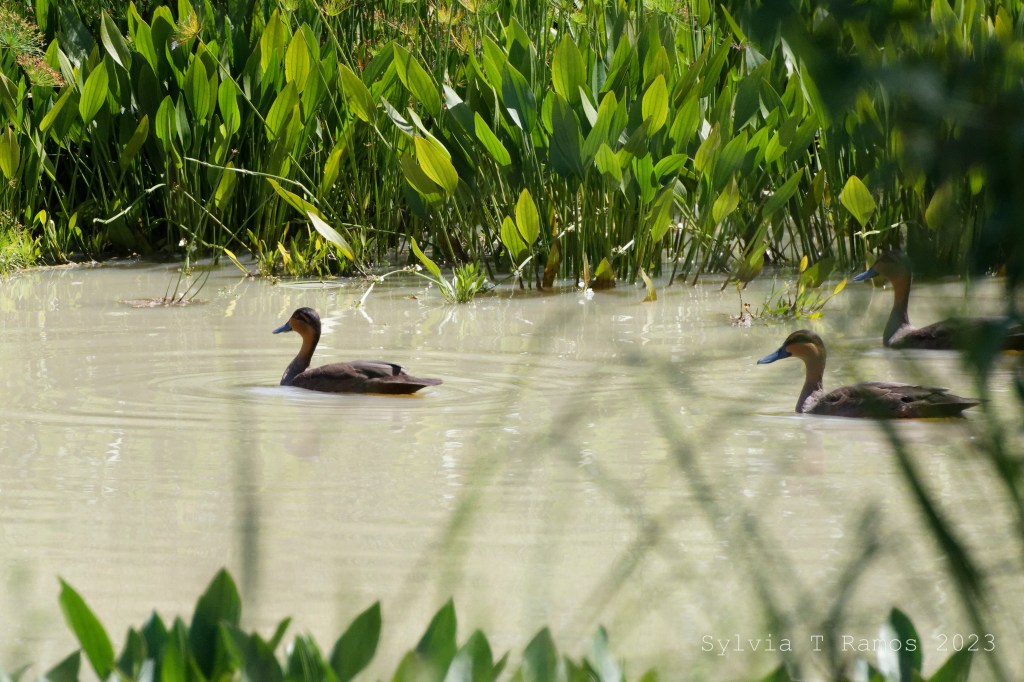
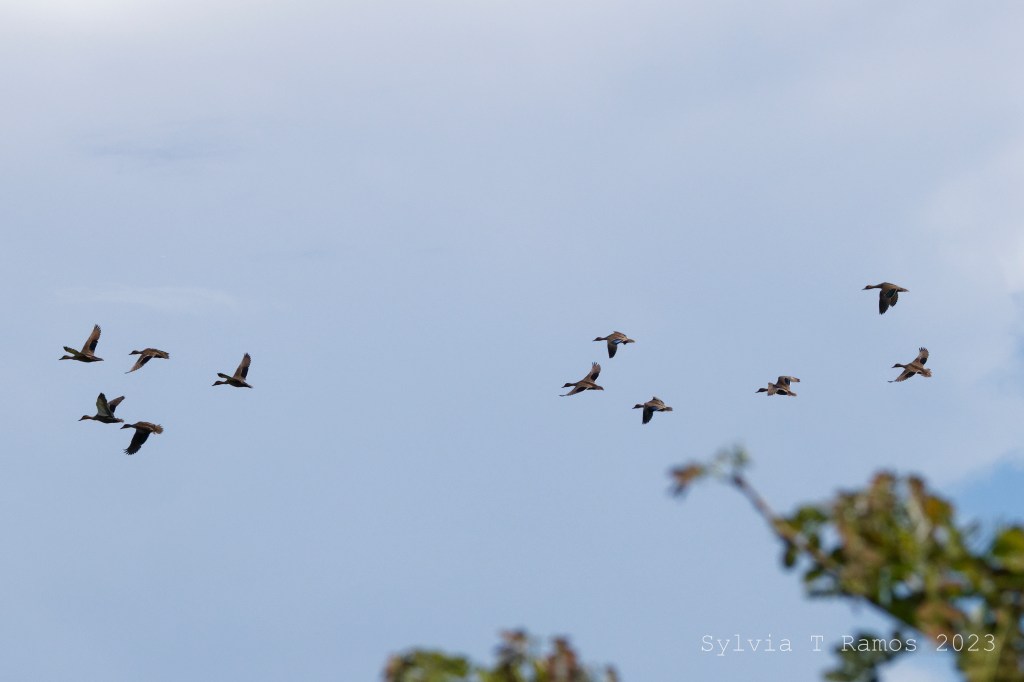
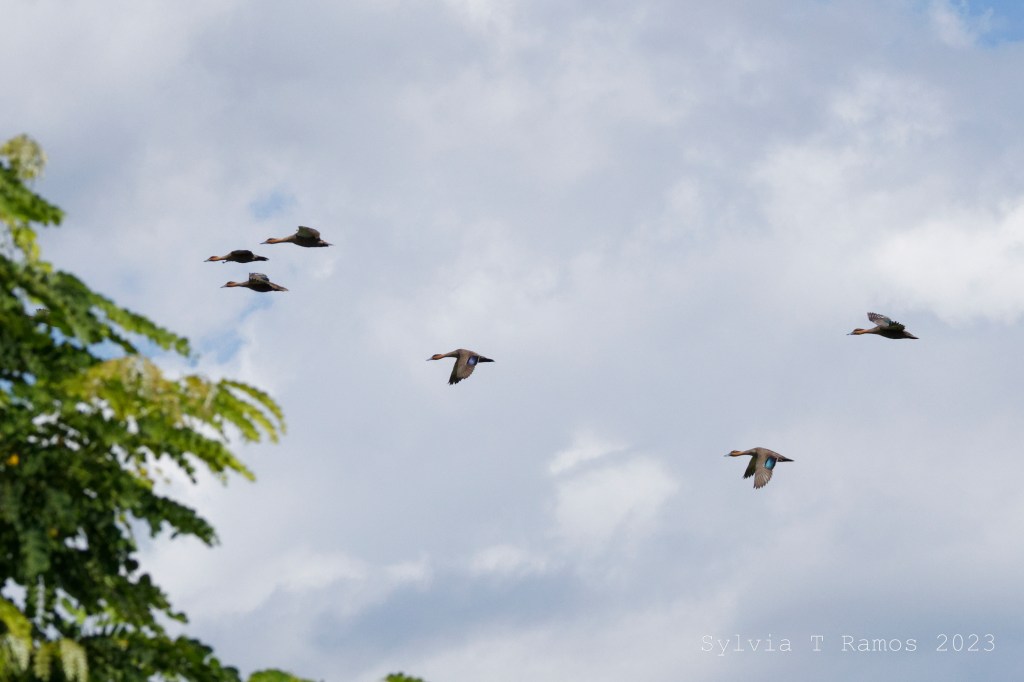
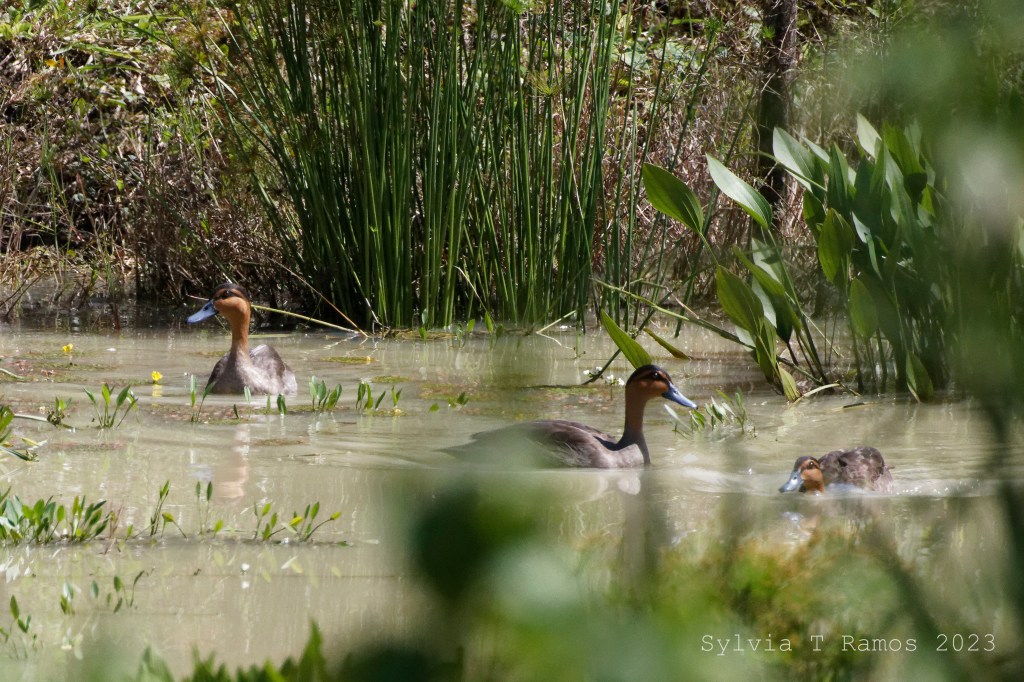
Another big dream come true moment was at the water lily pond. Tonji went out on the tractor to cut the grass. Then after a short while, he came back to the cottage and signalled me to to get the cameras. There were 12 Philippine Ducks swimming in the water lily pond! It was noon and they were resting in the shade of the water plants! This is the most Philippine Ducks we have seen swimming at one time!

The other new bird we had was a solo Little Ringed Plover that seemed to be inspecting the new pond! Little Ringed Plovers are usually found in flocks in wetlands and along rivers. Perhaps next time this Little Ringed Plover will bring in the rest of its flock.

Little Ringed Plover

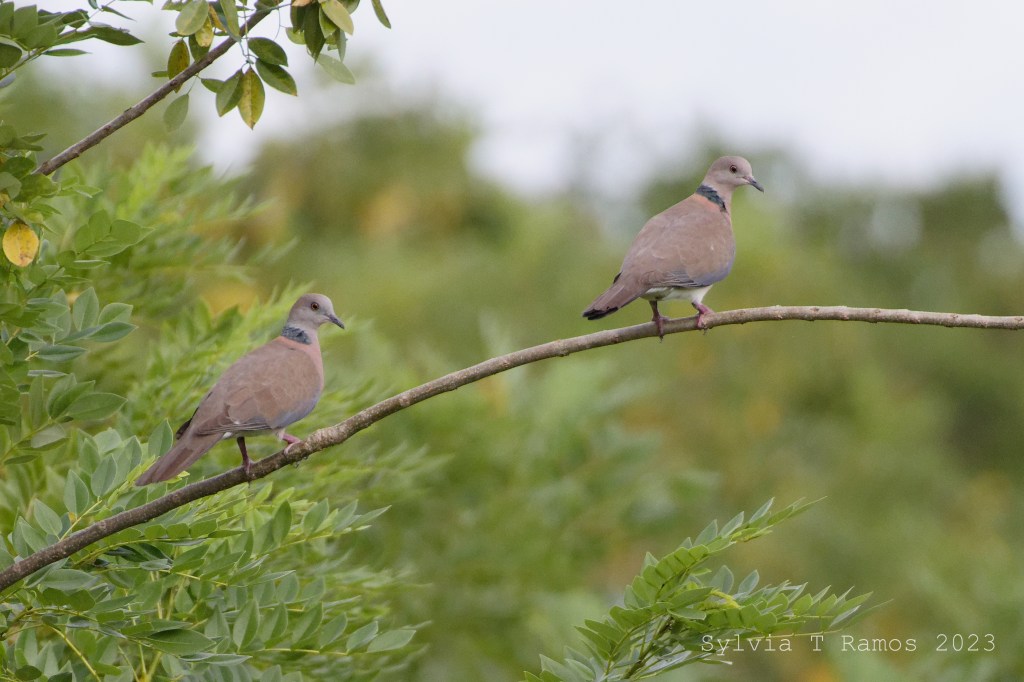
There were other birds inspecting the new pond.

The plants also chose this month to show off. The Balai Lamok near the house had the most flowers it has ever had. A few years ago, Balai Lamok trees were touted as the Philippines version of the Japanese cherry blossom. The photos of the mature trees full of flowers truly made one want to go out and buy seedlings! It became one of the most sought after trees among Philippine tree enthusiasts. When our Balai Lamok trees did flower though, they would only produce a handful of flowers. It was undewhelming and made me think they tree was over-rated. Until our tree produced this abundance of flowers!

Balai Lamok

The guava trees had bigger fruits than before. I thought that we had some kind of dwarf or native variety of guava that had tiny fruits. It seems that as the tree gets bigger, its fruit also gets bigger! 

I saw an Alibangbang tree full of buds! This was a first for me. I usually see them full of seed pods and miss the flowers completely.

And here are more birds we saw in October!

One Thousand Seeds

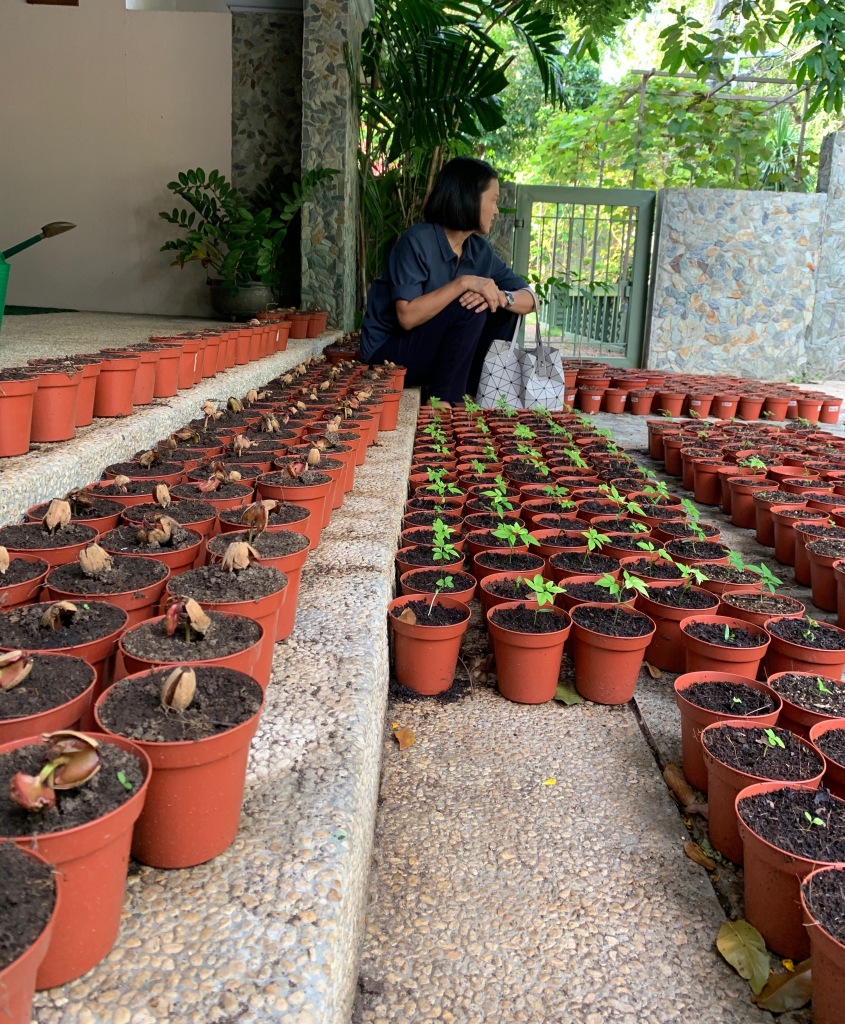
This is our big year for planting tree seeds. In a few short months, we have gone from having a few seedlings in bags to more than one thousand pots with seeds in various stages of growth!

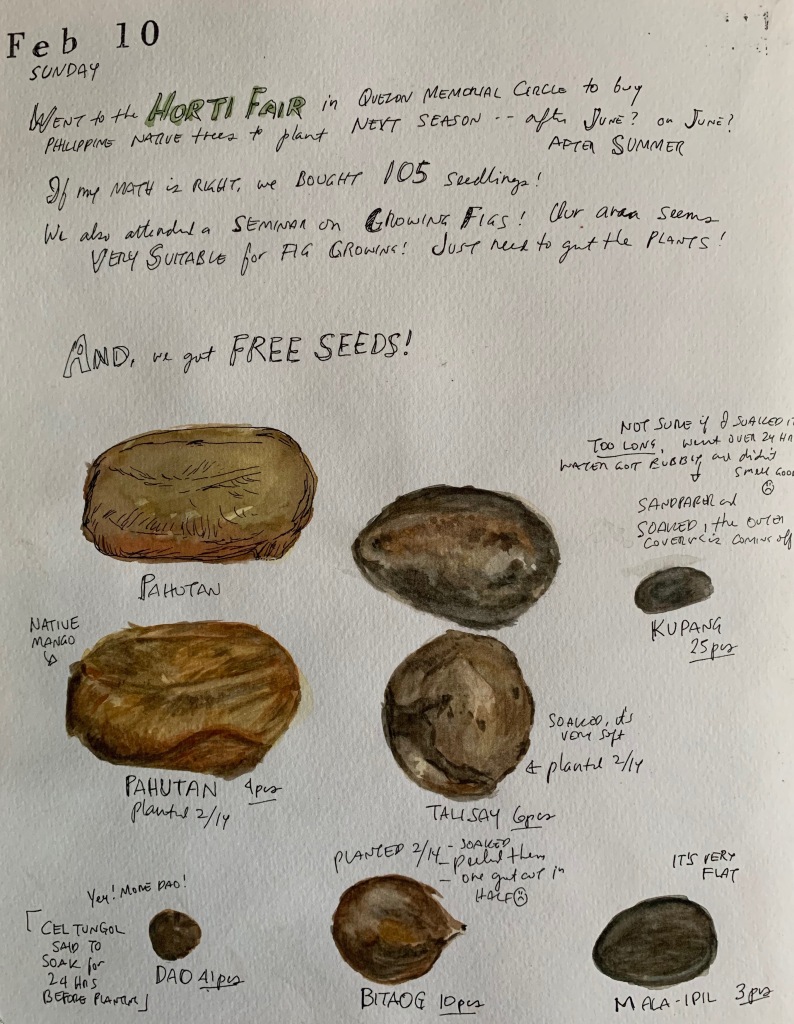
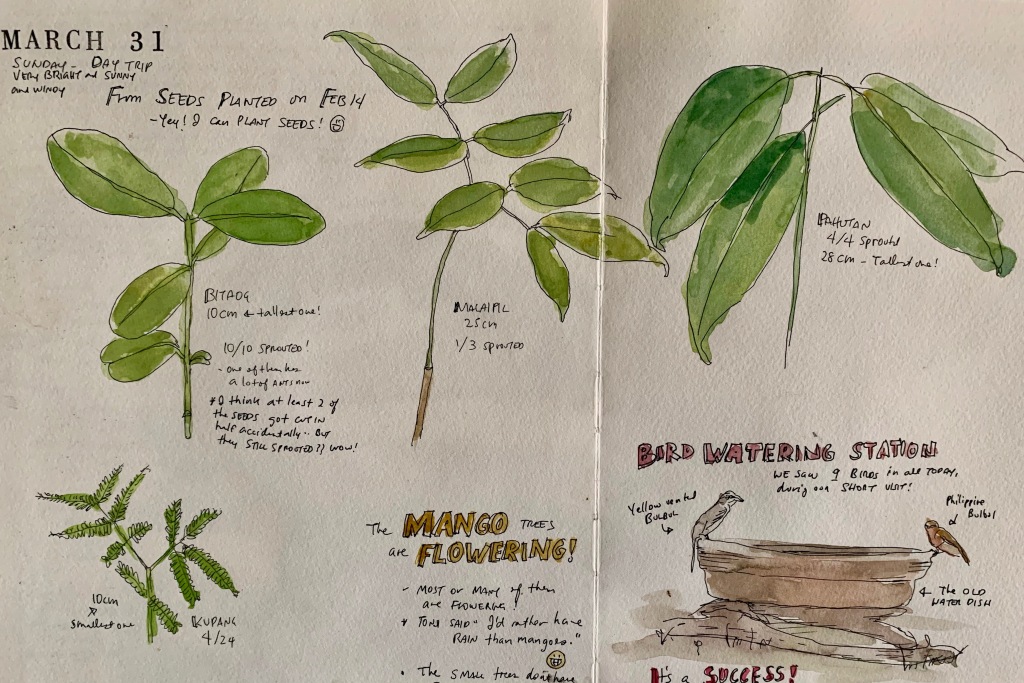
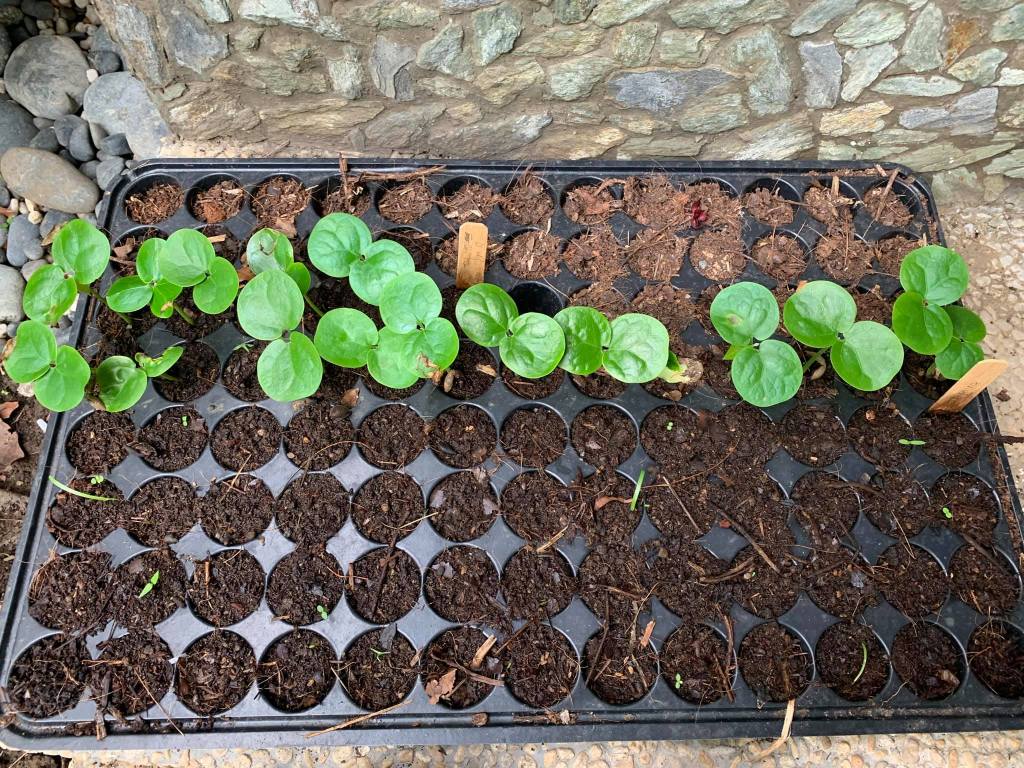
February 2019 – It all started with the free seeds we received from the Horti Fair in Quezon Memorial Circle. The seeds came from members of the Philippine Native Trees Enthusiasts (PNTE) and they had tips on how to treat each seed type of seed before planting it. It was fun to follow the different pre-germination treatment instructions for each type of seed and very rewarding to see the seeds grow!

Philippine antive seeds
from seeds
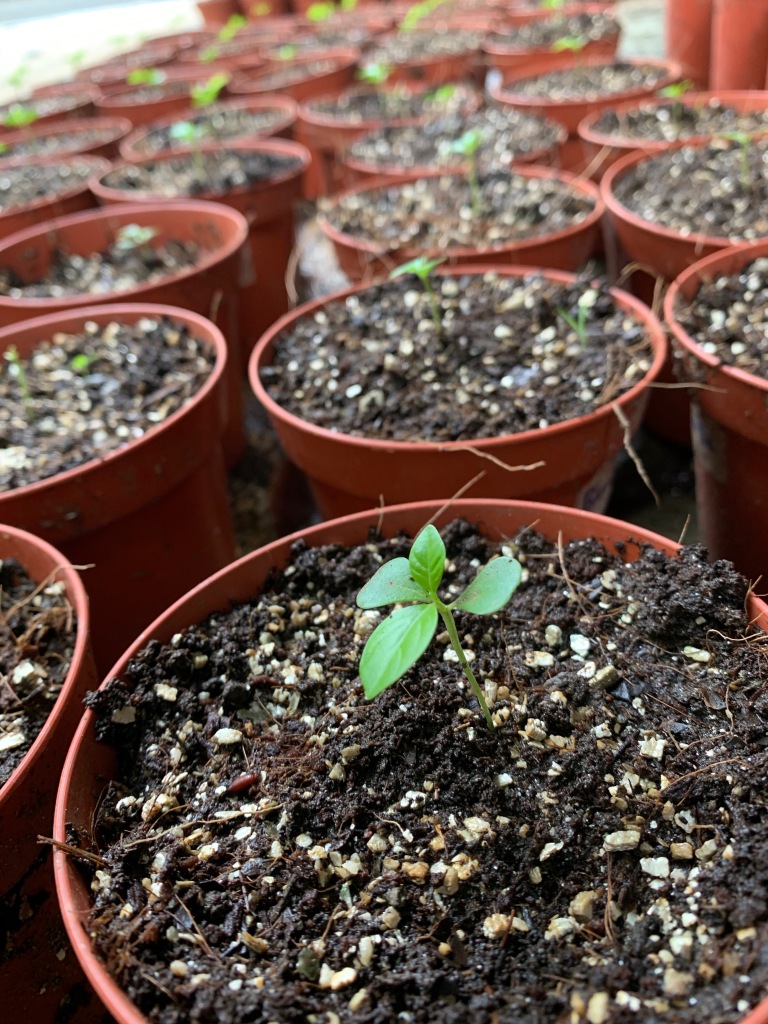
seedlings
to seedlings!

June – We received more free seeds from Philippine Native Trees Enthusiasts at another plant show. This time we kept the seeds at home in Alabang instead of bringing them to Batangas.

from left to right Buri, Malapapaya, Ipil, Taluto

None of the Buri sprouted. The Taluto and Ipil were amazing! They grew quickly and were transplanted to bigger pots after 7 weeks. After a couple more weeks, they were big enough to move to the farm nursery. The Malapapaya is slow growing. They are in individual pots and are just getting their true leaves.

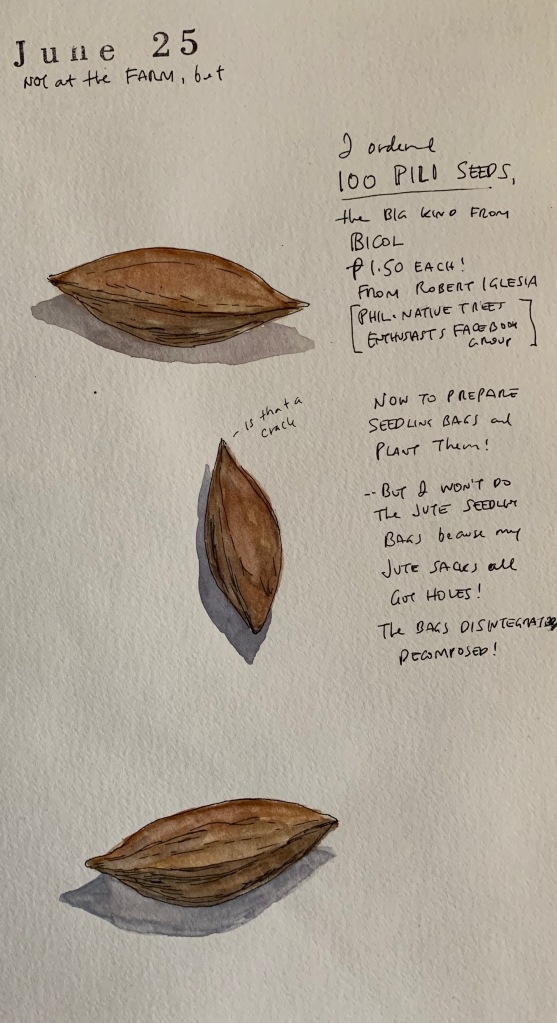
In June, we also bought 100 Pili seeds that we planted and then discarded by August. They weren’t showing any signs of life and we needed the space for other seeds!

Pili seeds

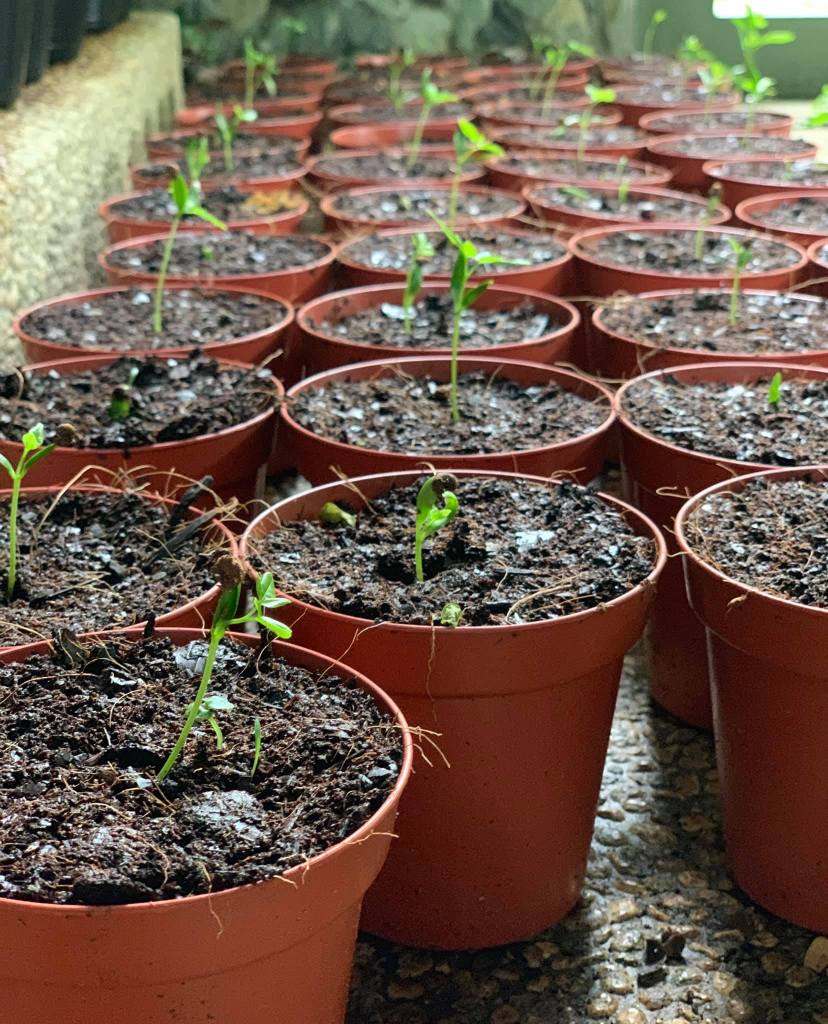
July – We bought 200 Balai Lamok seeds from a member of the Philippine Native Trees Enthusiasts group. We were excited to try the germination technique of Ephraim Cercado from PNTE. He in very successful in growing Balai Lamok.

Success! Back in 2017 we bought 198 Balai Lamok seeds and were able to grow only 8 seedlings. Now with the new germination technique we have 135 seedlings!

I think we can improve our Balai Lamok production even more if we decide to try again next season. We waited too long before planting the seeds and some of them got moldy. I think this may have made the seeds weaker. The potting mix was also too fluffy. It should have been packed down more evenly. The seedlings kept toppling over. We also may have been over watering in the early days.

Our Philippine Teak produced seeds for the first time. We collected them and tried different planting techniques. We were told that Philippine Teak is difficult to grow from seeds. We may possibly have one seed that grew. Or it might be a weed!

Philippine Teak seeds

August – Our biggest month for seed planting so far! We bought 4 kilos of seeds and gathered fruit and pods from 3 kinds of trees in our subdivision.

We gathered Banaba from flowering trees in our subdivision. We experimented on which pods had viable seeds. The pods that were brown and dry and still on the tree but slightly open did the best. The seedlings from pods that were not planted immediately were undersized.

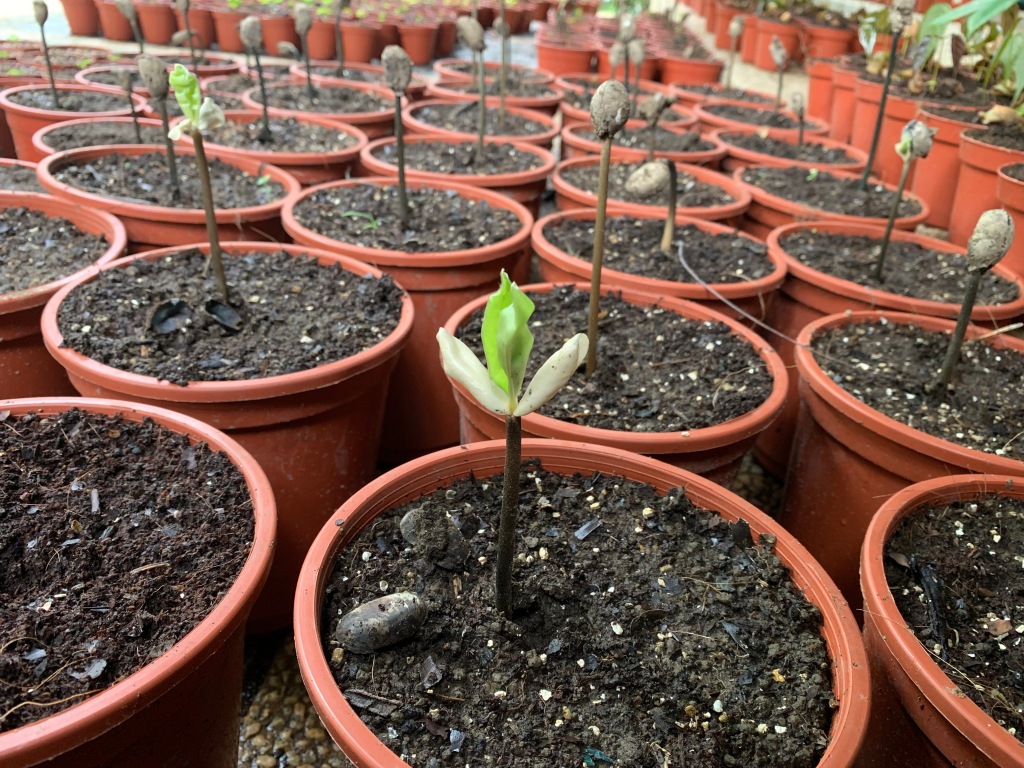
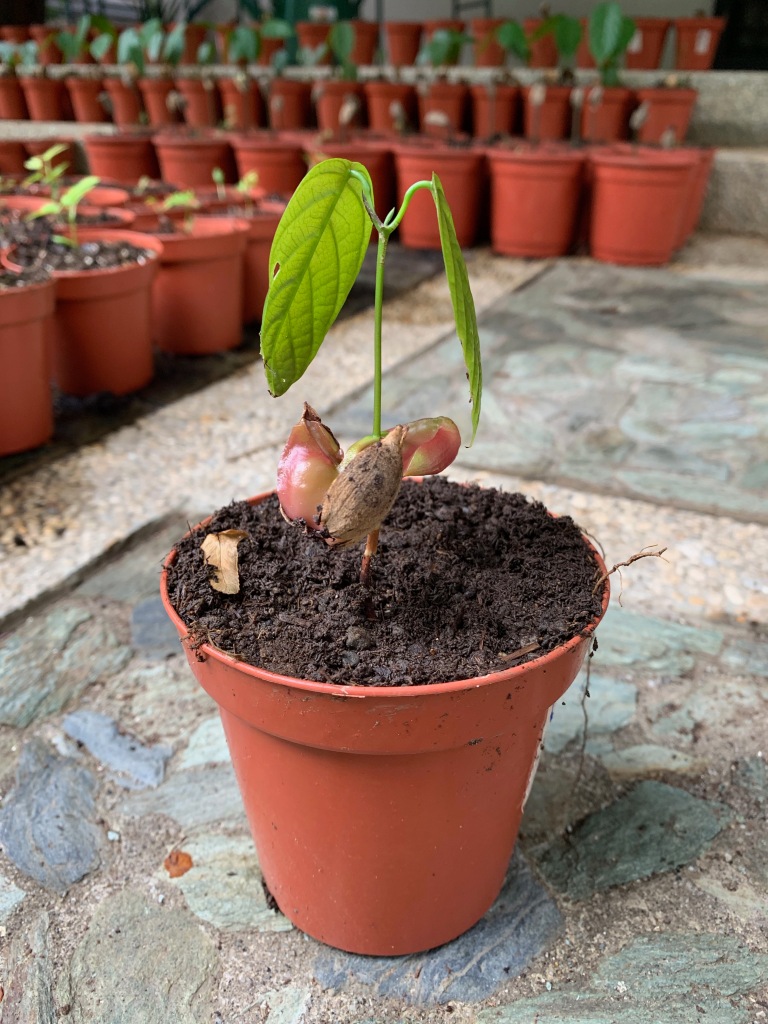
We gathered Mabolo fruit from two fruiting trees in our subdivision. Some of fruit practically fell on our head while we were standing under the tree. We were able to eat those and enjoy the creamy apple flavor. The other fruits on the ground were spoiled, but the seeds were good for planting. All 91 seeds sprouted!

We bought 1 kilo of White Lauan seeds and 1 kilo of Red Lauan seeds from Bukidnon. When the seeds arrived, most of the Red Lauan already germinated! Lauan are from the Dipterocarps family. Their seeds have wings and germinate readily but are only viable for one or two weeks. And many Dipterocarps only have seeds every 5 or more years.

We bought 1 kilo of Anang seeds and 1 kilo of Tail-leafed Panau seeds. Anang is the same family as Mabolo. It also has black wood. Tail-leafed Panau is a Dipterocarp. Most of the Tail-leafed Panau were germinated when they arrived, with very long roots. The Anang hasn’t sprouted yet.

Tail-leafed Panau

Tonji noticed a good looking tree with pods in the village. It turned out to be Bani, a beach forest tree that grows quickly and can produce seeds in 3 years. We planted 35 seeds and are waiting for them to sprout.

Bani seed has a tree design!

All these seedlings from seeds that we bought and gathered are like our little babies. They have taken over the front steps of our house, the side garden, and one section of our lanai. We check on them every day, sprinkle them with rainwater, and pick out the hairy caterpillars that like to eat their leaves. When they get bigger, they will move from our house to the farm nursery and then eventually get planted on the ground.

The next stage of our seed collecting and planting will be collecting seeds from the Philippine native trees in our refuge that we have a lot of and that produce a lot of seeds. Trees like Banato, Alibangbang, and Akleng Parang. Then we can distribute them among the tree-loving members of the Philippine Native Trees Enthusiasts group so that even more people can learn to enjoy planting the seeds of Philippine native trees!