Birdy October!

We had an awesome October full of birds and flowers! We finished building the big pond in September and then we had an incredibly fabulous October full of birds and flowers and fruits! Was that the effect of the big pond or just a coincidence?

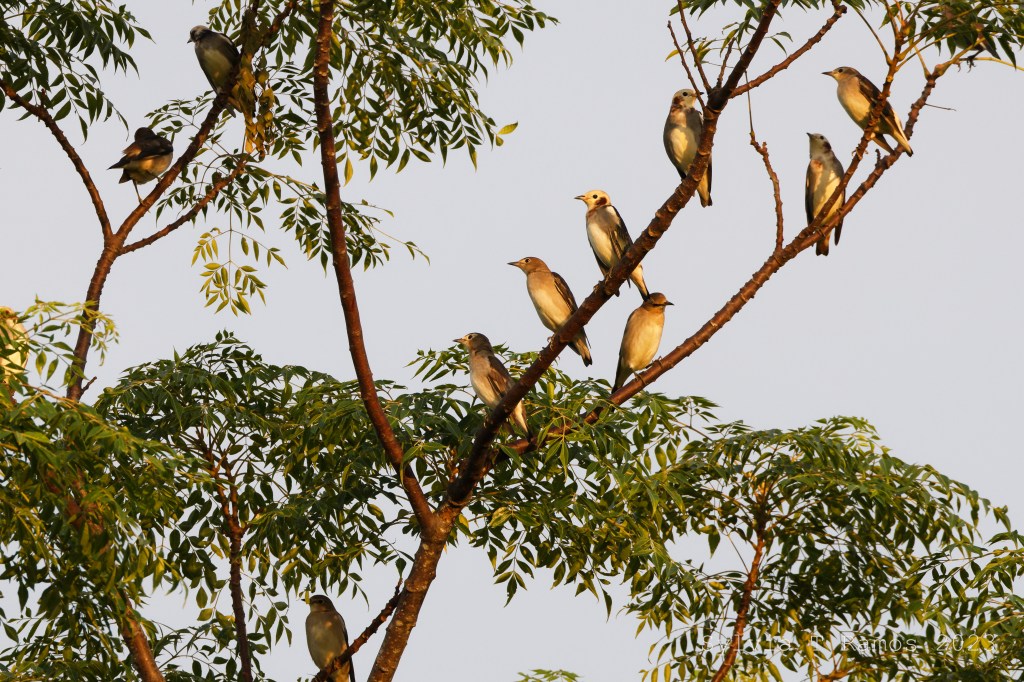
We had 2 new bird species at our refuge! Two new species in one month is very good for us. We have now seen 106 bird species at the refuge. The new birds are Chestnut-cheeked Starling Agropsar philippensis and Little Ringed Plover Charadius dubius. Both species are winter visitors to the Philippines.

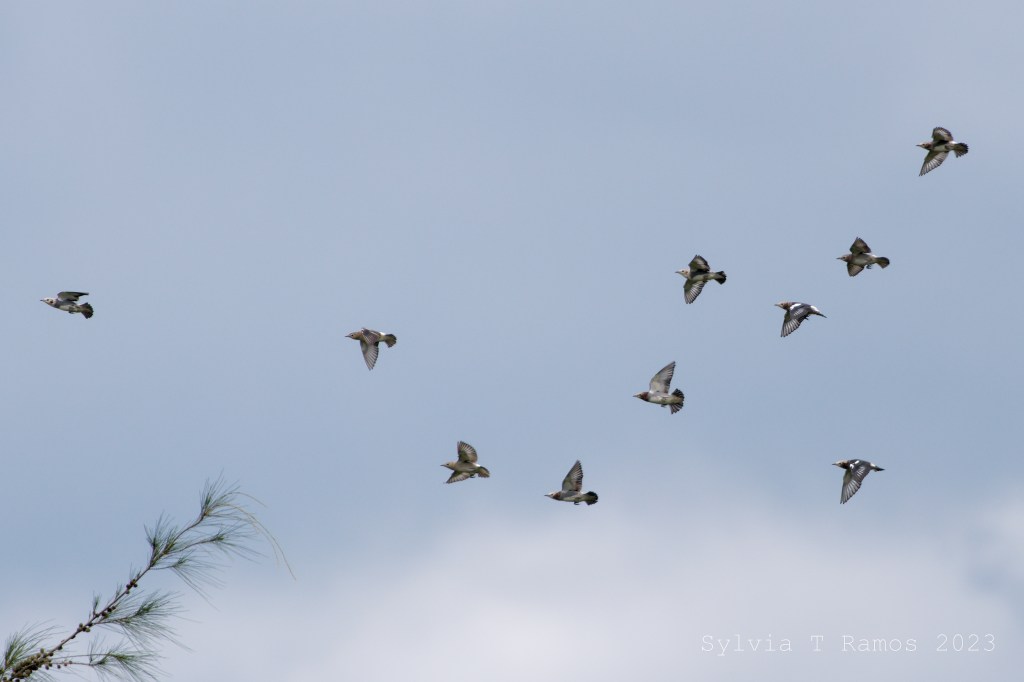
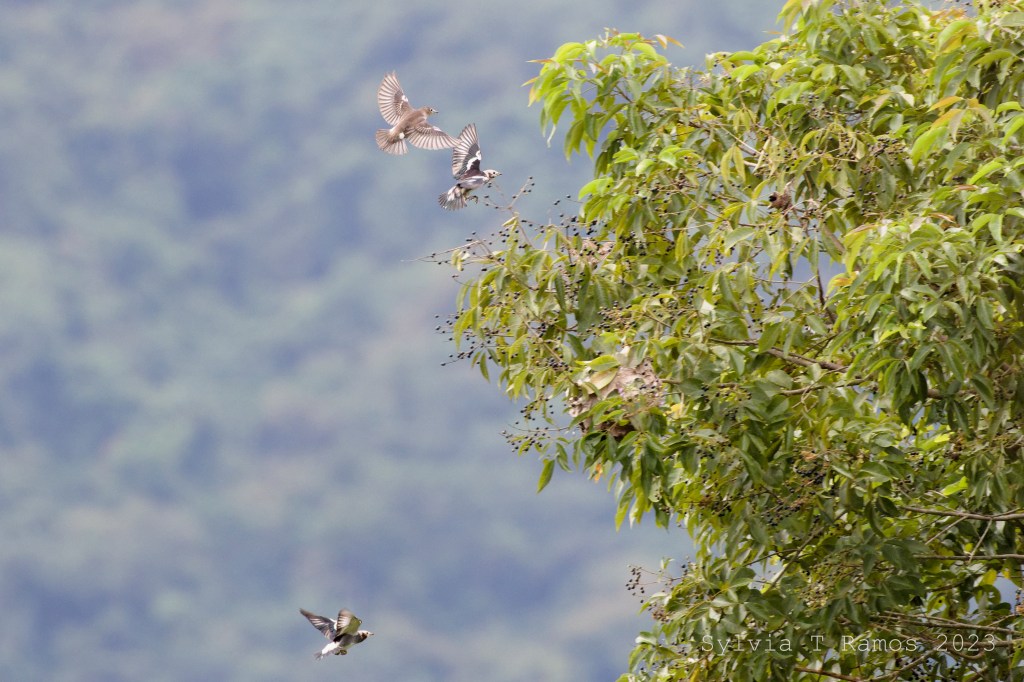
Chestnut-cheeked Starlings are exciting birds to watch. They gather in big flocks and fly together from one tree to another. They have the ability to disappear into the tree they land in! One moment you see a big flock of birds, and the next moment they’ve disappeared! Tonji estimates that there were 300 Chestnut-cheeked starlings in our place. It was difficult to get an accurate count because they were in small flocks and would show up in different spots.

Seeing all those starlings in our place was a dream that was at least ten years in the making. We used to make the 9-hour drive from Manila to Laoag to see look for migrant birds like Chestnut-cheeked Starlings. In 2013, our friend from Laoag Richard Ruiz gave us a mulberry tree to plant in our refuge so that we could attract our own flocks of starlings! The mulberry tree did not do well, but the flocks of starlings came anyway! We saw them on the fruiting Banato and Agoho trees.

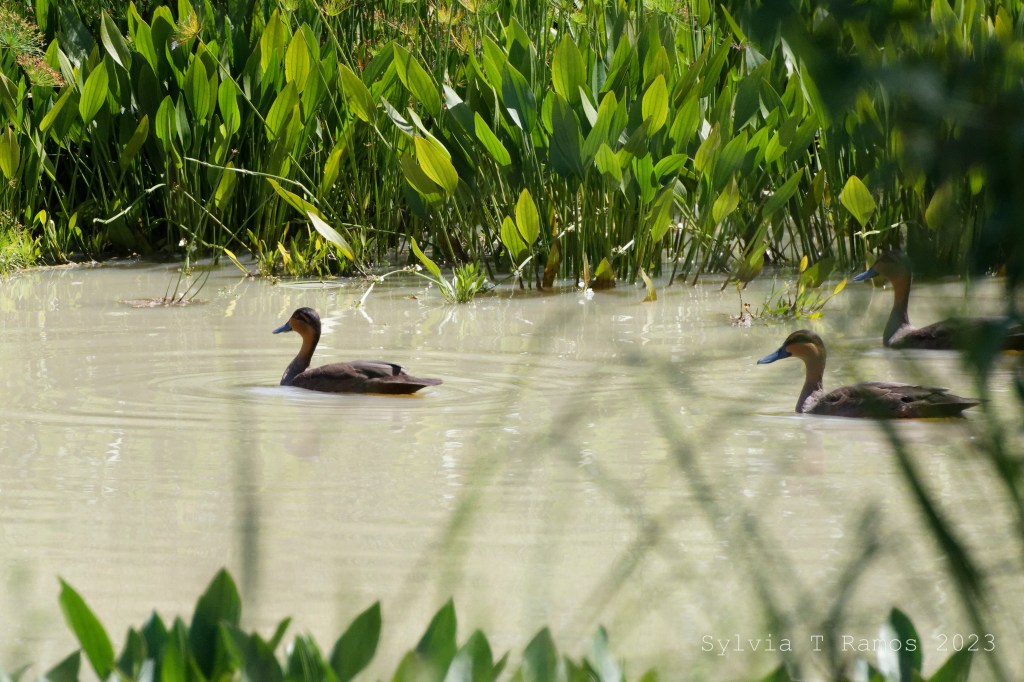
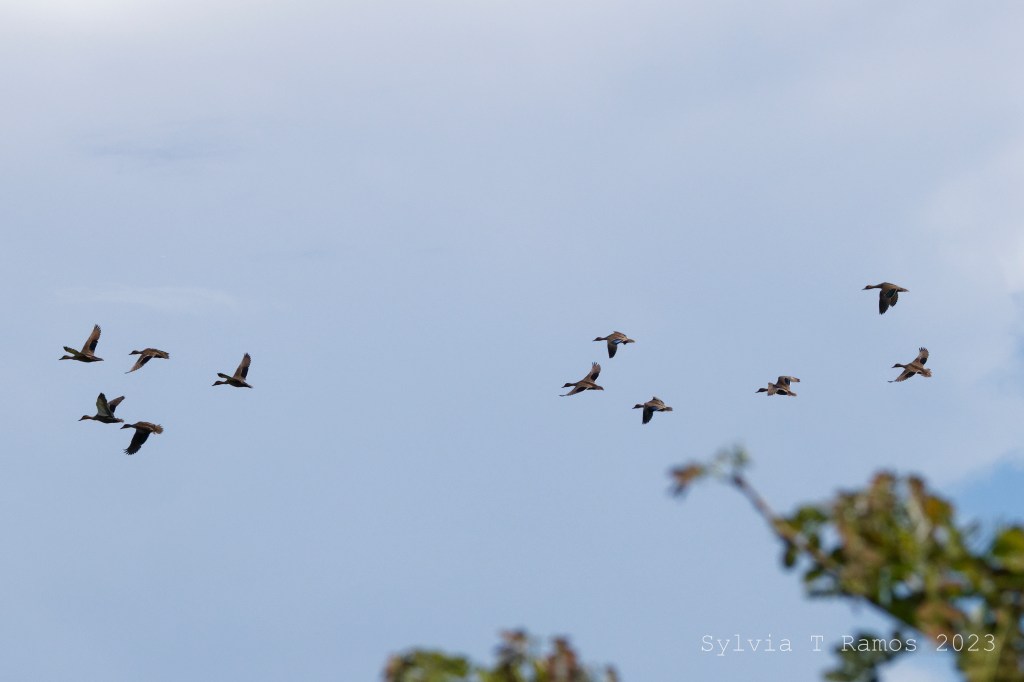
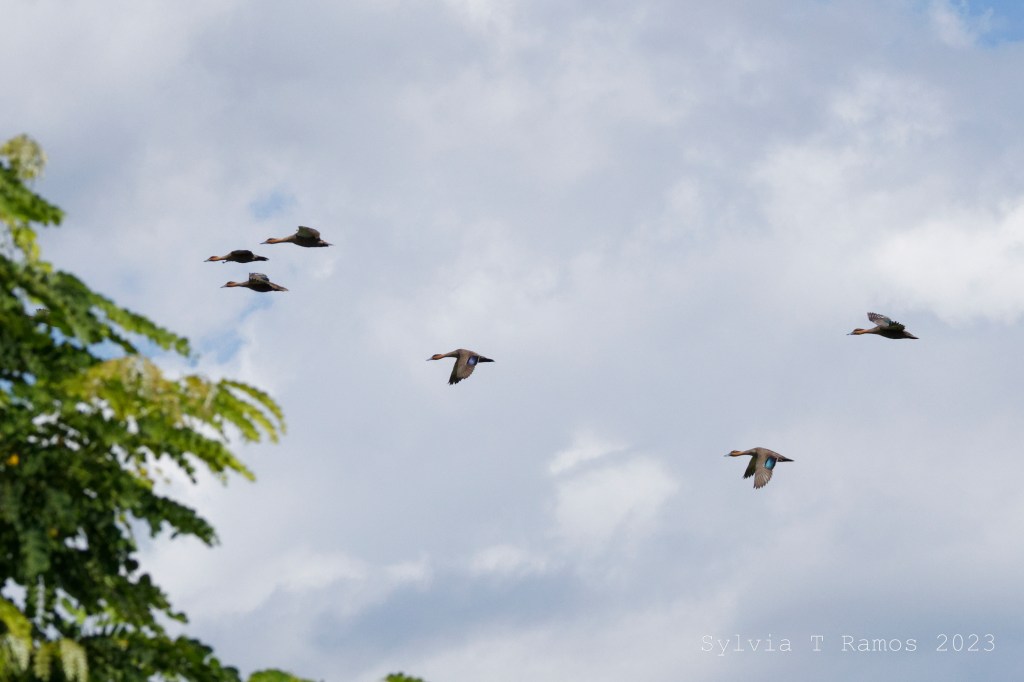
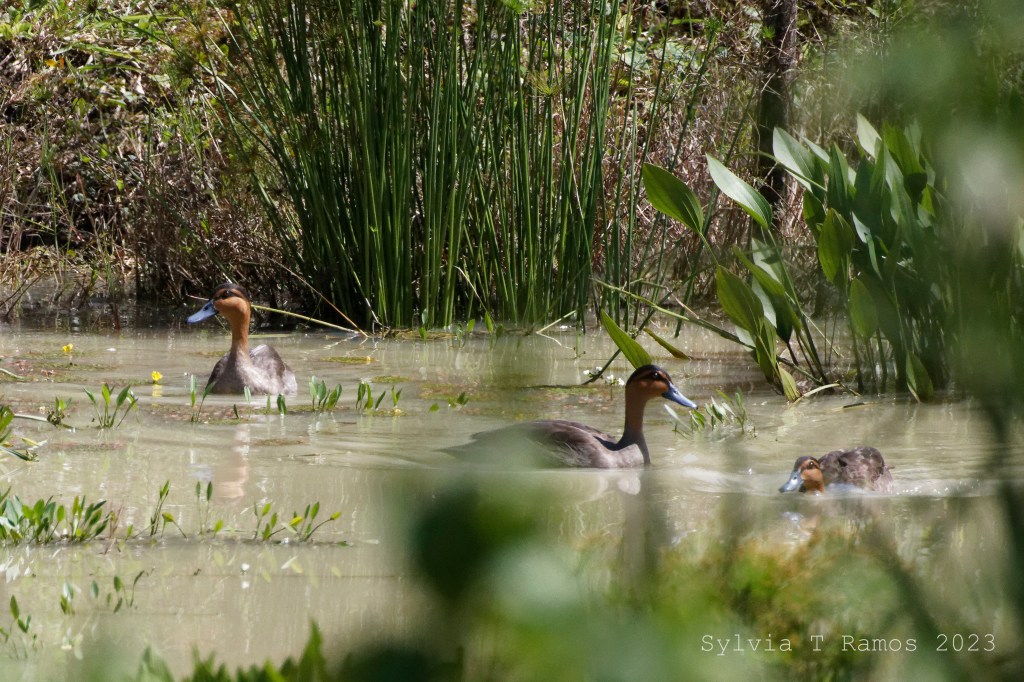
Another big dream come true moment was at the water lily pond. Tonji went out on the tractor to cut the grass. Then after a short while, he came back to the cottage and signalled me to to get the cameras. There were 12 Philippine Ducks swimming in the water lily pond! It was noon and they were resting in the shade of the water plants! This is the most Philippine Ducks we have seen swimming at one time!

The other new bird we had was a solo Little Ringed Plover that seemed to be inspecting the new pond! Little Ringed Plovers are usually found in flocks in wetlands and along rivers. Perhaps next time this Little Ringed Plover will bring in the rest of its flock.

Little Ringed Plover

There were other birds inspecting the new pond.

The plants also chose this month to show off. The Balai Lamok near the house had the most flowers it has ever had. A few years ago, Balai Lamok trees were touted as the Philippines version of the Japanese cherry blossom. The photos of the mature trees full of flowers truly made one want to go out and buy seedlings! It became one of the most sought after trees among Philippine tree enthusiasts. When our Balai Lamok trees did flower though, they would only produce a handful of flowers. It was undewhelming and made me think they tree was over-rated. Until our tree produced this abundance of flowers!

Balai Lamok

The guava trees had bigger fruits than before. I thought that we had some kind of dwarf or native variety of guava that had tiny fruits. It seems that as the tree gets bigger, its fruit also gets bigger! 

I saw an Alibangbang tree full of buds! This was a first for me. I usually see them full of seed pods and miss the flowers completely.

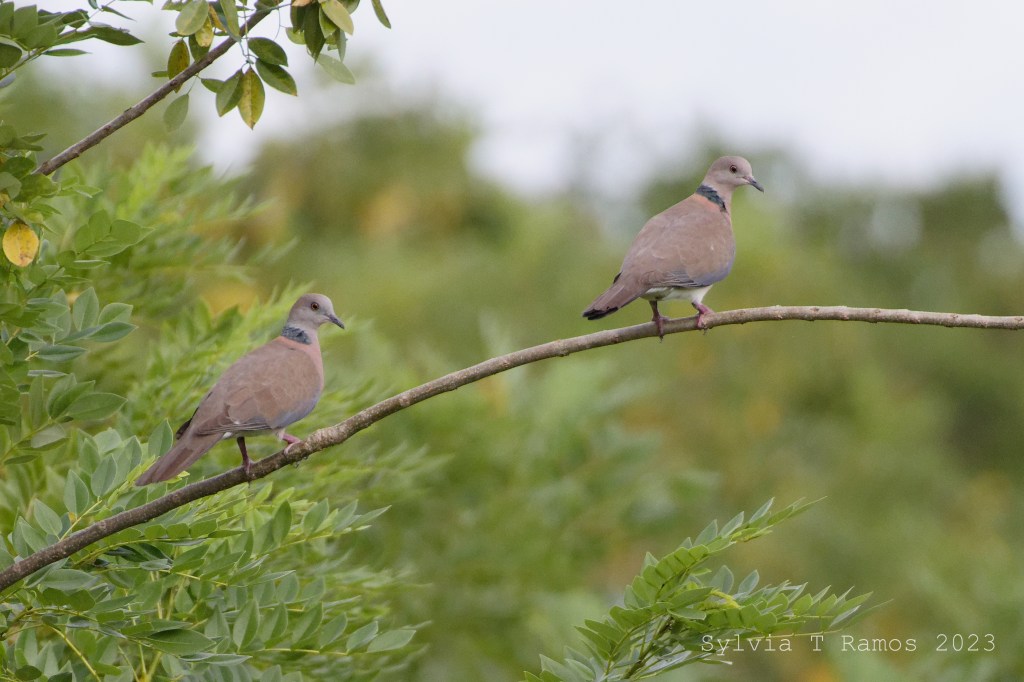
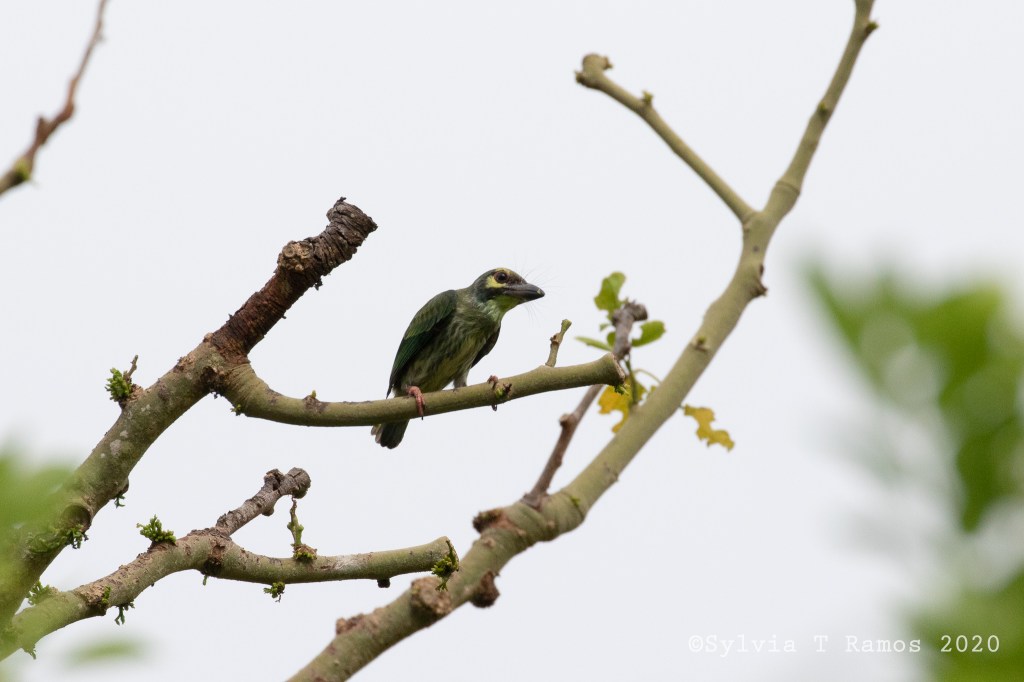
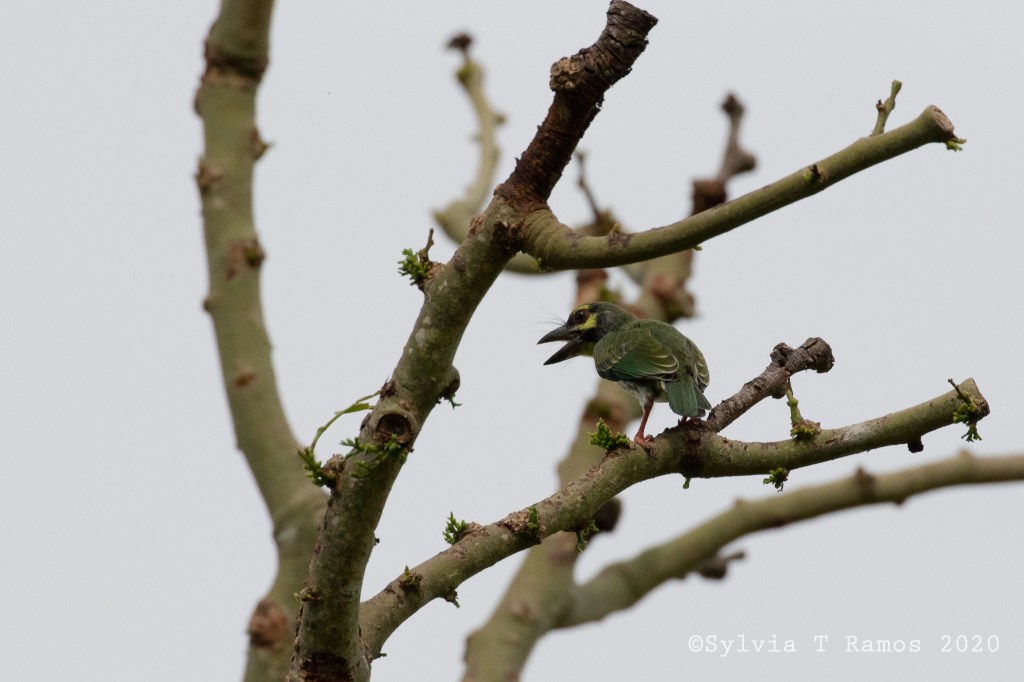
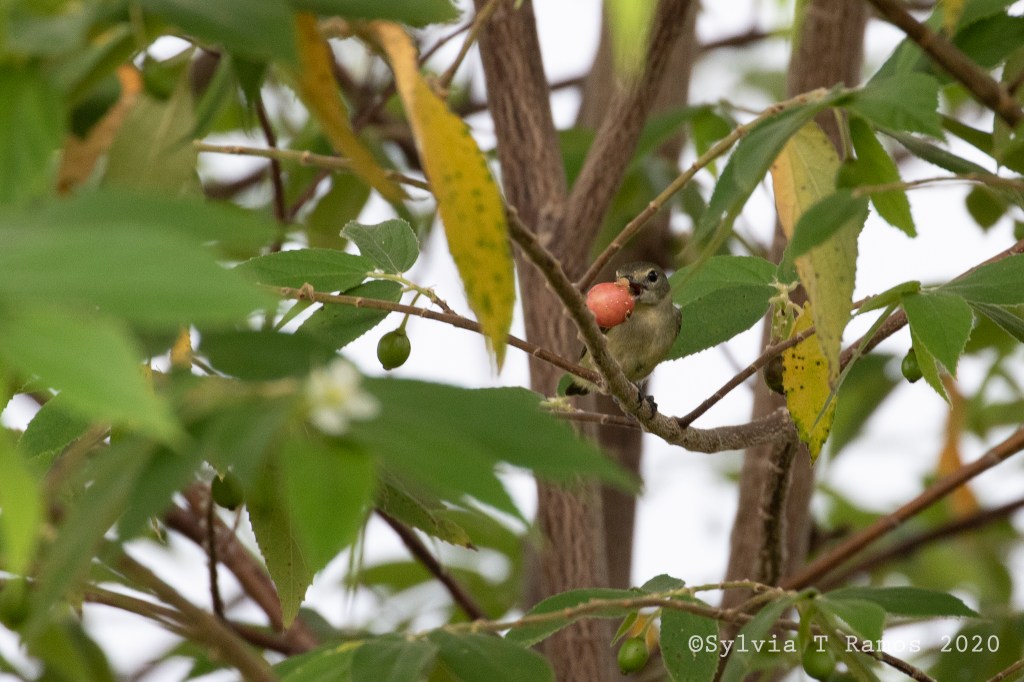
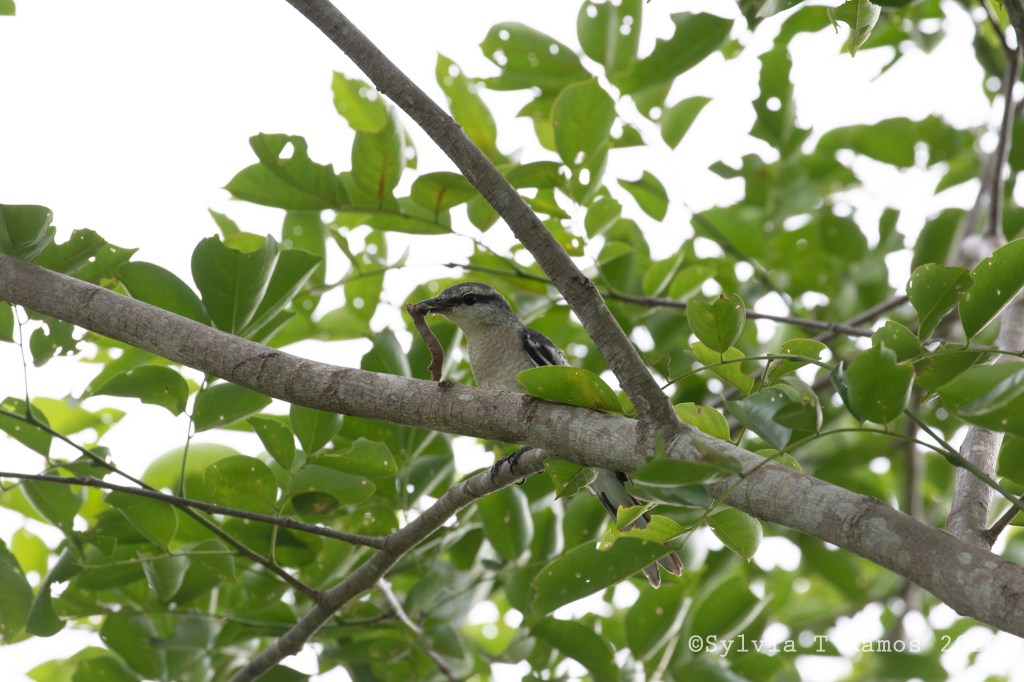
And here are more birds we saw in October!

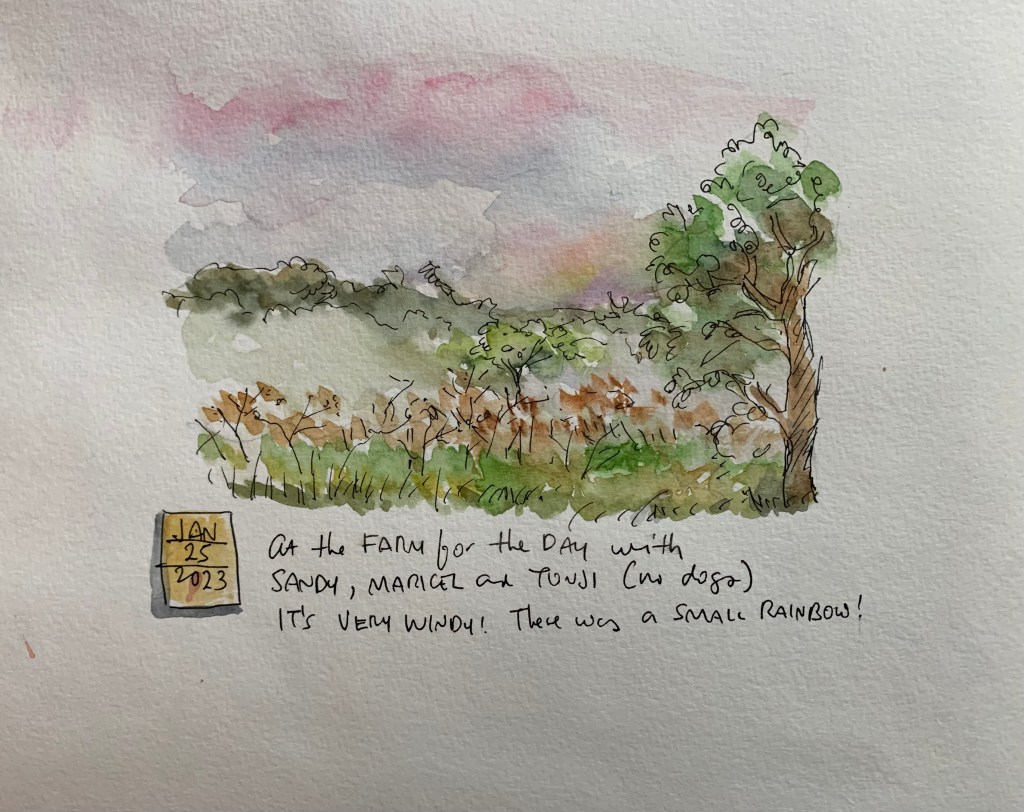
January 2023

It is nice and cool at the refuge. Our Malabulak trees have so may buds! It will be amazing to see them covered in flowers. The Katmon is also full of fruits. Or are they big flower buds? I am not sure!

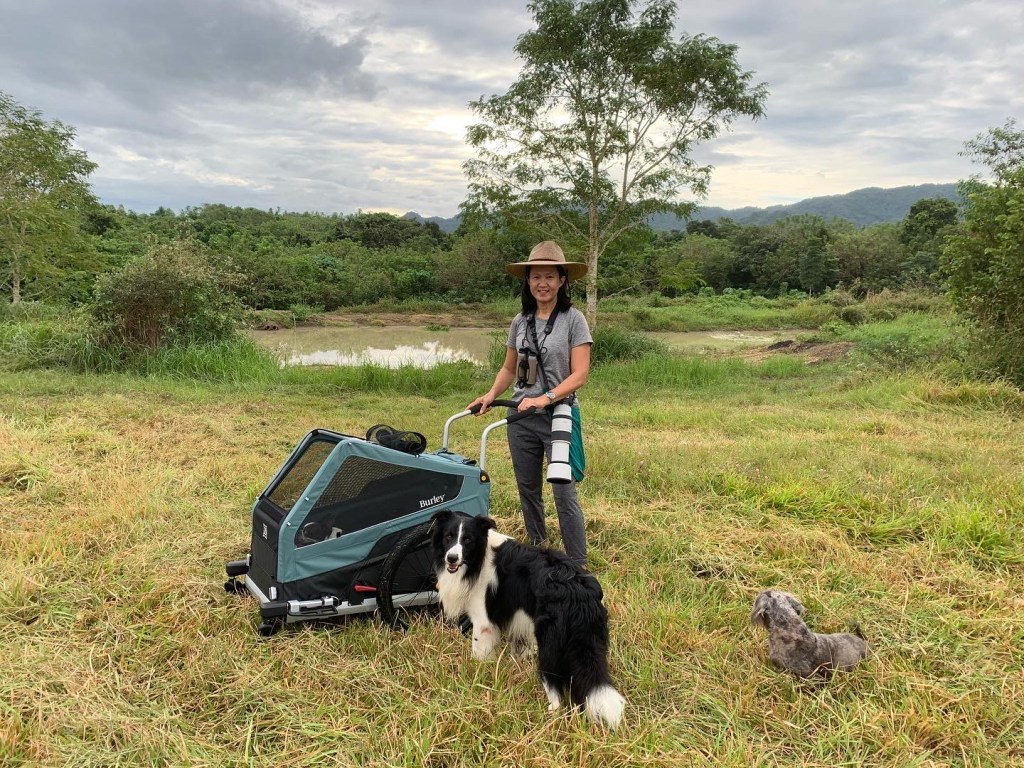
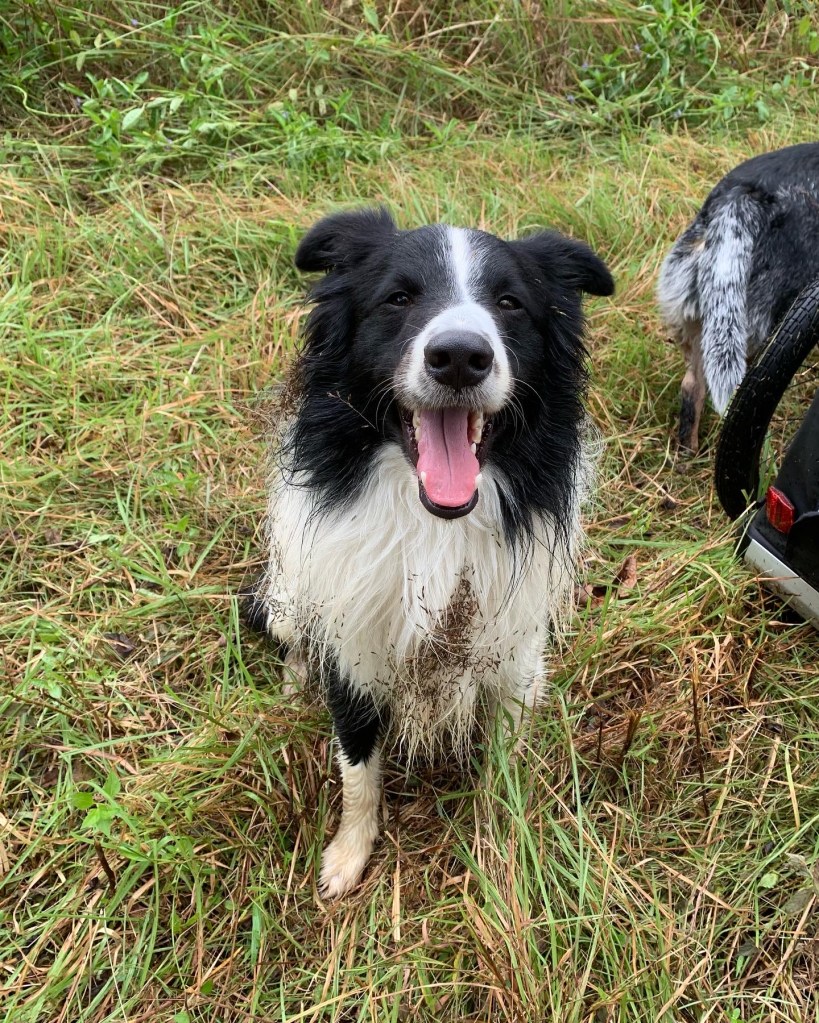
Now that we have the Burley Bark Ranger, we can go walking for as far and as long as we want without worrying about Momo and Barkley getting too tired. Both of them fit inside!

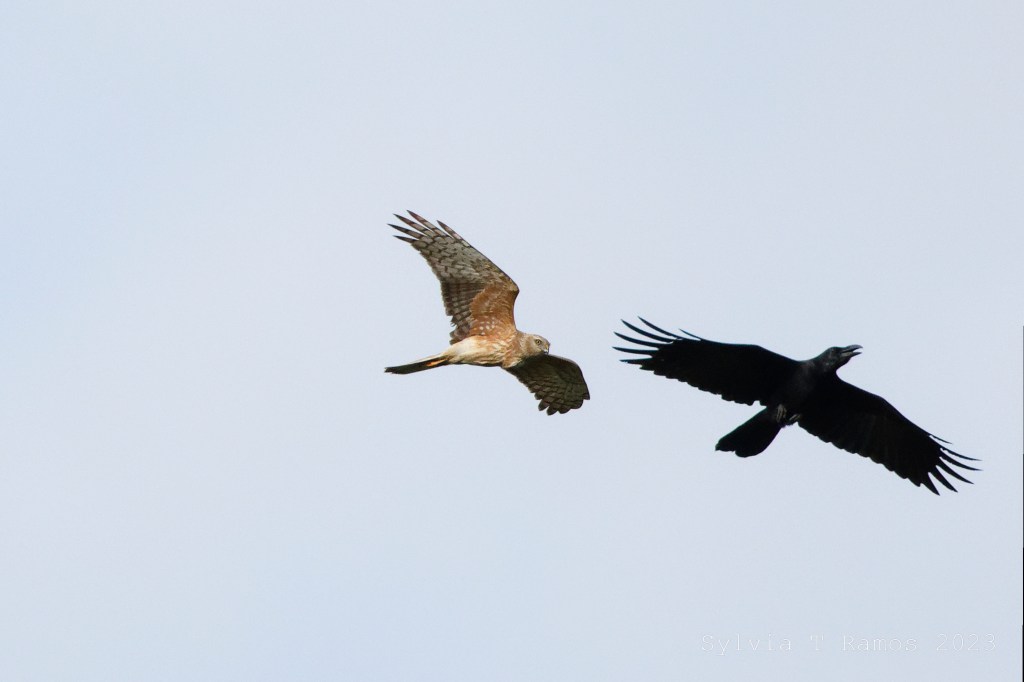
We went on a 2 hour walk in the morning. First we saw the Pied Harrier getting mobbed by crows. At first there were just 2 crows. Then there were about 6 crows. Poor Pied Harrier!

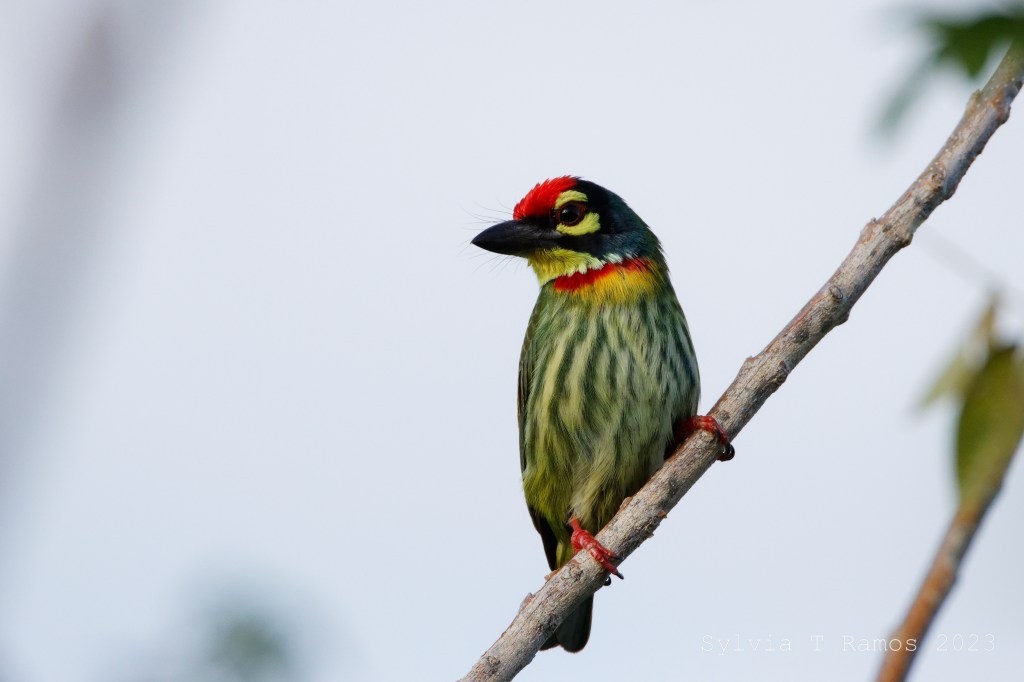
Next we saw 2 Coppersmith Barbets in a small tree right by the path. They did not fly away even when we walked past them. This was very unusual. We don’t usually see Coppersmith Barbets and it’s much more common for the birds to fly away when they see us.

We walked to the pond, then decided to go to the mango area. After that we walked on the road to the pavillion area, then back to the cottage through the nursery. I saw a Grass Owl fly by when we got to the house. But no pictures of that.

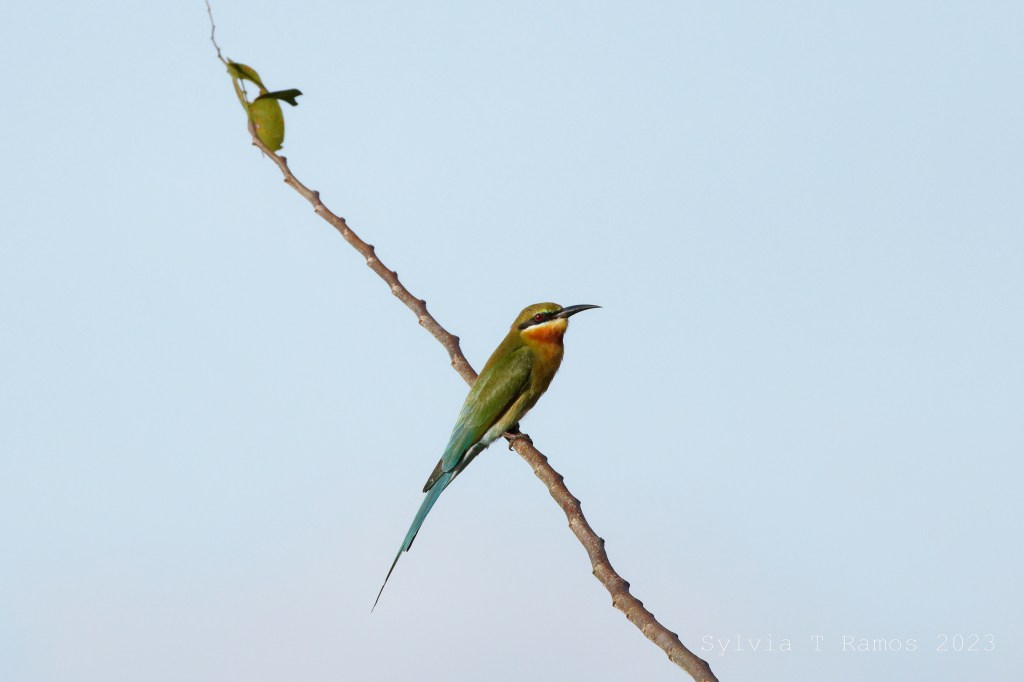
Blue Tailed Bee Eater

Other Interesting things in January

CIVET CAT – Tonji saw one Civet cat at the start of the year

A VERY DARK DUCK – Tonji thinks it could have been a Wandering Whistling Duck, which we already have in our bird list

TURTLE – I found out that the workers saw a land turtle in the secret pond! I haven’t seen that!

2 PHILIPPINE DUCKS – it was good to see the ducks again, but why are there only 2 of them? What happened to the others?

MAYBE 2 GUIABEROS – We saw two birds flying and heard a high pitched call that was similar to but not quite a Colasisi call. Could it have been 2 Guiaberos? That would be new to our farm bird list! We just saw them as silhouettes and the shape looked possible for Guiabero.

MUCUNA sp – There is Mucuna / Cowpea vine is crawling on the ground at the top part of the pond. We need to remove it because the flowers are very itchy!

VISIT WITH FRIENDS – It’s nice to be able to show our friends the water lilies! It’s like we have an added attraction at the refuge.

Two New Bird Photos for the Farm Bird List!

This week I got photos of two birds that we’ve seen at the refuge but never photographed at the refuge before! It makes me so happy to add to our list of birds photographed at the refuge.

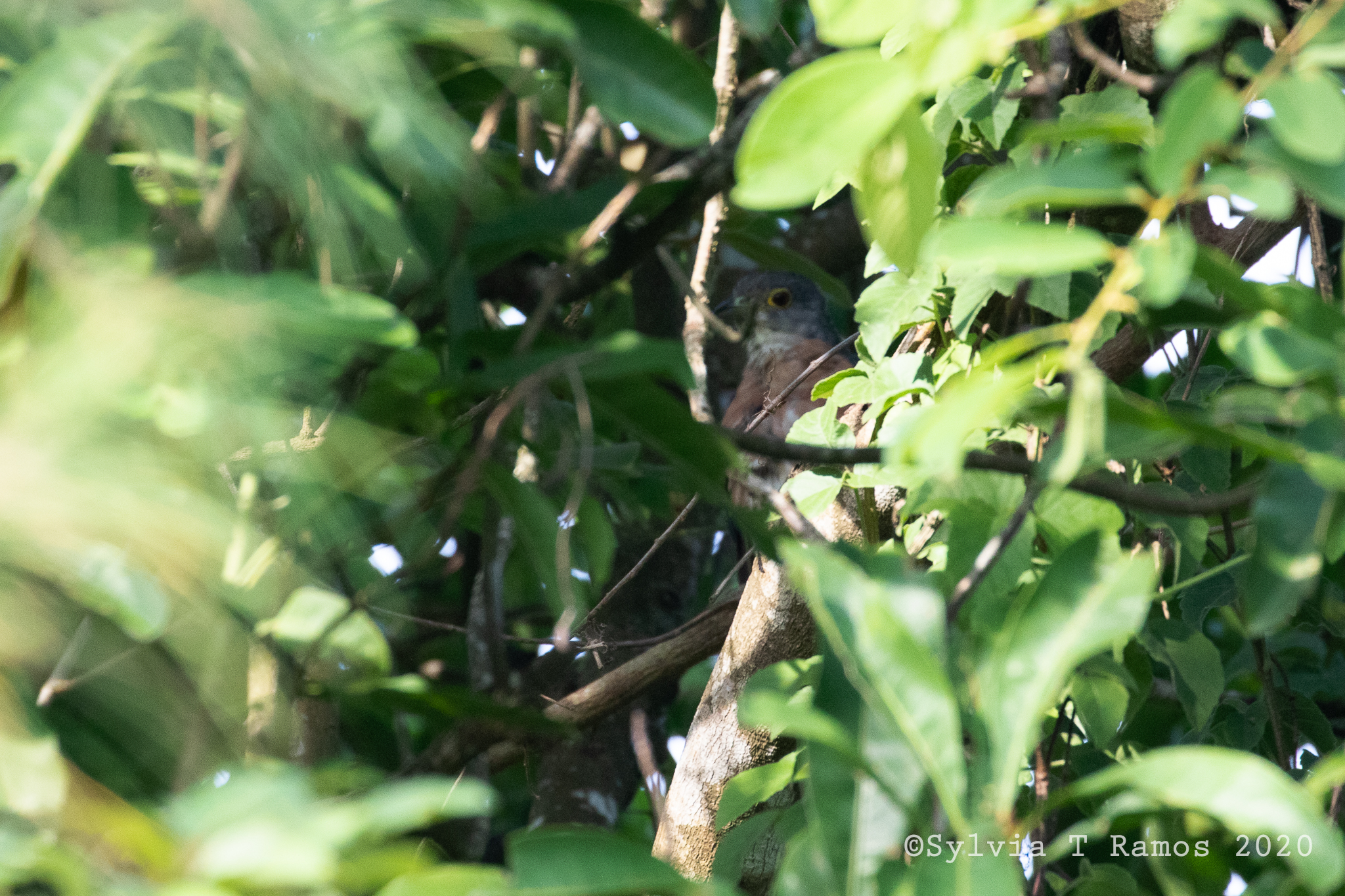
The first one is the Philippine Hawk Cuckoo Cuculus pectoralis that I thought I photographed during our previous visit to the refuge. This time I searched for it in the trees so I could take a picture. This bird was doing its best to stay hidden inside the tree, behind a branch. I have a lot of pictures of the branch! This still counts as a bird photo since the bird is recognizable!

_E7A6120
Philippine Hawk Cuckoo .. can you see the yellow ring around the eye, gray head, and white throat? That’s the bird!
_E7A6133
Philippine Hawk Cuckoo flying away from me

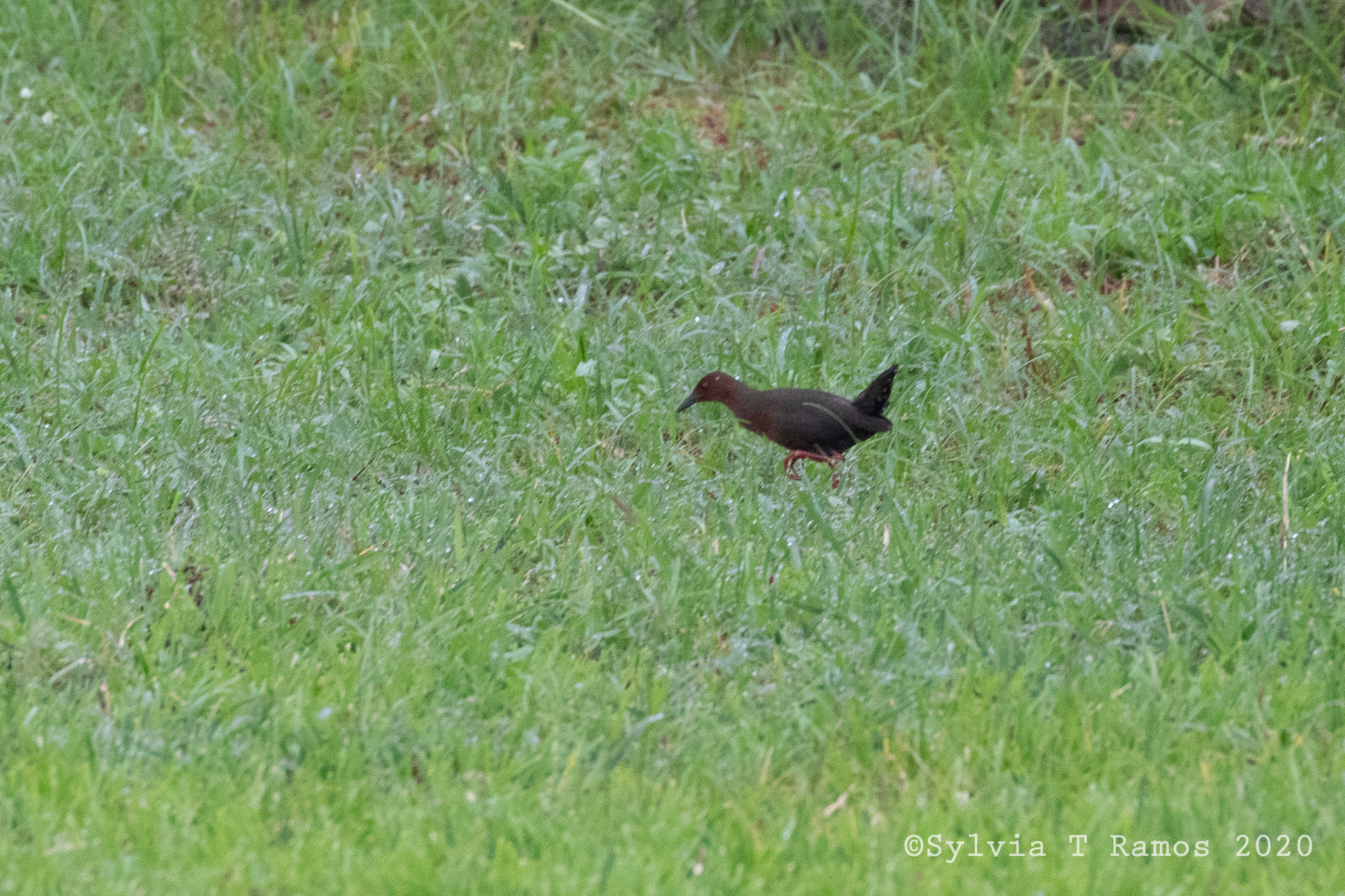
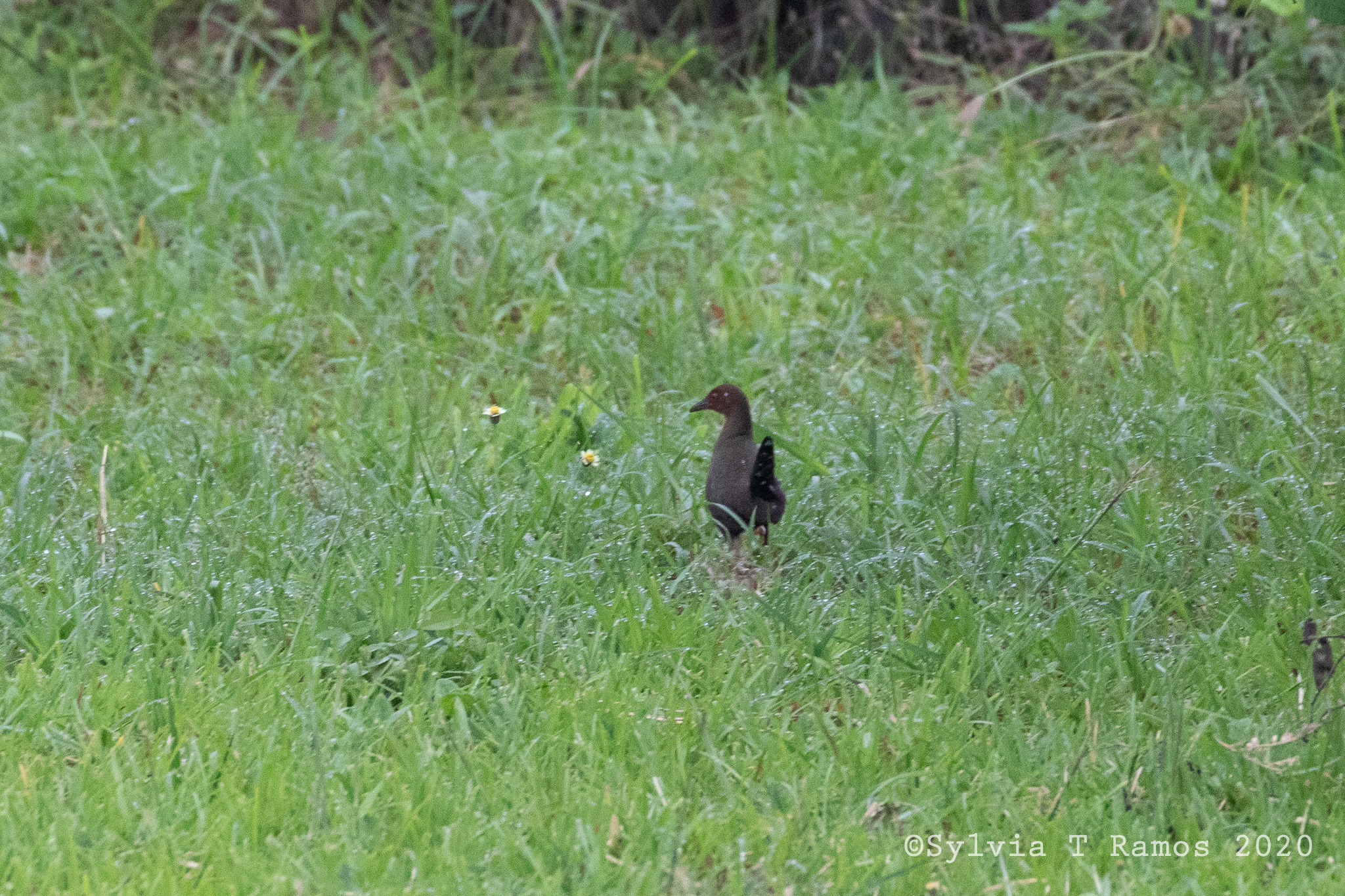
The second one is a Ruddy-breasted Crake Porzana fusca that silently showed up in the former round pen at around 6:15 in the morning. It stayed long enough for me to run into the cottage, grab my camera, and take photos from the veranda! It was walking back and forth, foraging in the grass like a chicken. I thought it was a wild chicken. It did not immediately register that this was a Ruddy-breasted Crake, a bird that is considered difficult to see. Aside from our refuge, the only other places we have seen this bird are in Tarlac and Tadao, Ilocos Norte.

Tonji first saw this bird in our refuge in August 2018. He saw two adults and one black chick in the mango area. Now, less than two years later, we have a photo!

_E7A6189
_E7A6200
_E7A6176

All that time spent trying to get better photos of the Philippine Hawk Cuckoo was not wasted. I got better photos of other birds!

I had very close views of some Coppersmith Barbets.

And I got to watch the birds hanging out, eating fruits, and catching insects!