Our visit started of not so great — I was upset because Ollie rolled in horse poop two times and Tonji was upset because of farm tasks that hadn’t been accomplished.
Then
Then things got better
Going outside for a walk with a camera, binoculars, and (now clean) dogs is a sure way to make things better. The grass rustling underfoot and the birds singing in the trees is instantly uplifting!
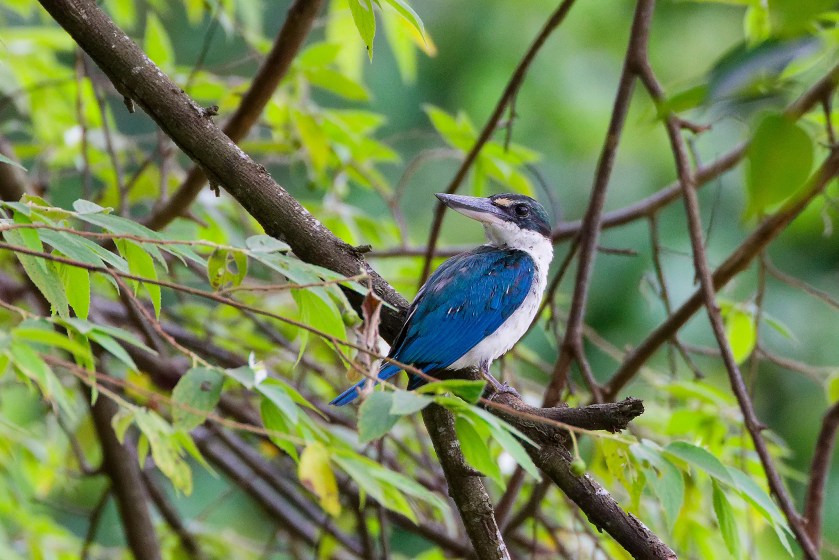
Collared KingfisherStripe headed RhabdornisLesser Coucal posing with guava fruitWhite-breasted Waterhen
I also saw the Orioles, Pygmy Woodpeckers, Coppersmith Barbet, and more!
Then things got even better
I always expect something good from the Big Pond. This time, it exceeded my expectations! To get to the pond from the cottage, you cross a bridge then walk up a short but steep incline, then end up on top of the bank of the Big Pond. This is my usual viewing area. I am at one end of the pond and the ducks are at the other end.
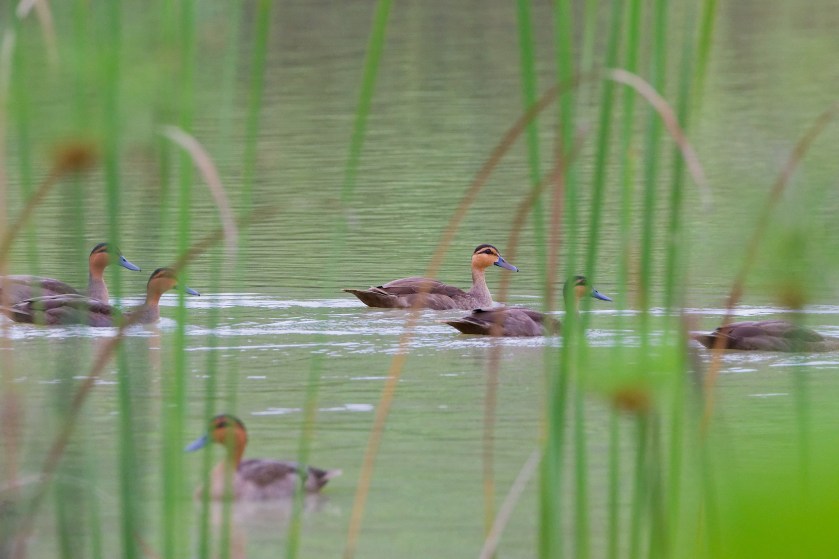
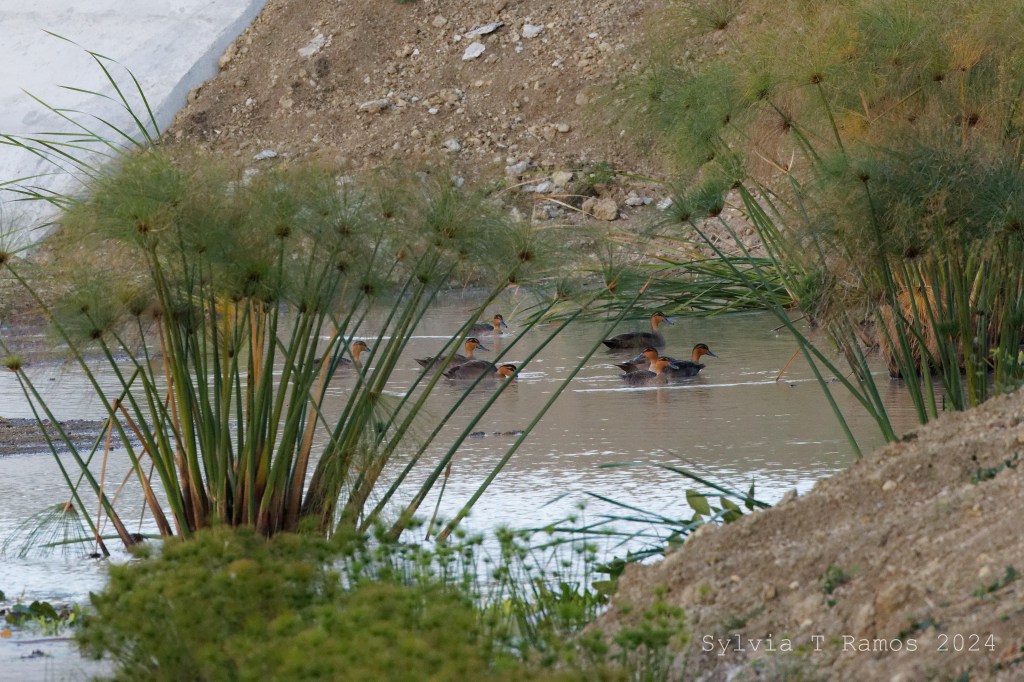
This time I had to stop before I reached the top of the bank because there were so many ducks in the pond! There were ducks swimming right below the area where I would usually stand! This was the closest I had even been to the ducks in the refuge.
I didn’t want to scare the ducks away, so I stayed just halfway up the incline and waited for the ducks to swim into view, and took pictures from there. I was so happy with the pictures!
The following morning Tonji took drone footage of the Big Pond and counted the ducks. The number we had in July was 47 ducks. Our guess before going through the drone footage was at least 80 ducks. And the count from the drone footage was .. 136 ducks!
And it was all magic!
We were feeling elated and and high from seeing all the ducks and even a bayawak in the Big Pond. It had all worked so well that day — the pond, the ducks, the drone! And then, there was one more surprise for us. When night fell, the fireflies came out and put on a magical show at our Firefly tree!
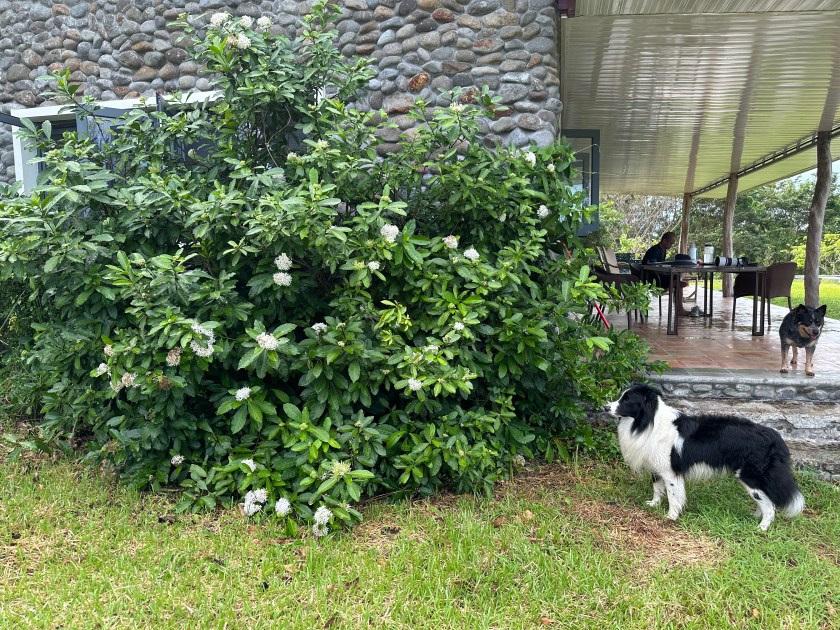
We had a rainy but nice last visit to the refuge for 2024. The veranda of the cottage is a great place to see all kinds of things.
Native santan bush that’s starting to look like a small tree.
native santan
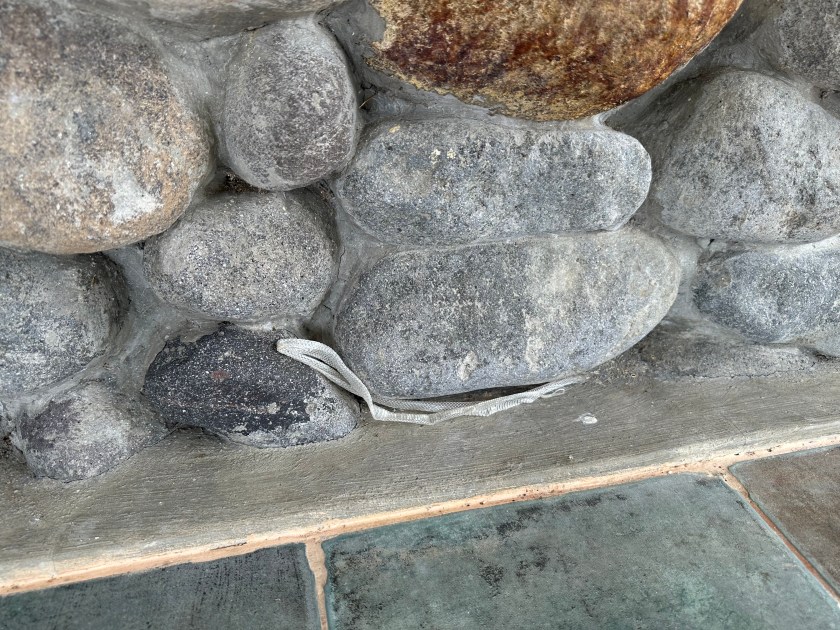
Small snake skin
snake skin
And of course, birds!
White-eared Brown Dove in the aratiles tree. We have a lot of these non-native aratiles trees because the birds love their fruits.
White-eared Brown Dove
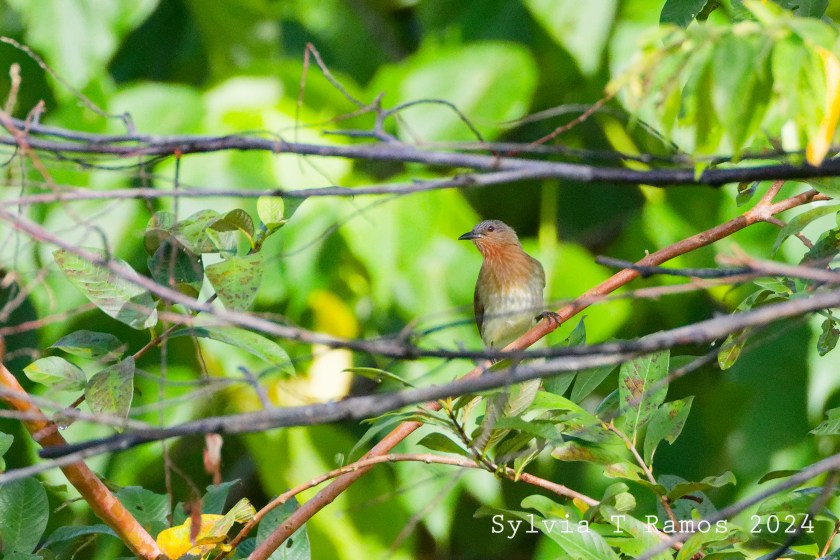
Philippine Bulbul
Philippine Bulbul
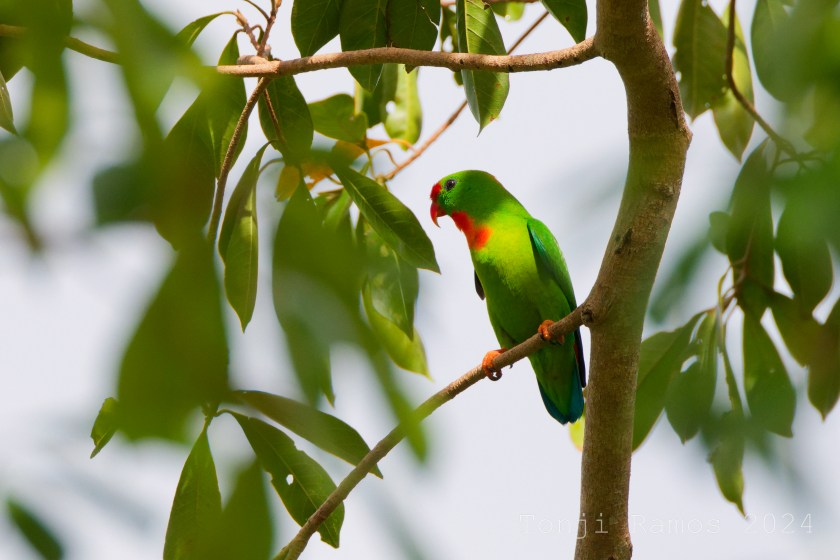
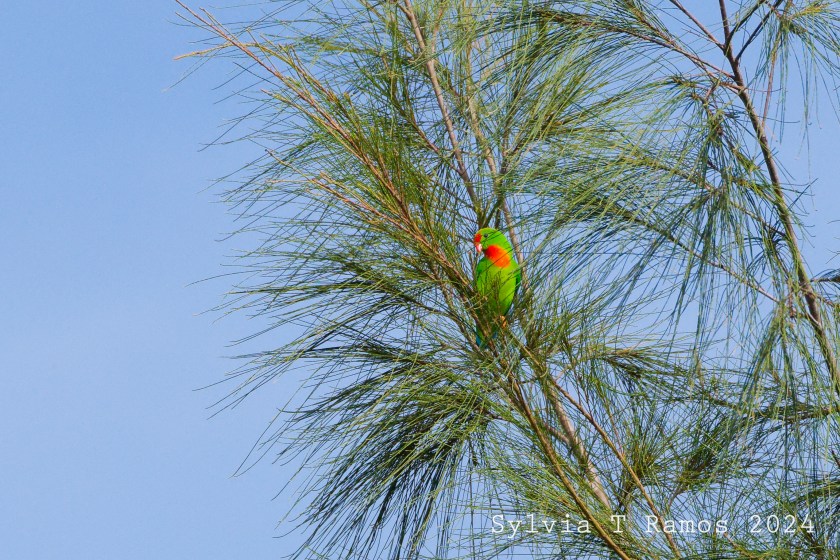
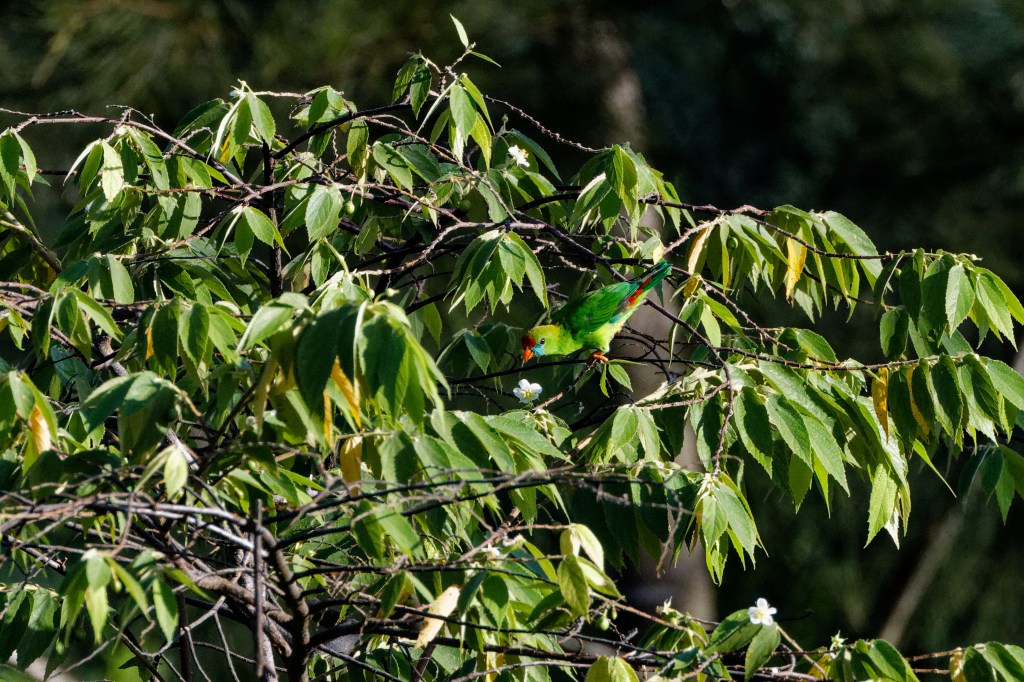
And one of our favorite birds, the Philippine Hanging Parrot or Colasisi. When we hear the call of this bird we already know that we it will be perfectly blended into the leaves and will take a bit of searching before we see it.
Colasisi
Unless it’s perched on the Agoho!
Colasisi on an Agoho tree
Tonji wanted to try something new at the Big Pond. Instead of using a ghillie cape like the last time, he set up a 2-seater hide by the pond.
Ollie with the bird hide
He left it by the pond overnight so that the birds could get used to it. Then he snuck inside early the next morning while it was still dark and waited to see what would show up. He thinks that the ducks were wary of it and kept their distance. But he got to see other birds in action!
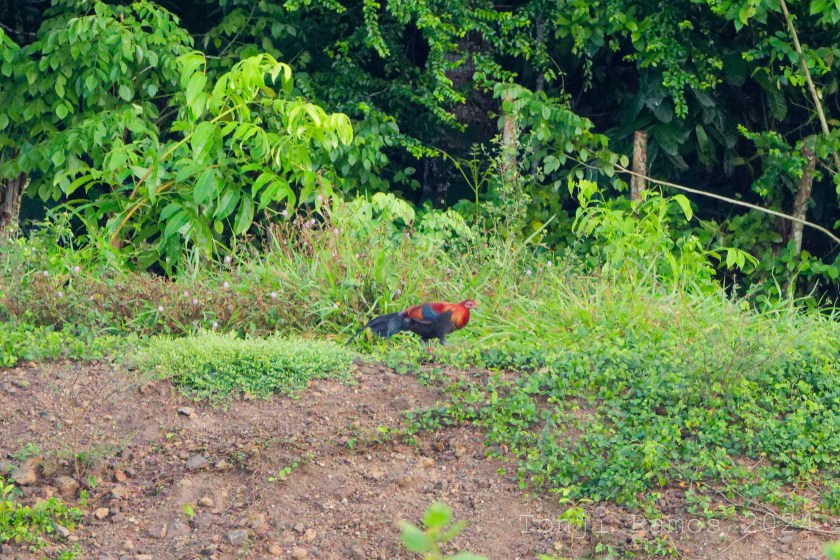
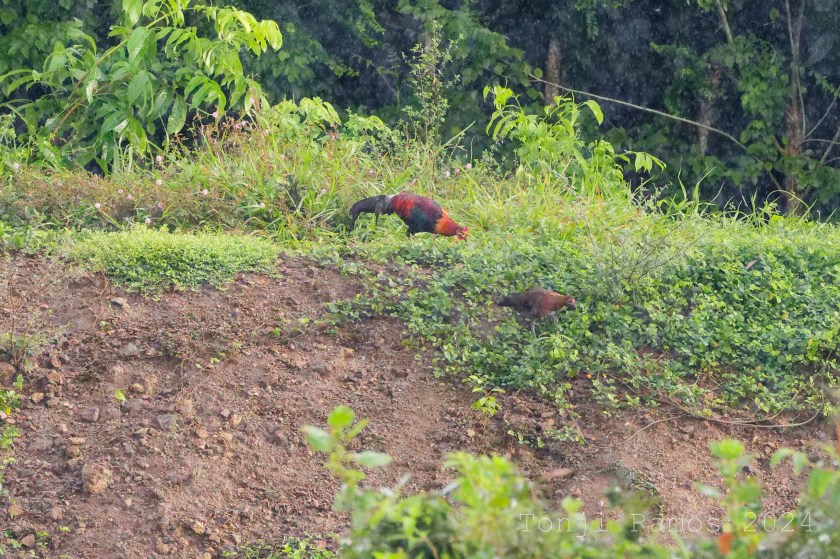
He was surprised to see a lot of Red Junglefowl Gallus gallus! The domestic native chickens are descended from Red Junglefowl. Tonji was surprised to see them fly across the pond. Unlike domestic chickens, the wild Junglefowl can fly well.
So exciting to be able to observe them!
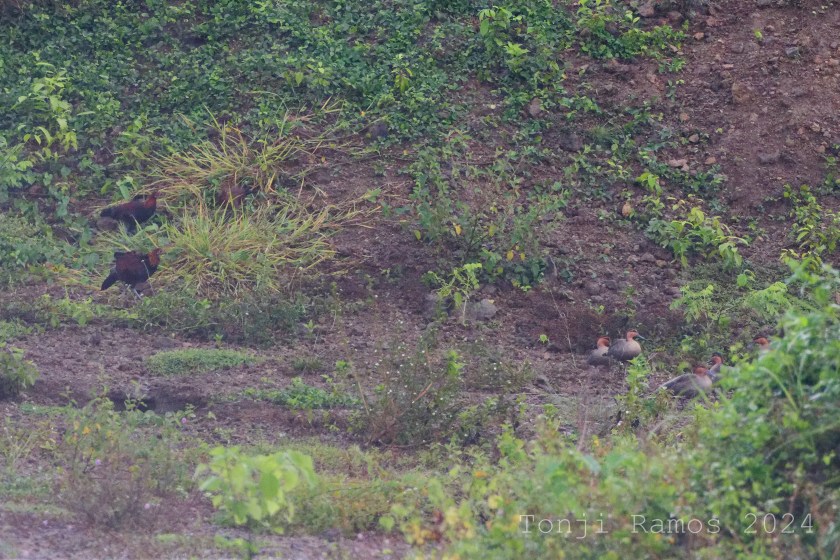
There were several males and females. Tonji chose a good location for the bird hide. Different kinds of birds were converging at the same bank.
Barred Rail or Tikling.
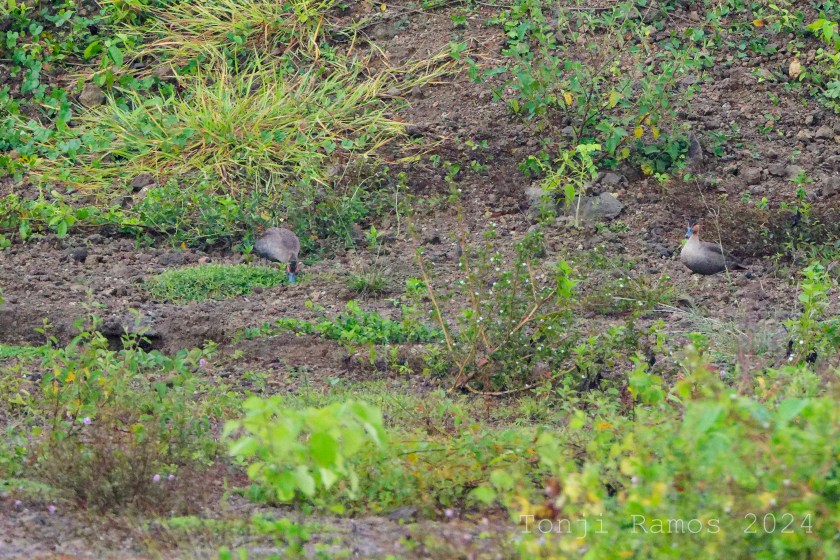
The Philippine Ducks were also in the area. It was so strange to see Philippine Ducks and Red Junglefowl together! There were probably a lot of bugs in the mud.
The ducks looked like they were digging.
White-Breasted Waterhen
White-breasted Waterhen
He also saw two Wandering Whistling Ducks.
Wandering Whistling Duck
They were swimming in the Big Pond with the Philippine Ducks.
And that was how we ended 2024 at the refuge! We are looking forward to more visits and more birds in 2025.
Every visit to the refuge, no matter how brief, is food for the soul. The things we get to see and experience bring us so much satisfaction and make us want to return again and again. It fuels our dreams of even more projects and experiments to do at the refuge.
It is at the refuge where we can go swimming at night under a sky full of stars and the Milky Way! It is magical!
little cottage under the stars – photo by Tonji Ramos
We celebrated Tonji’s birthday at the refuge. As a special birthday treat, a Colasisi posed nicely for him in an Aratiles tree. We have been seeing the Colasisi regularly, but this is a particularly good view with all of its bright colors clearly visible.
Colasisi photo by Tonji RamosHappy birthday Tonji!
The Bangkal trees have fruits! Seeing these fruits brought back memories of one of our birding trips to Sablayan Penal Colony in Mindoro. There were many Bangkal trees and the fruits were scattered on the ground. That trip to Mindoro gave us the idea of planting Bangkal trees. Now we have our own row of Bangkal trees with fruits!
The Bagras or Rainbow Eucalyptus tree near the cottage is getting taller and taller. It’s a good thing it has a few flowering branches near the ground. The trunk is becoming more colorful. Not quite rainbow-like yet though!
Every time we visit the refuge we always wonder — what are the ducks up to now? We think about them even when we’re not at the refuge. It is a short walk from the cottage to the Big Pond. There’s a path through the trees, then a dirt road that goes over some water, then you need to scramble up to top of the pond wall before you can see the pond. There is a lot of anticipation during that short walk. What will we see?
Feels like Candaba! video by Tonji Ramos
The Big Pond has leveled up! We are seeing a whole new level of wildlife activity at the pond. We are now at Level 4 wildlife activity!
Note: These are not actual scientific levels! This is purely based what we’ve experienced as birdwatchers!
TONJI AND SYLVIA’S POND WILDLIFE ACTIVITY LEVELS
LEVEL 1 – See ducks in the farm/refuge At this level, you are happy that you saw an actual wild duck in your airspace because this means that there is a good chance that the pond you built attracted ducks to your place.
LEVEL 2 -See ducks swimming You were able to confirm that the ducks are using your pond. You saw them swimming!
LEVEL 3 – See ducks swimming and not flying away when you approach This level can be hard to achieve if your pond is small or difficult to access. It will be easier to achieve this level by designing your pond so that the ducks feel safe enough to stay in the pond even in disturbed.
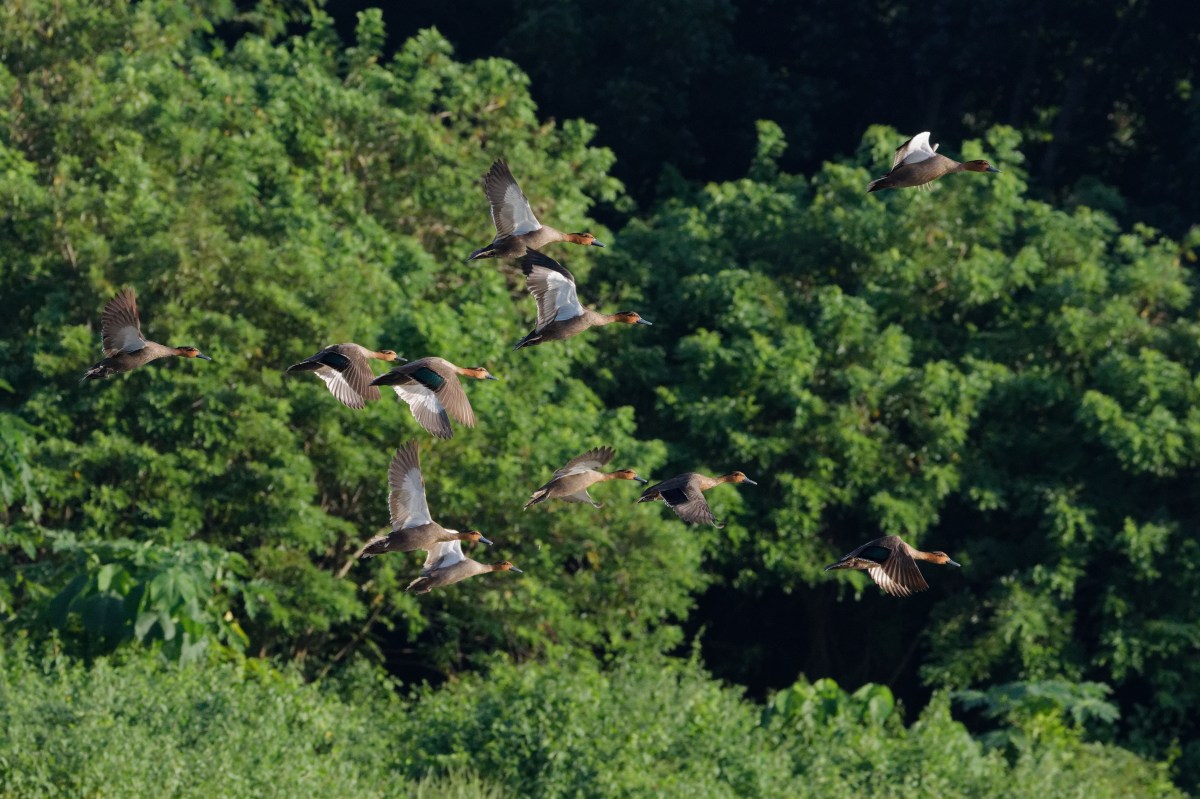
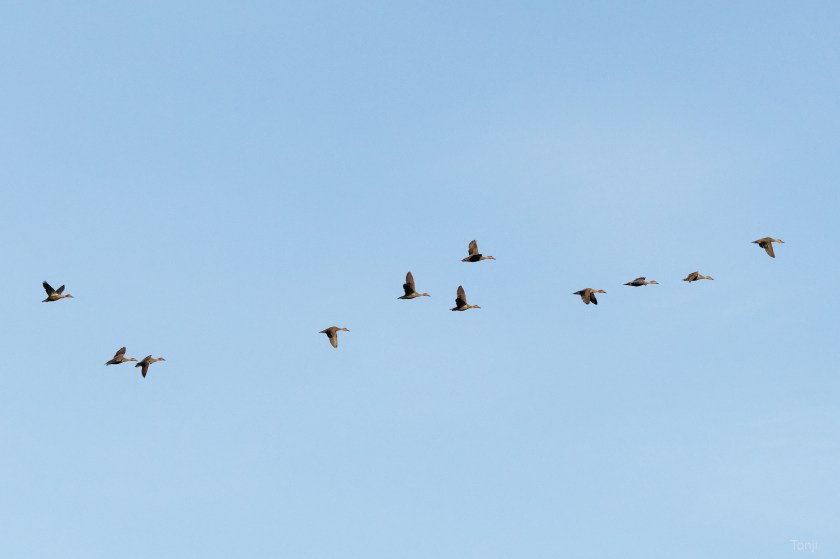
LEVEL 4 – See multiple groups of ducks flying overhead, criss-crossing in the air, landing, swimming, and taking off all at the same time! We are at this level now! This is what we used to experience in a very large scale, back in the day when we used to go to Candaba Wetlands. Sadly, those wetlands are now farmlands. This is a much, much smaller scale than Candaba was, but it is still quite satisfying and has a lot of potential!
LEVEL 5 – THIS LEVEL IS STILL LOCKED! Baby ducks This level will be unlocked when you see baby ducks swimming in the pond. I have never seen baby Philippine Ducks swimming. I believe I’ve only seen them one time, and they were walking.
LEVEL 6 – THIS LEVEL IS STILL LOCKED! Attracting rare migrants This is the dream level. This level will be unlocked when all the bird activity and plants have made the pond look so inviting that migrating ducks use the pond as a stopover and refueling station!
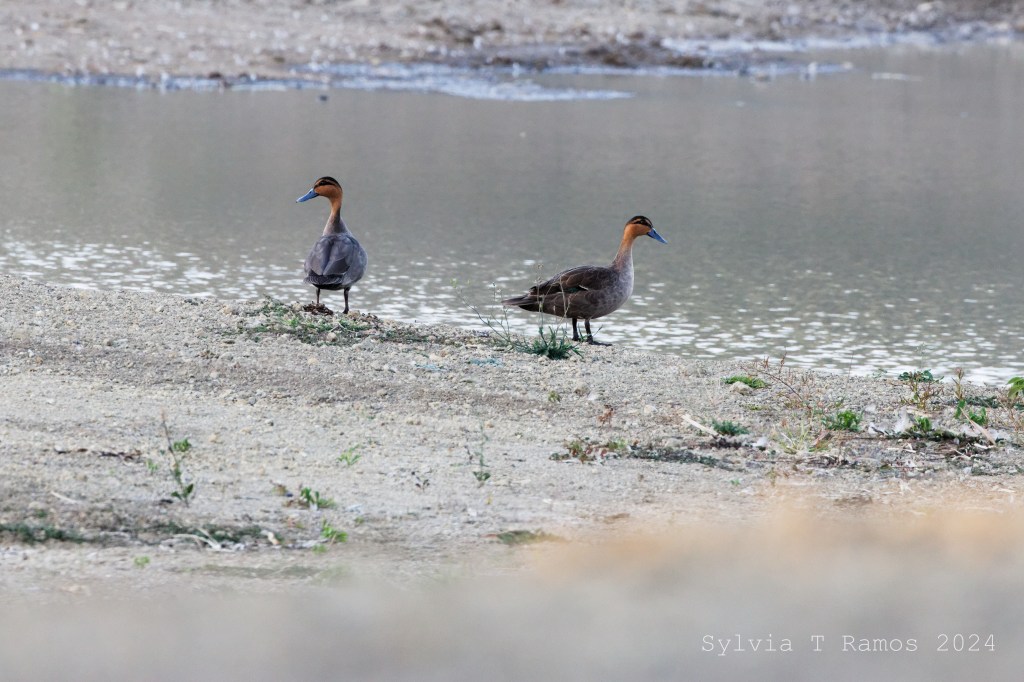
Philippine Ducks photo by Tonji Ramos Philippine Ducks photo by Tonji Ramos
2024 is shaping up to be an exciting year for our refuge!
JANUARY
Ducks in the Big Pond
First time to see Philippine Ducks in the Big Pond! Tonji saw 15 Philippine Ducks swimming in the Big Pond. We knew it was just a matter of time until the ducks discovered the Big Pond. In the meantime, we were trying to make the Big Pond as attractive to the ducks as we could by planting water plants and minimizing the human activity in the area. It was so satisfying to finally see the Philippine Ducks at the pond!
Philippine Ducks swimming in the Big PondJanuary 2024 at the Big Pond
We were even able to show the ducks to friends and family that visited the refuge.
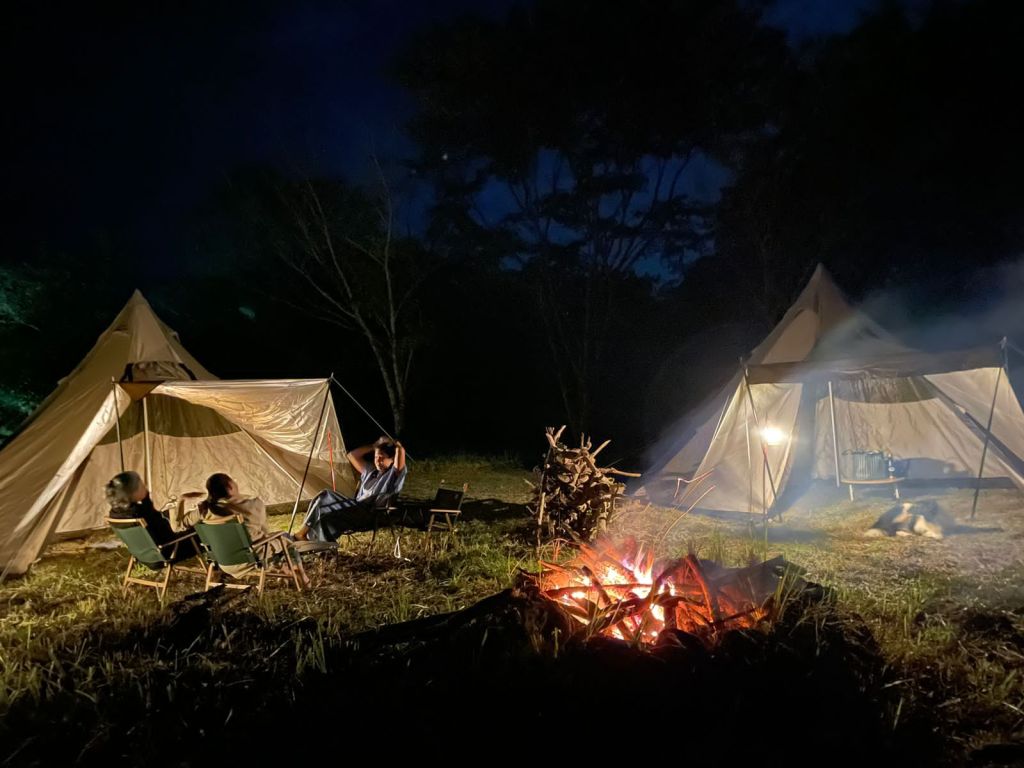
the glamping set up
FEBRUARY
In February we had more visitors to the refuge. We started plans on upgrading our glamping set-up to make it easier to have visitors. We met up with the building crew to discuss the new guest house and they were all agog about seeing so many ducks! How many ducks? They couldn’t really say. Maybe 20, maybe 40. The building crew were in the refuge early in the morning when they saw many ducks fly out of the Big Pond, circle overhead, then land back in the Big Pond. We were very happy and excited to hear that there were many ducks, even if we didn’t know how many. And even better news was that they appeared intent on staying in the Big Pond.
family!hello horses!Water Lily pondDuck action at the Big Pond!
MARCH
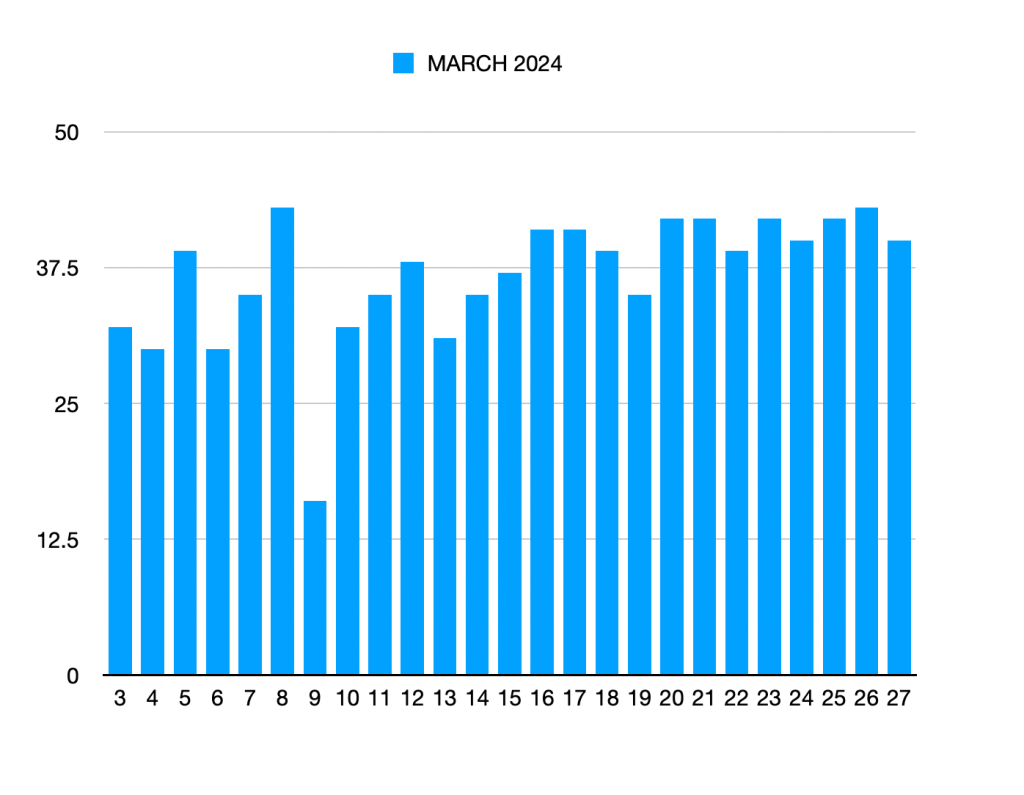
In March we started keeping track of the number of Philippine Ducks in the refuge. There is a big group that stays in the Big Pond and 2 ducks that appear to stay in the Water Lily Pond.
Philippine Ducks in the Big Pond March 3 – 27
We started keeping track on March 3 and had 32 ducks. That’s 12 more than our highest previous count of 20 Philippine ducks in the Water Lily pond in November 2023. Our new highest count is 43 ducks in the Big Pond on March 8 and March 26. If we assume that the pair of ducks in the Water Lily Pond do not go to the Big Pond, then that makes it a possible 45 Philippine Ducks in the refuge! Almost 50 ducks!!
The ducks like to gather in this corner of the Big PondPhilippine Ducks at the Big Pond
I am looking forward to planting more Typha or bullrushes at the Big Pond. They are supposed to spread and even become weedy, but so far the ones we have planted are looking sparse. We have also planted giant papyrus, dwarf papyrus, water lilies, lotus, and sagittaria. I think the plants make the pond much more attractive to the birds.
New plants
SerialesDao
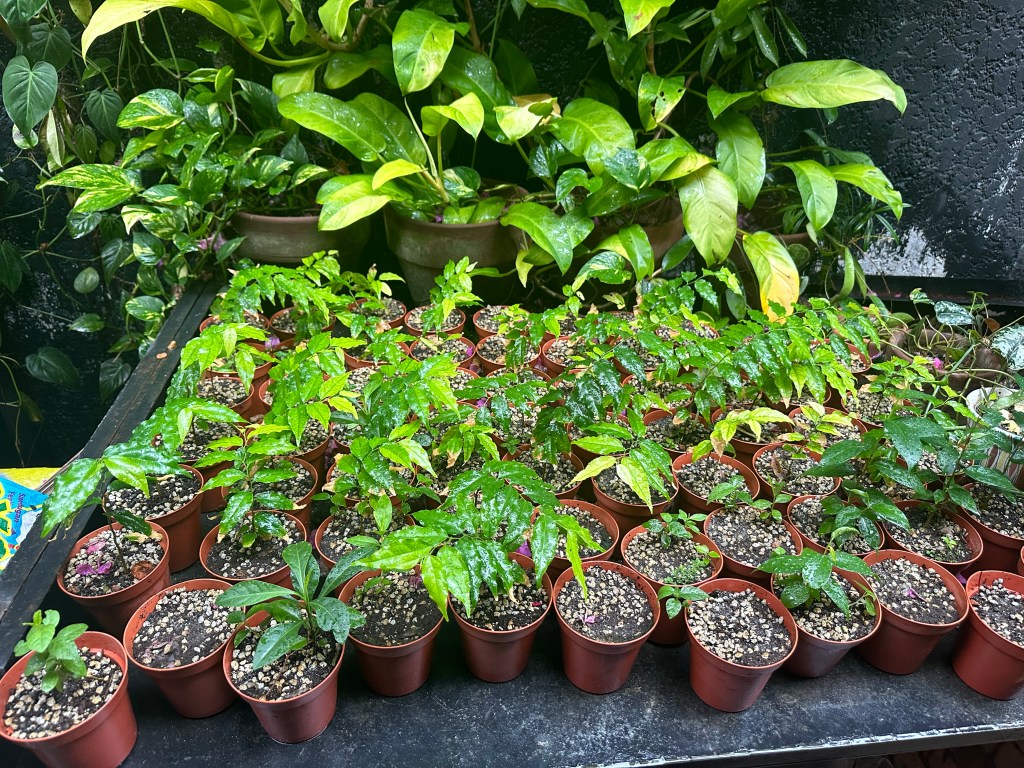
Not duck related — these are seedlings that I am growing at home in Alabang. The seriales Flacourtia jangomas or Governor’s Plum were planted from seeds that I bought on Facebook. The Dao seedlings are from seeds we picked up while walking the dogs in Alabang.
New bird!
Tonji photographed a Green Sandpiper! That makes it 108 species for the refuge. Photos and details to follow.


















 Tonji and Sylvia's Wildlife Refuge