Birdy October!

We had an awesome October full of birds and flowers! We finished building the big pond in September and then we had an incredibly fabulous October full of birds and flowers and fruits! Was that the effect of the big pond or just a coincidence?

We had 2 new bird species at our refuge! Two new species in one month is very good for us. We have now seen 106 bird species at the refuge. The new birds are Chestnut-cheeked Starling Agropsar philippensis and Little Ringed Plover Charadius dubius. Both species are winter visitors to the Philippines.

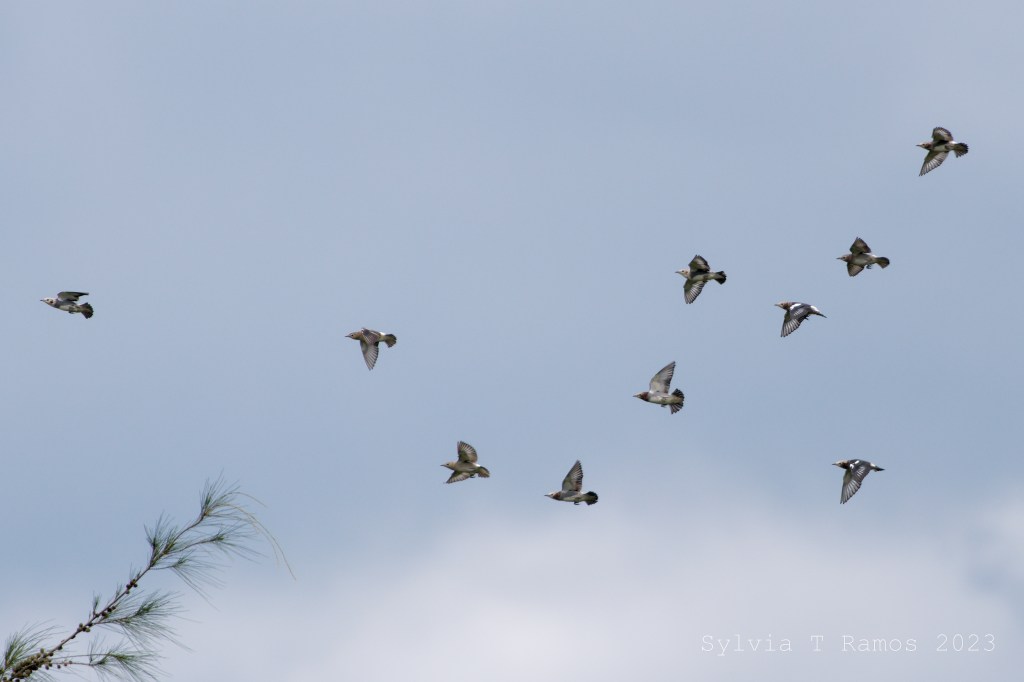
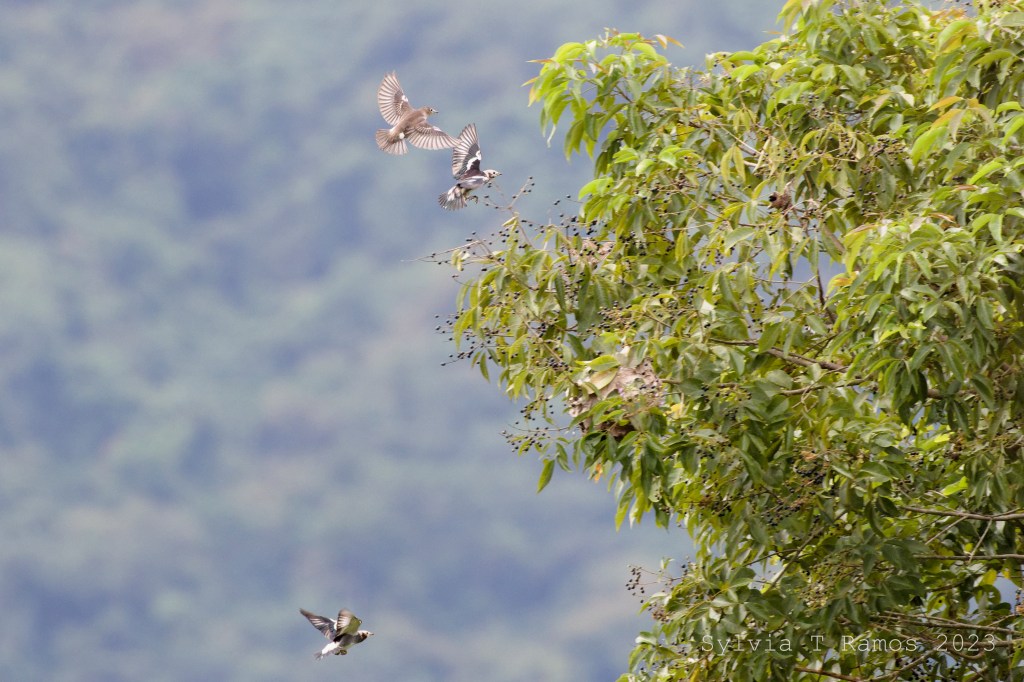
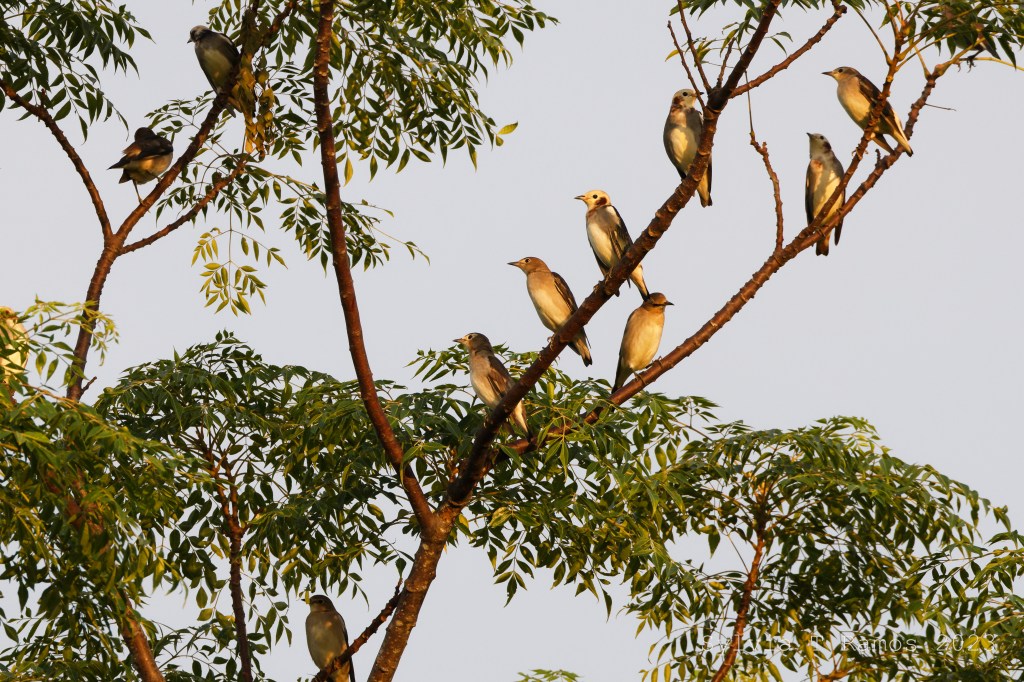
Chestnut-cheeked Starlings are exciting birds to watch. They gather in big flocks and fly together from one tree to another. They have the ability to disappear into the tree they land in! One moment you see a big flock of birds, and the next moment they’ve disappeared! Tonji estimates that there were 300 Chestnut-cheeked starlings in our place. It was difficult to get an accurate count because they were in small flocks and would show up in different spots.

Seeing all those starlings in our place was a dream that was at least ten years in the making. We used to make the 9-hour drive from Manila to Laoag to see look for migrant birds like Chestnut-cheeked Starlings. In 2013, our friend from Laoag Richard Ruiz gave us a mulberry tree to plant in our refuge so that we could attract our own flocks of starlings! The mulberry tree did not do well, but the flocks of starlings came anyway! We saw them on the fruiting Banato and Agoho trees.

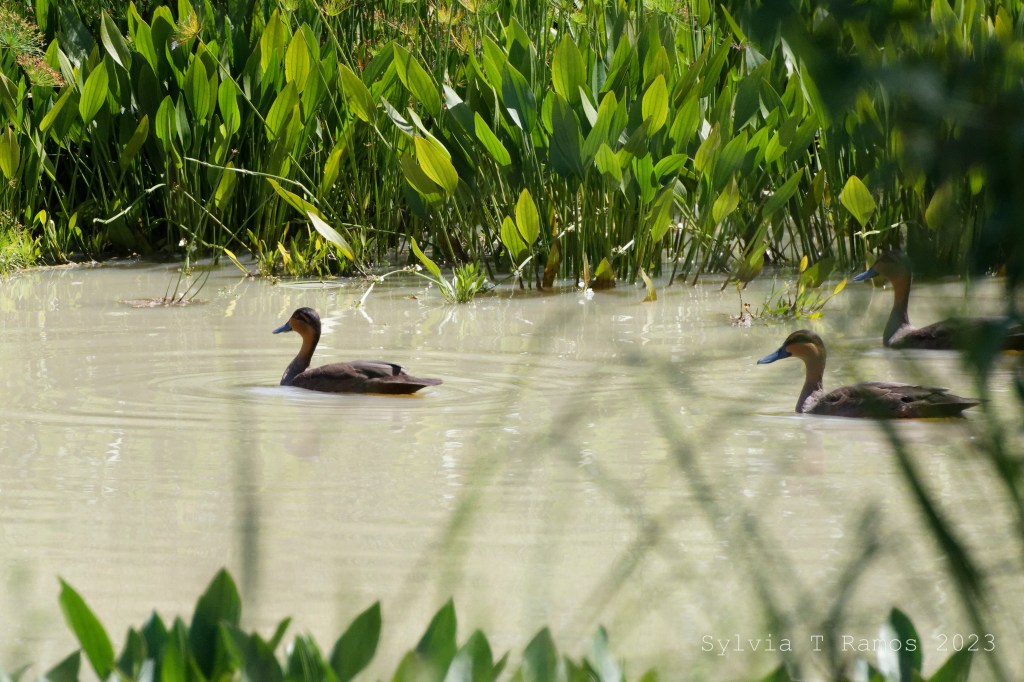
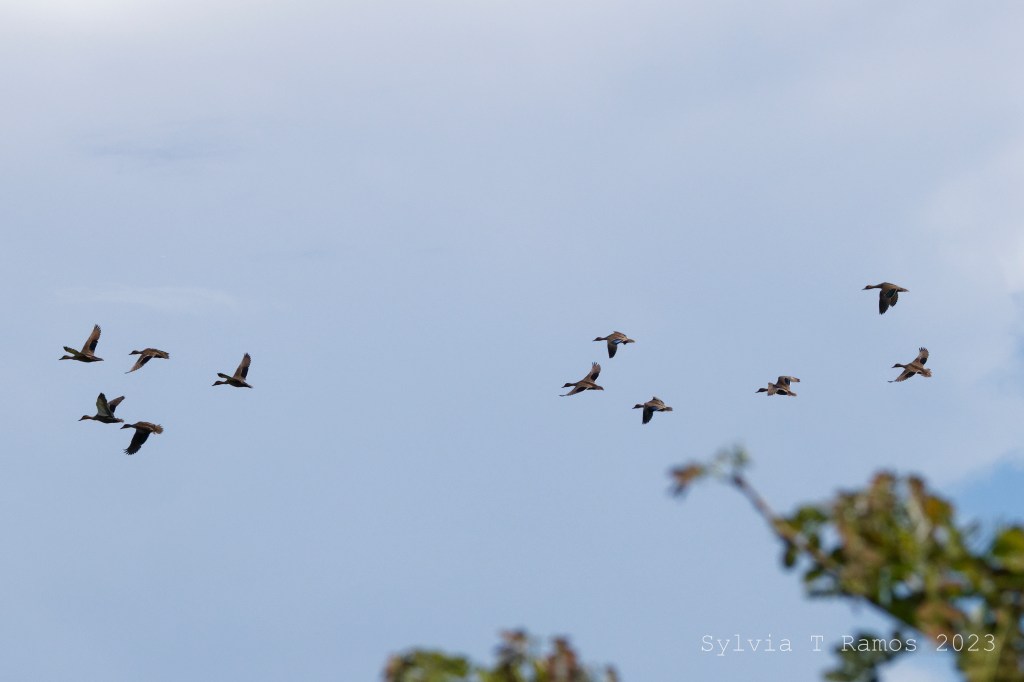
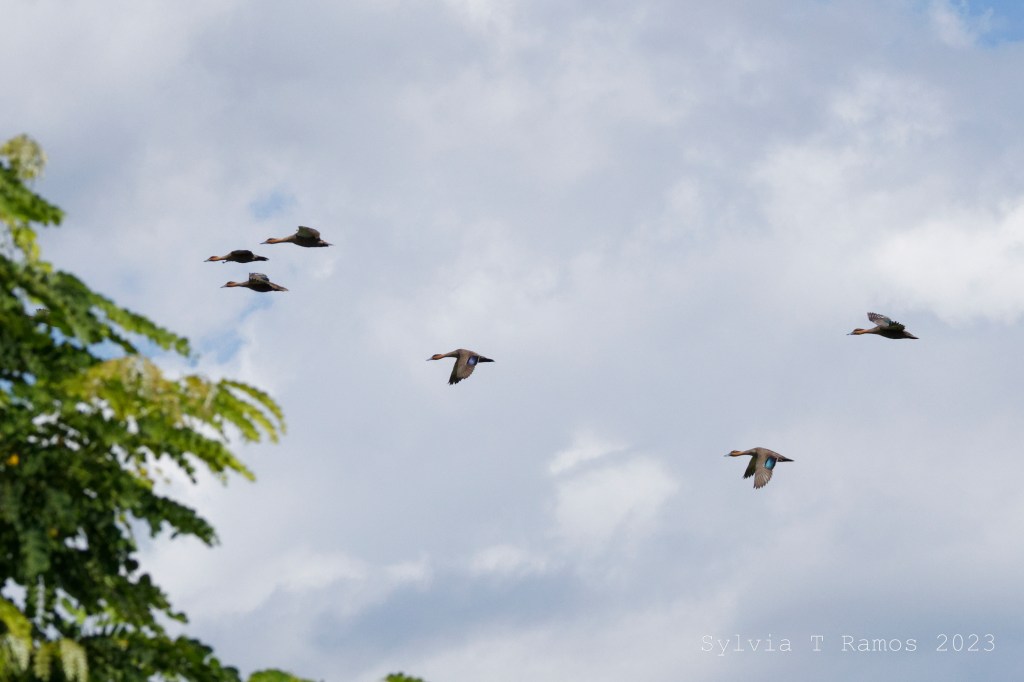
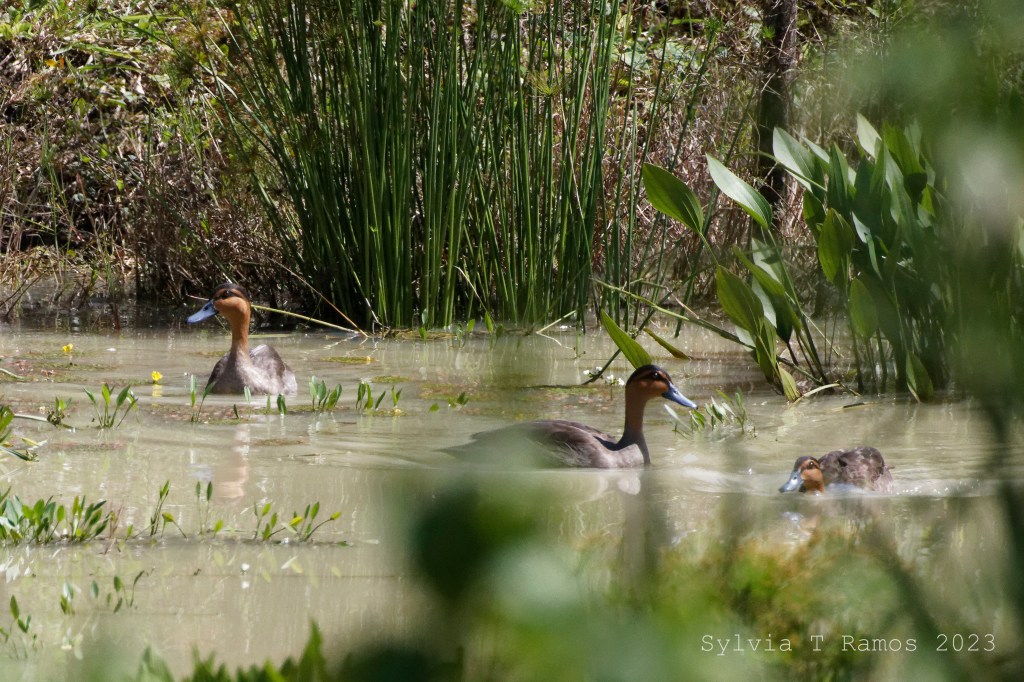
Another big dream come true moment was at the water lily pond. Tonji went out on the tractor to cut the grass. Then after a short while, he came back to the cottage and signalled me to to get the cameras. There were 12 Philippine Ducks swimming in the water lily pond! It was noon and they were resting in the shade of the water plants! This is the most Philippine Ducks we have seen swimming at one time!

The other new bird we had was a solo Little Ringed Plover that seemed to be inspecting the new pond! Little Ringed Plovers are usually found in flocks in wetlands and along rivers. Perhaps next time this Little Ringed Plover will bring in the rest of its flock.

Little Ringed Plover

There were other birds inspecting the new pond.

The plants also chose this month to show off. The Balai Lamok near the house had the most flowers it has ever had. A few years ago, Balai Lamok trees were touted as the Philippines version of the Japanese cherry blossom. The photos of the mature trees full of flowers truly made one want to go out and buy seedlings! It became one of the most sought after trees among Philippine tree enthusiasts. When our Balai Lamok trees did flower though, they would only produce a handful of flowers. It was undewhelming and made me think they tree was over-rated. Until our tree produced this abundance of flowers!

Balai Lamok

The guava trees had bigger fruits than before. I thought that we had some kind of dwarf or native variety of guava that had tiny fruits. It seems that as the tree gets bigger, its fruit also gets bigger! 

I saw an Alibangbang tree full of buds! This was a first for me. I usually see them full of seed pods and miss the flowers completely.

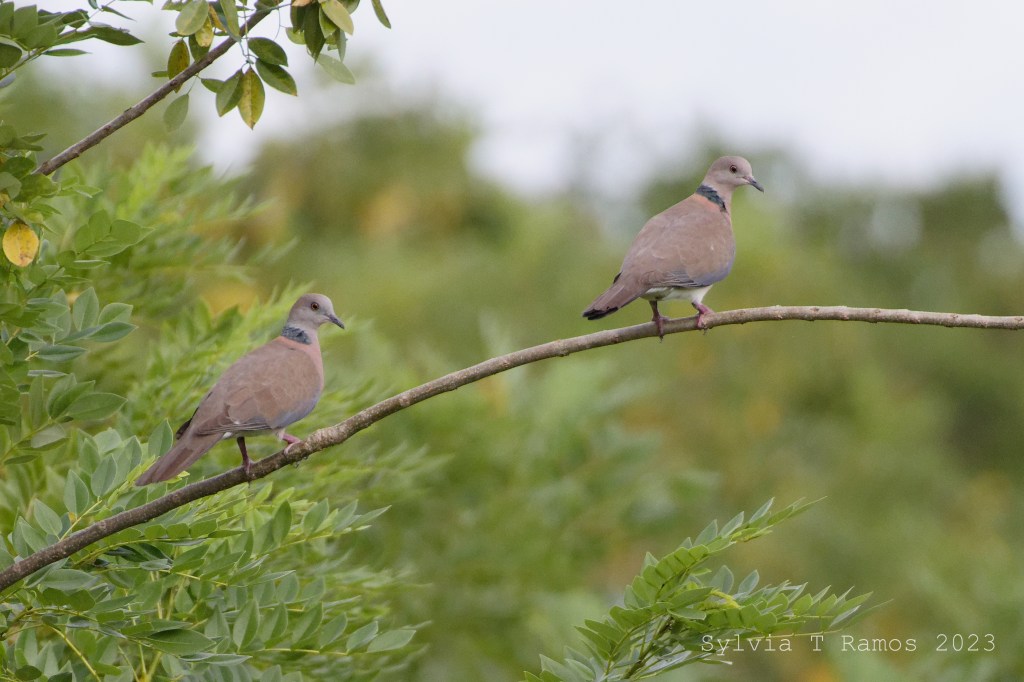
And here are more birds we saw in October!

New birds and plants in August

One of the great things about moving back and forth between Batangas and Alabang is that whenever you visit, everything looks strikingly fresh and new again. Each time we go to the refuge, it feels like there’s something new to see, discover, observe, and document.

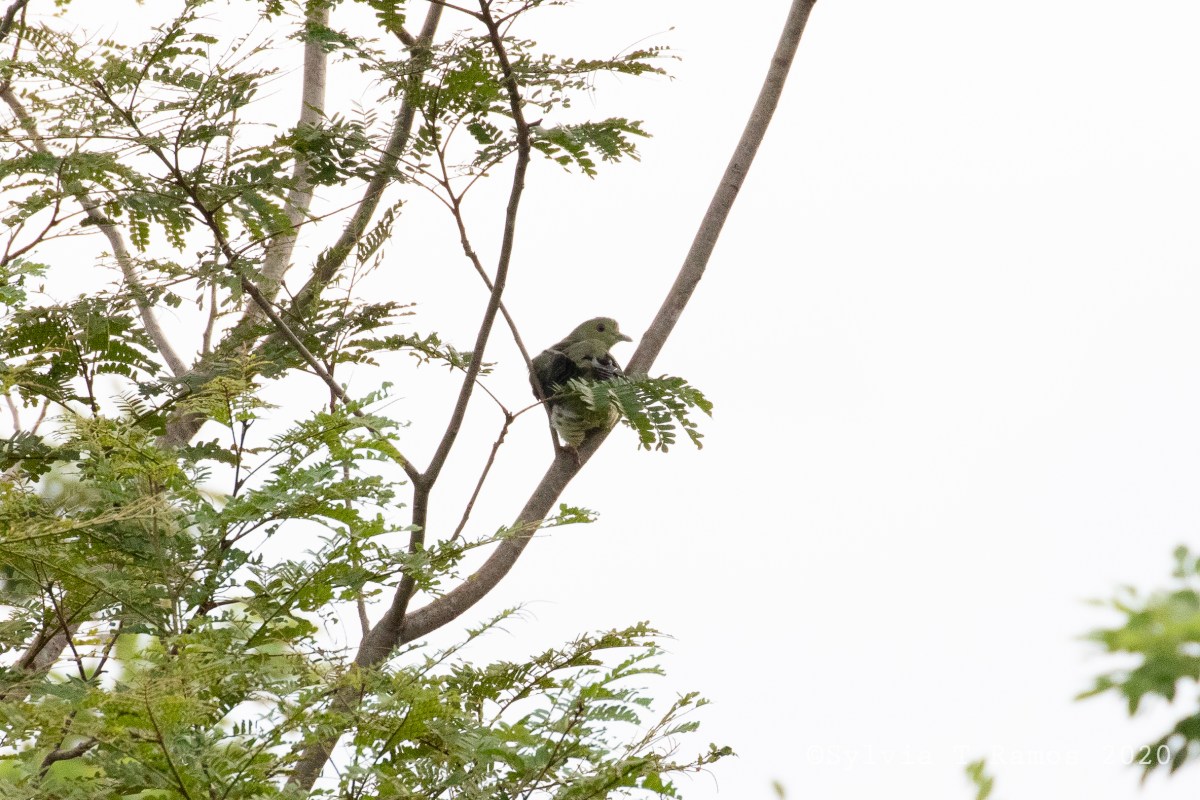
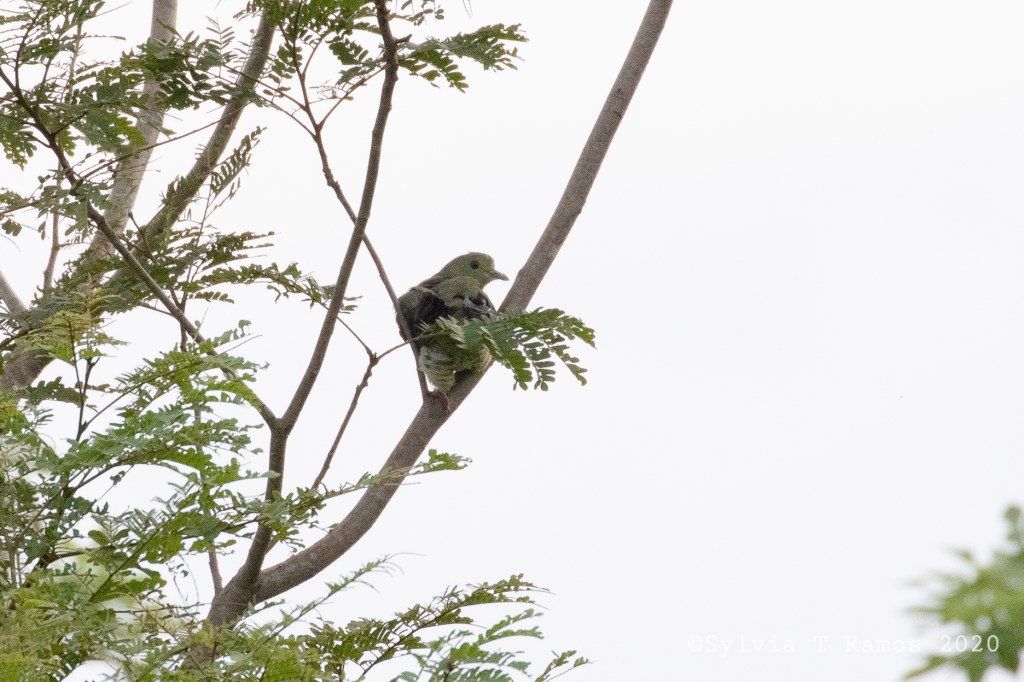
EDIT: We thought we had a new bird for the farm bird list. Tonji thought it was a Black-chinned Fruit Dove but now he is not so sure. We will not count it as Bird #103 because the ID seems questionable. I think it is most likely a Pink-necked Green pigeon.

We had a new bird for the farm bird list. This is a Black-chinned Fruit Dove Ptilinopus leclancheri. It’s a fairly big dove. I saw it while walking with the dogs and wasn’t able to get better photos. I thought it looked familiar, but couldn’t really place what it was. I showed the photo to Tonji about a week later when we were already back in Alabang. He said, “That’s a Black-chinned Fruit Dove, what else could it be?” Yey, bird #103 for the refuge!

a dove, backlit and with a weird pose!

Bats are a very common and plentiful in Alabang, but there were only a few of them in the refuge. We thought that we had very few bats because we didn’t have enough big trees that the bats could use as roosts. This year all of a sudden, this year we have a lot of bats! It seems that the new swimming pool brought in the bats! We see them flying over the pool and dipping into the water. Good thing we are using a copper-based, non-chlorine pool system.

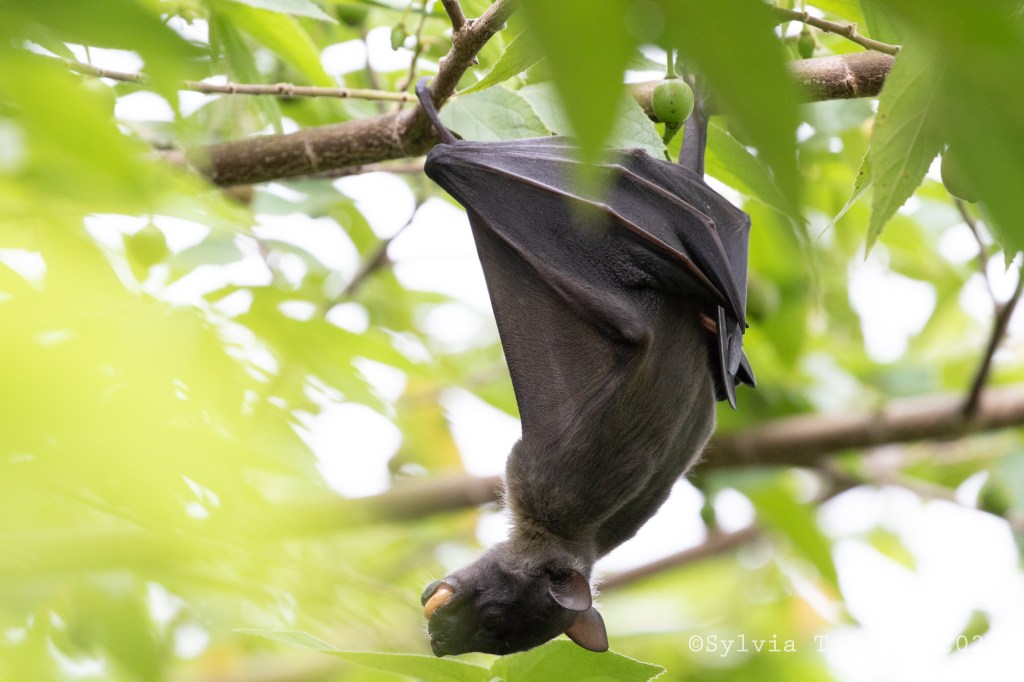
We saw a Lesser Short Nosed Fruit Bat Cynopterus brachyotis roosting in a tree with an aratiles in its mouth. Tonji was cutting the grass when he spotted the bat and told he to look at it. When I saw it, I thought the fruit was a giant tooth! I was wondering if I should stop Momo from foraging for fallen aratiles fruits near the bat.

Lesser Short Nosed Fruit Bat

Our Ipil tree has flowers! This is one of the birthday trees that our daughter Monica gave us for our 49th birthdays in 2014. This was our first time to see this tree flowering. It is so cool when a tree you planted flowers and you get to collect the seeds and plant more trees! Ipil trees have big seeds that germinate well. I hope this tree produces lots of seeds!

Ipil

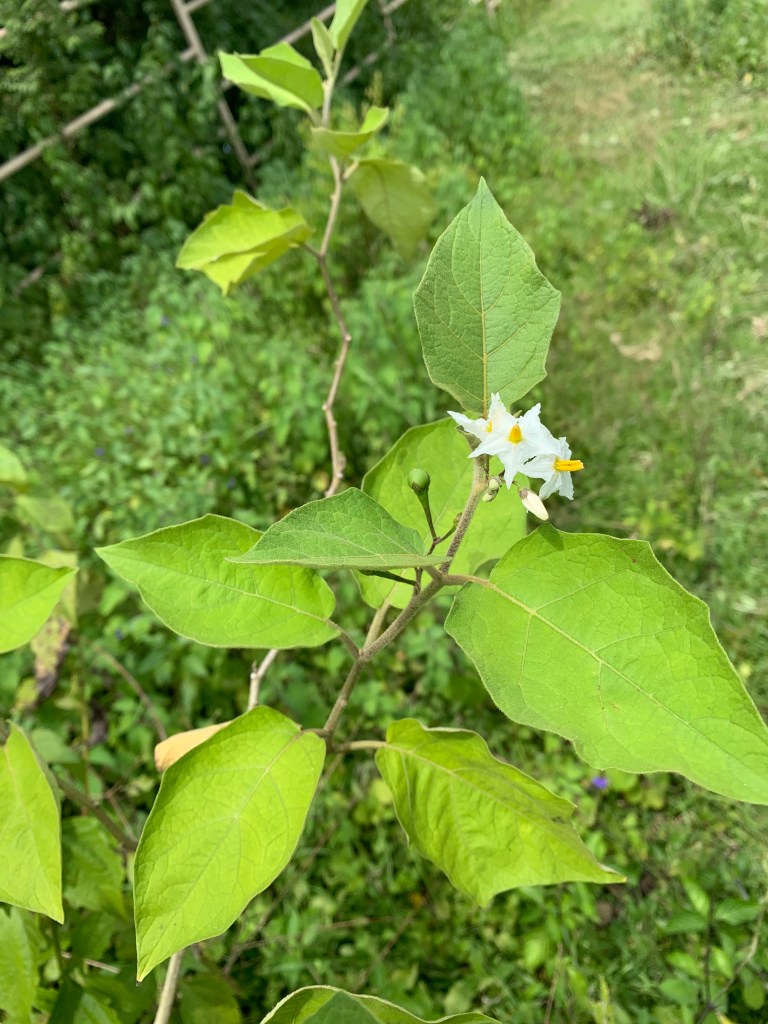
Tonji found a new flowering plant while cutting the grass in the paddock.

Tonji: What is this plant?
Me: Looks like talong (eggplant).
Tonji: How can it be talong, it looks like a tree!
Calls for Ambet.
Tonji: Ambet, please look at the plant. What is it?
Ambet: Tawag namin diyan talong-talongan.
Tonji: Ano??
Me (under my breath): TALONG!!

Talong-talongan

Sometimes you see birds that look “new” and you get all excited. But on closer inspection, turn out to be young birds.

Bright-capped Cisticola, immature

Or faraway young birds.

Asian Glossy Starling

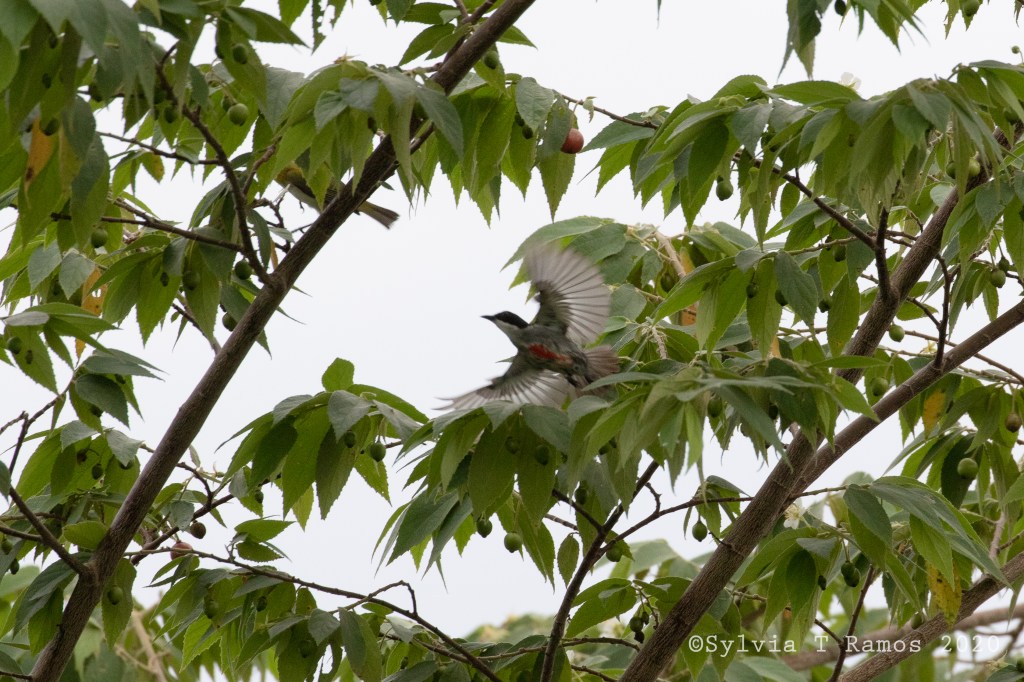
Some things remain the same. Like the amount of time I spend trying taking pictures of Red-Keeled Flowerpeckers. You know when they are around because they have a distinctive call like pebbles being tapped together. When we were starting out with bird photography, a friend brought us to his mechanic’s house so we could take pictures of Red-Keeled Flowerpeckers up close and at eye level. The birds were feasting on aratiles fruit and didn’t mind us being around and taking their pictures.

Now we have our own aratiles trees and we have Red-Keeled Flowerpeckers visiting the trees. But the birds in our place do not behave like the ones in that mechanic’s house. Ours don’t stay put and are often even hard to spot. They are my bird photography nemesis. One of them, because there are others! So far this is one of my best attempts.

Red-keeled Flowerpecker

When I’m walking on our trails I tell myself “I am open to the possibility of seeing something awesome”. And I really believe it!