New Bird November!

Our new bird for the refuge is a Northern Shoveler Anas clypeata! It is another migrant bird. It is fantastic to see that our place is attracting migrant birds. In the past, during migration season we used to visit the popular and well-know birding sites around the country where migrant birds come in to rest and refuel. It was always fun to see if any unusual, rare, or new birds turned up with the usual migrant birds. It would be amazing if in the future all we needed to do to see a rare bird was to travel to our own refuge!
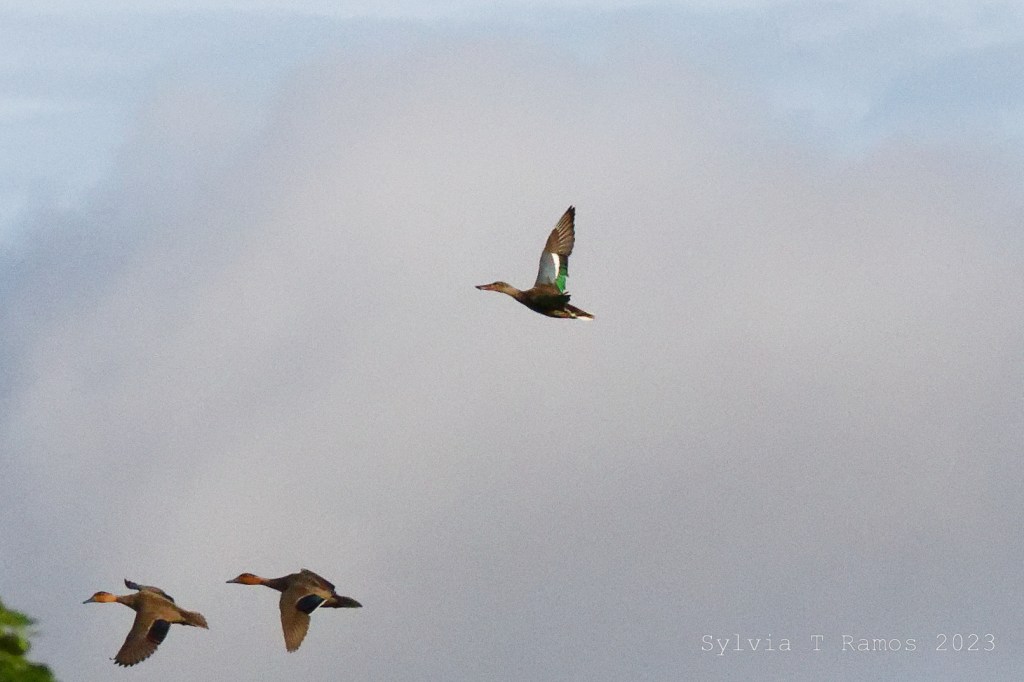
Northern Shoveler with two Philippine Ducks

The Northern Shoveler is bird #107 for our refuge and our third duck species! We have seen Philippine Ducks, Wandering Whistling Ducks, and now a Northern Shoveler. It was mixed in with the Philippine Ducks at the water lily pond. In October, we were elated to see 12 Philippine Ducks at the water lily pond. This month I counted 2o Philippine Ducks in one photo, plus the Northern Shoveler makes least 21 ducks in that water lily pond! We have almost doubled the number of ducks in the water lily pond!

20 Philippine Ducks flying out of the water lily pond

It would have been fantastic to see all 21 ducks swimming in the water lily pond. This time however, I was foiled by Ollie who managed to escape from the cottage, find me hiding by the pond, and flush all the ducks. Foiled by the dog! The good thing is that now when the ducks fly out of the pond, they look like they are headed towards one of the other ponds.. In the past, when the ducks got flushed, they would fly overhead in a big circle, calling out the whole time. Now, they fly off in a straight path. We assume they are flying to one of the other ponds.

We now have 8 ponds in all, including the big pond. It is very possible that there are more ducks and other birds in the other ponds that we still haven’t seen and Ollie hasn’t flushed out!

Philippine Ducks

The big pond has more water than ever, thanks to all the rain we had in November. Our water plants are doing well! We planted water snowflake and typha, which are native. The other water lilies, papyrus, lotus, and saggitaria are not native, but the ducks seem to like them.

We also planted Typha aka the hotdog plant in another area of the big pond

The Big Pond

It was so wet and rainy in November that the path from the big pond back to the cottage became so slippery that we had to take the long route home. All the rain is welcome! Momo enjoyed walking home in the mud and we enjoyed imagining the big pond bringing in lots of new birds!

splish splash!

Time to Pause

I was away from the refuge for 5 months. Almost half a year! Stuff got in the way, like moving house and being in lockdown. I felt a little stressed about being away for so long. Once I was back in the refuge though, I realized that being away for a long time was not such a bad thing. It’s good to step back once in a while. It gives you time to pause and re-evaluate your routines and habits and see if they are still serving you well.

In The Natural Way of Farming the famous Japanese farmer Masanobu Fukuoka tells the story of silkworm farmers in Japan. In the beginning, silkworms were collected in the mountainside and released in the woods. Then the farmers bred new varieties of silkworms. These new varieties were raised indoors. They were watched day and night. Early in the morning, mulberry leaves were collected, washed, dried with a cloth, chopped into strips and fed to the silkworms. The room had to be kept at just the right temperature with heaters when it was too cold and ventilation when it was too hot. The had special tools and baskets for taking care of the silkworms. It was difficult work! In modern times, some farmers tried returning to more natural, less labor intensive methods. When synthetic fibers were developed, silk lost its popularity for a while. When it became popular again most silkworm production became industrialized. Now it is done in factories with conveyor belts, automated temperature control, and artificial feeds.

I can relate with the hard working traditional silkworm farmer with his special tools and desire to innovate and improve his craft. I like to identify a problem, think of a solution, and buy the gadget that I need to implement my solution. I like working with my hands. I am so enamored by gadgets and tools that I have one storage room for tools and another one for cleaning supplies!

I now realize that :

  • some of these problems are not really problems and don’t need solutions
  • your first idea is probably not your best idea
  • if you over think something, your ideas can get away from you and lead you down very involved and complicated paths
  • just because you can do something doesn’t mean you should do it
  • I don’t have to do everything myself even if I can
  • new innovations are not always better
  • maintaining all the gadgets and cleaning tools takes up a lot of time and effort

It was nice to be at the refuge and feel very relaxed. I felt grateful for the people who work for us. They do a great job keeping things tidy, caring for the horses, and watering the plants. I had no compulsion to pull out weeds myself. I just wanted to walk around with the dogs, look at the plants, take pictures of birds, walk, swim, draw, and paint! And that’s what I did!

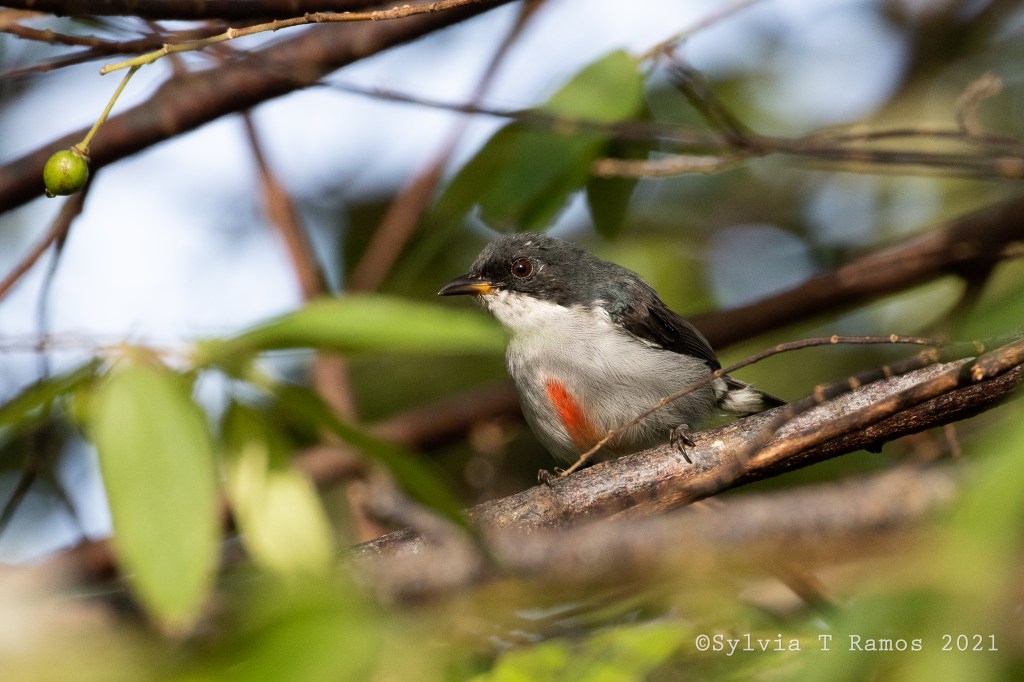
The Red Keeled Flowerpeckers were very busy in the aratiles trees in front of the cottage

Red Keeled Flowerpecker in the aratiles tree
Red Keeled Flowerpecker

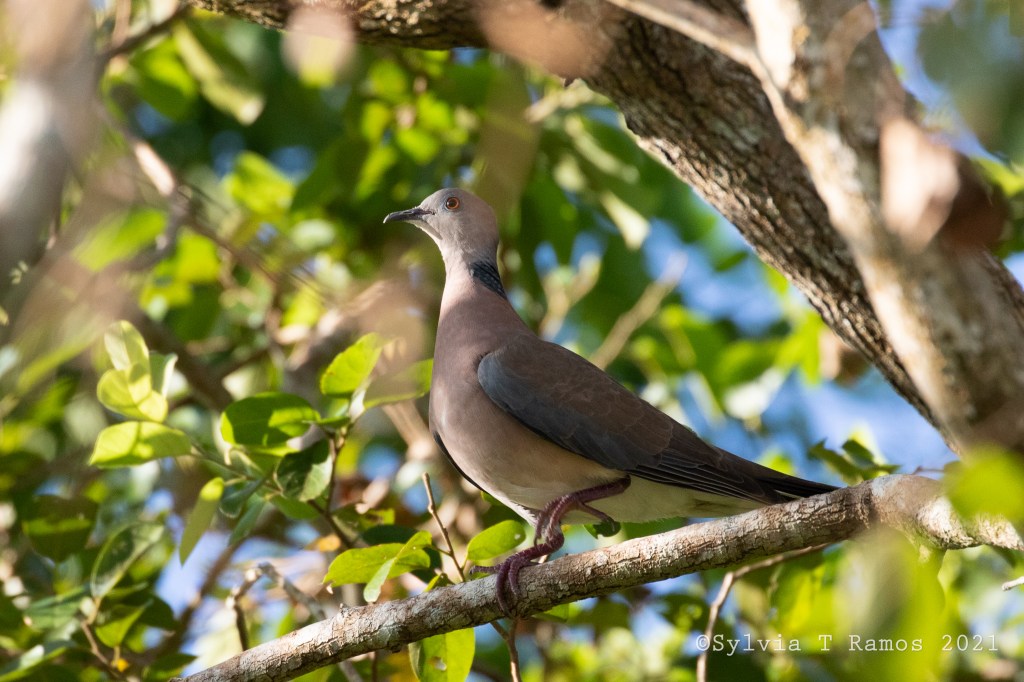
During my morning walk, two Philippine Collared Doves flew in front of me, landed on a nearby tree, and posed for a bit!

Philippine Collared Dove

I was headed back to the cottage with Momo, Lulu, and Ollie when I decided to check out one of the side paths. I was surprised to see something big perched near the ground. I was even more surprised that the 3 dogs listened to me when I told them to just stay beside me while I crouched down to take photos! The dogs were so well behaved! I was able to take many pictures of the Pied Harrier in a variety of poses!

Click on the the photos to see them full screen.

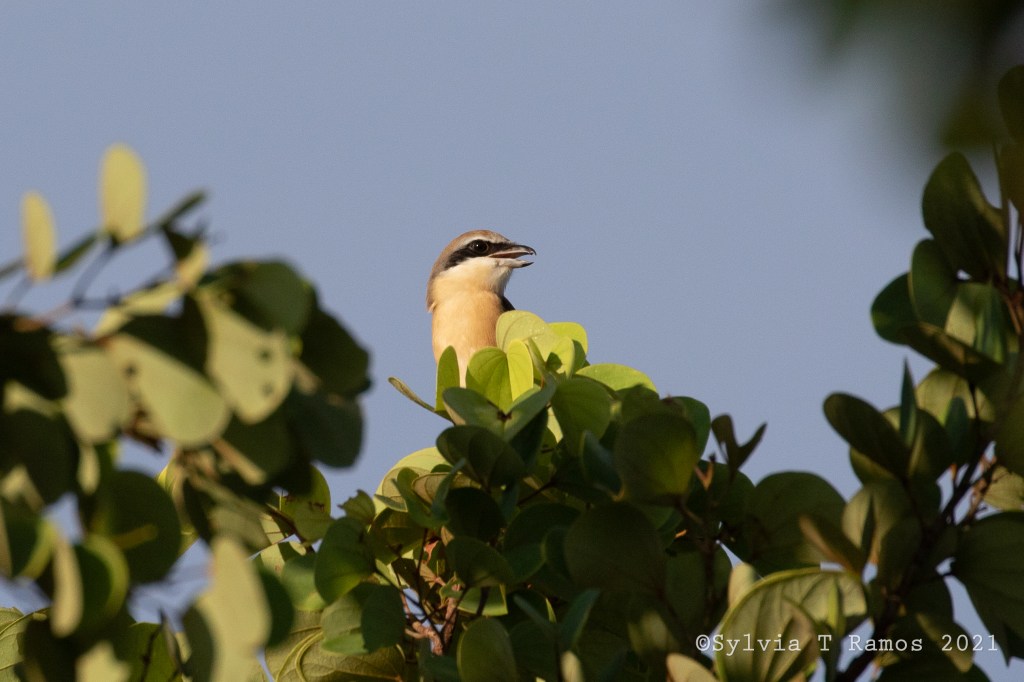
Here are common birds that are just nice to see!

Brown Shrike, a migrant bird
Lowland White Eye
Pied Fantail

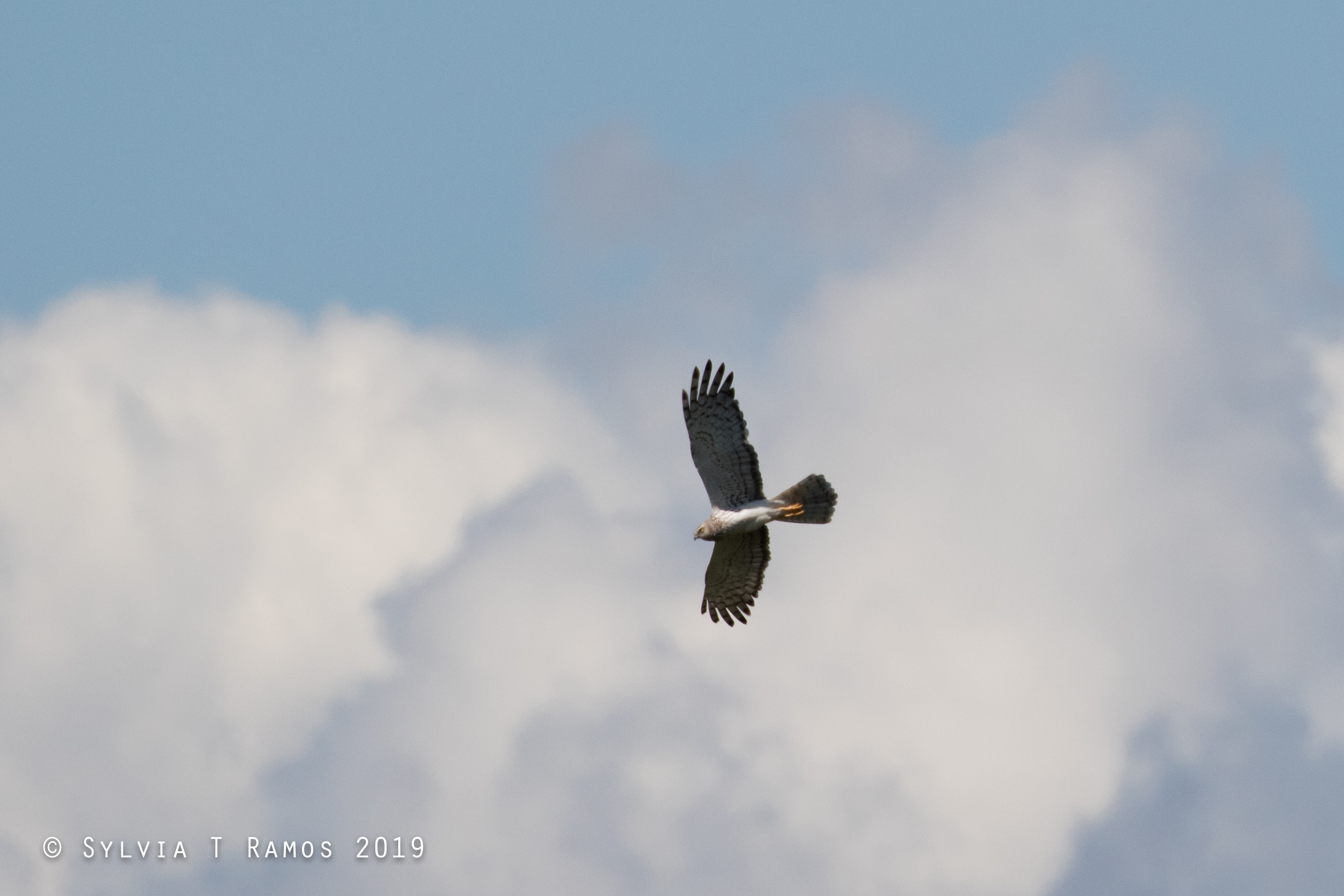
Are you a male Pied Harrier?

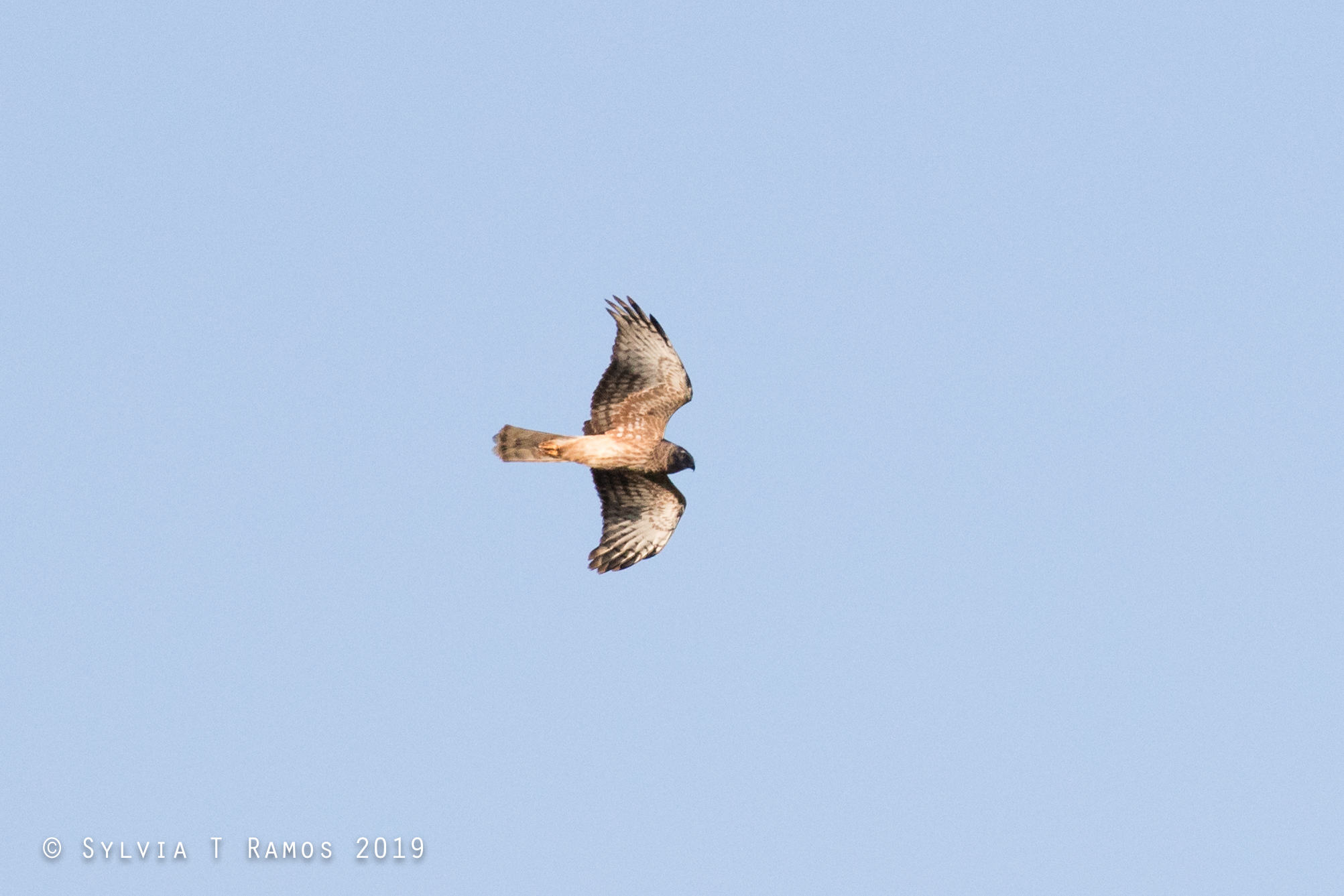
These are the two Pied Harriers. One of them looks like an immature that is acquiring male adult plumage! In 2018 we were able to watch a Pied Harrier acquire male adult plumage.

We were able to observe him from August 2017 until July 2018. He had a string that was attached to his leg. Maybe someone tried to catch him and he was able to escape. The string made it easy for us to identify him.

These are photos from February 2019 of the possible 2nd male Pied Harrier in our refuge!

two pied harriers

New Bird Records, #s 99 and 100!

August was a great month to be at the refuge. We hired people to remove the aroma growing near the cottage. We planted Amugis trees and Leea shrubs. Tonji used the grass cutter to clear the hagonoy that took over the picnic lot after my failed Hagonoy Eradication Project No. 1. We saw lots of butterflies. We started construction on a new and improved horse bathing area and we are converting the old bathing area into storage areas. I’m going to have a super cute garden shed! And most exciting of all, we had two new birds for our Bird List!

Bird # 99

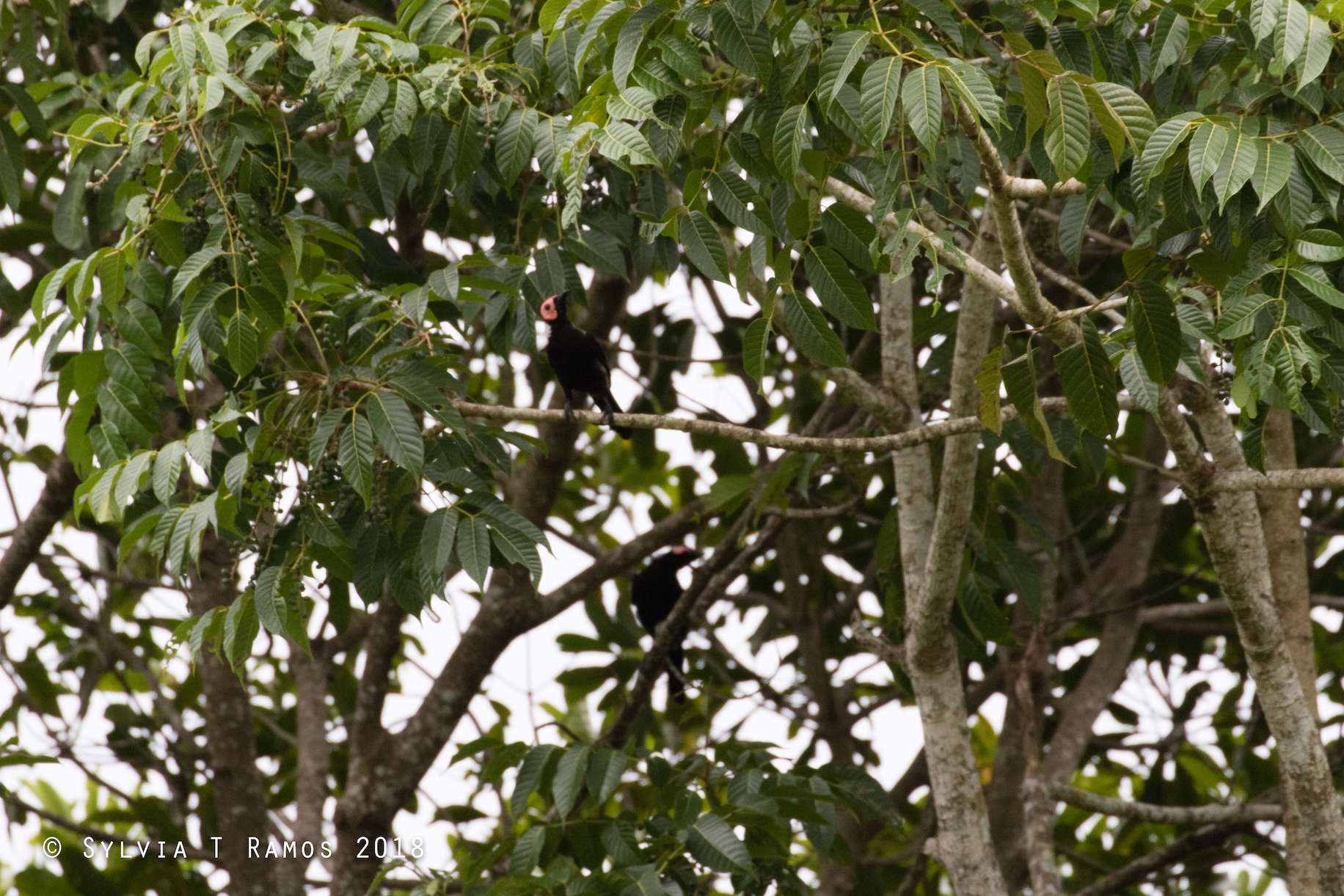
Coleto
Sarcops calvus

_E7A9678
Coleto

Tonji was on the phone when he saw two Coletos fly into the clump of trees in front of the cottage. They stayed for a minute, flew to the Aratiles next to the round pen, then disappeared.

Coletos are forest birds. Their habitat is described as forest, forest edge, and clearings. The pink around their eyes is bare skin! It is a Philippine endemic. We see them most frequently up north in Subic, Zambales.

Bird # 100

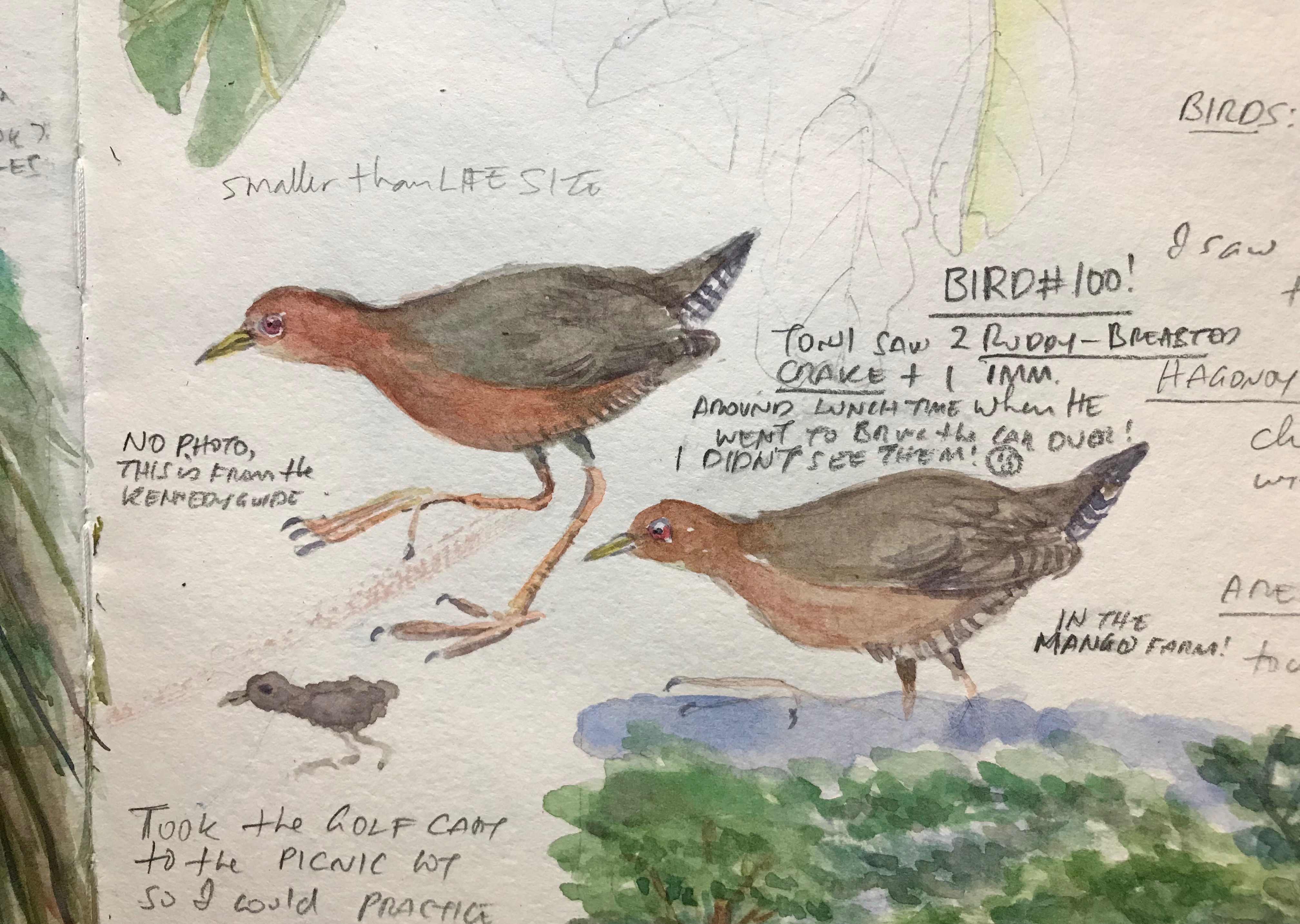
Ruddy-breasted Crake
Porzana fusca

IMG_6649
a sketch of the illustration in the Kennedy guide

No picture! Just a sketch and a story! Tonji was driving the car through the mango farm when he saw two adults and a chick crossing in front of him. They would go into the sides of the path and then emerge closer to him! We looked for them on our way home, but they didn’t show up. The next week we returned for a day trip so we could spend time looking for these birds. I think I saw the head of one pop out from the corner of the path as we were about to drive to a new spot. So, maybe I saw our 100th bird.

This bird is described in the Kennedy guide as uncommon. Ok, it really isn’t that common. In 2011, we drove to more than a hundred kilometers just to see this bird. The Kennedy guide also says it is crepuscular and solitary. Perhaps it behaves differently during breeding season.

We welcomed the arrival of the fast-flying migrants that eat up all the flies that multiplied during the rainy season.

_E7A9728
Asian Palm Swift

_E7A9322
Barn Swallow

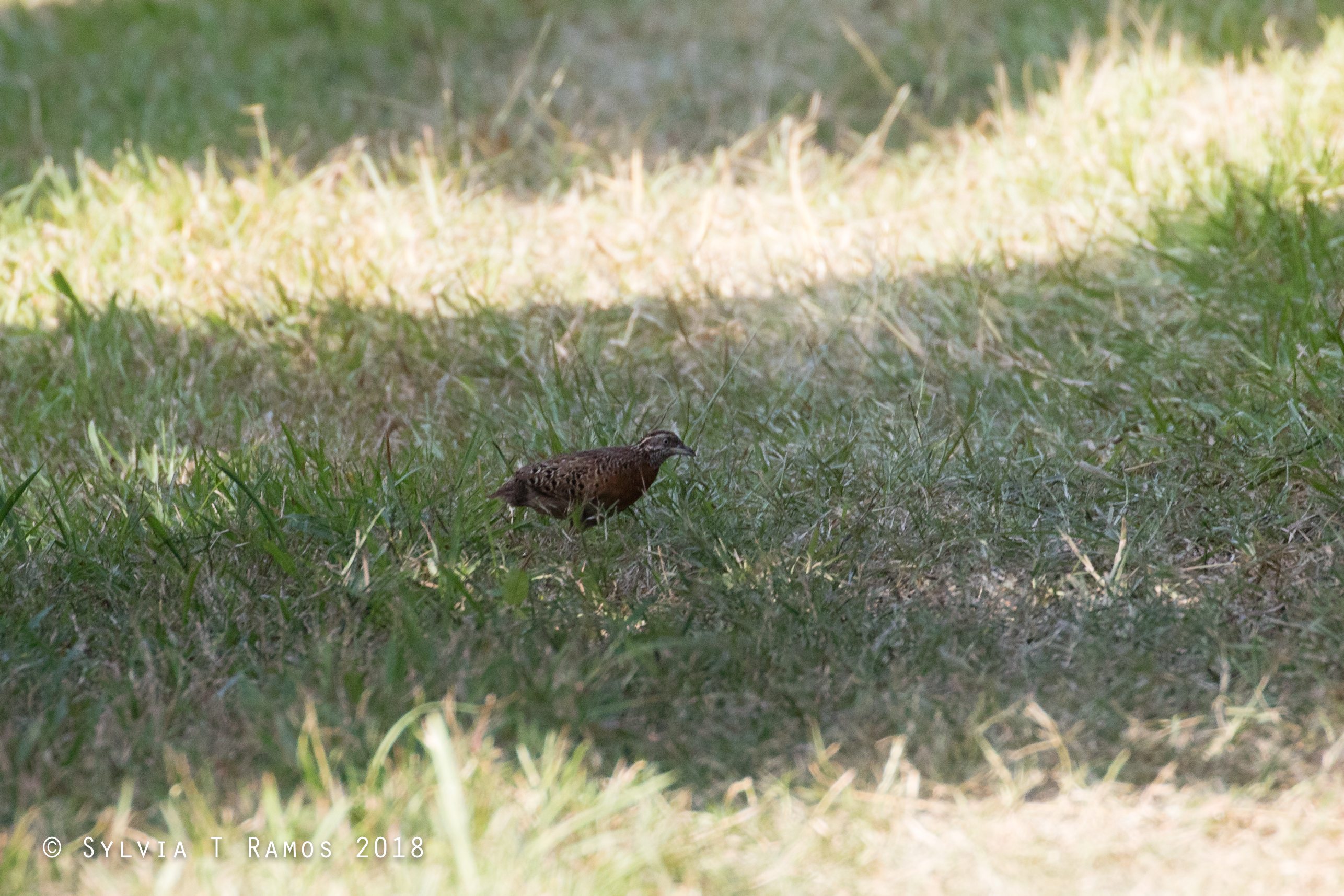
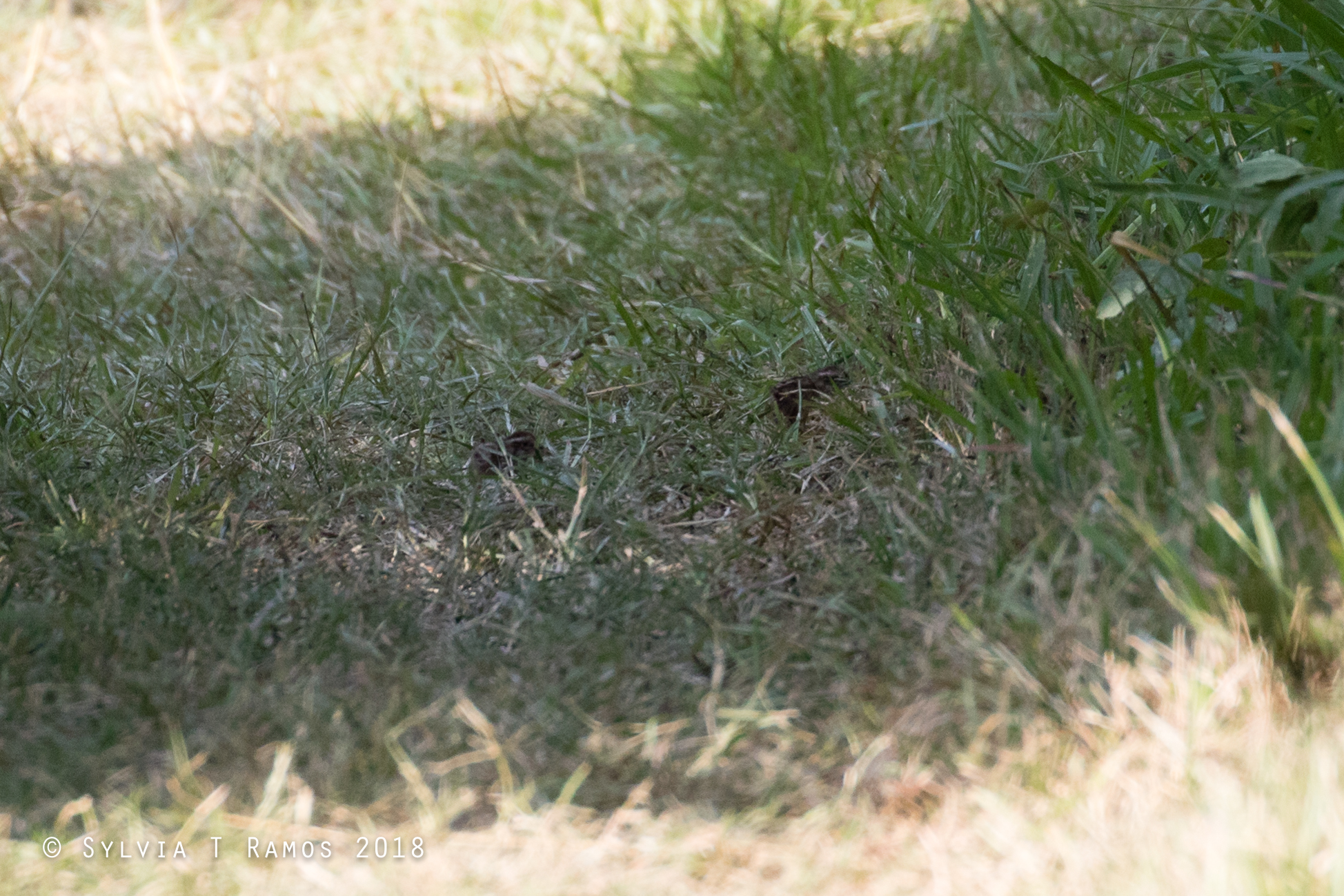
We had breeding birds. We saw this family while we were waiting for the Ruddy-breasted Crake.

_E7A9994
Spotted Buttonquail

The male takes care of the babies!

_E7A0003
cute chicks

It’s always nice to get good views of these guys.

_E7A0089
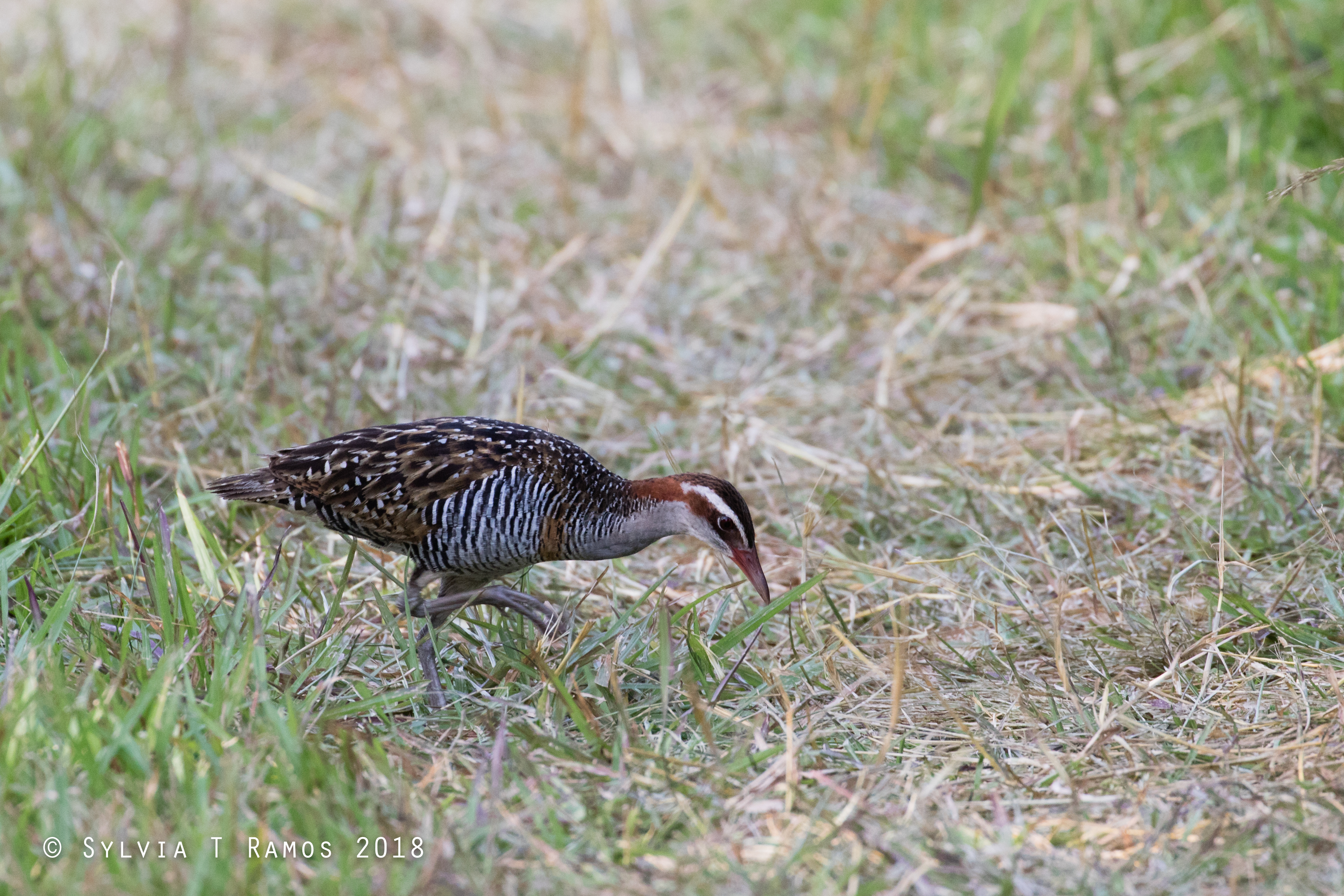
Buff Banded Rail

_E7A9956
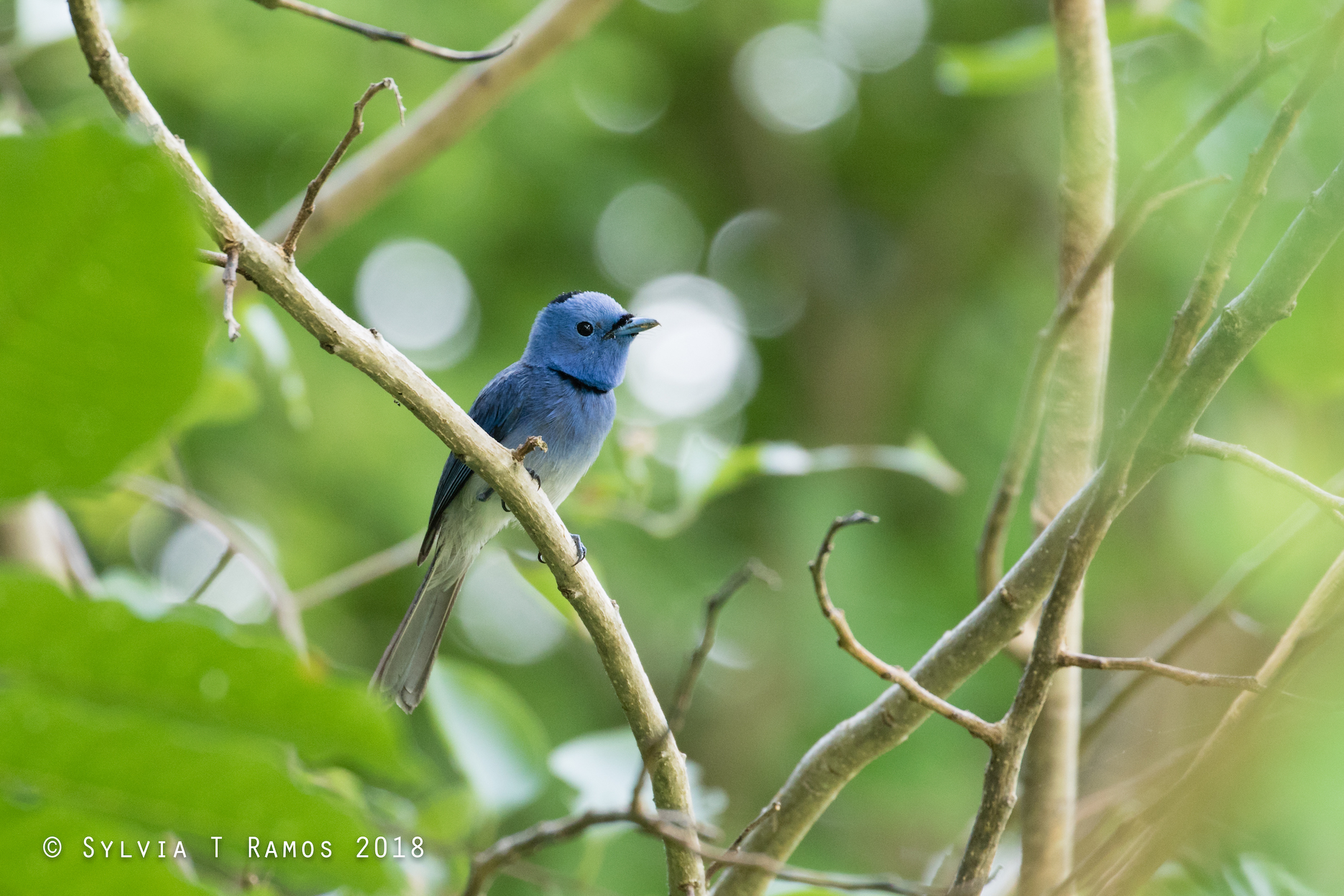
Black-naped Monarch

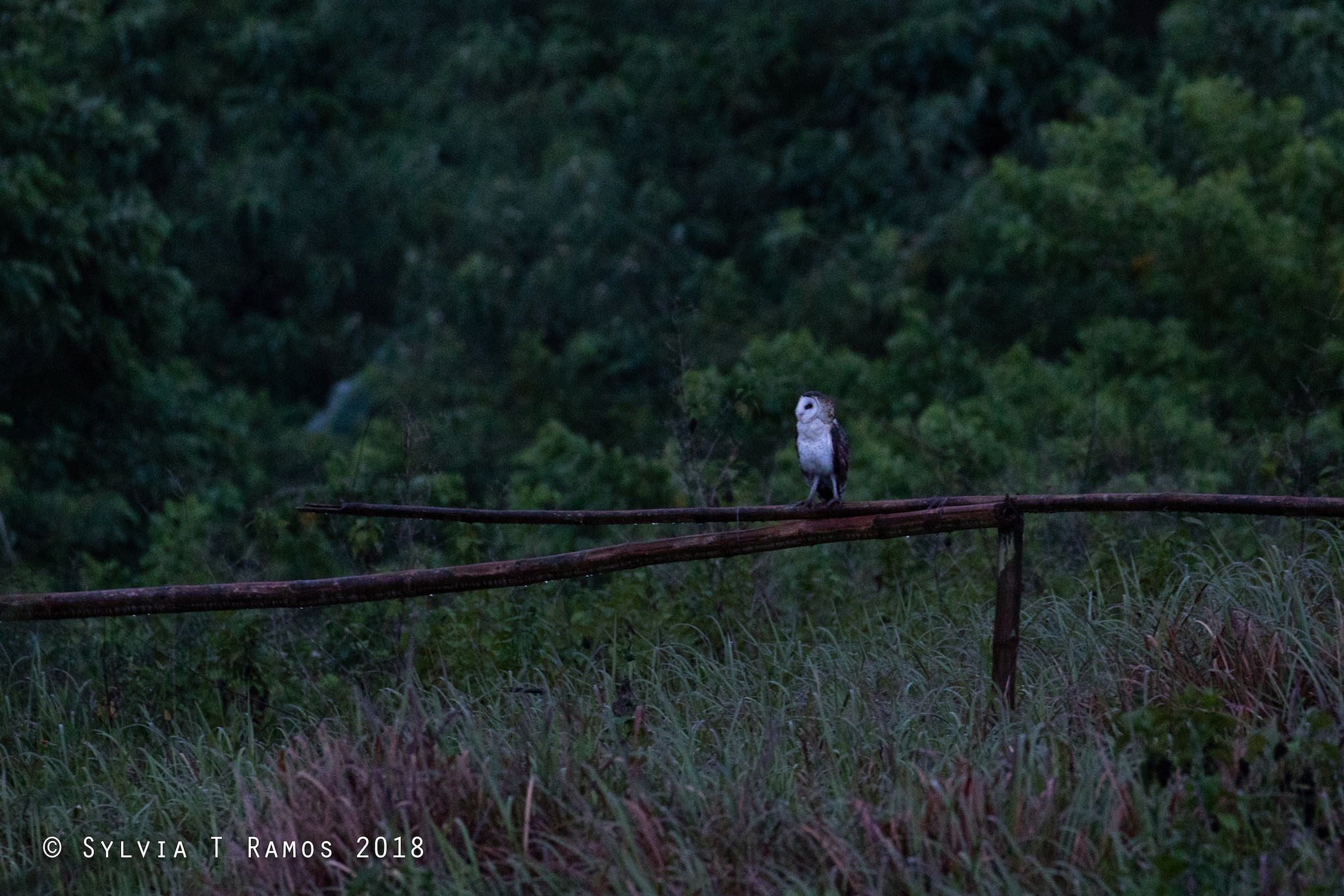
And to end the day with an owl on the fence.

_E7A9347
Grass Owl


Good night!