May 2024 – Fire and Rain

FIRE

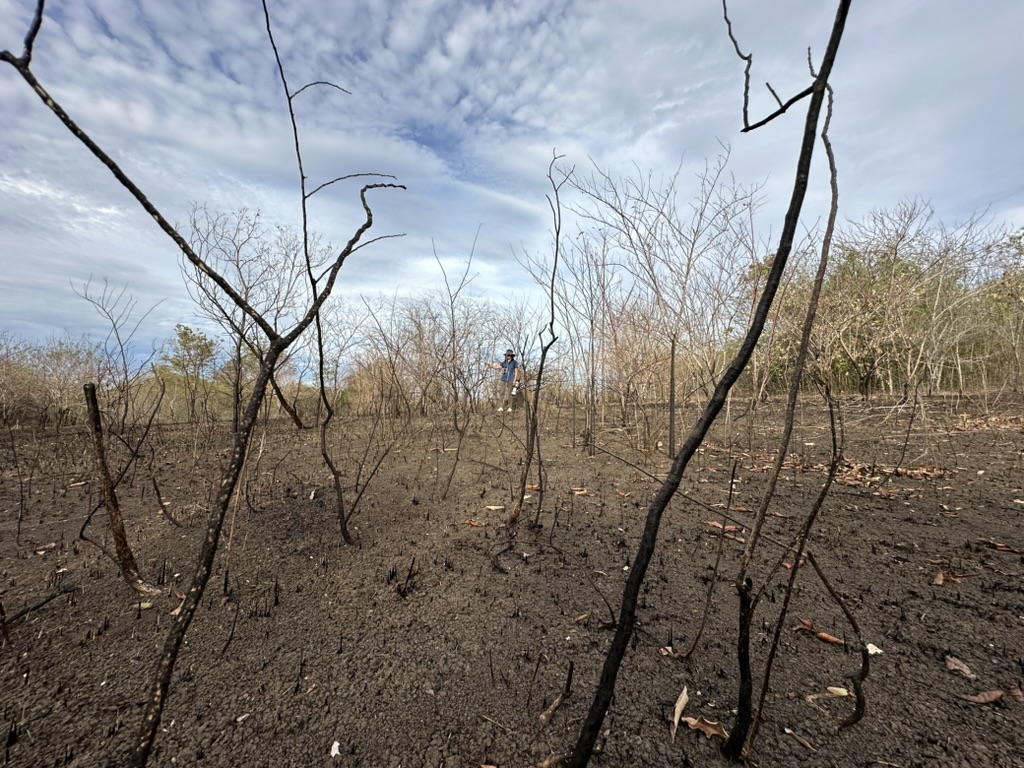
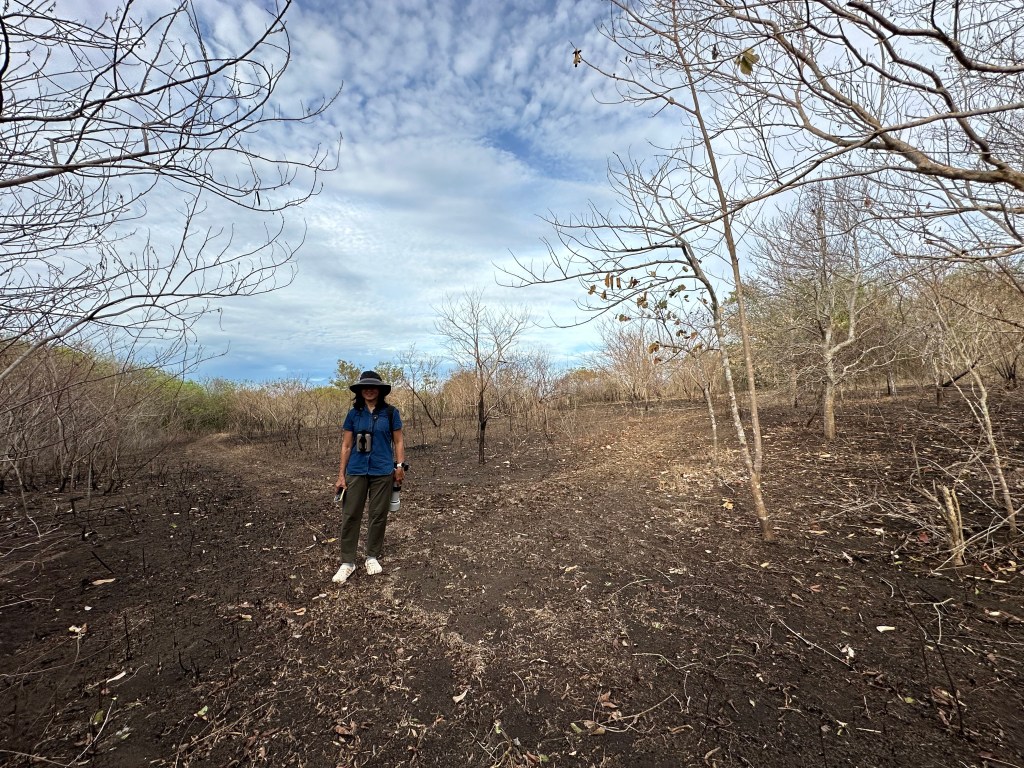
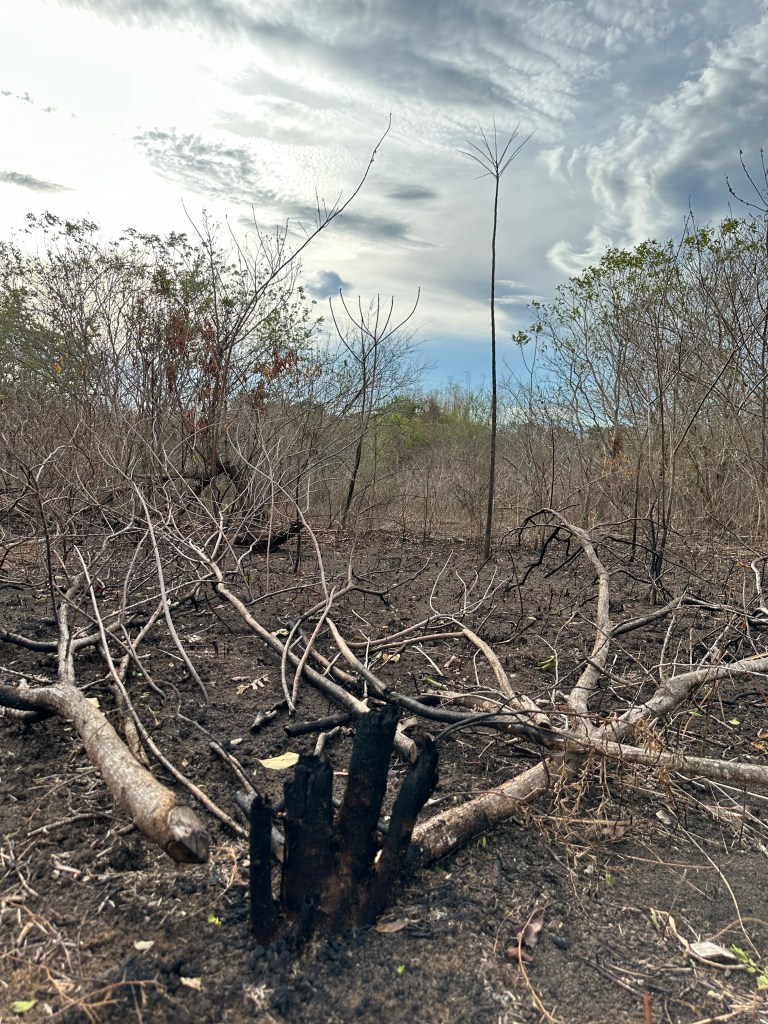
We had a fire on the property in May. We were not in the sanctuary at the time. By the time our caretakers spotted the fire, it had spread to around 1 hectare. It took an hour to put out the fire. Tonji inspected the burnt area the day after the fire. There are paths all over the sanctuary that are supposed to serve as fire breaks. Some of them worked to contain the fire. Unfortunately, some didn’t work.

The worst part of the fire

all the ashes

It was shocking to see the destruction. The ground was covered in black ashes. So many trees were burnt. It was sad to see our favorite paths and walkways wiped out by the fire.

We don’t know what caused the fire. Perhaps a trespasser with cigarette or sparks from a distant fire. We definitely need to upgrade our non-existant fire-fighting equipment and to improve on our fire breaks so that we can better deal with fires in the future.

RAIN

A few days after the fire, the weather made a 180 degree turn and the Philippines had it’s first typhoon of the year! The rain was a relief after the months of intense heat. The timing of it was something else though! We couldn’t help thinking that if the typhoon reached the country a few days earlier, we would have been spared the fire.

A few days after the typhoon, we went to the santuary to see the effect of Typhoon Aghon. Would it be enough to fill up the Big Pond? Tonji told me to wear rubber boots because everything might be wet and muddy.

We inspected the area that was burned in the fire. The ashes from the fire were gone! Even though it didn’t look as bad as it did right after the fire, I was still shocked at how brown and barren the surroundings looked. It didn’t look like our place anymore!

no more ashes

burnt tree stump

Then we visited the Water Lily Pond. The rain filled up the water lily pond! Whew! So glad to see that the pond survived the summer. It was so painful to see the water plants barely hanging on in a few inches of water. It’s a good thing the plants are able to bounce back after a good rain.

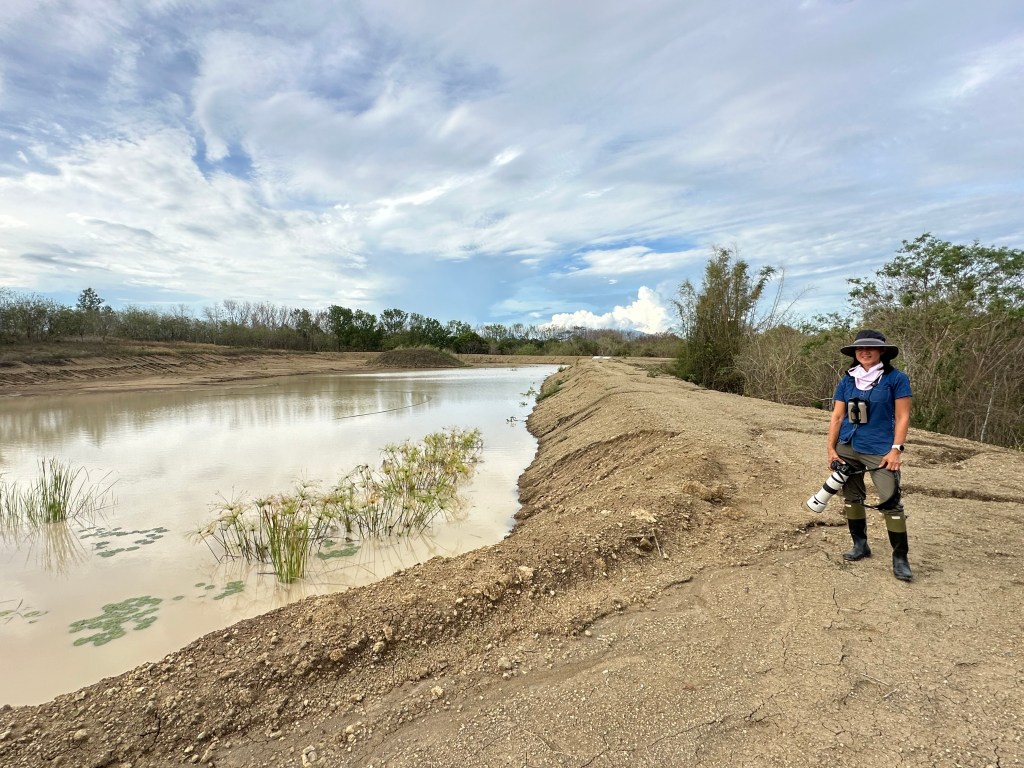
We went to the Big Pond. It wasn’t as muddy as we expected. The boots were overkill! The water level in the Big Pond increased by a lot. But the water still hasn’t reached all the way around the island in the middle of the pond. It also looks like there is some erosion on the banks of the pond.

water hasn’t reached the back of the island
water plants are doing well
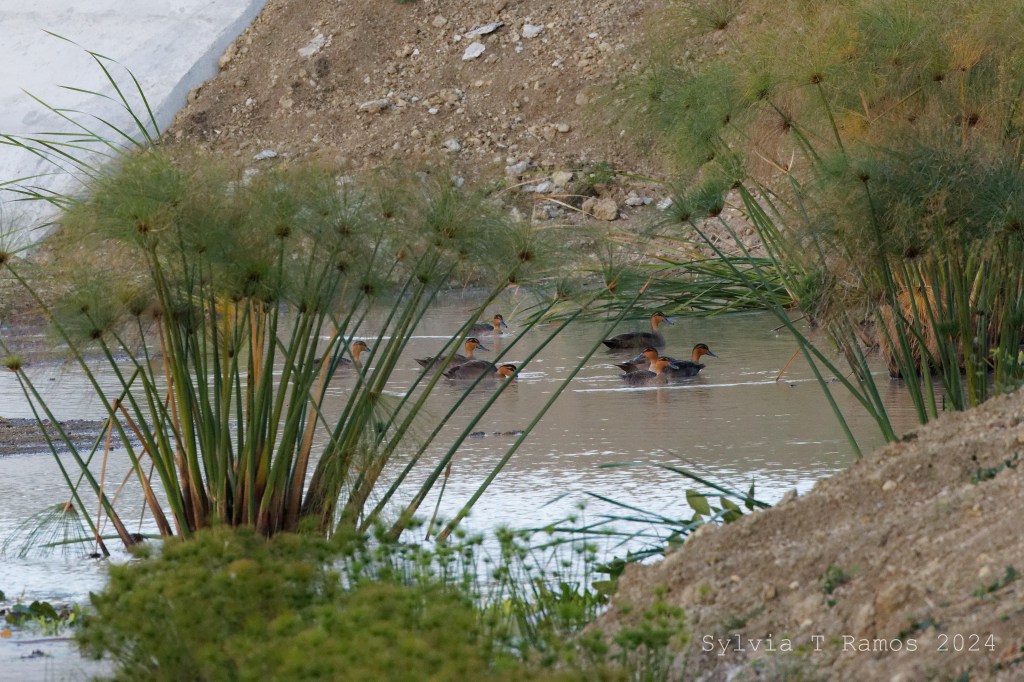
The ducks are swimming at the far end!

We survived the hottest summer on record, a fire, and the first typhoon of 2024! What a relief!

Nearing 50 Ducks!
2024 is shaping up to be an exciting year for our refuge!
JANUARY

Ducks in the Big Pond

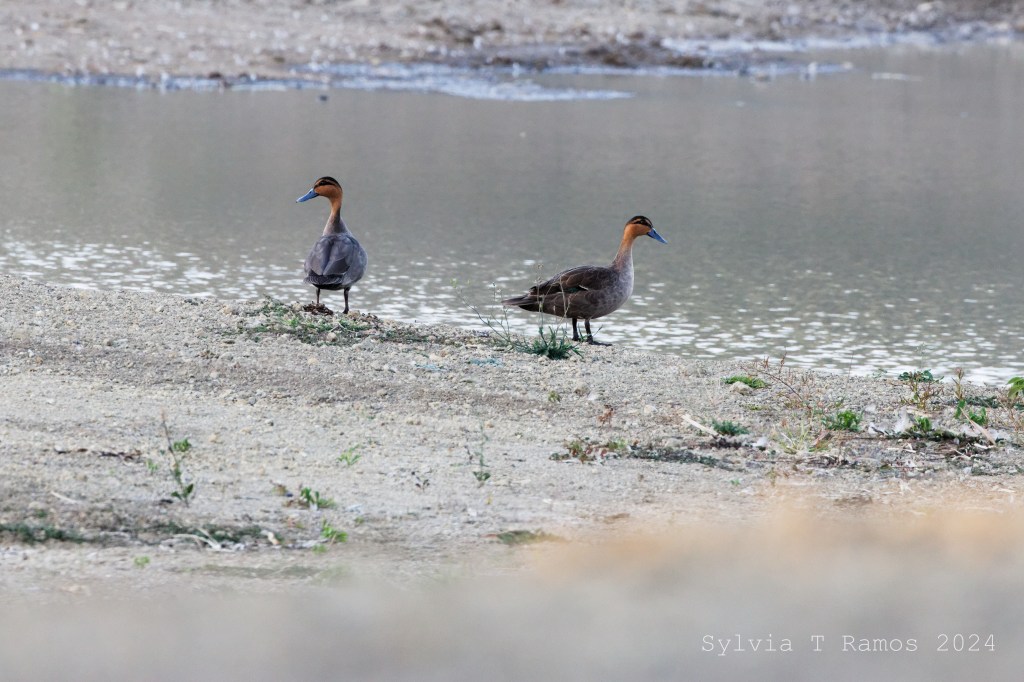
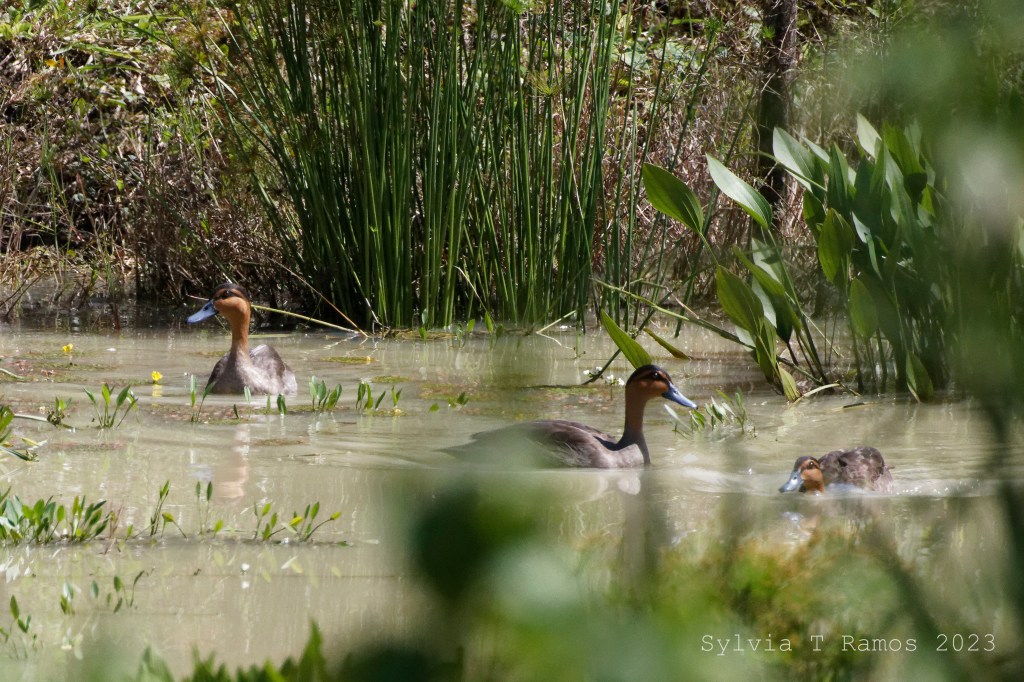
First time to see Philippine Ducks in the Big Pond! Tonji saw 15 Philippine Ducks swimming in the Big Pond. We knew it was just a matter of time until the ducks discovered the Big Pond. In the meantime, we were trying to make the Big Pond as attractive to the ducks as we could by planting water plants and minimizing the human activity in the area. It was so satisfying to finally see the Philippine Ducks at the pond!

Philippine Ducks swimming in the Big Pond
January 2024 at the Big Pond

We were even able to show the ducks to friends and family that visited the refuge.

FEBRUARY

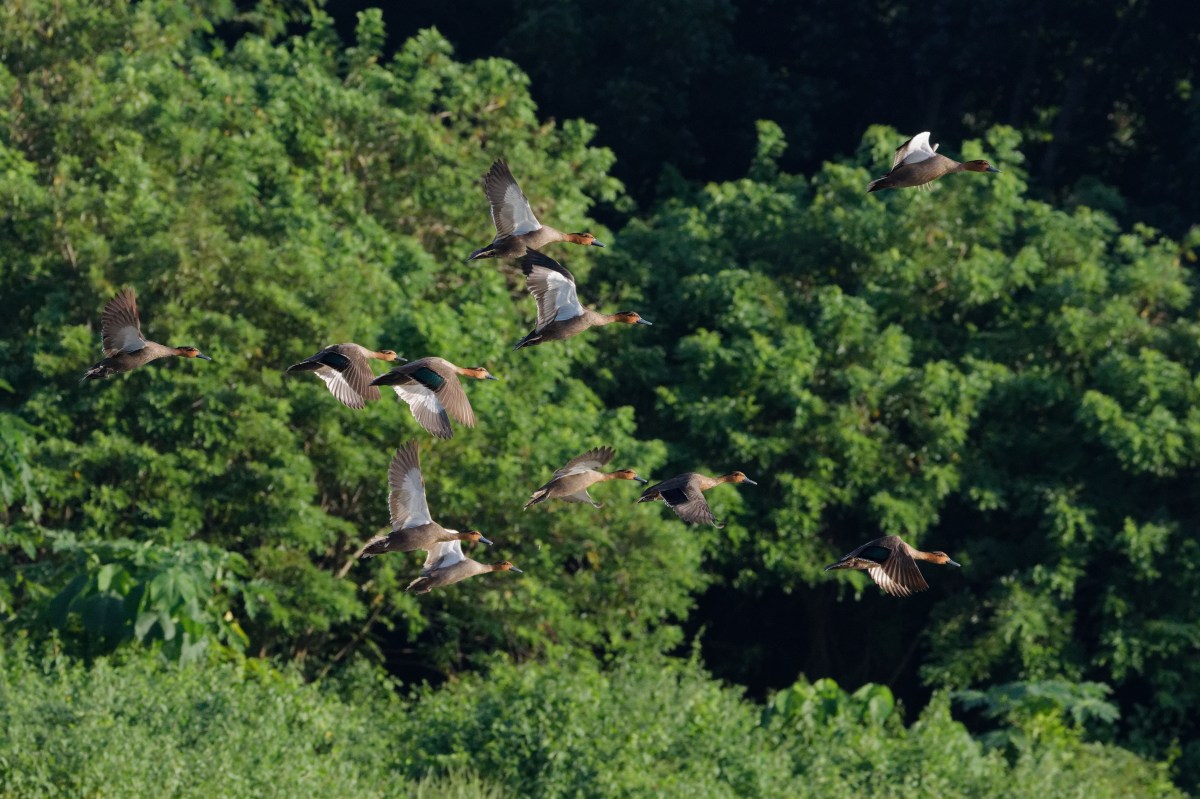
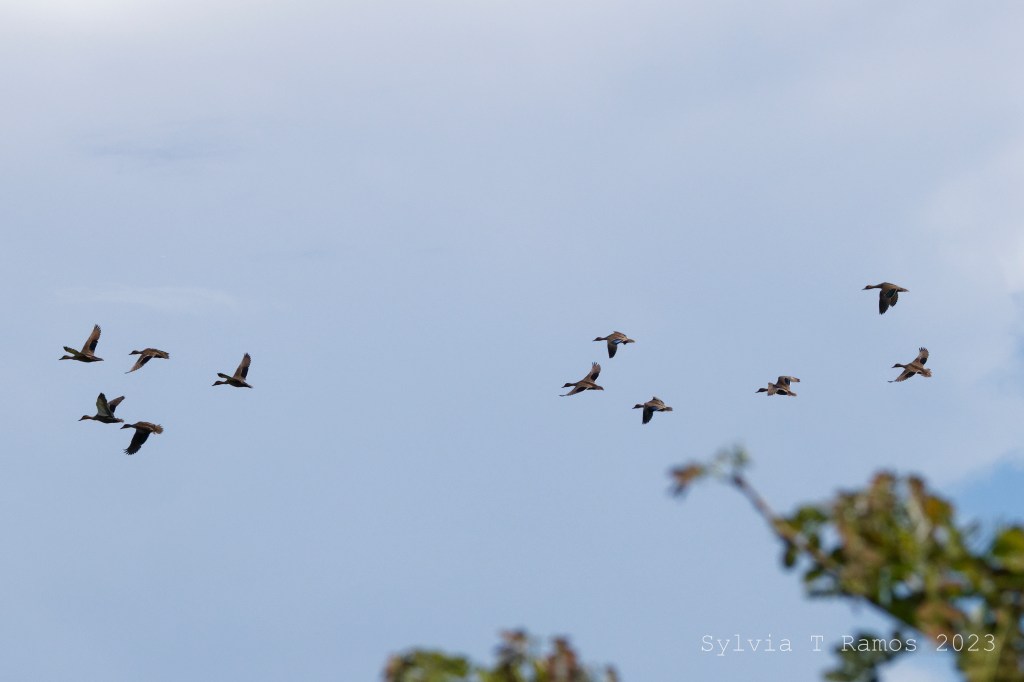
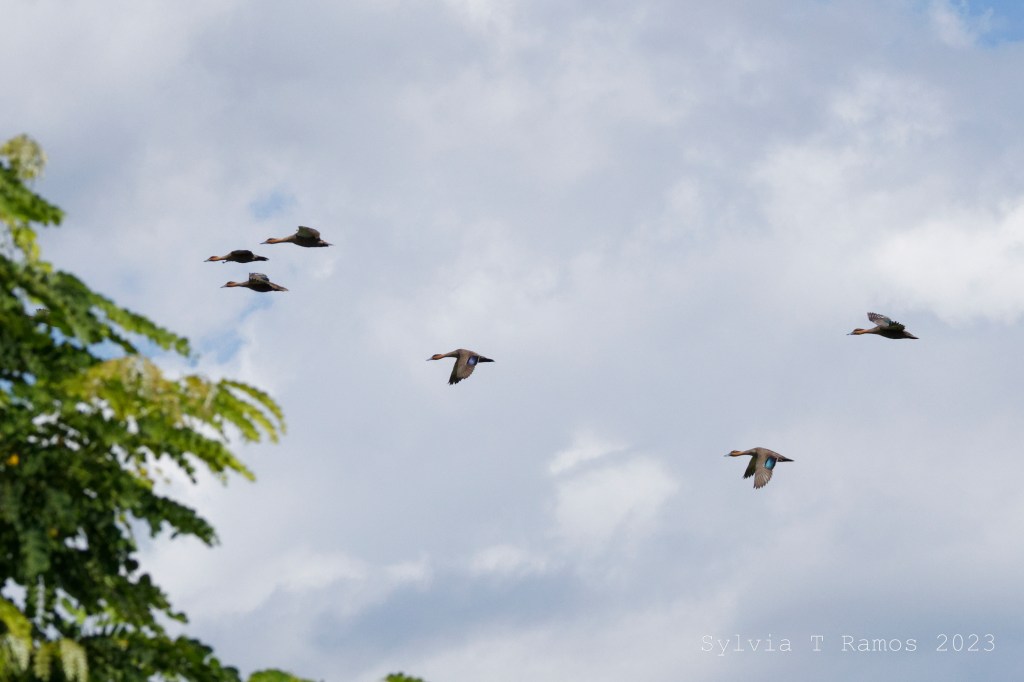
In February we had more visitors to the refuge. We started plans on upgrading our glamping set-up to make it easier to have visitors. We met up with the building crew to discuss the new guest house and they were all agog about seeing so many ducks! How many ducks? They couldn’t really say. Maybe 20, maybe 40. The building crew were in the refuge early in the morning when they saw many ducks fly out of the Big Pond, circle overhead, then land back in the Big Pond. We were very happy and excited to hear that there were many ducks, even if we didn’t know how many. And even better news was that they appeared intent on staying in the Big Pond.

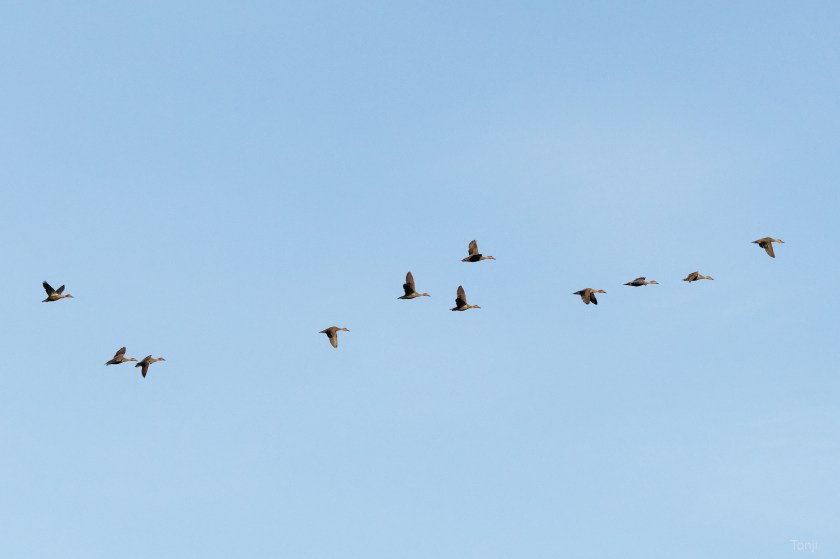
Duck action at the Big Pond!

MARCH

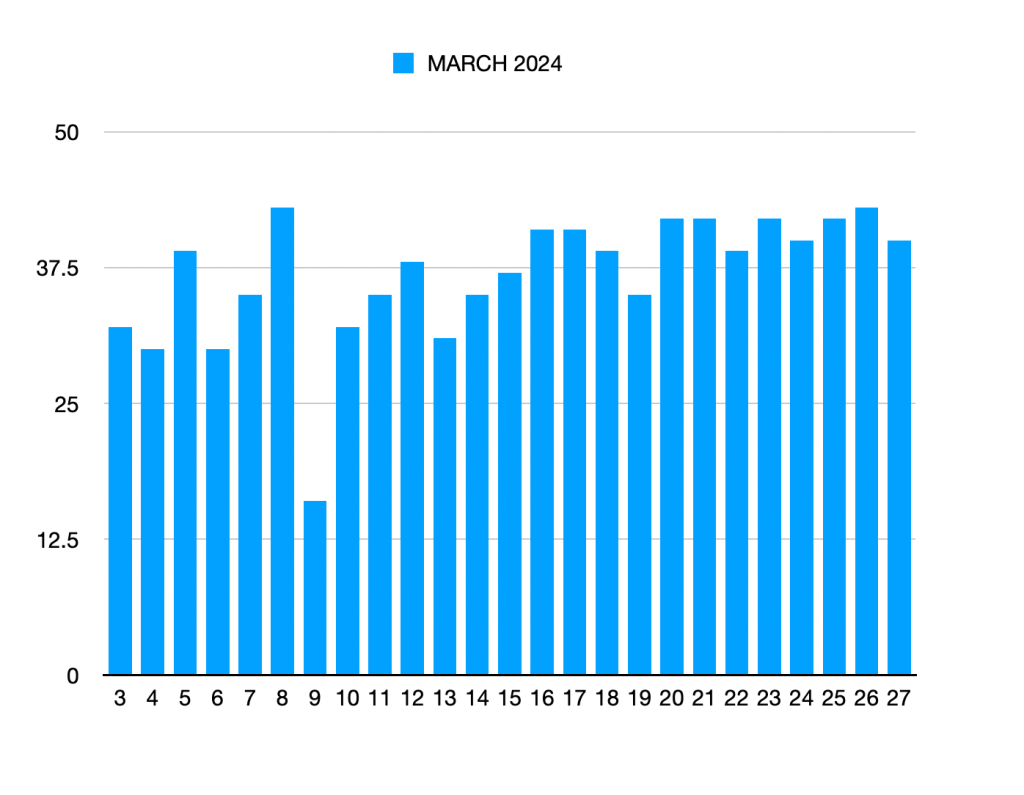
In March we started keeping track of the number of Philippine Ducks in the refuge. There is a big group that stays in the Big Pond and 2 ducks that appear to stay in the Water Lily Pond.

Philippine Ducks in the Big Pond March 3 – 27

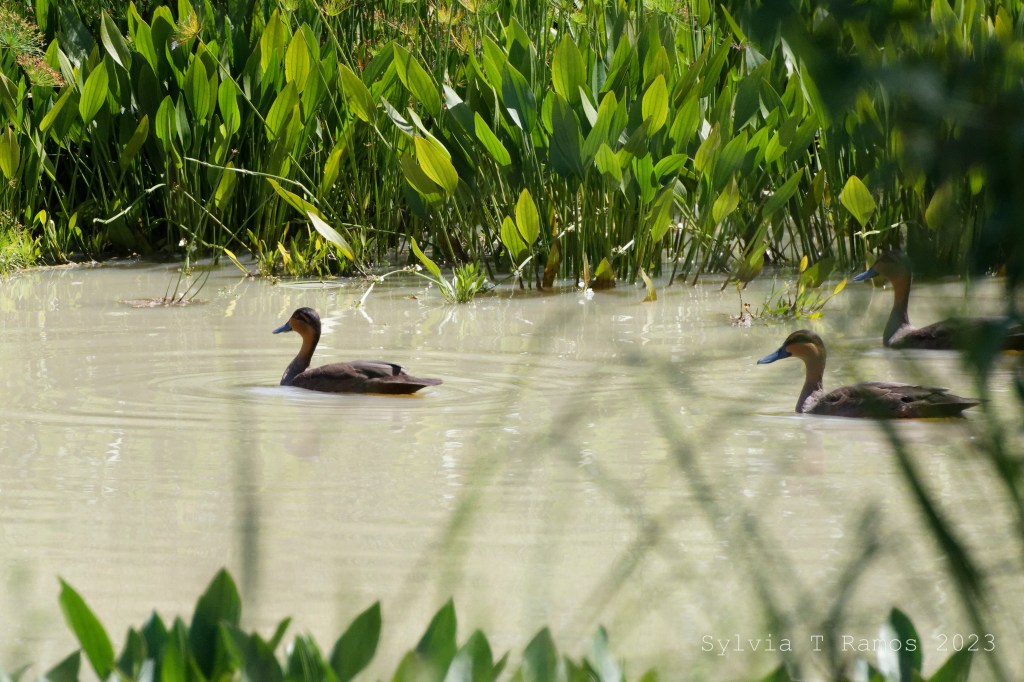
We started keeping track on March 3 and had 32 ducks. That’s 12 more than our highest previous count of 20 Philippine ducks in the Water Lily pond in November 2023. Our new highest count is 43 ducks in the Big Pond on March 8 and March 26. If we assume that the pair of ducks in the Water Lily Pond do not go to the Big Pond, then that makes it a possible 45 Philippine Ducks in the refuge! Almost 50 ducks!!

The ducks like to gather in this corner of the Big Pond
Philippine Ducks at the Big Pond

I am looking forward to planting more Typha or bullrushes at the Big Pond. They are supposed to spread and even become weedy, but so far the ones we have planted are looking sparse. We have also planted giant papyrus, dwarf papyrus, water lilies, lotus, and sagittaria. I think the plants make the pond much more attractive to the birds.

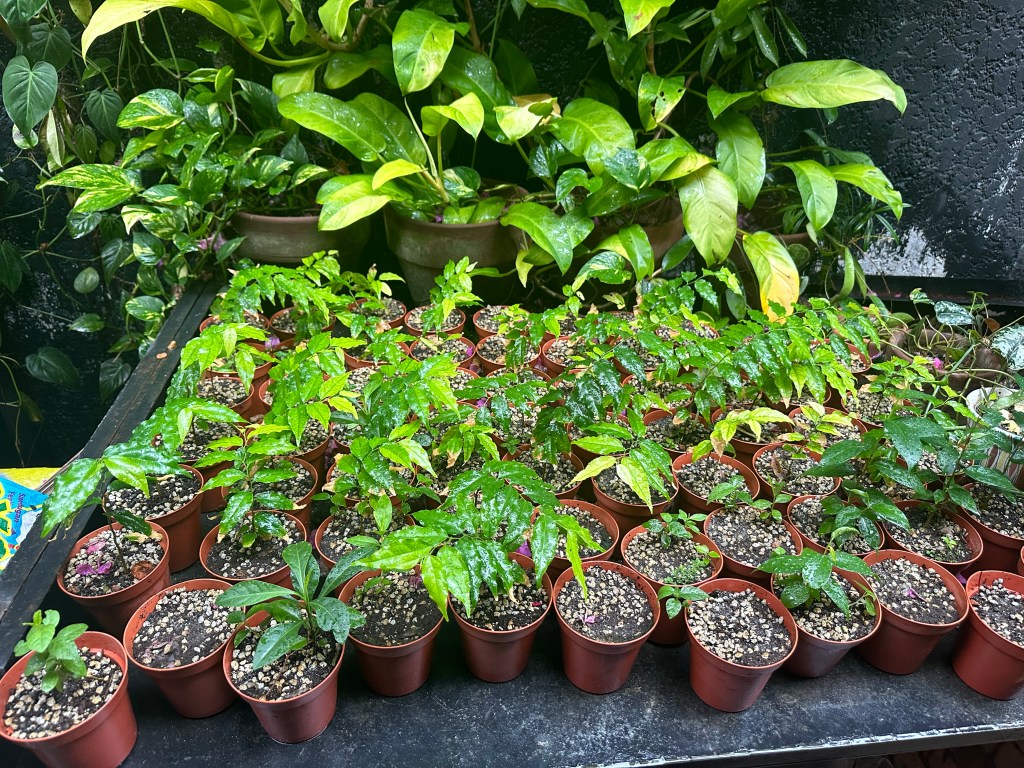
New plants

Not duck related — these are seedlings that I am growing at home in Alabang. The seriales Flacourtia jangomas or Governor’s Plum were planted from seeds that I bought on Facebook. The Dao seedlings are from seeds we picked up while walking the dogs in Alabang.

New bird!

Tonji photographed a Green Sandpiper! That makes it 108 species for the refuge. Photos and details to follow.

Birdy October!

We had an awesome October full of birds and flowers! We finished building the big pond in September and then we had an incredibly fabulous October full of birds and flowers and fruits! Was that the effect of the big pond or just a coincidence?

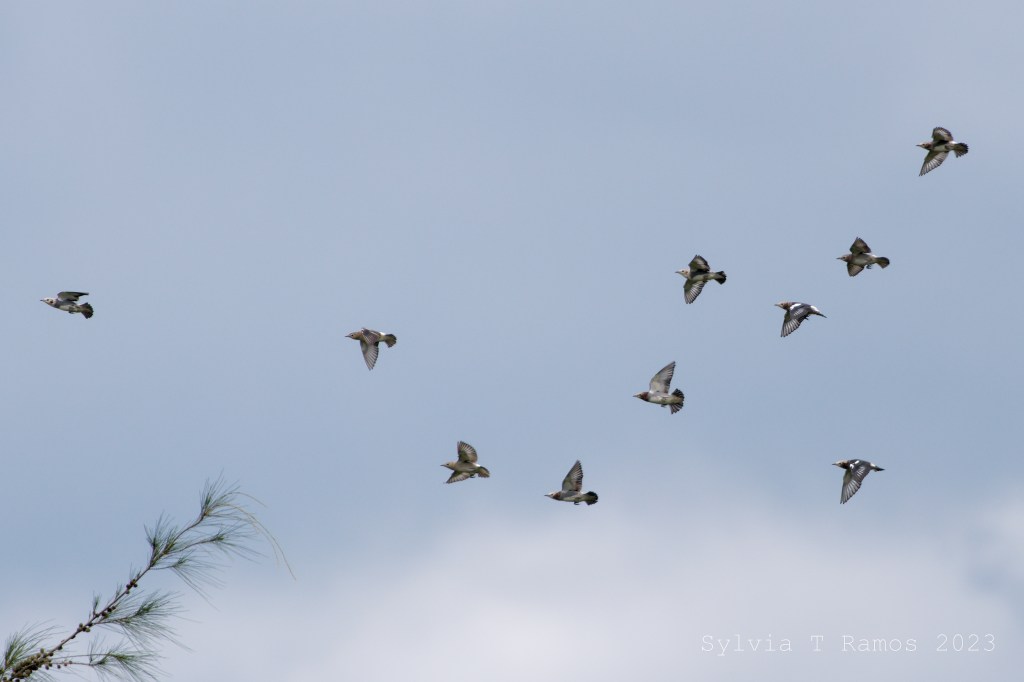
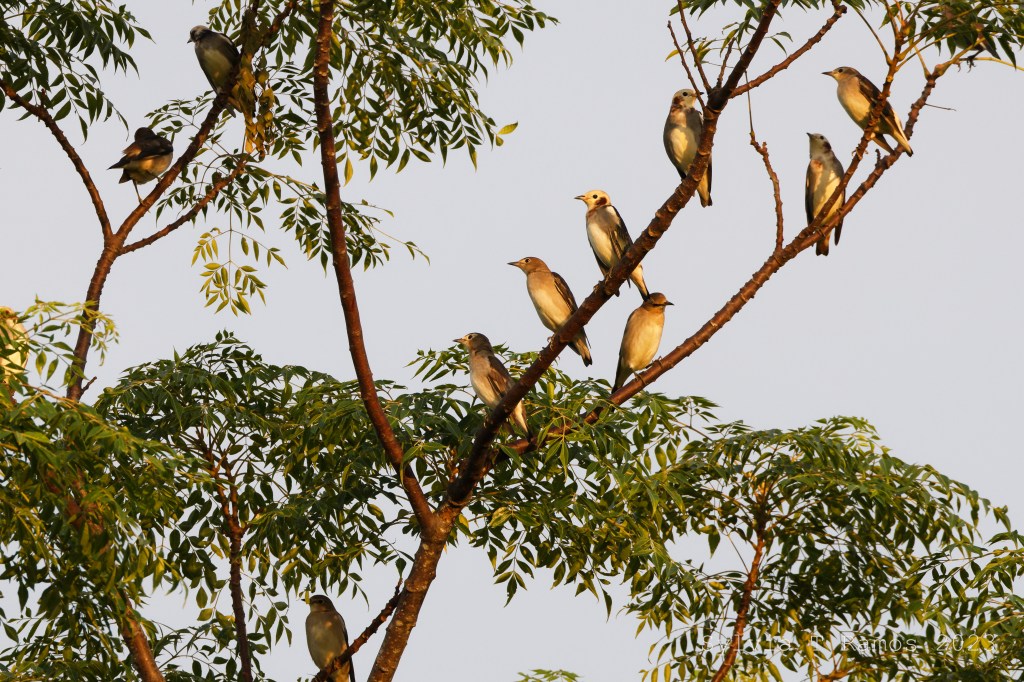
We had 2 new bird species at our refuge! Two new species in one month is very good for us. We have now seen 106 bird species at the refuge. The new birds are Chestnut-cheeked Starling Agropsar philippensis and Little Ringed Plover Charadius dubius. Both species are winter visitors to the Philippines.

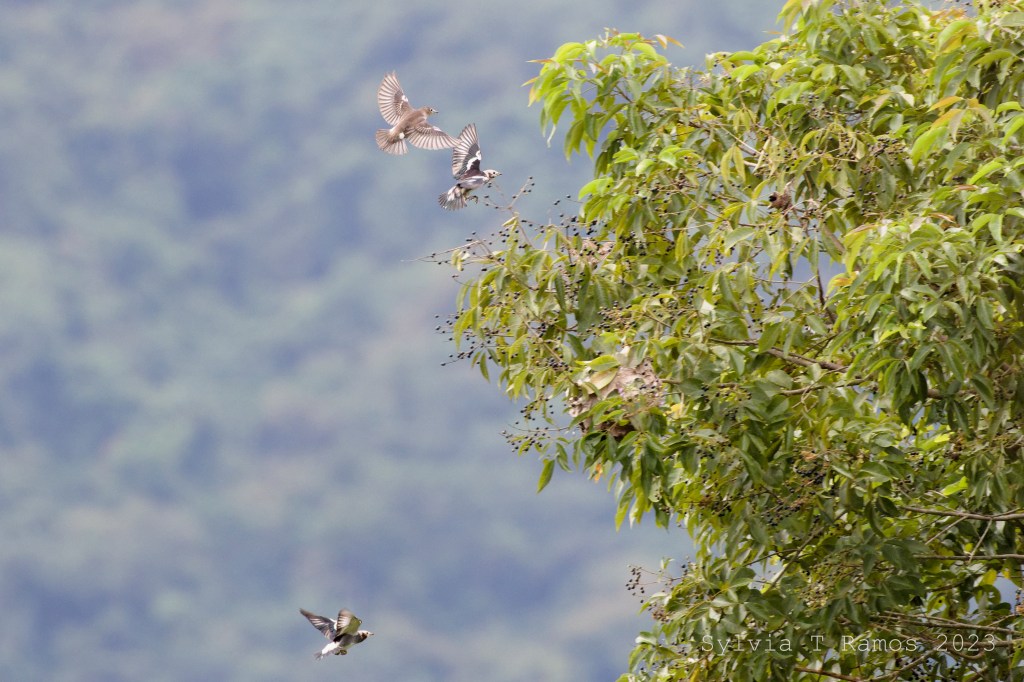
Chestnut-cheeked Starlings are exciting birds to watch. They gather in big flocks and fly together from one tree to another. They have the ability to disappear into the tree they land in! One moment you see a big flock of birds, and the next moment they’ve disappeared! Tonji estimates that there were 300 Chestnut-cheeked starlings in our place. It was difficult to get an accurate count because they were in small flocks and would show up in different spots.

Seeing all those starlings in our place was a dream that was at least ten years in the making. We used to make the 9-hour drive from Manila to Laoag to see look for migrant birds like Chestnut-cheeked Starlings. In 2013, our friend from Laoag Richard Ruiz gave us a mulberry tree to plant in our refuge so that we could attract our own flocks of starlings! The mulberry tree did not do well, but the flocks of starlings came anyway! We saw them on the fruiting Banato and Agoho trees.

Another big dream come true moment was at the water lily pond. Tonji went out on the tractor to cut the grass. Then after a short while, he came back to the cottage and signalled me to to get the cameras. There were 12 Philippine Ducks swimming in the water lily pond! It was noon and they were resting in the shade of the water plants! This is the most Philippine Ducks we have seen swimming at one time!

The other new bird we had was a solo Little Ringed Plover that seemed to be inspecting the new pond! Little Ringed Plovers are usually found in flocks in wetlands and along rivers. Perhaps next time this Little Ringed Plover will bring in the rest of its flock.

Little Ringed Plover

There were other birds inspecting the new pond.

The plants also chose this month to show off. The Balai Lamok near the house had the most flowers it has ever had. A few years ago, Balai Lamok trees were touted as the Philippines version of the Japanese cherry blossom. The photos of the mature trees full of flowers truly made one want to go out and buy seedlings! It became one of the most sought after trees among Philippine tree enthusiasts. When our Balai Lamok trees did flower though, they would only produce a handful of flowers. It was undewhelming and made me think they tree was over-rated. Until our tree produced this abundance of flowers!

Balai Lamok

The guava trees had bigger fruits than before. I thought that we had some kind of dwarf or native variety of guava that had tiny fruits. It seems that as the tree gets bigger, its fruit also gets bigger! 

I saw an Alibangbang tree full of buds! This was a first for me. I usually see them full of seed pods and miss the flowers completely.

And here are more birds we saw in October!