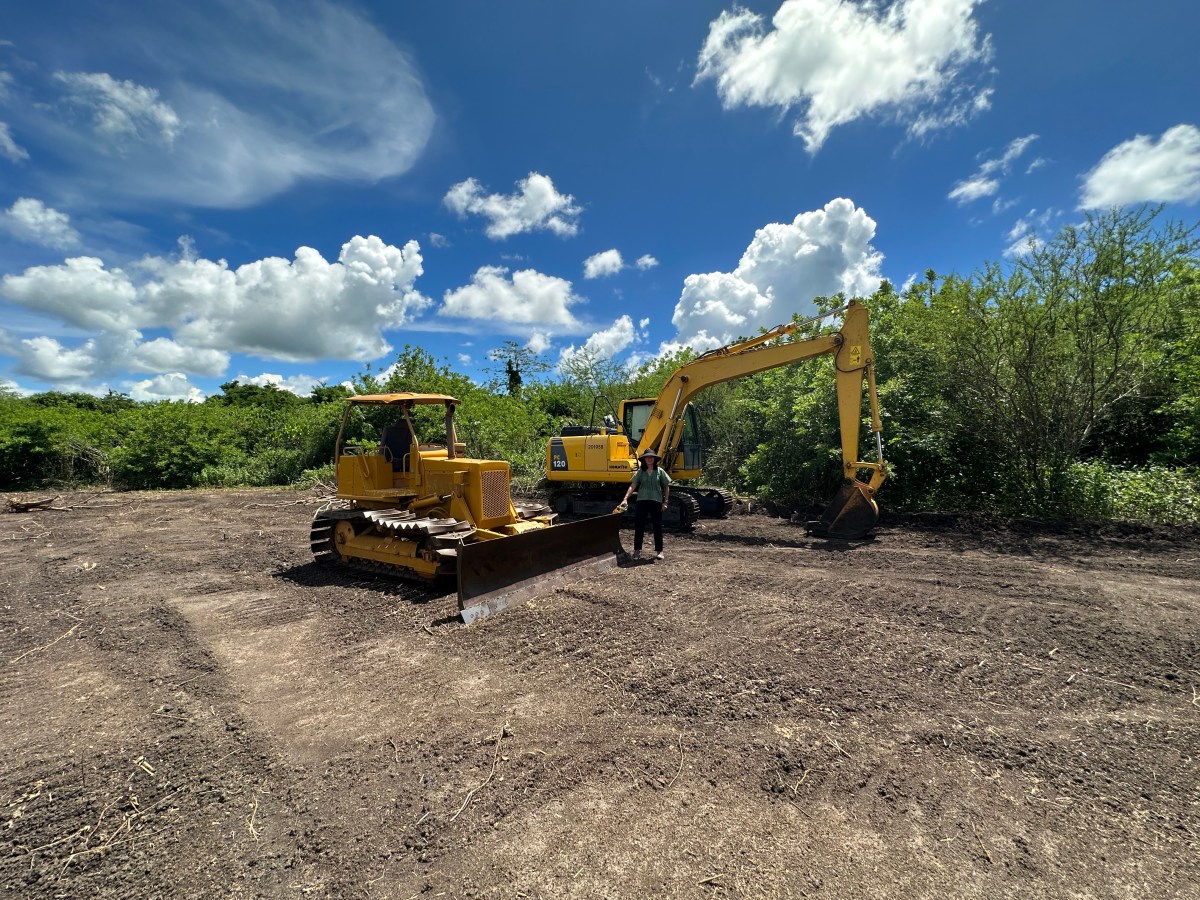
July 2023 – Turning Inspiration into Reality

We have enjoyed all the ponds we built at our refuge. We have learned so much from each one. We saw that we have the right type of soil for holding water, that the birds enjoy even the small ponds, and that water plants help make the pond come more alive.

Each succeeding pond we built has been bigger than the previous one! We learned that a bigger and deeper pond has a better chance of holding water all year round, attracts more birds, and is a nicer place to watch birds.

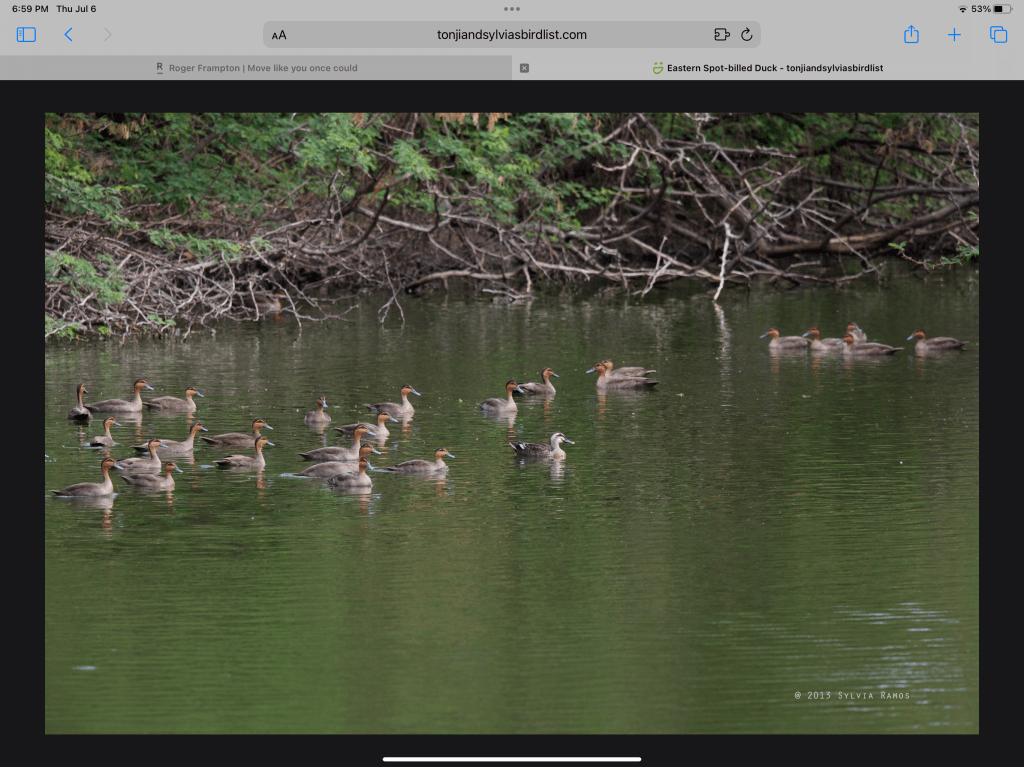
We decided to make our biggest pond yet! There were two big ponds that served as inspiration for this big pond idea:

1). The man-made pond in Saud Resort in Ilocos Norte
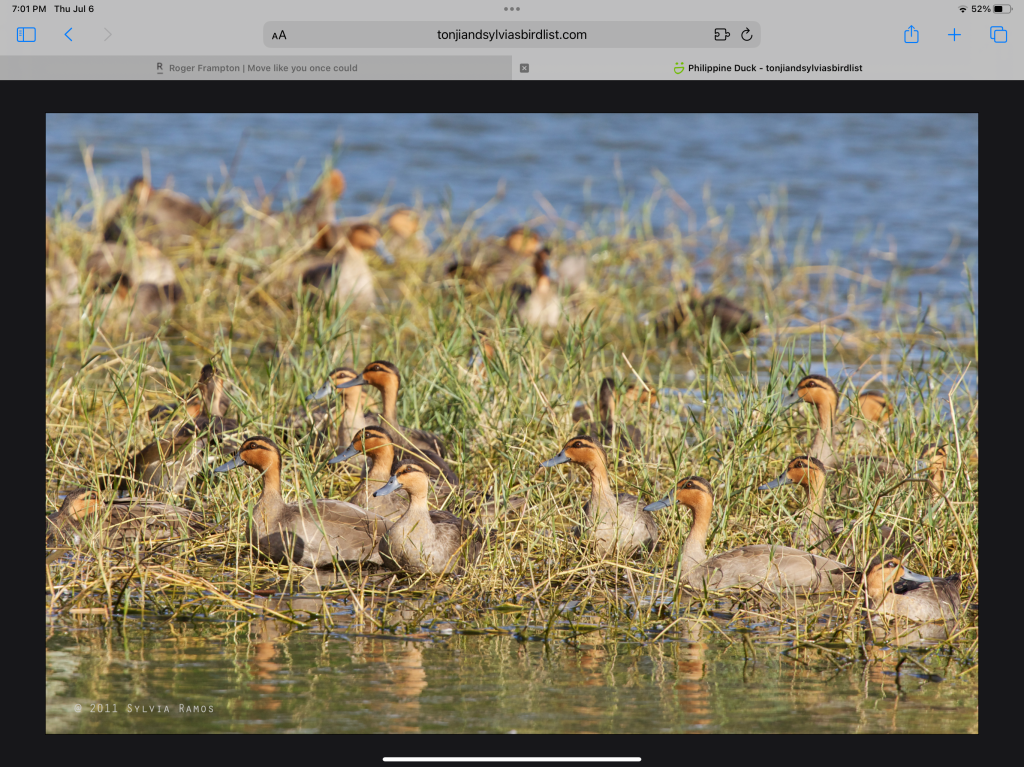
It is a very big pond right by the entrance of a beach resort. It is where we had our best views of Philippine Ducks, plus photos of rare migrant birds! We visited this pond many times over the years for bird photography. During one visit, I got sick and had a fever and was still able to easily walk to the pond, pull up a chair and take photos of birds. It was that easy to get to the pond! I loved how the birds appeared very comfortable and relaxed in this pond. This is also where we saw Philippine Ducks perched on a tree!
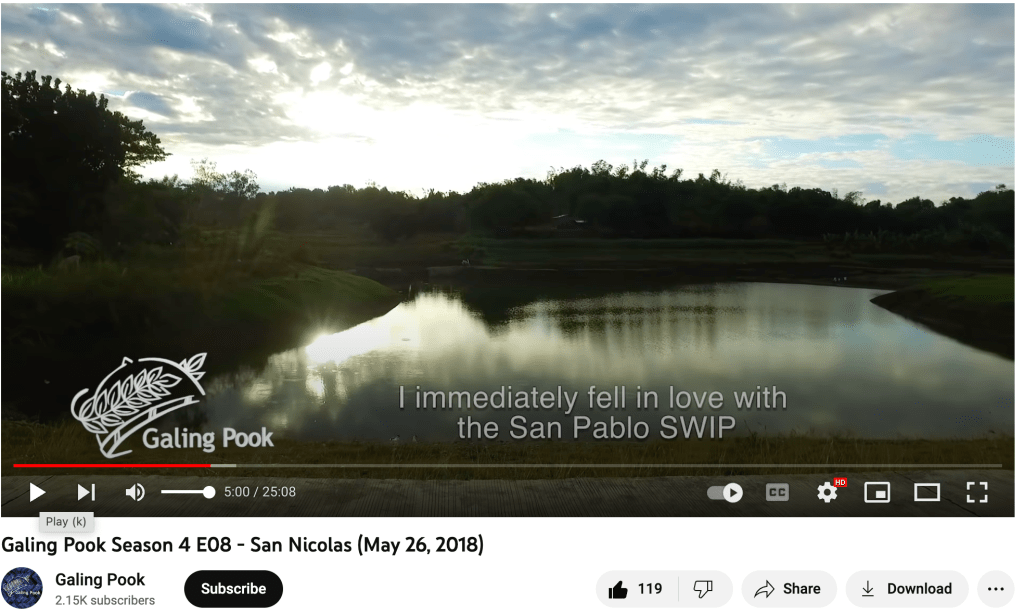
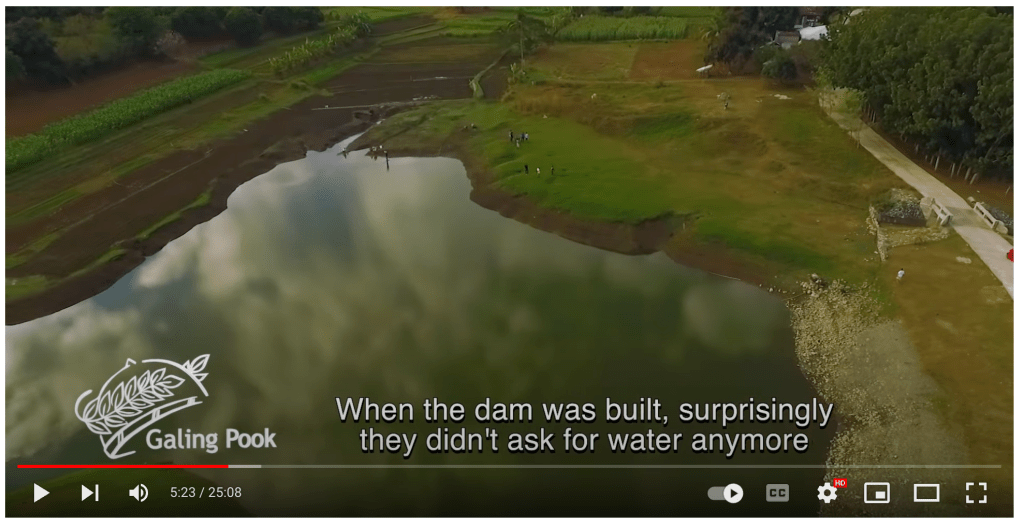
2) The Small Water Impounding Project (SWIP) in San Nicolas, Ilocos Norte
Unlike the pond in Saud, we never visited this site. We just saw it on YouTube. What we liked about it is that how they said that the area and their lives changed for the better because of the SWIP. Their deep wells that were dried up had water again, they earned more because they could plant more, they enjoyed visiting the SWIP because it was pleasant and beautiful, and they saw more birds! Their SWIP though has big fish which are not good if you want to have a lot of frogs, dragonflies, and other creatures.
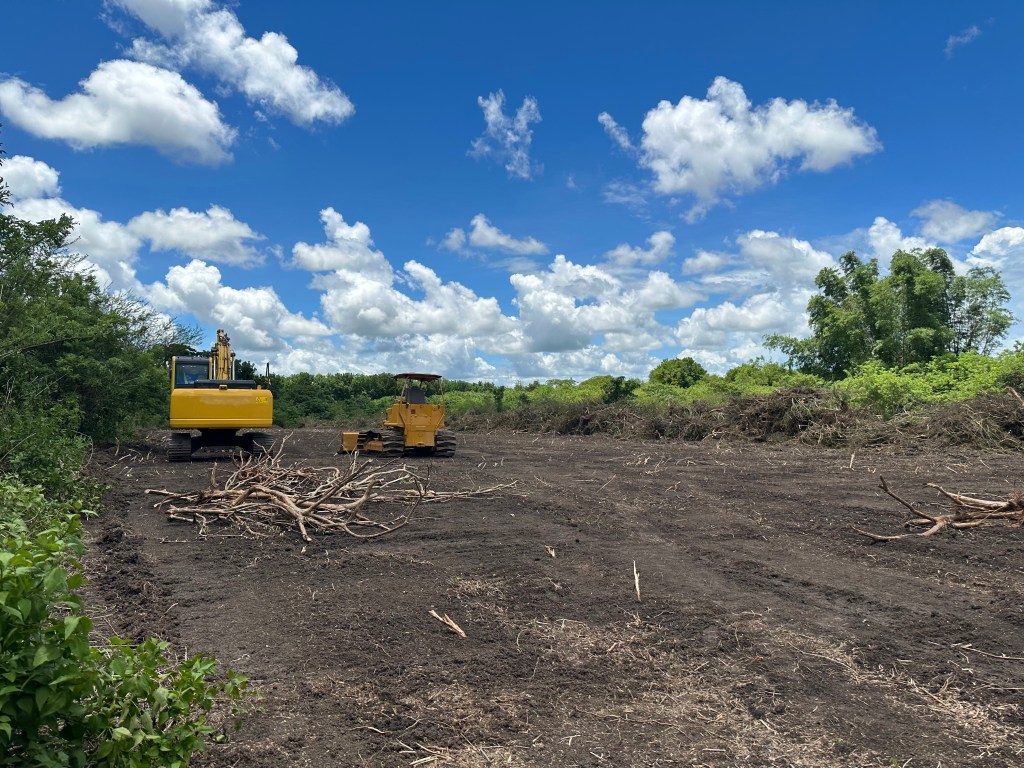
We realized that to turn inspiration into reality, we would have to bring in big equipment plus people to run the equipment. It would be a much bigger expense than building it ourselves but we would save a lot on time. Once we were decided that we wanted to go through with this project, things started moving quickly! We were able to find a contractor with a lot of experience building the type of pond commonly used for fish and rice farming with earth walls called pilapil. He was also familiar with SWIPs. Our pond would have the same type of construction, but we would make it look natural.

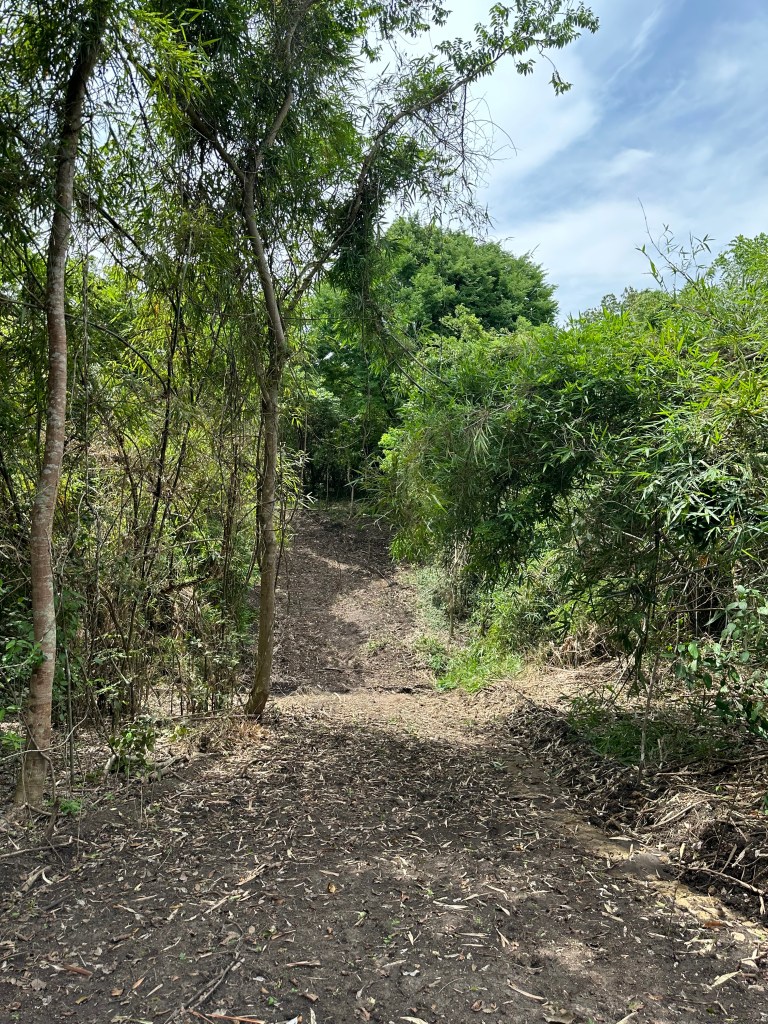
The first step was to clear the site of the shrubs, aroma, and madre de cacao so we could decide on the final boundaries of the pond. The final size of the pond depends on the budget and the site. Of course I wanted it as big as possible! The cleared area is less than one hectare. It is about 50sqm x 175 sqm. We will extend it further out and also make a road to the cottage.

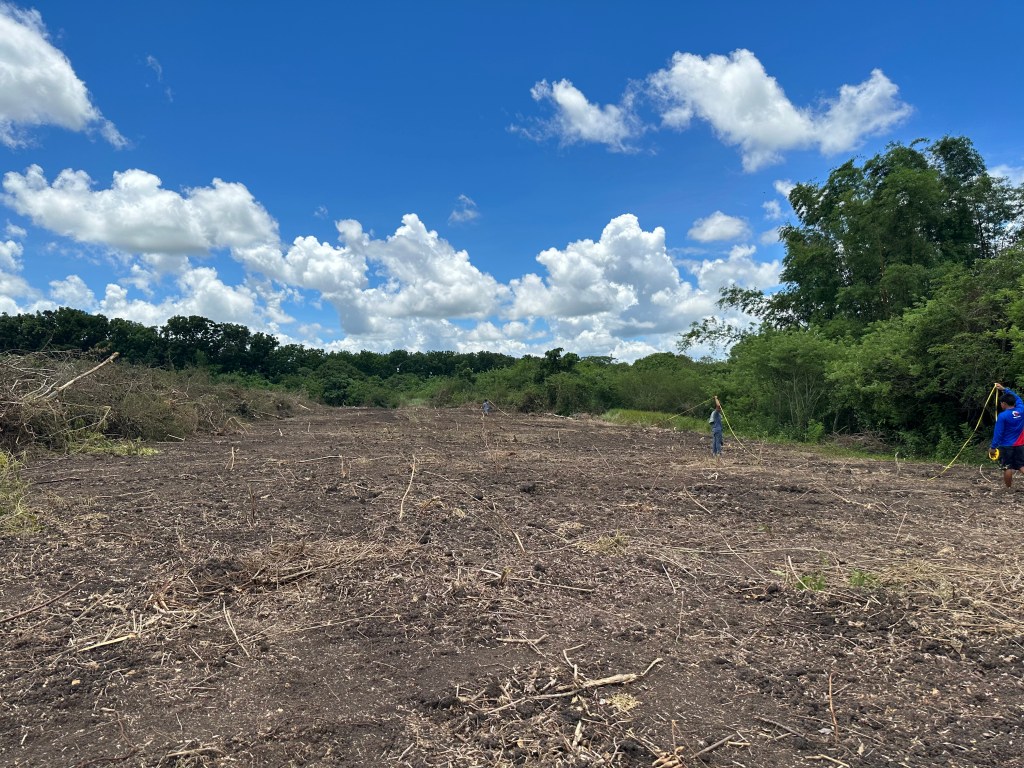
Our promising start got stalled by rain. Work had to stop for most of the month. The newly cleared area got covered in new growth!
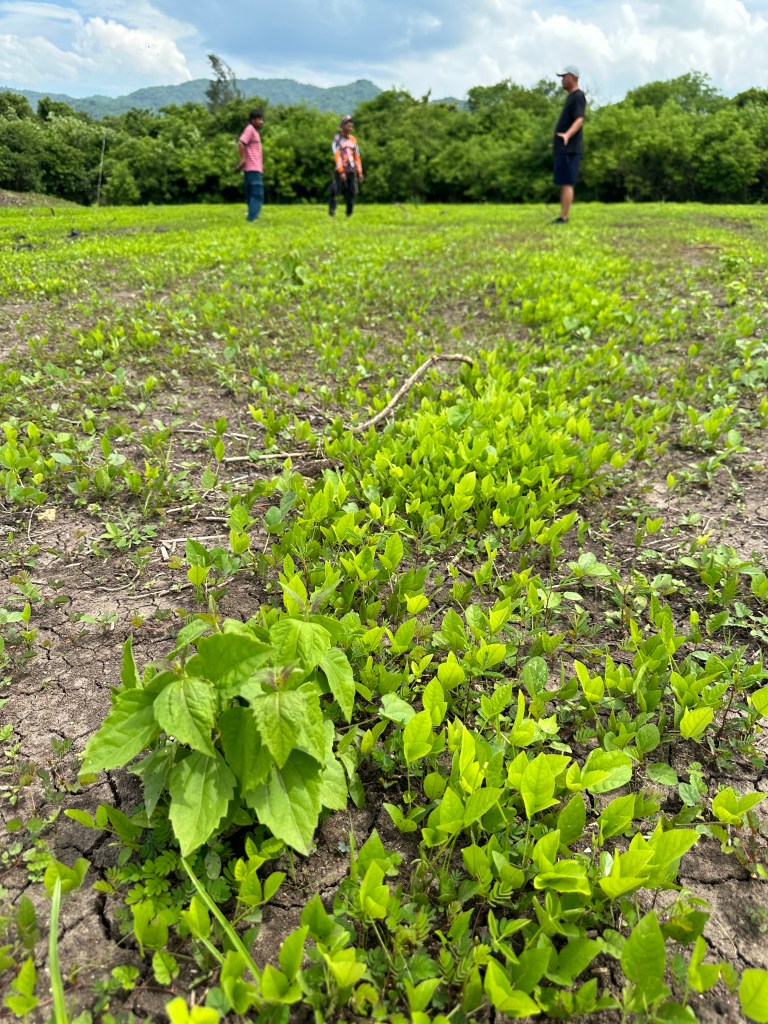
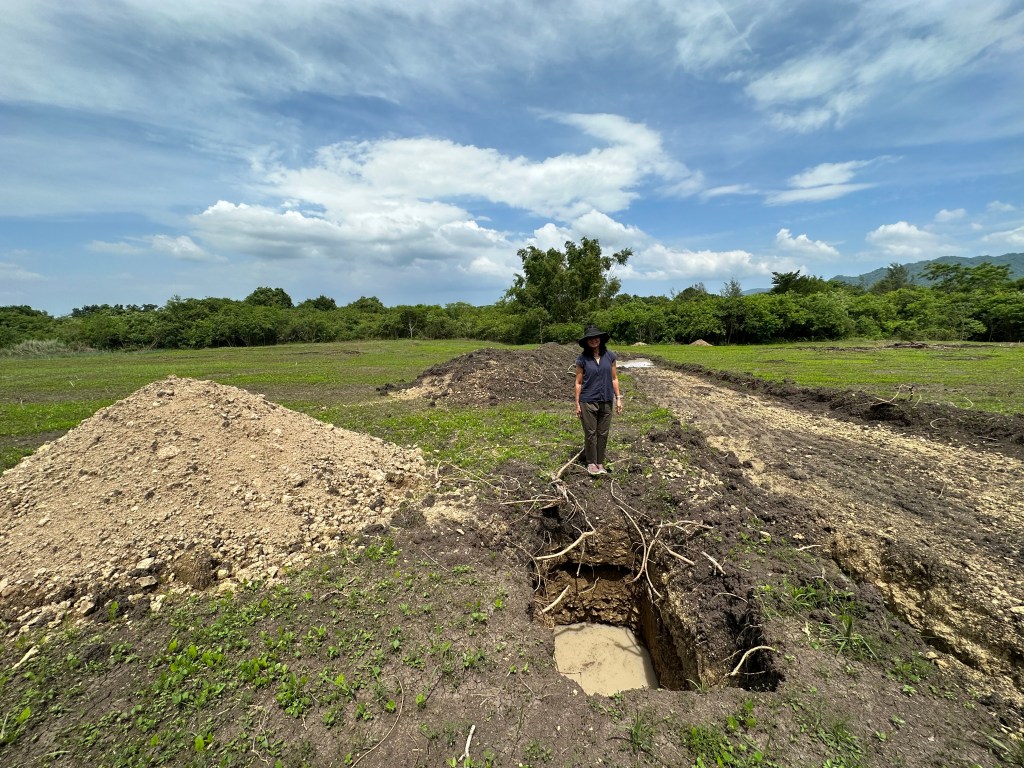
There was no progress on the pond project. We had to wait until the rain stopped and the ground dried up enough for the heavy equipment to be operated.

All the rain was good for the other parts of the refuge. There were fruits and flowers in some native trees.

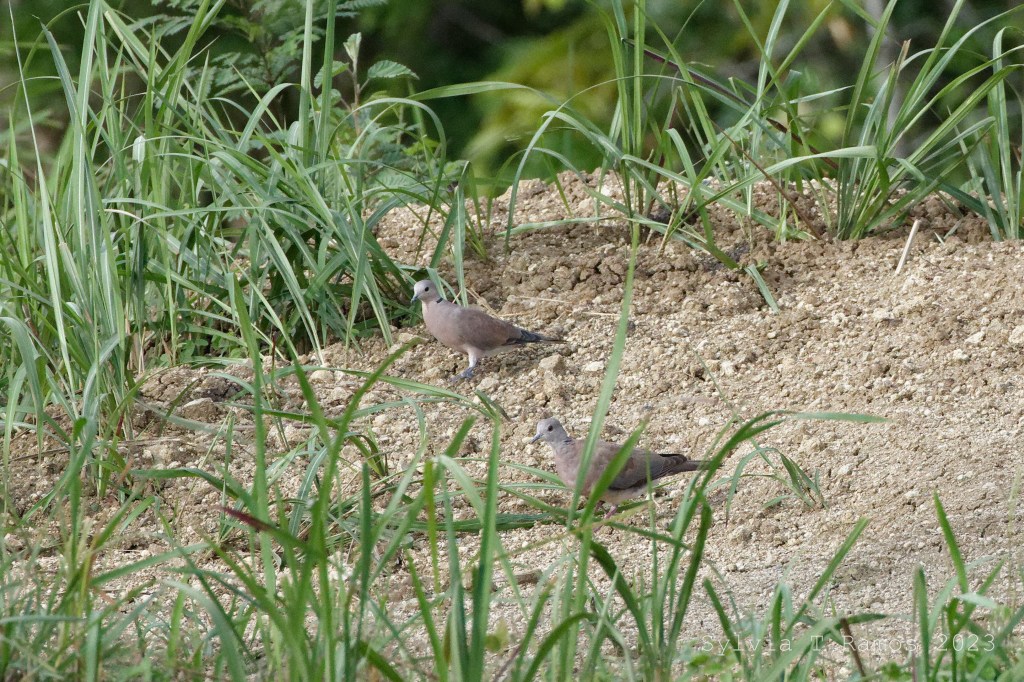
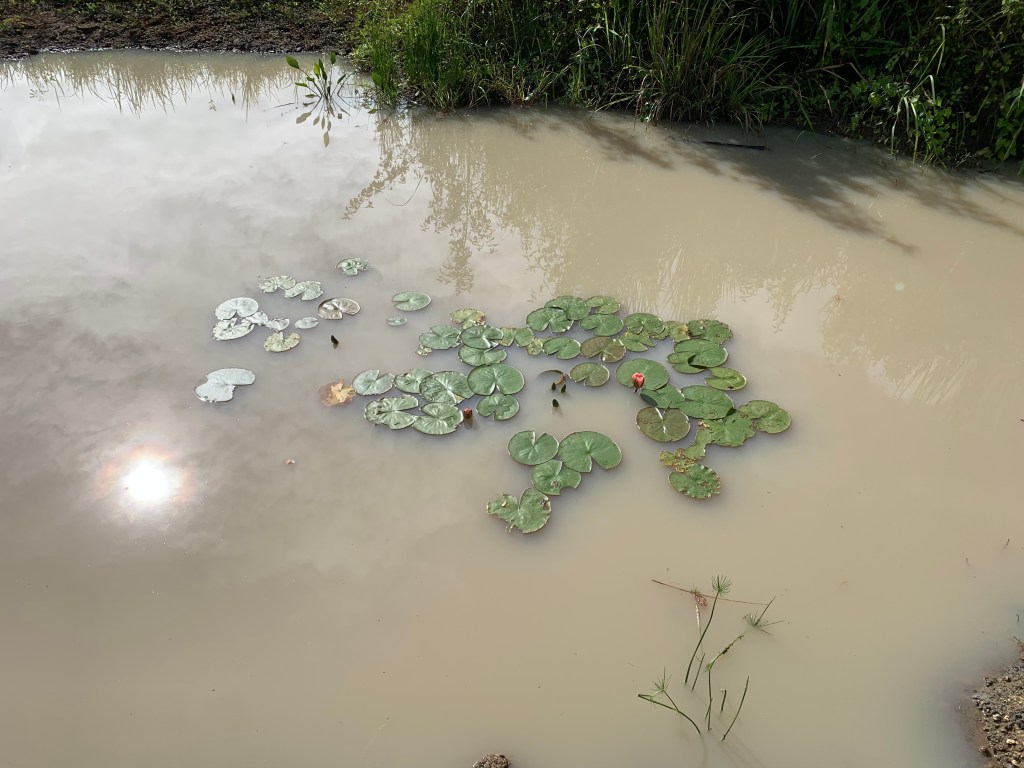
The water lily ponds had more water. The water reached the “extension area” where Tonji widened the pond. The water lily pond is a good place to see Island Collared Doves and Spotted Doves. The Island Collared Doves are more shy.
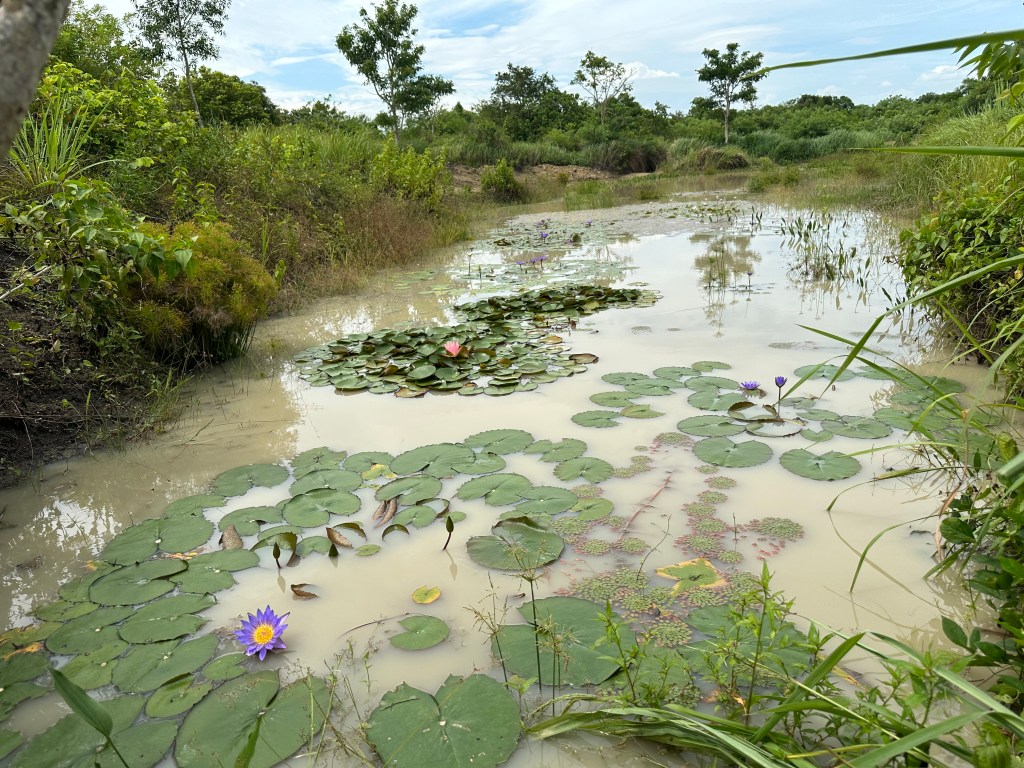
The U-shaped pond that Tonji was working on in February has water now. There was still work to be done on that pond, but that will be on hold for now.

It’s also nice to just sit in the veranda and enjoy the cool breezes and the birds. I am still amazed at how many birds we get to see from the comfort of the veranda!
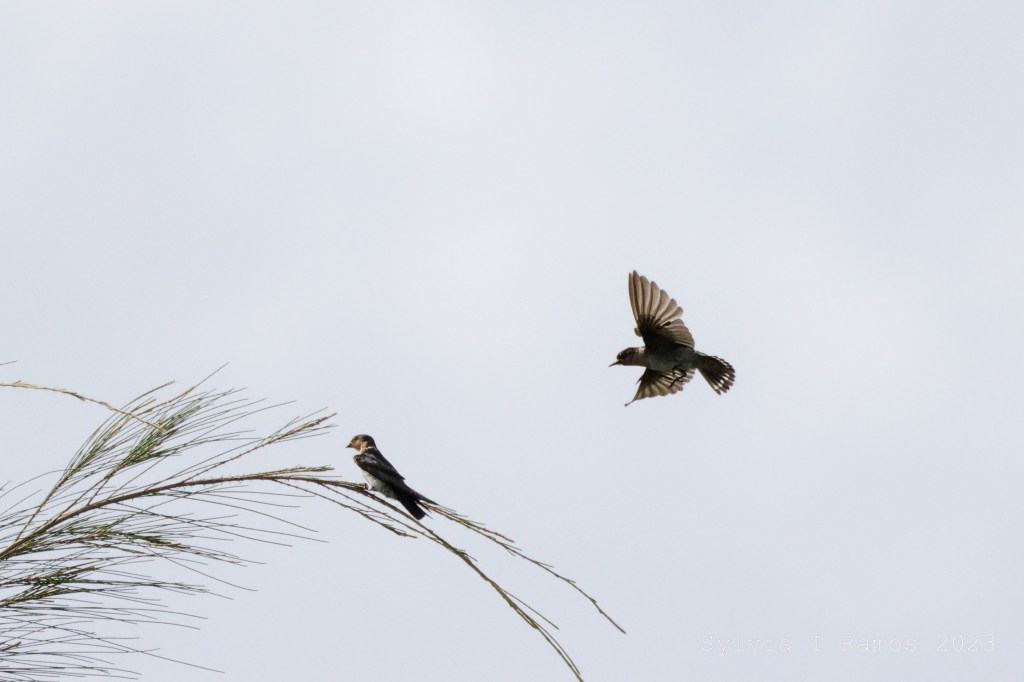
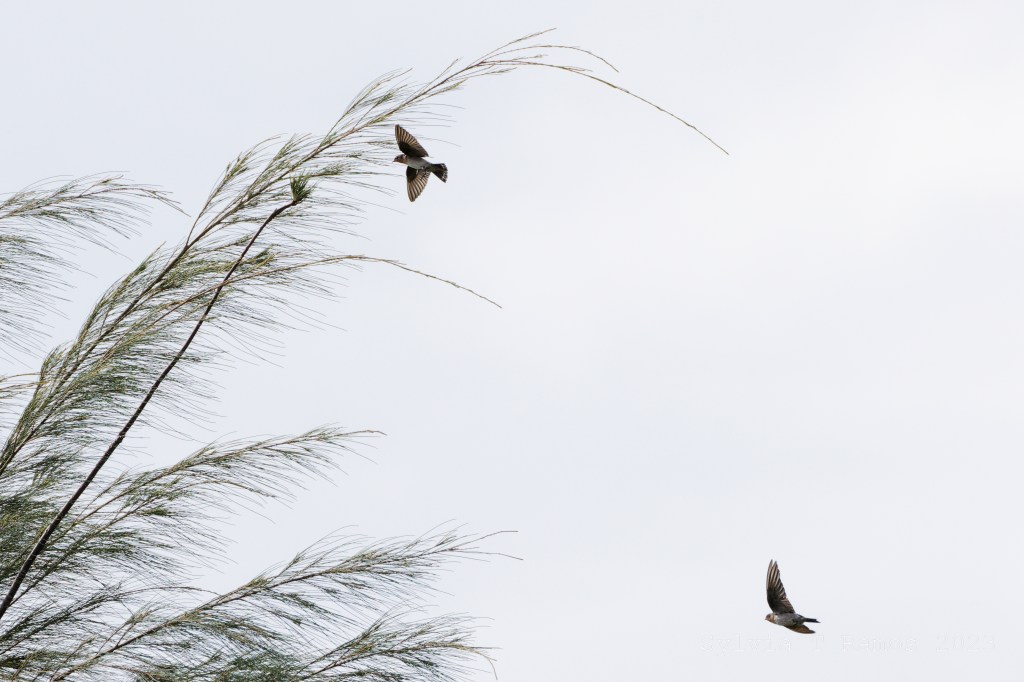
The rains turned even the roads into mini ponds. We saw a Barred Rail bathing in a puddle on the road.

iPhone photo!

When the weather clears up, we will continue building the big pond. It is exciting to see the transformation of an area that was weedy, uninteresting, and difficult to access into a rich habitat for all sorts of wildlife!

May – August 2022 Update. It’s Rainy Season!

MAY

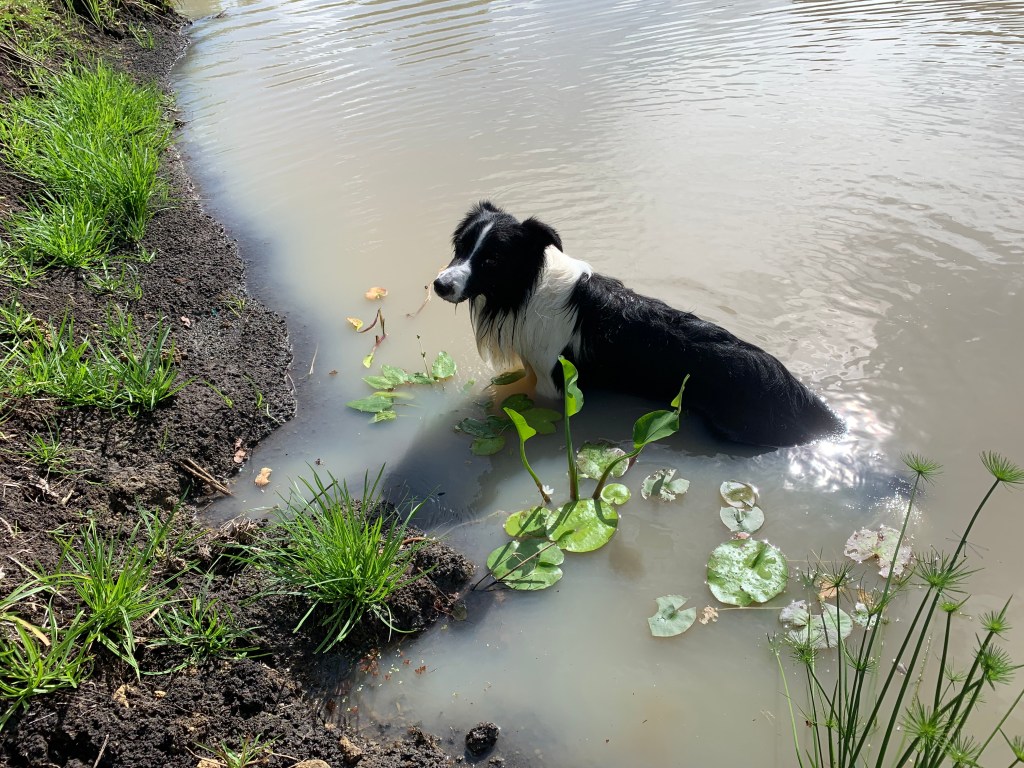
Rainy season came early this year. The sanctuary was nice and green in May! This is very unusual for our area. The new pond looked like a big mud puddle. The dogs enjoyed it very much,

nice cool mud!

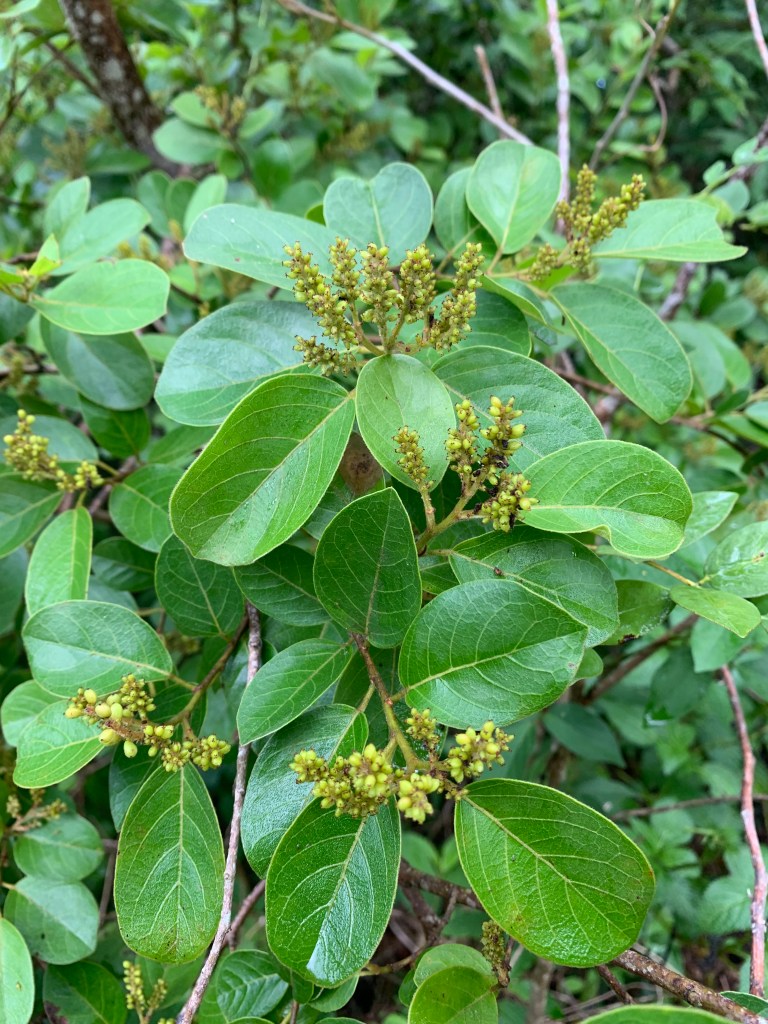
There were a lot of Binayuyu fruiting all over the sanctuary. The birds seem to be spreading the Binayuyu trees all over. When we bought our property, there was one big Binayuyu tree outside our old entrance. I thought it was such a pretty tree and that it was a shame that it was outside our property. Now we have many of them!

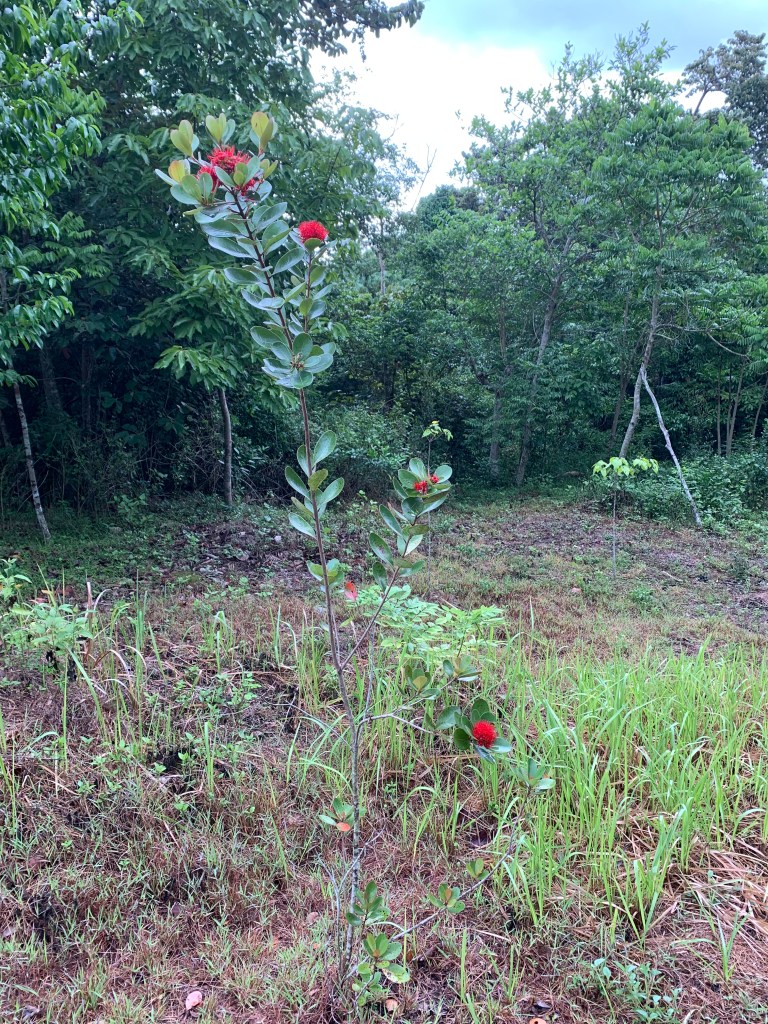
This is what was fruiting and flowering in May:

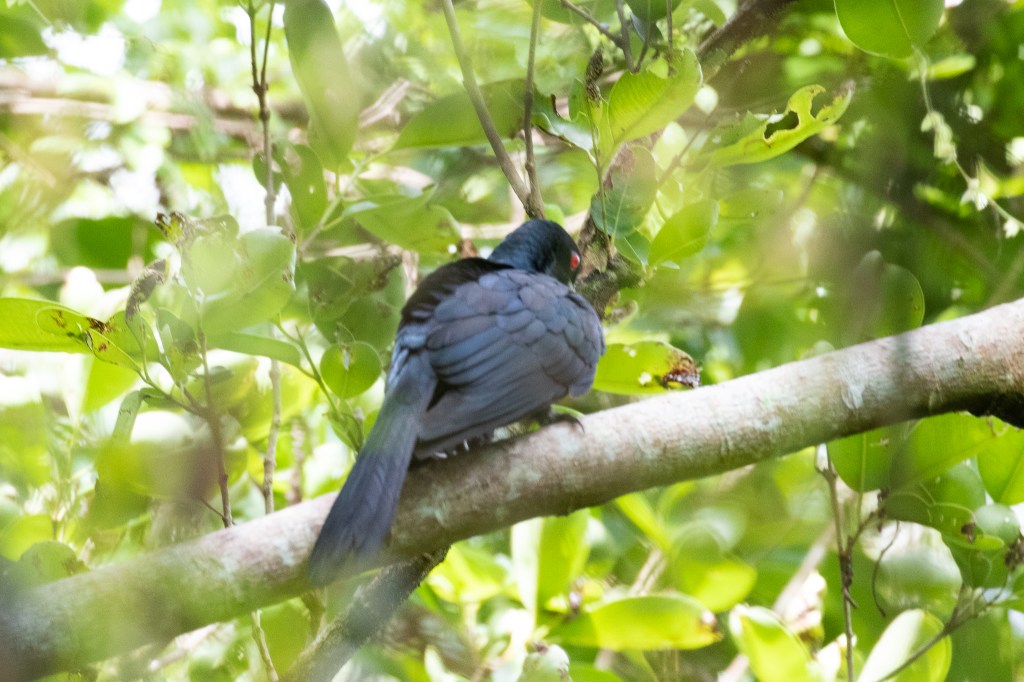
We were able to see and photograph the Asian Koel that we have been hearing so often. Tonji saw 3 of them in a Banato tree beside the dry creek. He was able to describe the location to me and I saw two of them.

My bad photo of a Koel. They are hard to see!

JUNE

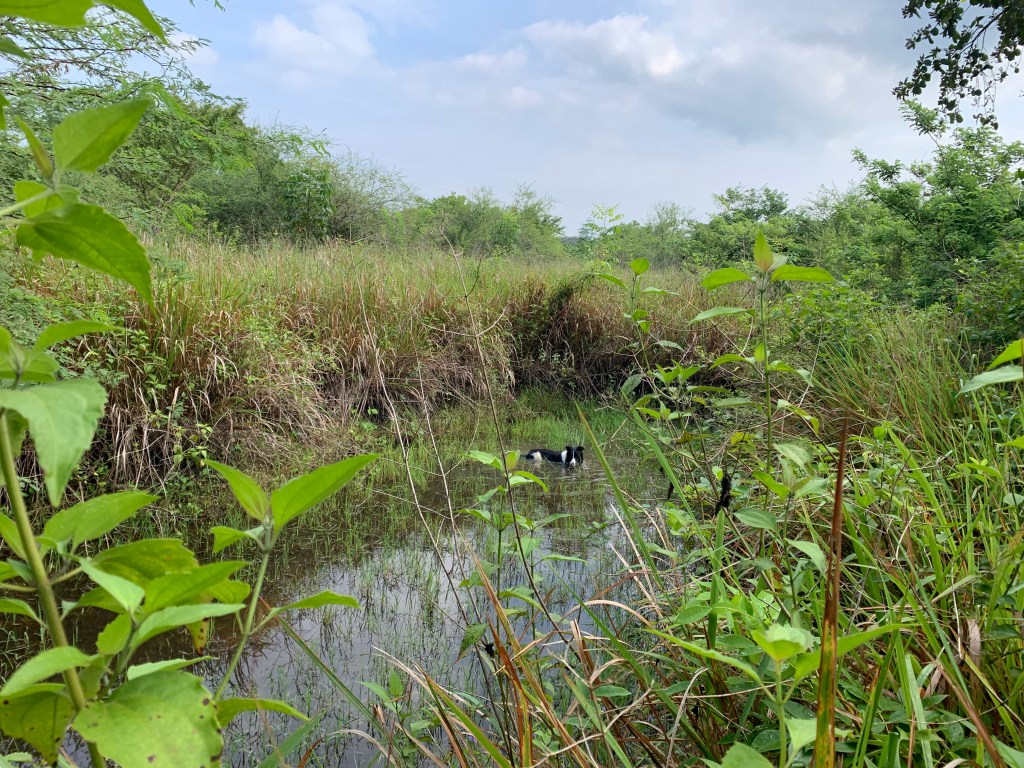
There was even more rain in June. There was water everywhere! There was water in the dry creek and in the old small ponds. There was enough water in the new pond to start planting water plants. I’m hoping the water plants provide enough shade to keep the pond cool and prevent too much water from evaporating. I hope this helps keep the water in the pond year round. We also added guppies, but I’m not so sure if they survived the heat of the water.

Lulu doesn’t like the water as much as the other dogs do

The dogs enjoyed all the water. They inspected every puddle that they saw. They waded in the new pond whenever they had a chance.

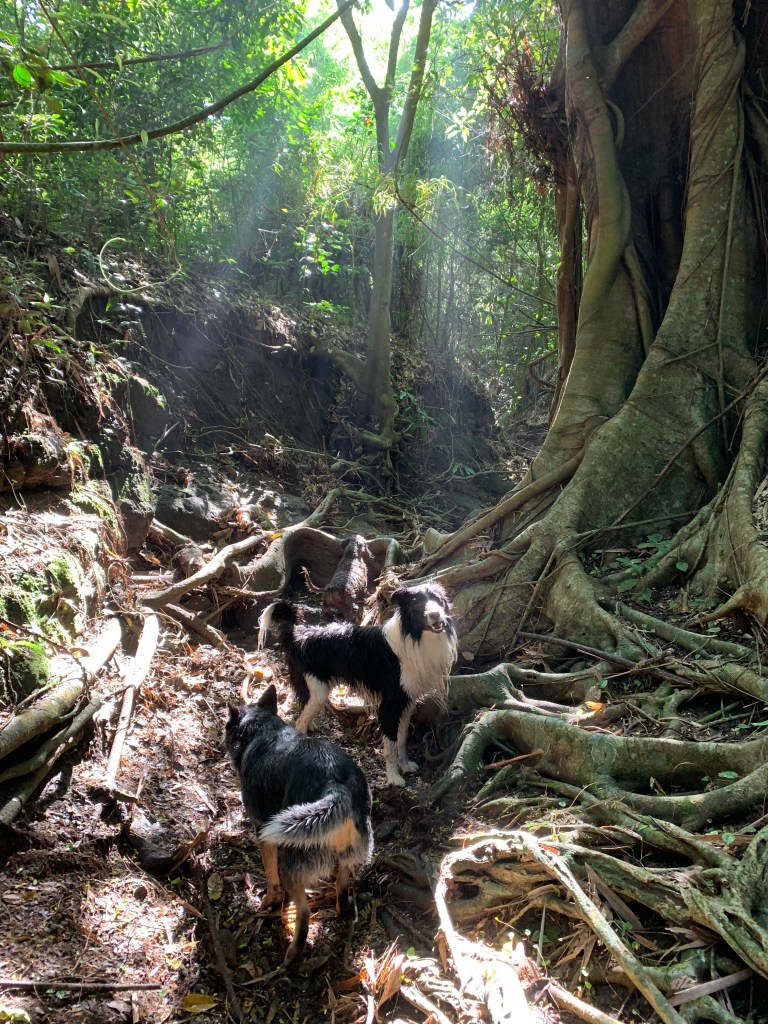
I brought Momo, Lulu, and Ollie with me to inspect the gully that goes around the property. That area usually looks like a dry creek bed. The rain transformed it into an exciting hike over mud with water crossings! It was so much fun to watch the dogs find their way through the trail. Especially Momo who had to do a lot of climbing and jumping! It reminded me of a mini version of the canyoneering trail we did in Moalboal many, many years ago with our young children. There portions where we had to jump into the water, swim across, then step on our guide Wolfgang’s shoulders to get out to the other side!

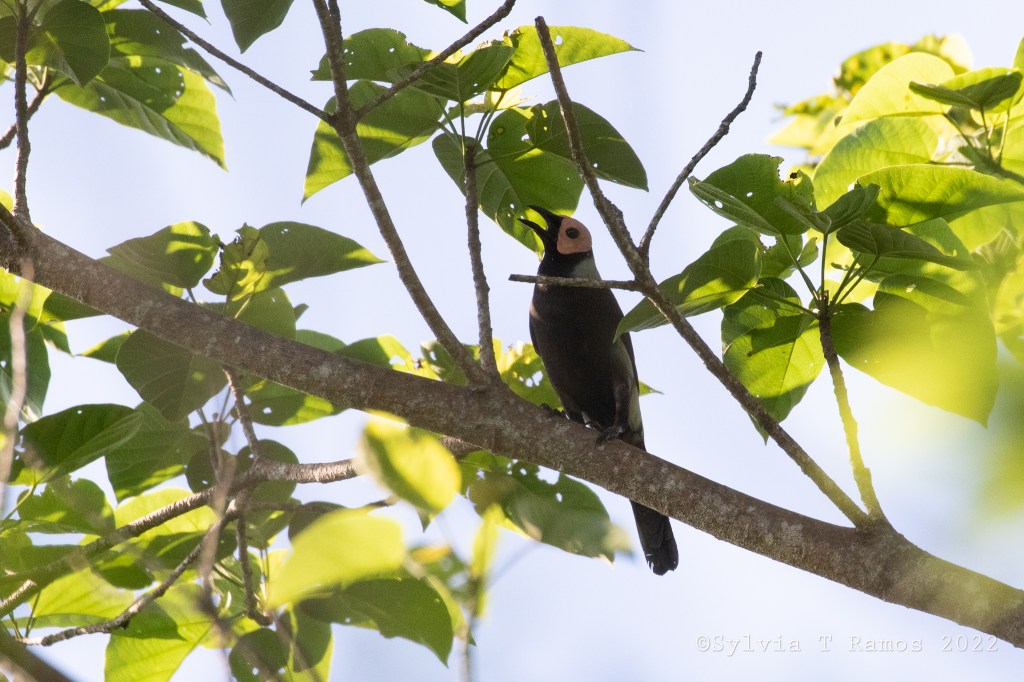
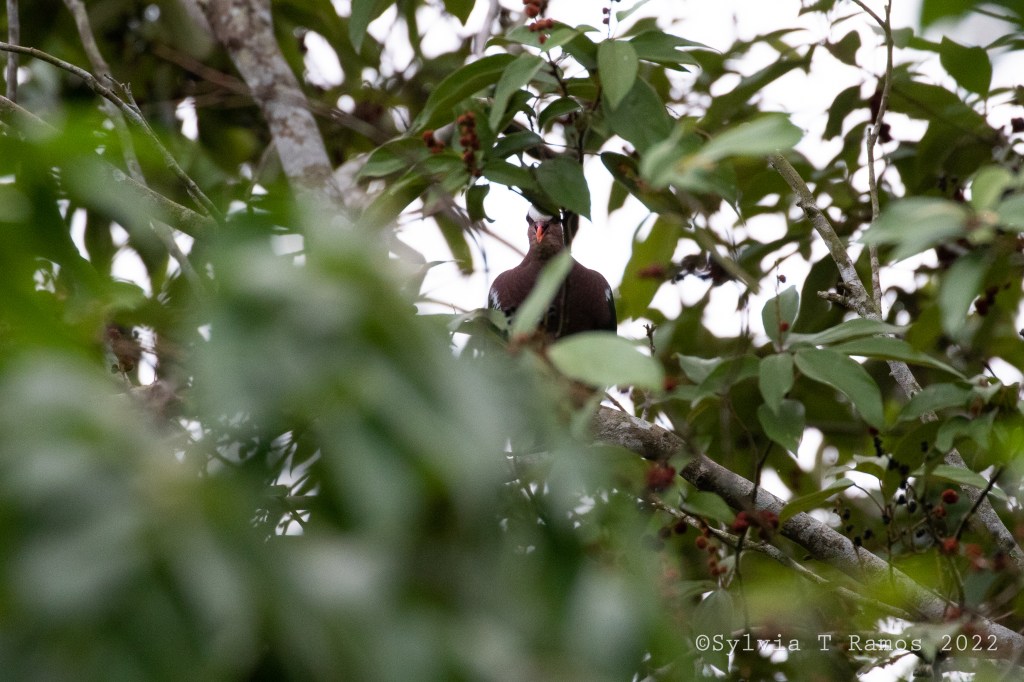
I also had good views of a Coleto. It’s great to see a bird that is usually associated with forests. I also got to photograph a Common Emerald Dove. We see them a lot in flight. They usually fly low enough to see and ID them, but too fast to photograph.

JULY

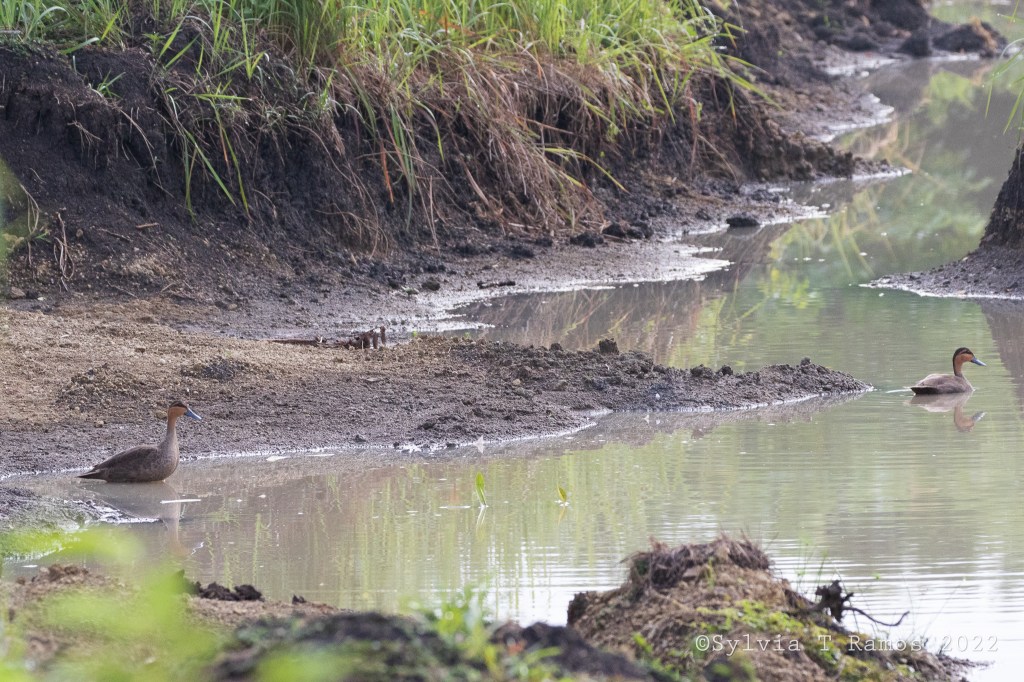
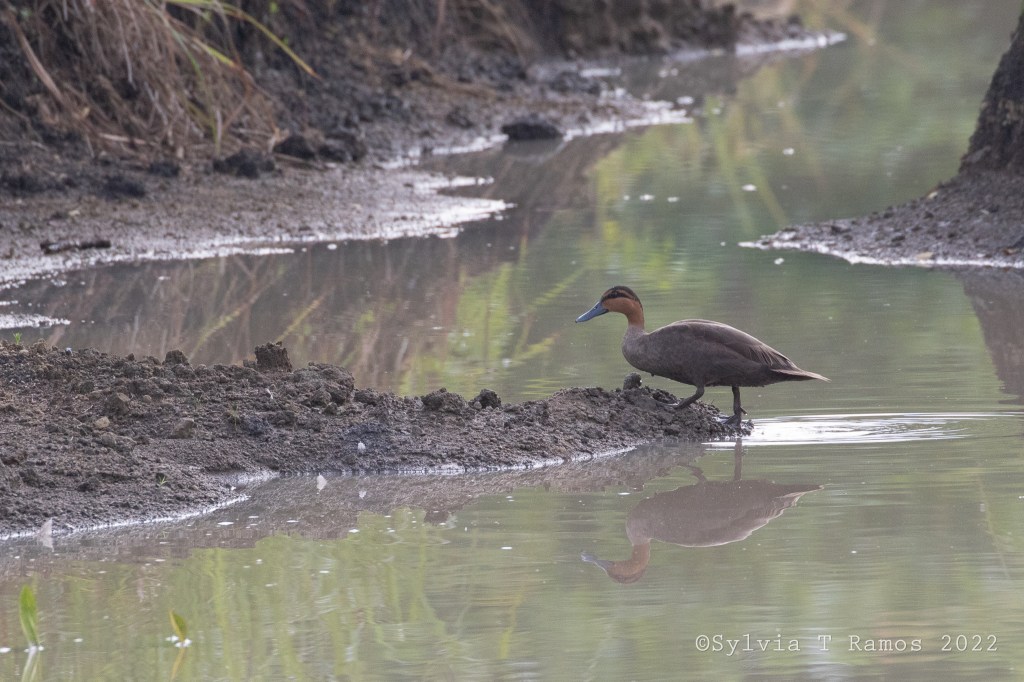
July was awesome! In July my pond dreams came true! I was able to walk up to the pond and watch ducks swimming around and walking! I got to watch the ducks hanging out! With our old ponds, it was more like if you walk up to the pond you won’t see anything until you are very close and then the ducks will get surprised and all fly away. It’s great that we have this bigger pond that we can see and appreciate even from afar.

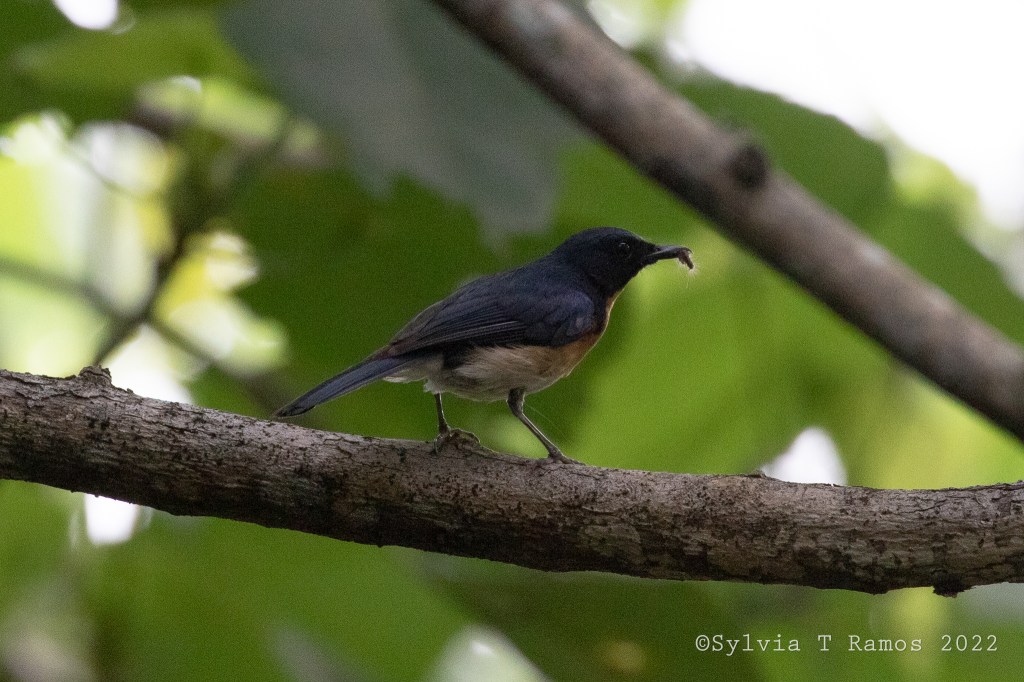
Here are some other cooperative bird subjects!

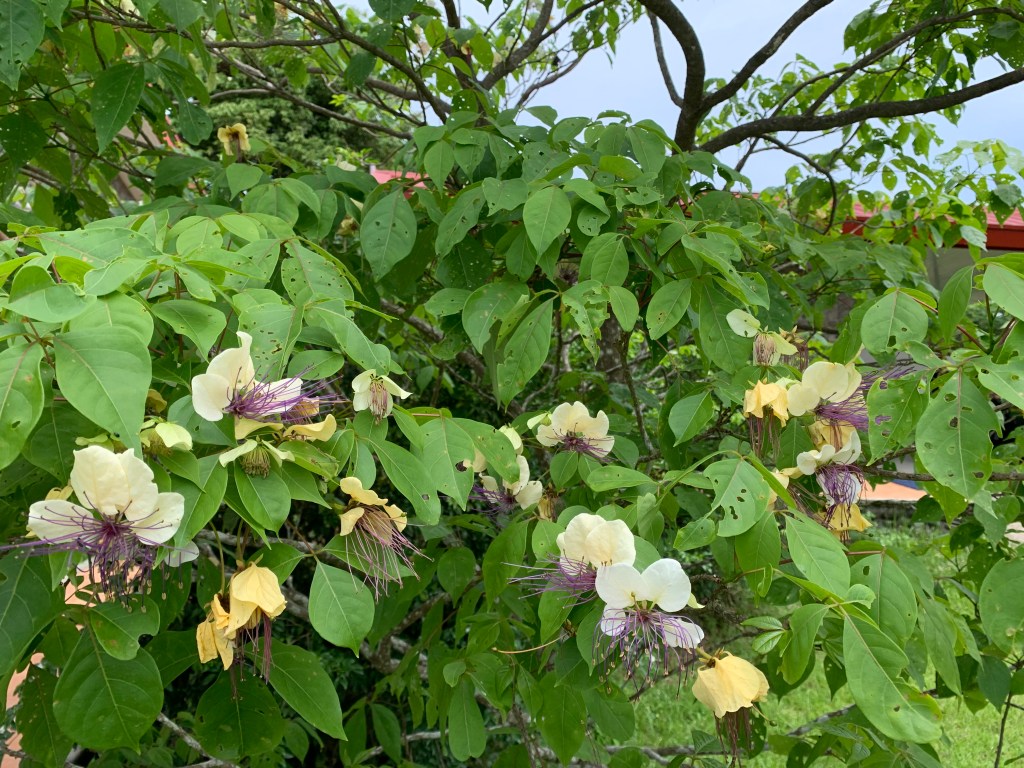
The Balai Lamok beside the cottage finally has a lot of flowers. This tree received a lot of hype among the Philippine native tree enthusiasts. It was touted as the “Cherry tree of the Philippines. It became one of the most expensive and most desirable native trees, especially when people would post photos of mature trees in full flower. They looked amazing. We also bought into the hype, but our trees have only produced one or two flowers at a time. This tree beside the cottage was given to us by a friend. This is the first time we’ve seen it flower this much!

Balai Lamok

The Philippine Teak beside the cottage also has flowers!

Philippine Teak

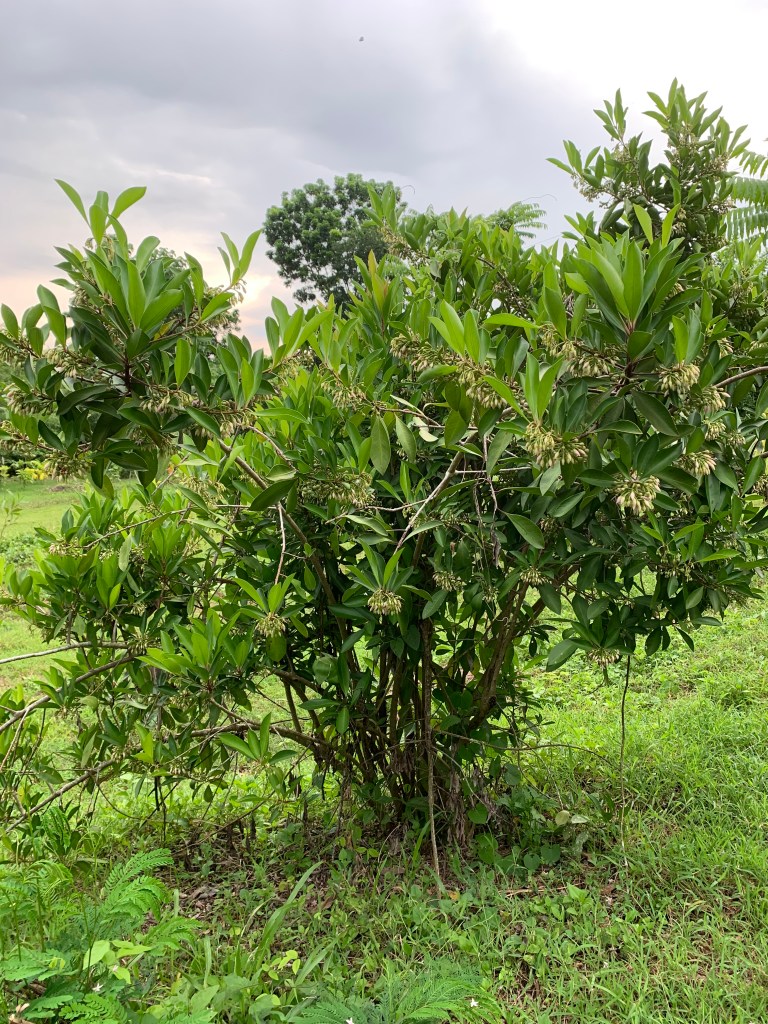
More interesting trees:

AUGUST

One side of the new pond developed a leak. Thankfully, it was repaired and the pond is still retaining water. Crossing my fingers that the water holds out during summer. Tonji also said that he will be doing some repairs to the big pond in summer. I hope the plants survive all of that! I am also hoping he also has time to build more ponds.

I sewed 500 flags for marking all the new trees being planted this year. We started planting some of the Malabulak seedlings. They are quite tall already and are starting to form thorns on their trunks.

I am enjoying propagating water plants in Alabang and planting them at the farm. The water lilies and other water plants are doing better at the farm than they were back in Alabang. They must like being planted straight into the ground and receiving full sunlight. I also improved my water plant transportation technique. I now put them in ziplock bags. I reuse the bags.

I developed COVID symptoms while we were at the farm. Tonji had to force me to go home so I could test myself properly and rest. I am ok now and looking forward to what the next months bring!

Time to Pause

I was away from the refuge for 5 months. Almost half a year! Stuff got in the way, like moving house and being in lockdown. I felt a little stressed about being away for so long. Once I was back in the refuge though, I realized that being away for a long time was not such a bad thing. It’s good to step back once in a while. It gives you time to pause and re-evaluate your routines and habits and see if they are still serving you well.

In The Natural Way of Farming the famous Japanese farmer Masanobu Fukuoka tells the story of silkworm farmers in Japan. In the beginning, silkworms were collected in the mountainside and released in the woods. Then the farmers bred new varieties of silkworms. These new varieties were raised indoors. They were watched day and night. Early in the morning, mulberry leaves were collected, washed, dried with a cloth, chopped into strips and fed to the silkworms. The room had to be kept at just the right temperature with heaters when it was too cold and ventilation when it was too hot. The had special tools and baskets for taking care of the silkworms. It was difficult work! In modern times, some farmers tried returning to more natural, less labor intensive methods. When synthetic fibers were developed, silk lost its popularity for a while. When it became popular again most silkworm production became industrialized. Now it is done in factories with conveyor belts, automated temperature control, and artificial feeds.

I can relate with the hard working traditional silkworm farmer with his special tools and desire to innovate and improve his craft. I like to identify a problem, think of a solution, and buy the gadget that I need to implement my solution. I like working with my hands. I am so enamored by gadgets and tools that I have one storage room for tools and another one for cleaning supplies!

I now realize that :

  • some of these problems are not really problems and don’t need solutions
  • your first idea is probably not your best idea
  • if you over think something, your ideas can get away from you and lead you down very involved and complicated paths
  • just because you can do something doesn’t mean you should do it
  • I don’t have to do everything myself even if I can
  • new innovations are not always better
  • maintaining all the gadgets and cleaning tools takes up a lot of time and effort

It was nice to be at the refuge and feel very relaxed. I felt grateful for the people who work for us. They do a great job keeping things tidy, caring for the horses, and watering the plants. I had no compulsion to pull out weeds myself. I just wanted to walk around with the dogs, look at the plants, take pictures of birds, walk, swim, draw, and paint! And that’s what I did!

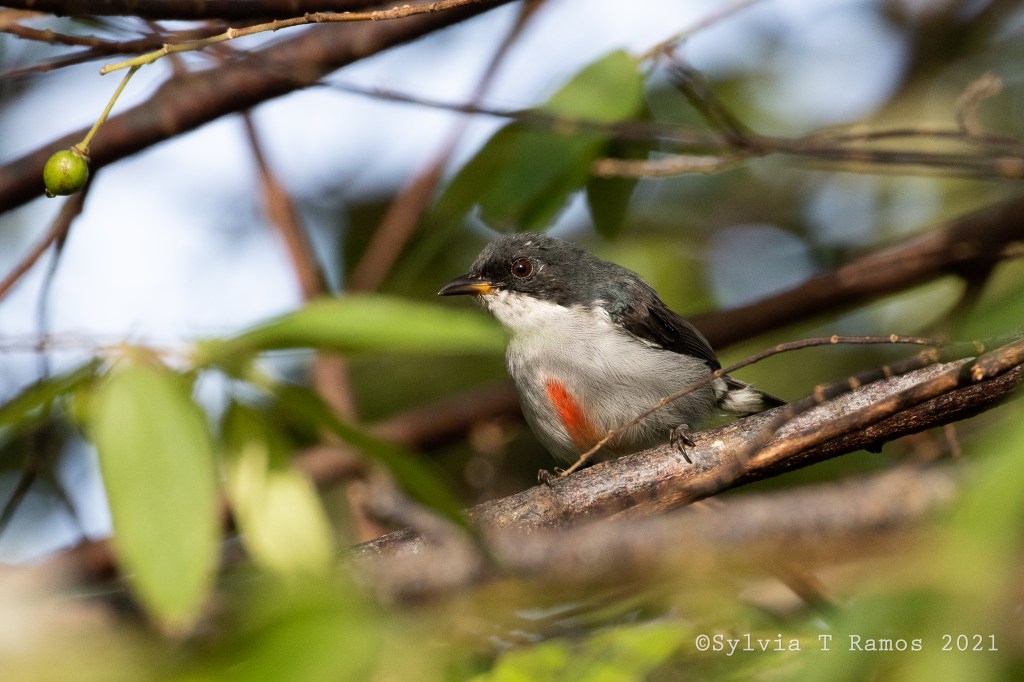
The Red Keeled Flowerpeckers were very busy in the aratiles trees in front of the cottage

Red Keeled Flowerpecker in the aratiles tree
Red Keeled Flowerpecker

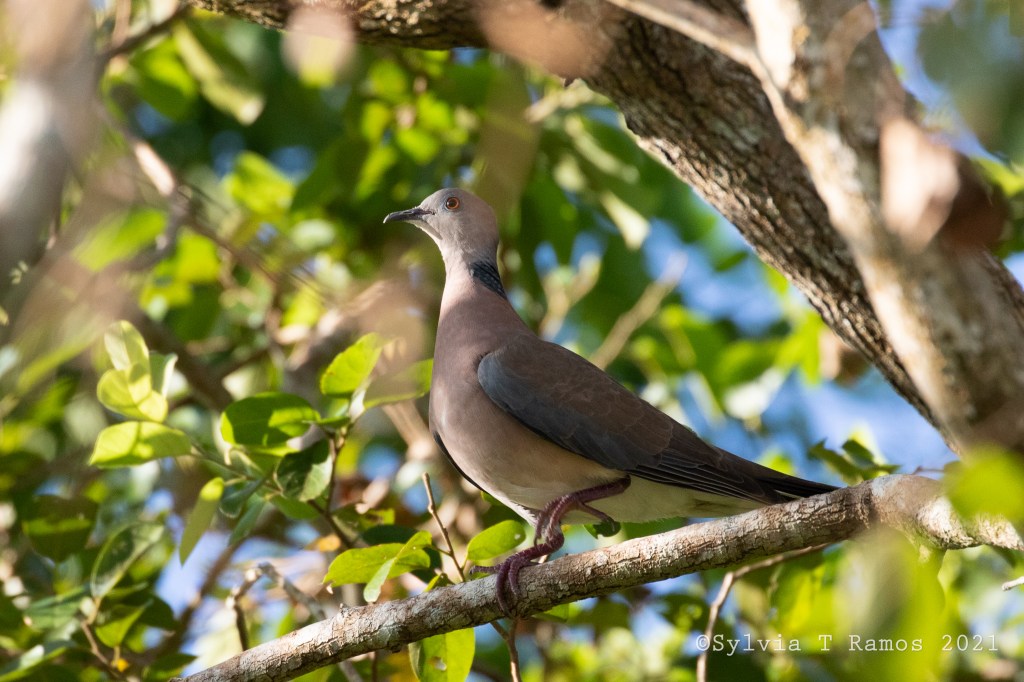
During my morning walk, two Philippine Collared Doves flew in front of me, landed on a nearby tree, and posed for a bit!

Philippine Collared Dove

I was headed back to the cottage with Momo, Lulu, and Ollie when I decided to check out one of the side paths. I was surprised to see something big perched near the ground. I was even more surprised that the 3 dogs listened to me when I told them to just stay beside me while I crouched down to take photos! The dogs were so well behaved! I was able to take many pictures of the Pied Harrier in a variety of poses!

Click on the the photos to see them full screen.

Here are common birds that are just nice to see!

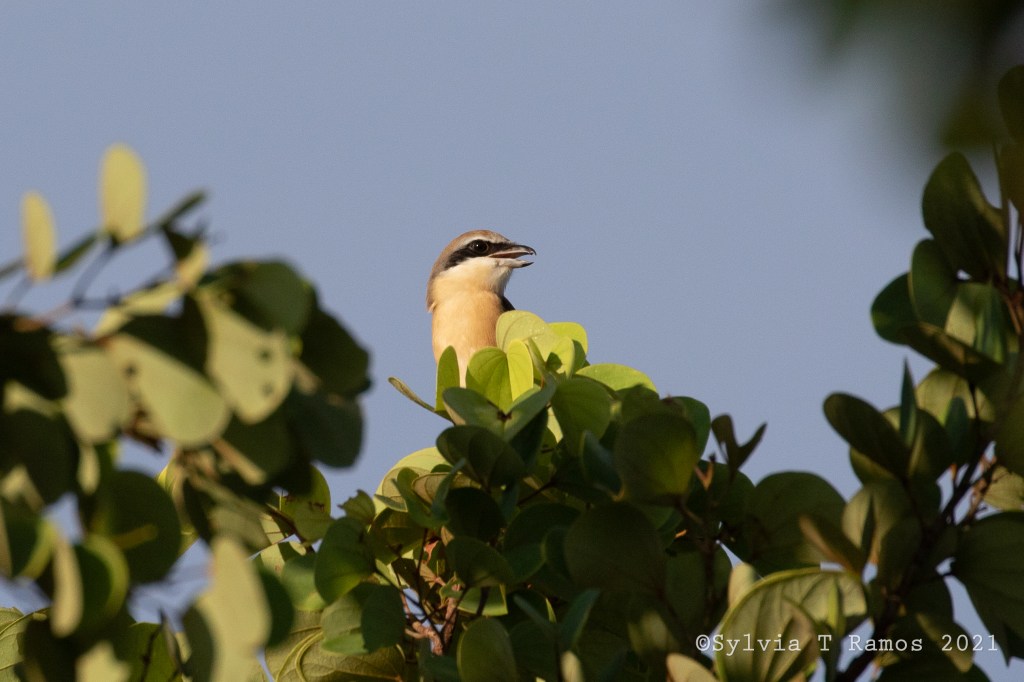
Brown Shrike, a migrant bird
Lowland White Eye
Pied Fantail

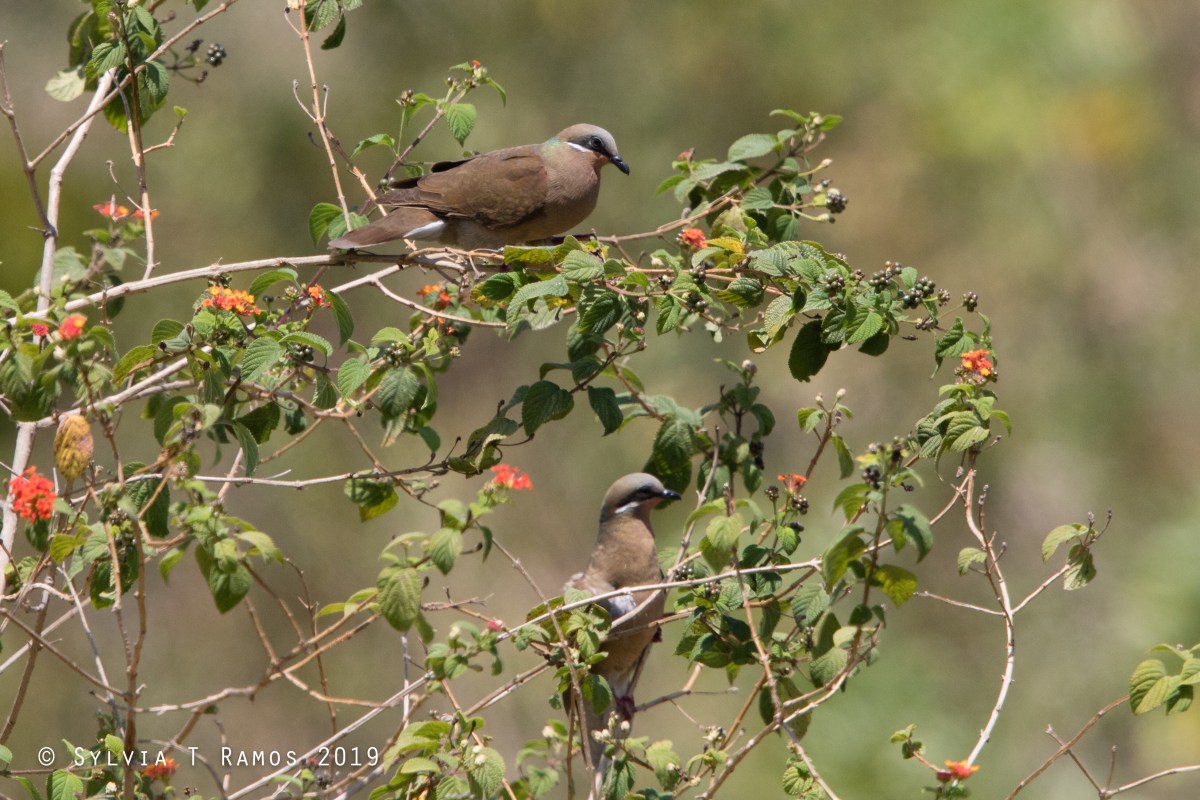
White Eared Brown Doves

I was ready to write off any chances of taking pictures of birds. We were at the refuge with all our photography gear, but I thought that our chances of taking pictures of birds were slim since we were very preoccupied by Lulu, the new addition to our family!

lulu the very cute australian cattle dog puppy
Hello Lulu!

It turns out we had a fun bird photography session after all! We got our first photos and great views of White Eared Brown Dove in our place! I first saw this species in our place in December 2016 in the mango area. I didn’t have a camera at the time. I remember feeling very excited to see it since it’s a bird that is usually found in the forest. It’s a good sign for us to see more forest birds instead of the usual garden birds.

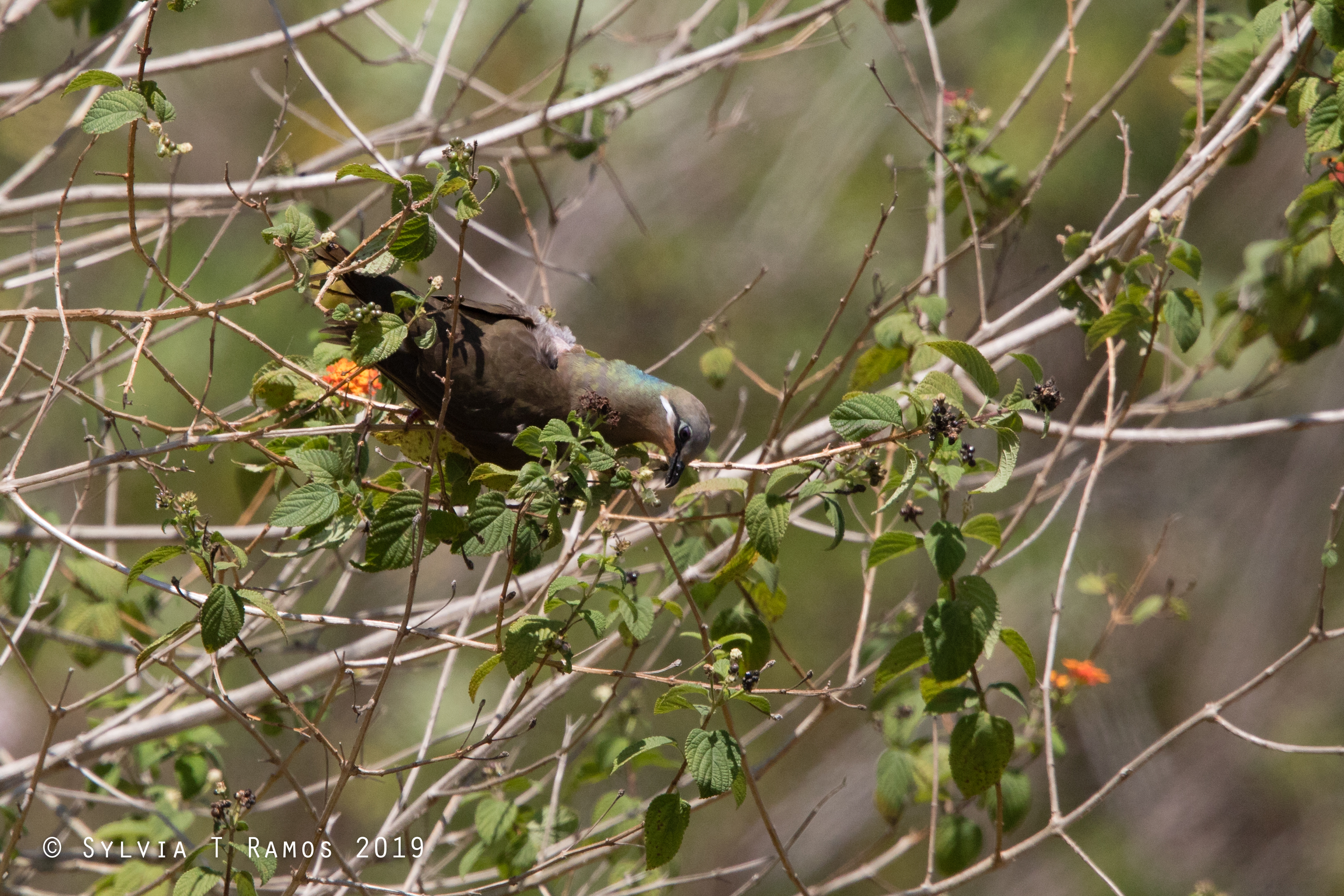
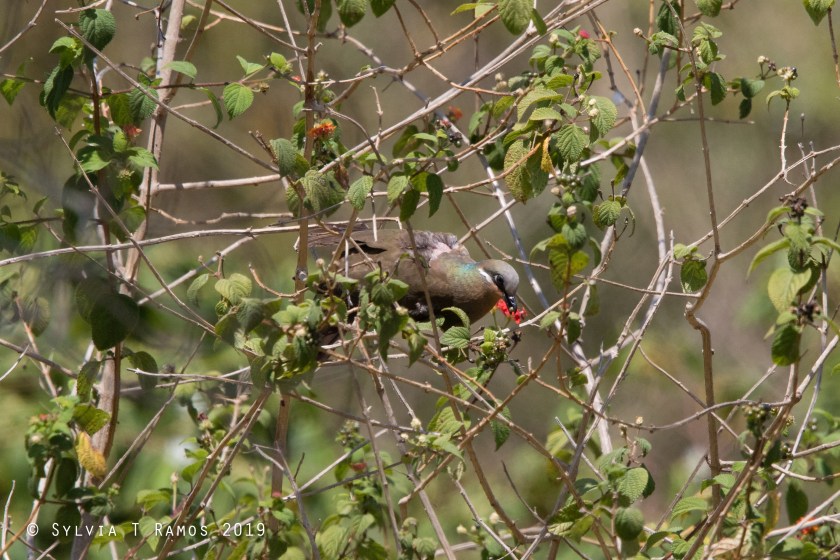
There were two White Eared Brown Doves in the round pen. They were eating the fruits of the Lantana shrub. During the previous week, the Pink Necked Green Pigeons eating the Lantana fruits. I never realized before that Lantana was so popular with birds! I know the flowers attract butterflies, good to know that the birds like it too. In the US they spend a lot of money to remove from pastures it because it is invasive and is toxic to cattle. It is native to Central and South America.

There was also a Spotted Dove that visited the round pen. It’s what first caught my eye and made me check the round pen. When we first saw it, the White Eared Brown was mostly hidden inside the tangles of the shrub. Later on it came out more in the open and then was joined by a second White Eared Brown Dove.

The first bird stayed in the round pen for a long time. It has a visible bald patch on its back. looks like it is molting.

white eared brown dove eating lantana fruit

What a treat to take take pictures without even leaving the veranda. We got to watch the new dog and the new birds at the same time!