New Bird November!

Our new bird for the refuge is a Northern Shoveler Anas clypeata! It is another migrant bird. It is fantastic to see that our place is attracting migrant birds. In the past, during migration season we used to visit the popular and well-know birding sites around the country where migrant birds come in to rest and refuel. It was always fun to see if any unusual, rare, or new birds turned up with the usual migrant birds. It would be amazing if in the future all we needed to do to see a rare bird was to travel to our own refuge!
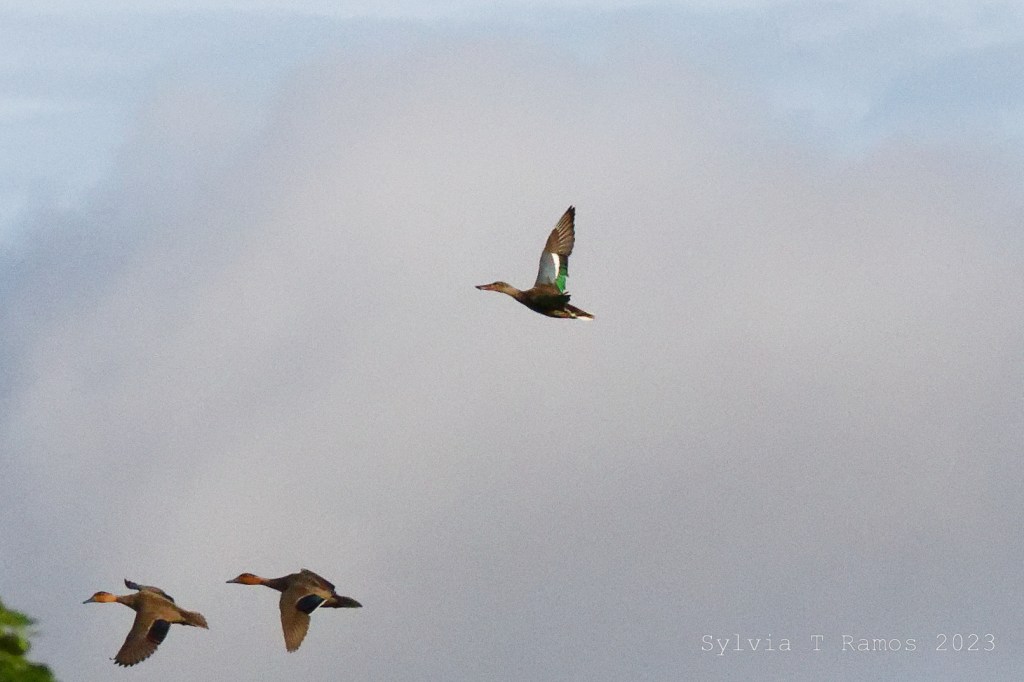
Northern Shoveler with two Philippine Ducks

The Northern Shoveler is bird #107 for our refuge and our third duck species! We have seen Philippine Ducks, Wandering Whistling Ducks, and now a Northern Shoveler. It was mixed in with the Philippine Ducks at the water lily pond. In October, we were elated to see 12 Philippine Ducks at the water lily pond. This month I counted 2o Philippine Ducks in one photo, plus the Northern Shoveler makes least 21 ducks in that water lily pond! We have almost doubled the number of ducks in the water lily pond!

20 Philippine Ducks flying out of the water lily pond

It would have been fantastic to see all 21 ducks swimming in the water lily pond. This time however, I was foiled by Ollie who managed to escape from the cottage, find me hiding by the pond, and flush all the ducks. Foiled by the dog! The good thing is that now when the ducks fly out of the pond, they look like they are headed towards one of the other ponds.. In the past, when the ducks got flushed, they would fly overhead in a big circle, calling out the whole time. Now, they fly off in a straight path. We assume they are flying to one of the other ponds.

We now have 8 ponds in all, including the big pond. It is very possible that there are more ducks and other birds in the other ponds that we still haven’t seen and Ollie hasn’t flushed out!

Philippine Ducks

The big pond has more water than ever, thanks to all the rain we had in November. Our water plants are doing well! We planted water snowflake and typha, which are native. The other water lilies, papyrus, lotus, and saggitaria are not native, but the ducks seem to like them.

We also planted Typha aka the hotdog plant in another area of the big pond

The Big Pond

It was so wet and rainy in November that the path from the big pond back to the cottage became so slippery that we had to take the long route home. All the rain is welcome! Momo enjoyed walking home in the mud and we enjoyed imagining the big pond bringing in lots of new birds!
splish splash!

More birds for August

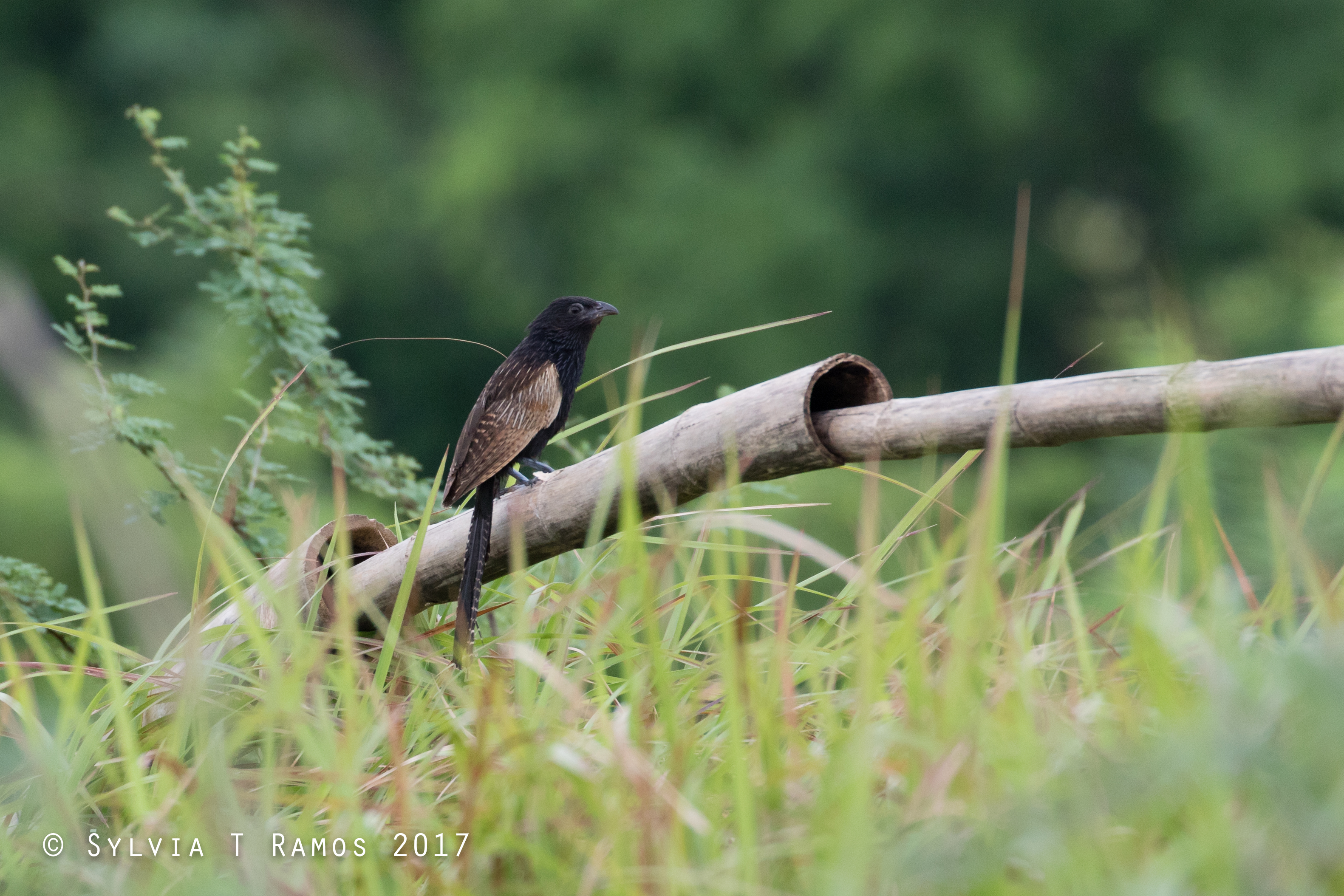
We’ve been seeing a lot of these guys near the house.

This Lesser Coucal seems to have claimed the bamboo fence as his hang-out.

_E7A6795.jpg
Lesser Coucal


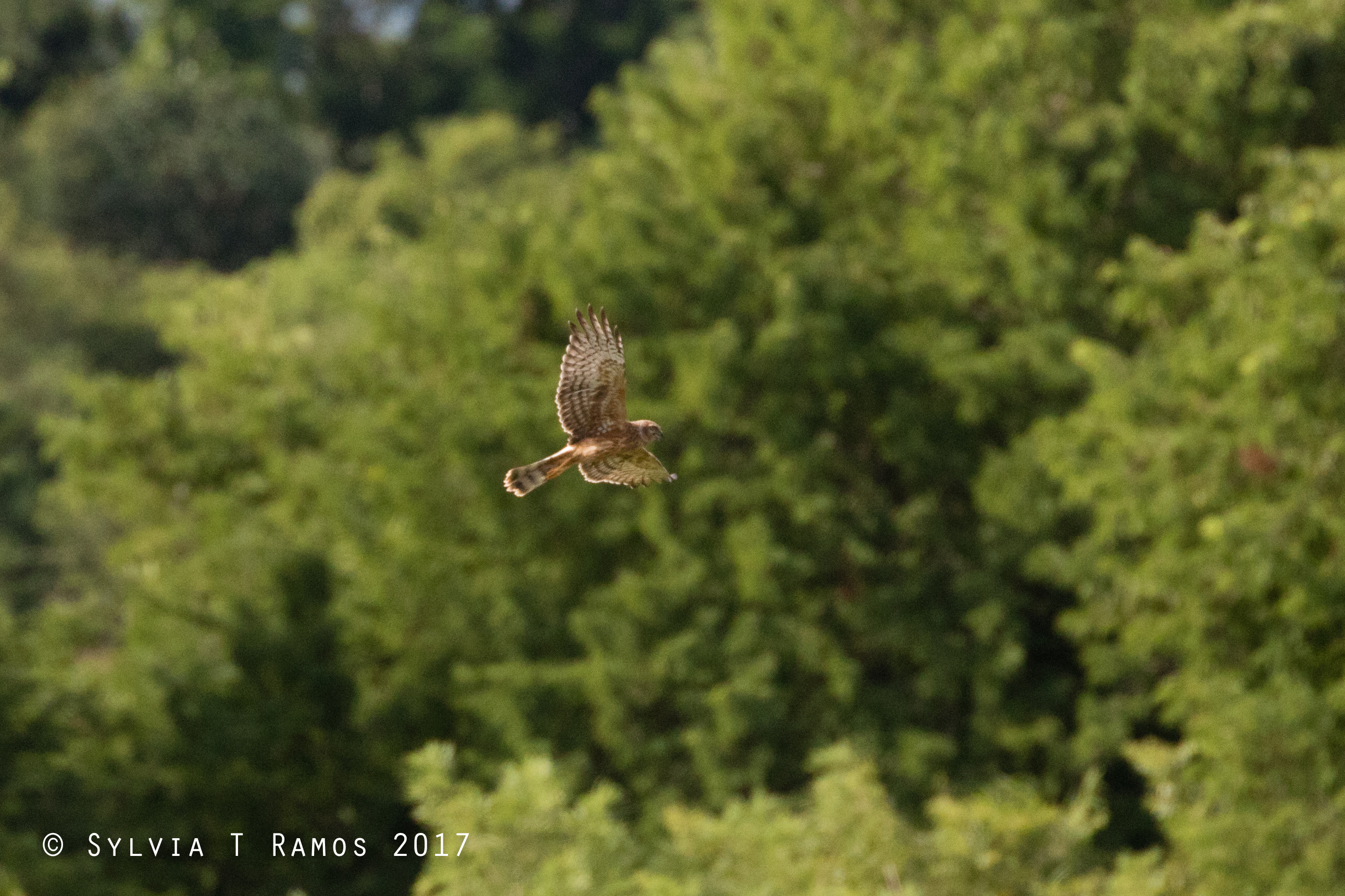
This week we noticed a string on the Pied Harrier’s leg. I am hoping that the Pied Harrier gets the string off somehow.

_E7A6646.jpg
Pied Harrier and Large-billed Crow in a battle!


The Pygmy Flowerpeckers are still on the Aratiles tree. Now that all the ripe fruit are gone, they are eating the green fruit!

_E7A6557.jpg
Pygmy Flowerpecker


This Cisticola was a bit further away from the house. It has become one of the easier birds to photograph. It calls out loudly while perched on an exposed branch before diving back into the long grass.

_E7A6748.jpg
Golden-headed Cisticola

Awesome birdy August

We are having an awesome birdy August! We added three more new birds to the farm bird list! That makes SIX new birds for August!

  • Striated heron Butorides striata
  • Clamorous Reed Warbler Acrocephaus stentoreus
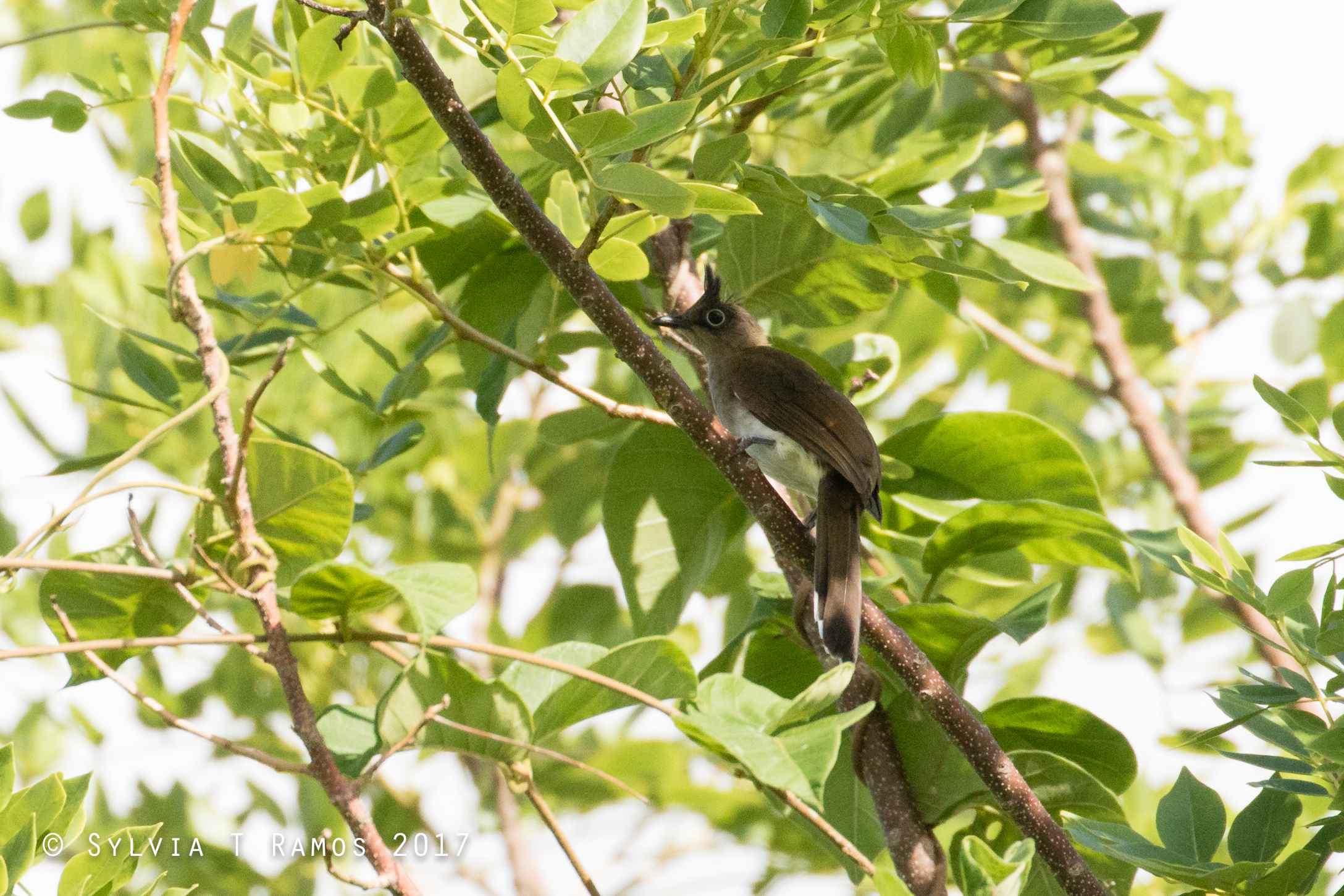
  • Yellow-wattled Bulbul Pycnonotus urosticus
  • White-bellied Munia Lonchura locugastra 
  • Ruddy-breasted Crake Ponzana fusca
  • Philippine Green Pigeon (formerly known as Pompadour Green Pigeon) Treron axillaris

_E7A6256
Yellow-wattled Bulbul

We’ve now seen three kinds of bulbuls at the farm:

  • Yellow-vented Bulbul  Pycnonotus goiavier – One of the most common birds at the farm. It’s a garden bird and is never found in mature forests.
  • Philippine Bulbul Hypsipetes philippinus – This is a forest bird! It is usually seen in forest edge and advanced second growth. I always keep an eye out for these birds because I think they assist in reforestation by bringing in different seeds from forest trees and plants. I’ve been seeing more of them in our area. 
  • Yellow-wattled Bulbul Pycnonotus urostictus – Another forest bird like the Philippine Bulbul. It is usually seen in lowland early second growth and forest edge. I only saw one bird that perched in front of me for a few seconds. Maybe we’ll be seeing more of them as our area becomes more and more forest-like.

We also had a returning bird. A few years ago, we had two Pied Harriers Circus melanoleucos, a female and an immature, that hung around the farm for three months. This was in November 2013 until January 2014. Then they both disappeared. Later in 2014, we saw a female Pied Harrier. We wondered, was this the same female? Did something happen to the immature? There were no more sightings in 2015 and 2016. Then this month we saw a female Pied Harrier! It’s possible that it’s the same one from 2013!

_E7A6292
Pied Harrier

This month I also had my best views ever of Black-naped Monarch Hypothymis azurea at the farm! I thought that I would be seeing a lot of these birds in our area. In the early days, I even wrote about seeing one when we first toured the farm and how it was a “sign”! But, they weren’t as easy to see as I imagined they would be .. until now!

_E7A6480
Black-naped Monarch, female

This month, they were right near the house and very visible!

_E7A6393
Black-naped Monarch, male

We are only halfway through August! I’m looking forward to the rest of the month!


Perseids and Pompadours

We’ve now seen 89 birds at the farm! We had three new birds this weekend:

  • White-bellied Munia Lonchura locugastra 
  • Ruddy-breasted Crake Ponzana fusca
  • Philippine Green Pigeon (formerly known as Pompadour Green Pigeon) Treron axillaris

_E7A3861


I happened to bring a camera that weekend to take bird pictures. When I looked at my photos, I was surprised to see a Philippine Green Pigeon mixed in with the flock of Pink-necked Green Pigeons!

It was also the weekend of the Perseids meteor shower. The peak of the meteor shower, when you could view up to 50 meteors an hour, was supposed to be late evening up to early morning.

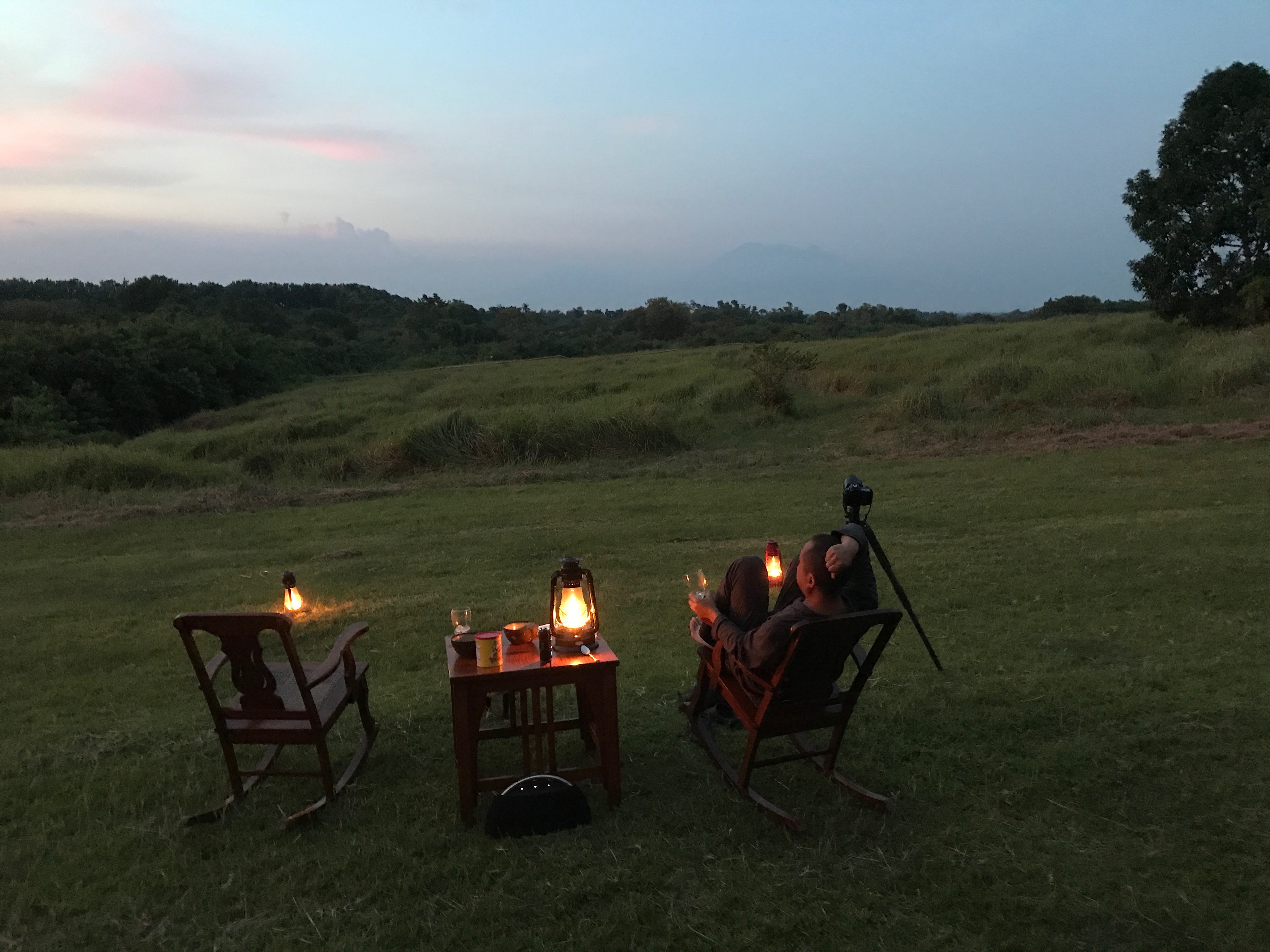
We set up early knowing that farm nights usually end very early for us! We had cold drinks, snacks, and a mat for Momo and Barkley. Bats danced overhead. Soon there were firelies around us and owls calling.

IMG_2138

When it was dark a Grass Owl perched on the bamboo fence in front of us. I peered up at the sky through binoculars. The stars were beautiful and endless! Then one star would start moving and I would follow it with the binoculars! There was only a short window of time when the skies were clear. Later that evening, the skies in the north eastern part of the sky were covered in clouds.

20748163_10154889163025998_6165528981619748657_o
photo by Tonji

Behind us there were still clear skies and even more stars. If you look closely at the photo, you can see a firefly coming in to land beside the lamp near the house.