September 2024 – Leveling Up!

Every visit to the refuge, no matter how brief, is food for the soul. The things we get to see and experience bring us so much satisfaction and make us want to return again and again. It fuels our dreams of even more projects and experiments to do at the refuge.

It is at the refuge where we can go swimming at night under a sky full of stars and the Milky Way! It is magical!

little cottage under the stars – photo by Tonji Ramos

We celebrated Tonji’s birthday at the refuge. As a special birthday treat, a Colasisi posed nicely for him in an Aratiles tree. We have been seeing the Colasisi regularly, but this is a particularly good view with all of its bright colors clearly visible.
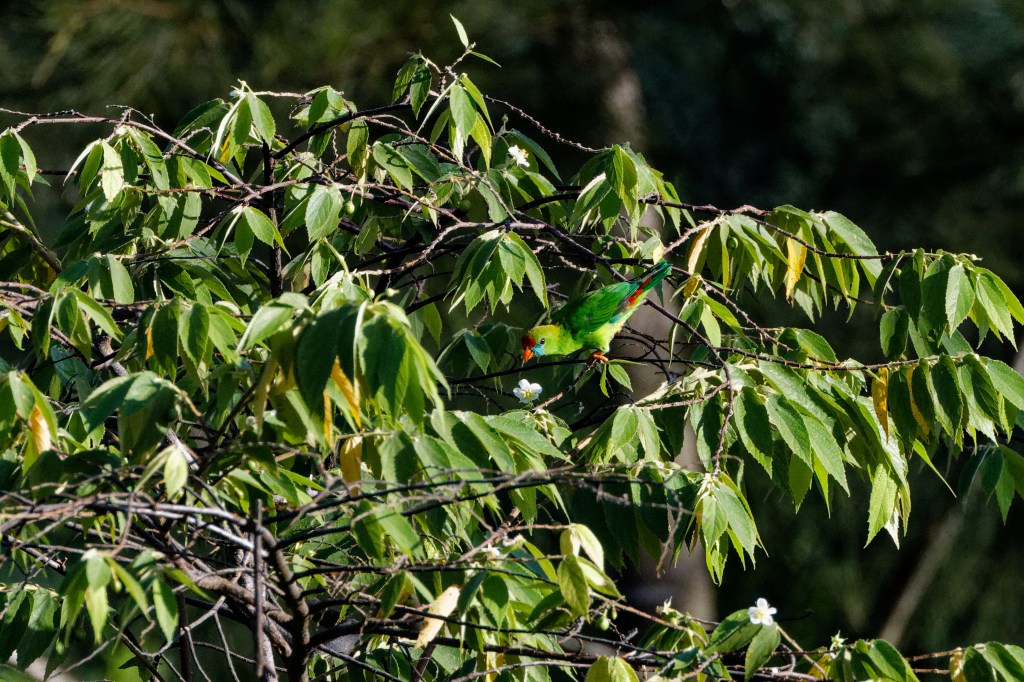
Colasisi photo by Tonji Ramos

Happy birthday Tonji!

The Bangkal trees have fruits! Seeing these fruits brought back memories of one of our birding trips to Sablayan Penal Colony in Mindoro. There were many Bangkal trees and the fruits were scattered on the ground. That trip to Mindoro gave us the idea of planting Bangkal trees. Now we have our own row of Bangkal trees with fruits!

The Bagras or Rainbow Eucalyptus tree near the cottage is getting taller and taller. It’s a good thing it has a few flowering branches near the ground. The trunk is becoming more colorful. Not quite rainbow-like yet though!

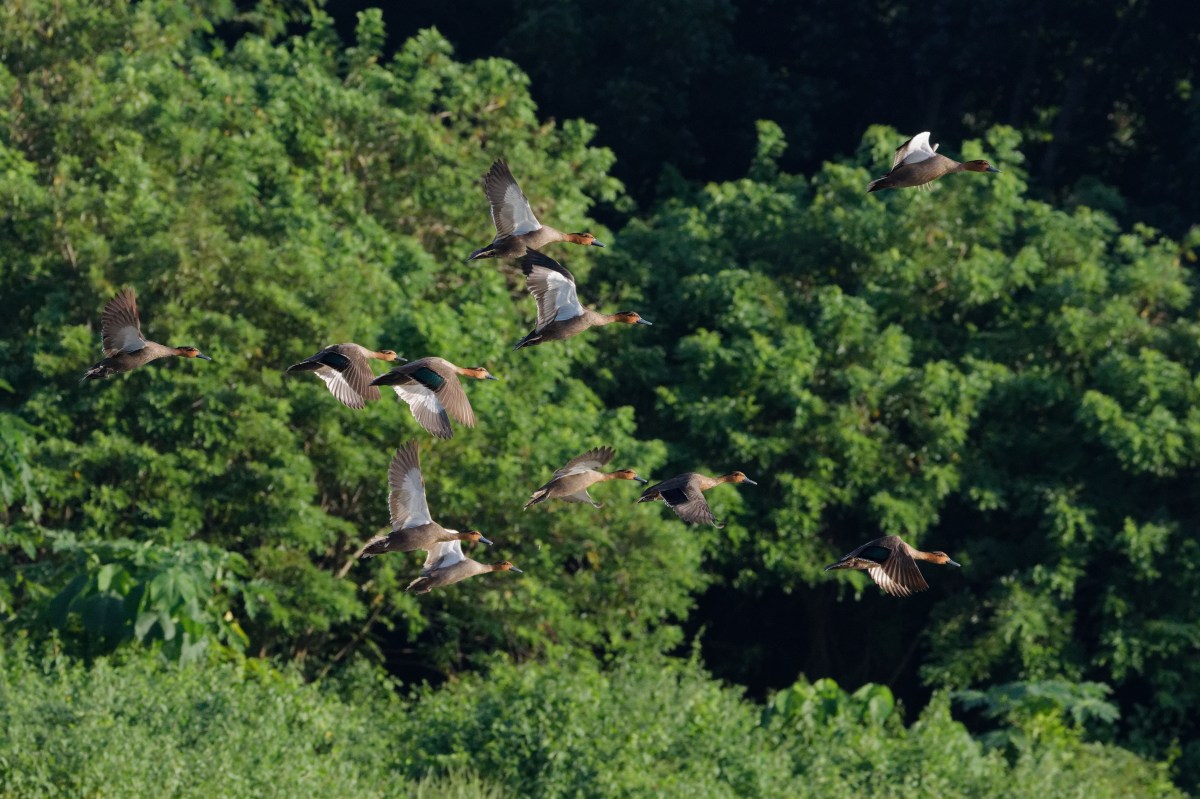
Every time we visit the refuge we always wonder — what are the ducks up to now? We think about them even when we’re not at the refuge. It is a short walk from the cottage to the Big Pond. There’s a path through the trees, then a dirt road that goes over some water, then you need to scramble up to top of the pond wall before you can see the pond. There is a lot of anticipation during that short walk. What will we see?

Feels like Candaba! video by Tonji Ramos

The Big Pond has leveled up! We are seeing a whole new level of wildlife activity at the pond. We are now at Level 4 wildlife activity!

Note: These are not actual scientific levels! This is purely based what we’ve experienced as birdwatchers!

TONJI AND SYLVIA’S POND WILDLIFE ACTIVITY LEVELS

LEVEL 1 – See ducks in the farm/refuge
At this level, you are happy that you saw an actual wild duck in your airspace because this means that there is a good chance that the pond you built attracted ducks to your place.

LEVEL 2 -See ducks swimming
You were able to confirm that the ducks are using your pond. You saw them swimming!

LEVEL 3 – See ducks swimming and not flying away when you approach
This level can be hard to achieve if your pond is small or difficult to access. It will be easier to achieve this level by designing your pond so that the ducks feel safe enough to stay in the pond even in disturbed.

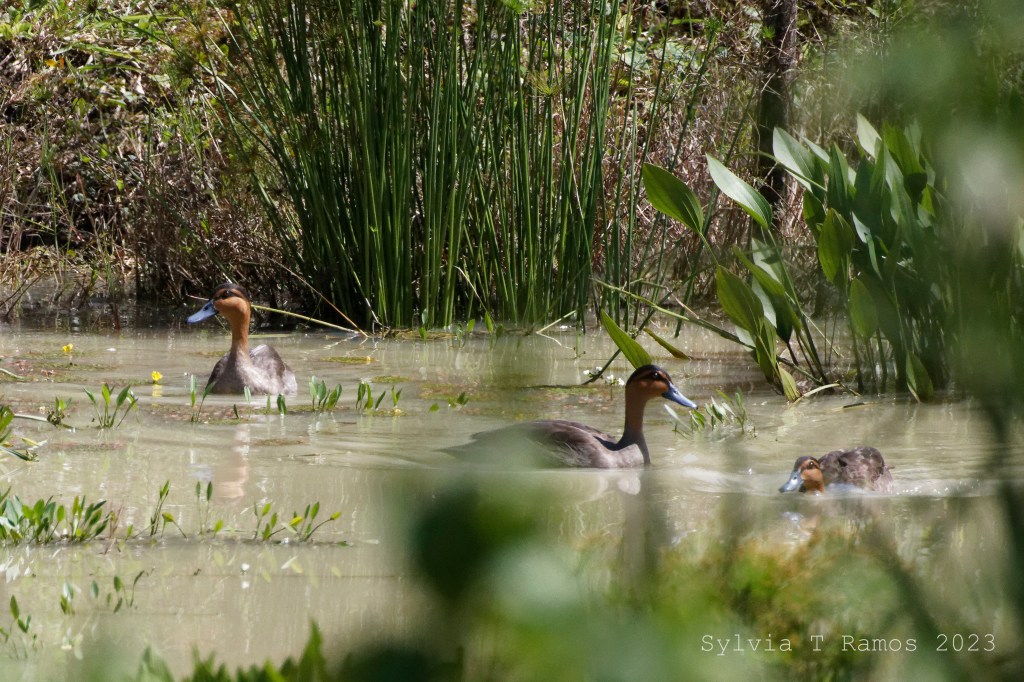
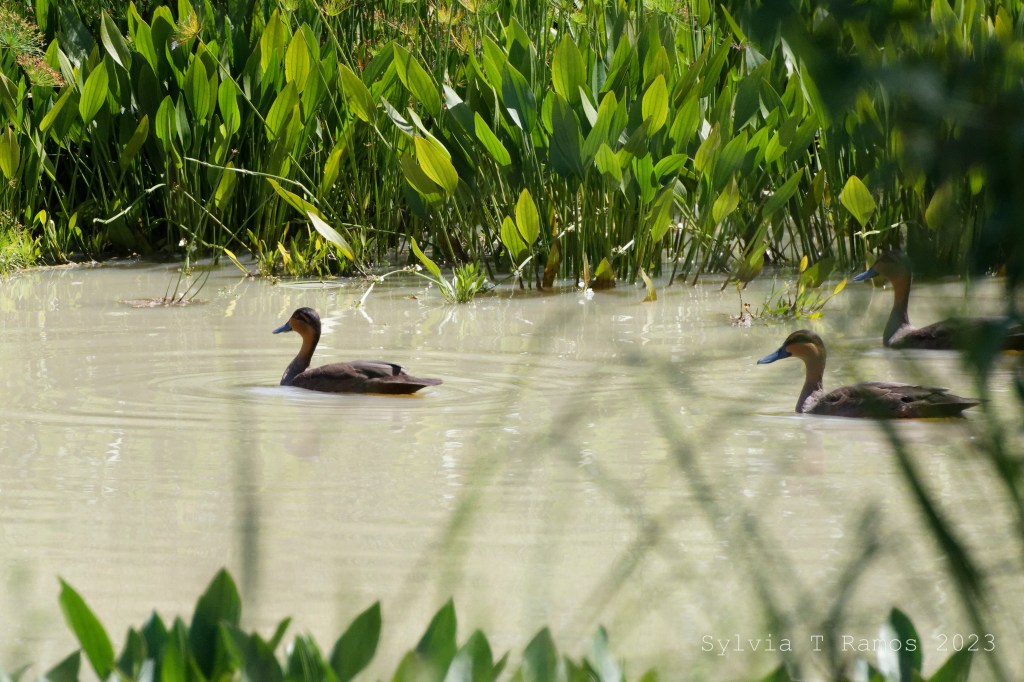
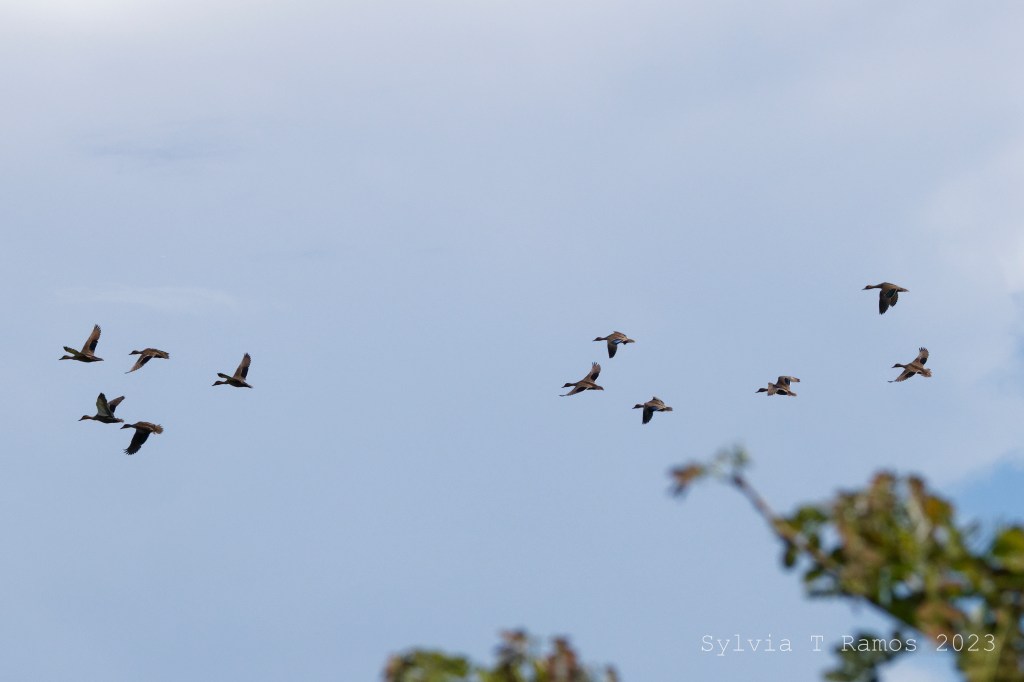
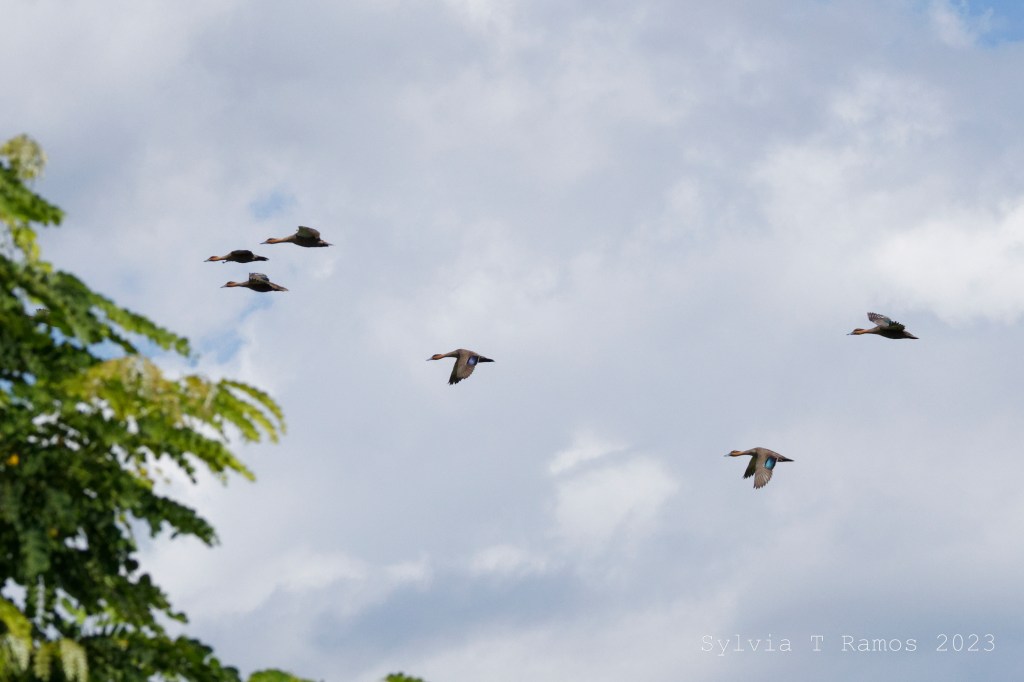
LEVEL 4 – See multiple groups of ducks flying overhead, criss-crossing in the air, landing, swimming, and taking off all at the same time!
We are at this level now! This is what we used to experience in a very large scale, back in the day when we used to go to Candaba Wetlands. Sadly, those wetlands are now farmlands. This is a much, much smaller scale than Candaba was, but it is still quite satisfying and has a lot of potential!

LEVEL 5 – THIS LEVEL IS STILL LOCKED! Baby ducks
This level will be unlocked when you see baby ducks swimming in the pond. I have never seen baby Philippine Ducks swimming. I believe I’ve only seen them one time, and they were walking.

LEVEL 6 – THIS LEVEL IS STILL LOCKED! Attracting rare migrants
This is the dream level. This level will be unlocked when all the bird activity and plants have made the pond look so inviting that migrating ducks use the pond as a stopover and refueling station!

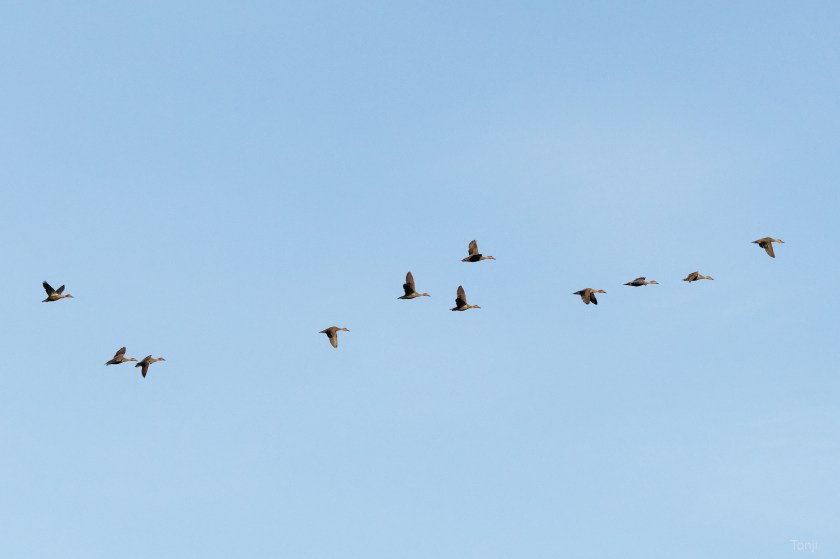
Philippine Ducks photo by Tonji Ramos

Philippine Ducks photo by Tonji Ramos

Here’s to unlocking more levels!
May 2024 – Fire and Rain

FIRE

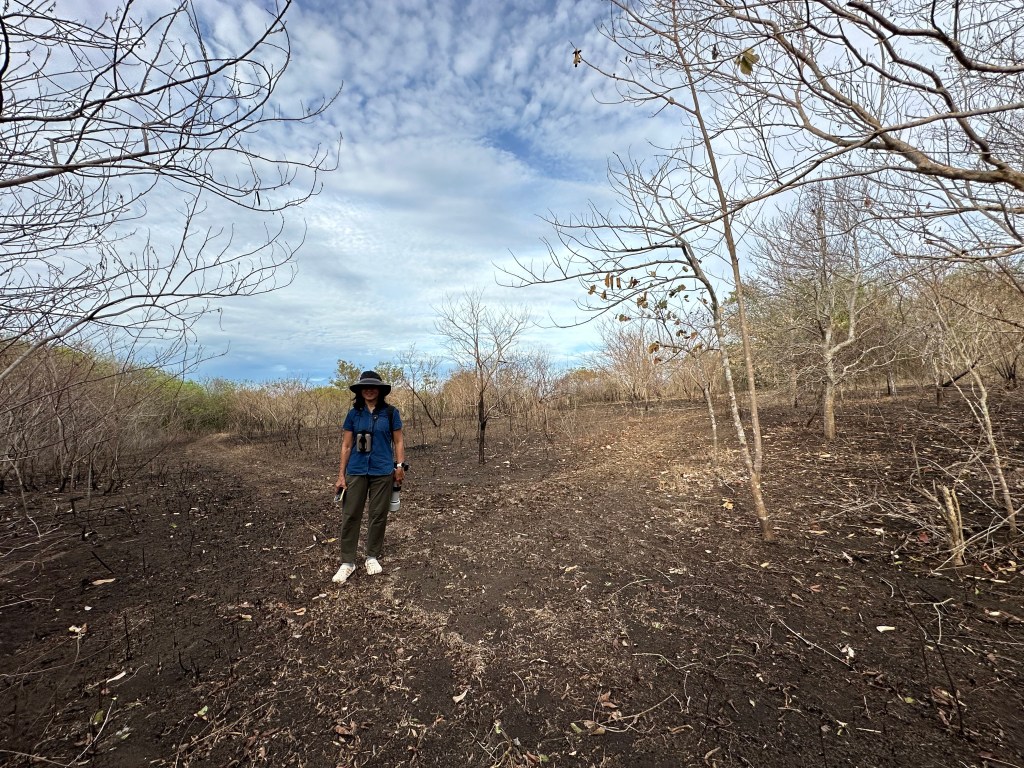
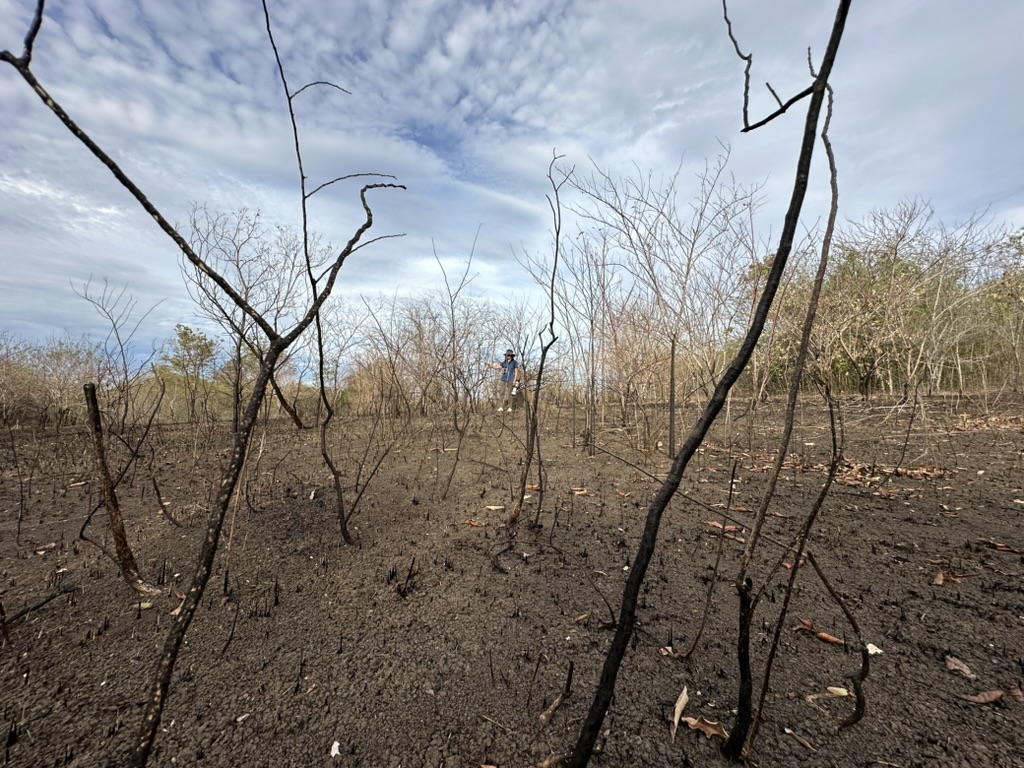
We had a fire on the property in May. We were not in the sanctuary at the time. By the time our caretakers spotted the fire, it had spread to around 1 hectare. It took an hour to put out the fire. Tonji inspected the burnt area the day after the fire. There are paths all over the sanctuary that are supposed to serve as fire breaks. Some of them worked to contain the fire. Unfortunately, some didn’t work.

The worst part of the fire

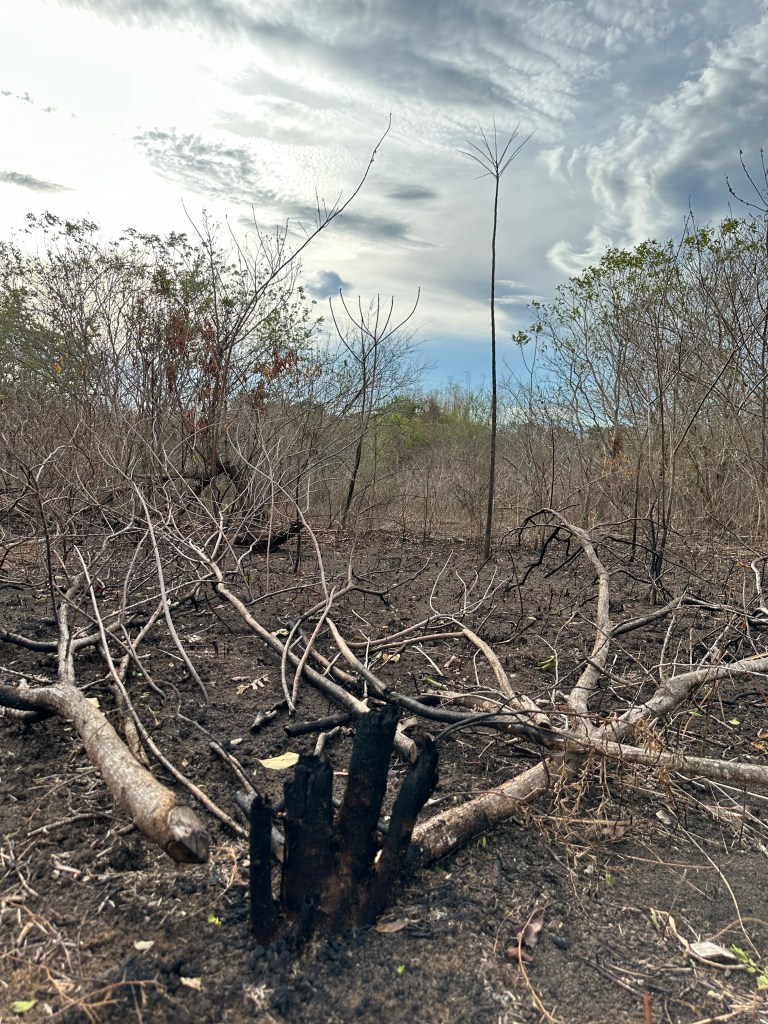
all the ashes

It was shocking to see the destruction. The ground was covered in black ashes. So many trees were burnt. It was sad to see our favorite paths and walkways wiped out by the fire.

We don’t know what caused the fire. Perhaps a trespasser with cigarette or sparks from a distant fire. We definitely need to upgrade our non-existant fire-fighting equipment and to improve on our fire breaks so that we can better deal with fires in the future.

RAIN

A few days after the fire, the weather made a 180 degree turn and the Philippines had it’s first typhoon of the year! The rain was a relief after the months of intense heat. The timing of it was something else though! We couldn’t help thinking that if the typhoon reached the country a few days earlier, we would have been spared the fire.

A few days after the typhoon, we went to the santuary to see the effect of Typhoon Aghon. Would it be enough to fill up the Big Pond? Tonji told me to wear rubber boots because everything might be wet and muddy.

We inspected the area that was burned in the fire. The ashes from the fire were gone! Even though it didn’t look as bad as it did right after the fire, I was still shocked at how brown and barren the surroundings looked. It didn’t look like our place anymore!

no more ashes

burnt tree stump

Then we visited the Water Lily Pond. The rain filled up the water lily pond! Whew! So glad to see that the pond survived the summer. It was so painful to see the water plants barely hanging on in a few inches of water. It’s a good thing the plants are able to bounce back after a good rain.

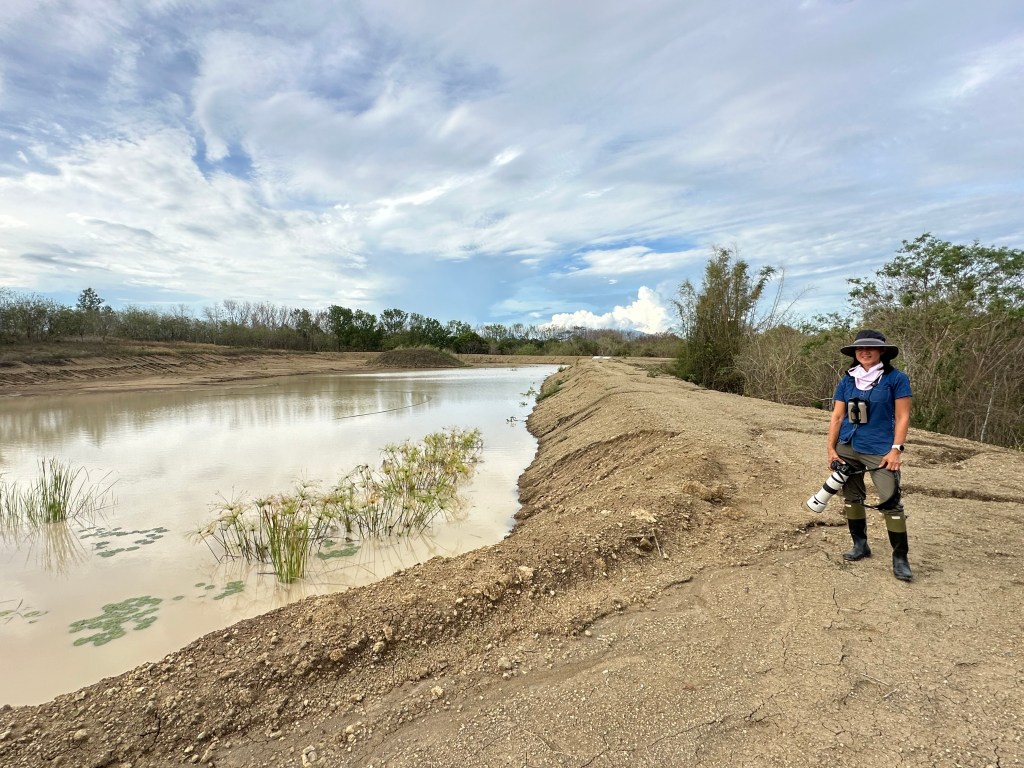
We went to the Big Pond. It wasn’t as muddy as we expected. The boots were overkill! The water level in the Big Pond increased by a lot. But the water still hasn’t reached all the way around the island in the middle of the pond. It also looks like there is some erosion on the banks of the pond.

water hasn’t reached the back of the island
water plants are doing well
The ducks are swimming at the far end!

We survived the hottest summer on record, a fire, and the first typhoon of 2024! What a relief!

Birdy October!

We had an awesome October full of birds and flowers! We finished building the big pond in September and then we had an incredibly fabulous October full of birds and flowers and fruits! Was that the effect of the big pond or just a coincidence?
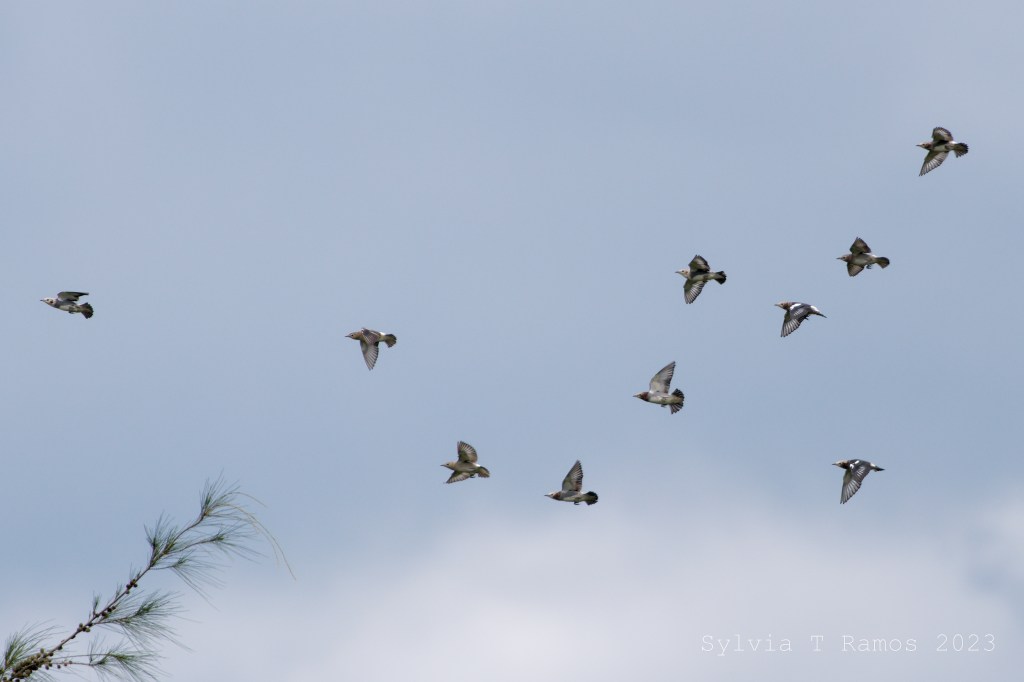
We had 2 new bird species at our refuge! Two new species in one month is very good for us. We have now seen 106 bird species at the refuge. The new birds are Chestnut-cheeked Starling Agropsar philippensis and Little Ringed Plover Charadius dubius. Both species are winter visitors to the Philippines.

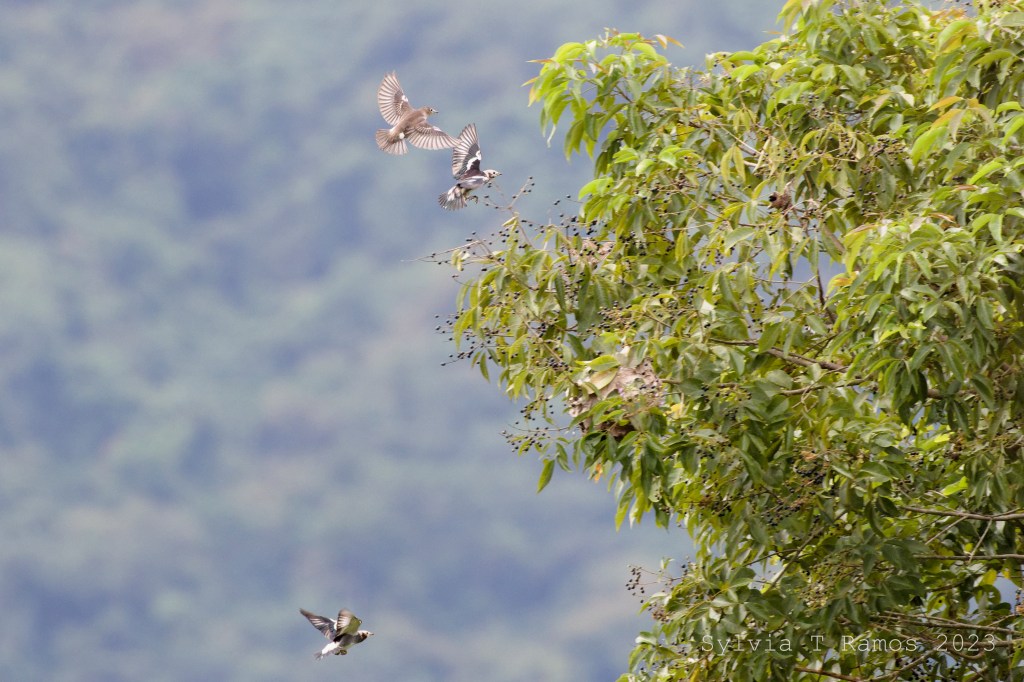
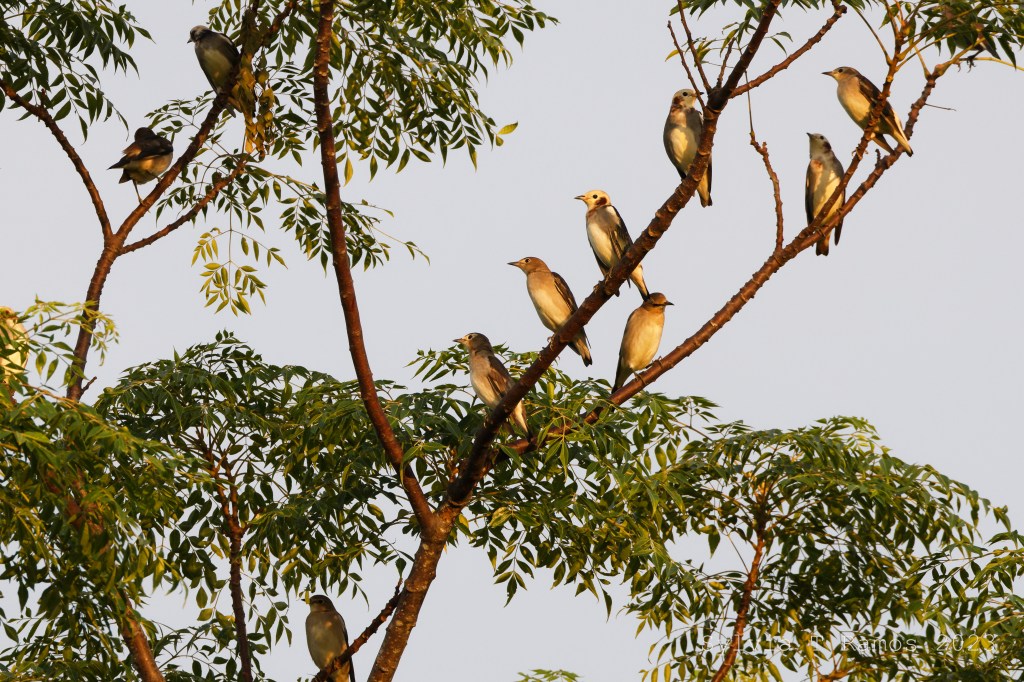
Chestnut-cheeked Starlings are exciting birds to watch. They gather in big flocks and fly together from one tree to another. They have the ability to disappear into the tree they land in! One moment you see a big flock of birds, and the next moment they’ve disappeared! Tonji estimates that there were 300 Chestnut-cheeked starlings in our place. It was difficult to get an accurate count because they were in small flocks and would show up in different spots.

Seeing all those starlings in our place was a dream that was at least ten years in the making. We used to make the 9-hour drive from Manila to Laoag to see look for migrant birds like Chestnut-cheeked Starlings. In 2013, our friend from Laoag Richard Ruiz gave us a mulberry tree to plant in our refuge so that we could attract our own flocks of starlings! The mulberry tree did not do well, but the flocks of starlings came anyway! We saw them on the fruiting Banato and Agoho trees.

Another big dream come true moment was at the water lily pond. Tonji went out on the tractor to cut the grass. Then after a short while, he came back to the cottage and signalled me to to get the cameras. There were 12 Philippine Ducks swimming in the water lily pond! It was noon and they were resting in the shade of the water plants! This is the most Philippine Ducks we have seen swimming at one time!

The other new bird we had was a solo Little Ringed Plover that seemed to be inspecting the new pond! Little Ringed Plovers are usually found in flocks in wetlands and along rivers. Perhaps next time this Little Ringed Plover will bring in the rest of its flock.

Little Ringed Plover

There were other birds inspecting the new pond.

The plants also chose this month to show off. The Balai Lamok near the house had the most flowers it has ever had. A few years ago, Balai Lamok trees were touted as the Philippines version of the Japanese cherry blossom. The photos of the mature trees full of flowers truly made one want to go out and buy seedlings! It became one of the most sought after trees among Philippine tree enthusiasts. When our Balai Lamok trees did flower though, they would only produce a handful of flowers. It was undewhelming and made me think they tree was over-rated. Until our tree produced this abundance of flowers!

Balai Lamok

The guava trees had bigger fruits than before. I thought that we had some kind of dwarf or native variety of guava that had tiny fruits. It seems that as the tree gets bigger, its fruit also gets bigger! 

I saw an Alibangbang tree full of buds! This was a first for me. I usually see them full of seed pods and miss the flowers completely.

And here are more birds we saw in October!

Fabulous Firsts in February!

All these amazing this happened this month!

First photo of a Philippine Duck swimming in one of our ponds!

Philippine Duck swimming in a small pond
Philippine Duck

I’ve taken lots of photos of Philippine Ducks. This one is a first and very special to me because I’ve been dreaming of taking this shot ever since we made our first pond! We know we have Philippine Ducks and we know they use the ponds. We have photos and videos from the wildlife camera of Philippine Ducks swimming in our ponds. I’ve been dreaming of taking my own photograph of one of the ducks while it’s in the water.

In this particular pond, you can stand on the path, peer through the weeds, and check to water for birds. I was so excited when I saw a duck swimming! I tried to move slowly and quietly so I wouldn’t alert the duck or the dogs. Haha, the dogs had no idea that there was a duck close by! I also had to manually focus the camera because of all the weeds.

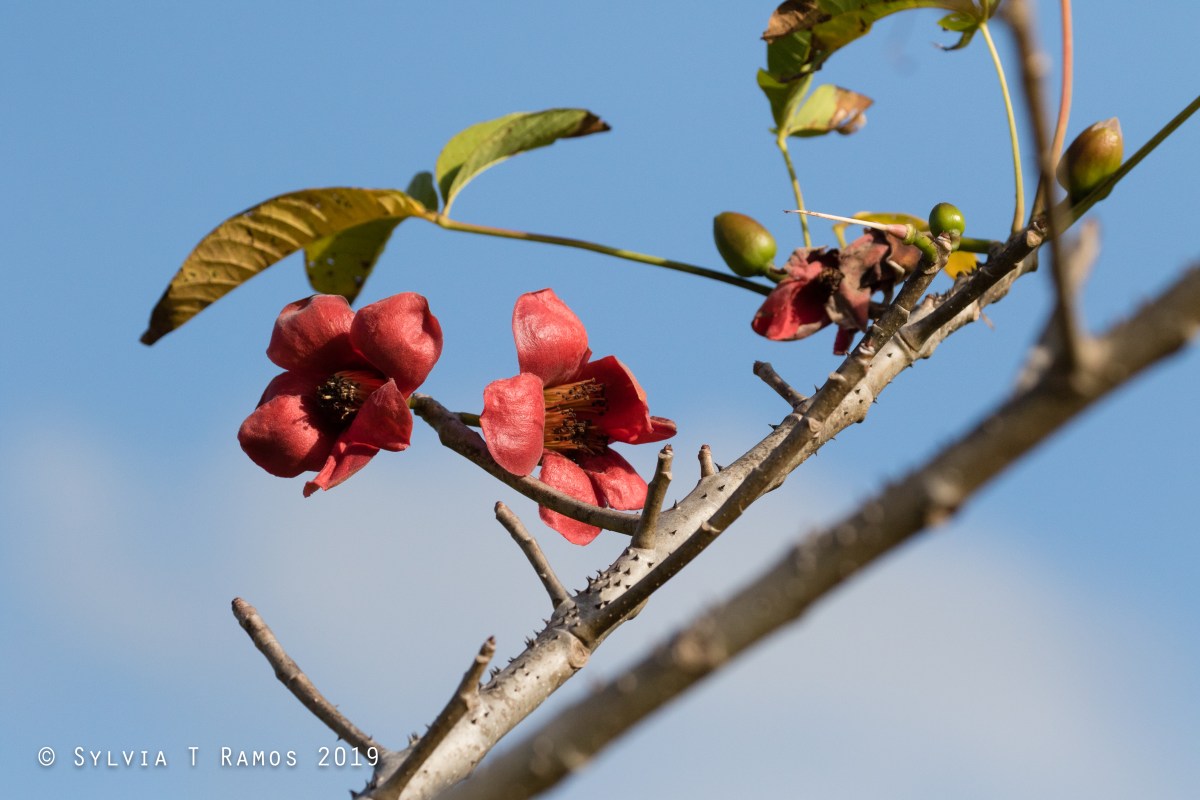
First time for our Malabulak trees to have lots of flowers!


Malabulak trees in a row Bombax ceiba
The ones with flowers are only 3 meters and 4 meters tall

In 2017 one of our Malabulak trees produced a bud, but the bud didn’t turn into a flower. In 2018 we had a few buds and flowers. This year we have lots of flowers on several trees. These trees attract a lot of birds when they are in flower. We haven’t seen any birds on ours yet, maybe because our trees are not very tall yet.

Malabulak flower

First time to see the flower of the Alibangbang tree!

Here’s the long-awaited flower!


We have lots of Alibangbang trees growing wild in our refuge. They produce seeds and sprout all over the place. Yet I never saw a flower. I wanted to see a flower because this would confirm the ID of the tree. I was assuming that the trees we have are Bauhinia malabrica, the native version of Bauhinia. The Bauhinia that is usually found in urban settings is the imported, non-native version Bauhinia purpurea that has big purple flowers. It is a popular ornamental plant. The native Bauhinia has small, yellow flowers. In 2018 I was able to definitely confirm the ID of the tree. It was a bit anti-climactic though because all I saw were unopened buds.

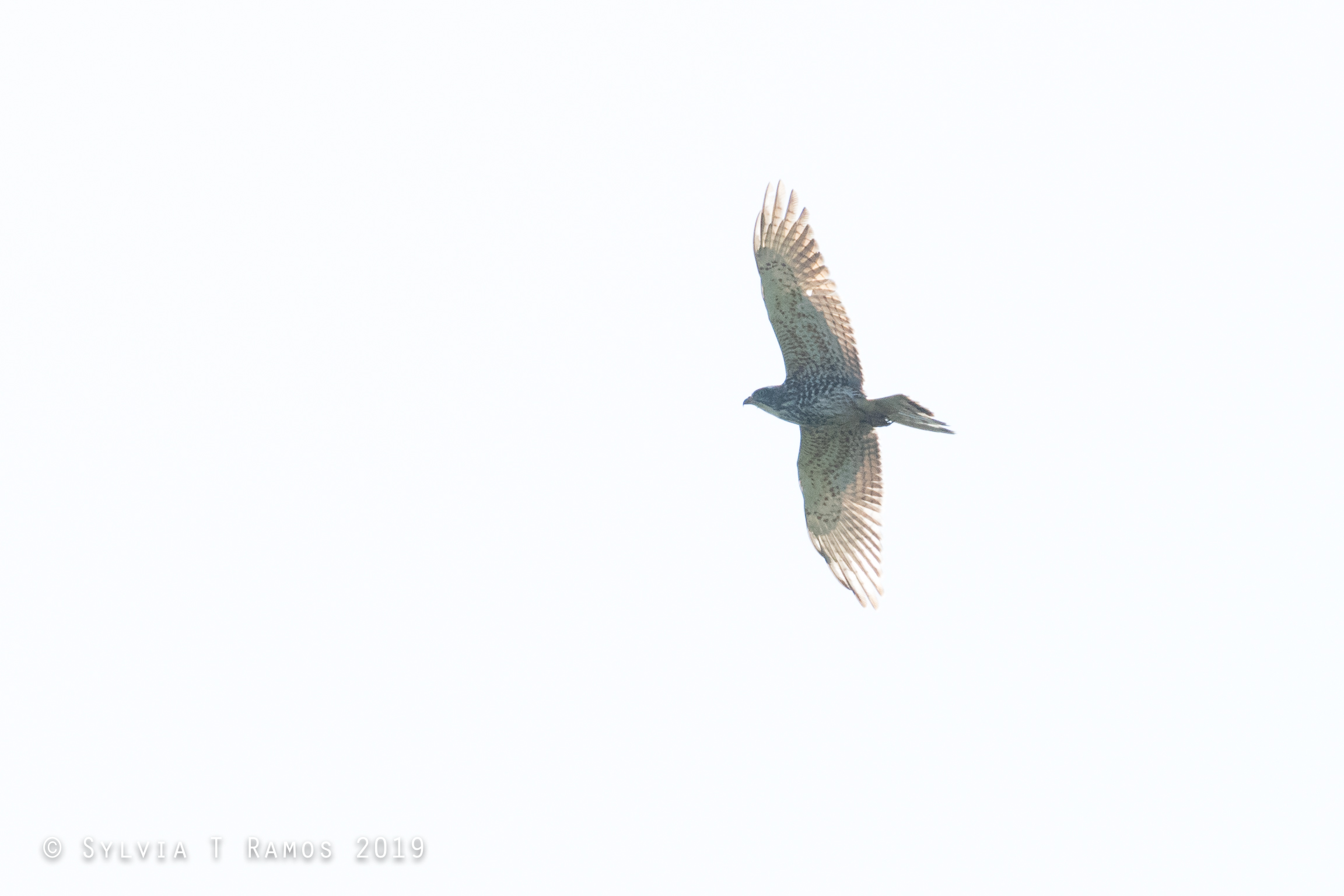
First time to see a Grey-Faced Buzzard Butastur indicus in the refuge!

Grey faced buzzard in flight
Bird # 101 Grey-Faced Buzzard

We now have 101 species on our refuge bird list! This bird is a migrant. I was standing on the veranda of the cottage when I saw it flying by. I hope that it uses our place as a stopover!

We still have two weeks left in February. I’m looking forward to what the next two weeks bring!