The Fruits of a Summer’s Labor

This year Tonji spent 21 days building ponds. He started building in February to give himself enough time to get a few ponds in before the start of the rainy season in June. He would have continued building even longer except that we were not able to go the the farm regularly for two months.

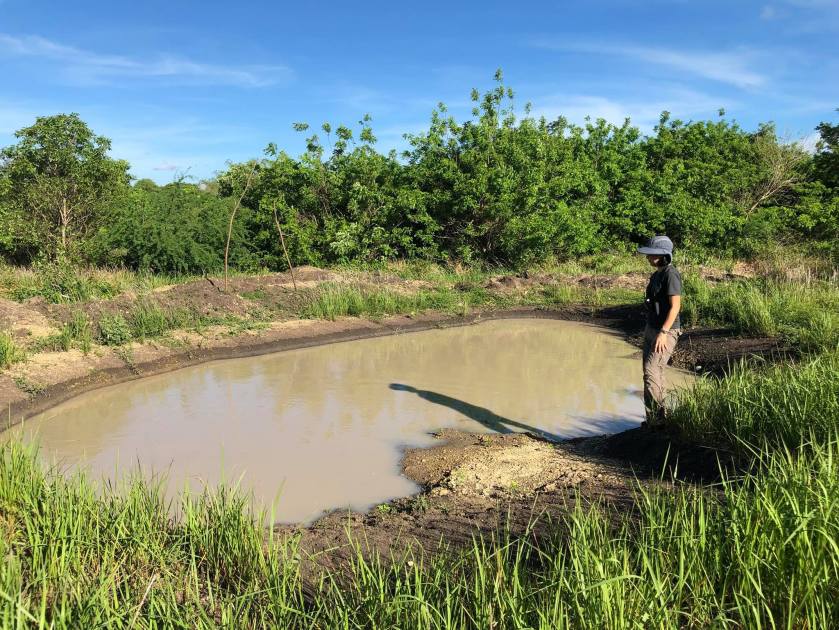
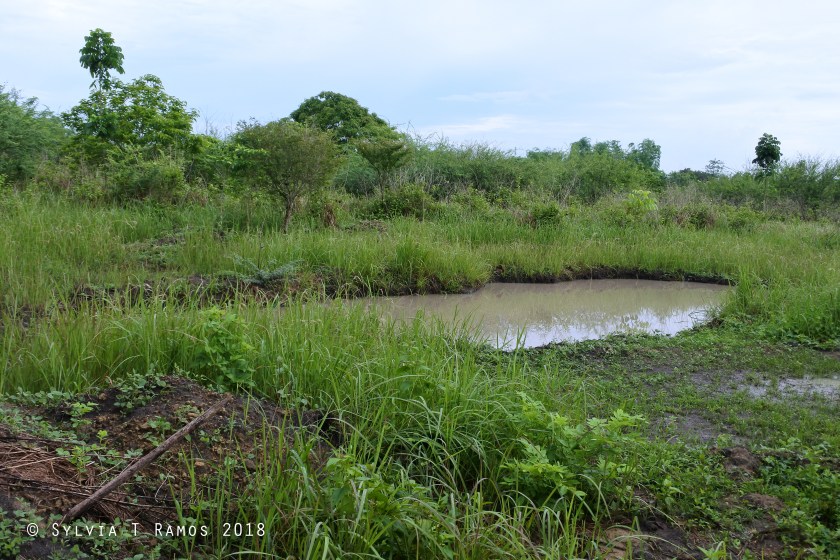
The first pond he built was Pond No. 5. It was slow-going and took him 9 days to complete because the area was wet and sticky. In March, we got an unexpected day rainy day and were thrilled to see puddles forming at the bottom of the pond!

pond 6 w dogs
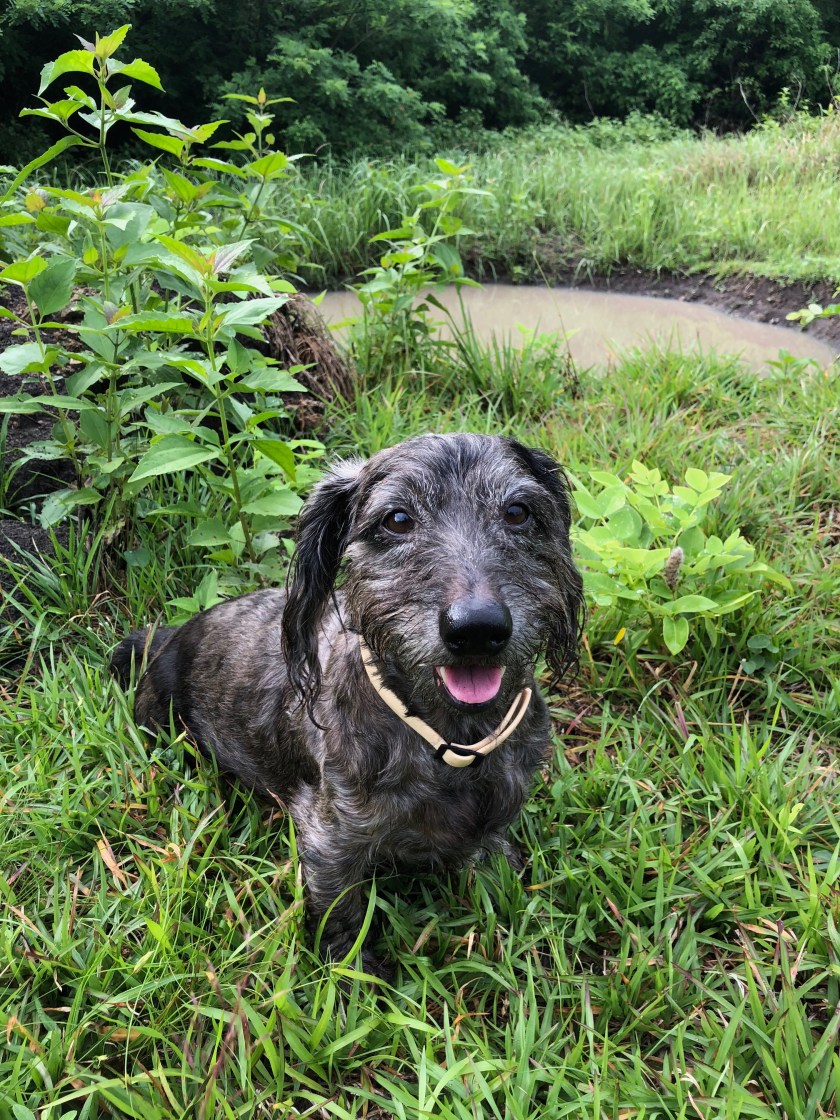
March – Pond No. 5 being inspected by Momo and Barkley

When the real rains came around in June, the pond got filled up half way! It takes a lot of rain to make all the soil settle down and form a waterproof layer that will hold water.

pond 6 half full
June – Pond No. half full!

It was nice to see the pond fill up with water, but had the wildlife discovered the ponds yet? Were the Philippine Ducks using it? Did they know that they now had seven ponds at their disposal? We inspected the pond for signs of life. We found lots of small feathers around the pond edge!

pond 6 feathers
June – signs of life!

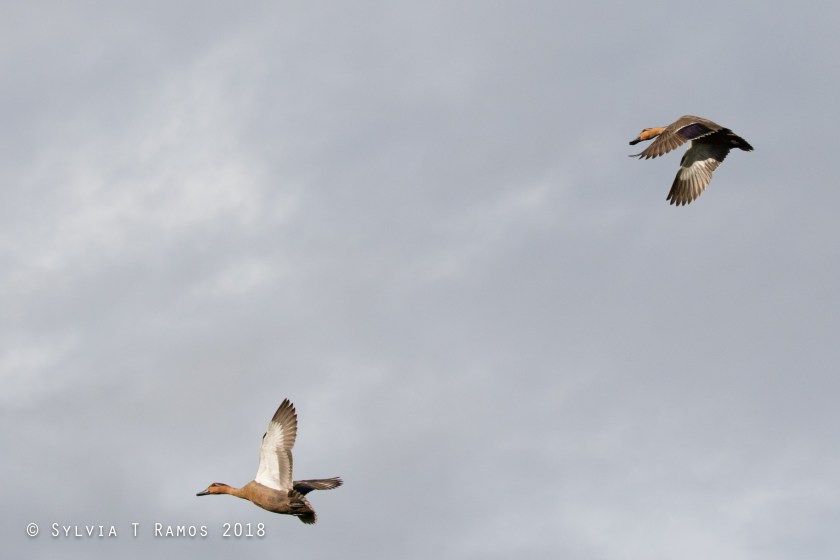
This month we’ve resumed our regular farm visits and are thrilled with the results from the pond building! We’ve been having the most amazing views of Philippine Ducks!

_E7A7600.jpg
If you look closely, you can see water drops on the duck’s chest. They probably came from the pond!

I also had a wish fulfilled. I was finally able to take the photo I’ve been dreaming of — a Philippine Duck standing by one of our ponds!

_E7A7893.jpg
Pond No. 5

And even better, there were TWO of them! There may have been more ducks in Pond No. 5, but we didn’t want to disturb them by going closer. So all of us including Momo and Barkley walked away quietly and left the ducks to enjoy their pond.

_E7A7919.jpg
Two Philippine Ducks at Pond No. 5

That same morning we inspected Pond No. 7 and seven Philippine Ducks flew out of the pond. This pond took ten days to build.

pond 7 after.jpg
Pond No. 7

The smallest of the three new ponds is Pond No. 6. It took only two days to build and we’ve also seen ducks in it!
pond 5 after.jpg

It is so gratifying and encouraging to see our projects working! It’s a thrill to be able to share our space with wildlife.

23 Ducks at the Farm!

We saw a record number of Philippine Ducks at the farm! 23 ducks at Pond #1. We were happy and surprised to see them. We thought that the two Pied Harriers that are wintering in our place drove the ducks away from their usual hangout. So nice to see that they’re still there are that there are more of them!


We walked to Pond #1 thinking that it was probably not being used by the ducks. We wanted to check the water level. As we approached, the ducks flew into the air. We watched them for a few minutes, Tonji took a video, then we turned to leave the area so the ducks could go back.  They were circling over us and calling out. Barkley however ran towards the pond. He ignored us when we called him back. So Tonji went to get him and was able to quickly look at the pond. The water level was high and the grass around the pond was flat, probably from the ducks sitting on it!

Seeing these birds encourages us to make new projects! When summer comes Tonji will start a new, bigger pond with either a lookout tower or a hide for observing the birds. Or maybe he’ll make a “scrape”,  like a shallow rice paddy to see if it will attract birds that like to forage in shallow water.


More birds for August

We’ve been seeing a lot of these guys near the house.

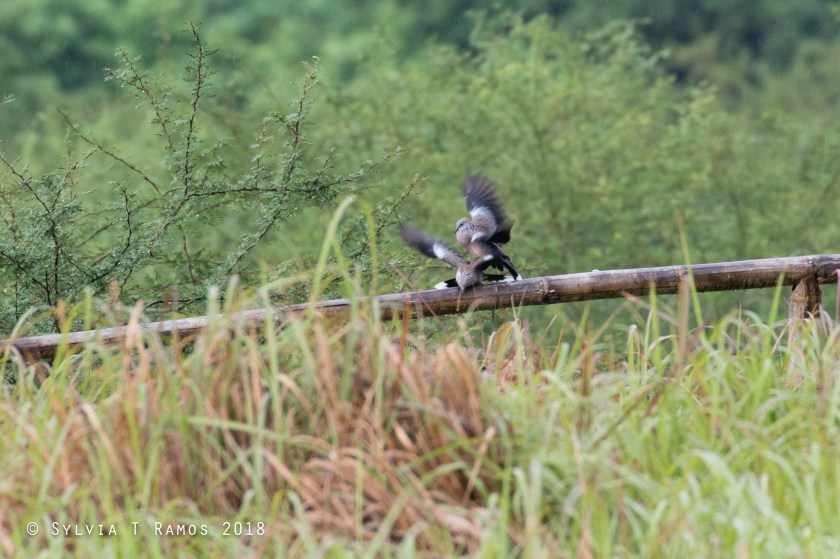
This Lesser Coucal seems to have claimed the bamboo fence as his hang-out.

_E7A6795.jpg
Lesser Coucal


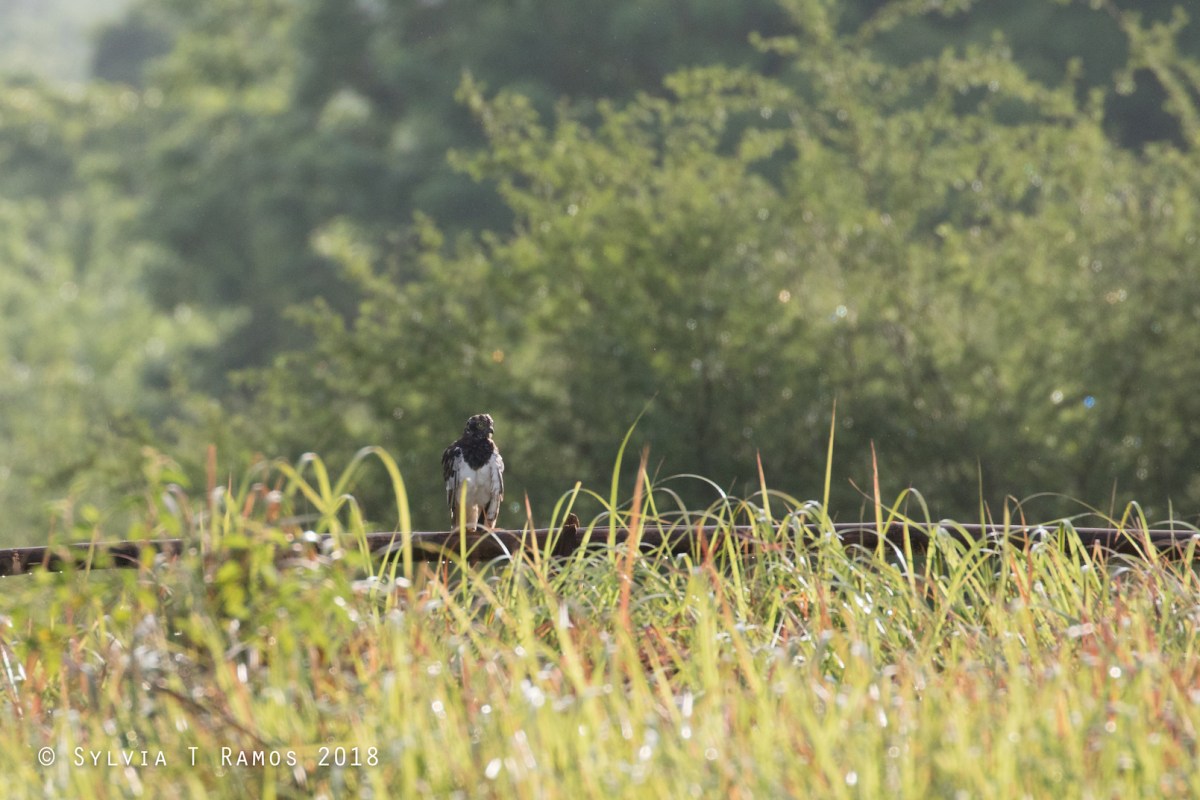
This week we noticed a string on the Pied Harrier’s leg. I am hoping that the Pied Harrier gets the string off somehow.

_E7A6646.jpg
Pied Harrier and Large-billed Crow in a battle!


The Pygmy Flowerpeckers are still on the Aratiles tree. Now that all the ripe fruit are gone, they are eating the green fruit!

_E7A6557.jpg
Pygmy Flowerpecker


This Cisticola was a bit further away from the house. It has become one of the easier birds to photograph. It calls out loudly while perched on an exposed branch before diving back into the long grass.

_E7A6748.jpg
Golden-headed Cisticola

Awesome birdy August

We are having an awesome birdy August! We added three more new birds to the farm bird list! That makes SIX new birds for August!

  • Striated heron Butorides striata
  • Clamorous Reed Warbler Acrocephaus stentoreus
  • Yellow-wattled Bulbul Pycnonotus urosticus
  • White-bellied Munia Lonchura locugastra 
  • Ruddy-breasted Crake Ponzana fusca
  • Philippine Green Pigeon (formerly known as Pompadour Green Pigeon) Treron axillaris
_E7A6256
Yellow-wattled Bulbul

We’ve now seen three kinds of bulbuls at the farm:

  • Yellow-vented Bulbul  Pycnonotus goiavier – One of the most common birds at the farm. It’s a garden bird and is never found in mature forests.
  • Philippine Bulbul Hypsipetes philippinus – This is a forest bird! It is usually seen in forest edge and advanced second growth. I always keep an eye out for these birds because I think they assist in reforestation by bringing in different seeds from forest trees and plants. I’ve been seeing more of them in our area. 
  • Yellow-wattled Bulbul Pycnonotus urostictus – Another forest bird like the Philippine Bulbul. It is usually seen in lowland early second growth and forest edge. I only saw one bird that perched in front of me for a few seconds. Maybe we’ll be seeing more of them as our area becomes more and more forest-like.

We also had a returning bird. A few years ago, we had two Pied Harriers Circus melanoleucos, a female and an immature, that hung around the farm for three months. This was in November 2013 until January 2014. Then they both disappeared. Later in 2014, we saw a female Pied Harrier. We wondered, was this the same female? Did something happen to the immature? There were no more sightings in 2015 and 2016. Then this month we saw a female Pied Harrier! It’s possible that it’s the same one from 2013!

_E7A6292
Pied Harrier

This month I also had my best views ever of Black-naped Monarch Hypothymis azurea at the farm! I thought that I would be seeing a lot of these birds in our area. In the early days, I even wrote about seeing one when we first toured the farm and how it was a “sign”! But, they weren’t as easy to see as I imagined they would be .. until now!

_E7A6480
Black-naped Monarch, female

This month, they were right near the house and very visible!

_E7A6393
Black-naped Monarch, male

We are only halfway through August! I’m looking forward to the rest of the month!