August 2024

You know how there are “before and after” pictures? August was a great month for AFTER pictures!

In May we had a fire, and then by August the traces of the fire had been erased. The grass grew green and tall again. The burned trunks were still there, but the landscape was nice and lush once more.

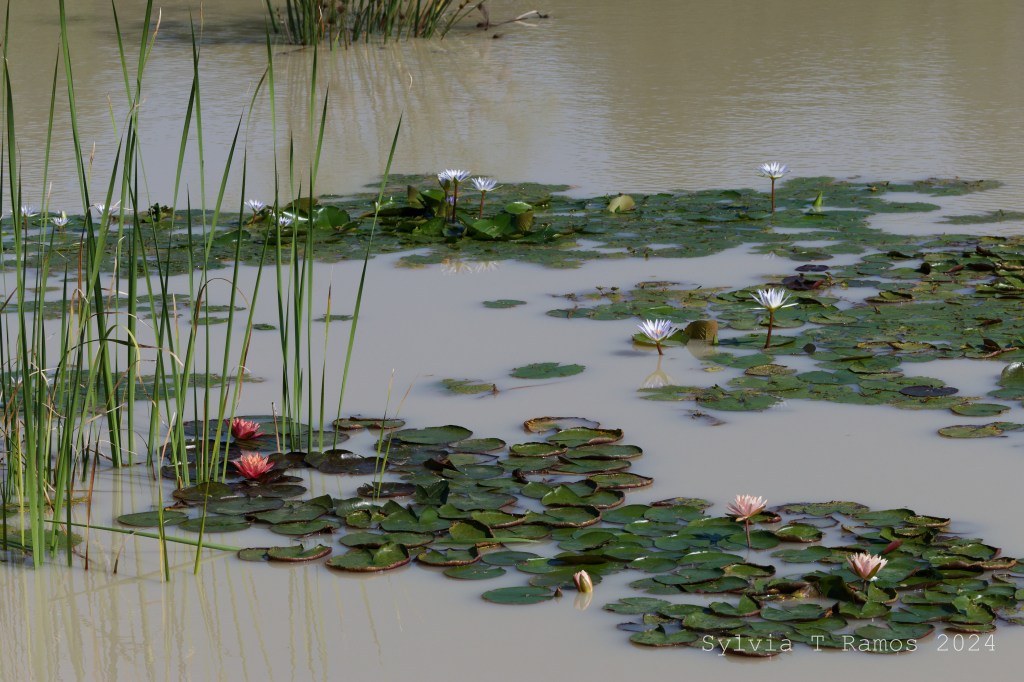
Last year we planted water lilies, typha, papyrus, and lotus in the Big Pond. One of the water lilies was a hardy variety called Nymphaea wanvisa from my pond in Alabang. It is a very pretty water lily that wasn’t doing that great in Alabang. It only gave me a few flowers . I cut it up and placed it into smaller pots and planned to plant them in the Big Pond when it was ready. I was hoping it would do better in the Big Pond.

I could hardly believe my eyes when I saw how big it grew in the Big Pond! It had spread and had so many flowers!

The Big Pond is thriving! I saw a White Breasted Waterhen scurrying in the grass beside the Big Pond. The plants are looking more established. Only one section of the Big Pond doesn’t have water.
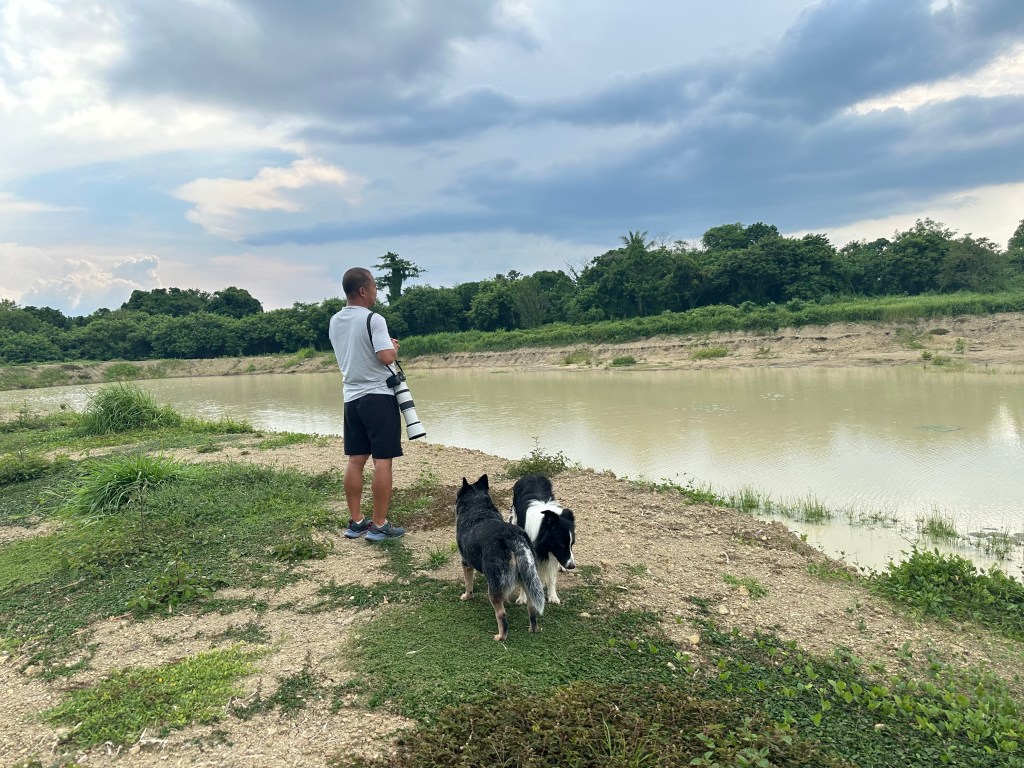
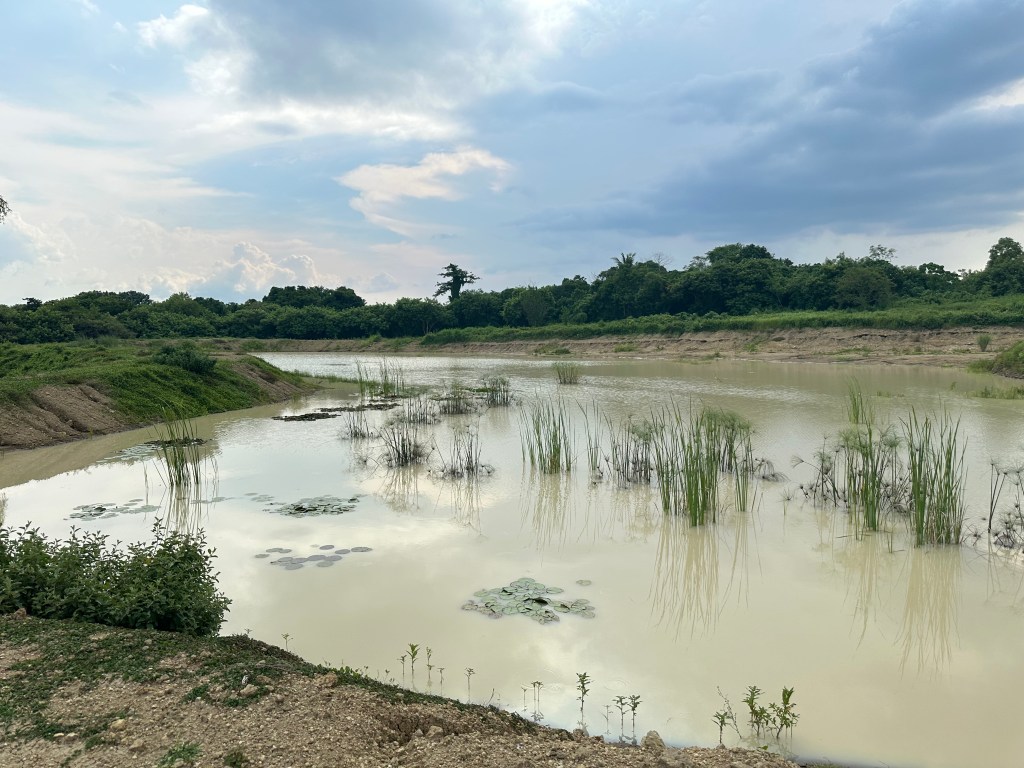
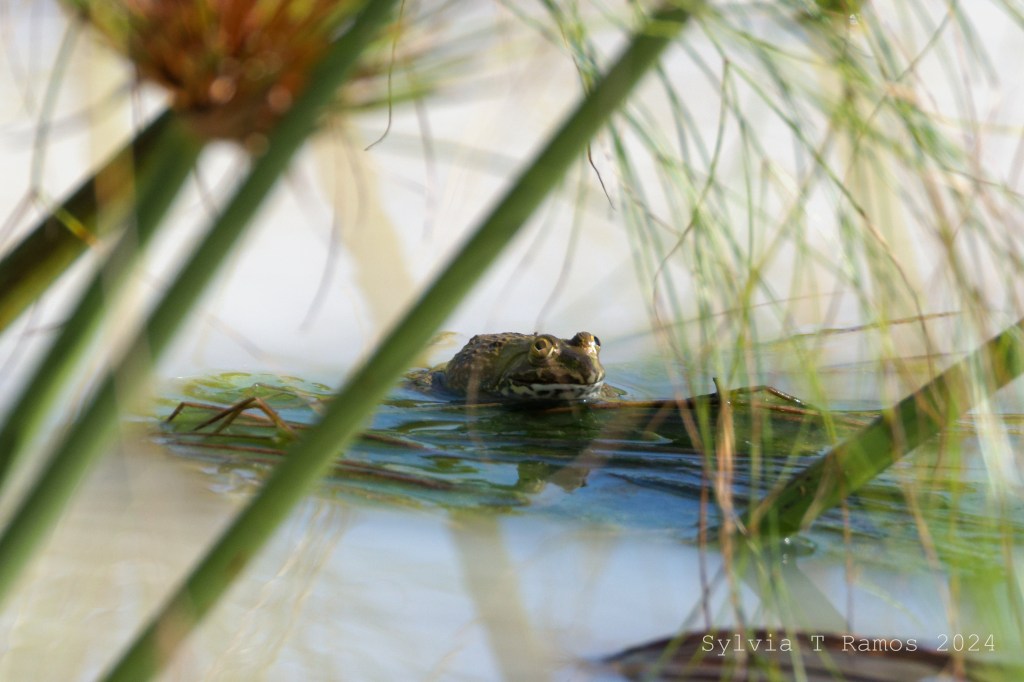
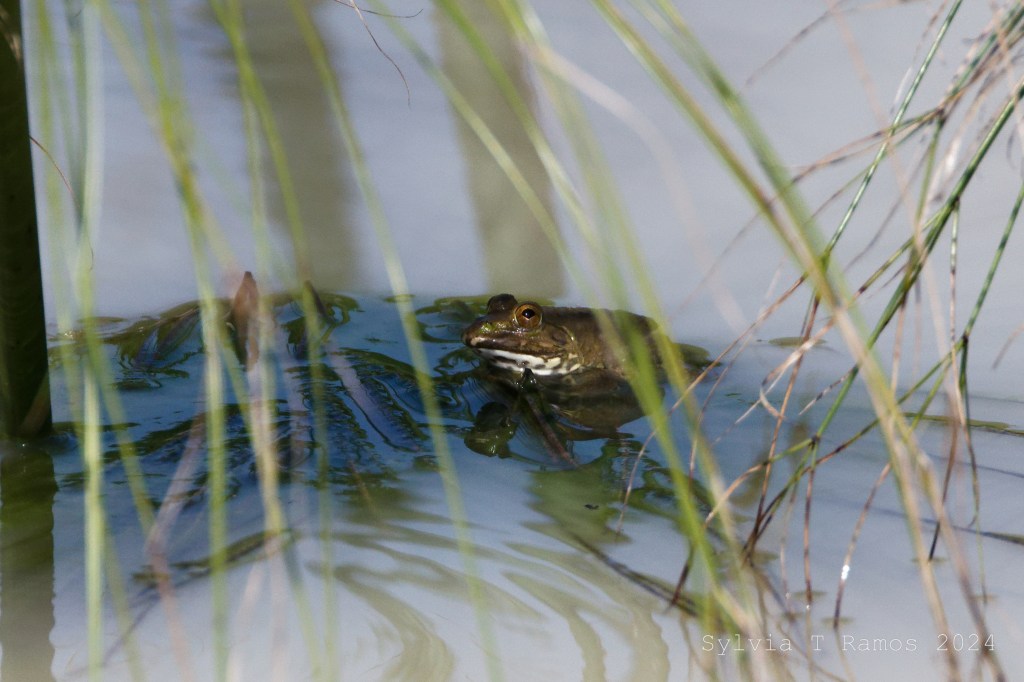
I was excited to photograph a frog at the Big Pond. I was hoping it was native species. Sadly though, it was a Chinese Edible Frog (Hoplobatrachus rugulosus) an invasive species of bullfrog. It is also known as Palakang Bukid. I wrongly assumed that foam nests were made by the native frogs. It turns out that many other frogs also make foam nests. Maybe the birds will eat the frogs since they are edible.
And here is a beautiful serene morning video of Ollie at the Water Lily Pond.

that’s Lulu yelping at the end of the video


We also finally got a photo of a Colasisi at the refuge. It is another one of those “finally got a photo but it’s a bad one”! It was perched on an Agoho.


In August we also had a notable abundance of mosquitoes! This is the first time I experienced getting swarmed by mosquitoes during my morning walk. They swarmed over the dogs and bit my arms! I hope the bats, dragonflies, and birds keep them in check.

I also noticed that there were some fully grown trees that looked like the dried up and died. Not sure what caused this.

Is it dead?

Another interesting observation was the snake that climbed a tree. Tonji saw a snake with a stripe along its body that swiftly climbed up a tree! He was surprised that it didn’t just slither away into the tall grass. We have been assuming that snakes are in the grass. Now we know they could be in the trees too!
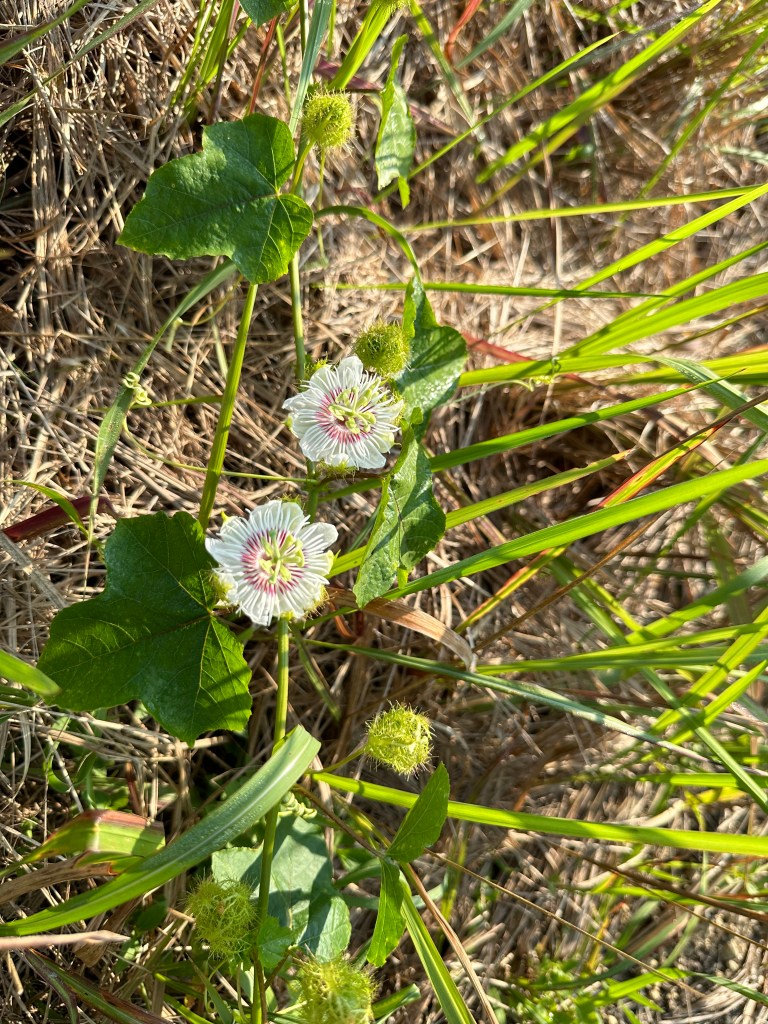
wild passionfruit Pasyonaryang Mabaho

Nearing 50 Ducks!

2024 is shaping up to be an exciting year for our refuge!

JANUARY

Ducks in the Big Pond

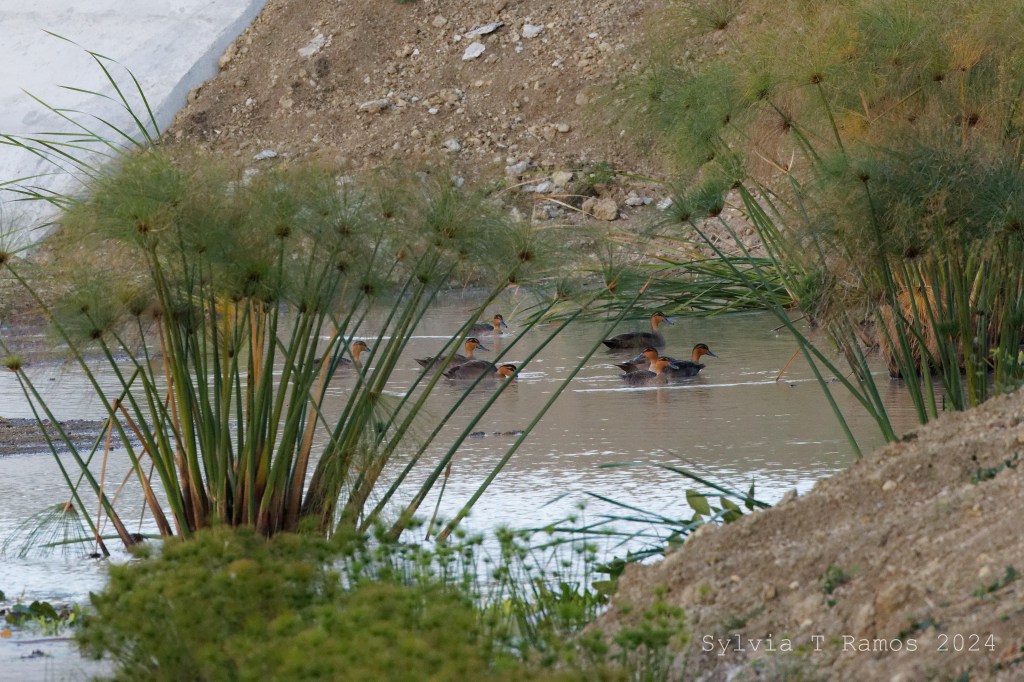
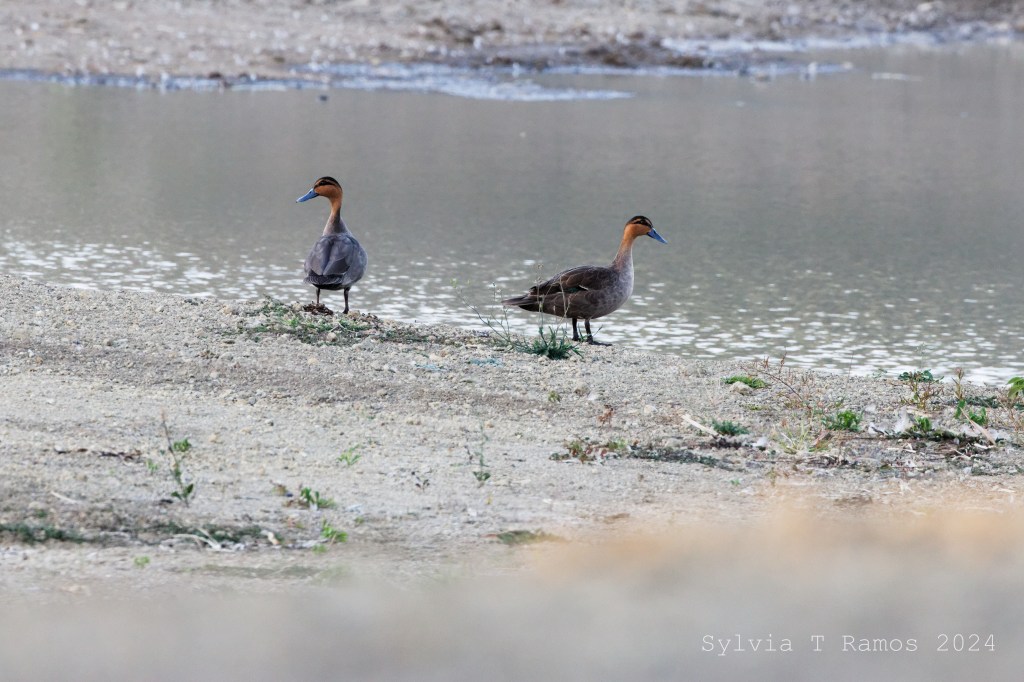
First time to see Philippine Ducks in the Big Pond! Tonji saw 15 Philippine Ducks swimming in the Big Pond. We knew it was just a matter of time until the ducks discovered the Big Pond. In the meantime, we were trying to make the Big Pond as attractive to the ducks as we could by planting water plants and minimizing the human activity in the area. It was so satisfying to finally see the Philippine Ducks at the pond!

Philippine Ducks swimming in the Big Pond
January 2024 at the Big Pond

We were even able to show the ducks to friends and family that visited the refuge.

FEBRUARY

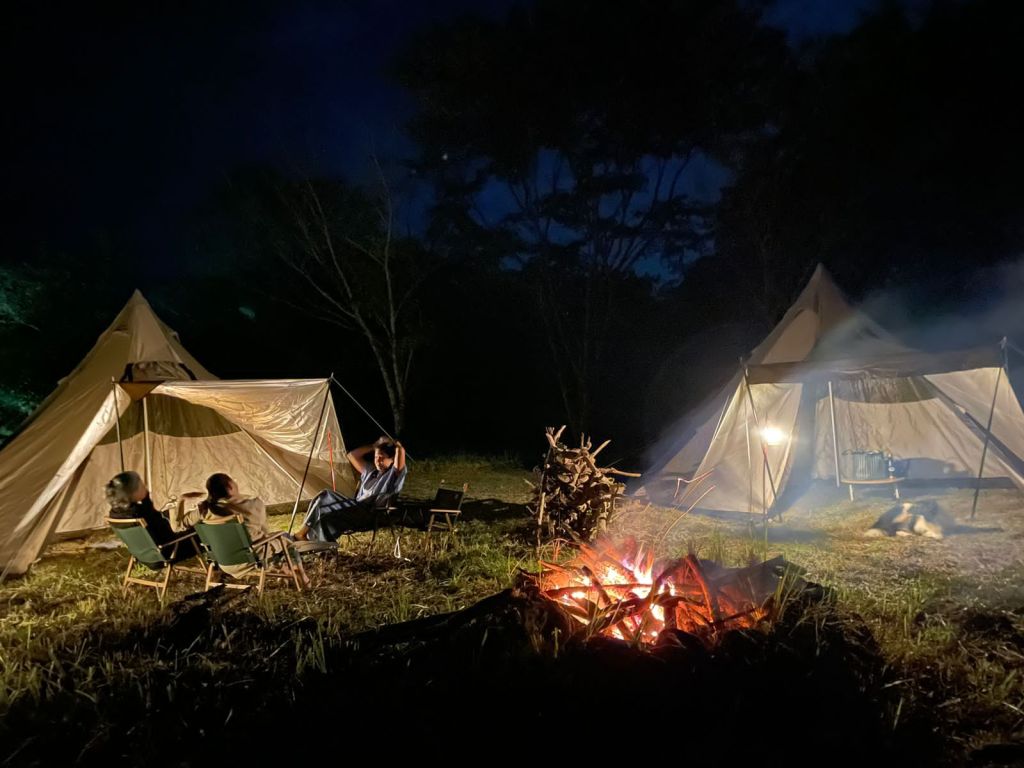
In February we had more visitors to the refuge. We started plans on upgrading our glamping set-up to make it easier to have visitors. We met up with the building crew to discuss the new guest house and they were all agog about seeing so many ducks! How many ducks? They couldn’t really say. Maybe 20, maybe 40. The building crew were in the refuge early in the morning when they saw many ducks fly out of the Big Pond, circle overhead, then land back in the Big Pond. We were very happy and excited to hear that there were many ducks, even if we didn’t know how many. And even better news was that they appeared intent on staying in the Big Pond.

Duck action at the Big Pond!

MARCH

In March we started keeping track of the number of Philippine Ducks in the refuge. There is a big group that stays in the Big Pond and 2 ducks that appear to stay in the Water Lily Pond.

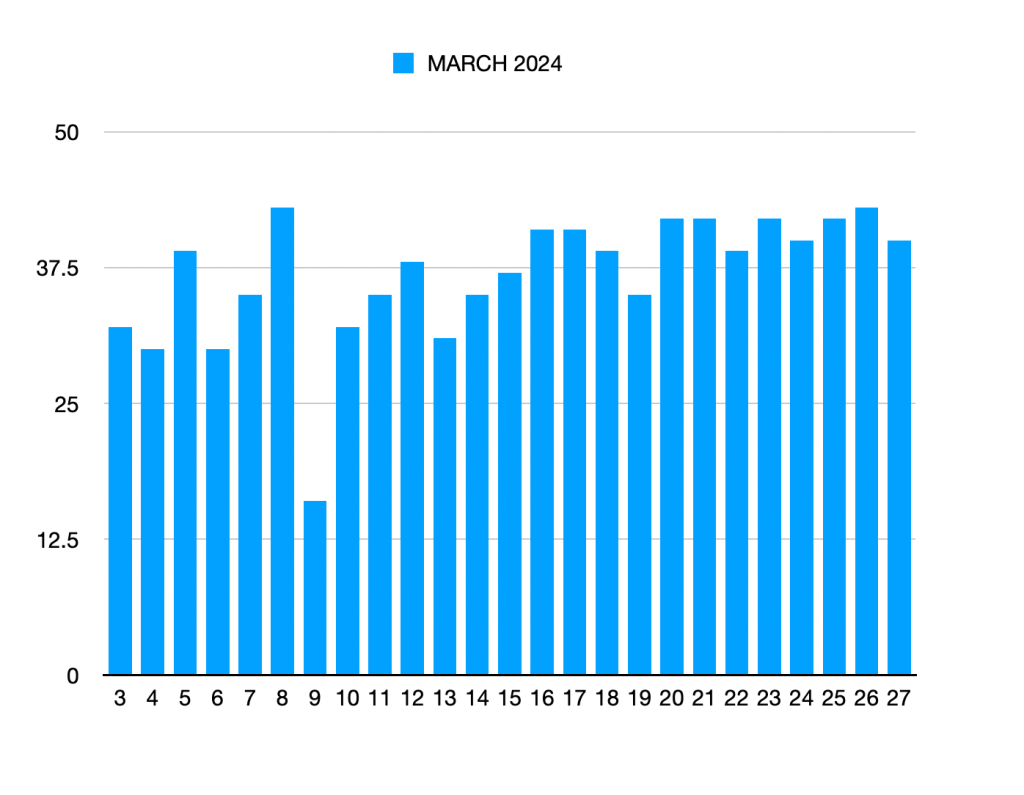
Philippine Ducks in the Big Pond March 3 – 27

We started keeping track on March 3 and had 32 ducks. That’s 12 more than our highest previous count of 20 Philippine ducks in the Water Lily pond in November 2023. Our new highest count is 43 ducks in the Big Pond on March 8 and March 26. If we assume that the pair of ducks in the Water Lily Pond do not go to the Big Pond, then that makes it a possible 45 Philippine Ducks in the refuge! Almost 50 ducks!!

The ducks like to gather in this corner of the Big Pond
Philippine Ducks at the Big Pond

I am looking forward to planting more Typha or bullrushes at the Big Pond. They are supposed to spread and even become weedy, but so far the ones we have planted are looking sparse. We have also planted giant papyrus, dwarf papyrus, water lilies, lotus, and sagittaria. I think the plants make the pond much more attractive to the birds.

New plants

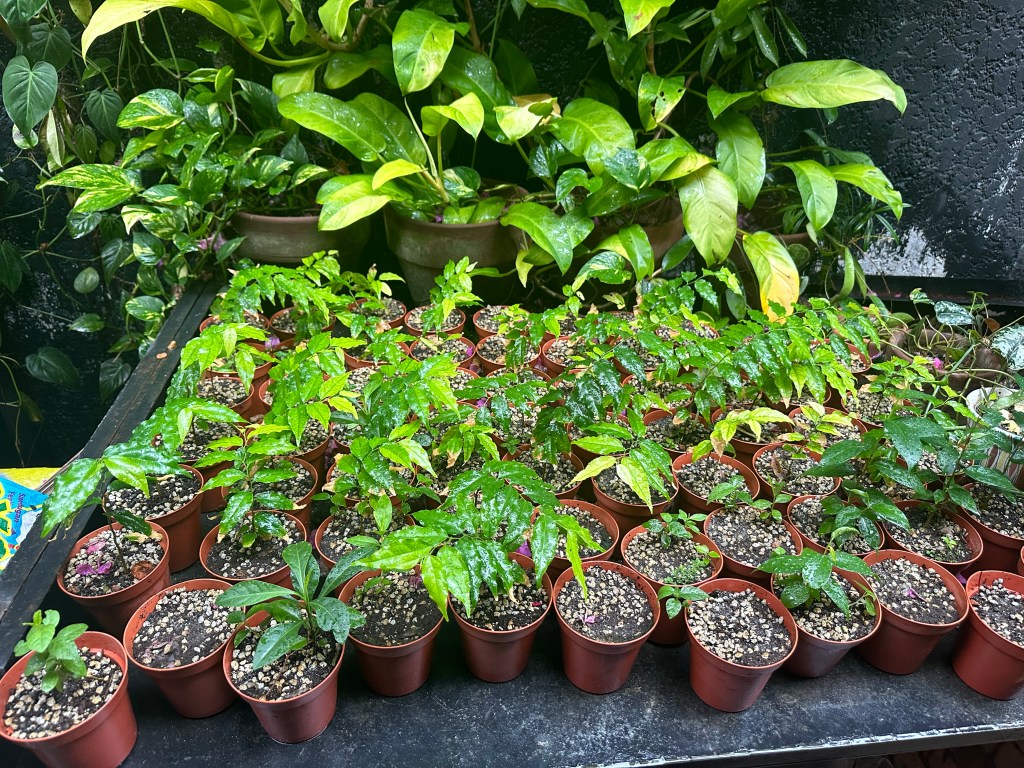
Not duck related — these are seedlings that I am growing at home in Alabang. The seriales Flacourtia jangomas or Governor’s Plum were planted from seeds that I bought on Facebook. The Dao seedlings are from seeds we picked up while walking the dogs in Alabang.

New bird!

Tonji photographed a Green Sandpiper! That makes it 108 species for the refuge. Photos and details to follow.

New Bird November!

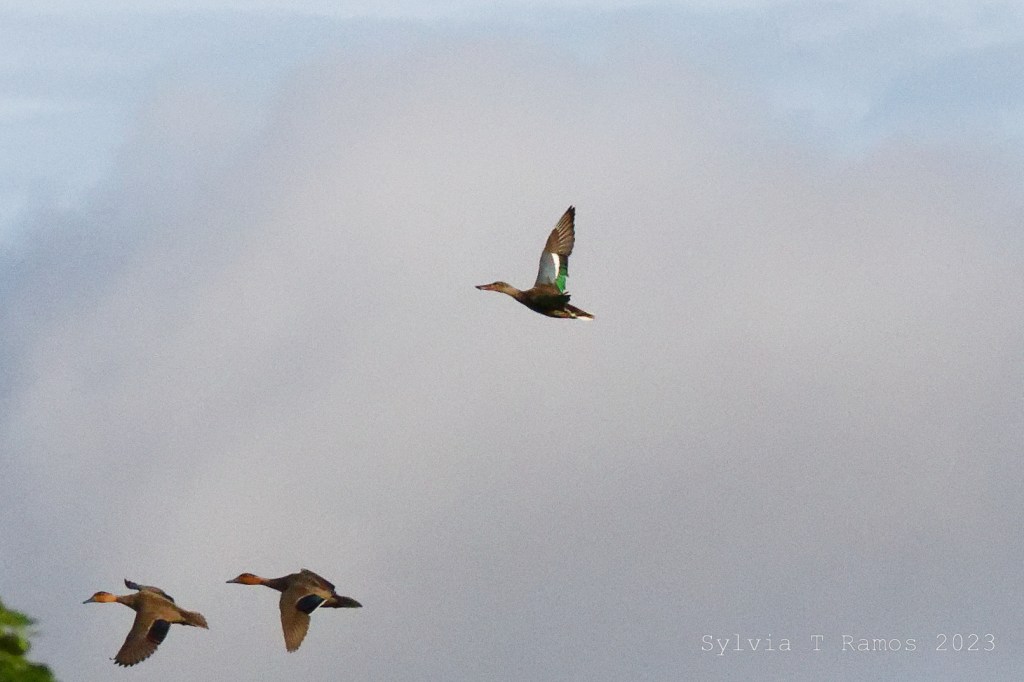
Our new bird for the refuge is a Northern Shoveler Anas clypeata! It is another migrant bird. It is fantastic to see that our place is attracting migrant birds. In the past, during migration season we used to visit the popular and well-know birding sites around the country where migrant birds come in to rest and refuel. It was always fun to see if any unusual, rare, or new birds turned up with the usual migrant birds. It would be amazing if in the future all we needed to do to see a rare bird was to travel to our own refuge!

Northern Shoveler with two Philippine Ducks

The Northern Shoveler is bird #107 for our refuge and our third duck species! We have seen Philippine Ducks, Wandering Whistling Ducks, and now a Northern Shoveler. It was mixed in with the Philippine Ducks at the water lily pond. In October, we were elated to see 12 Philippine Ducks at the water lily pond. This month I counted 2o Philippine Ducks in one photo, plus the Northern Shoveler makes least 21 ducks in that water lily pond! We have almost doubled the number of ducks in the water lily pond!

20 Philippine Ducks flying out of the water lily pond

It would have been fantastic to see all 21 ducks swimming in the water lily pond. This time however, I was foiled by Ollie who managed to escape from the cottage, find me hiding by the pond, and flush all the ducks. Foiled by the dog! The good thing is that now when the ducks fly out of the pond, they look like they are headed towards one of the other ponds.. In the past, when the ducks got flushed, they would fly overhead in a big circle, calling out the whole time. Now, they fly off in a straight path. We assume they are flying to one of the other ponds.

We now have 8 ponds in all, including the big pond. It is very possible that there are more ducks and other birds in the other ponds that we still haven’t seen and Ollie hasn’t flushed out!

Philippine Ducks

The big pond has more water than ever, thanks to all the rain we had in November. Our water plants are doing well! We planted water snowflake and typha, which are native. The other water lilies, papyrus, lotus, and saggitaria are not native, but the ducks seem to like them.

We also planted Typha aka the hotdog plant in another area of the big pond

The Big Pond

It was so wet and rainy in November that the path from the big pond back to the cottage became so slippery that we had to take the long route home. All the rain is welcome! Momo enjoyed walking home in the mud and we enjoyed imagining the big pond bringing in lots of new birds!

splish splash!

More birds for August

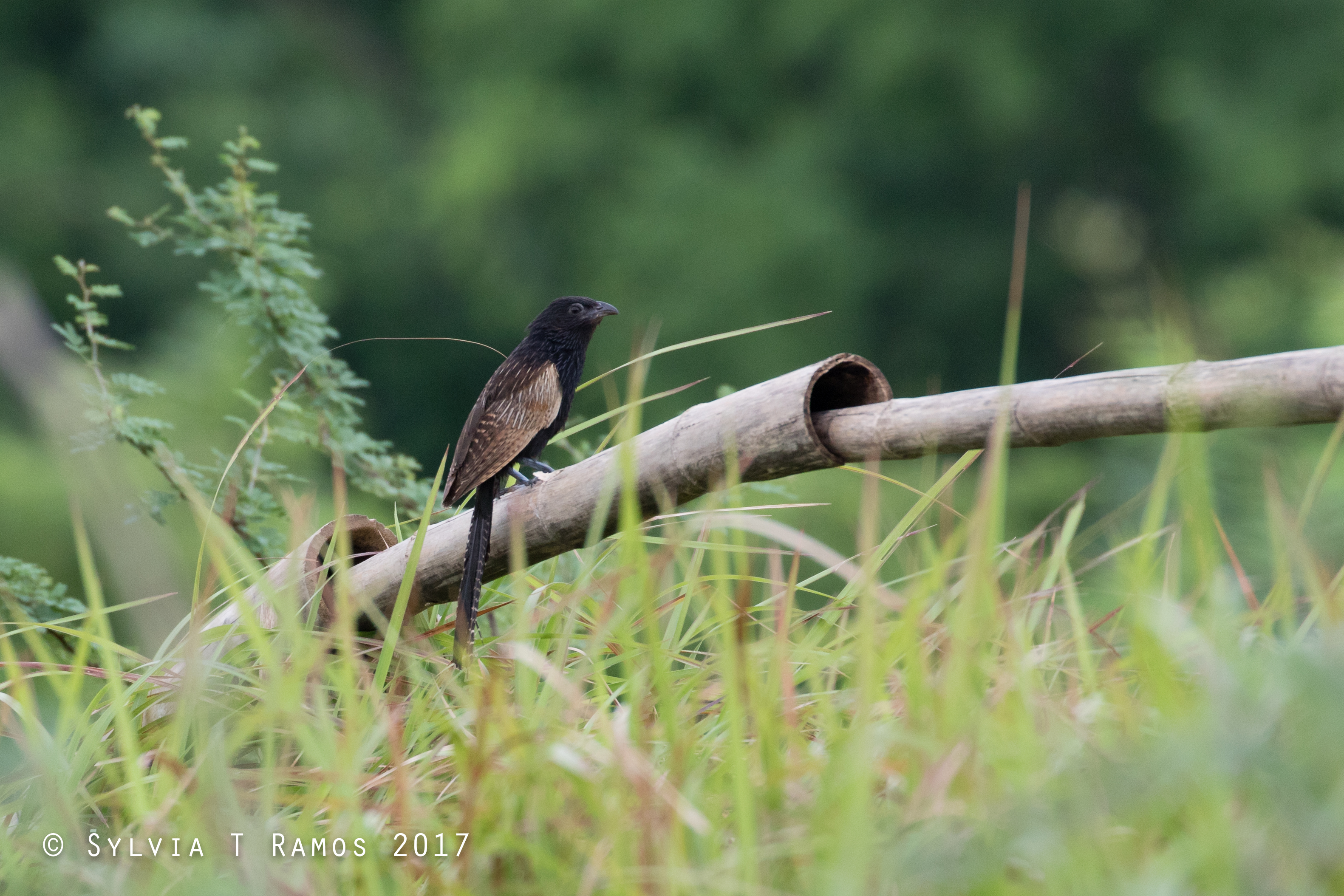
We’ve been seeing a lot of these guys near the house.

This Lesser Coucal seems to have claimed the bamboo fence as his hang-out.

_E7A6795.jpg
Lesser Coucal


This week we noticed a string on the Pied Harrier’s leg. I am hoping that the Pied Harrier gets the string off somehow.

_E7A6646.jpg
Pied Harrier and Large-billed Crow in a battle!


The Pygmy Flowerpeckers are still on the Aratiles tree. Now that all the ripe fruit are gone, they are eating the green fruit!

_E7A6557.jpg
Pygmy Flowerpecker


This Cisticola was a bit further away from the house. It has become one of the easier birds to photograph. It calls out loudly while perched on an exposed branch before diving back into the long grass.

_E7A6748.jpg
Golden-headed Cisticola