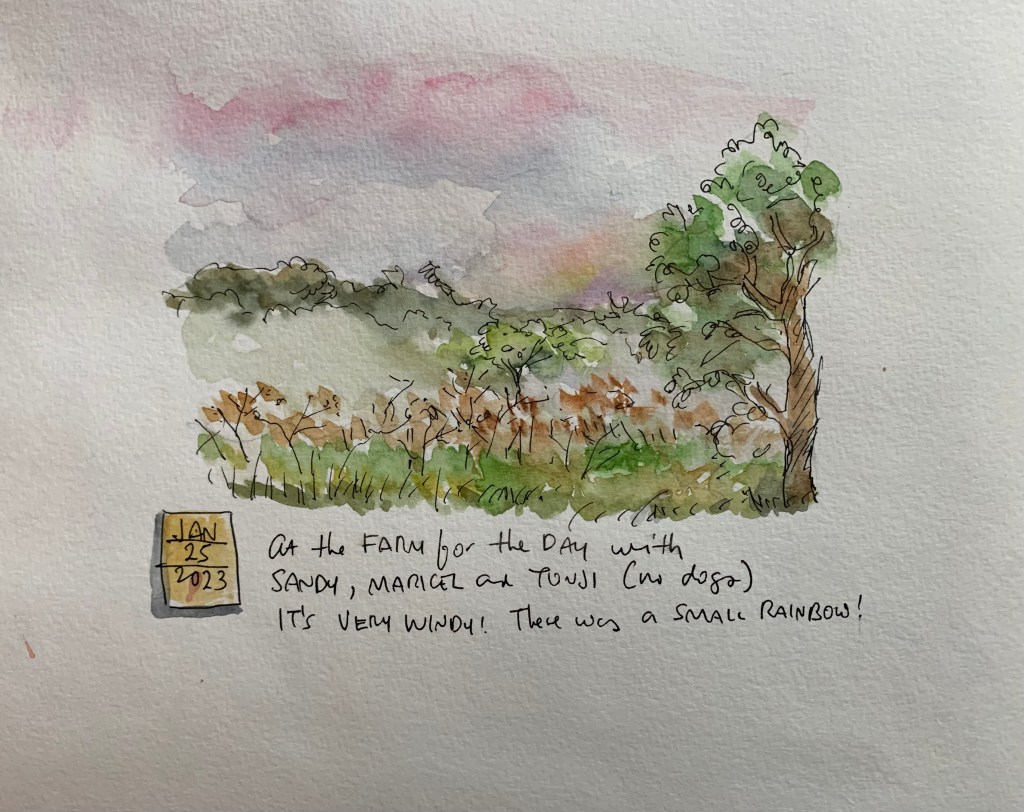
We are still enjoying the cool weather! February is a great month to visit the refuge. It is cold, windy, and a bit drizzly. It is so windy that things get blown off the table and hats get blown off your head!
Malabulak!
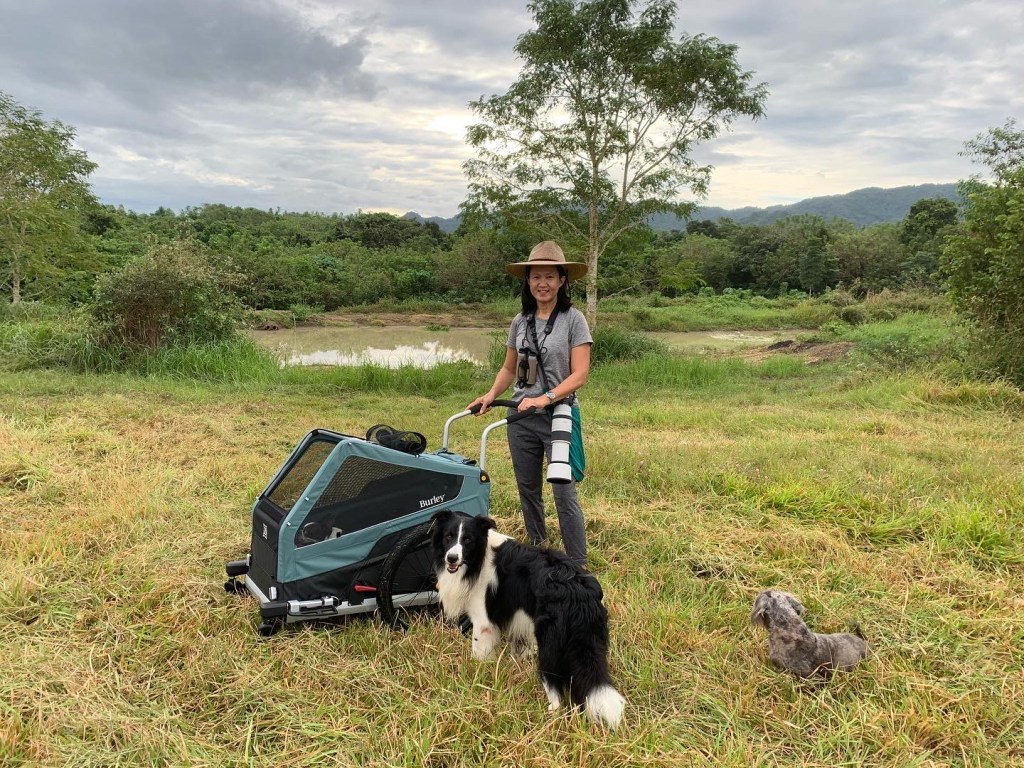
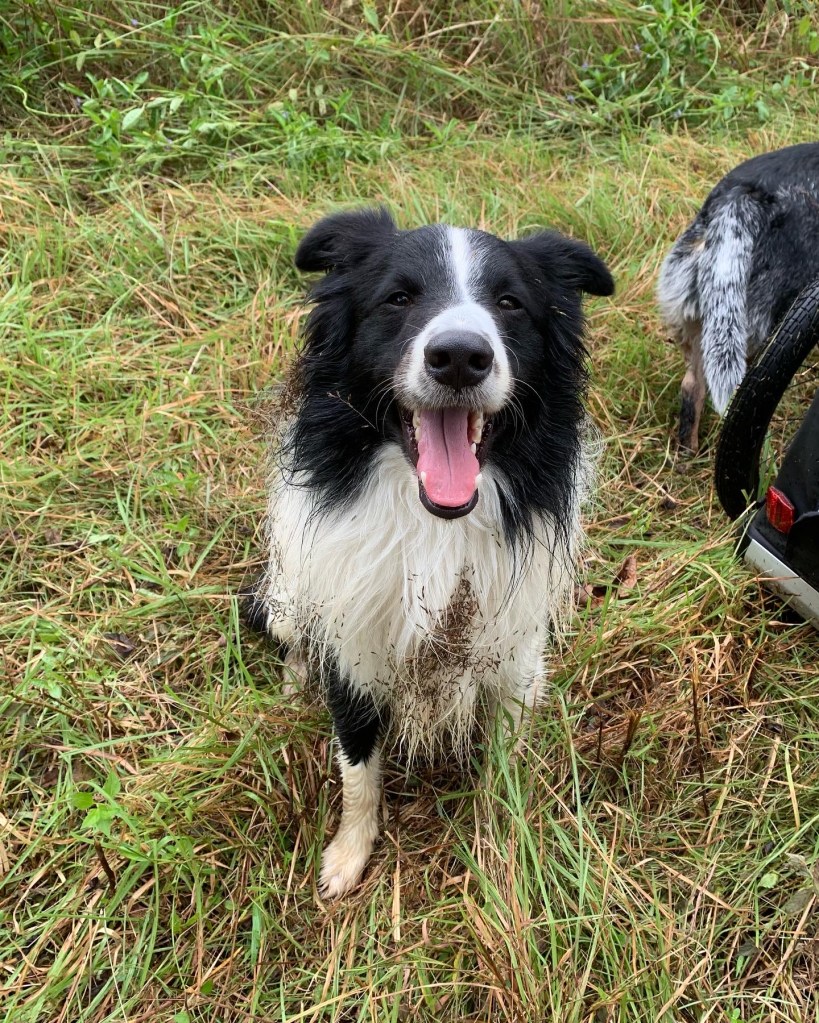
Momo is recovering from surgery on his perineal hernia. I am so glad I have option of letting Momo ride the Burley Bark Ranger! It’s spacious enough to fit Momo, Barkley, and my birding camera!
Barkley is happy to have Momo with him inside the trailer!my camera is under the towelso happy!
Tonji did some work on the new pond. Here he is explaining his vision for this site and how we will get from field of grass and weeds to a new pond.
It is a lot of work! One scoop at a time.
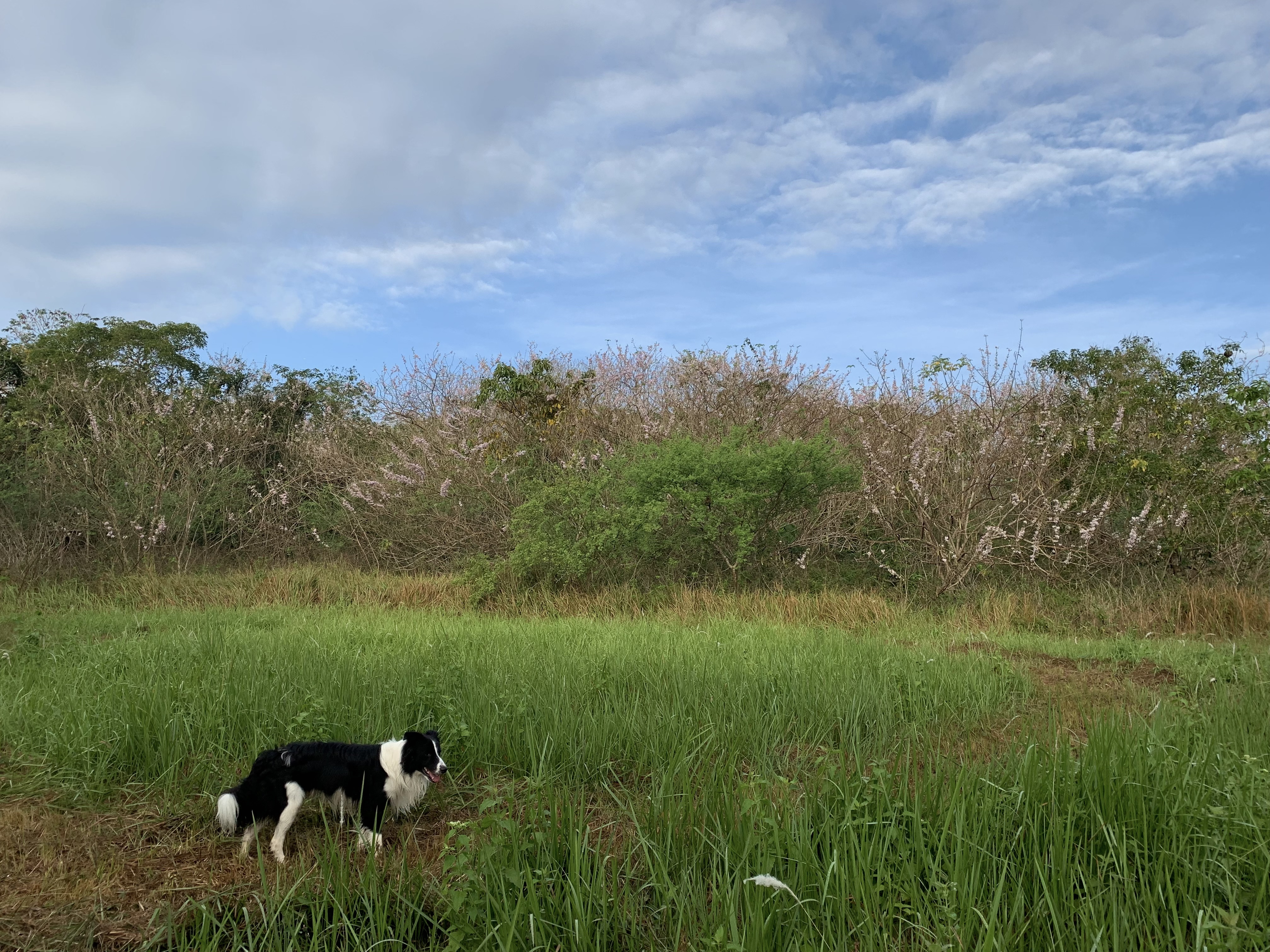
Aside from working on the pond, Tonji also maintains the trails with the tractor. The dogs are good at not getting in his way.
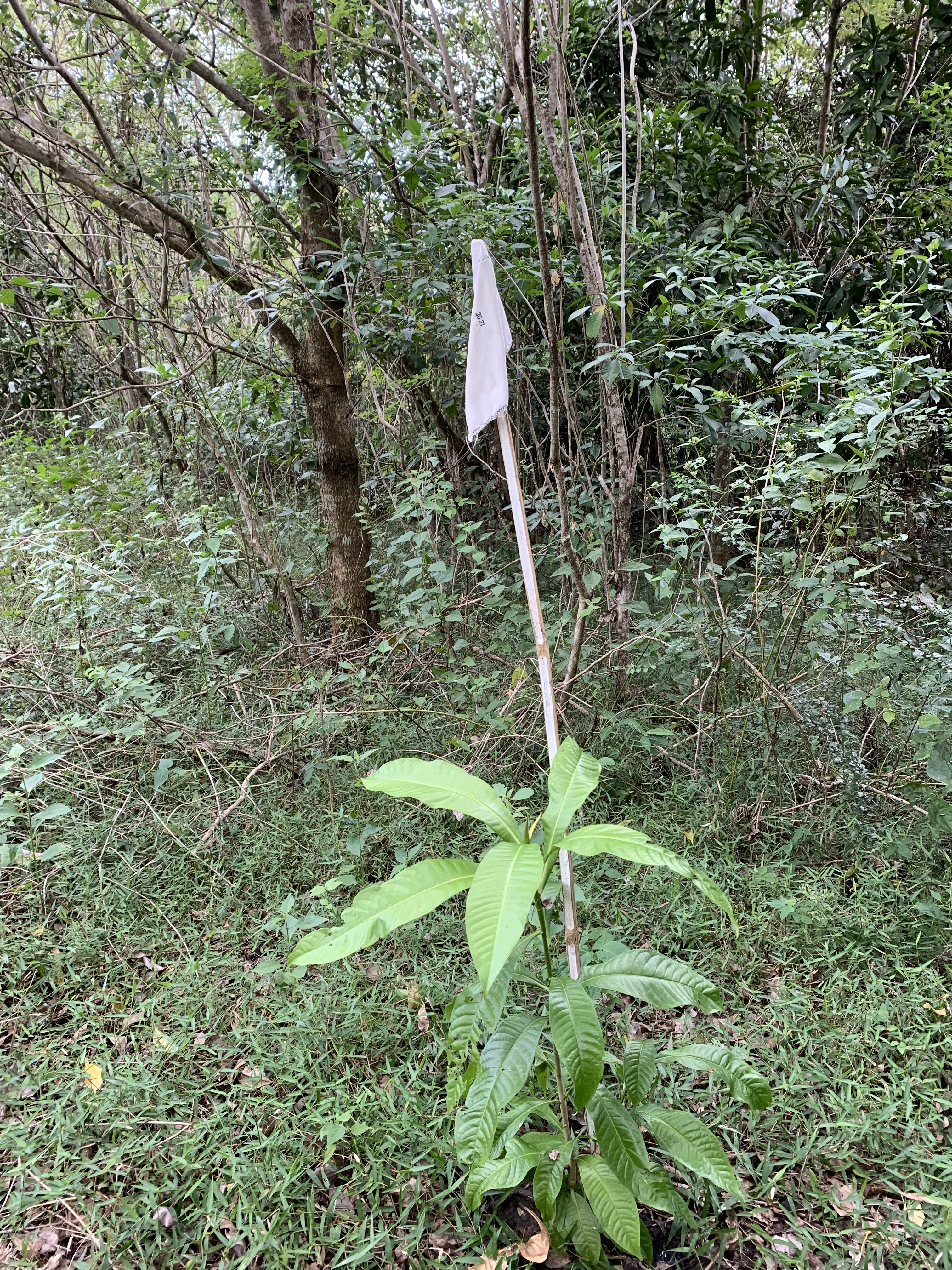
note the line of Malabulak trees!good dogs!!
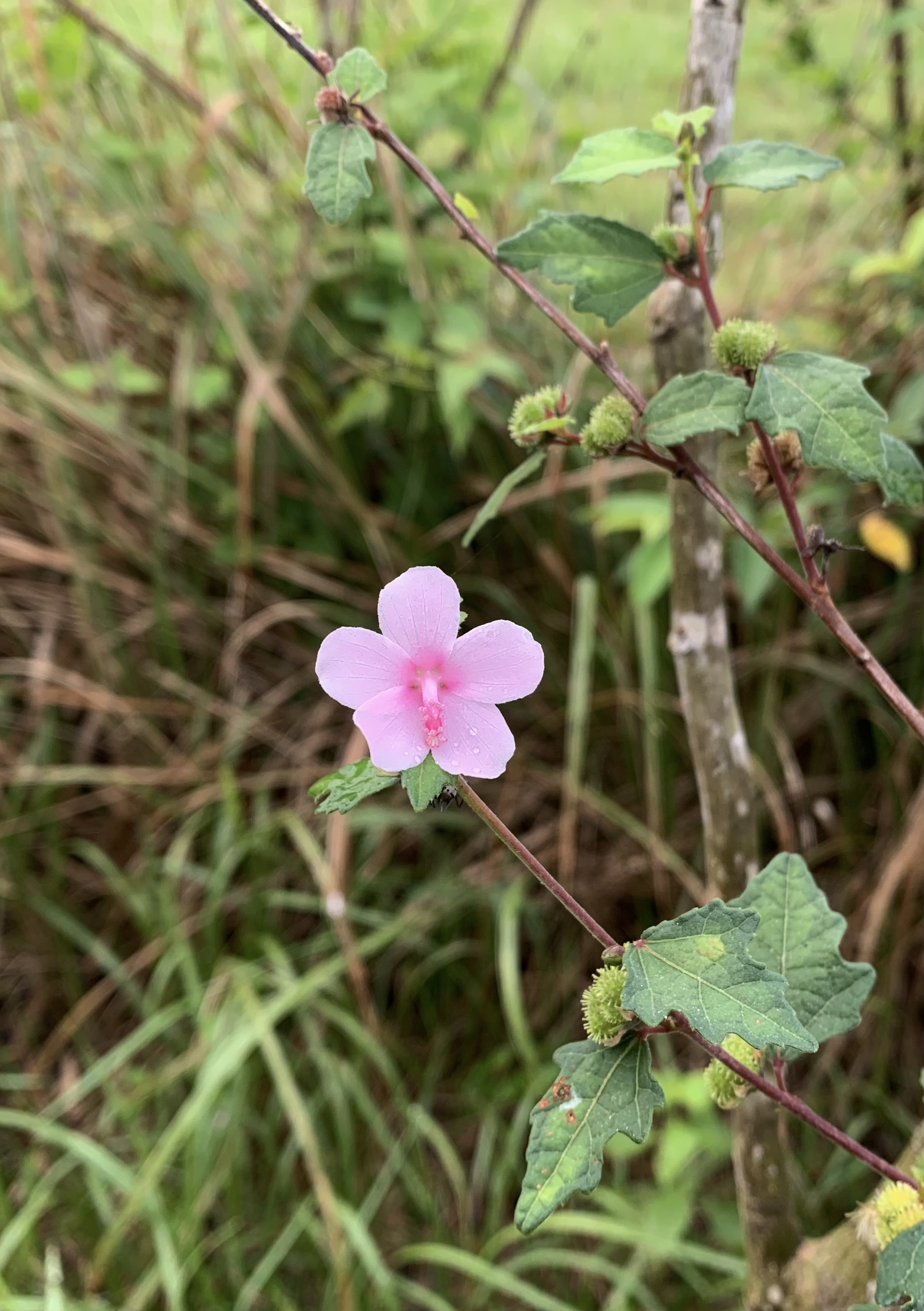
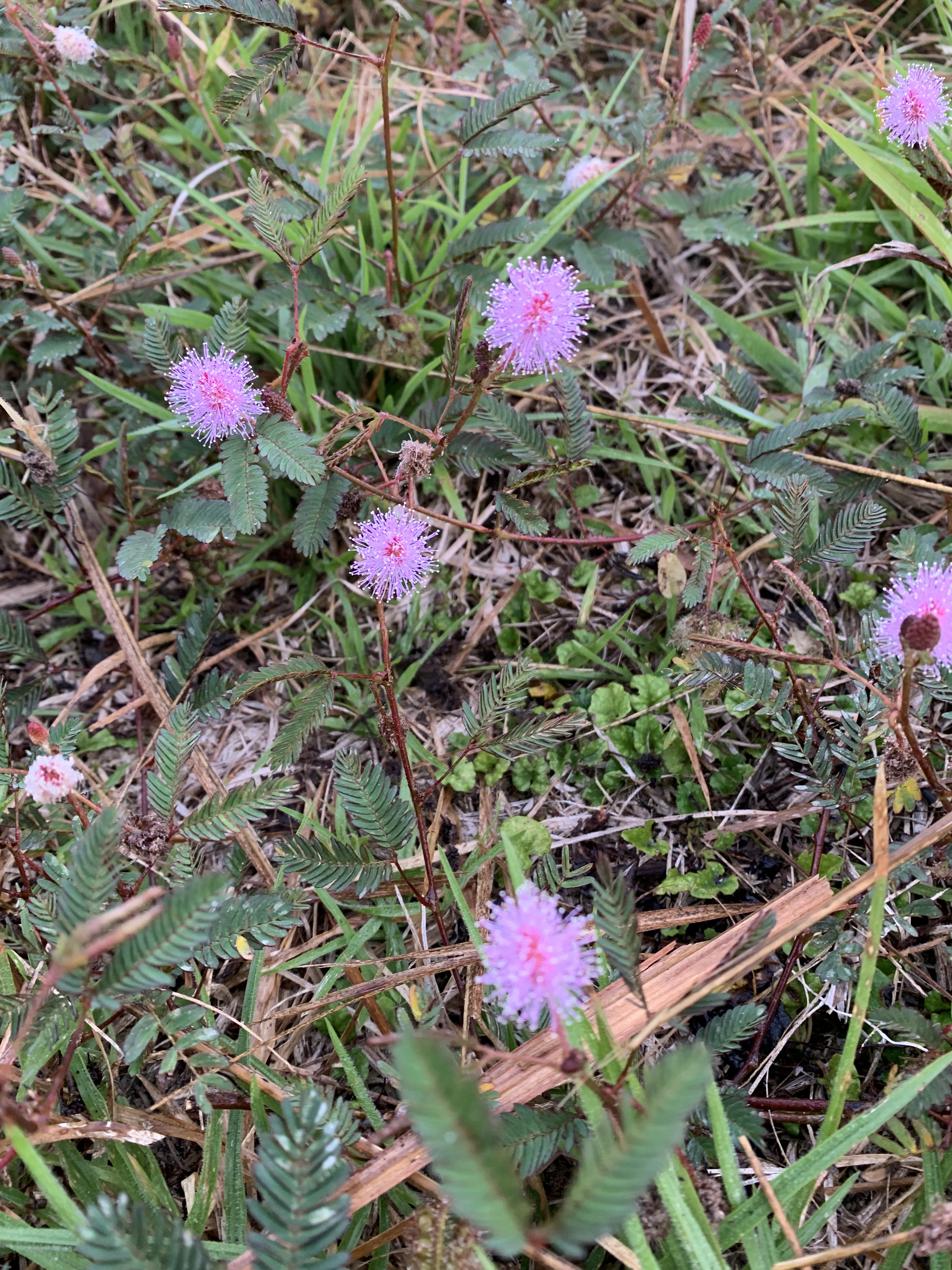
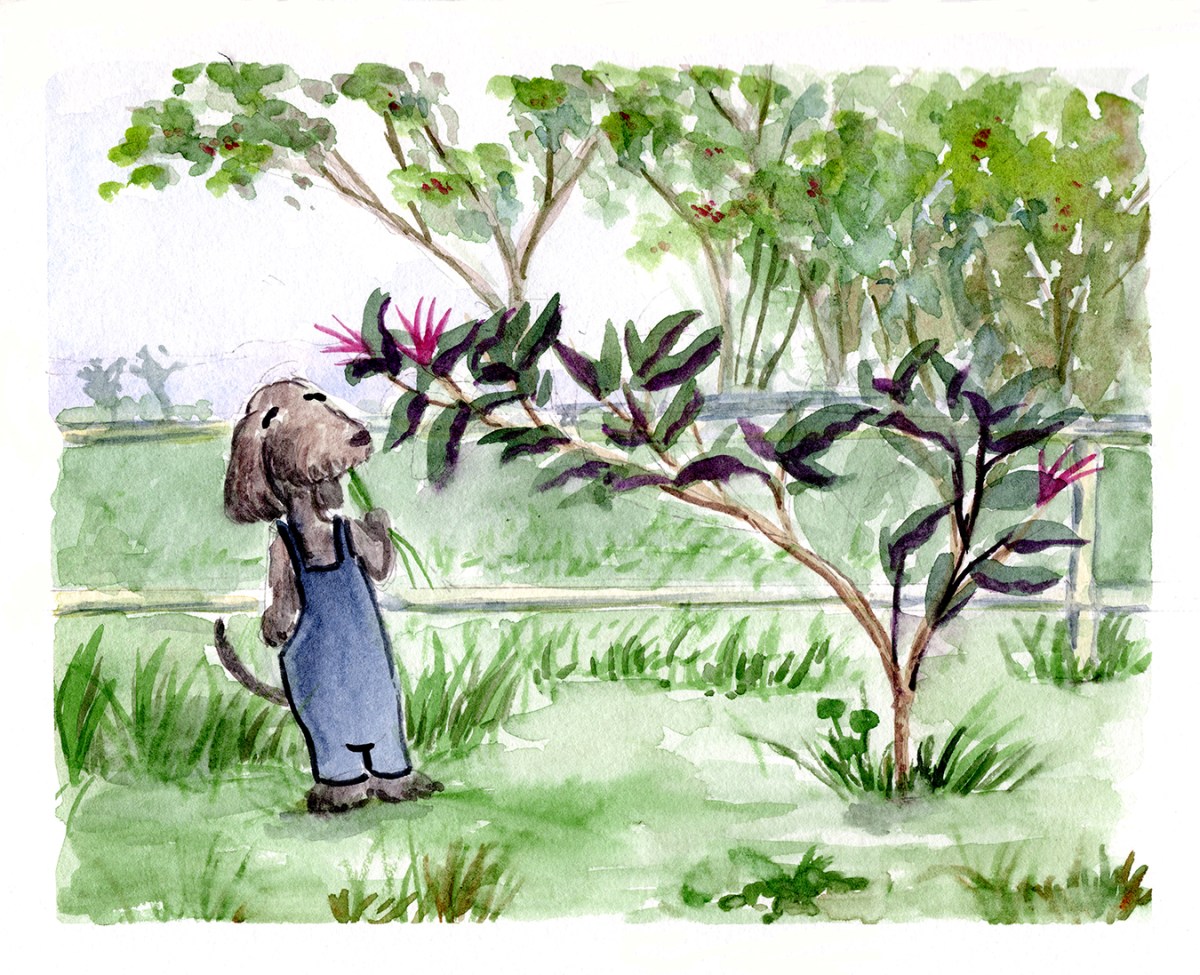
Here is a new to me weed that I will add the the weeds gallery. I enjoy learning about weeds by drawing them. Trying to draw a plant makes you look at it very closely and for a long time!
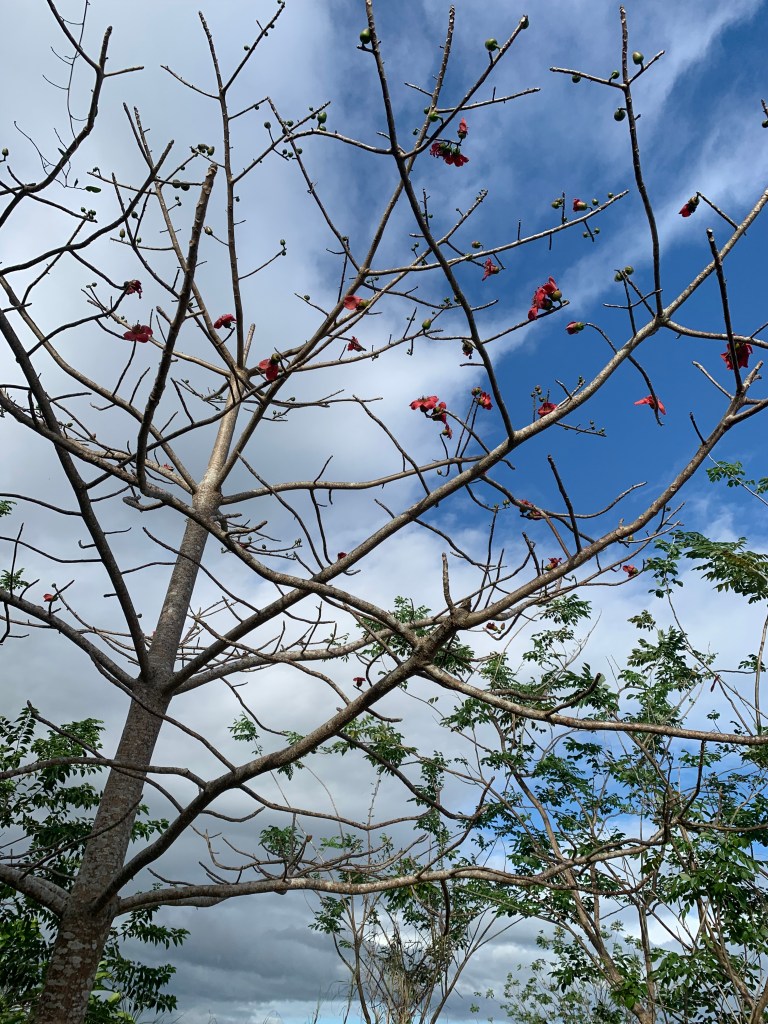
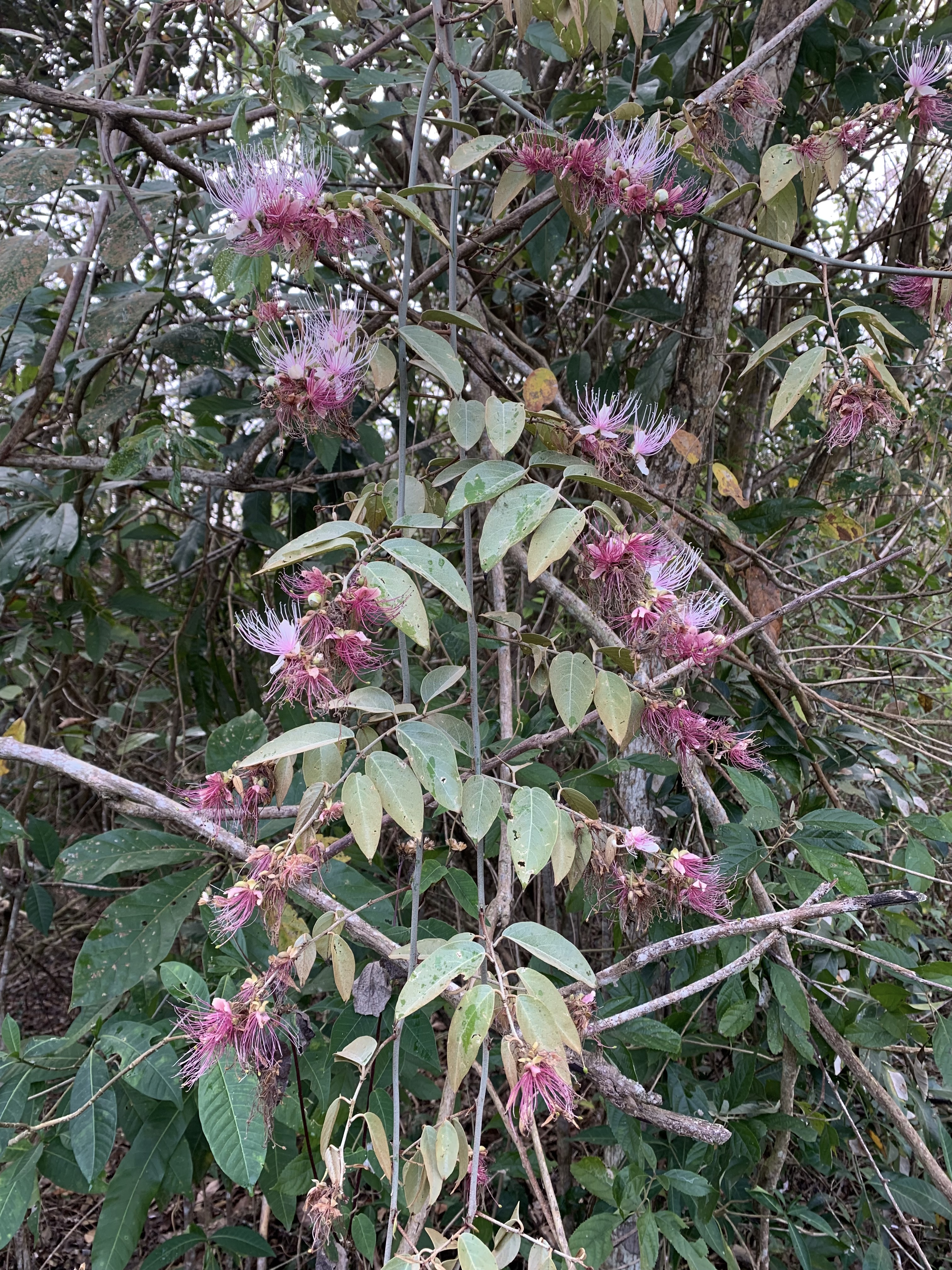
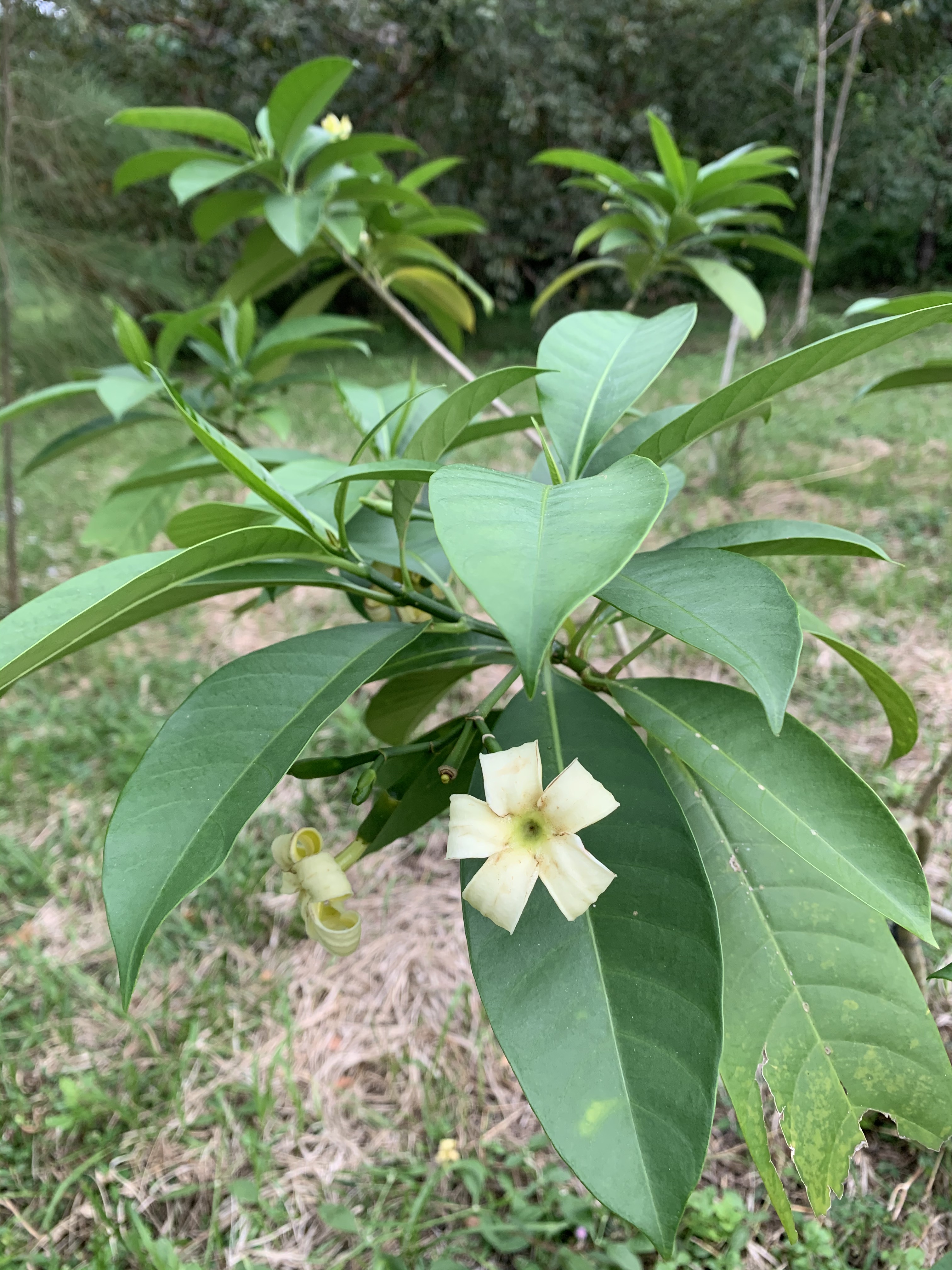
It is nice and cool at the refuge. Our Malabulak trees have so may buds! It will be amazing to see them covered in flowers. The Katmon is also full of fruits. Or are they big flower buds? I am not sure!
KatmonKatmonKatmonlook for the Malabulak buds
Now that we have the Burley Bark Ranger, we can go walking for as far and as long as we want without worrying about Momo and Barkley getting too tired. Both of them fit inside!
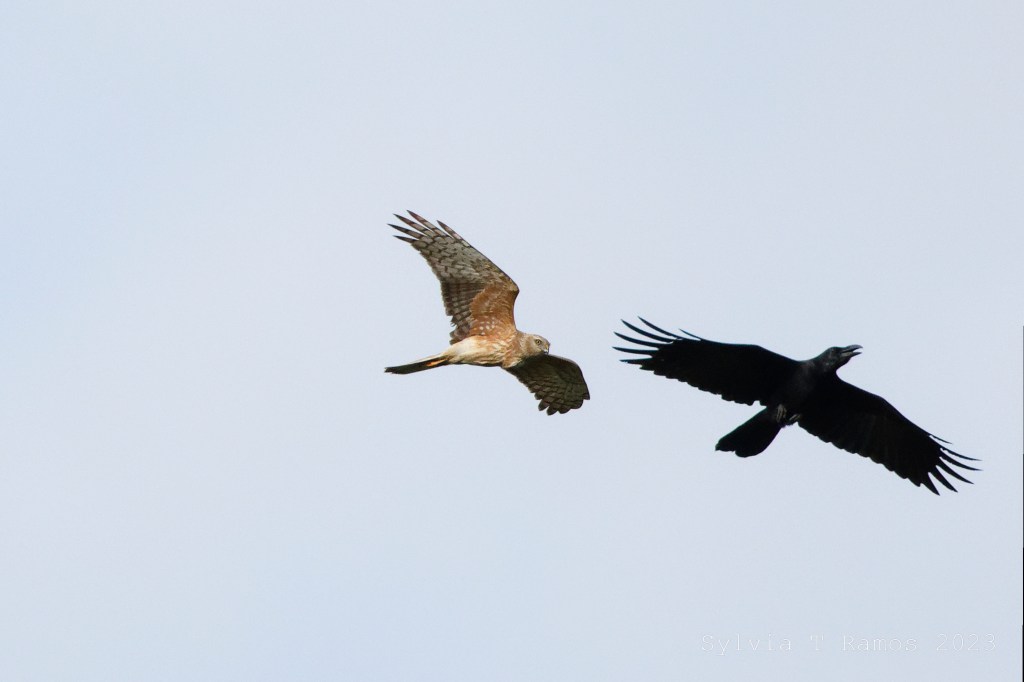
We went on a 2 hour walk in the morning. First we saw the Pied Harrier getting mobbed by crows. At first there were just 2 crows. Then there were about 6 crows. Poor Pied Harrier!
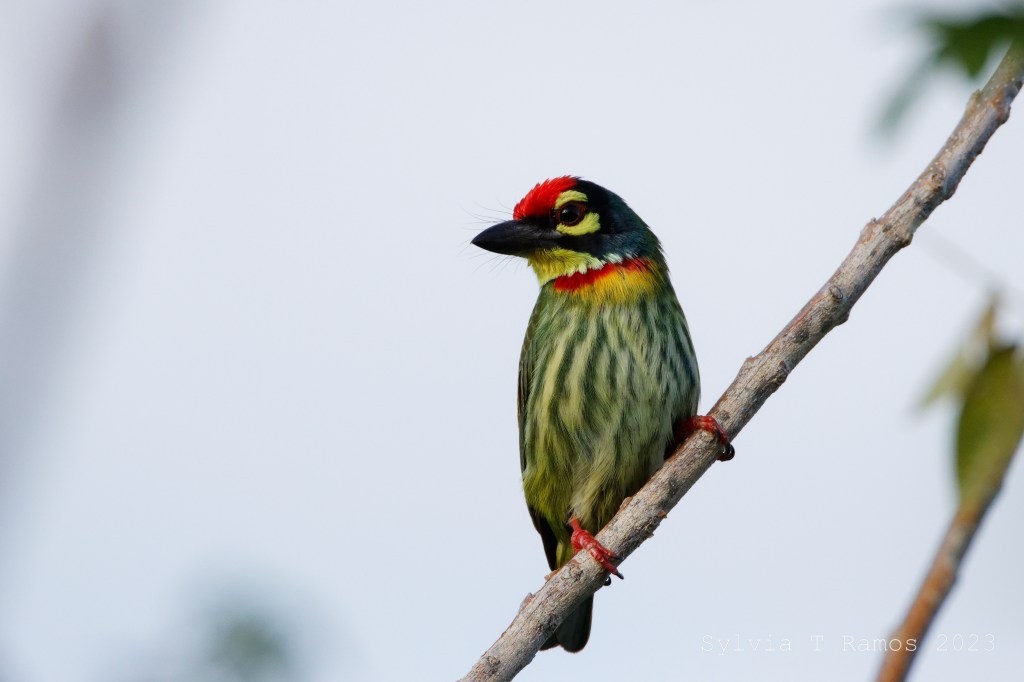
Next we saw 2 Coppersmith Barbets in a small tree right by the path. They did not fly away even when we walked past them. This was very unusual. We don’t usually see Coppersmith Barbets and it’s much more common for the birds to fly away when they see us.
We walked to the pond, then decided to go to the mango area. After that we walked on the road to the pavillion area, then back to the cottage through the nursery. I saw a Grass Owl fly by when we got to the house. But no pictures of that.
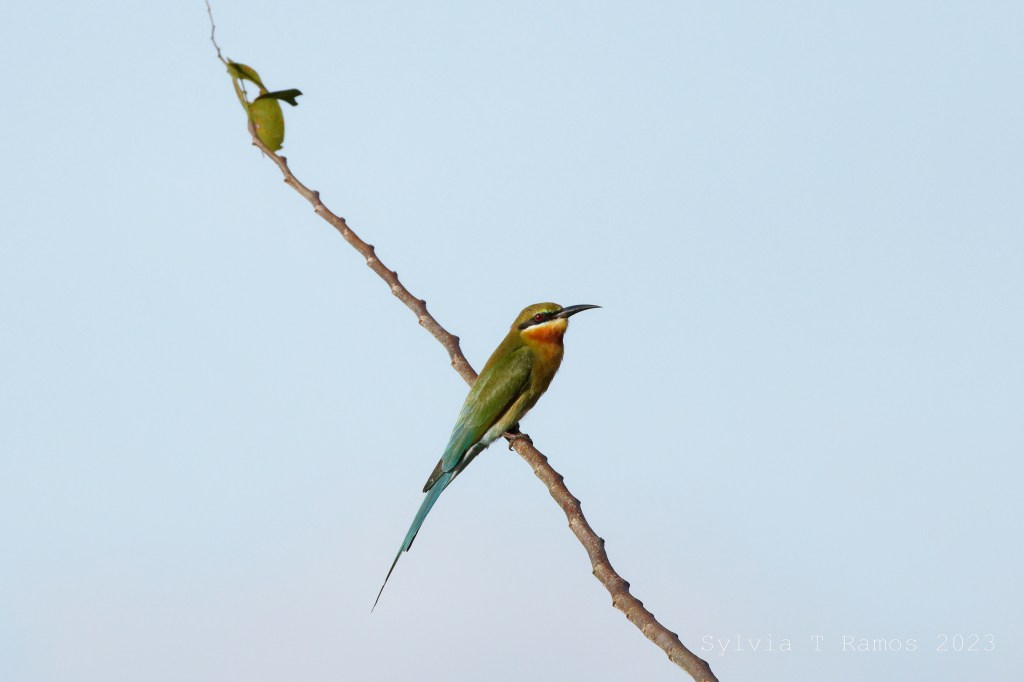
Blue Tailed Bee Eater
Other Interesting things in January
CIVET CAT – Tonji saw one Civet cat at the start of the year
A VERY DARK DUCK – Tonji thinks it could have been a Wandering Whistling Duck, which we already have in our bird list
TURTLE – I found out that the workers saw a land turtle in the secret pond! I haven’t seen that!
2 PHILIPPINE DUCKS – it was good to see the ducks again, but why are there only 2 of them? What happened to the others?
MAYBE 2 GUIABEROS – We saw two birds flying and heard a high pitched call that was similar to but not quite a Colasisi call. Could it have been 2 Guiaberos? That would be new to our farm bird list! We just saw them as silhouettes and the shape looked possible for Guiabero.
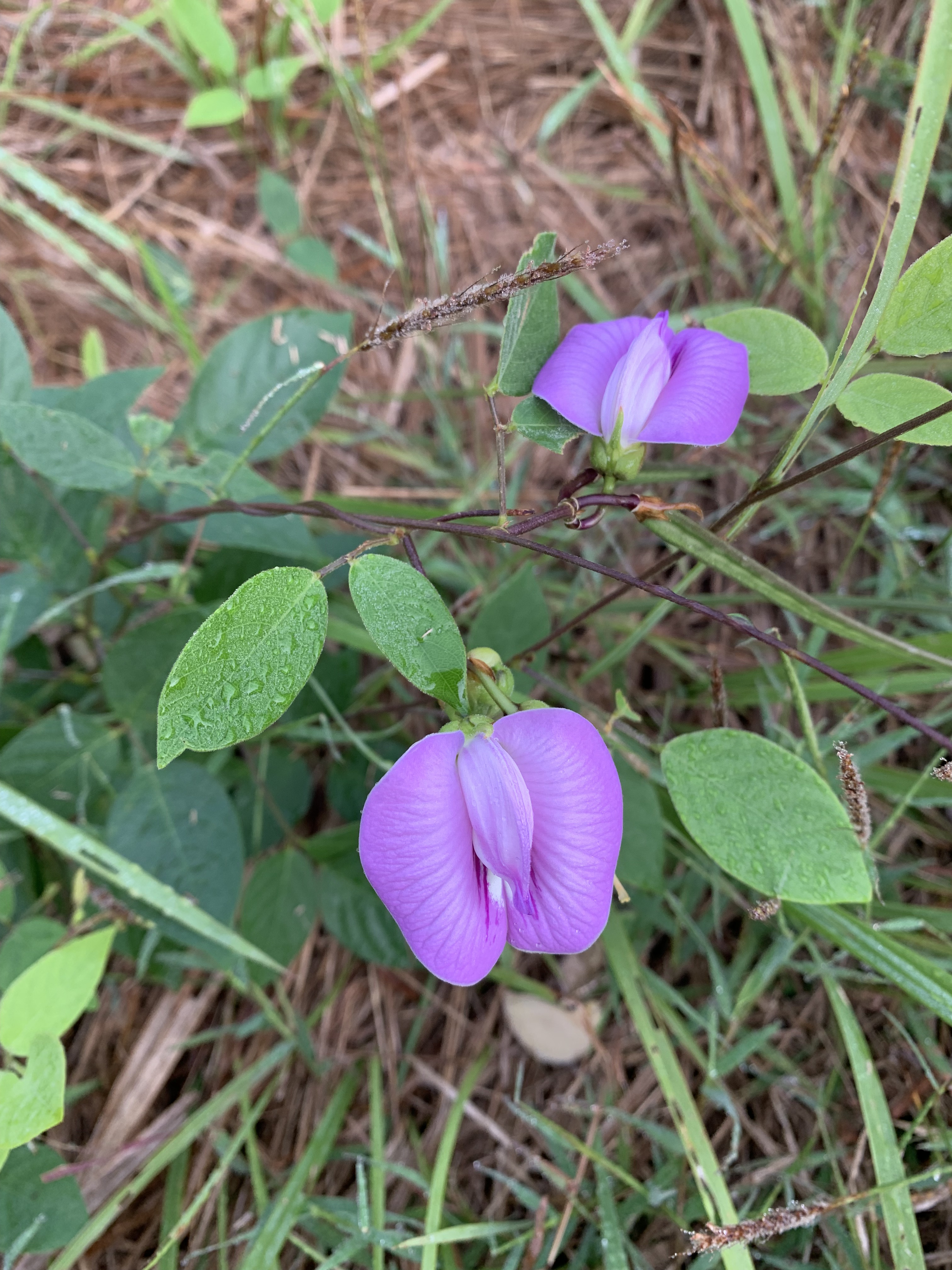
MUCUNA sp – There is Mucuna / Cowpea vine is crawling on the ground at the top part of the pond. We need to remove it because the flowers are very itchy!
VISIT WITH FRIENDS – It’s nice to be able to show our friends the water lilies! It’s like we have an added attraction at the refuge.
lots of action going on at the pond!Olliedon’t mind me, I’m just swimming alongMucuna Mucuna
October 2021– We totally missed the month of October because Tonji’s foot was acting up again.
November 2021 – We had one visit that was cut short by Tonji’s foot acting up! This time he figured out that it was GOUT! Apparently even vegans can get gout if they have a predisposition to it and eat or drink something that triggers it. Now we know he has gout and it’s triggered by certain kinds of beer.
December 2021 – We had some very nice days at the sanctuary!
The planets aligned!
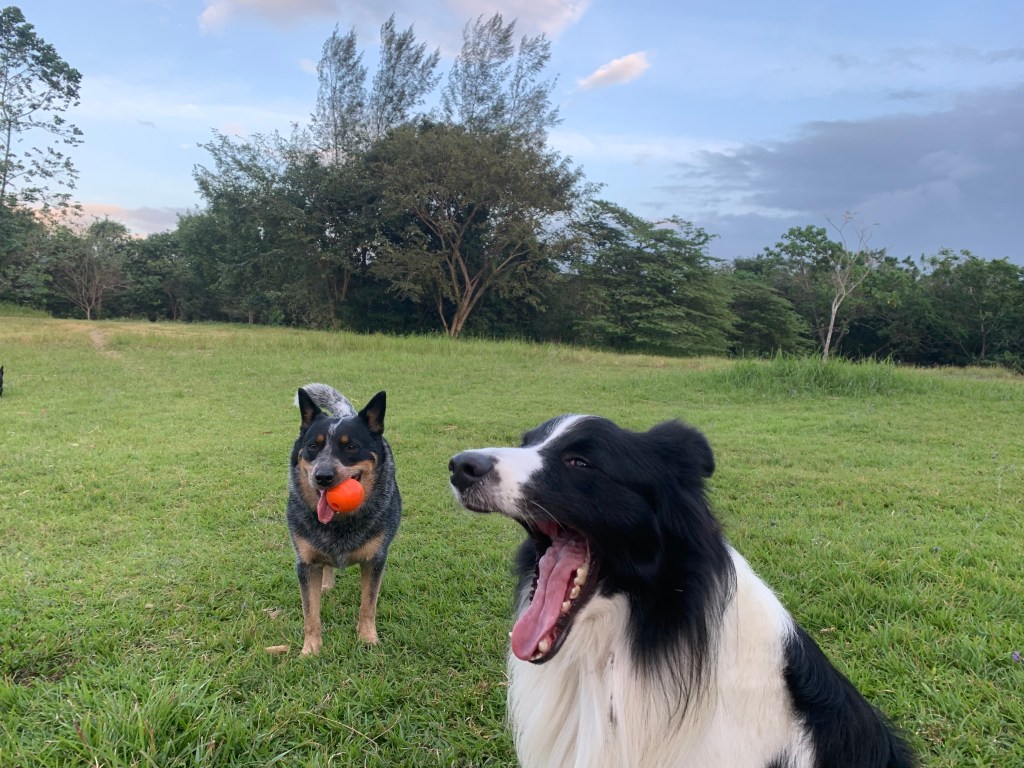
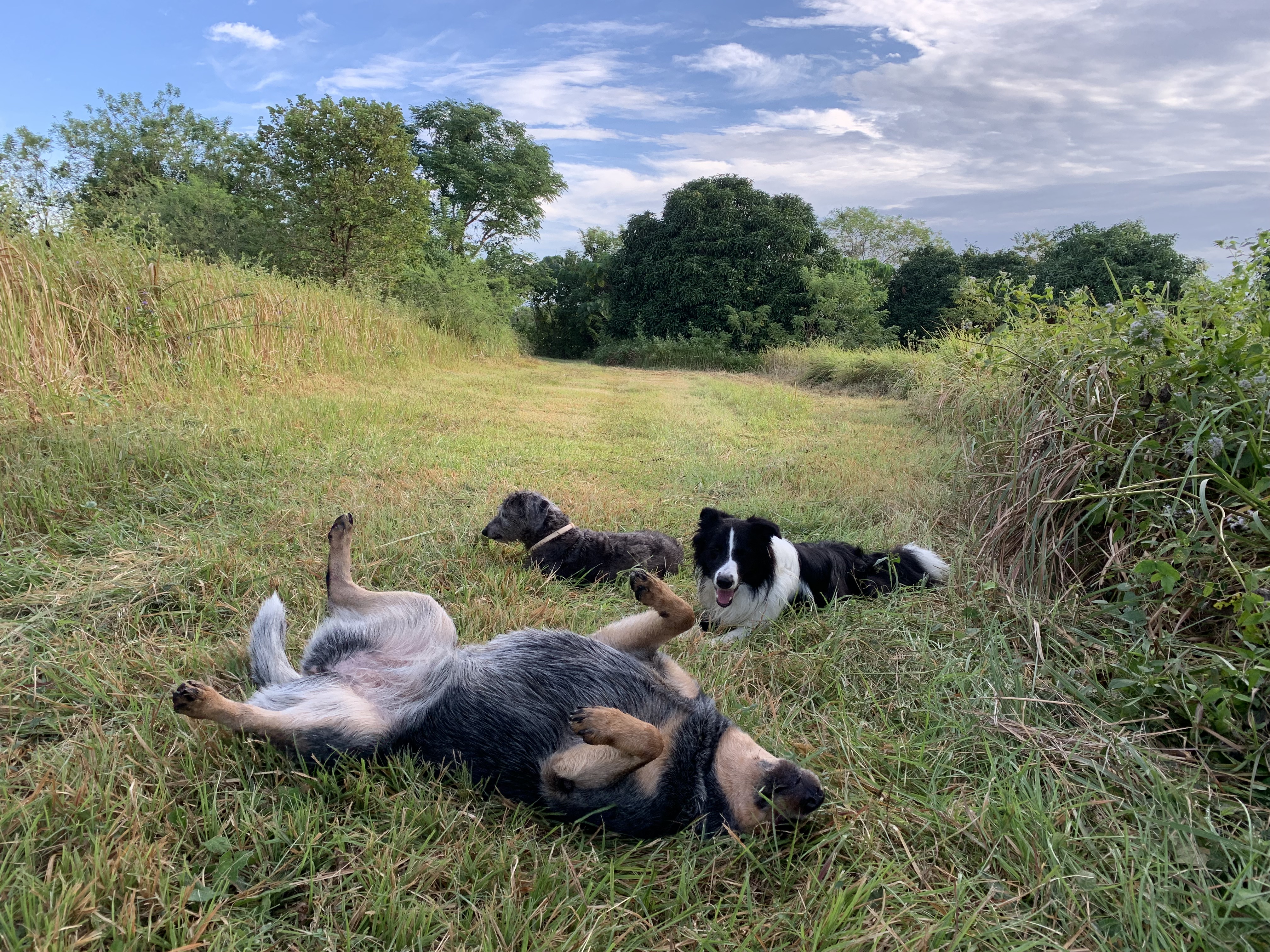
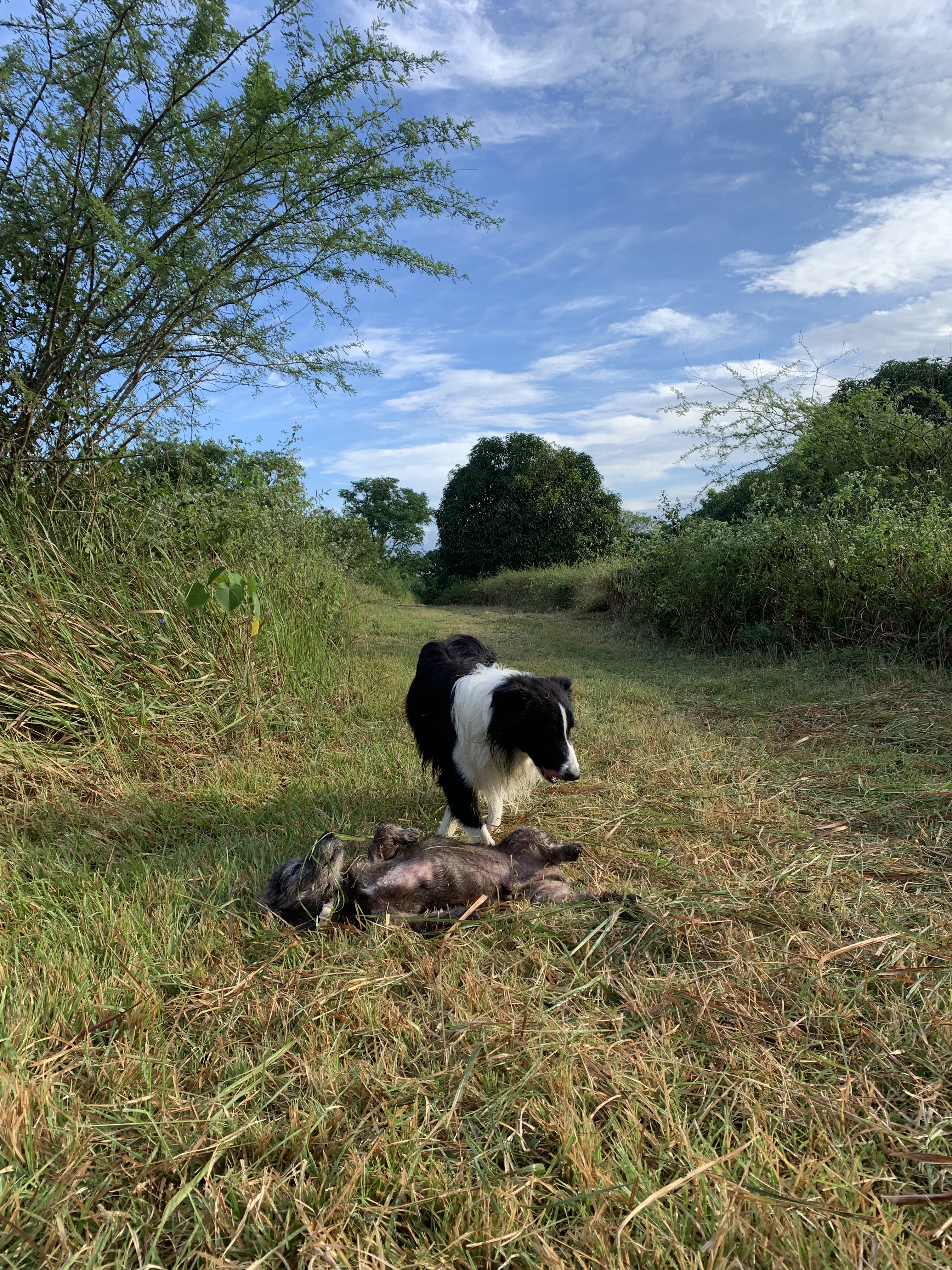
I could spend the whole day taking pictures of the dogs doing their own thing and just thoroughly enjoying themselves. There’s a lot of frolicking and rolling around.
BarkleyLulu rolling aroundMomo and OllieSketching at the farm is one of my favorite things!
One good thing about being away from the sanctuary for so long is that we get to appreciate how much things have grown! The Toog trees we planted in 2019 are thriving. We planted another batch of Toog that we had kept in the nursery until they were big enough to plant outside.
Toog planted in 2019Toog planted in 2019newly planted Toog (2021)
We also had sad news. Our dear sweet boy Takoy passed away on Dec 31. He suddenly collapsed and couldn’t move his back legs or tail. We had to put him down. He was buried in the paddock.
January 2022 – Tonji got COVID! Good thing it was a mild case of the Omicron variant. He was still able to go to the sanctuary once this month.
February 2022 – This is the nicest time of the year to be at the sanctuary. The weather is cool and windy and there are beautiful plants in bloom wherever you look!
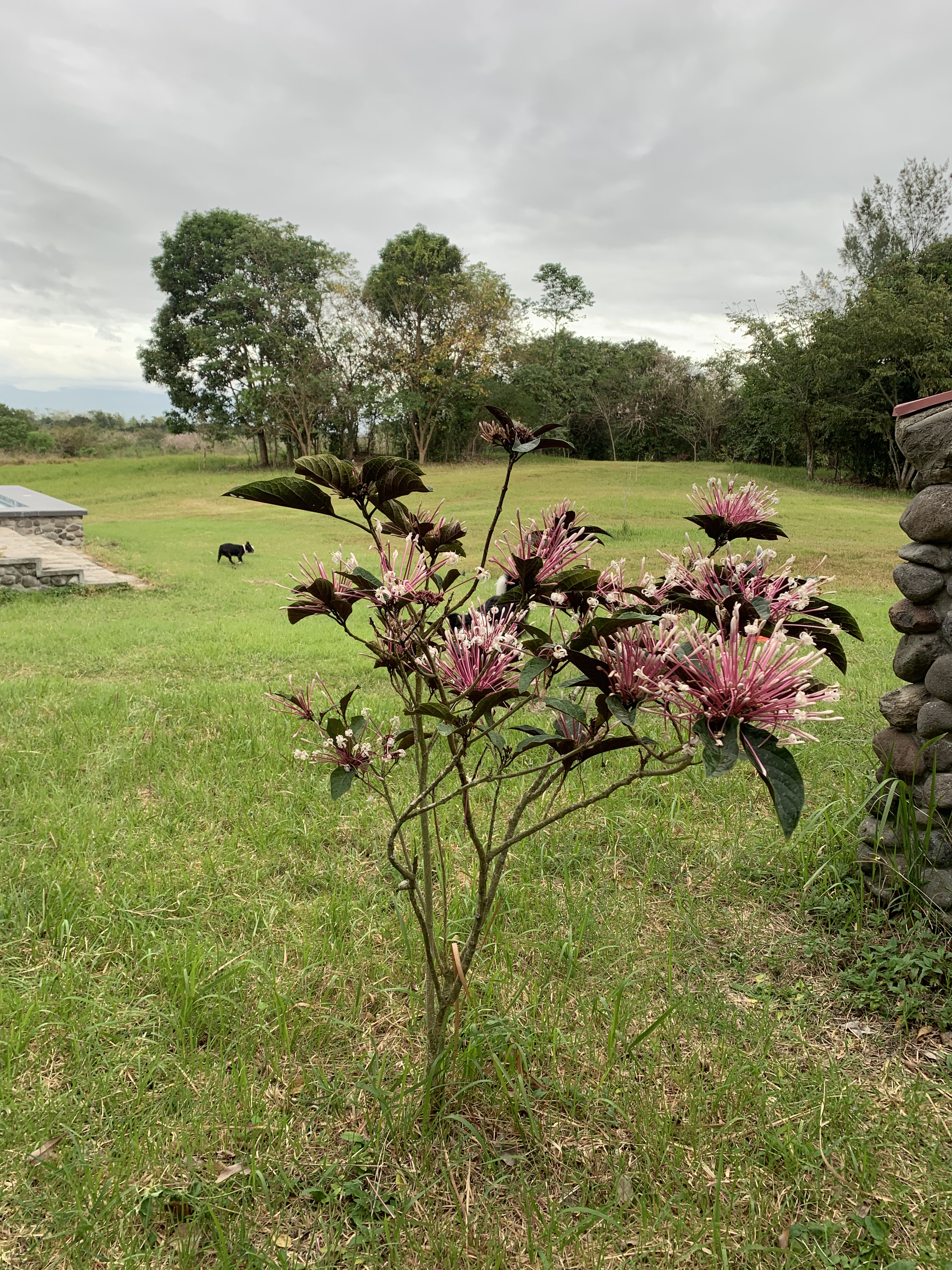
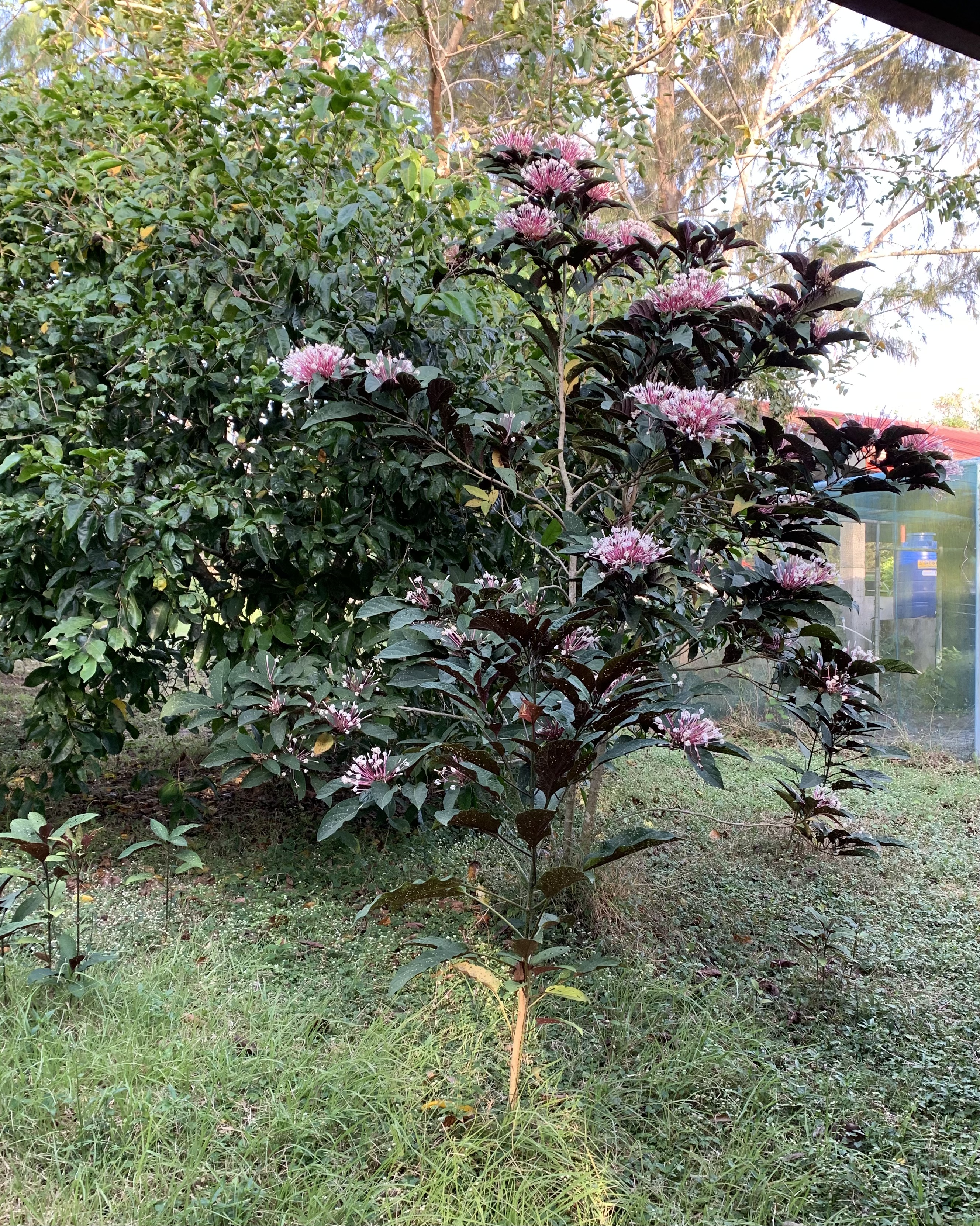
DalupangAsystasia gangeticaSalimbagatPukingganMadre de CacaoMadre de CacaoMakahiyaMadre de CacaoDila-DilaBagawak MoradoI collected 15 wildings growing around this Bagawak Morado. All of them survived!
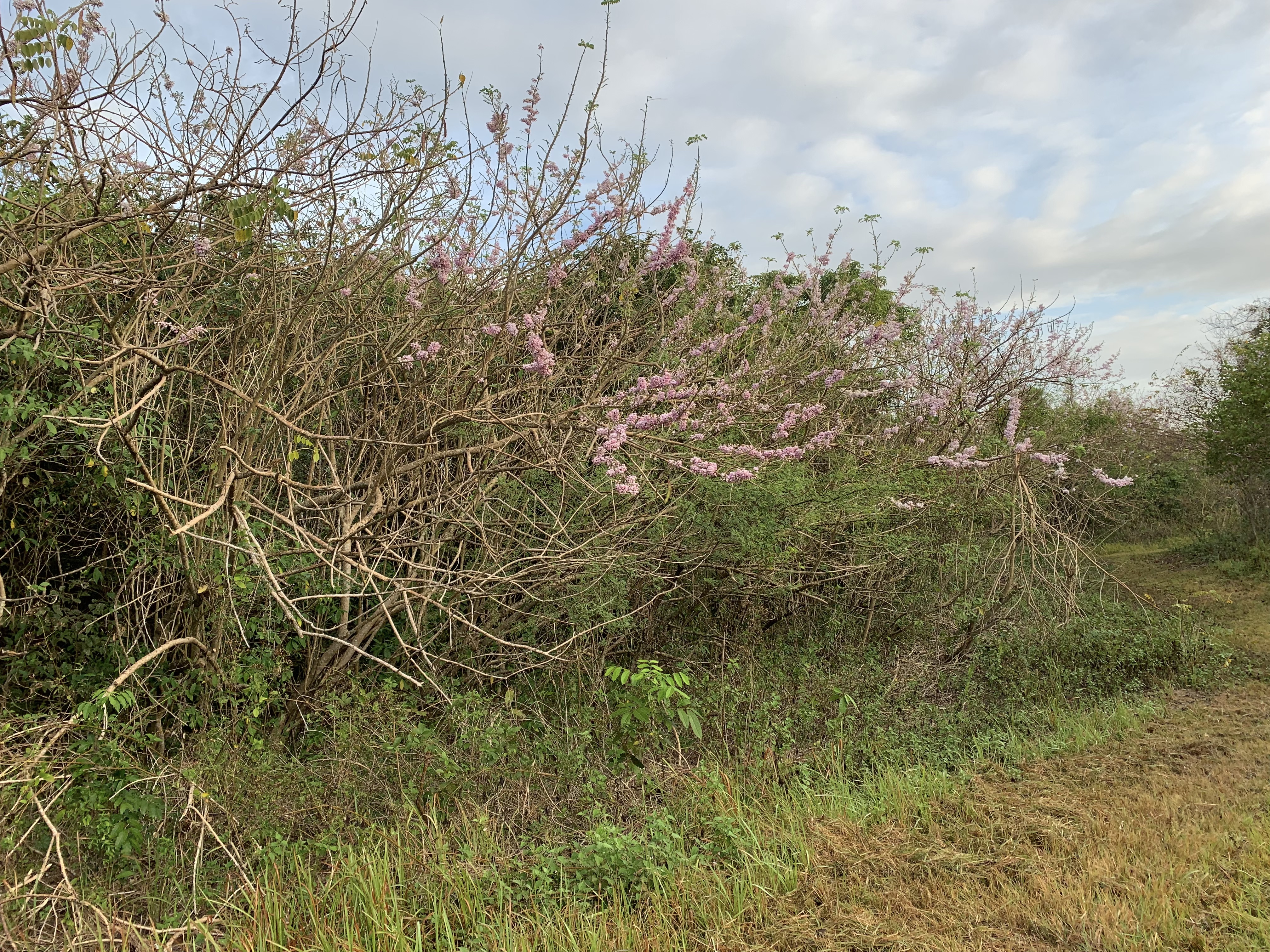
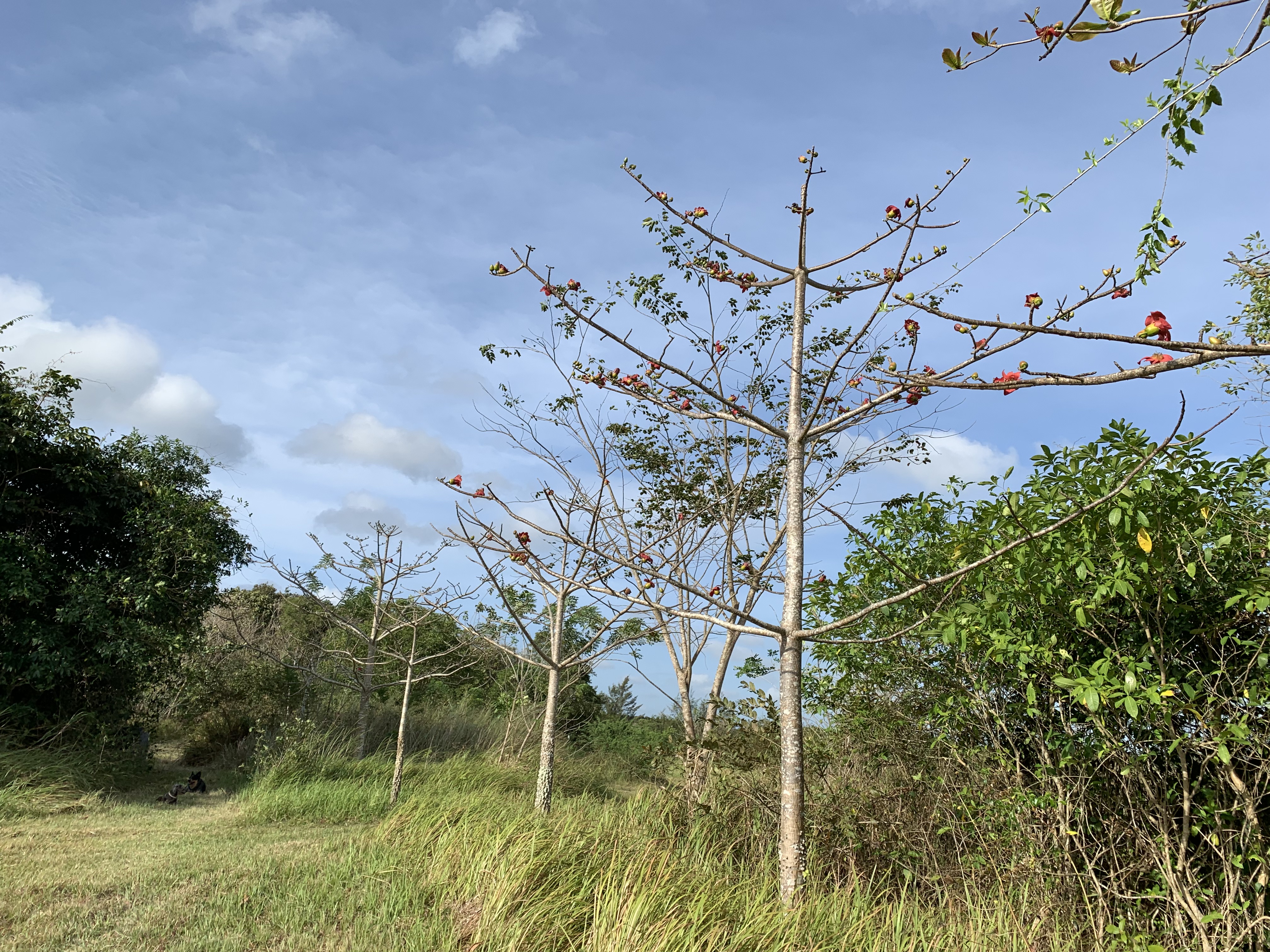
The Malabulak trees deserve special mention! They have grown tall, they look like proper trees now, and have a lot more flowers than last year! The Malabulak trees shed their leaves every year, before flowering.
March 2022 – Very busy and exciting month. We got a lot done! It is also very hot. An early summer. Does this mean we will have an early rainy season?
THE BIG POND – Tonji is taking advantage of the dry weather to work on our biggest wildlife pond yet! We are hoping that this pond will hold water all year and that we can put fish and water plants. The fish to eat the mosquito larvae and the water plants to slow down the water evaporation in the pond.
This is Tonji explaining science behind it all. Putting this here so we can watch it again during rainy season and see if all he said came true! (the noisy chicken sounds in the background are from our neighbor’s farm)
We upgraded Tonji’s digging machinery from a vintage digger to a brand new skid steerer. He watched a lot of YouTube videos on digging ponds and Small Water Impounding Projects or SWIPs. SWIPS are made mainly to collect rainwater to use for irrigating crops. The online videos are very encouraging, especially the ones from India and the Philippines. The communities that have them report big changes in their environment. The water tables get restored, dried up wells become usable again, and there are many more birds than before!
CASE skid steerer
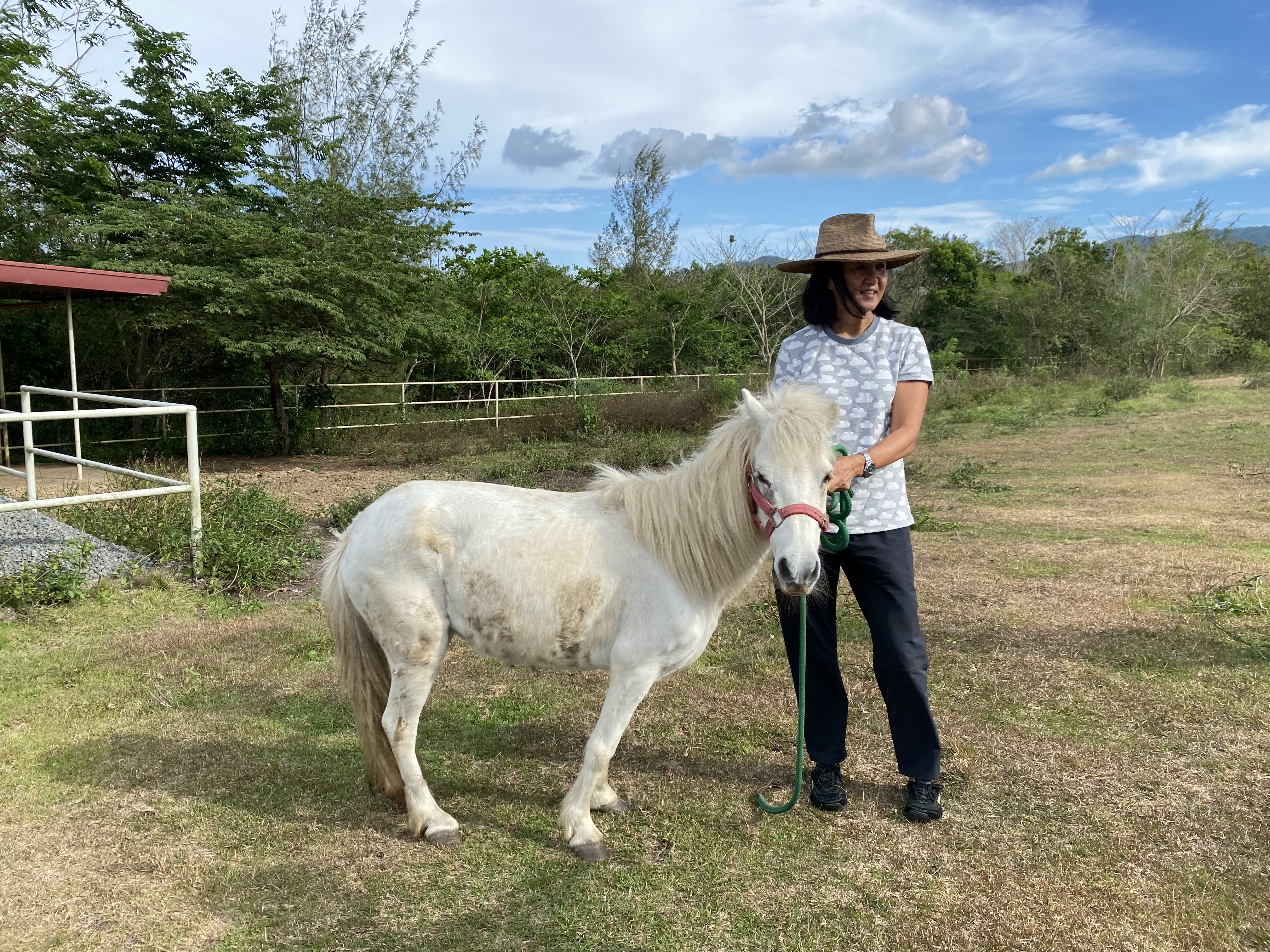
TWO PONIES – Boo Boo had been an only horse since Takoy passed away. We attempted to send her to our friend Tito’s farm in Mindoro so she could hang out with his cows and goats but she refused to get into the trailer! We didn’t have much of a choice, we decided to keep her and find companions for her. We briefly thought of getting fancy goats but realized it would be difficult to keep them from getting out of the paddock. We were able to adopt two very cute female ponies. Oatly came from Doc Nielsen and Brownie came from Doc Dan. The three horses got along almost immediately.
introducing Brownie to Boo Boobringing Oatly to join Brownie and Boo Boothe three friends
Boo Boo became noticeably calmer with her two new companions around. Before, the dogs (usually Ollie and Wolfie) would run into the paddock and rile her up by barking at her. She would run around and sometimes try to kick them. After we got the new ponies, it was like she was a different horse! The dogs would bark at her and she wouldn’t react at all. She would just continue eating grass and not even raise her head to look at them.
Day 1 – Oatly is showing Boo Boo that she’s not a pushover
Oatly is very friendly
We harvested our first Malabulak pod from our trees! This is the first year that they produced pods. The Malabulak seed pods are much smaller than the more common and non-native Kapok.
collecting the first pod!
The first seed pod we collected was still a bit greenish. I kept it indoors at room temperature and after 10 days the pod popped open. I collected more than 100 seeds. The seeds germinate easily, no need to soak or scarify the seeds before planting. They started showing signs of life after 5 days. I plan to make a little pillow with all the cottony fluff or “bulak”. The fluff causes allergies for some people. Good thing I am ok with it.
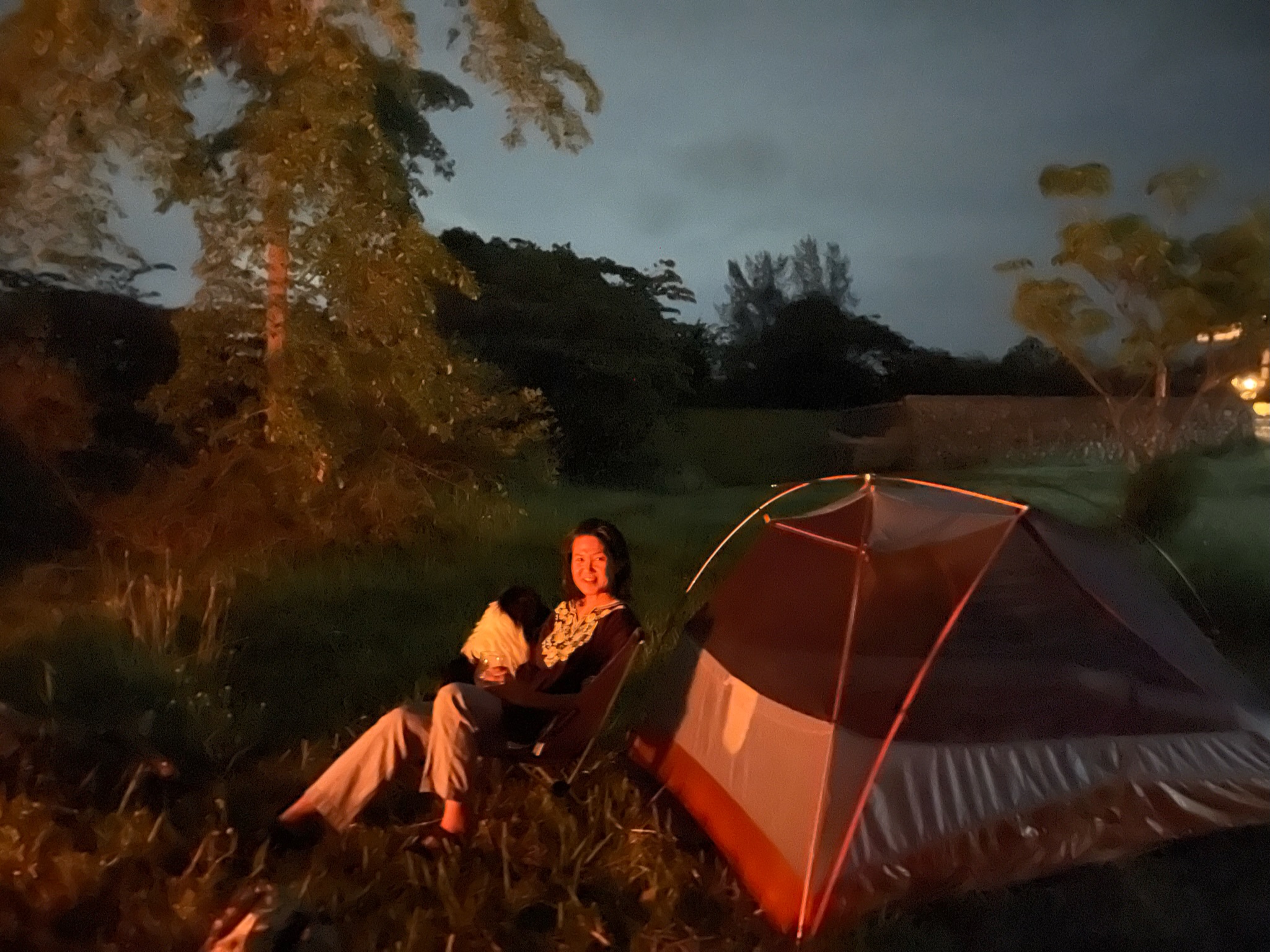
April 2022 – The weather surprised us with rain showers when we were expecting hot, dry weather. Our attempt to sleep outside in tents was cut short since I didn’t put up the rain covers of the tents.
The campers!
We collected more pods, this time with a long stick and net. We are growing them at home in Alabang.
showing signs of life
opening a Malabulak pod
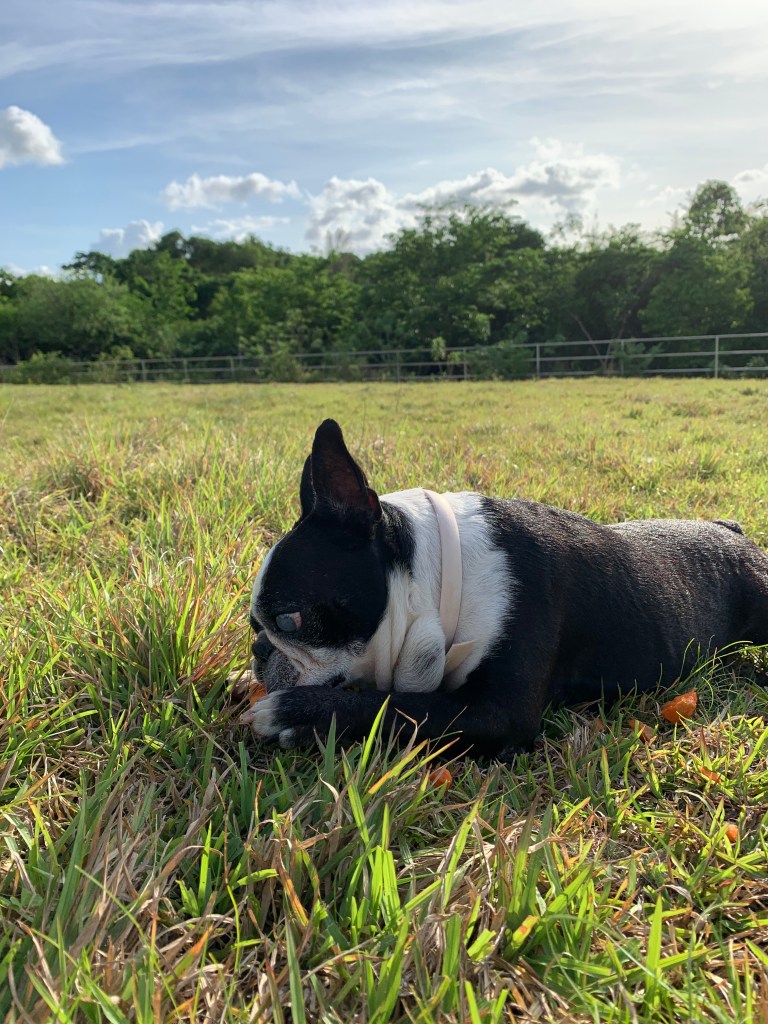
Barkley celebrated his 12th birthday! He ate some of the carrots that were meant for the ponies and went for a swim. He is mostly blind now. I am getting used to carrying him around for our morning walks.
We also bought seedlings from Punlang Katutubo in Batangas City. They had Philippine Teak! We are excited to plant more trees!
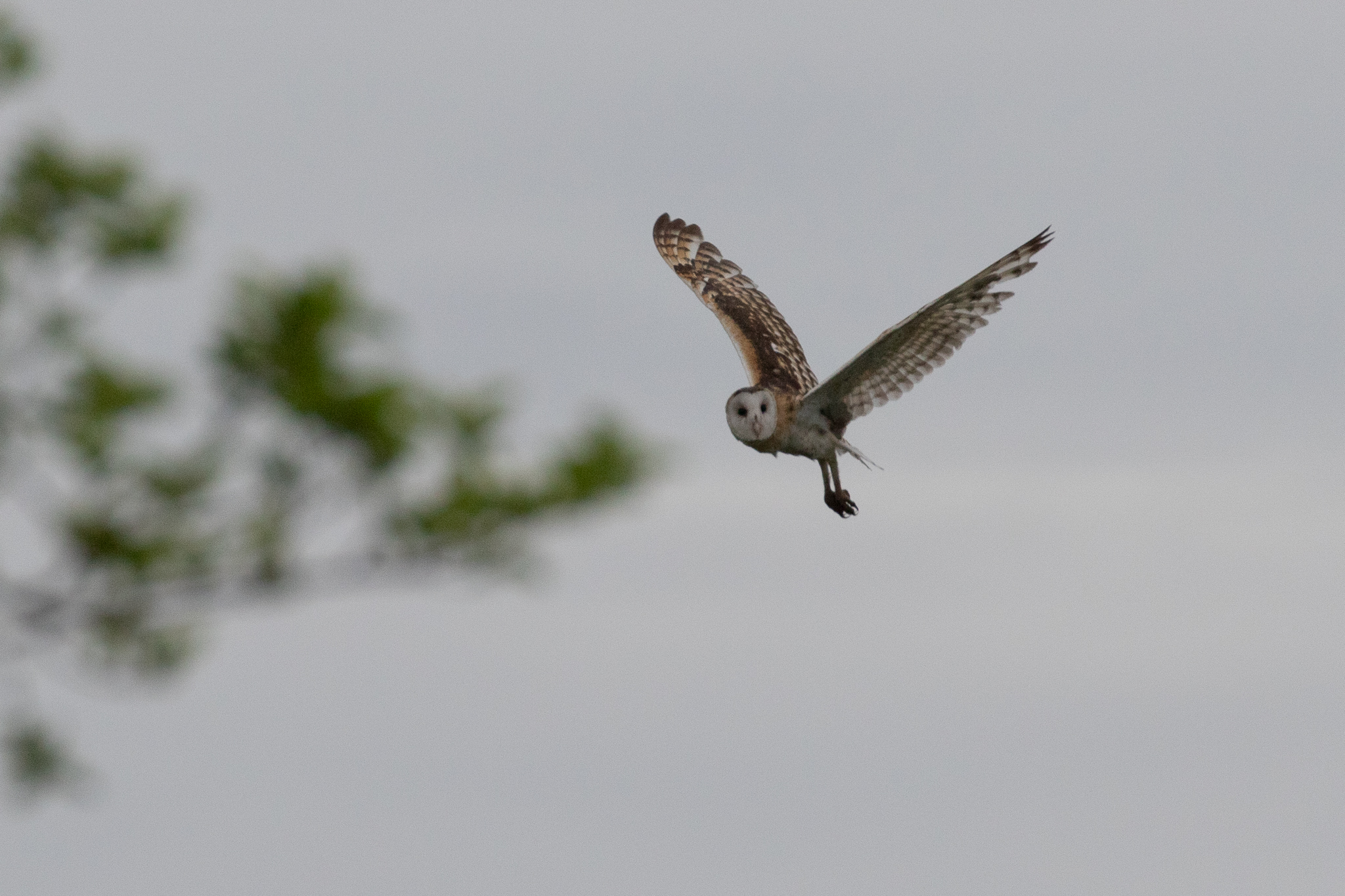
We have been observing interesting birds at the sanctuary. We hear a lot of Asian Koels, we saw a Malkoha at the nursery, 2 Philippine Nightjars on the ground, we heard a Hawk Cuckoo and we’ve been seeing Grass Owls in the daytime! We are also looking forward to seeing more birds at the new pond, once it fills up with rain water. I think it will be the new birding hotspot at the farm.
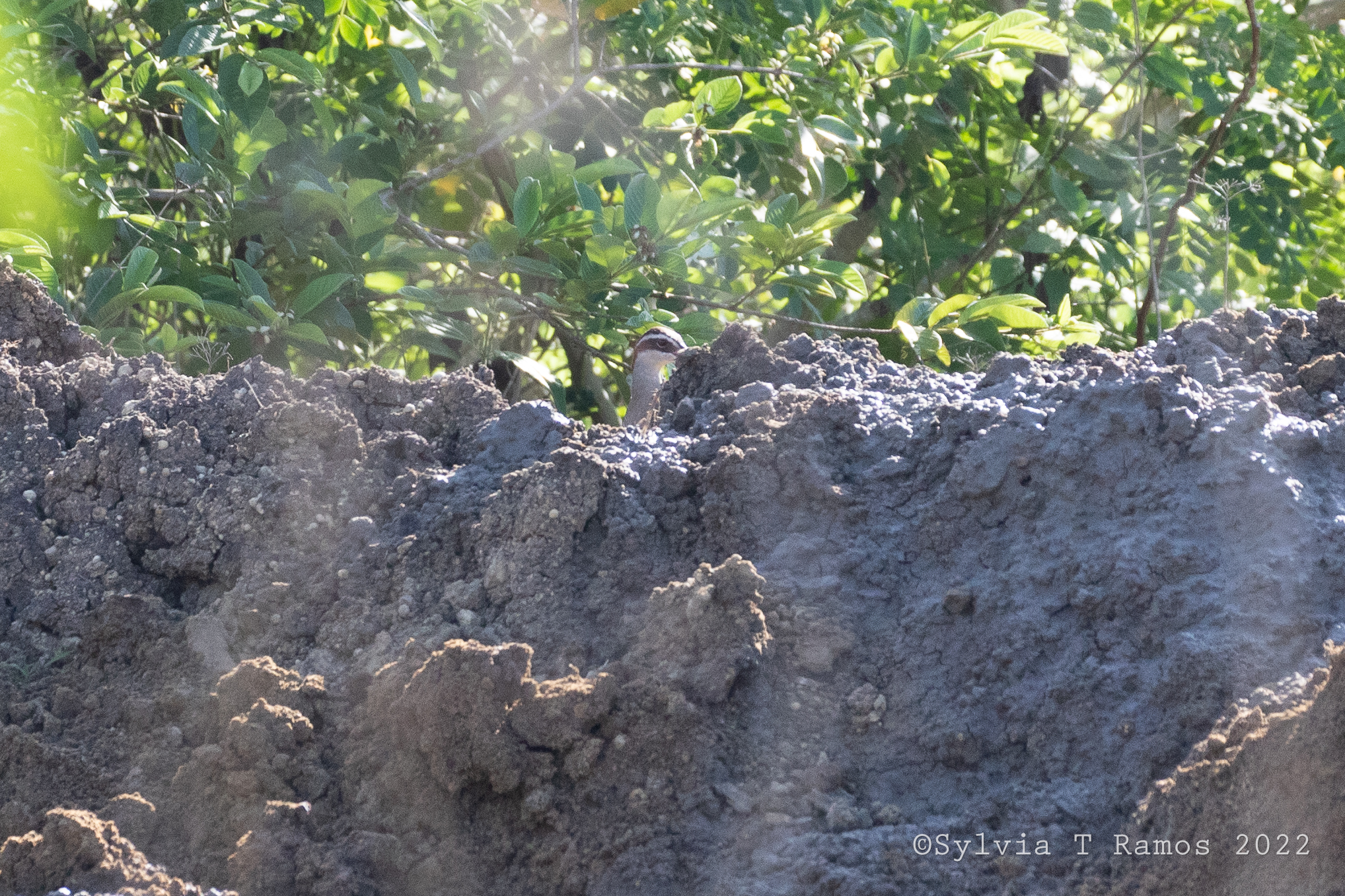
Grass Owl photo by Tonjihoping to see more water birds like this Buff Banded Rail
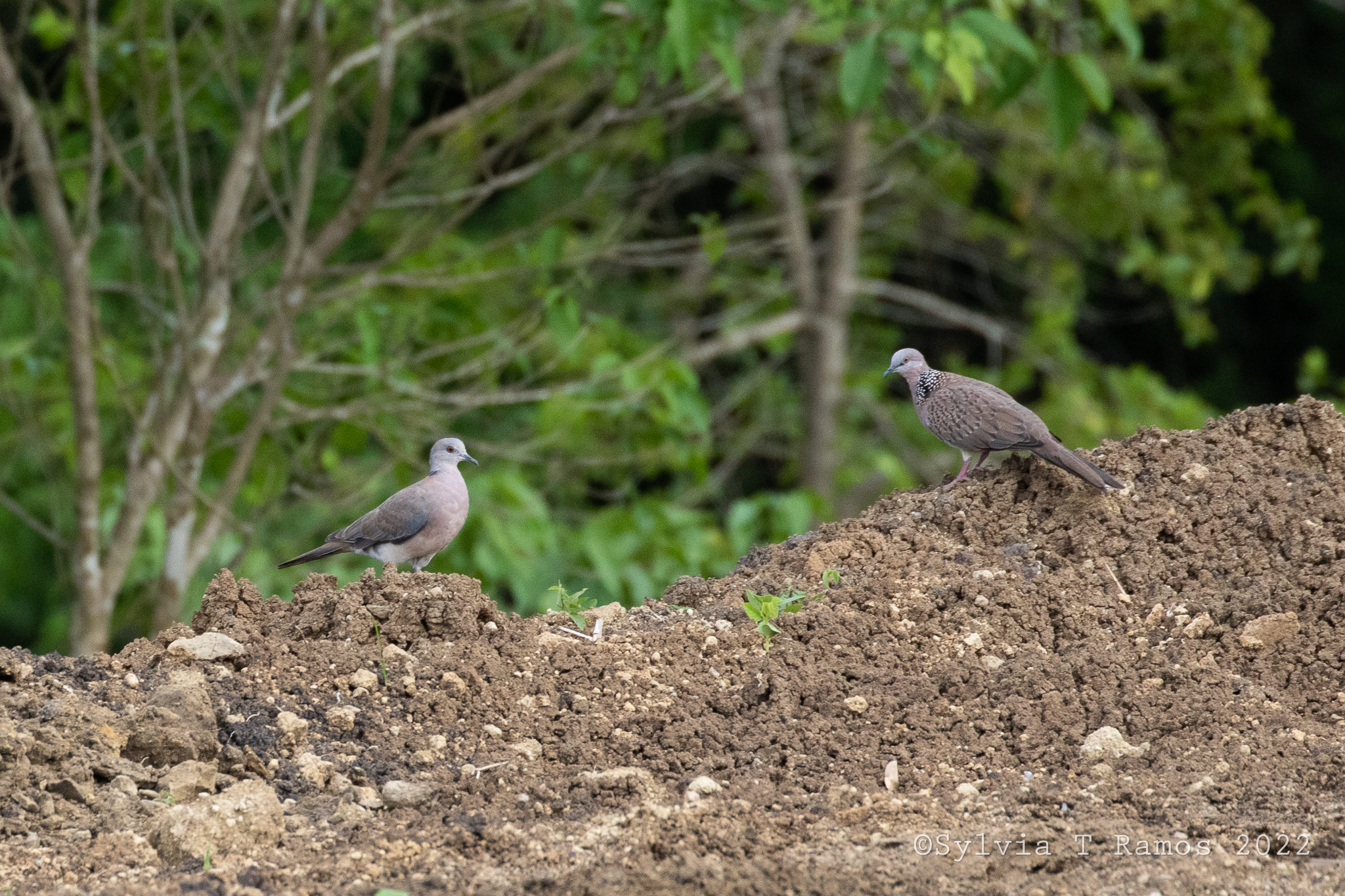
The Island Collared Doves that are usually skittish are easy to see there. We see them together with the less shy Spotted Doves. We are hoping they co-exist and the Spotted Doves don’t push out the Island Collared Doves!
It was nice to get back to the refuge after more than a month of being away! The cold wind was blowing and the trees were growing!
We bought two Bagawak Morado trees in October 2019. One died and the other two are flowering! This one is beside the pump house of the swimming pool. The other one is near the nursery. The one near the nursery was reduced to a stump when it got eaten by an insect, but managed to grow back and flower.
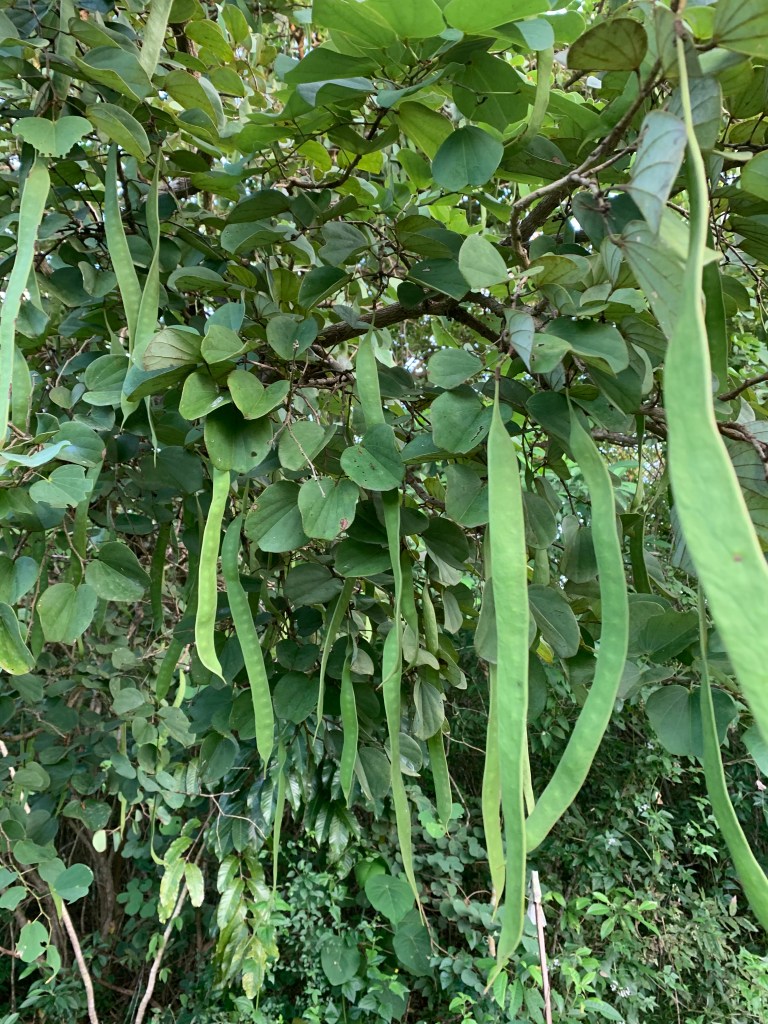
I missed the flowers of the Alibangbang (Bauhinina malabarica). The trees are now full of immature seed pods. I plan to collect them when the seeds are ripe so I can share with other people who want to plant this native tree. The Alibangbang tree that is usually planted in subdivisions is Hong Kong Bauhina, the one with showy pink flowers.
It can get tall! How can I collect all those pods?
Our Tibig tree near the old cement bridge is covered in fruits. It doesn’t seem that popular with the birds though. There was a mucuna species of vine, most likely Mucuna pruriens growing near it. At first glance Ithought it was a Jade vine! One of our birthday trees flowered for the first time, Sterculia rubiginosa. We bought that tree in 2014. We planted Bayag Usa in July 2020 and it is flowering already!
These are Bignay wildings from the trees in our Alabang house. I collected most of them from a very neglected plant box that’s on top of the water pump housing. The soil in that plant box used to be very hard and dry. During the lockdown, I put a lot of dry leaves on top of the soil, planted some Lemon Lime Philodendron cuttings, and watered the plant box frequently. I was happy to find so manyBignay wildings growing in the plant box! Unlike the ones I harvested and planted straight from the fruit. Very few of those germinated. Maybe just one or two!
Bignay wildings collected from the garden in Alabang
This is the plant box where I collected most of the Bignay seedlings. There are more of them growing!