August 2024

You know how there are “before and after” pictures? August was a great month for AFTER pictures!

In May we had a fire, and then by August the traces of the fire had been erased. The grass grew green and tall again. The burned trunks were still there, but the landscape was nice and lush once more.

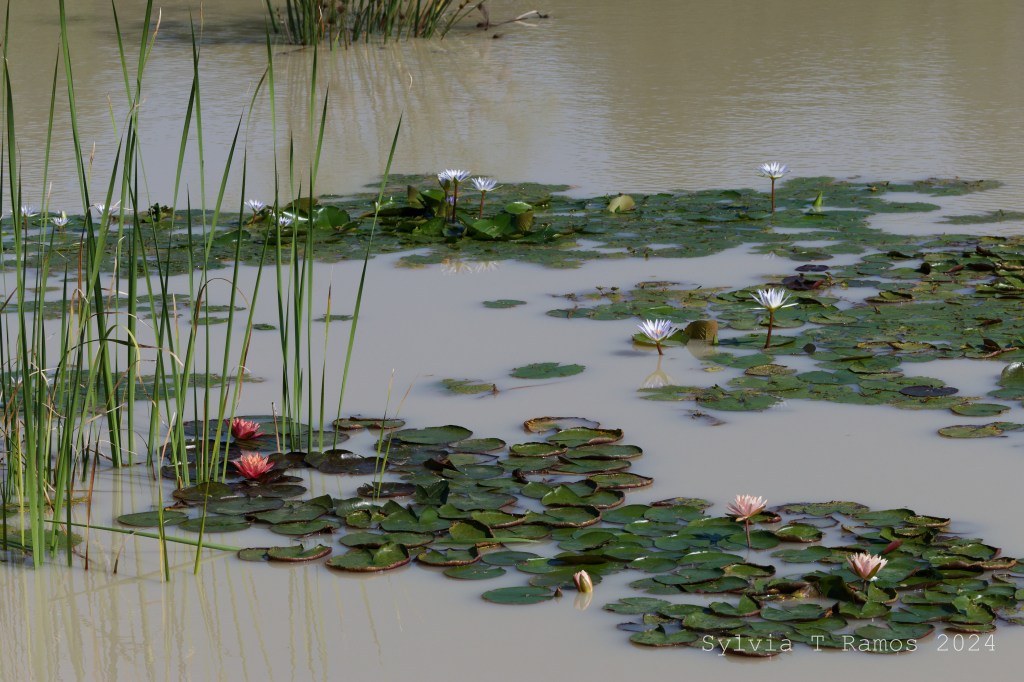
Last year we planted water lilies, typha, papyrus, and lotus in the Big Pond. One of the water lilies was a hardy variety called Nymphaea wanvisa from my pond in Alabang. It is a very pretty water lily that wasn’t doing that great in Alabang. It only gave me a few flowers . I cut it up and placed it into smaller pots and planned to plant them in the Big Pond when it was ready. I was hoping it would do better in the Big Pond.

I could hardly believe my eyes when I saw how big it grew in the Big Pond! It had spread and had so many flowers!
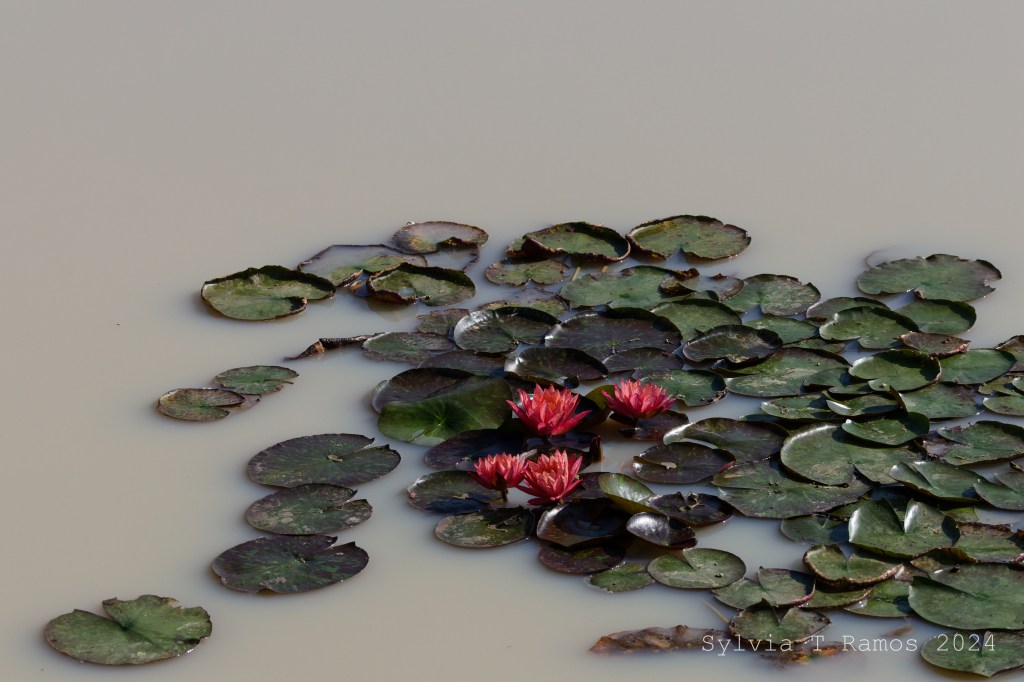
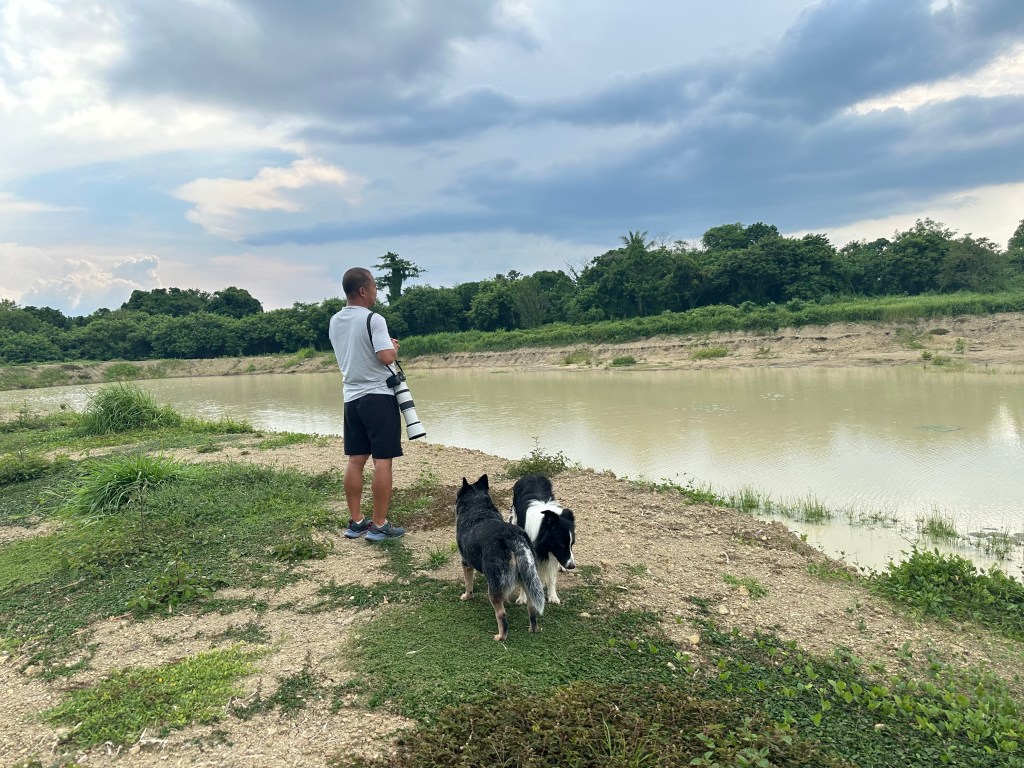
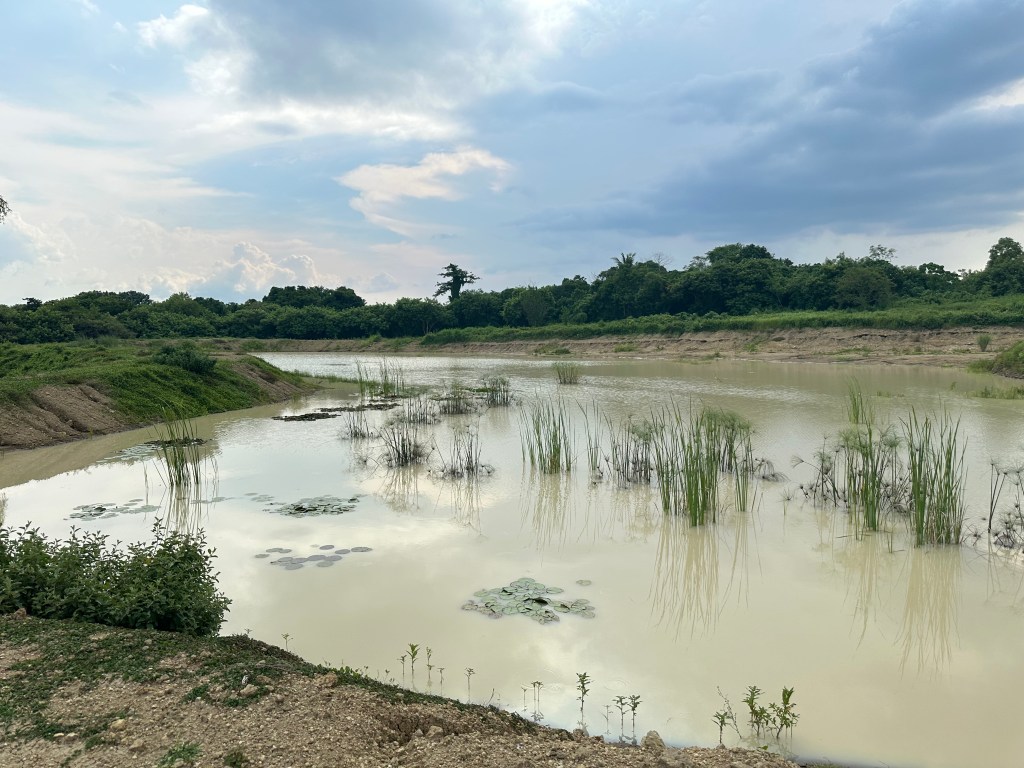
The Big Pond is thriving! I saw a White Breasted Waterhen scurrying in the grass beside the Big Pond. The plants are looking more established. Only one section of the Big Pond doesn’t have water.
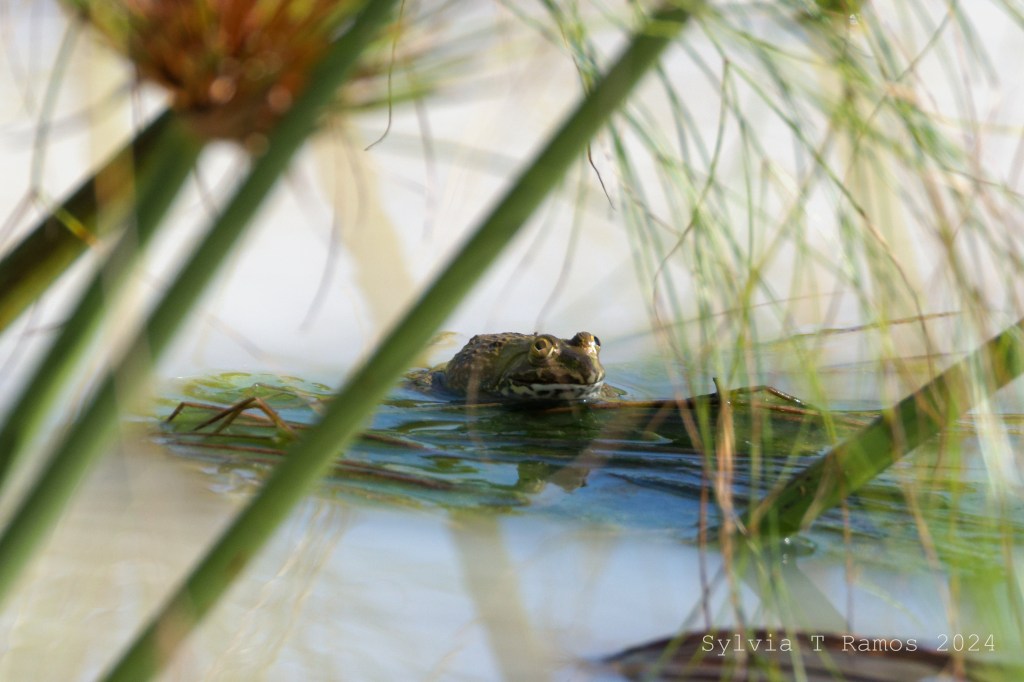
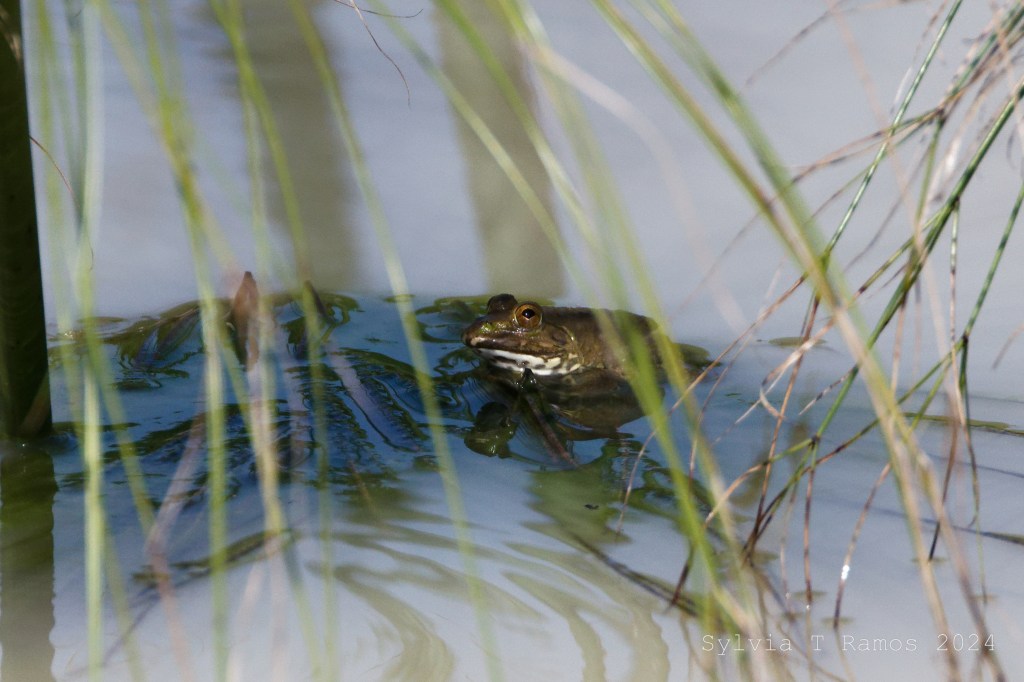
I was excited to photograph a frog at the Big Pond. I was hoping it was native species. Sadly though, it was a Chinese Edible Frog (Hoplobatrachus rugulosus) an invasive species of bullfrog. It is also known as Palakang Bukid. I wrongly assumed that foam nests were made by the native frogs. It turns out that many other frogs also make foam nests. Maybe the birds will eat the frogs since they are edible.
And here is a beautiful serene morning video of Ollie at the Water Lily Pond.

that’s Lulu yelping at the end of the video


We also finally got a photo of a Colasisi at the refuge. It is another one of those “finally got a photo but it’s a bad one”! It was perched on an Agoho.


In August we also had a notable abundance of mosquitoes! This is the first time I experienced getting swarmed by mosquitoes during my morning walk. They swarmed over the dogs and bit my arms! I hope the bats, dragonflies, and birds keep them in check.

I also noticed that there were some fully grown trees that looked like the dried up and died. Not sure what caused this.

Is it dead?

Another interesting observation was the snake that climbed a tree. Tonji saw a snake with a stripe along its body that swiftly climbed up a tree! He was surprised that it didn’t just slither away into the tall grass. We have been assuming that snakes are in the grass. Now we know they could be in the trees too!
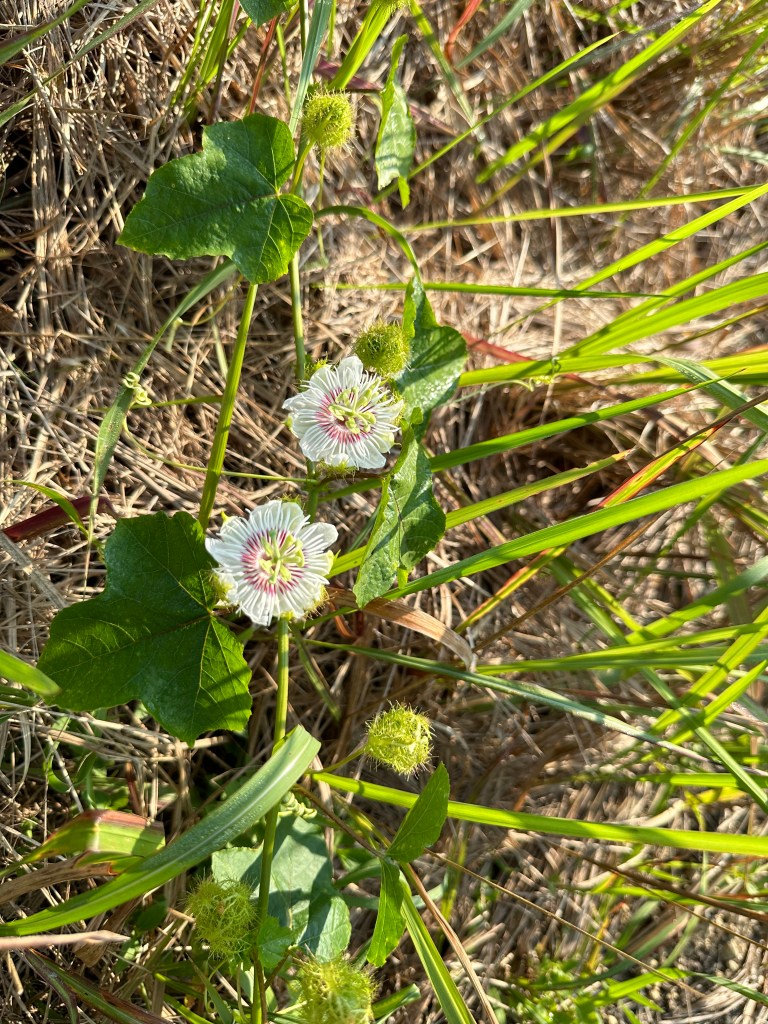
wild passionfruit Pasyonaryang Mabaho

10 Things I Learned from Planting All Those Seeds

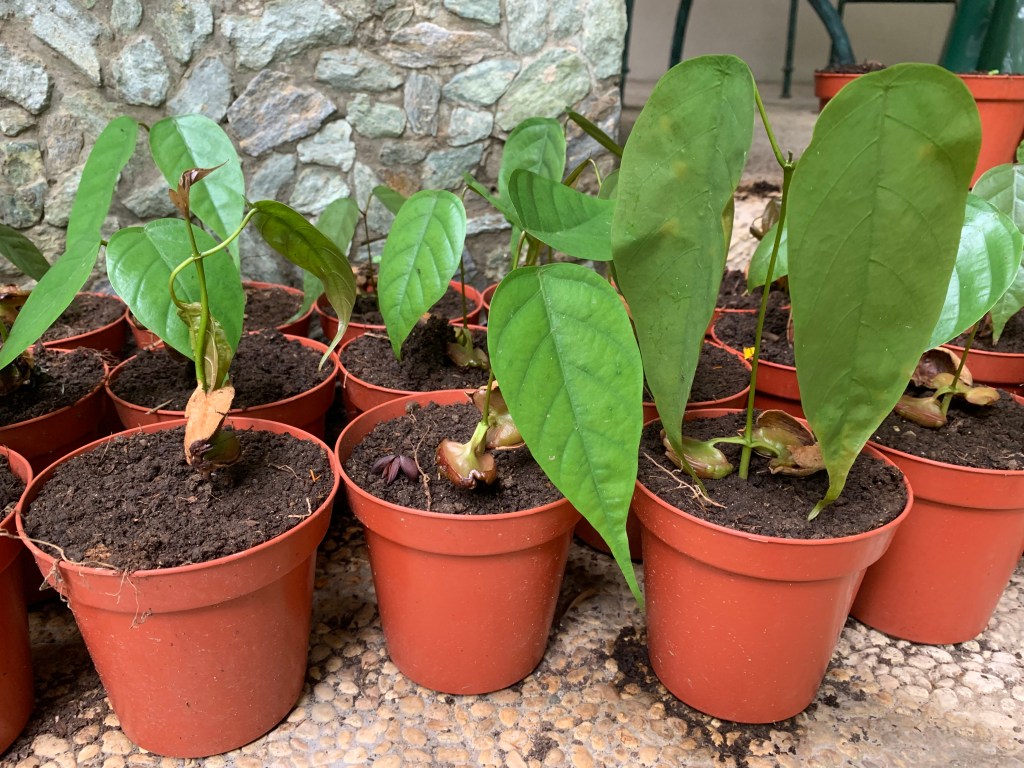
1 Label the pots before filling them up. It’s faster and more efficient than sticking tags onto pots filled with soil. Use masking tape and a Sharpie instead of plastic tags that can easily fall off. You will be very glad that you labelled the pots when you discover that a lot of the baby trees look alike!

White or Red Lauan?

2 Wear gardening shoes. You are more likely to go outside if you’re not worried about tracking dirt inside the house. I like easy to wash shoes that you can slip in and out off and leave by the door.

Love these EVA Birks!

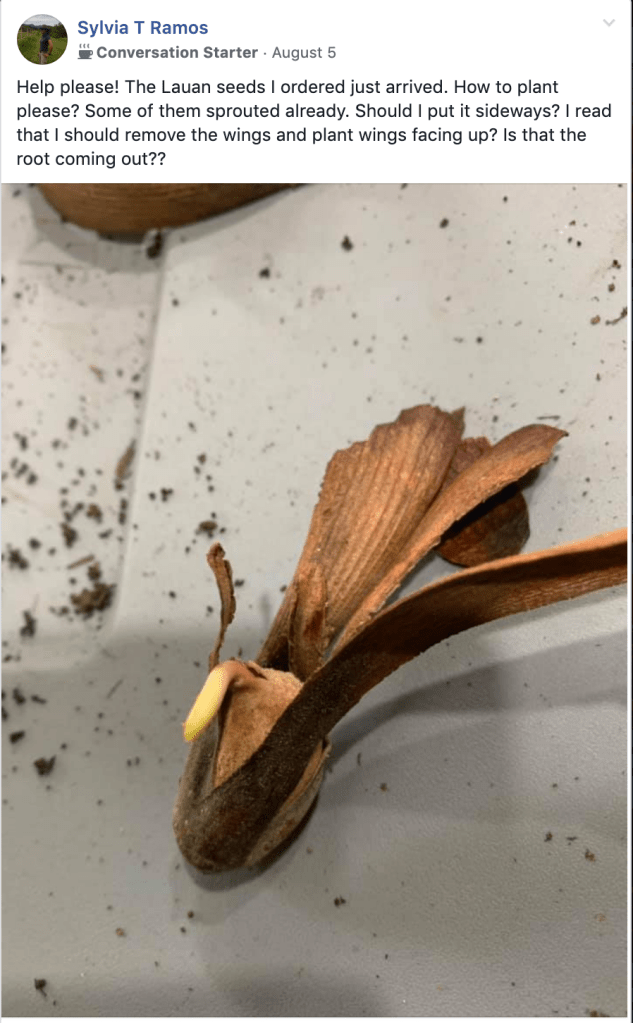
3 The first part to grow is the RADICLE. It is the embryonic root. It grows downwards. Don’t be like me, panicking when seeds arrived already sprouted!

I got such nice responses, there was no eye rolling or shaming!

4 Tamp down the soil in the pots firmly when you fill them up. Or else the seedlings will topple over! I like to overfill the pots, then tap the bottom on something firm so the soil settles into the pot nicely. I like to fill all the pots first, then make all the planting holes in the soil, place each seed into the hole, then cover each hole. That way you’re not wondering whether or not a pot already has a seed.

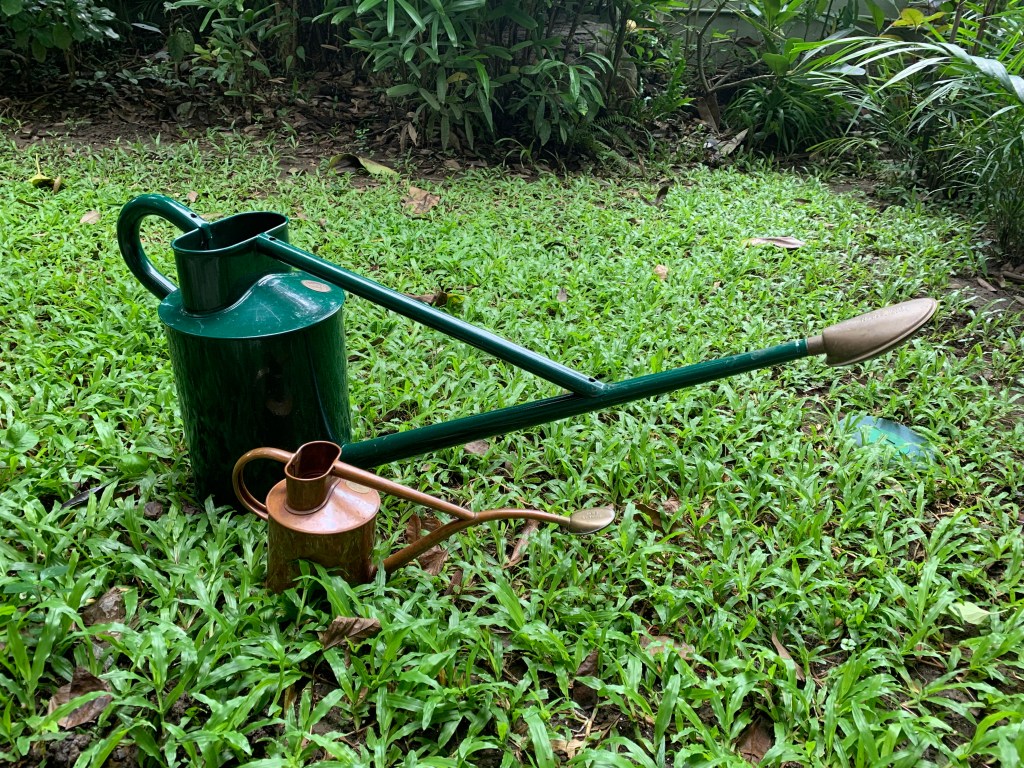
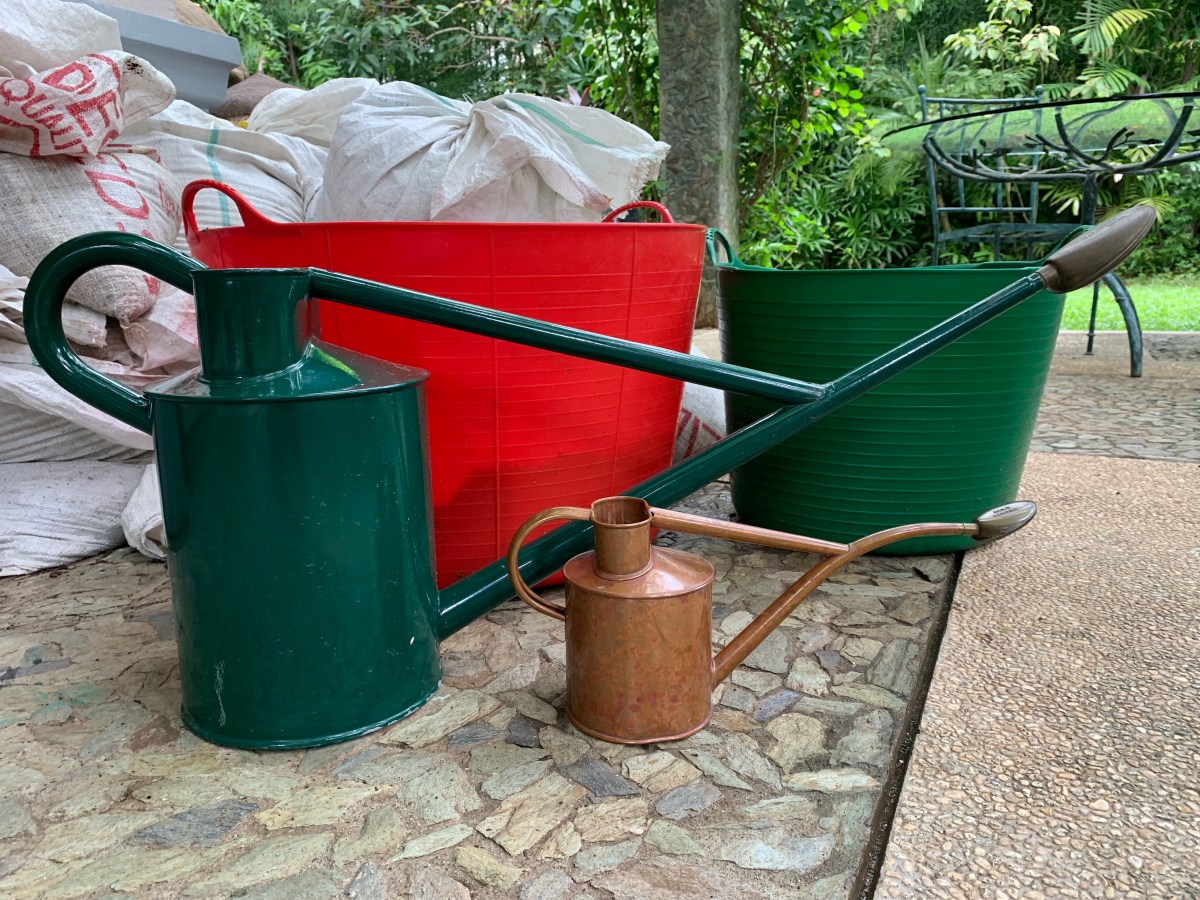
5 Use a nice watering can with a fine rose! You want a fine spray of water so the seeds don’t get washed away. It does take longer though for the water to come out of those tiny holes. Patience!

I feel very fancy when I water with these British watering cans!

6 Use rainwater for watering the plants. This is especially important if the water in your area is highly chlorinated. Now is a good time to start a rainwater collection system!

7 Make as much compost as you can. There’s no such thing as too much compost.

8 Keep notes. I wanted to have an app where I could put pictures of the trees, their gps locations, and the date when the tree was planted. But I haven’t found that app yet! In the meantime I’m using a notebook for all my tree notes. Each species has a one page spread and there’s an index with all the names and the page numbers. Everything that goes on with a particular species is listed in its page.

9 Join a group like Philippine Native Trees Enthusiasts on Facebook to get planting tips and lots of encouragement!

10

Just do it! You don’t need to have a green thumb. The sooner you start planting seeds, the better! You will learn a lot and have fun. Start small and remember that everything is a learning experience. No matter what happens, you will learn something!

The Bani seed is alive! It’s so nice to see a seed sprout! Such a nice feeling each and every time!

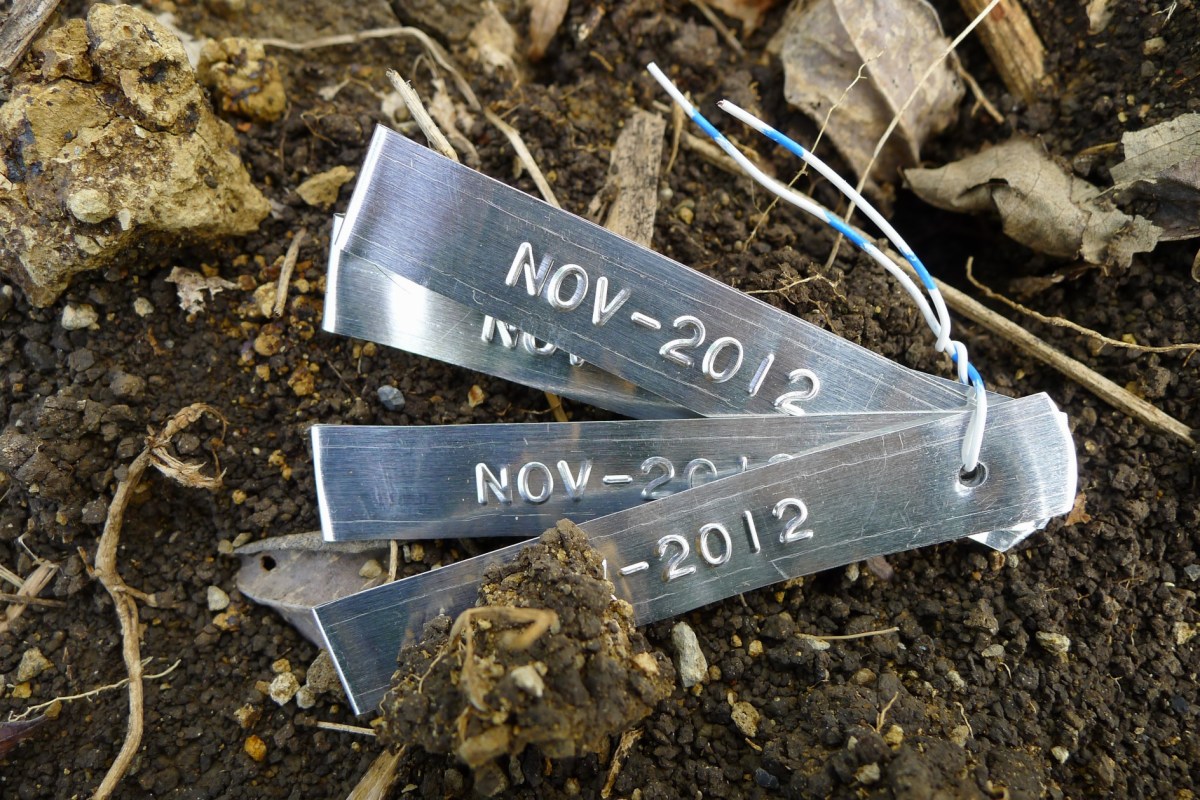
How to Make a Durable and Adjustable Tree Tag

To tag or not to tag, that is the question. At first I thought I would rely on my memory, ID skills, and a written planting chart to keep track of the trees planted at the farm. I thought tree tags looked too messy. They can also break, fall off, get lost, get eaten up by the tree as it grows, or choke the tree if they are too tight. Continue reading “How to Make a Durable and Adjustable Tree Tag”