Cadena de Amor

Antigonon leptopus

Family: Polygonaceae

Common Name: Cadena de Amor, Coral Vine

Origin: Mexico, introduced in the Philippines

References:

Guidebook to Grassland Plants  A Resource Material for Biology Teachers

University of Florida Center for Aquatic and Invasive Plants

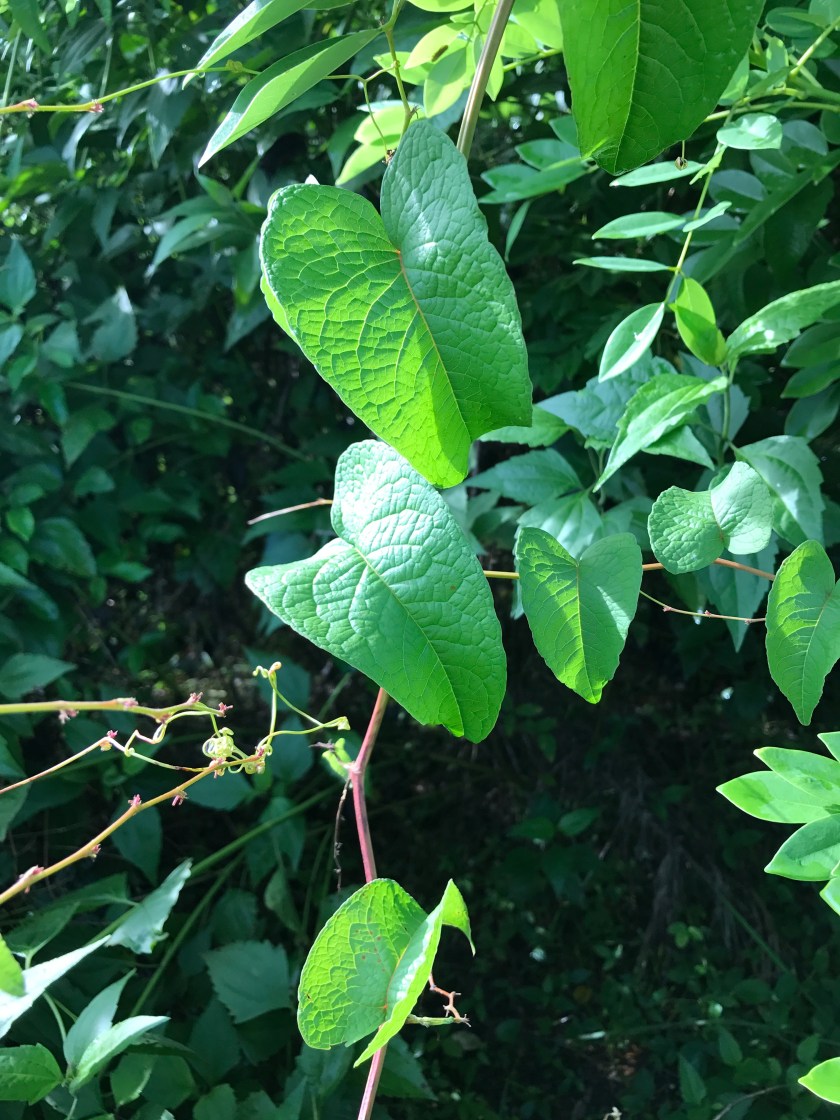
This is a climbing woody vine with heart-shaped wrinkled leaves. It is a perennial and forms underground tubers and large rootstocks. I saw photos of the large roots in Phytoimages. It is a smothering vine and can cover other plants. It is also very pretty and can be used to cover fences or climb trellises. The one photographed is growing on a Madre de Cacao tree.

IMG_1742.jpg

IMG_1745

IMG_1793

IMG_1788
three-angled seed that can float on water

Aratiles

Muntingia calabura

Family: Muntingiaceae

Common Name: Aratiles, Strawberry Tree, Jamaican Cherry, Mansanita

Origin: tropical Americas, introduced in the Philippines and other areas

Reference: Pacific Island Ecosystems at Risk

This tree fruits year round. Many Filipinos of a certain age have childhood memories of eating the fruit straight from the tree! We planted several of these non-native (though naturalized) trees as a year-round food source for birds and bats.

IMG_1245.jpg

It is a small, spreading tree. According to some websites it can be grown in pots.

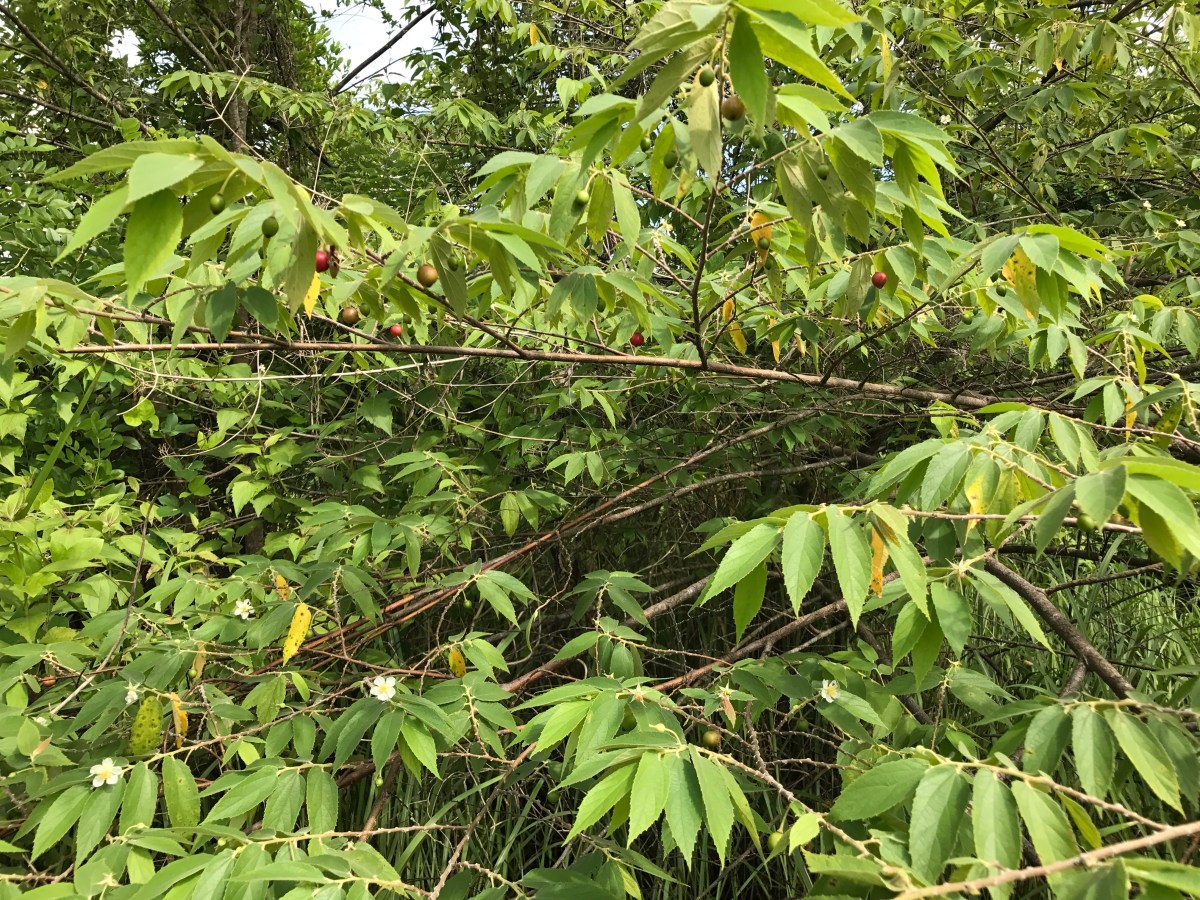
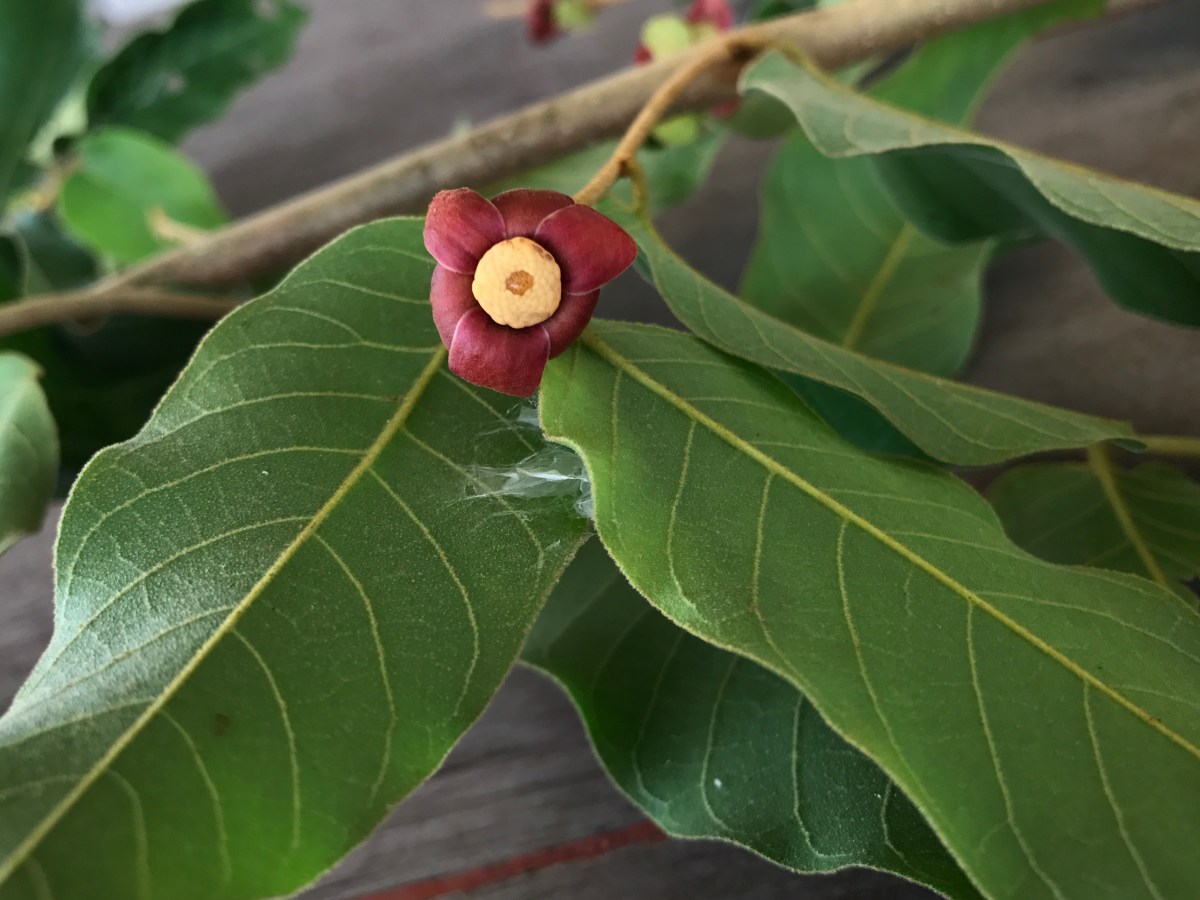
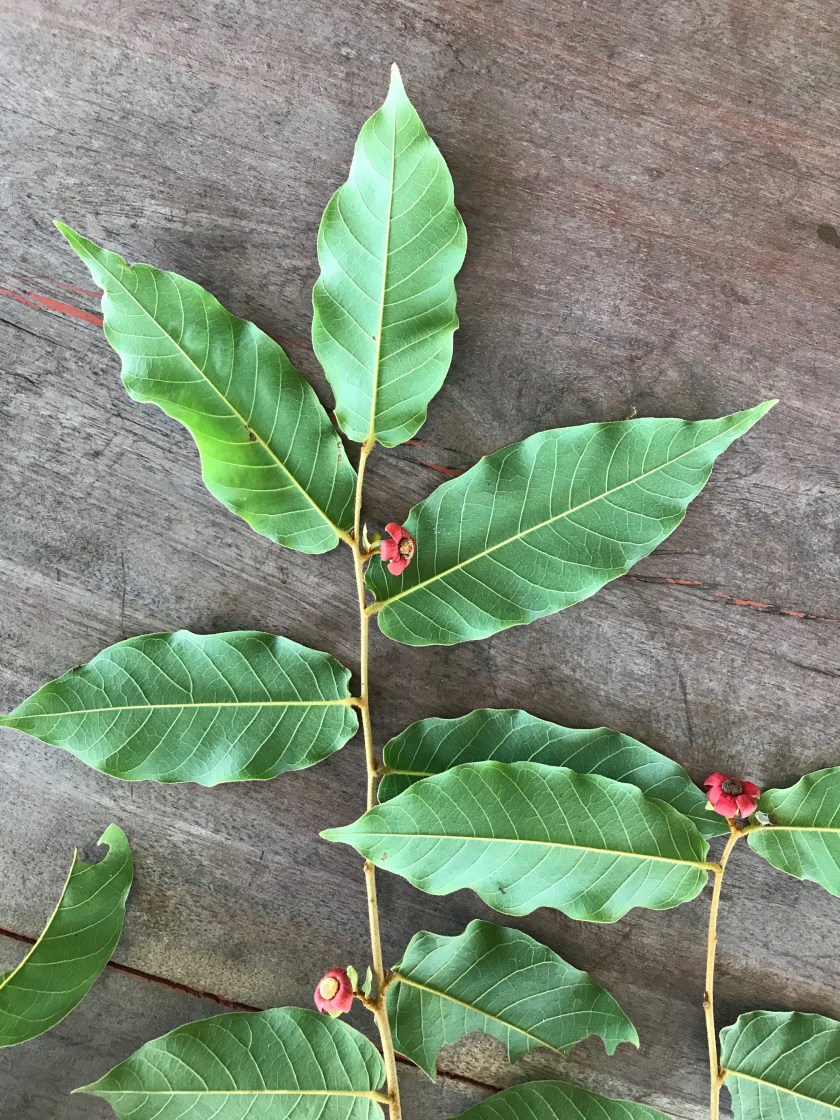
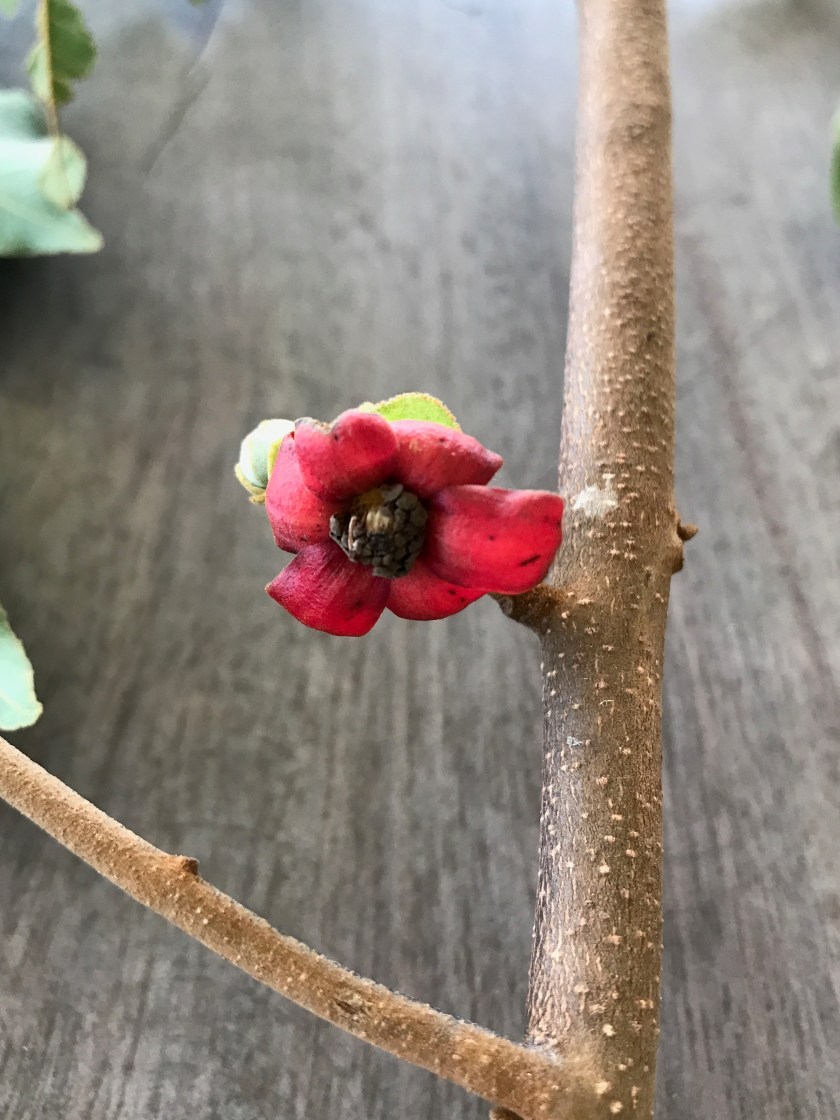
Uvaria grandiflora

Family: Annonaceae

Reference: Phytoimages

This is growing by the old bridge. It is a vine. The leaves and stems are fuzzy and velvety. The bigger branches are reddish-brown. It is related to Uvaria rufa, which we also have in the farm.

IMG_1736

IMG_1730IMG_1731

According to a comment on Co’s Digital Flora of the Philippines Facebook group, there is a “typical flower form of Uvaria“. I was able to correctly guess that this plant is an Uvaria by seeing a photo of a different Uvaria species on Facebook. As we learned in our Permaculture course, it’s all about recognizing patterns!

I was unable to find additional information about this plant in my books or online.


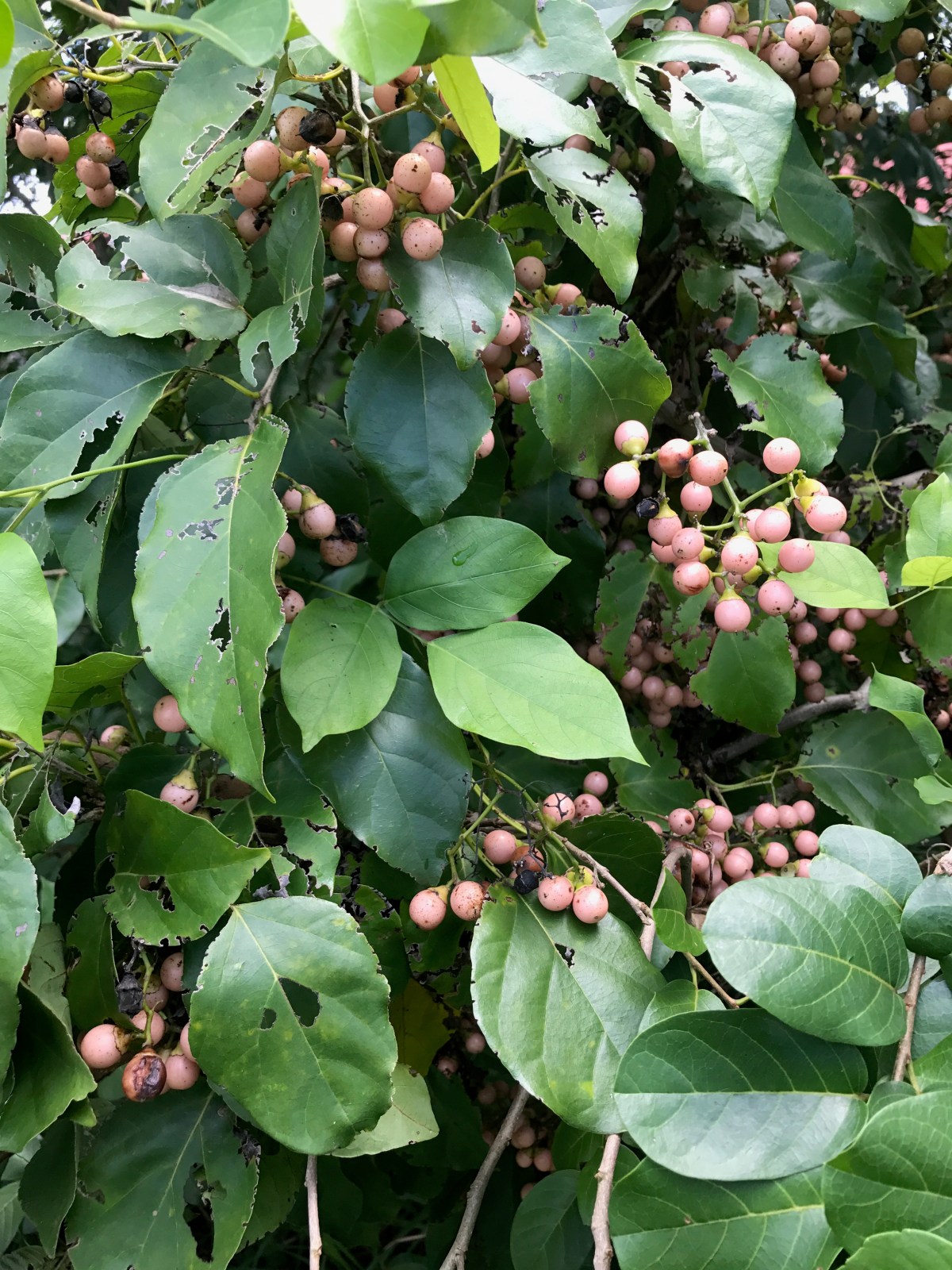
Anonang

Cordia dichotoma

Common Name: Anonang

Family: Boraginaeceae

Origin: native to the Philippines, also found in India, Indo-China, Malesia

Reference: Philippine Native Trees 101

This tree has been growing behind the cottage without us noticing it! In Philippine Native Trees 101, it sys that the leaves are “pounded, put in a kerchief soaked in lukewarm water” and placed on the forehead to relieve fevers.


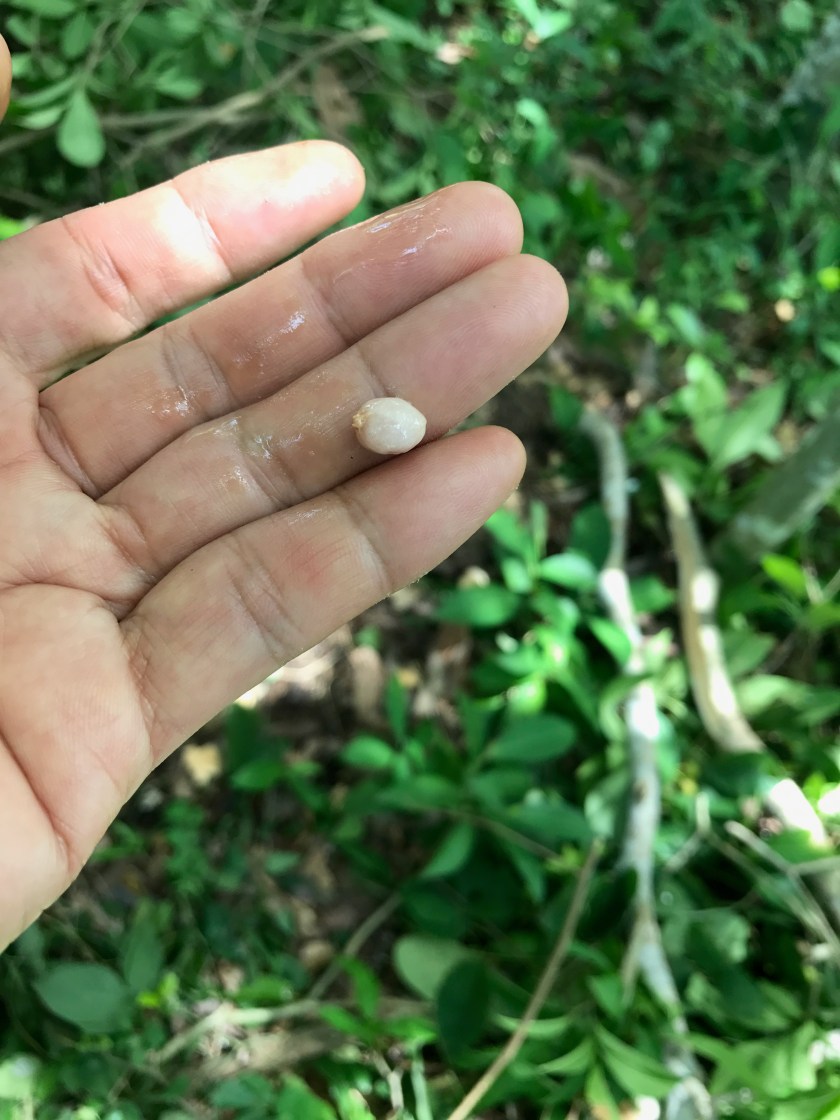
The book also mentions that the juice of the fruit and leaves were used as paste. The fruit I opened was tasteless. Definitely very sticky!

IMG_1664.jpgIMG_1665.jpg

It is a small to medium-sized tree that grows up to 25m. It needs full sun and is not shade tolerant.