We are still enjoying the cool weather! February is a great month to visit the refuge. It is cold, windy, and a bit drizzly. It is so windy that things get blown off the table and hats get blown off your head!
Malabulak!
Momo is recovering from surgery on his perineal hernia. I am so glad I have option of letting Momo ride the Burley Bark Ranger! It’s spacious enough to fit Momo, Barkley, and my birding camera!
Barkley is happy to have Momo with him inside the trailer!my camera is under the towelso happy!
Tonji did some work on the new pond. Here he is explaining his vision for this site and how we will get from field of grass and weeds to a new pond.
It is a lot of work! One scoop at a time.
Aside from working on the pond, Tonji also maintains the trails with the tractor. The dogs are good at not getting in his way.
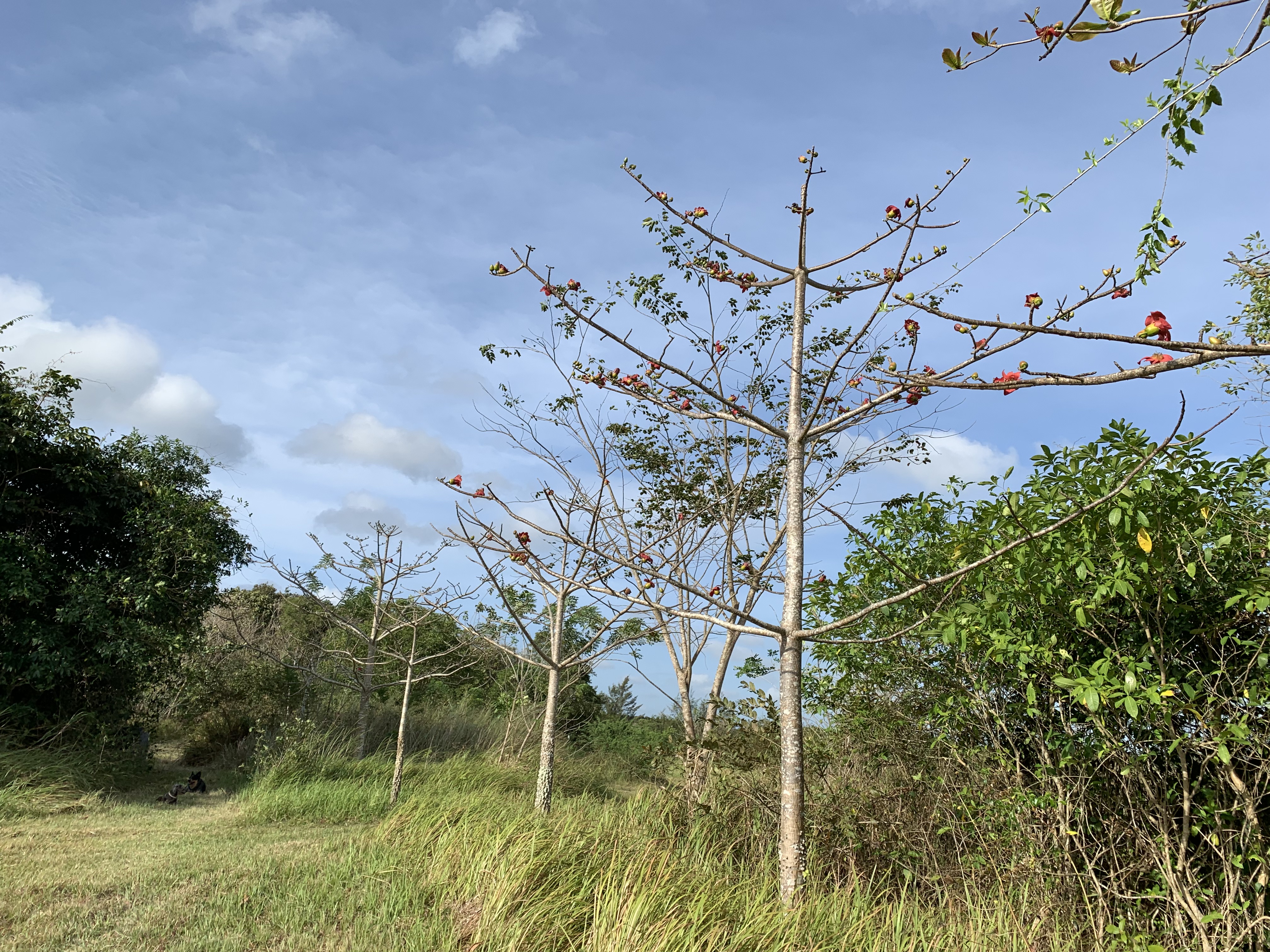
note the line of Malabulak trees!good dogs!!
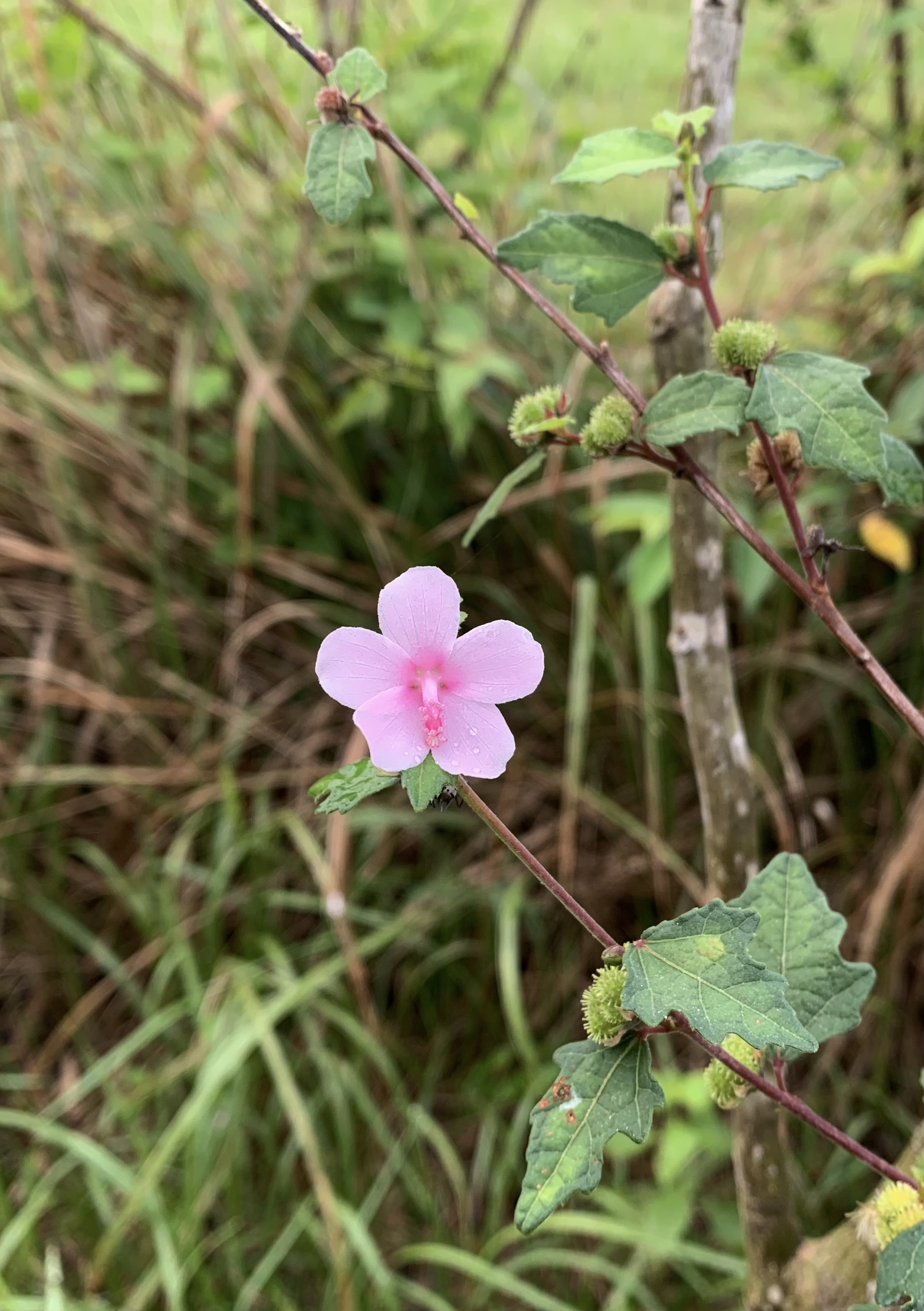
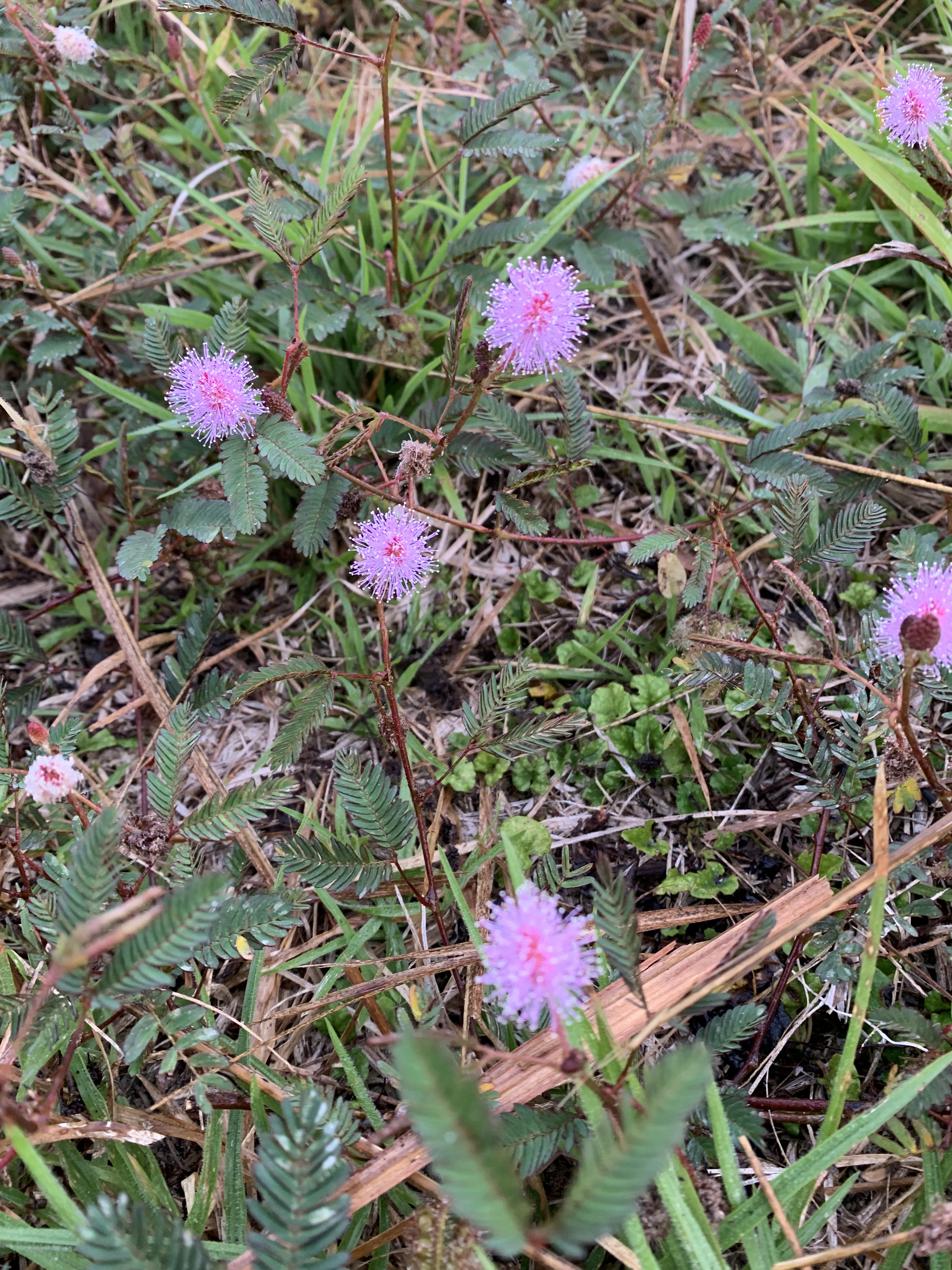
Here is a new to me weed that I will add the the weeds gallery. I enjoy learning about weeds by drawing them. Trying to draw a plant makes you look at it very closely and for a long time!
Rainy season came early this year. The sanctuary was nice and green in May! This is very unusual for our area. The new pond looked like a big mud puddle. The dogs enjoyed it very much,
nice cool mud!
There were a lot of Binayuyu fruiting all over the sanctuary. The birds seem to be spreading the Binayuyu trees all over. When we bought our property, there was one big Binayuyu tree outside our old entrance. I thought it was such a pretty tree and that it was a shame that it was outside our property. Now we have many of them!
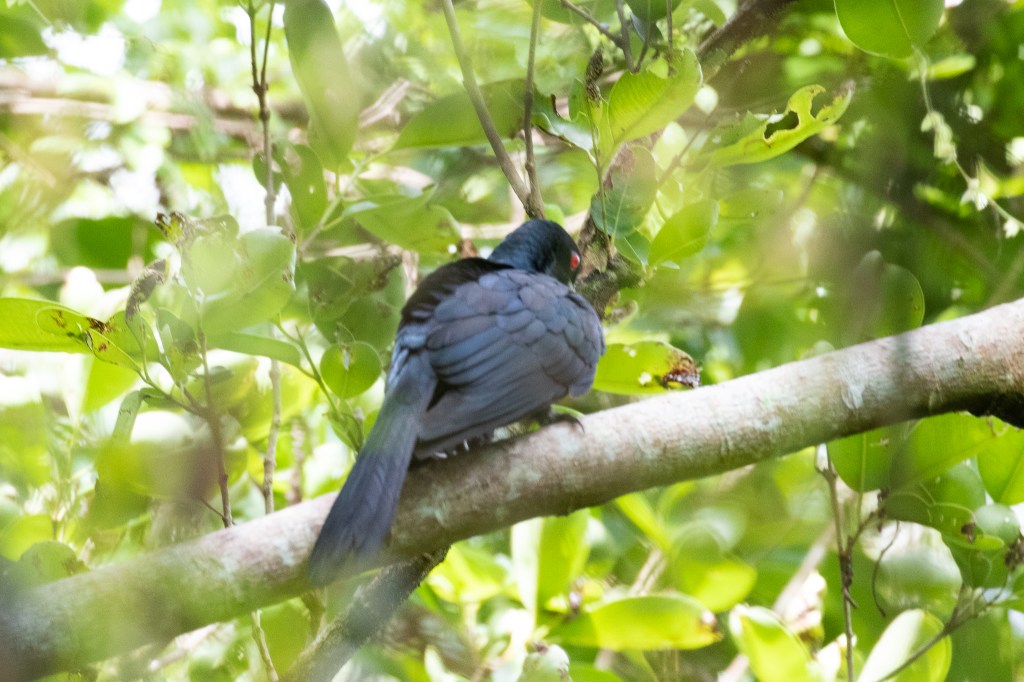
We were able to see and photograph the Asian Koel that we have been hearing so often. Tonji saw 3 of them in a Banato tree beside the dry creek. He was able to describe the location to me and I saw two of them.
My bad photo of a Koel. They are hard to see!
JUNE
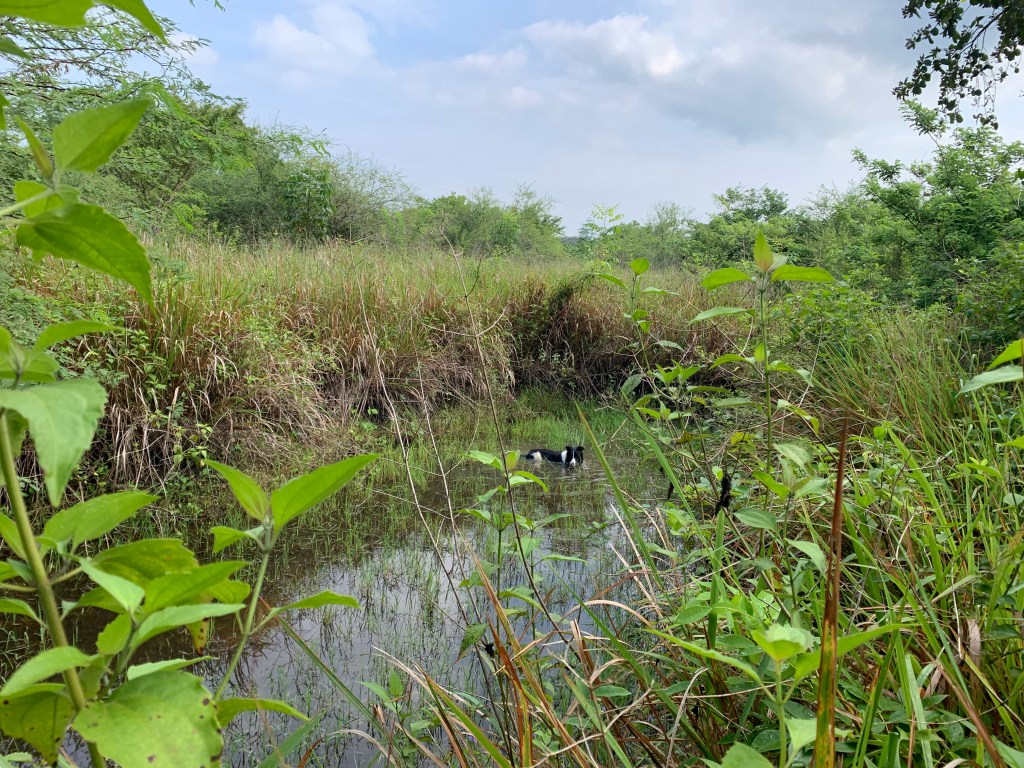
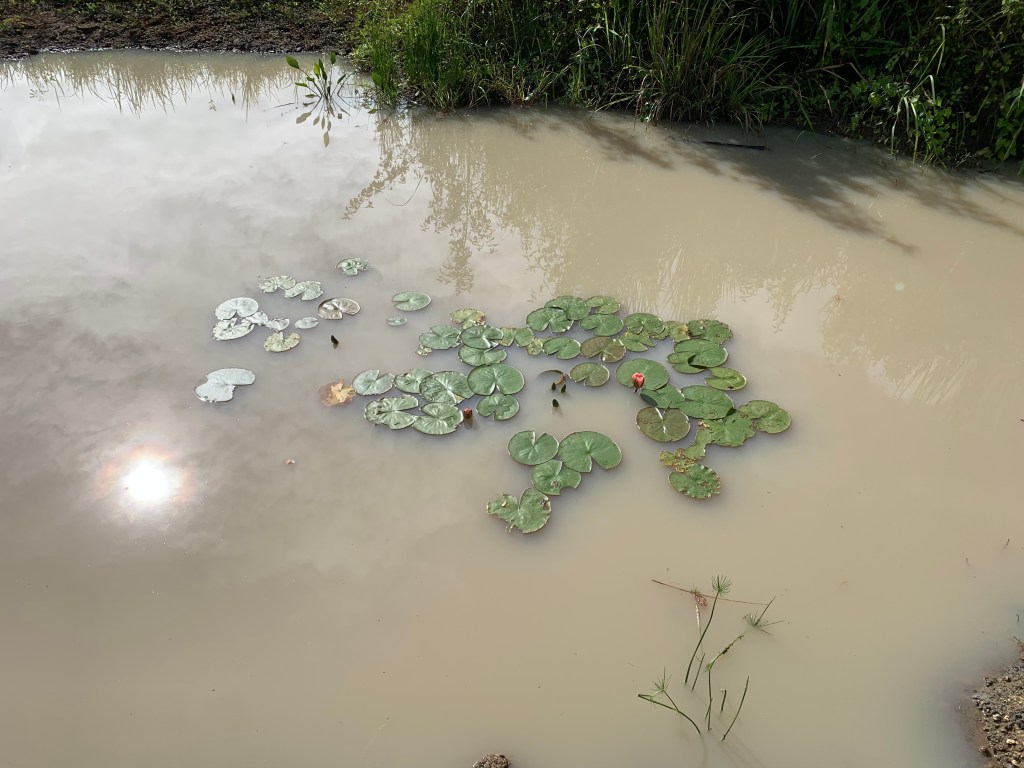
There was even more rain in June. There was water everywhere! There was water in the dry creek and in the old small ponds. There was enough water in the new pond to start planting water plants. I’m hoping the water plants provide enough shade to keep the pond cool and prevent too much water from evaporating. I hope this helps keep the water in the pond year round. We also added guppies, but I’m not so sure if they survived the heat of the water.
Lulu doesn’t like the water as much as the other dogs do
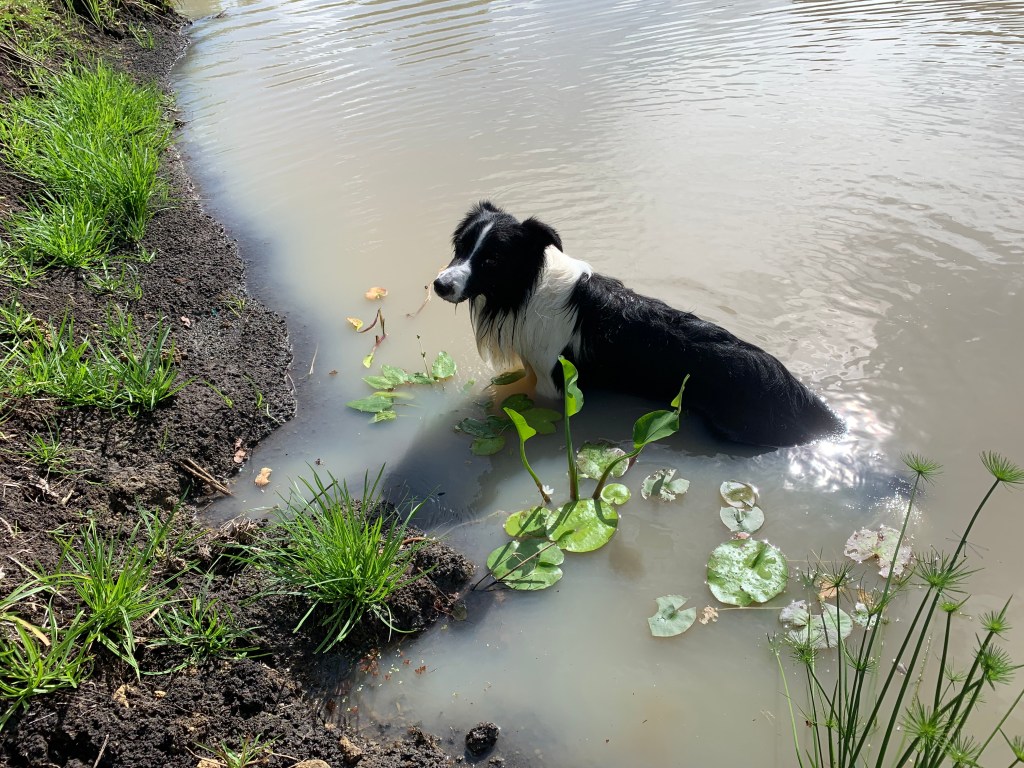
The dogs enjoyed all the water. They inspected every puddle that they saw. They waded in the new pond whenever they had a chance.
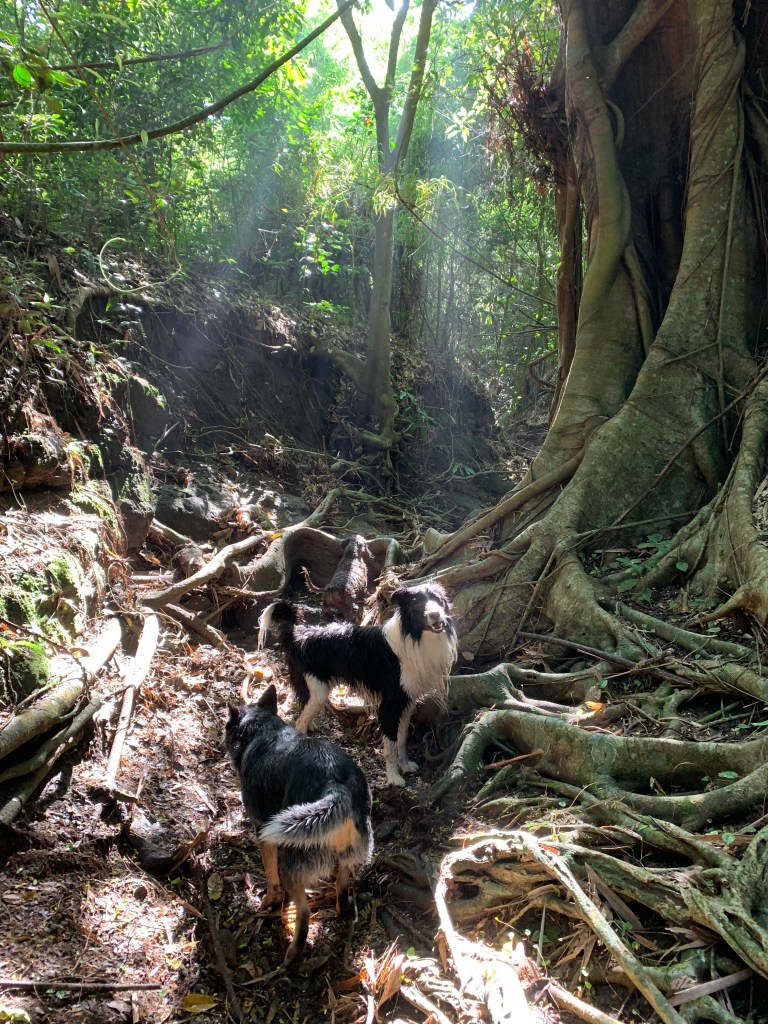
I brought Momo, Lulu, and Ollie with me to inspect the gully that goes around the property. That area usually looks like a dry creek bed. The rain transformed it into an exciting hike over mud with water crossings! It was so much fun to watch the dogs find their way through the trail. Especially Momo who had to do a lot of climbing and jumping! It reminded me of a mini version of the canyoneering trail we did in Moalboal many, many years ago with our young children. There portions where we had to jump into the water, swim across, then step on our guide Wolfgang’s shoulders to get out to the other side!
Momo looks like a puppy!Lulu doesn’t like to get wetMomo jumping over a rootMomoa fern!
I also had good views of a Coleto. It’s great to see a bird that is usually associated with forests. I also got to photograph a Common Emerald Dove. We see them a lot in flight. They usually fly low enough to see and ID them, but too fast to photograph.
ColetoCommon Emerald Dove
JULY
July was awesome! In July my pond dreams came true! I was able to walk up to the pond and watch ducks swimming around and walking! I got to watch the ducks hanging out! With our old ponds, it was more like if you walk up to the pond you won’t see anything until you are very close and then the ducks will get surprised and all fly away. It’s great that we have this bigger pond that we can see and appreciate even from afar.
sweetdreamsaremade of these!
Here are some other cooperative bird subjects!
Mangrove Blue FlycatcherIsland Collared DoveIsland Collared DoveLesser Coucal
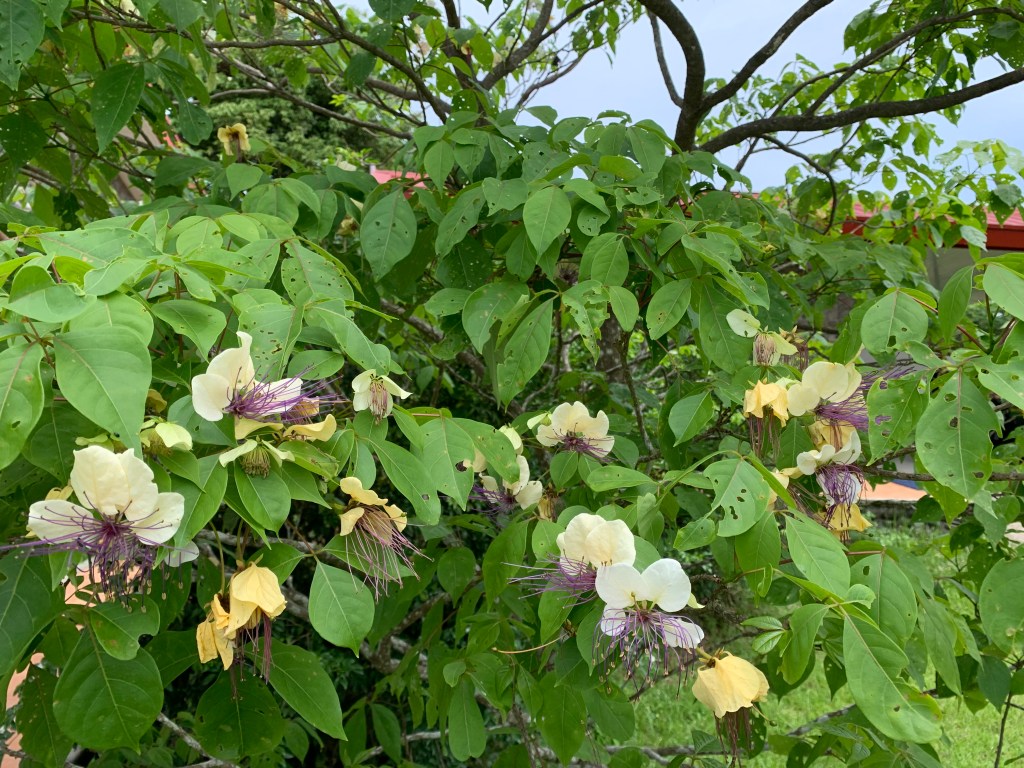
The Balai Lamok beside the cottage finally has a lot of flowers. This tree received a lot of hype among the Philippine native tree enthusiasts. It was touted as the “Cherry tree of the Philippines. It became one of the most expensive and most desirable native trees, especially when people would post photos of mature trees in full flower. They looked amazing. We also bought into the hype, but our trees have only produced one or two flowers at a time. This tree beside the cottage was given to us by a friend. This is the first time we’ve seen it flower this much!
Balai Lamok
The Philippine Teak beside the cottage also has flowers!
Philippine Teak
More interesting trees:
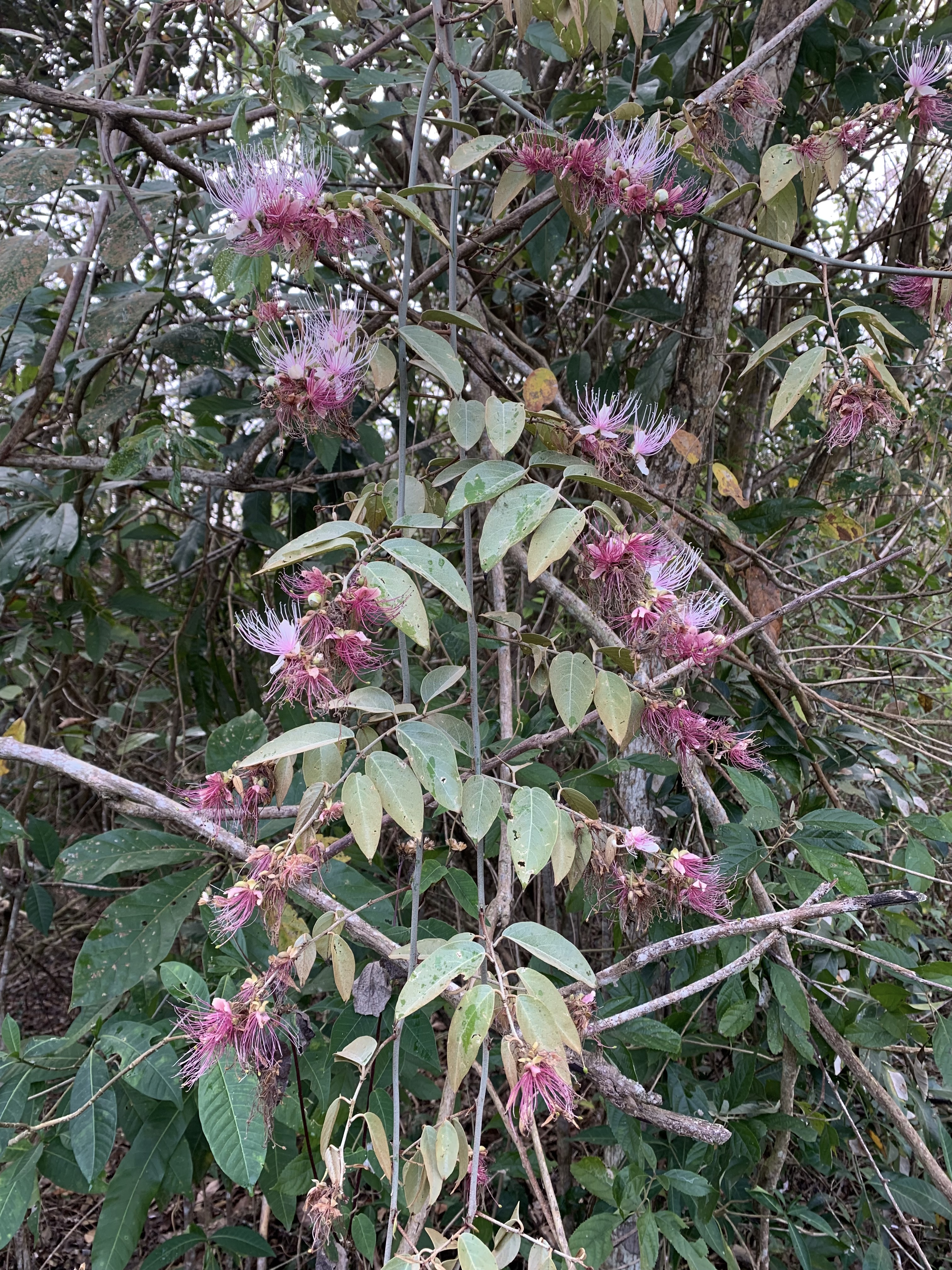
Look at those hanging rootsIs this Lipote?Ardisia?IpilMabolo
AUGUST
One side of the new pond developed a leak. Thankfully, it was repaired and the pond is still retaining water. Crossing my fingers that the water holds out during summer. Tonji also said that he will be doing some repairs to the big pond in summer. I hope the plants survive all of that! I am also hoping he also has time to build more ponds.
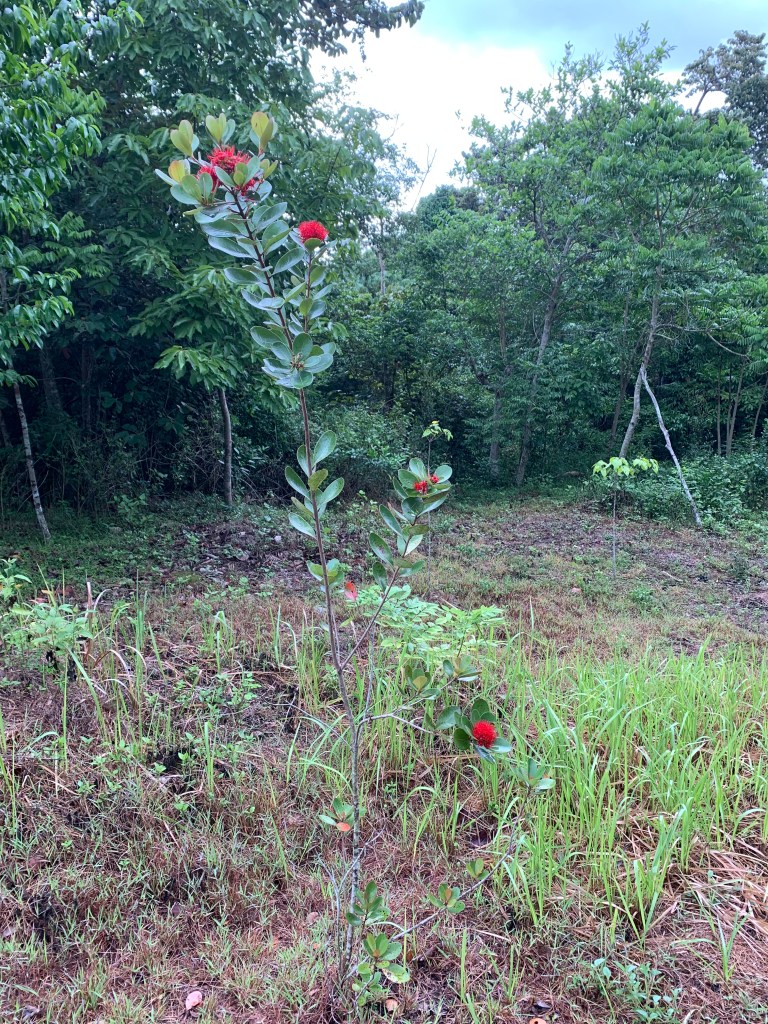
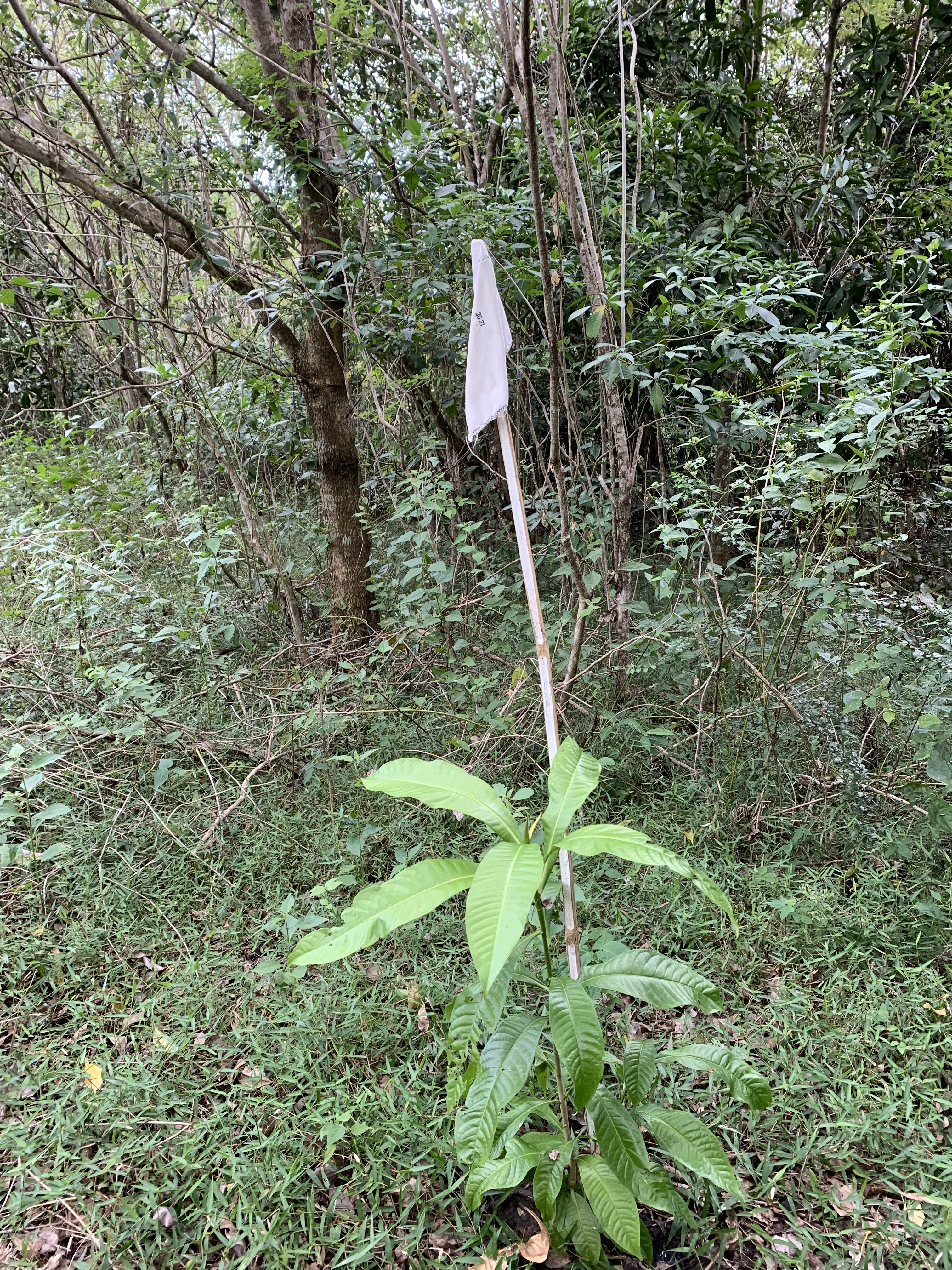
I sewed 500 flags for marking all the new trees being planted this year. We started planting some of the Malabulak seedlings. They are quite tall already and are starting to form thorns on their trunks.
I am enjoying propagating water plants in Alabang and planting them at the farm. The water lilies and other water plants are doing better at the farm than they were back in Alabang. They must like being planted straight into the ground and receiving full sunlight. I also improved my water plant transportation technique. I now put them in ziplock bags. I reuse the bags.
N Daubenyanasagittaria and papyrusthis is a hardy water lily that’s doing much better at the farm than in Alabangwater snowflake and N TinaOllie, careful don’t uproot the water hyacinth!Momo, watch out for the water lilies!
I developed COVID symptoms while we were at the farm. Tonji had to force me to go home so I could test myself properly and rest. I am ok now and looking forward to what the next months bring!
October 2021– We totally missed the month of October because Tonji’s foot was acting up again.
November 2021 – We had one visit that was cut short by Tonji’s foot acting up! This time he figured out that it was GOUT! Apparently even vegans can get gout if they have a predisposition to it and eat or drink something that triggers it. Now we know he has gout and it’s triggered by certain kinds of beer.
December 2021 – We had some very nice days at the sanctuary!
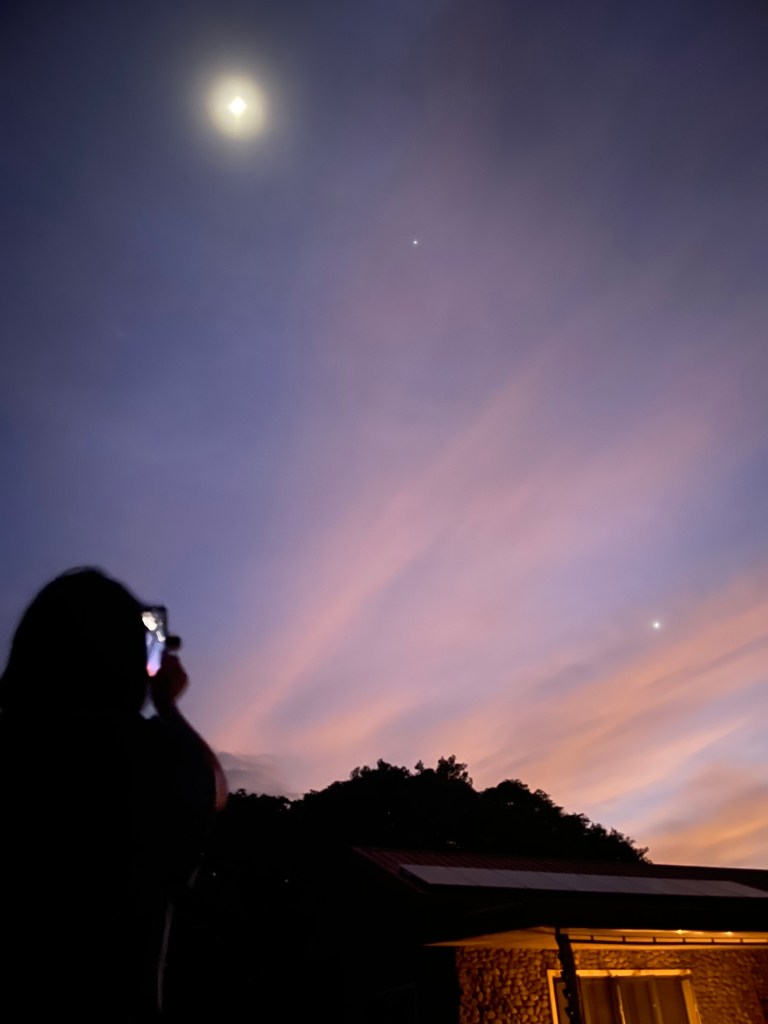
The planets aligned!
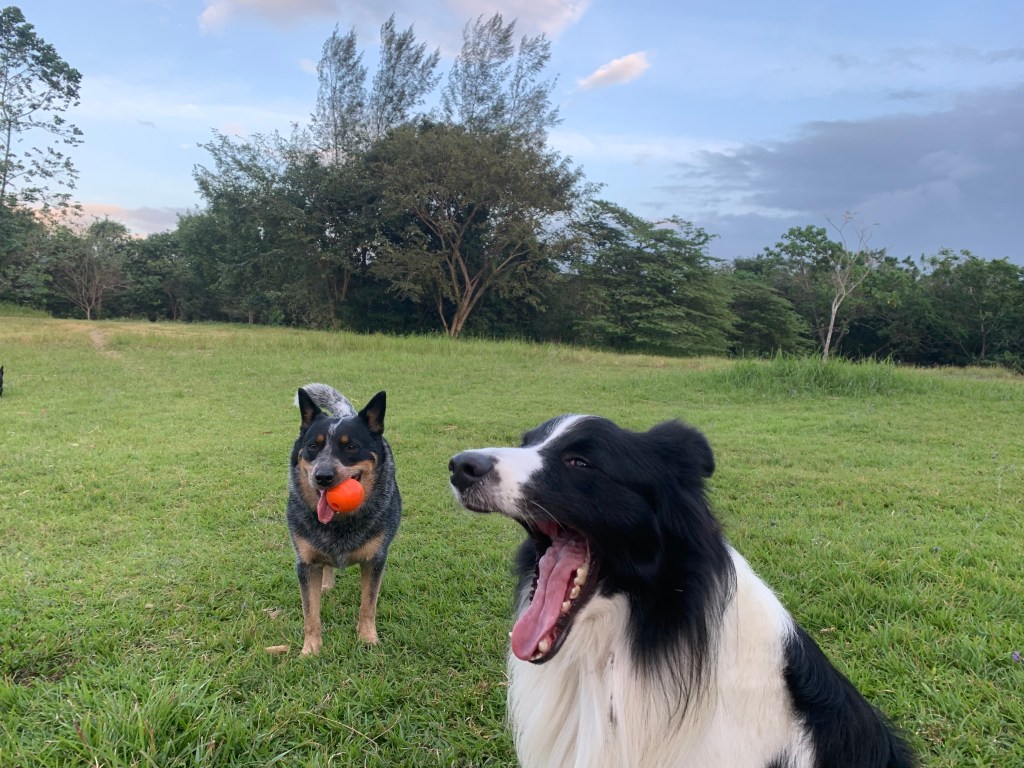
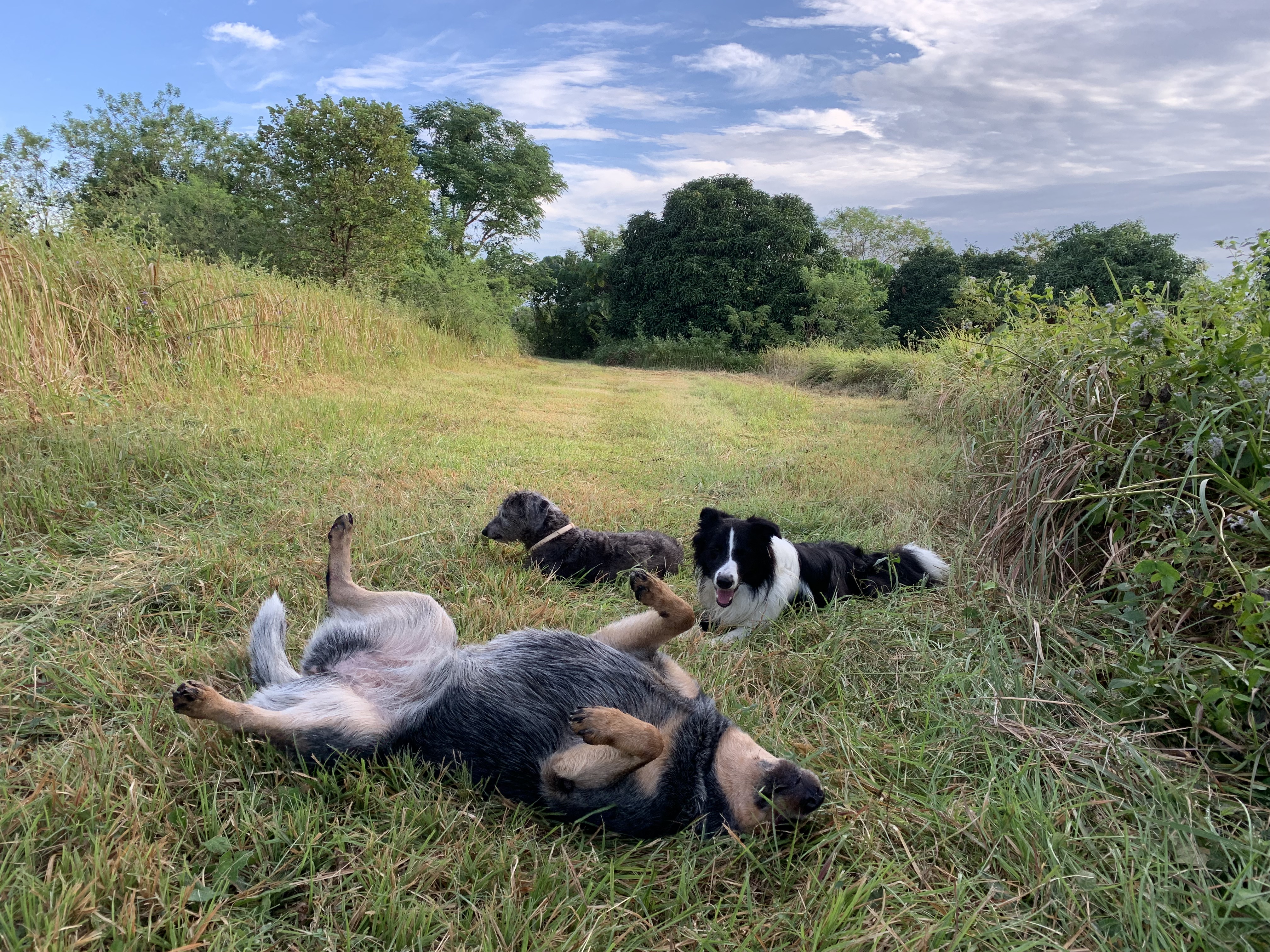
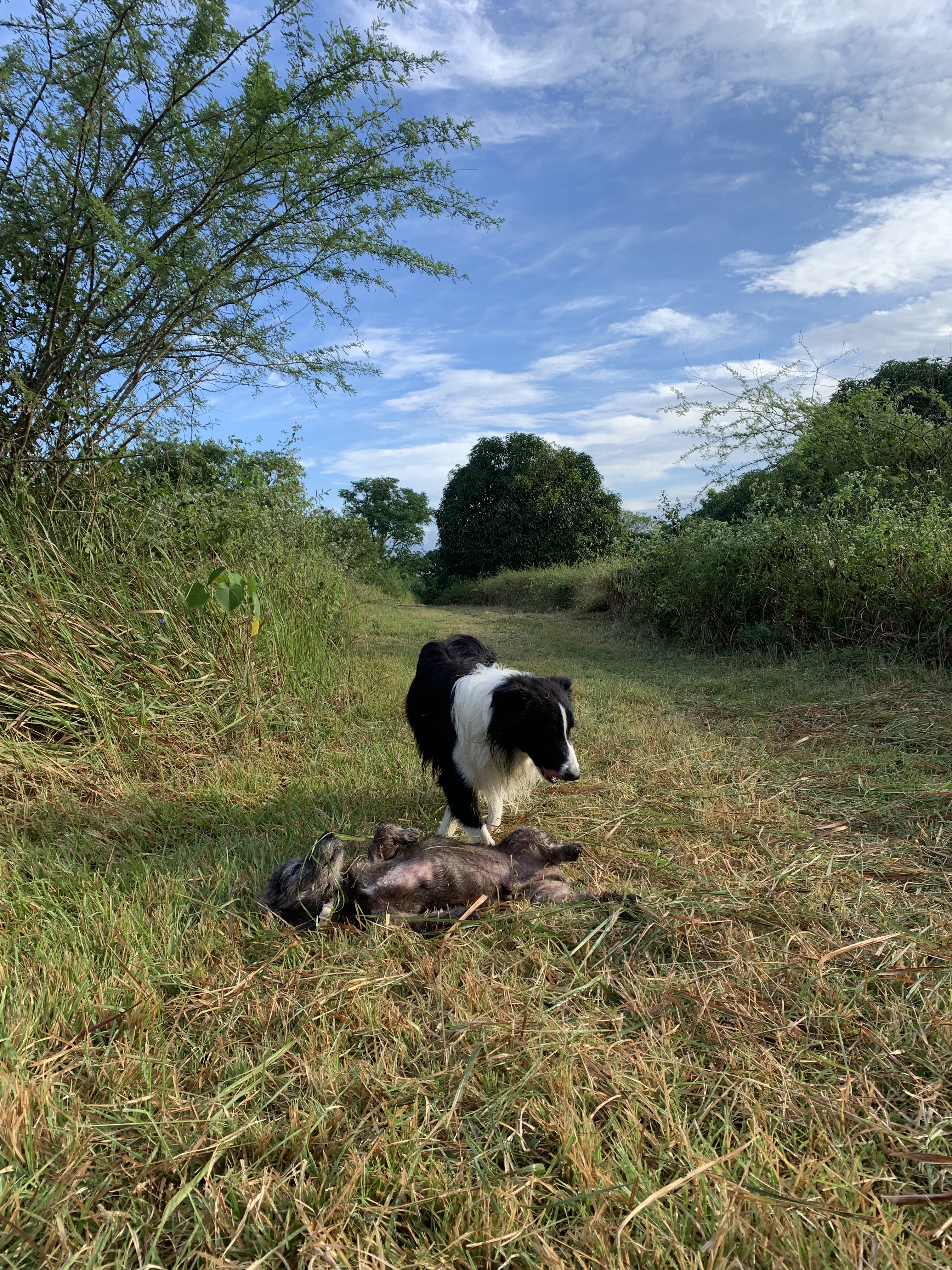
I could spend the whole day taking pictures of the dogs doing their own thing and just thoroughly enjoying themselves. There’s a lot of frolicking and rolling around.
BarkleyLulu rolling aroundMomo and OllieSketching at the farm is one of my favorite things!
One good thing about being away from the sanctuary for so long is that we get to appreciate how much things have grown! The Toog trees we planted in 2019 are thriving. We planted another batch of Toog that we had kept in the nursery until they were big enough to plant outside.
Toog planted in 2019Toog planted in 2019newly planted Toog (2021)
We also had sad news. Our dear sweet boy Takoy passed away on Dec 31. He suddenly collapsed and couldn’t move his back legs or tail. We had to put him down. He was buried in the paddock.
January 2022 – Tonji got COVID! Good thing it was a mild case of the Omicron variant. He was still able to go to the sanctuary once this month.
February 2022 – This is the nicest time of the year to be at the sanctuary. The weather is cool and windy and there are beautiful plants in bloom wherever you look!
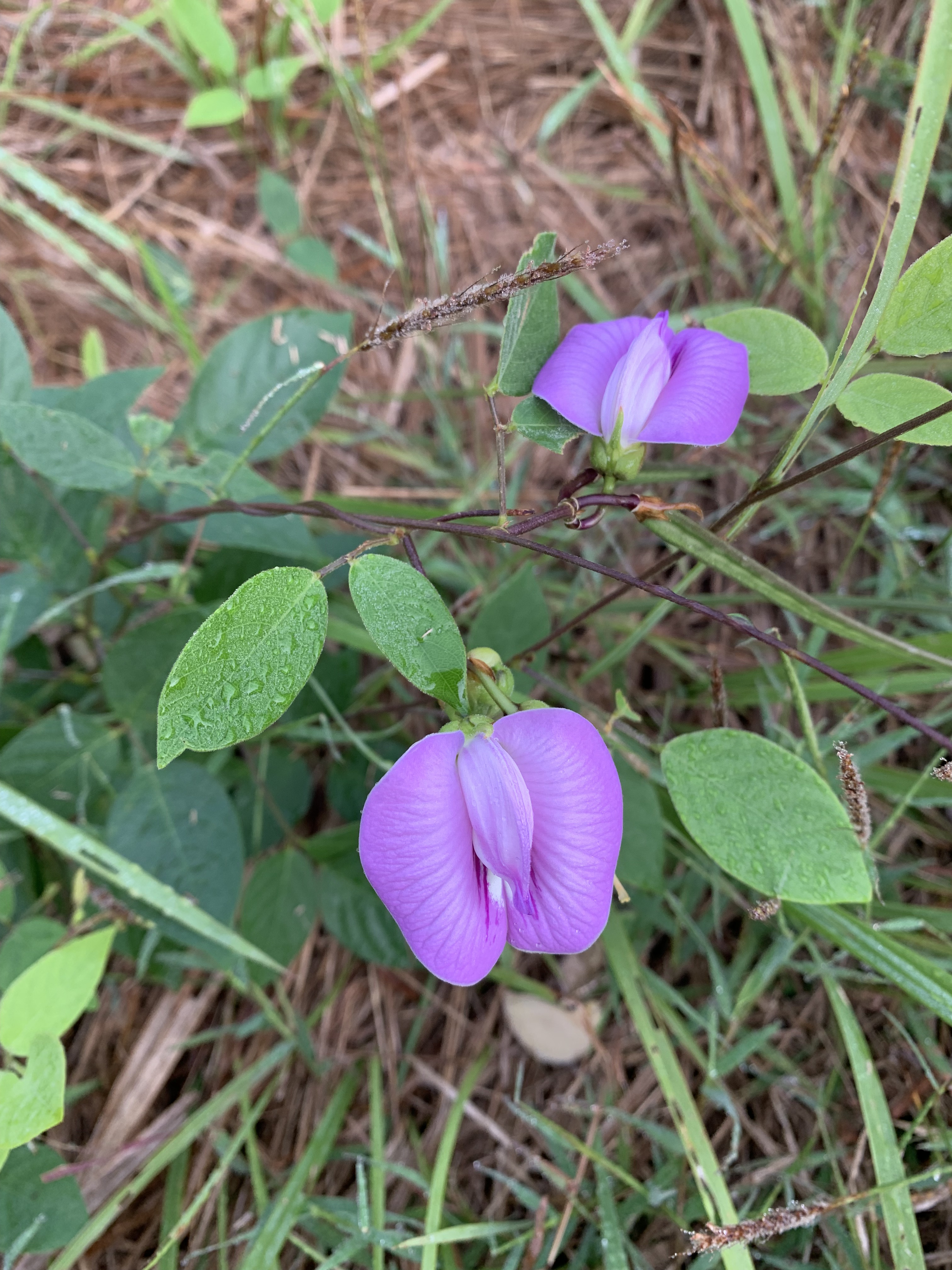
DalupangAsystasia gangeticaSalimbagatPukingganMadre de CacaoMadre de CacaoMakahiyaMadre de CacaoDila-DilaBagawak MoradoI collected 15 wildings growing around this Bagawak Morado. All of them survived!
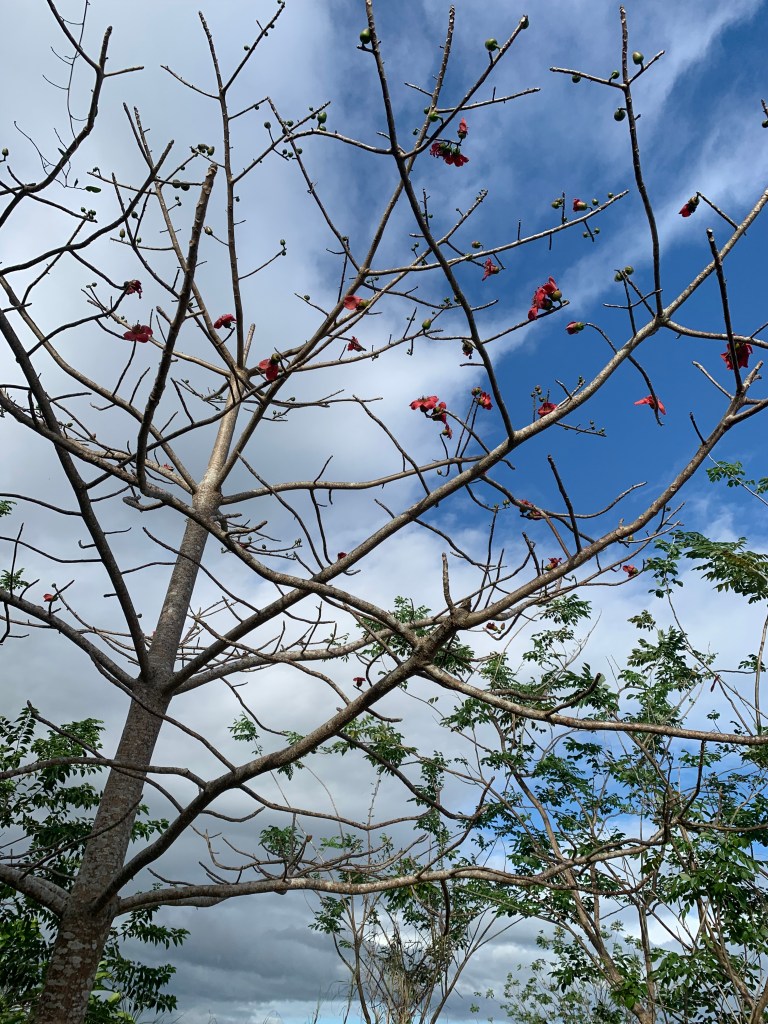
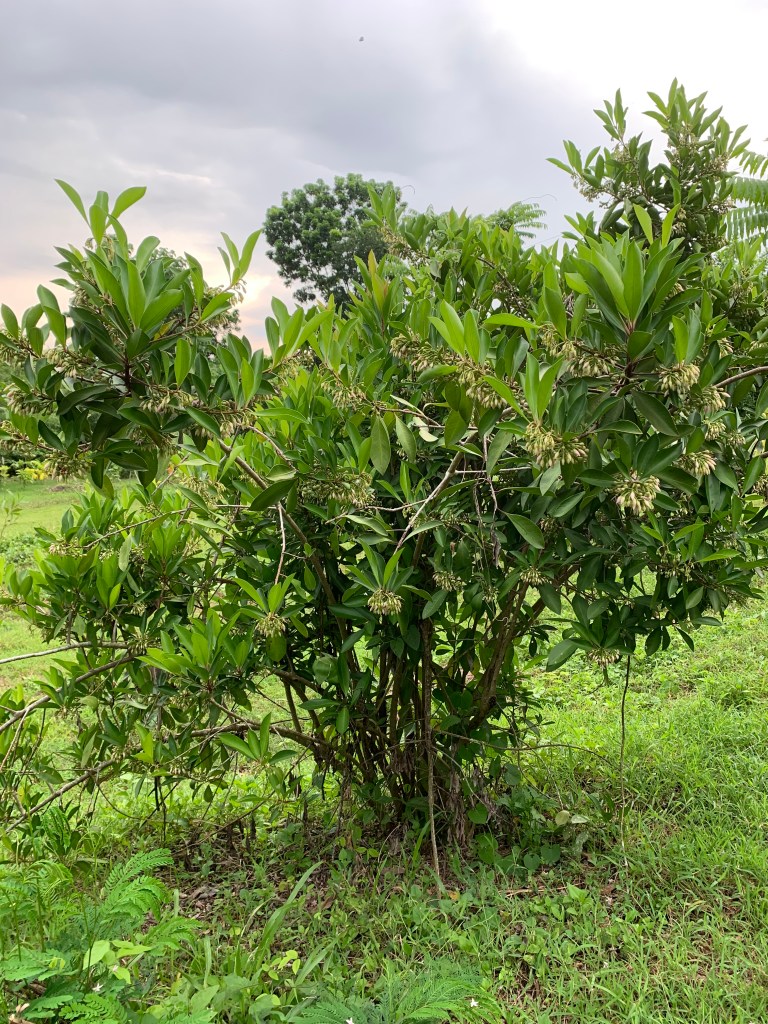
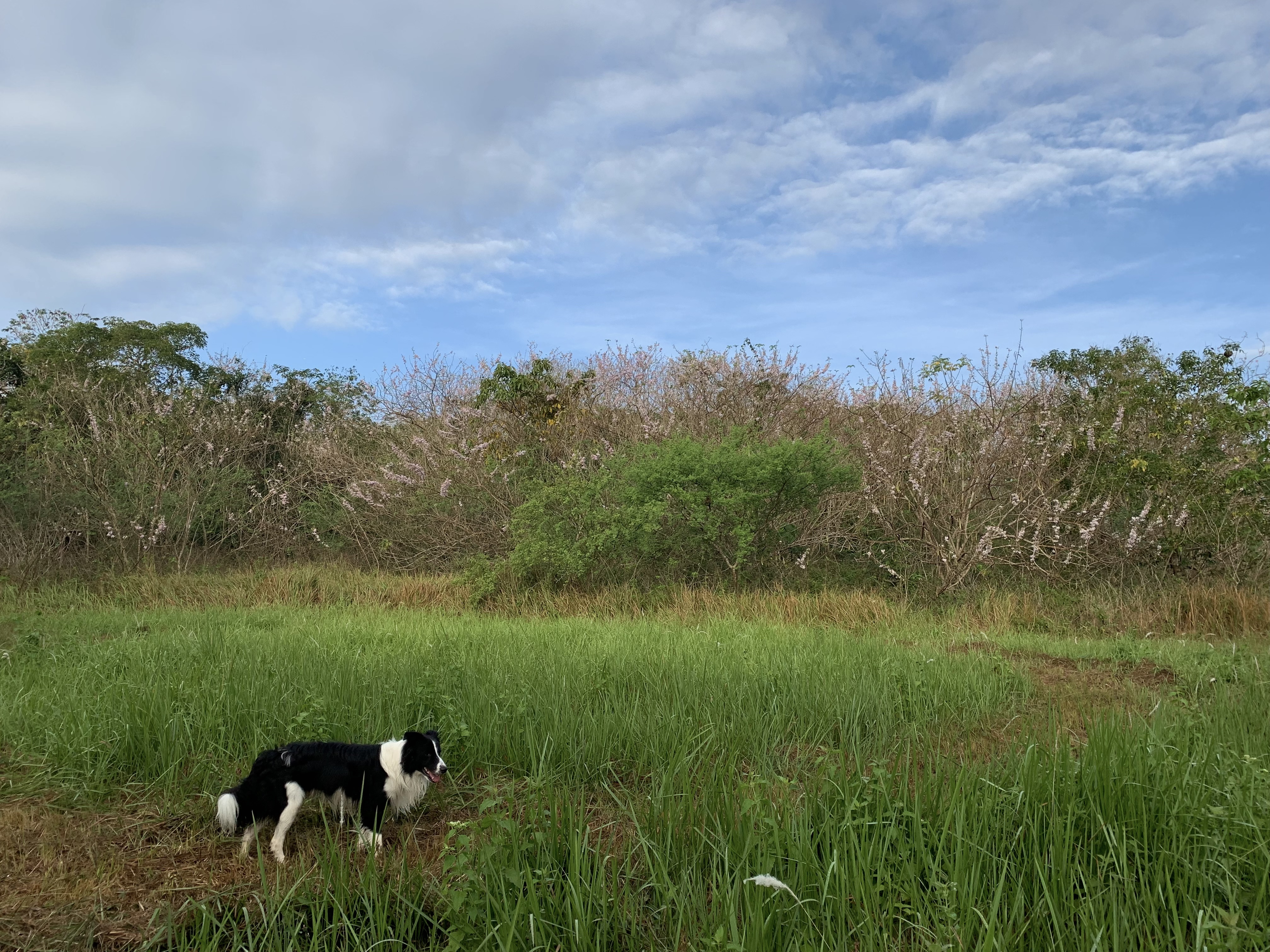
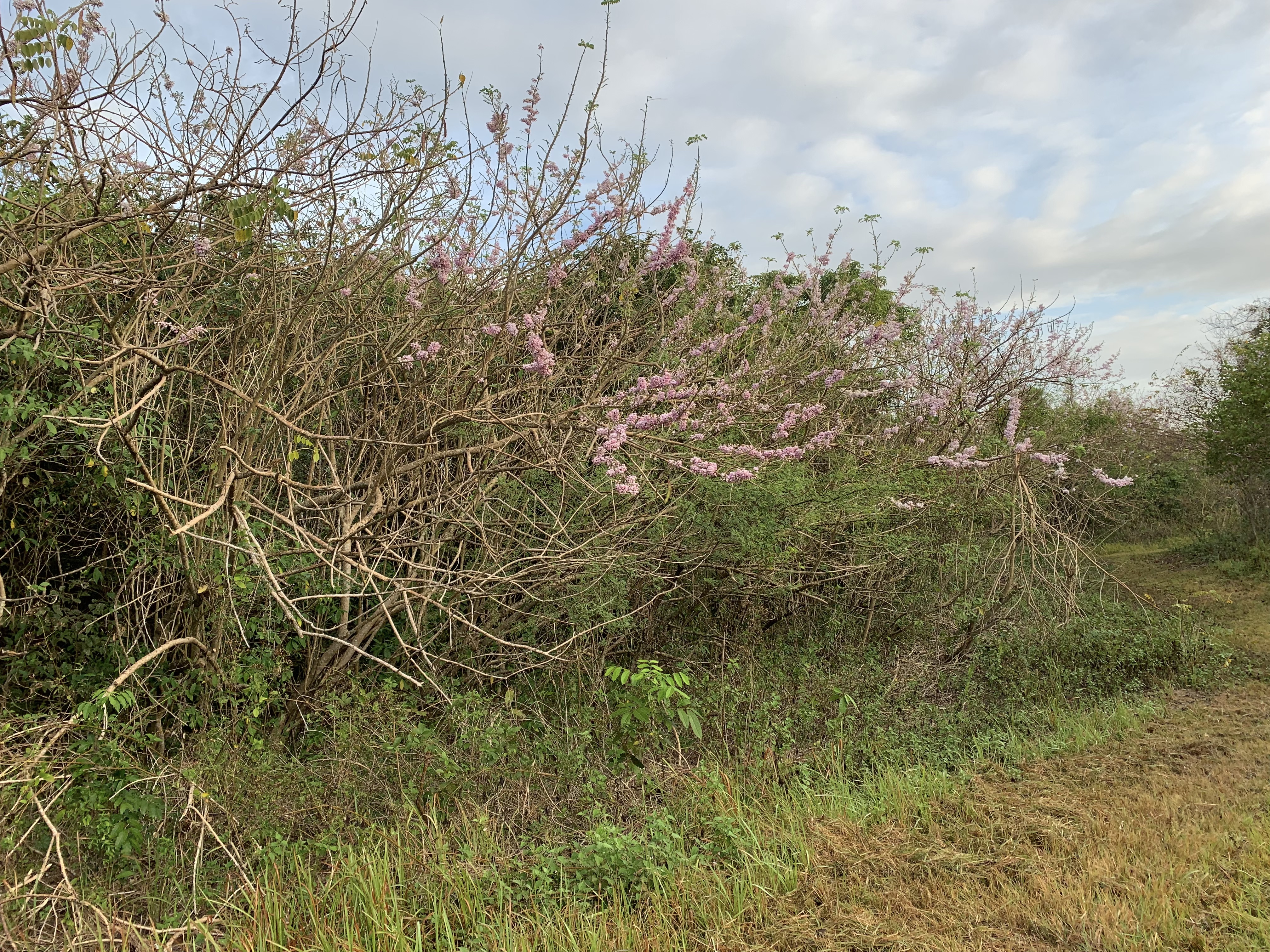
The Malabulak trees deserve special mention! They have grown tall, they look like proper trees now, and have a lot more flowers than last year! The Malabulak trees shed their leaves every year, before flowering.
March 2022 – Very busy and exciting month. We got a lot done! It is also very hot. An early summer. Does this mean we will have an early rainy season?
THE BIG POND – Tonji is taking advantage of the dry weather to work on our biggest wildlife pond yet! We are hoping that this pond will hold water all year and that we can put fish and water plants. The fish to eat the mosquito larvae and the water plants to slow down the water evaporation in the pond.
This is Tonji explaining science behind it all. Putting this here so we can watch it again during rainy season and see if all he said came true! (the noisy chicken sounds in the background are from our neighbor’s farm)
We upgraded Tonji’s digging machinery from a vintage digger to a brand new skid steerer. He watched a lot of YouTube videos on digging ponds and Small Water Impounding Projects or SWIPs. SWIPS are made mainly to collect rainwater to use for irrigating crops. The online videos are very encouraging, especially the ones from India and the Philippines. The communities that have them report big changes in their environment. The water tables get restored, dried up wells become usable again, and there are many more birds than before!
CASE skid steerer
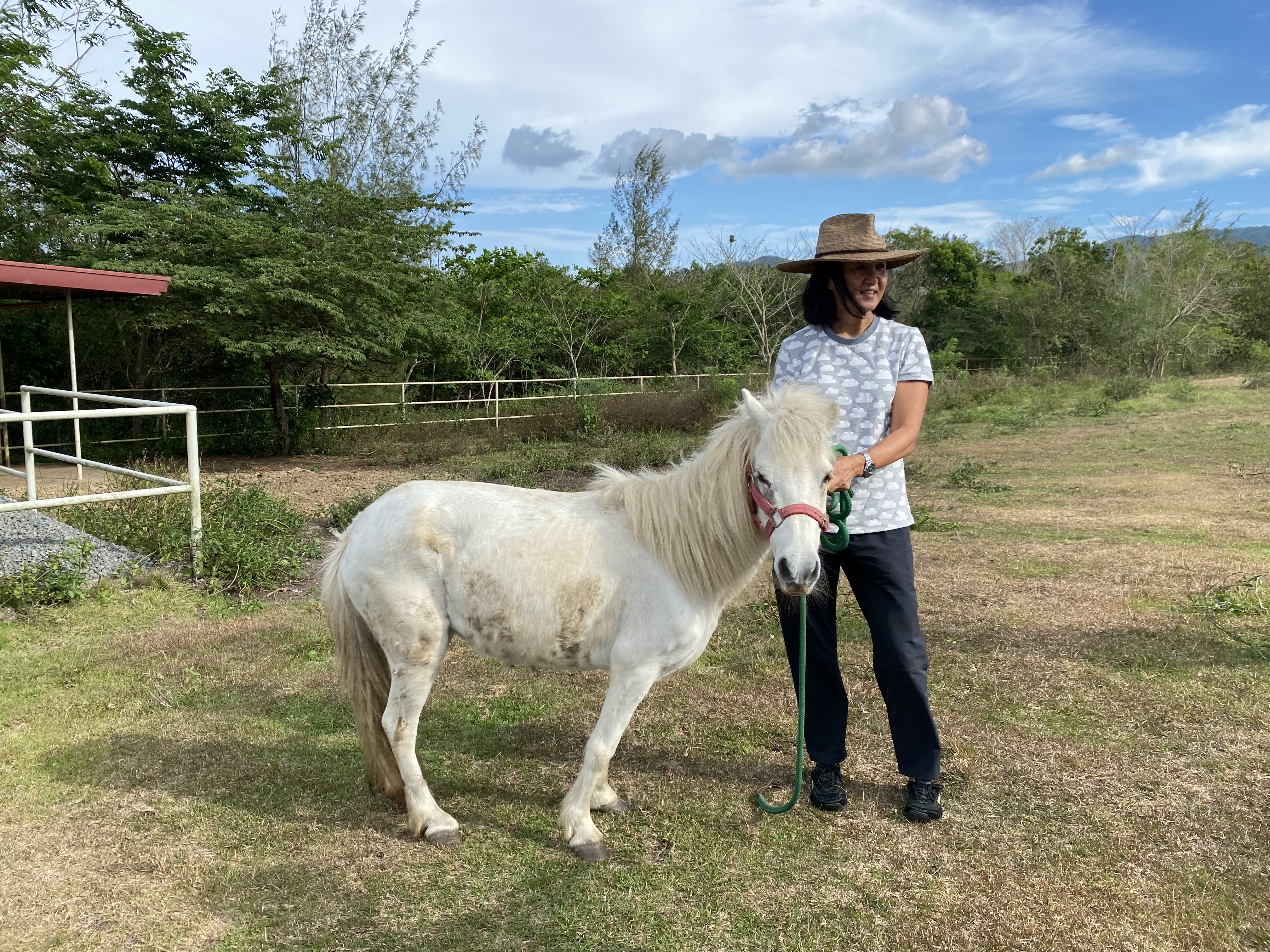
TWO PONIES – Boo Boo had been an only horse since Takoy passed away. We attempted to send her to our friend Tito’s farm in Mindoro so she could hang out with his cows and goats but she refused to get into the trailer! We didn’t have much of a choice, we decided to keep her and find companions for her. We briefly thought of getting fancy goats but realized it would be difficult to keep them from getting out of the paddock. We were able to adopt two very cute female ponies. Oatly came from Doc Nielsen and Brownie came from Doc Dan. The three horses got along almost immediately.
introducing Brownie to Boo Boobringing Oatly to join Brownie and Boo Boothe three friends
Boo Boo became noticeably calmer with her two new companions around. Before, the dogs (usually Ollie and Wolfie) would run into the paddock and rile her up by barking at her. She would run around and sometimes try to kick them. After we got the new ponies, it was like she was a different horse! The dogs would bark at her and she wouldn’t react at all. She would just continue eating grass and not even raise her head to look at them.
Day 1 – Oatly is showing Boo Boo that she’s not a pushover
Oatly is very friendly
We harvested our first Malabulak pod from our trees! This is the first year that they produced pods. The Malabulak seed pods are much smaller than the more common and non-native Kapok.
collecting the first pod!
The first seed pod we collected was still a bit greenish. I kept it indoors at room temperature and after 10 days the pod popped open. I collected more than 100 seeds. The seeds germinate easily, no need to soak or scarify the seeds before planting. They started showing signs of life after 5 days. I plan to make a little pillow with all the cottony fluff or “bulak”. The fluff causes allergies for some people. Good thing I am ok with it.
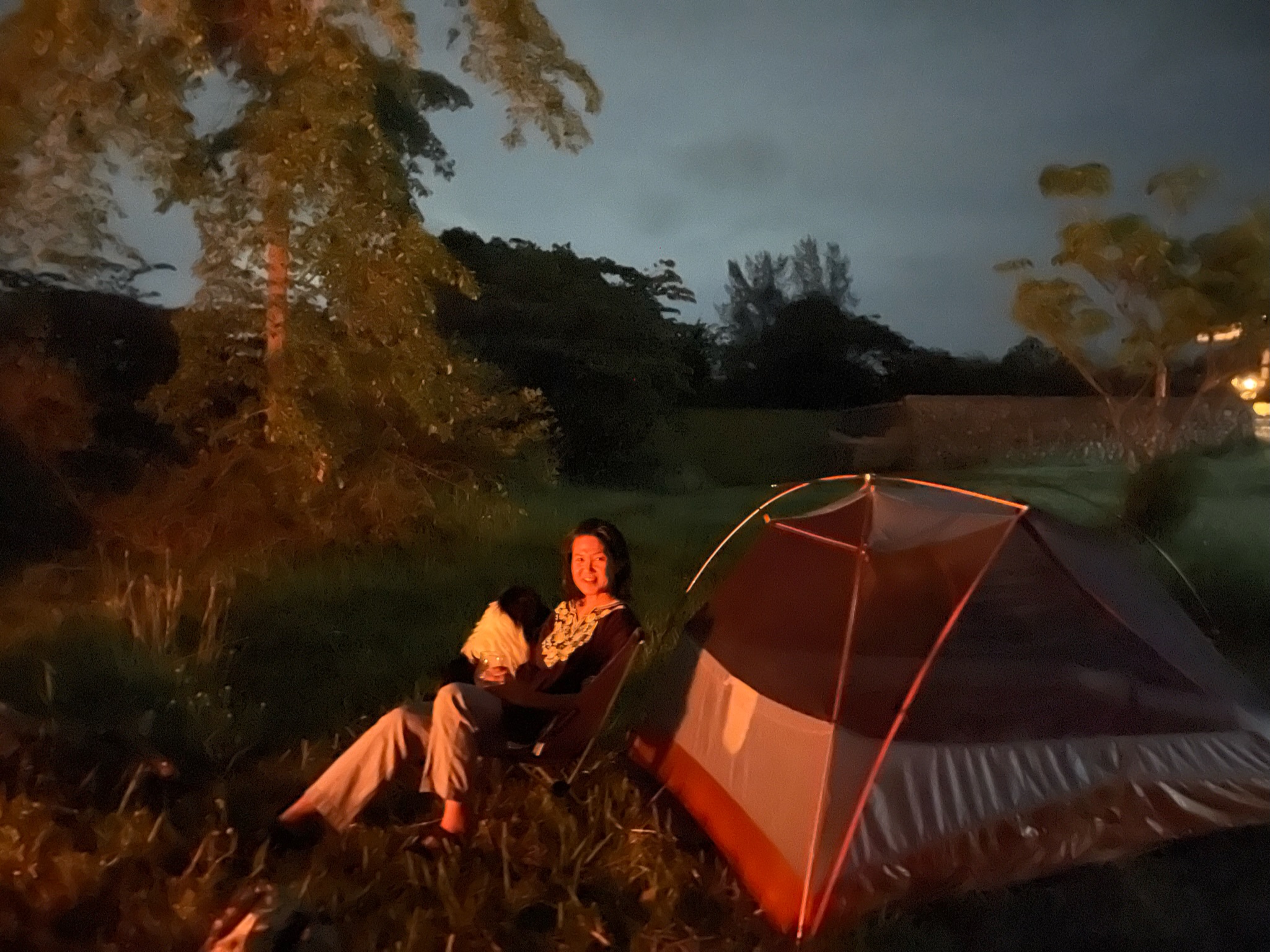
April 2022 – The weather surprised us with rain showers when we were expecting hot, dry weather. Our attempt to sleep outside in tents was cut short since I didn’t put up the rain covers of the tents.
The campers!
We collected more pods, this time with a long stick and net. We are growing them at home in Alabang.
showing signs of life
opening a Malabulak pod
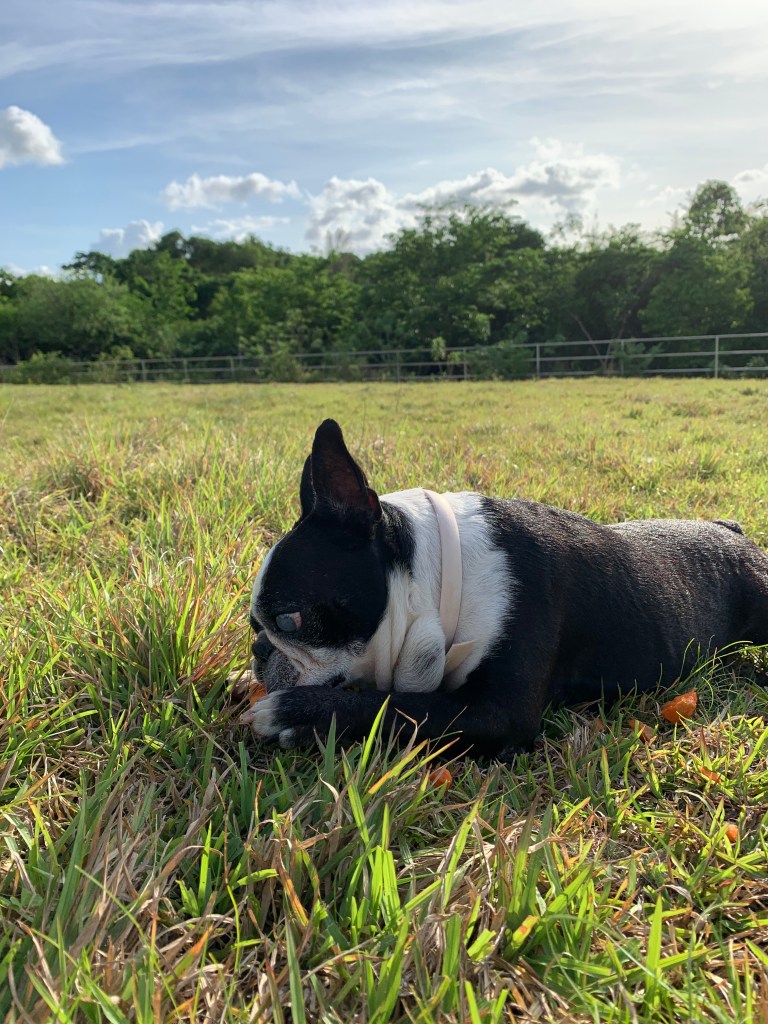
Barkley celebrated his 12th birthday! He ate some of the carrots that were meant for the ponies and went for a swim. He is mostly blind now. I am getting used to carrying him around for our morning walks.
We also bought seedlings from Punlang Katutubo in Batangas City. They had Philippine Teak! We are excited to plant more trees!
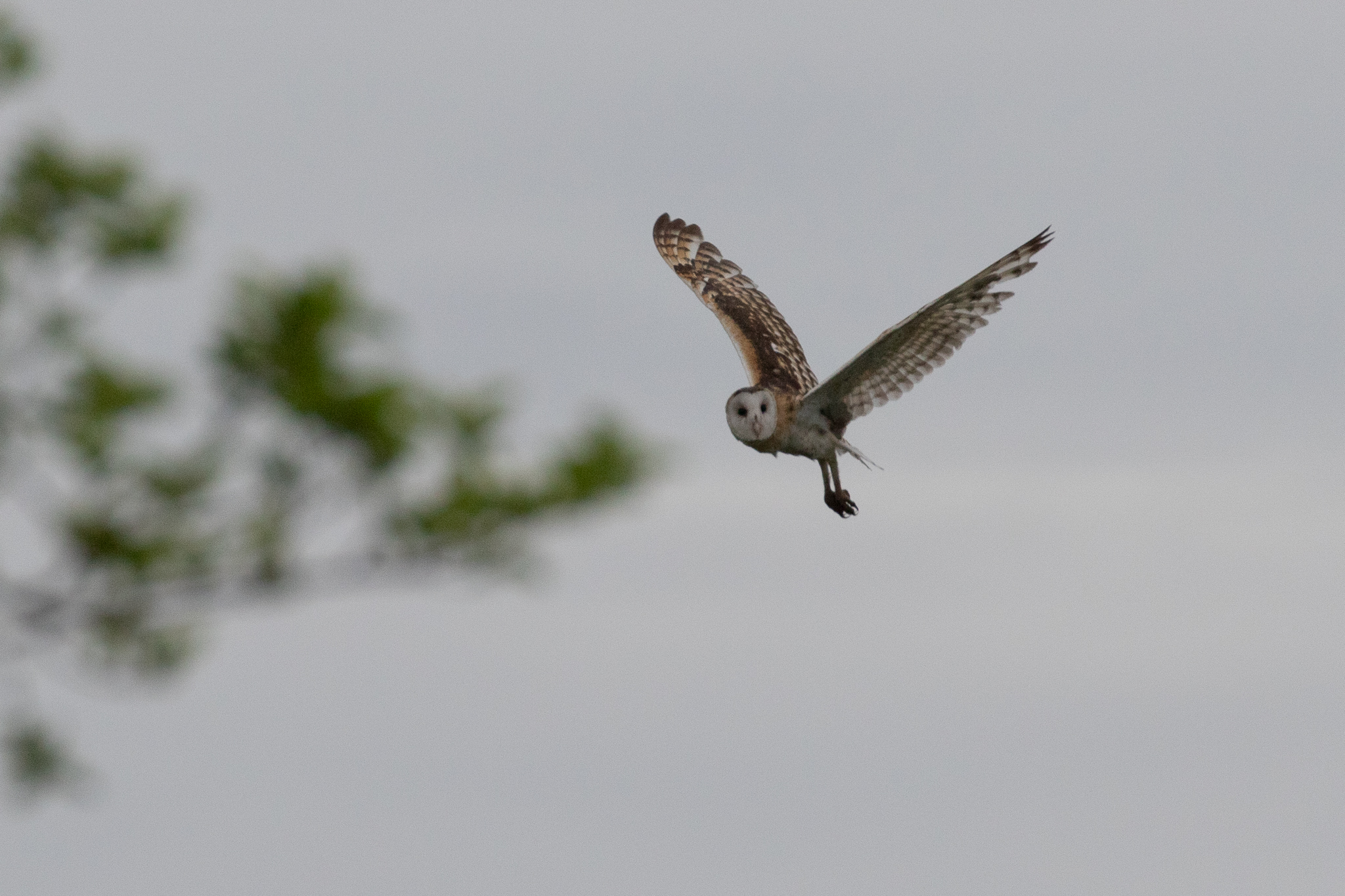
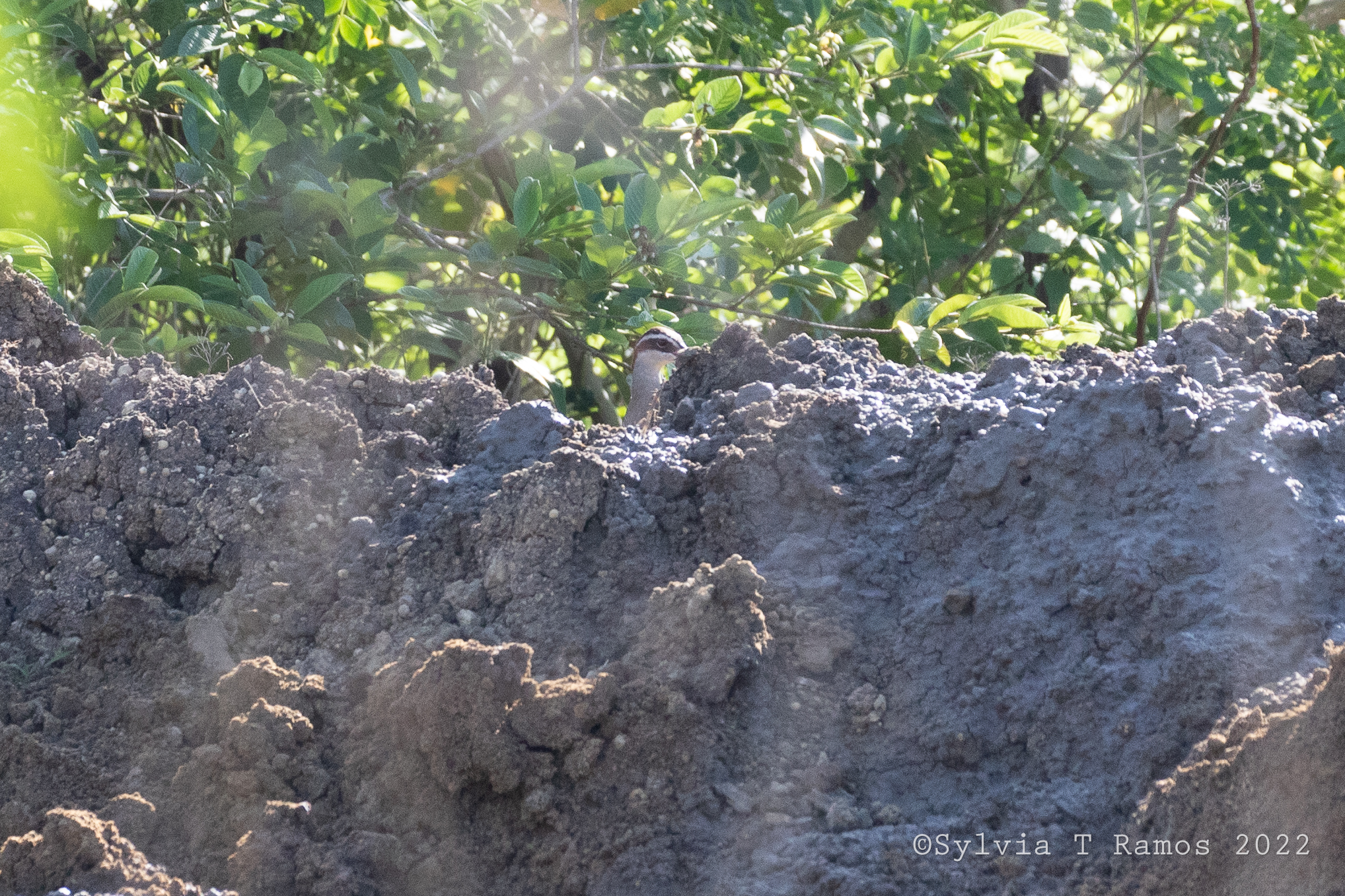
We have been observing interesting birds at the sanctuary. We hear a lot of Asian Koels, we saw a Malkoha at the nursery, 2 Philippine Nightjars on the ground, we heard a Hawk Cuckoo and we’ve been seeing Grass Owls in the daytime! We are also looking forward to seeing more birds at the new pond, once it fills up with rain water. I think it will be the new birding hotspot at the farm.
Grass Owl photo by Tonjihoping to see more water birds like this Buff Banded Rail
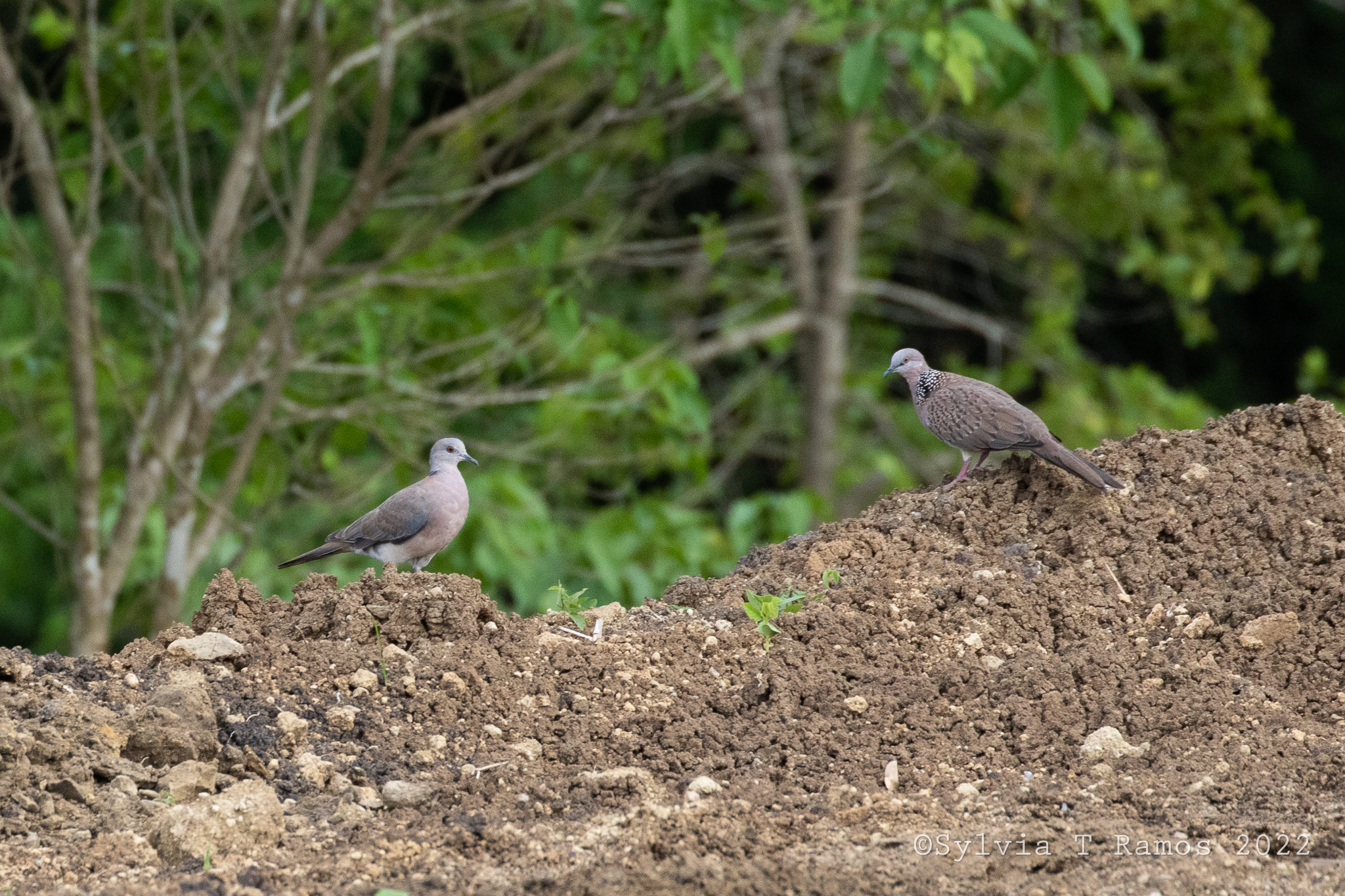
The Island Collared Doves that are usually skittish are easy to see there. We see them together with the less shy Spotted Doves. We are hoping they co-exist and the Spotted Doves don’t push out the Island Collared Doves!
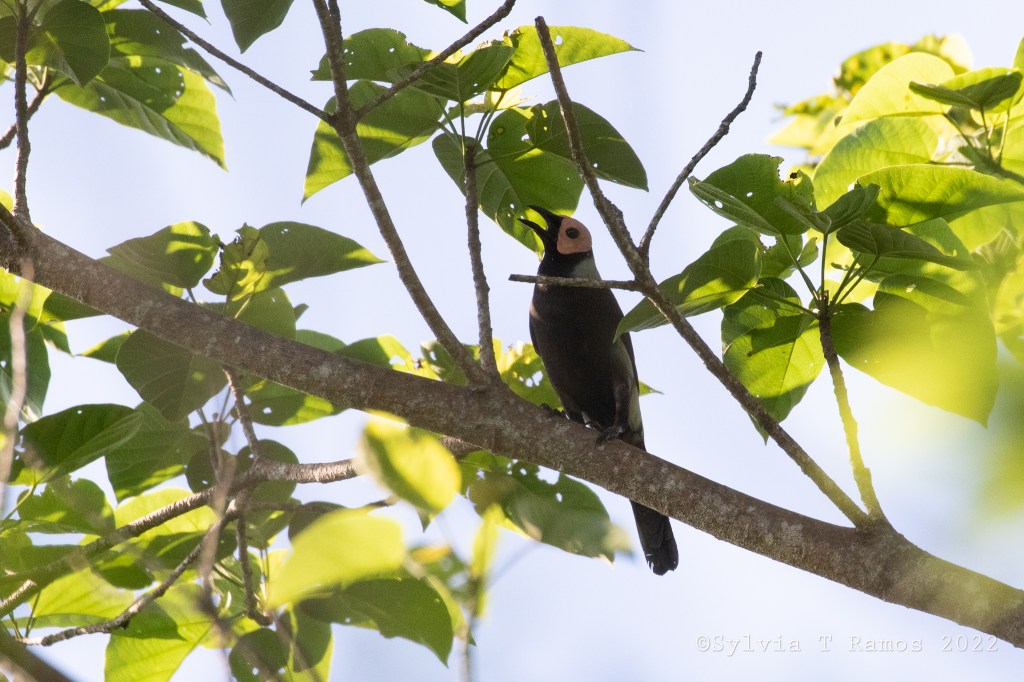
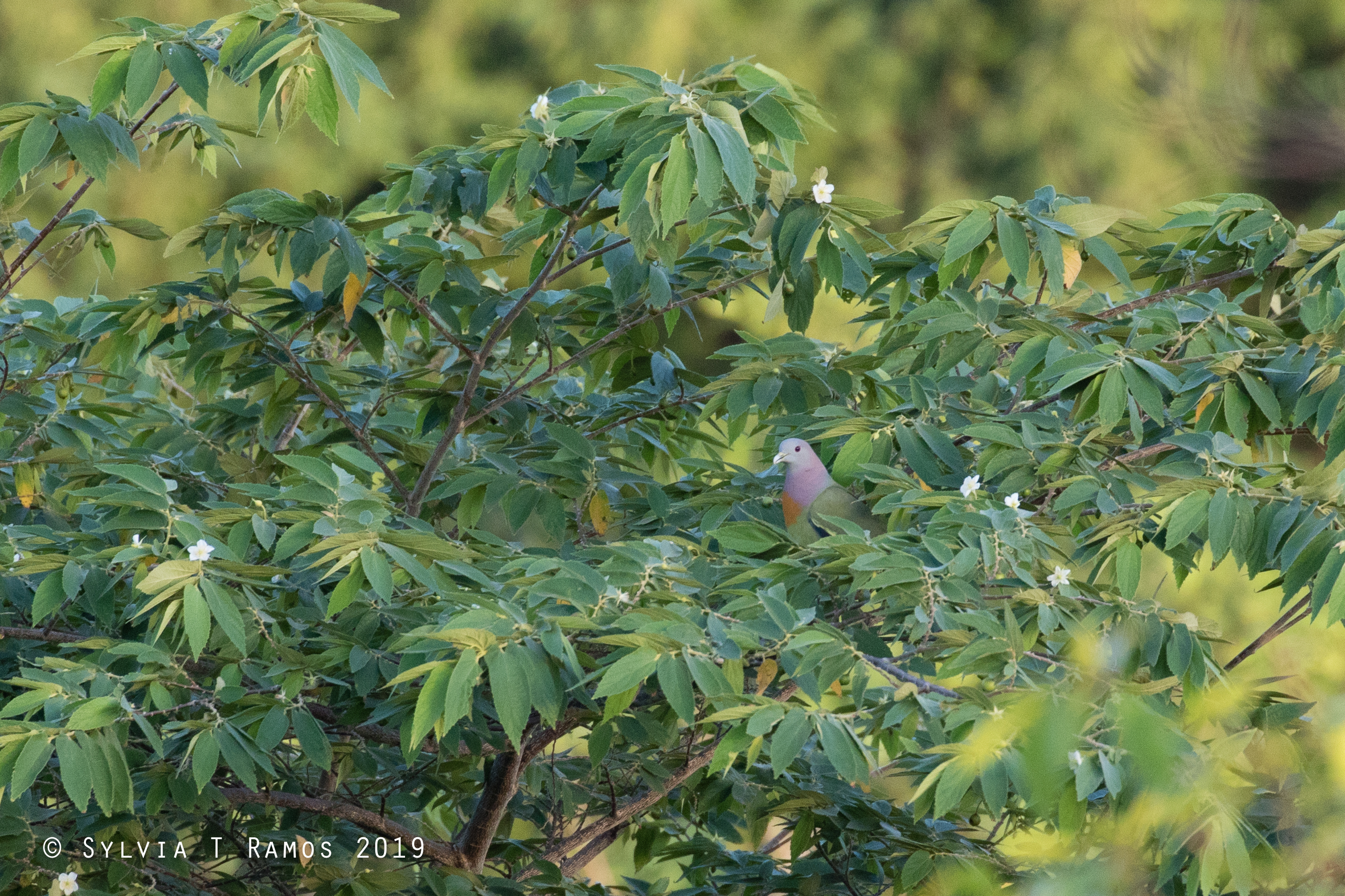
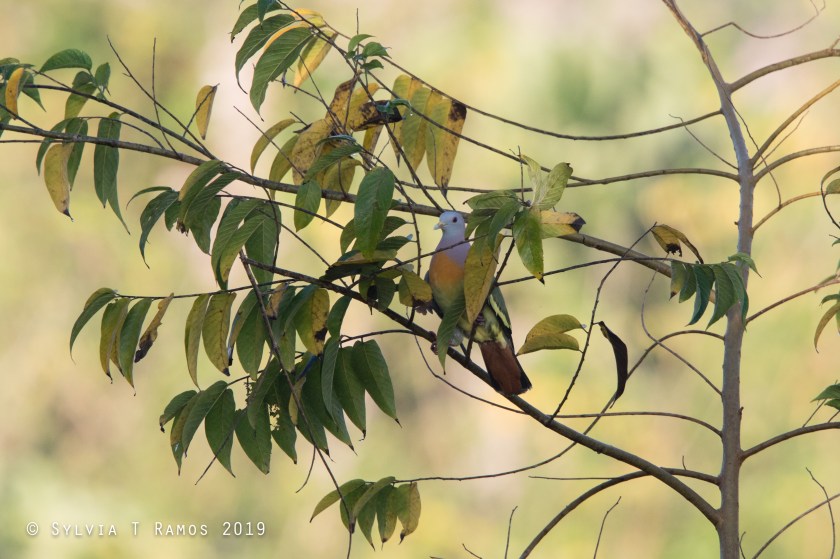
When we were newbie birders in 2008 one of our friends invited us to take pictures of waders and Philippine Ducks in his friend’s fishpond in Batangas. When we were done taking photos of the birds on the water, he asked us if we wanted to see Pink-Necked Green Pigeons. He said they were just nearby, perched on the trees. Of course we said yes. It was our first time to see them. They were so pretty! There were so many of them. The males had orange breasts! I was more excited over seeing them than the dull brown and grey plovers and plain white egrets that we drove there to see in the first place.
Now that we have this place, I get to see Pink-necked Pigeons every morning outside my own door! I am still excited about seeing them, maybe even more excited than when I first saw them in 2008.
There are big aratiles trees behind the round pen that fruit year round. The Pink-necked Green Pigeons love the fruit. They make the aratiles their first stop in the morning.
They even eat the green, unripe fruit!
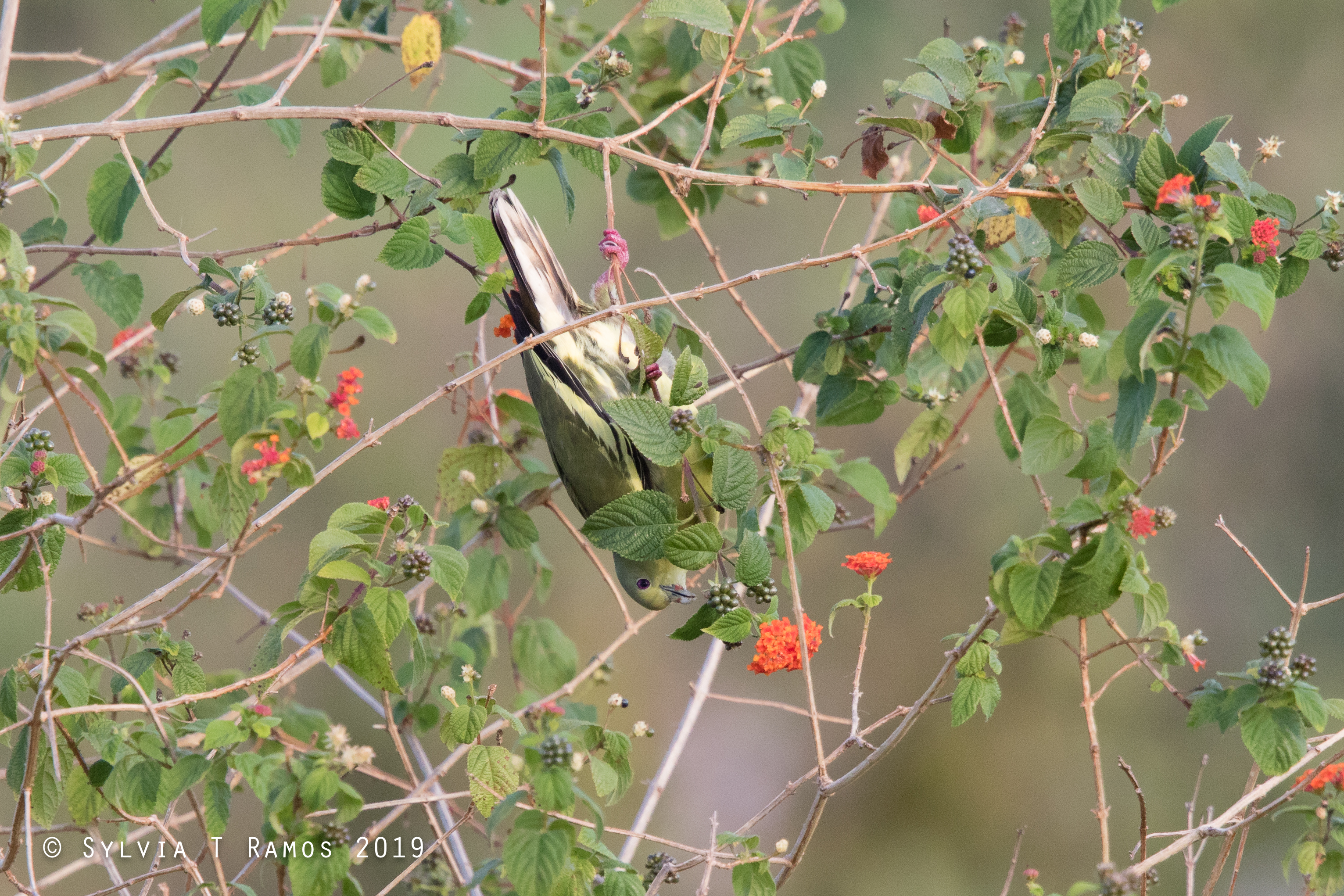
Then they they check out the lantana shrub that’s growing wild beside the round pen.
We didn’t plant this shrub. It’s an invasive weed that’s also cultivated as an ornamental plant in urban areas. It used to be very popular as a garden plant in urban areas. In the US, cattle ranchers spend a lot of money removing this invasive weed because it is toxic to livestock. Birds and butterflies love it!
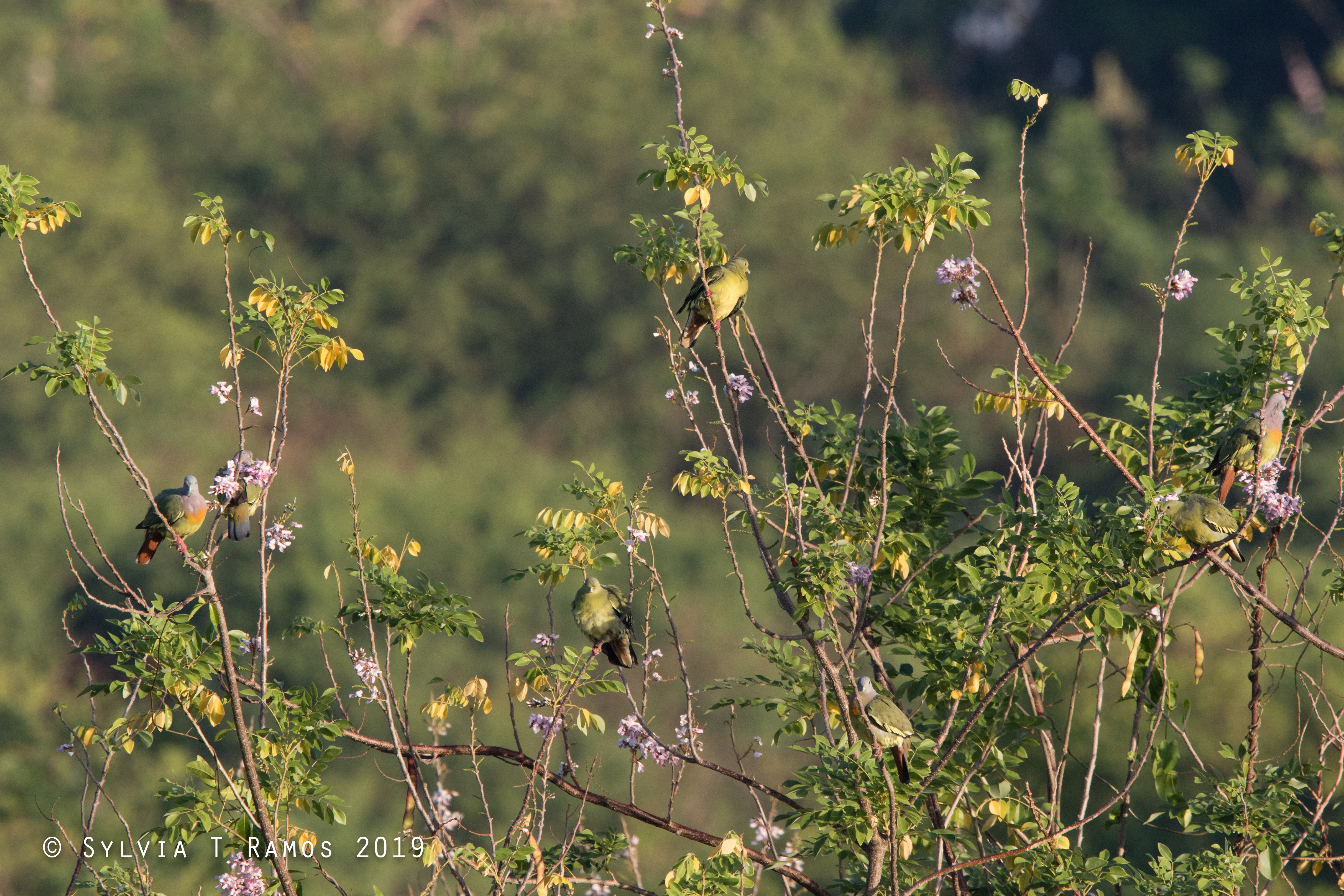
Next is group huddle at the madre de cacao trees further behind the round pen. Breakfast is done and they spend some time grooming, preening, and probably just enjoying the sun and breeze.
The madre de cacao look their best at this time of the year. They are full of pink flowers and new yellow leaves. The birds with their green bodies and pinkish-orange breasts make the trees look even better!
Then the birds move on to other parts of our refuge.





































 Tonji and Sylvia's Wildlife Refuge